Tucked behind a tree line just off a Tennessee highway, there is a place that holds more than a quarter million pieces of mountain history, and most people drive right past it without knowing it exists. A Smithsonian-affiliated museum spread across a working pioneer village, it preserves the tools, cabins, stories, and everyday objects of Appalachian life in a way that no textbook ever could.
The grounds include over 35 historic structures, free-roaming animals, and exhibit halls packed with artifacts collected over decades by a man who dedicated his life to making sure these mountain stories were never forgotten. Plan for at least three to four hours, because this place has a way of pulling you deeper in with every building you enter.
The Vision Behind 250,000 Artifacts
The entire museum began as the life’s work of one man, John Rice Irwin, a Tennessee native who spent decades collecting objects, structures, and stories from across the Appalachian region. His personal voice is woven throughout the exhibits, with handwritten descriptions signed in his own hand explaining where each item came from and who once owned it.
That personal touch gives the collection a warmth that is hard to find in larger institutions. These are not anonymous objects behind glass.
Each artifact comes attached to a name, a family, a specific hollow or ridge somewhere in the mountains.
Since Irwin’s passing, the museum has continued operating as a nonprofit, working to preserve his original vision while expanding the range of stories told across the grounds. The result is a collection that now holds approximately 250,000 artifacts, making it one of the most extensive repositories of Appalachian material culture anywhere in the country.
What Smithsonian Affiliation Actually Means
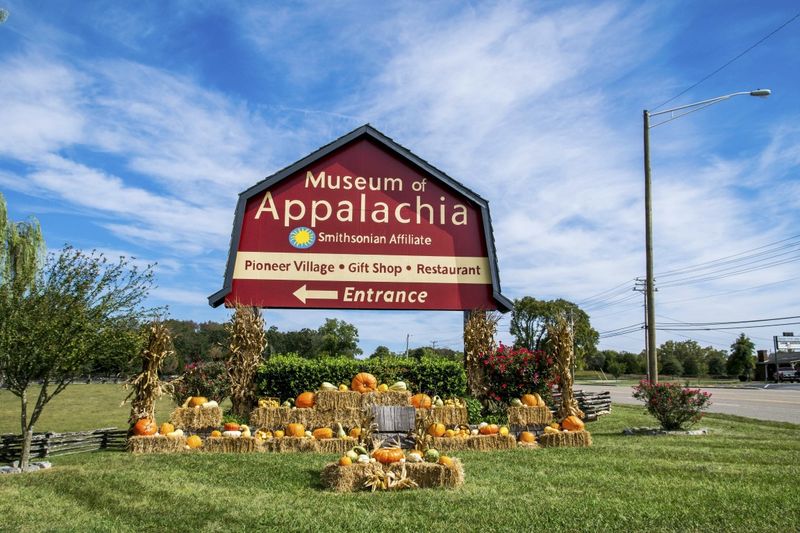
Not every regional museum earns a Smithsonian affiliation, and the one held by the Museum of Appalachia is a genuine mark of institutional credibility. The Smithsonian Affiliations program connects museums across the United States to the resources, expertise, and standards of the national Smithsonian Institution in Washington, D.C.
For a museum rooted in a rural Tennessee county, that recognition carries real weight. It signals that the collection meets professional preservation standards and that the stories told here have been acknowledged as part of the broader American cultural record.
The affiliation also opens doors for collaborative programming and educational outreach that would otherwise be out of reach for a smaller nonprofit. For anyone who has ever wondered whether a regional museum can stand alongside the country’s most respected institutions, the Museum of Appalachia offers a clear answer.
Mountain history does not need a big-city address to be taken seriously.
A Pioneer Village With Over 35 Historic Structures
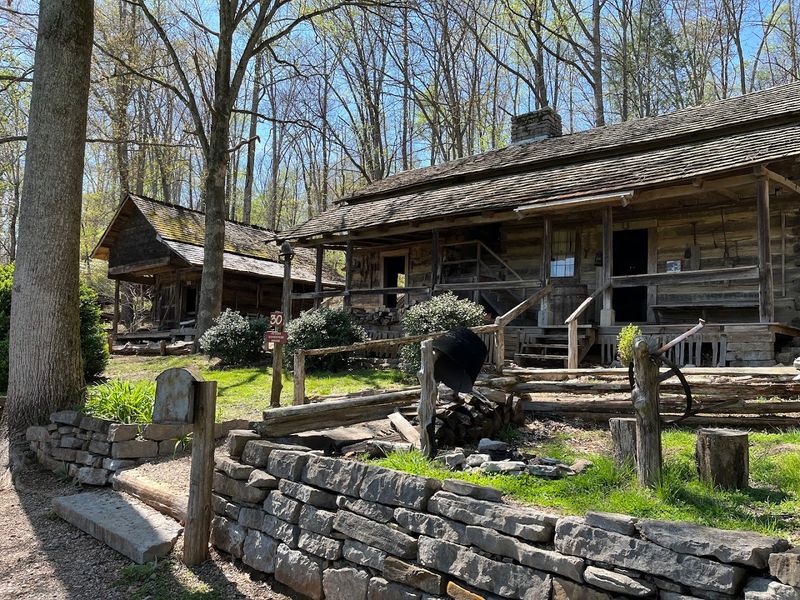
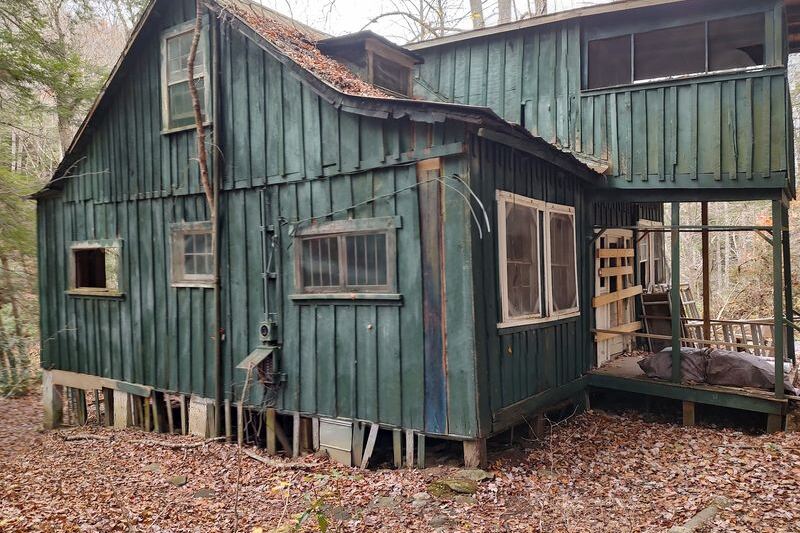
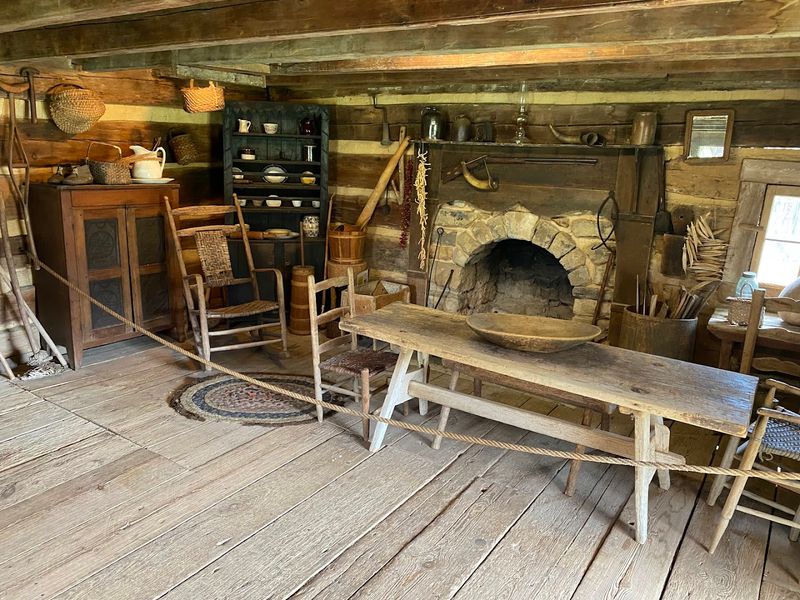
Walking the grounds of the pioneer village is unlike moving through a typical museum. The path winds past more than 35 authentic historic structures, each one relocated to the property from its original site somewhere in the Appalachian region and carefully restored to reflect its original condition.
There are log cabins, barns, a mill, smokehouses, and various outbuildings, all arranged across the landscape in a way that creates the feeling of a working mountain community rather than a staged exhibit. The numbered map handed out at the entrance keeps the route organized so that nothing is overlooked.
Some structures hold interior displays packed with period tools, furniture, and household objects. Others are preserved primarily for their architectural character.
Together, they represent a range of Appalachian building traditions spanning roughly two centuries, and the variety keeps the tour engaging from the first cabin to the last outbuilding at the far end of the property.
The Hall of Fame That Anchors the Collection
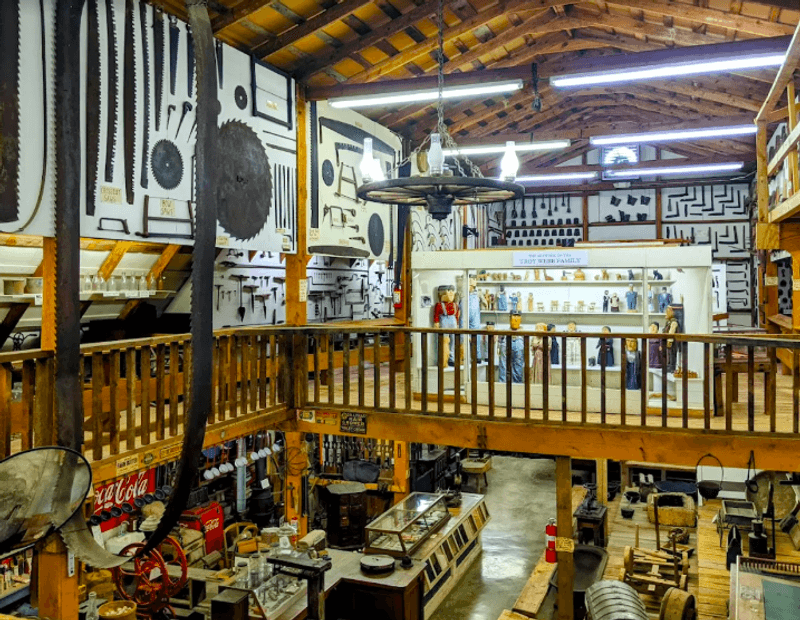
The first major building on the tour route is the Hall of Fame, and it sets the tone for everything that follows. This exhibit hall is where founder John Rice Irwin’s gift for storytelling is most concentrated, with dozens of profiles honoring both famous and ordinary Appalachian people displayed side by side without hierarchy.
Celebrated musicians, craftspeople, athletes, and regional figures share wall space with farmers, woodcarvers, and community members whose names never made a headline. That equal treatment is one of the most frequently noted qualities of the museum, and it reflects a deliberate philosophy about whose history deserves to be preserved.
The sheer volume of stories in this one building means that a single visit rarely covers everything. Many people find themselves returning to the Hall of Fame after completing the outdoor tour, drawn back by details they passed too quickly the first time through.
It rewards a slow, unhurried pace.
Famous Cabins With Famous Connections
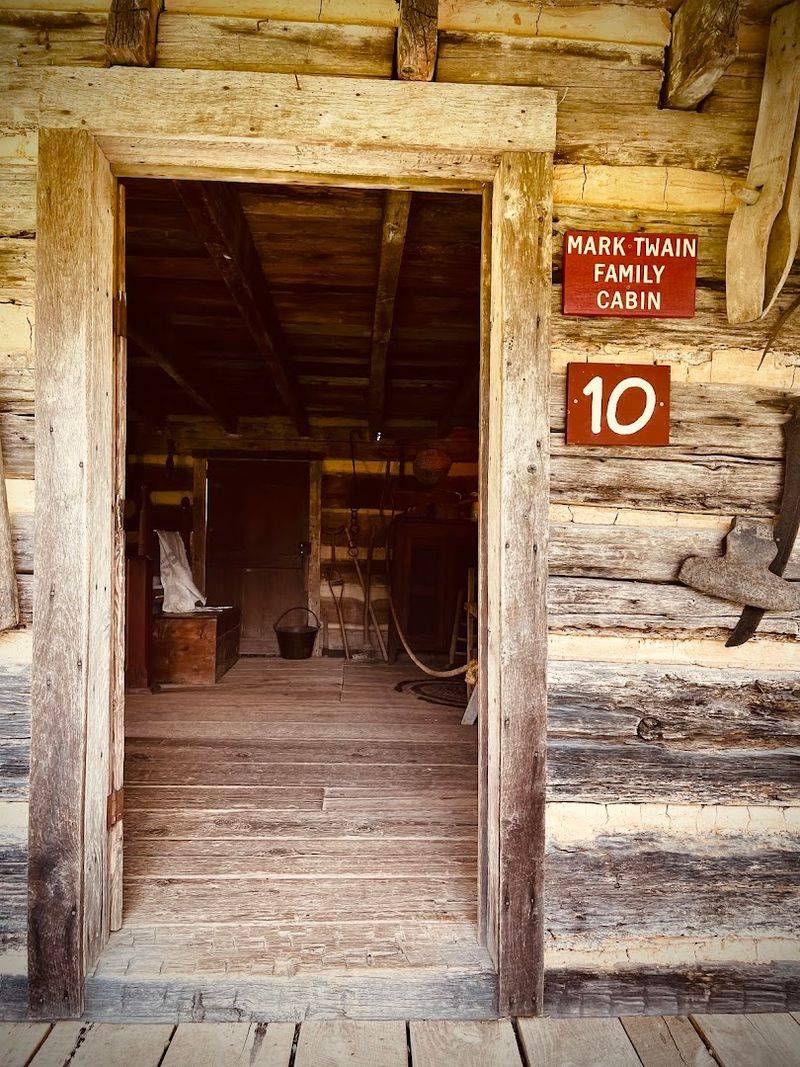
Among the most talked-about structures on the property are two cabins with connections to figures well known beyond the Appalachian region. One is a log cabin associated with Daniel Boone, and another is identified as the childhood home of Samuel Clemens, better known as Mark Twain.
Both structures have been relocated to the museum grounds and are part of the self-guided tour route. Standing beside a cabin that carries that kind of historical weight, even at a distance, gives the visit a dimension that purely artifact-based museums cannot replicate.
The presence of these structures alongside more anonymous mountain cabins reinforces one of the museum’s central ideas: that the Appalachian region produced people and stories that shaped American history at the national level, not just the local one. The cabins are not roped off or elevated above the others.
They sit in the village the same way they would have sat in the mountains.
Asa Jackson’s Perpetual Motion Machine and Other Curiosities
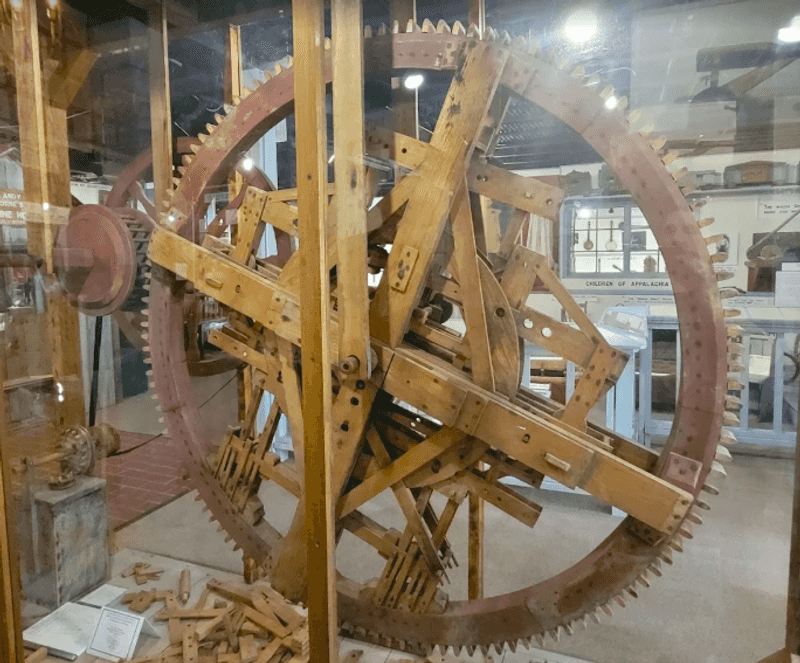
Not everything in the collection fits neatly into a category of tool, furniture, or building material. One of the most frequently sought-out objects in the museum is Asa Jackson’s perpetual motion machine, a handcrafted mechanical device that the builder genuinely believed would run indefinitely without an external power source.
The machine has been featured on Atlas Obscura, which has brought a new wave of curiosity-driven travelers to the museum specifically to see it. Also on the grounds are the roadside signs of Harrison Mayes, a collection of hand-painted religious signs that Mayes spent decades distributing across the country.
These kinds of objects illustrate something important about what the museum chooses to preserve. Appalachian history is not only the story of survival and labor.
It is also the story of invention, belief, and creative expression that existed far outside mainstream culture, and the museum makes space for all of it without apology.
Musical Heritage Woven Into the Grounds
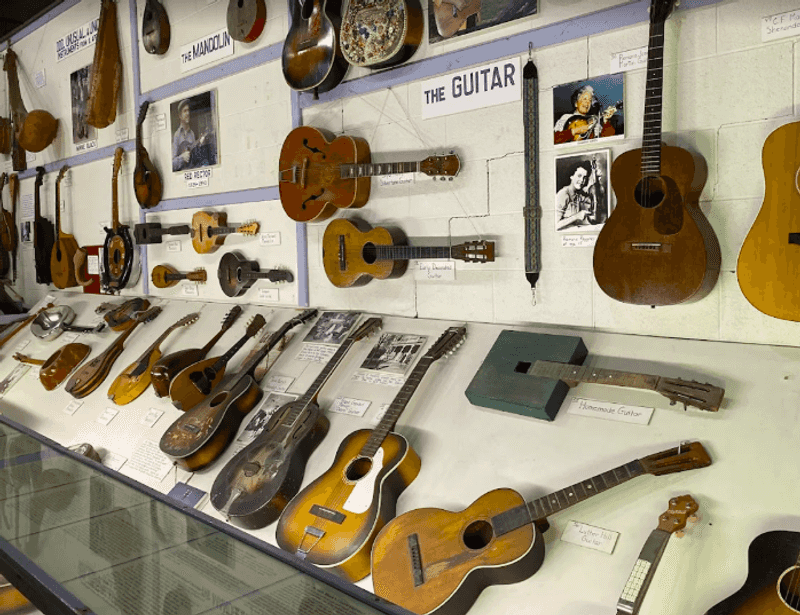
Music has always been central to Appalachian culture, and the museum reflects that in both its artifact displays and its live programming. The visitor center hosts a dulcimer group that plays almost every Monday, drawing both regulars and first-time guests into an impromptu performance that feels more like a community gathering than a scheduled event.
Inside the exhibit halls, the musical heritage of the region is represented through instruments, photographs, and tributes to artists who came from the mountains and reached audiences far beyond them. Displays honoring figures connected to country, folk, and bluegrass traditions appear throughout the collection.
The combination of static exhibits and live performance gives the museum a quality that is genuinely rare. History is not only something to read about here.
On the right day, it is something to hear, which changes the experience of the entire visit in a way that no amount of careful curation could fully replicate on its own.
Free-Roaming Animals Across a Working Farm
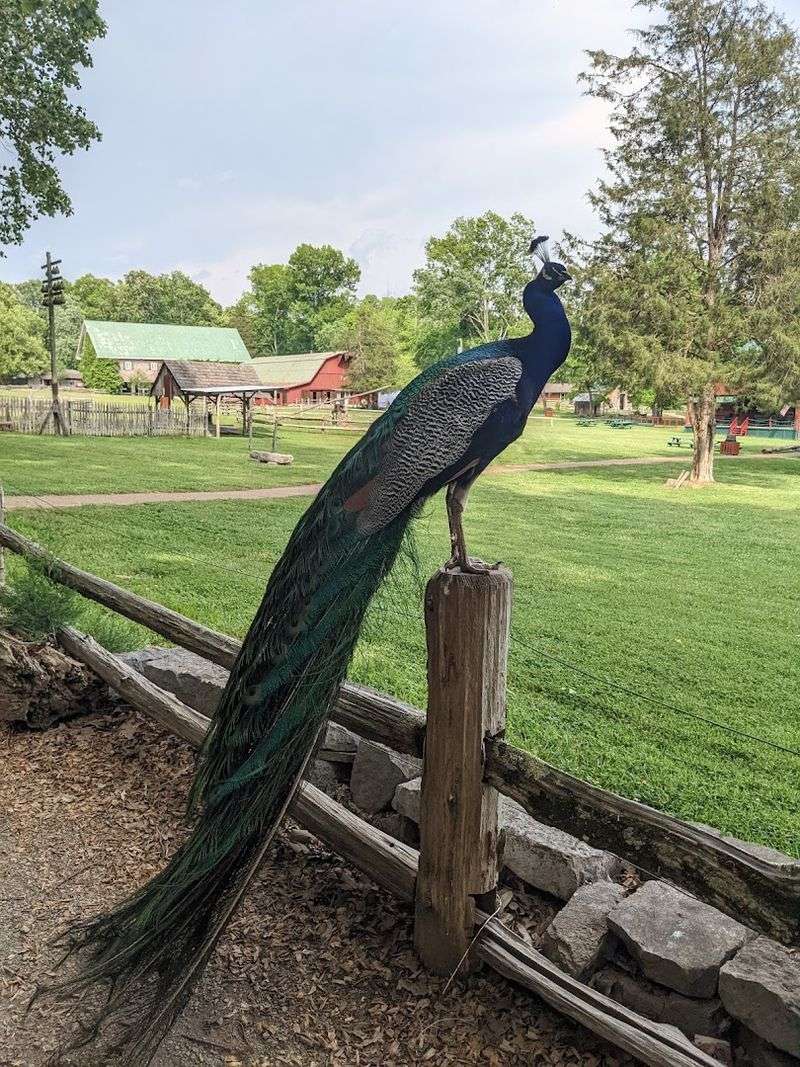
The grounds of the museum are shared with a population of animals that roam freely across the property throughout the day. Peacocks are among the most visible, moving between the historic structures with complete indifference to the people walking the tour route around them.
Chickens, roosters, ducks, goats, miniature horses, sheep, and pigs are all part of the farm community that gives the pioneer village an authenticity that purely architectural preservation cannot achieve. A mountain homestead without animals would be only half the story, and the museum clearly understands that.
Children tend to respond to this aspect of the visit with particular enthusiasm, and the stamp activity on the children’s map, which ends with a prize at the visitor center, keeps younger guests engaged across the full length of the tour. The animals add a layer of life to the grounds that makes the history feel present rather than distant, which is a harder thing to accomplish than it looks.
Two Main Exhibit Halls Packed With Artifacts
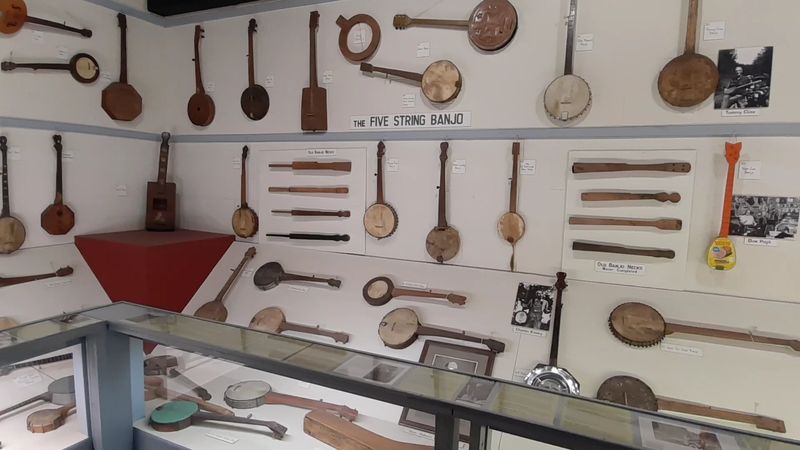
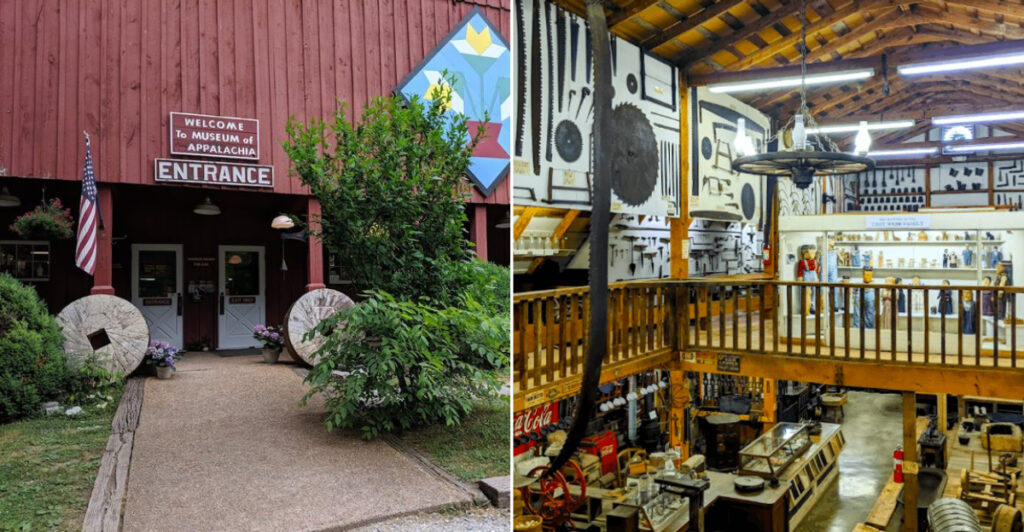
Beyond the outdoor pioneer village, the museum contains two primary indoor exhibit buildings that house the bulk of the artifact collection. The density of objects in these spaces is striking.
Walls are covered from floor to ceiling with tools, textiles, photographs, musical instruments, furniture, and personal items gathered from across the Appalachian region.
The layout follows a logical progression, but the sheer volume of material means that most visitors find themselves stopping far more often than they expected. A single display case can hold dozens of objects, each with its own handwritten label explaining its origin and the person who once used it.
The second exhibit building continues where the first leaves off, covering different aspects of regional life including craftsmanship, military service, agriculture, and community traditions. Together, the two halls represent a cross-section of Appalachian material culture that is genuinely difficult to process in a single visit, which is exactly why so many people come back.
A Self-Guided Tour That Covers Every Corner
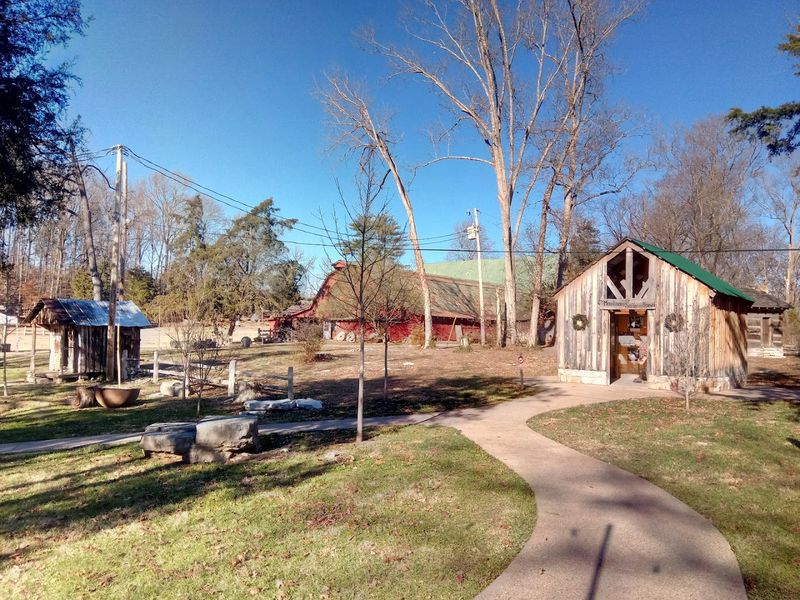
The self-guided tour format at the museum is well designed for a property this large. Every guest receives a numbered map at the entrance, and the path through the pioneer village follows a one-way route that ensures no building is accidentally skipped.
Structures are numbered in sequence, which makes it easy to track progress across the grounds.
The route covers both the indoor exhibit halls and the full range of outdoor structures, moving through the property in a logical arc that starts near the visitor center and works outward toward the more remote cabins and farm buildings. The path is clearly marked and easy to follow even without staff guidance.
Most adults report spending between two and four hours on the full tour, depending on how long they linger in the exhibit halls. Those who read every label and spend time in each building often find that a full day is not excessive.
The property genuinely rewards the time given to it.
Educational Programming and Field Trip Culture
The museum has built a strong reputation as a field trip destination for schools across the region, and the programming developed for younger audiences is a genuine part of what happens on the grounds every week. The children’s stamp activity, in which kids mark off each stop on a smaller version of the tour map and receive a prize at the end, has become one of the most talked-about features of a family visit.
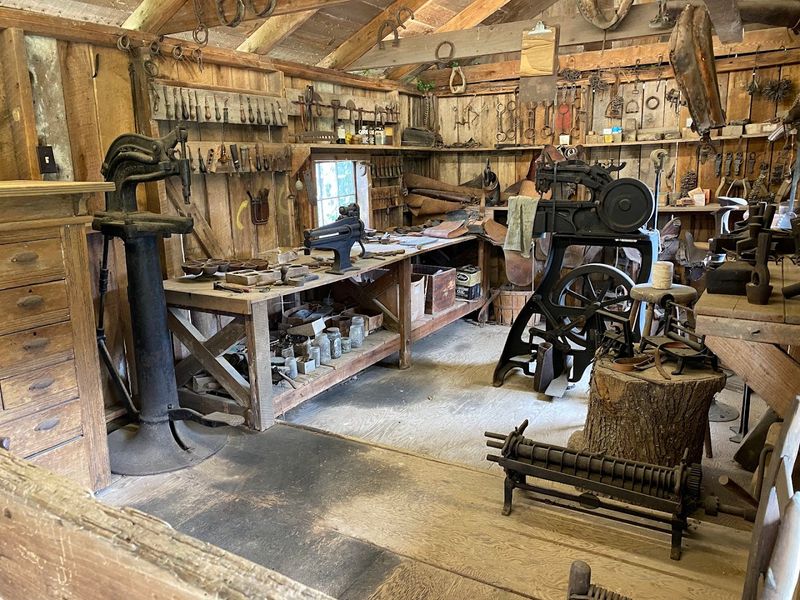
Live demonstrations by staff and volunteers add another layer to the educational experience. A saw demonstration led by a longtime volunteer has become a highlight for school groups, with students leaving with a tangible understanding of how mountain tools actually worked rather than just what they looked like behind glass.
The museum’s nonprofit status means that admission revenue goes directly toward preserving the collection, maintaining the historic structures, caring for the animals, and developing new programming for students and community groups throughout the year.
Planning Your Visit and What to Expect
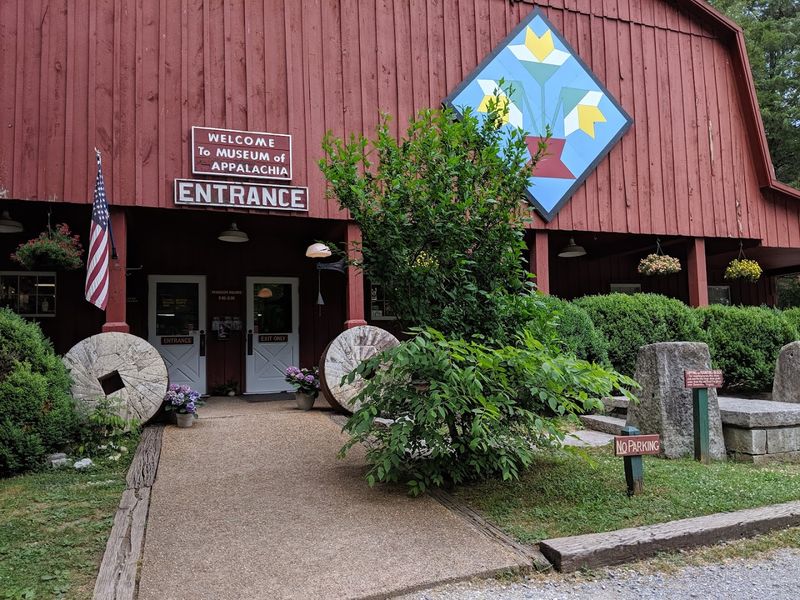
A few practical details make a real difference for a first visit to the Museum of Appalachia. The property is larger than it appears from the highway, and the main exhibits are set back behind the tree line, so first-time guests should follow the driveway all the way to the parking area rather than turning around at the entrance.
The museum is open daily, with slightly extended hours on weekends. The on-site restaurant serves breakfast and lunch and is popular enough that arriving early, particularly on weekends, is a practical choice.
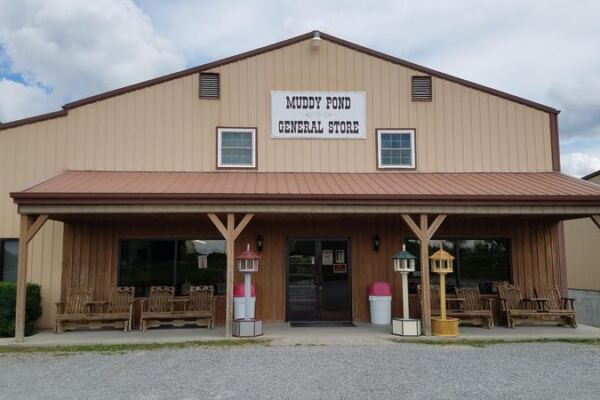
The gift shop at the visitor center carries a range of items including regional books, handcrafted goods, and locally produced preserves.
Comfortable walking shoes are strongly recommended, since the tour covers considerable ground across an active outdoor property. Weather can affect the outdoor portion of the visit, so checking the forecast before arrival is a reasonable precaution.
The museum’s website at museumofappalachia.org carries current hours, event listings, and admission information.
Where History Has a Street Address
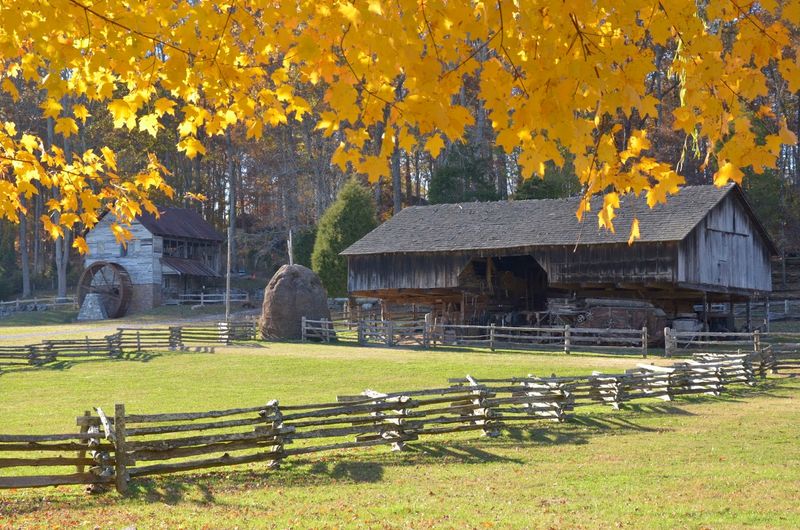
The Museum of Appalachia sits at 2819 Andersonville Hwy, Clinton, TN 37716, in Anderson County, about 20 miles north of Knoxville. From the highway, the view gives little away.
A few rooftops peek above the tree line, and the driveway leads into a world that feels entirely removed from the modern road you just left behind.
The museum is open Monday through Friday from 9 AM to 5 PM, and on Saturdays and Sundays from 9 AM to 6 PM, giving weekend travelers a little extra time to cover the grounds. Tickets are purchased in the main visitor center, which also houses the gift shop.
The self-guided tour follows a numbered map, so nothing gets missed. First-time visitors are often surprised by how far back the property extends, since the bulk of the pioneer village is not visible from the entrance at all.
Share this story