There is something about the sound of a train whistle cutting through a quiet South Carolina morning that stops you in your tracks. Not many places still let you climb aboard a real vintage train, settle into your seat, and watch open countryside roll past the window at a pace slow enough to actually enjoy it.
This is the kind of experience that feels rare today, and yet it exists in a small town that most people drive right past on the way somewhere else. Once you know about this place, you will wonder how it stayed off your radar for so long.
A Railroad Museum Unlike Any Other in the State
Most museums ask you to look but never touch. The South Carolina Railroad Museum, located at 110 Industrial Park Rd, Winnsboro, South Carolina, flips that idea on its head from the moment you arrive.
Rather than keeping its collection locked behind glass, this museum invites you to walk through actual rail cars, sit where passengers once sat, and feel the worn wooden interiors that carry decades of American history.
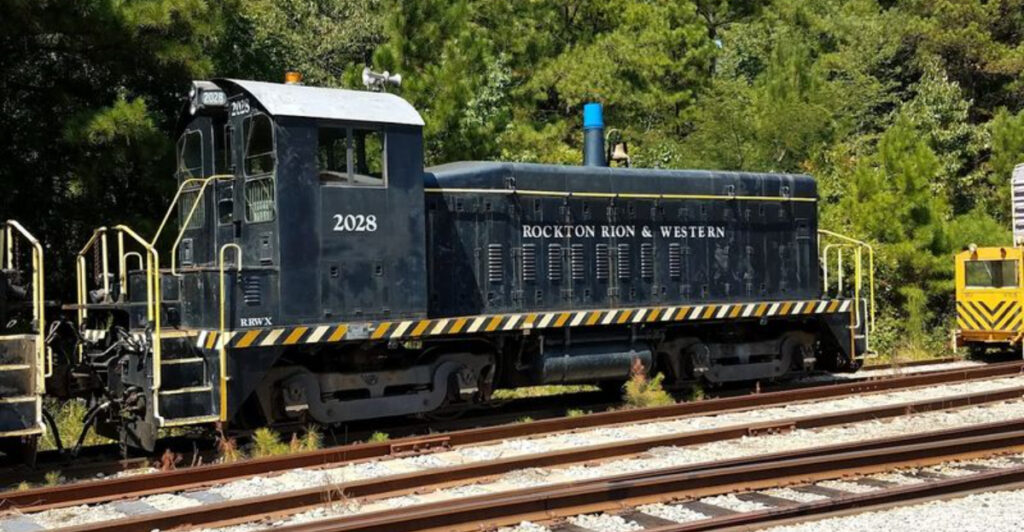
The museum operates on the historic Rockton, Rion and Western Railroad corridor, which gives the entire property an authenticity that purpose-built tourist attractions simply cannot replicate. The grounds feel lived-in and genuinely connected to the region’s past.
For anyone who has ever been curious about how railroads shaped the American South, this is the place where that curiosity gets answered in the most hands-on way possible. You are not just reading about history here.
You are standing inside it.
The Rockton, Rion and Western Railroad Line
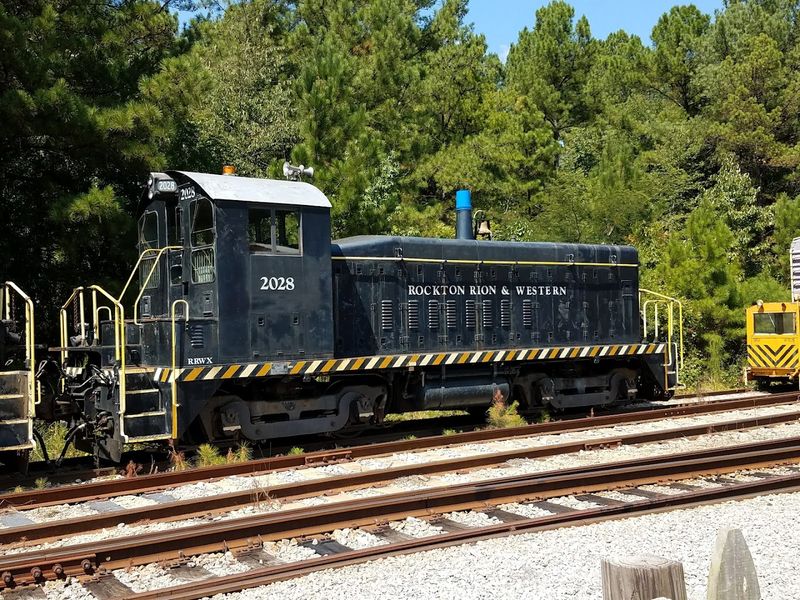
The Rockton, Rion and Western Railroad has one of those names that sounds like it belongs in a Western film, and the story behind it is just as interesting as the name suggests.
Originally built to serve the granite quarrying industry in Fairfield County, this short-line railroad connected small communities that larger rail networks overlooked. The museum now operates excursion trains along a surviving portion of that original track, which means every ride you take is on the same ground where working trains hauled granite and freight decades ago.
That historical connection gives the train ride a weight that you can feel. This is not a replica built for tourism.
The track itself is a genuine piece of South Carolina’s industrial and transportation heritage, preserved and kept alive by people who understand exactly what would be lost if it disappeared.
Riding the Vintage Train Through Open Countryside
The train ride itself is the centerpiece of any visit, and it delivers something that is genuinely hard to find anywhere else in South Carolina. Traveling at a relaxed pace, the train moves through open land where deer sometimes appear along the tree line and the landscape opens up in ways you simply cannot see from a car window.
Visitors can choose between different seating options, including an open-air car that puts you directly in the breeze with unobstructed views of the countryside rolling past. That open-air option tends to be the one people talk about most afterward.
A knowledgeable volunteer guide narrates the journey, pointing out landmarks, sharing local history, and keeping the experience engaging for riders of all ages. The combination of fresh air, moving scenery, and genuine storytelling makes this ride feel like a reward rather than just a short attraction.
Walking Through Historic Rail Cars on the Property
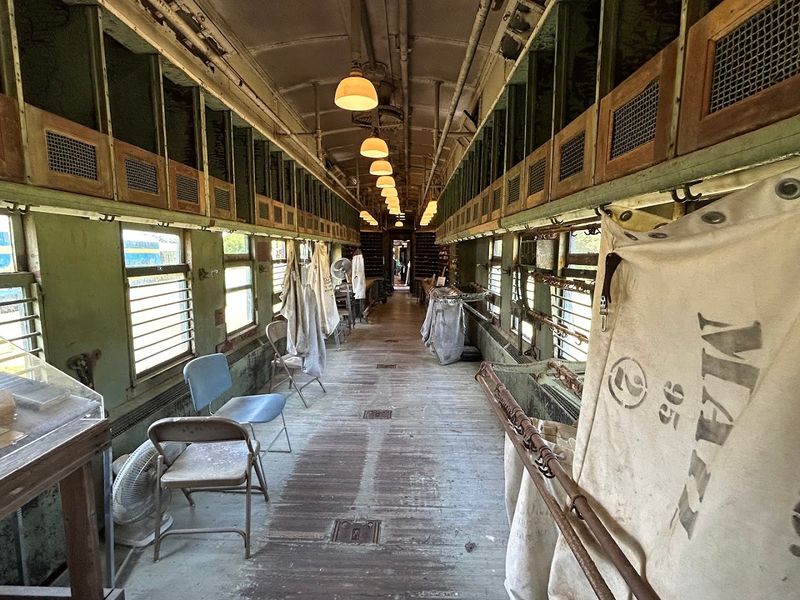
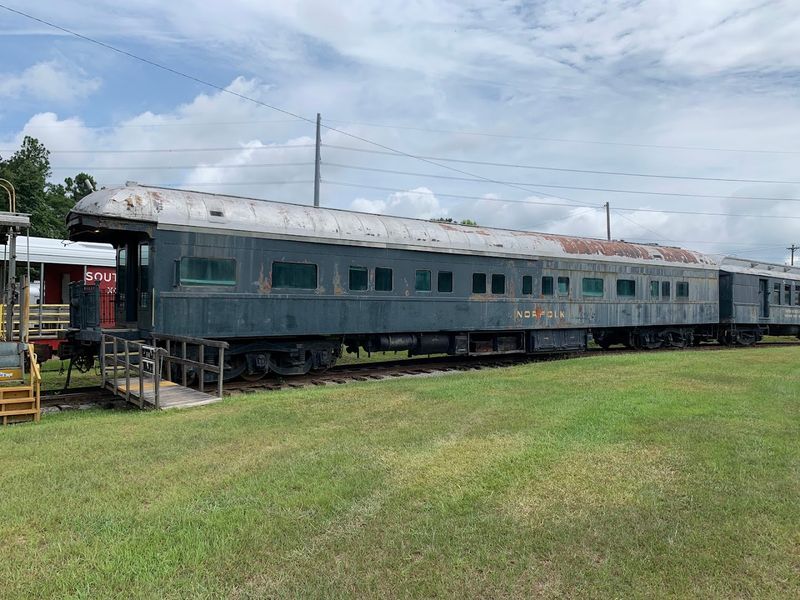
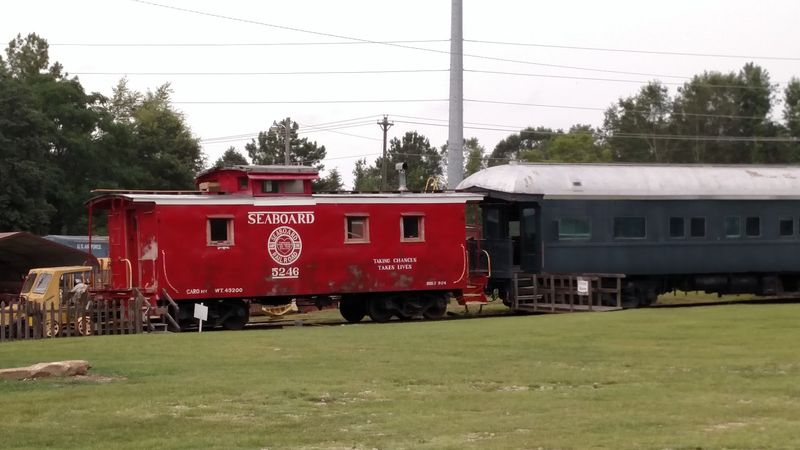
Before or after the train ride, the museum grounds offer something equally absorbing. Several historic rail cars are permanently stationed on the tracks, and visitors are free to walk through them at their own pace without a guide or a timed entry window.
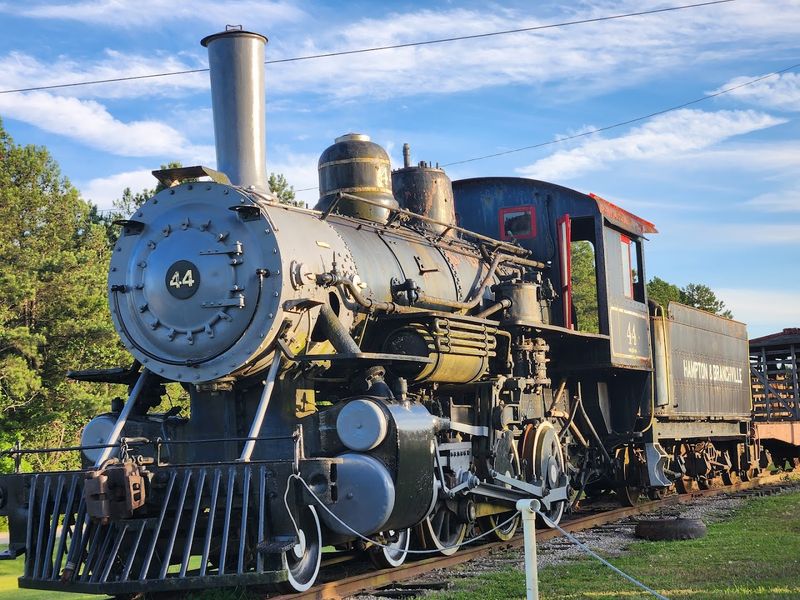
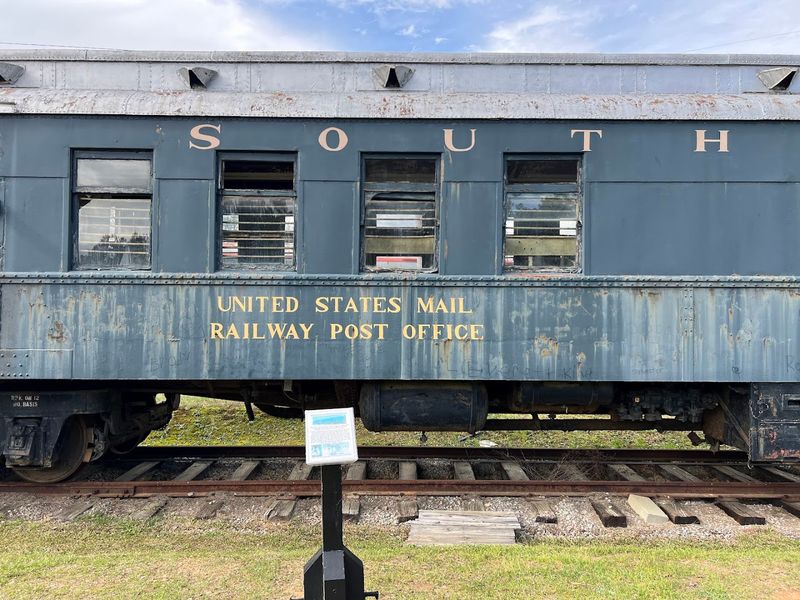
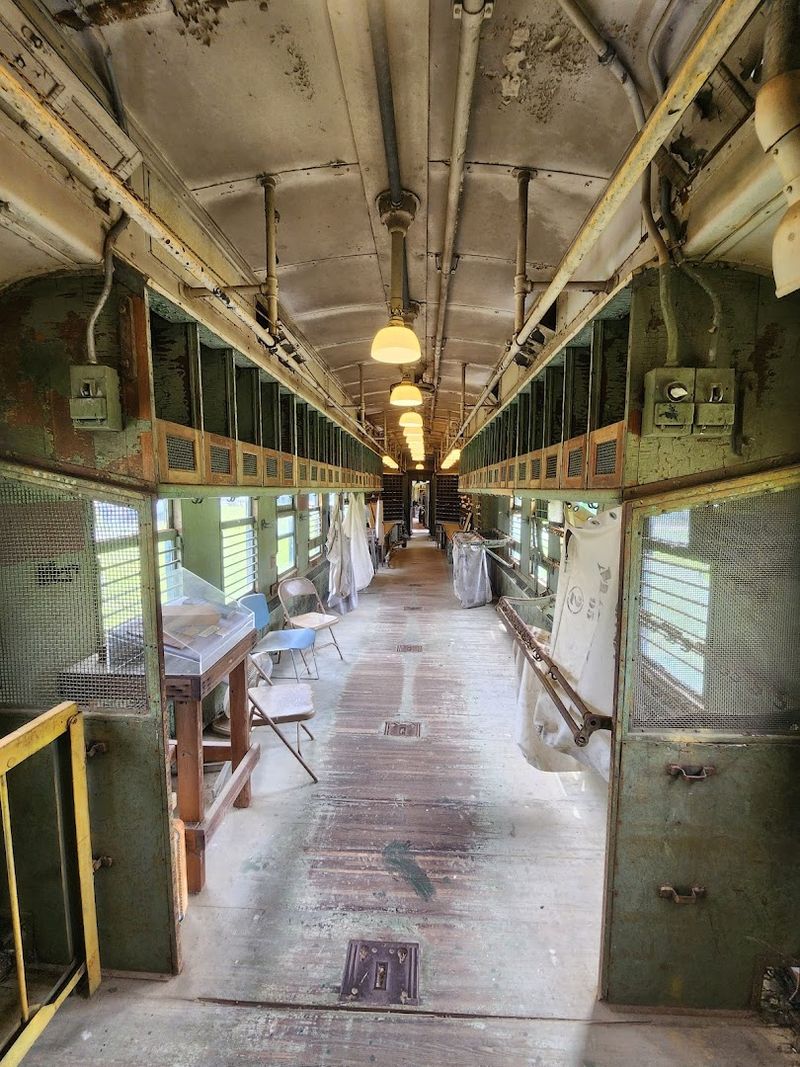
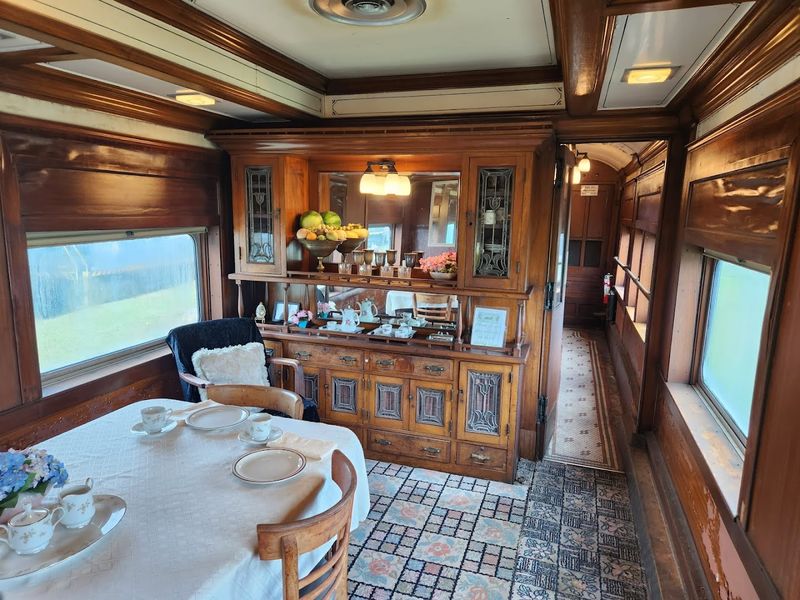
Among the cars on display is a Pullman with dining, sleeping, and lounging sections that show exactly how long-distance rail travel worked during its golden era. There is also a former mail car that offers a completely different window into how railroads kept communities connected before modern logistics existed.
Walking from car to car, you move through different chapters of American rail history. The interiors are not perfectly restored, and that honesty is part of what makes them compelling.
These cars look like they actually worked for a living, which makes them far more interesting than anything that has been polished into a showpiece.
Seasonal Events That Transform the Experience
One of the most compelling reasons to keep coming back to this museum is the calendar of seasonal events that completely change what a visit looks like throughout the year.
The Santa’s Twilight Express during the winter holiday season brings families aboard for an evening ride complete with hot chocolate, cookies, and a visit from Santa himself. Fall brings a pumpkin patch event where the train delivers riders to a festive area with inflatables, face painting, and food trucks before bringing everyone back to the museum.
Spring features an Easter celebration that has drawn families looking for something more memorable than a standard egg hunt.
Each event uses the train as the centerpiece rather than a backdrop, which keeps the railroad experience at the heart of every visit regardless of the season. Regulars say the Christmas event in particular seems to improve every single year.
The All-Volunteer Team Behind the Operation
There is something genuinely moving about the fact that this entire museum runs on volunteer effort. Every guide, every ticket taker, every person who narrates the train ride and answers your questions is there because they chose to be, not because it is their job.
Many of the volunteers drive significant distances on their days off specifically to share their knowledge with visitors. That dedication shows in the quality of the experience.
These are people who have spent years learning the history of railroads, the mechanics of the equipment, and the specific stories connected to this corner of South Carolina.
The enthusiasm is contagious in the best possible way. When your guide is genuinely excited about the history of a particular locomotive or the engineering behind a specific rail car, that excitement transfers to everyone listening.
It turns a museum visit into something that feels more like a conversation than a tour.
Railroad Artifacts and Memorabilia Inside the Museum Buildings
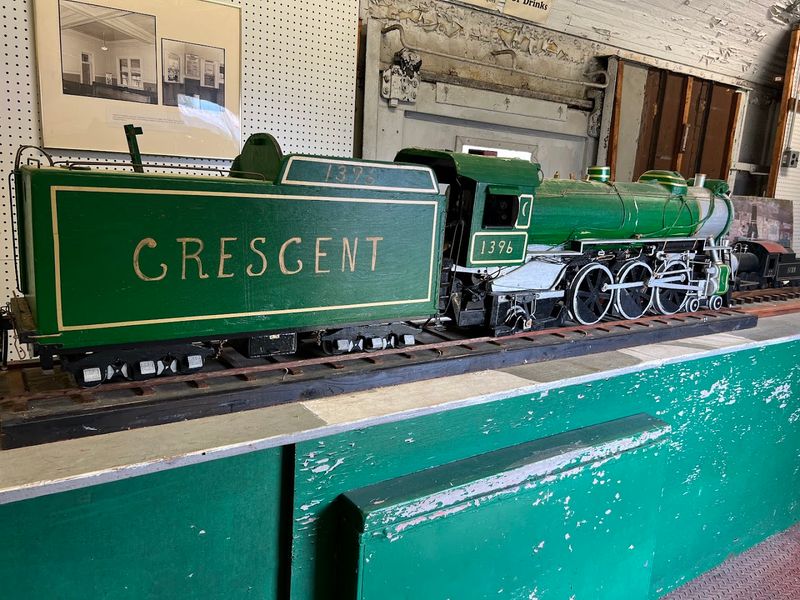
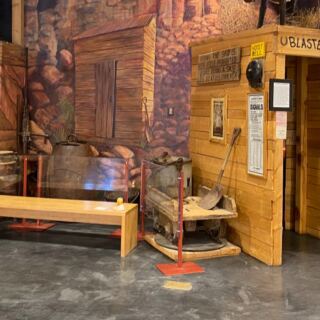
The indoor portion of the museum holds a collection of railroad artifacts that rewards slow, curious exploration. Handwritten logbooks sit in displays alongside tools, signage, lanterns, and equipment that span multiple eras of American rail history.
These are not reproductions. The objects on display were actually used by railroad workers, which gives each piece a tangible connection to the people who built and maintained the rail networks that shaped the region.
Reading through a handwritten log from decades past carries a quiet power that a digital exhibit simply cannot replicate.
The collection covers different stages of railroad development, from early steam-era equipment through the diesel transition, giving visitors a surprisingly complete picture of how the industry evolved over time. For anyone with even a passing interest in American industrial history, the indoor exhibits provide enough material to keep you engaged well before you ever board the train.
A Family-Friendly Atmosphere That Works for All Ages
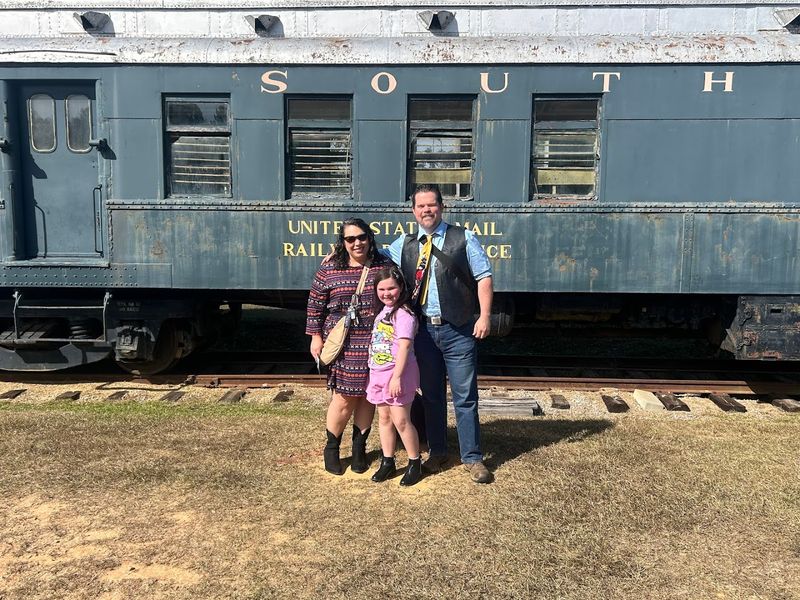
Few attractions manage to genuinely engage a four-year-old and a sixty-year-old at the same time, but this museum pulls it off without trying too hard. The combination of things to see, things to touch, and things to ride creates a natural flow that keeps different generations interested simultaneously.
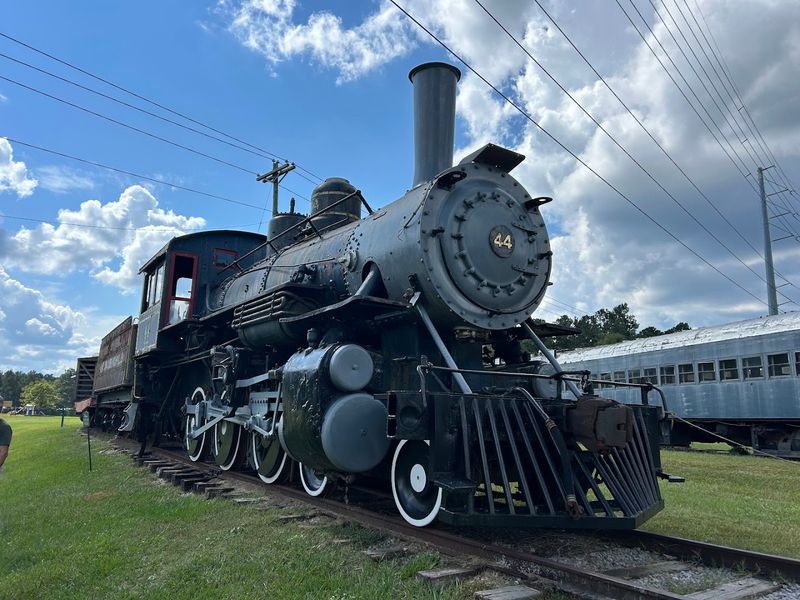
Younger children respond to the sheer size of the locomotives and the novelty of climbing into a real train car. Older kids and teenagers tend to get drawn into the mechanics and the history once a knowledgeable volunteer starts explaining how everything works.
Adults often find themselves lingering over the artifact displays longer than they planned.
The outdoor setting also helps. There is room to move around, space for kids to burn energy between the train ride and the exhibit buildings, and enough variety across the property that the visit never feels like it is stuck in one gear.
The Veteran Train Ride and Community Connection
Among the special events the museum hosts, the Veteran Train Ride holds a particular place in the community. It is designed as a tribute to veterans and draws participants who find the experience meaningful in ways that go beyond a typical museum outing.
The ride follows the same countryside route as the regular excursion, but the atmosphere carries a different weight. Riders share stories, guides connect the history of American railroads to wartime logistics and troop movements, and the overall experience feels like a genuine act of community appreciation rather than a ticketed event.
For families with veterans, this kind of outing offers a shared experience that connects generations around something tangible and historically grounded. The museum’s willingness to host events like this reflects a broader commitment to keeping the railroad’s story relevant to the community it has always served, not just to tourists passing through.
The Open-Air Car Experience and What Makes It Special
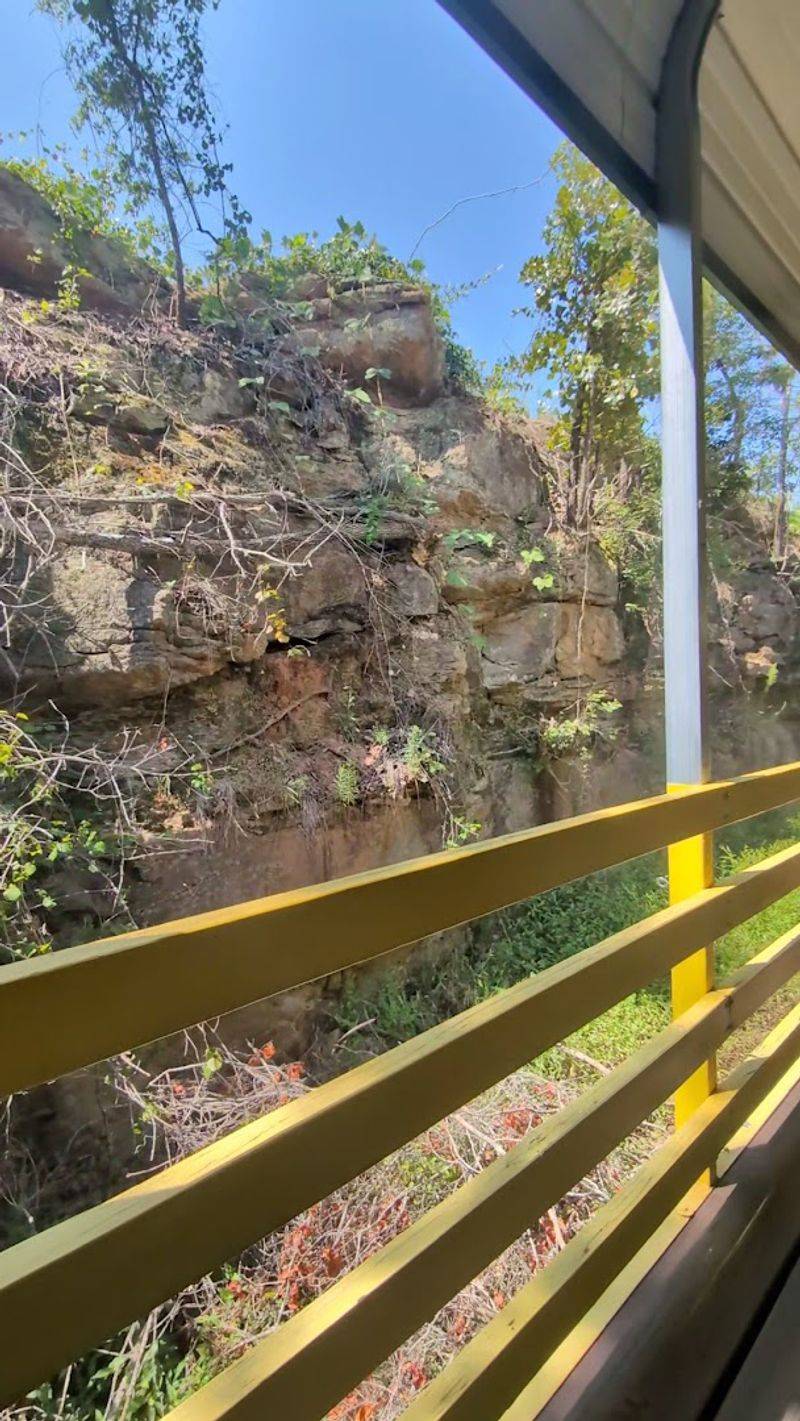
Choosing your seat on the train turns out to matter more than you might expect. The museum offers enclosed passenger car seating as well as open-air car options, and the open-air experience is the one that tends to generate the most enthusiasm from people who have tried both.
Sitting in the open air means the smell of the countryside comes to you directly, the breeze is constant, and nothing stands between your eyes and the landscape unfolding on both sides of the track. When deer appear near the tree line, you notice them immediately rather than catching a glimpse through a window frame.
The guide narrating from the open-air car also tends to interact more freely with riders, turning the journey into something closer to a conversation than a presentation. That informal energy makes the six-mile-per-hour pace feel exactly right rather than disappointingly slow.
Accessibility and Practical Details Worth Knowing Before You Go
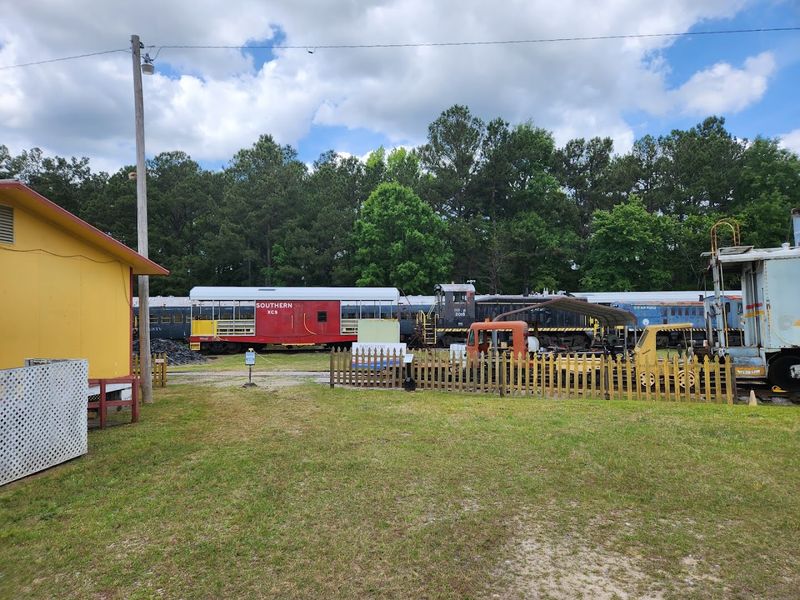
The museum operates Wednesday through Saturday from 10 AM to 4 PM, which means weekend visits are possible but weekday timing gives you more flexibility if you prefer a quieter experience. Arriving with enough time to explore the grounds before a scheduled train departure makes the visit feel more complete.
Admission to walk the grounds and explore the rail cars is free, with donations appreciated. Train ride tickets are available on-site, and the process for purchasing them has been described as straightforward and well-organized even during busy event days.
The property has enough open space that families with strollers or visitors who need room to move can navigate comfortably. Clean restroom facilities are available on the grounds, though the train itself does not have onboard restrooms, which is worth keeping in mind if you are visiting with very young children or planning a longer event ride.
The Landscape Around Winnsboro That Frames the Whole Trip
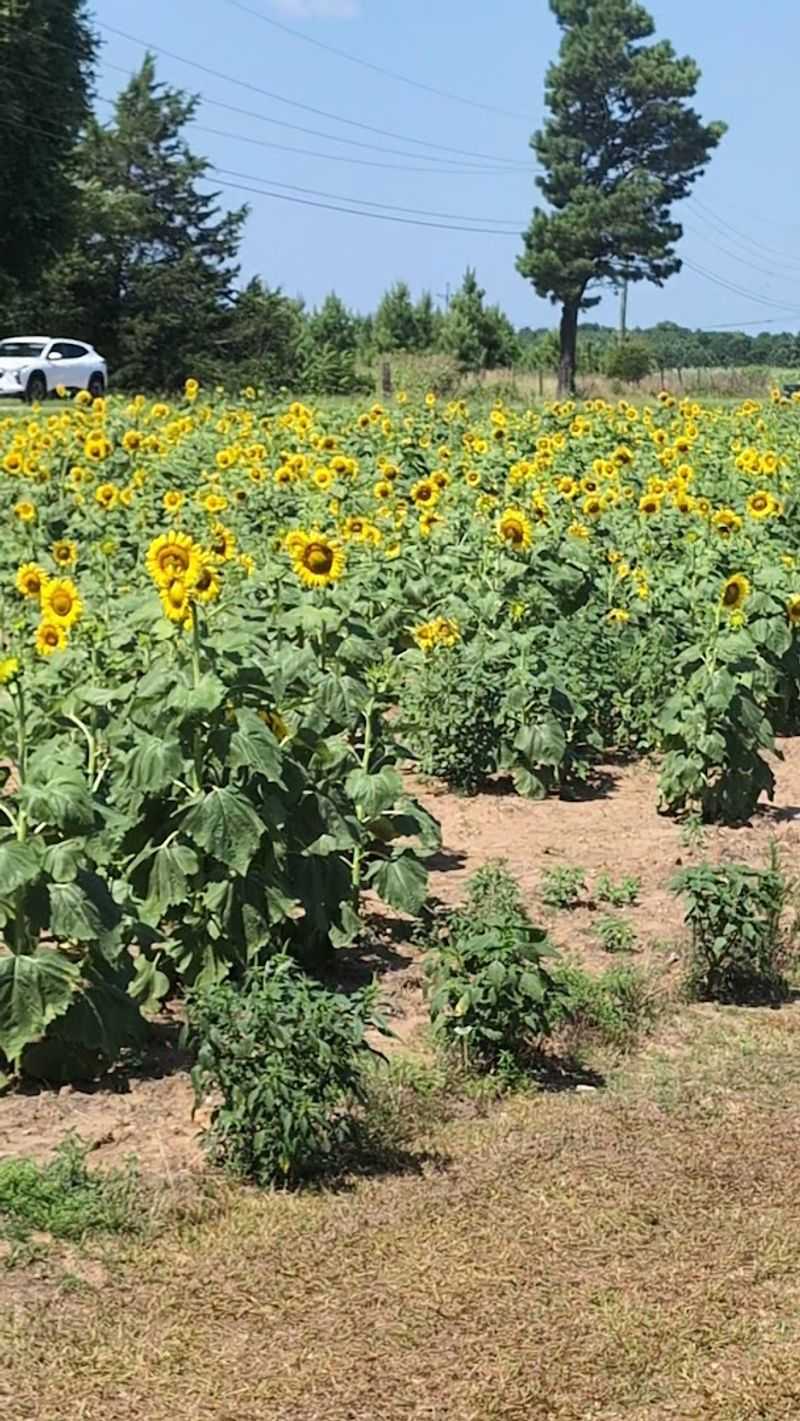
Winnsboro itself sits in Fairfield County, a part of South Carolina that does not always appear on the standard tourist circuit but rewards anyone who takes the time to slow down and pay attention. The countryside surrounding the town is the same landscape the train moves through, and it has a quiet, unhurried quality that feels increasingly rare.
The region’s granite-rich geology shaped its economic history, and traces of that history appear in the architecture and local landmarks scattered around the county. Spending a morning at the museum and an afternoon exploring the town gives the visit a fuller sense of place.
Fairfield County sits along Interstate 77, which makes Winnsboro a genuinely convenient stop rather than a detour. The museum is close enough to Columbia that a day trip from the state capital is entirely practical, yet the setting feels worlds away from any urban environment.
Why Repeat Visitors Keep Coming Back
There is a specific kind of place that earns return visits not because it constantly adds new attractions but because the experience itself holds up every time. This museum has built that kind of loyalty among visitors who started with a single train ride and found themselves planning a return trip before they even got home.
Part of what keeps people coming back is the seasonal event calendar, which genuinely changes the character of the visit throughout the year. But even without a special event, the combination of the train ride, the walk-through rail cars, and the knowledgeable volunteer guides creates a visit that feels worth repeating.
There is also something about the honesty of the place. Nothing here is over-produced or designed to create a manufactured emotion.
The trains are real, the history is real, and the people sharing it with you care about it in a way that comes through without any effort to perform enthusiasm.
Planning Your Visit and Making the Most of the Day
Getting the most out of a visit here comes down to a few simple choices made before you arrive. Checking the museum’s event calendar at scrm.org ahead of time lets you align your visit with a special event if that interests you, or deliberately choose a quieter regular Saturday if you prefer a more relaxed pace.
Arriving close to opening time gives you the best chance of exploring the static exhibits before the train departure, so the day flows naturally from the indoor collection to the outdoor cars to the ride itself. Wearing comfortable shoes matters more than it sounds, since the grounds are large and the best parts require walking.
The magic t-shirts in the gift shop are genuinely worth picking up, especially if you have kids in tow. And if you have any interest in South Carolina history beyond railroads, the surrounding Fairfield County area offers enough to fill the rest of a satisfying day.
Share this story