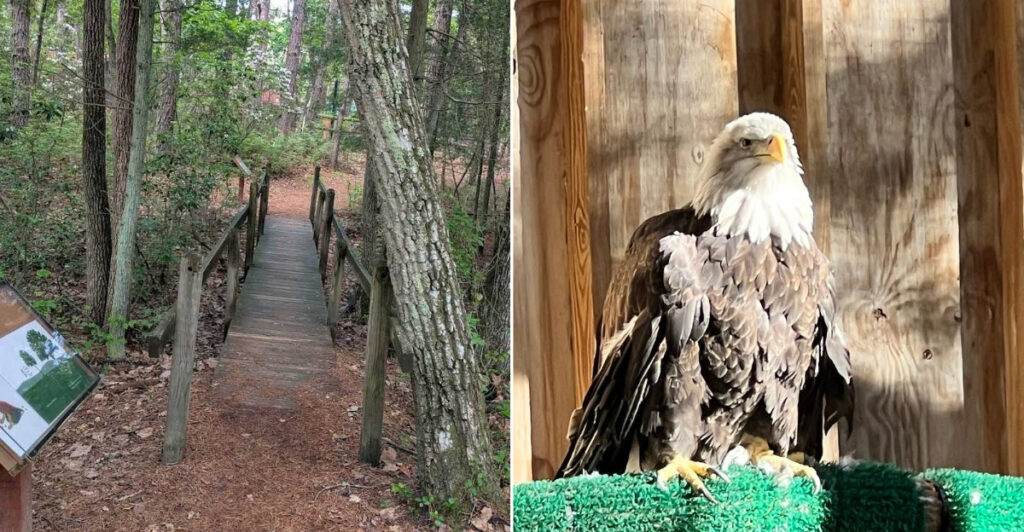
Tucked inside the Pinelands of South Jersey, there is a place where cedar streams run quietly through the woods, hawks perch overhead, and the story behind every animal on the property is posted right on its enclosure. Most people drive past Medford without knowing what is waiting just off the road.
This is not a zoo, not a park, and not quite like anything else in the region. The trails wind through real wilderness, a wooden bridge crosses over a calm lake, and somewhere on the grounds, a wildlife hospital is treating injured animals around the clock.
The refuge has been doing this work since 1957, and the history alone is worth the visit. Stay curious, because every section of this article reveals a different layer of what makes this South Jersey spot genuinely worth the trip.
Where the Refuge Begins: Address and Location
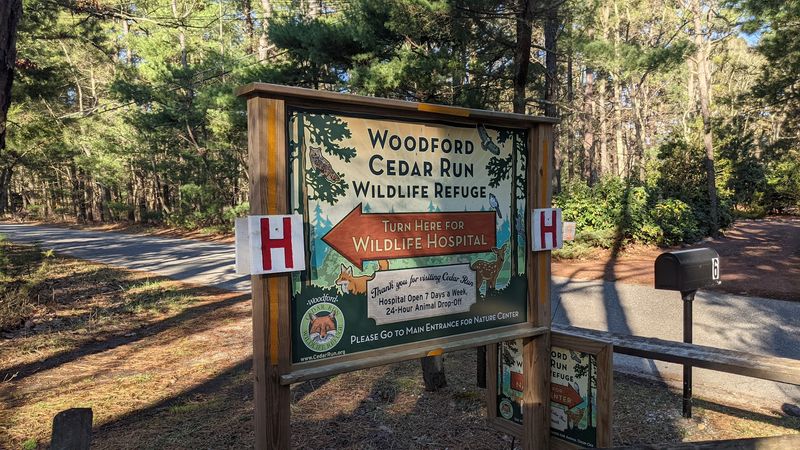
Right off a quiet stretch of road in Medford, New Jersey, the entrance to Woodford Cedar Run Wildlife Refuge sits at 4 Sawmill Rd, Medford, NJ 08055, surrounded by tall pines and the kind of stillness that makes you slow down before you even park the car.
The refuge sits within the New Jersey Pinelands, a protected region that covers more than a million acres of forests, wetlands, and cedar streams. This particular corner of the Pinelands has been preserved and actively managed since the mid-twentieth century, making it one of the oldest wildlife refuges in the state.
The property is open every day of the week from 10 AM to 4 PM, which means there is no need to plan around a specific schedule. A suggested donation is all that stands between you and a full day of trails, wildlife encounters, and a nature center worth exploring from corner to corner.
The Founders Behind the Story: Jim and Betty Woodford
Every great place has an origin story, and this one starts in 1951 when Jim and Betty Woodford purchased the land that would eventually become Cedar Run Wildlife Refuge. Six years later, in 1957, they officially founded the refuge with a clear purpose: to give injured and orphaned New Jersey wildlife a place to recover.
What began as a personal commitment by two people who cared deeply about the local ecosystem eventually grew into a full-scale operation with a wildlife hospital, a nature center, and miles of maintained hiking trails. The Woodford name now lives on in the official title of the refuge, a fitting tribute to the couple who started it all.
The founding mission has never changed. Decades later, the staff and volunteers carry forward the same values that Jim and Betty put into practice on this very piece of Pinelands land, treating each animal as a neighbor worth saving rather than a statistic.
The Wildlife Hospital: A Rescue Operation Unlike Any Other
The Wildlife Hospital at Cedar Run is the heartbeat of the entire operation. Every year, the hospital treats more than 6,300 wild animals, a number that is hard to fully process until you realize that means injured or orphaned creatures are arriving almost every single day of the year.
The hospital accepts native New Jersey wildlife brought in by members of the public who find animals in distress. There is no charge to drop off an animal, and the staff handles everything from intake to rehabilitation with the kind of care that comes from years of hands-on experience.
Donations are accepted and genuinely needed, since the refuge receives no government funding.
Each animal that arrives has its own story, and many of those stories end with a successful release back into the wild. For the ones that cannot survive on their own, the refuge gives them a permanent home as educational ambassadors for their species, turning a difficult situation into something meaningful.
The Resident Animals: Hawks, Owls, Eagles, and More
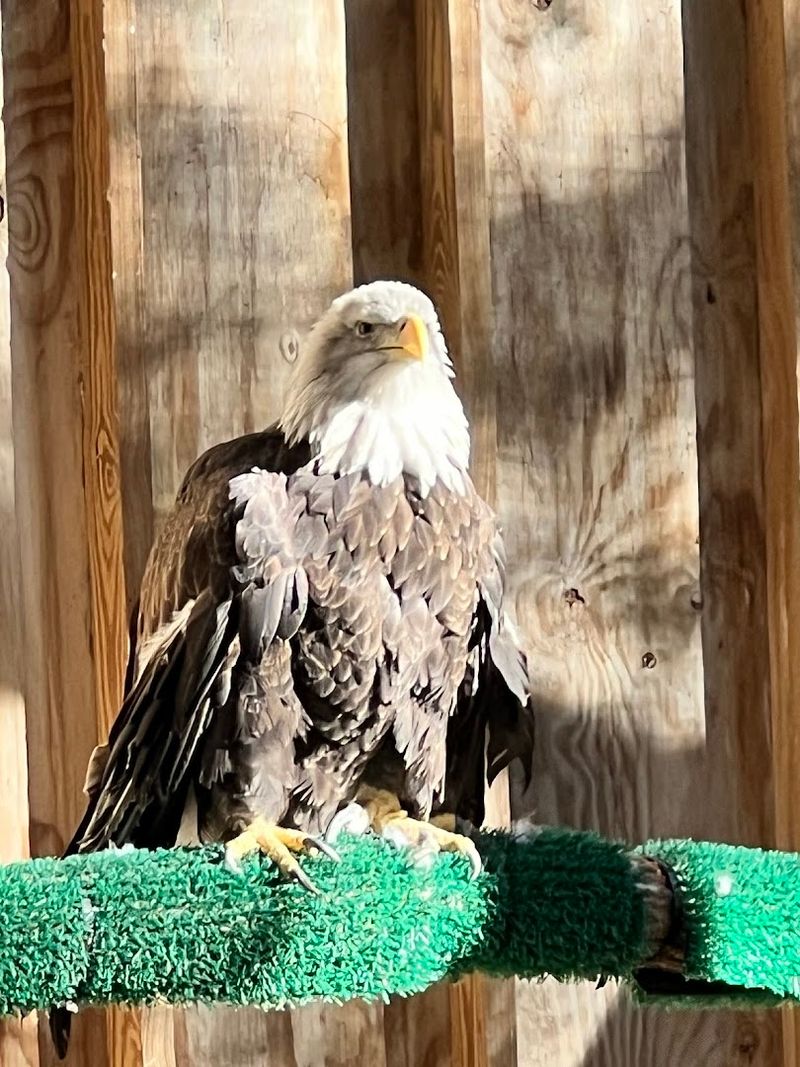
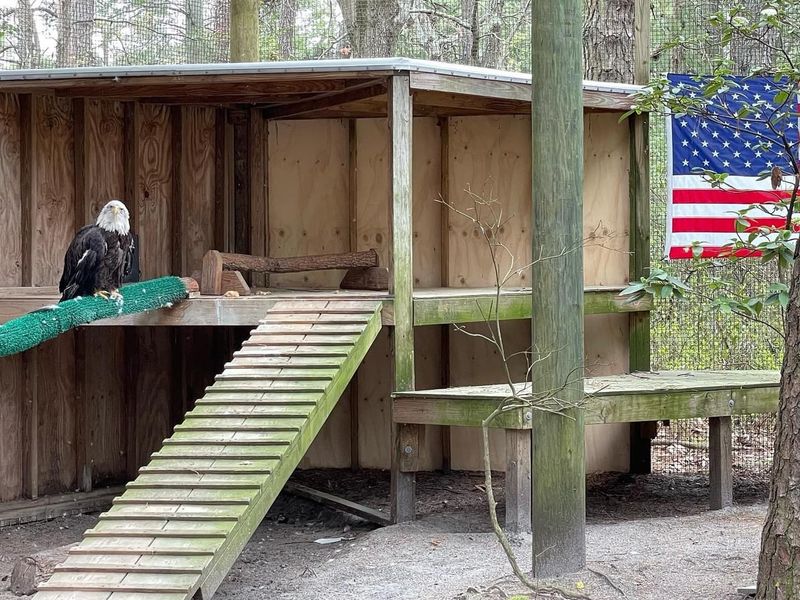
The outdoor enclosures at Woodford Cedar Run are home to a rotating cast of remarkable animals, many of which have become long-term residents because their injuries prevent a safe return to the wild. Among the most recognized is a resident bald eagle, which draws attention from nearly every person who walks through the property.
Outside the enclosures, there are roughly fifteen or more species of birds including hawks, owls, and other raptors, each with a posted sign explaining how they arrived and what their current status is. That level of transparency turns a simple walk through the grounds into something closer to reading a collection of real-life rescue stories.
The crows are a particular highlight. Known for their personality and willingness to engage with passing guests, they have earned a reputation as some of the most entertaining residents on the property.
A hello contest with a Cedar Run crow is the kind of unexpected moment that stays with you long after the visit ends.
Hiking the Trails: Over Three Miles of Pinelands Wilderness
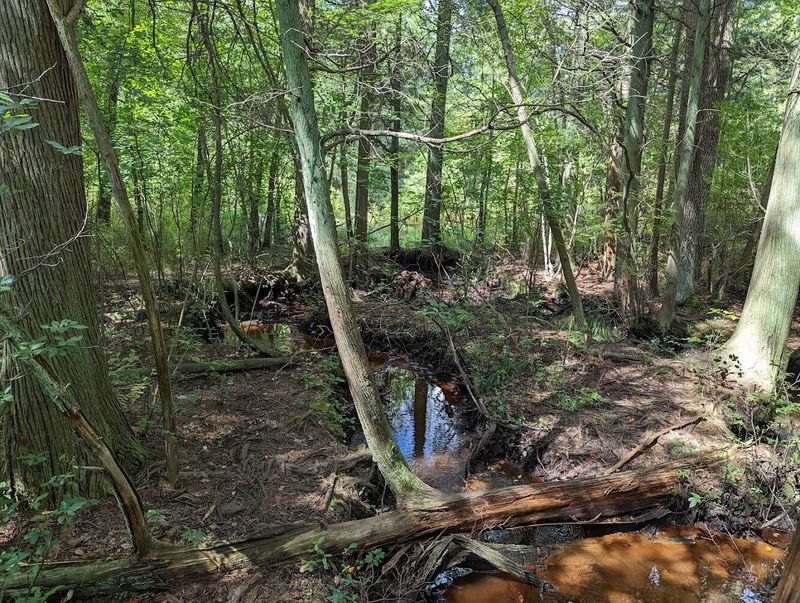
More than three miles of hiking trails wind through the refuge property, cutting through pine forest, crossing cedar streams, and passing through sections of wetland habitat that feel genuinely remote even though a parking lot is never too far away. The trails are clearly marked and well maintained, making them accessible to hikers of most experience levels.
The White Trail is a popular choice for those looking for a shorter route that still delivers a satisfying walk through the woods. For guests who want to cover more ground, additional trail options extend the experience considerably.
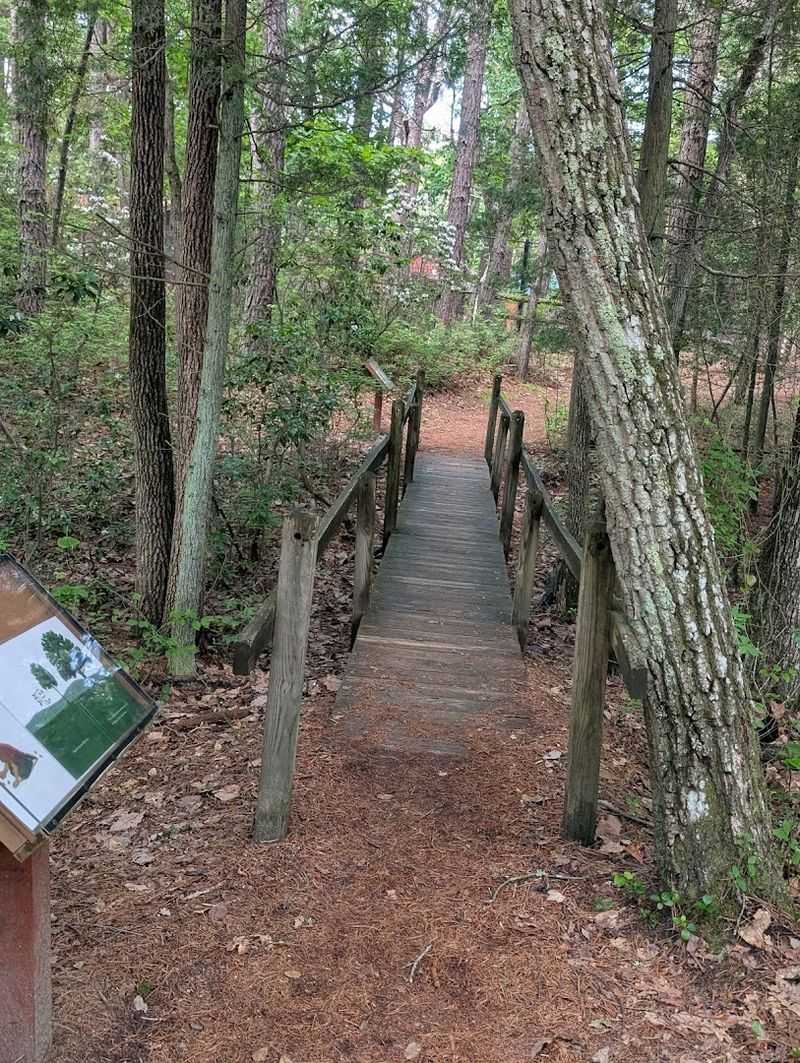
Some sections include boardwalk near the Nature Center, while others involve uneven terrain that calls for careful footing.
Strollers are not recommended for the full trail system, though sections near the Nature Center are manageable. Bug spray is a smart addition to any visit, particularly in warmer months when ticks are active throughout the Pinelands.
A tick check after the hike is always a good idea.
The Wooden Bridge and the Lake That Slows Everything Down
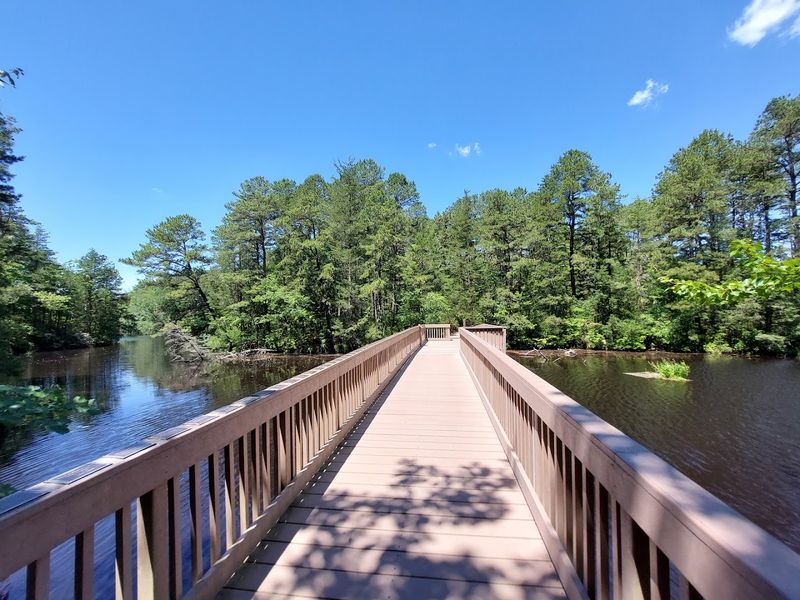
One of the most talked-about features of the property is the walk bridge that crosses over the lake. It is the kind of structure that naturally makes people stop, look out at the water, and take a breath before continuing down the trail.
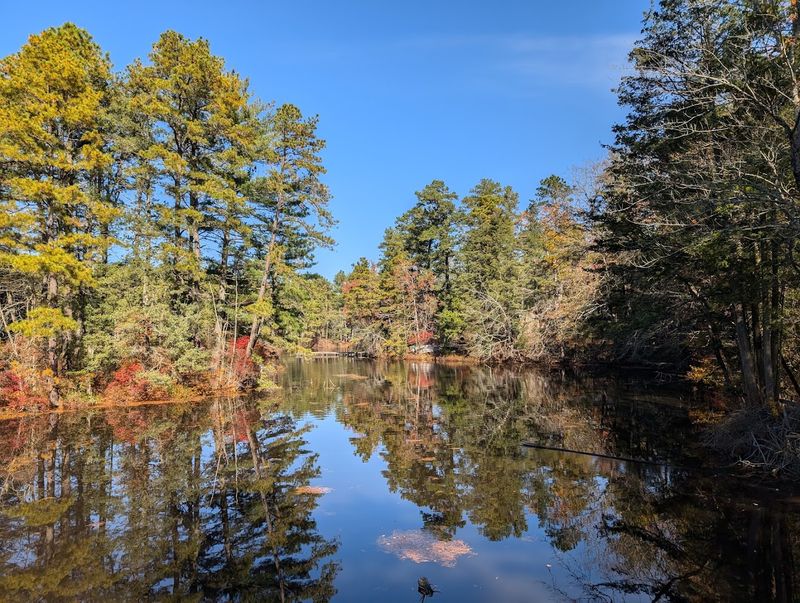
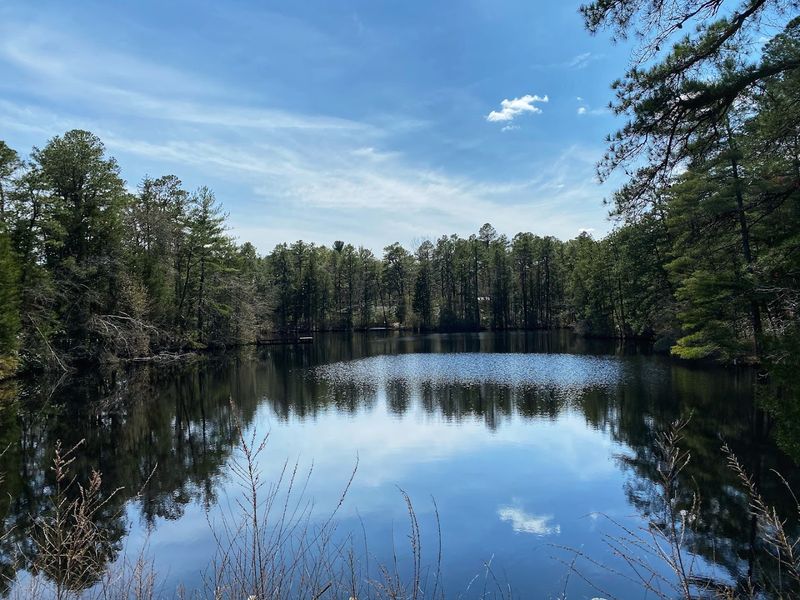
The lake sits quietly within the surrounding forest, reflecting the tree line and providing habitat for birds and other wildlife that move through the area. It is not a manicured pond or a landscaped feature.
The lake feels like a natural part of the Pinelands ecosystem, which is exactly what makes it worth pausing over.
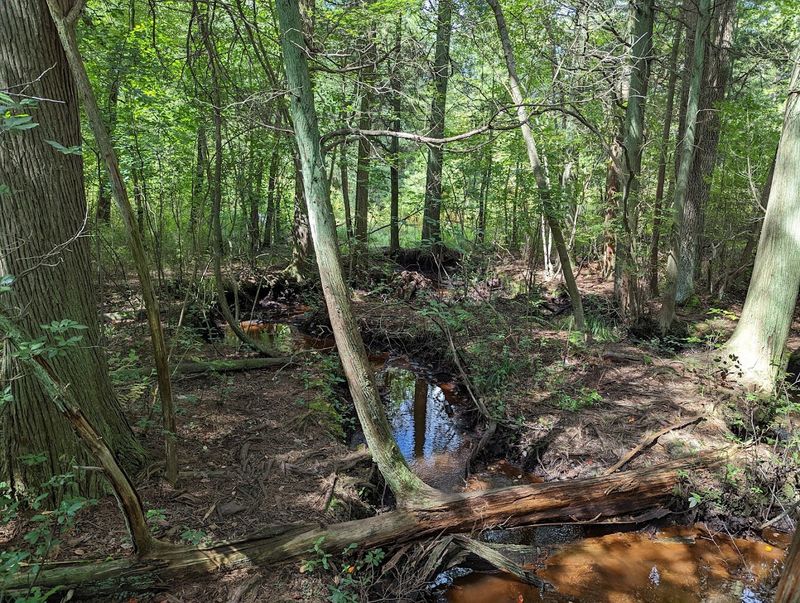
Cedar streams run throughout the trails as well, adding to the overall character of the landscape. These streams are a defining feature of the Pinelands region, their dark water colored naturally by tannins from the surrounding cedar trees.
The combination of the lake, the bridge, and the streams gives the property a layered quality that rewards guests who take their time walking through it.
The Nature Center: Reptiles, Exhibits, and a Gift Shop
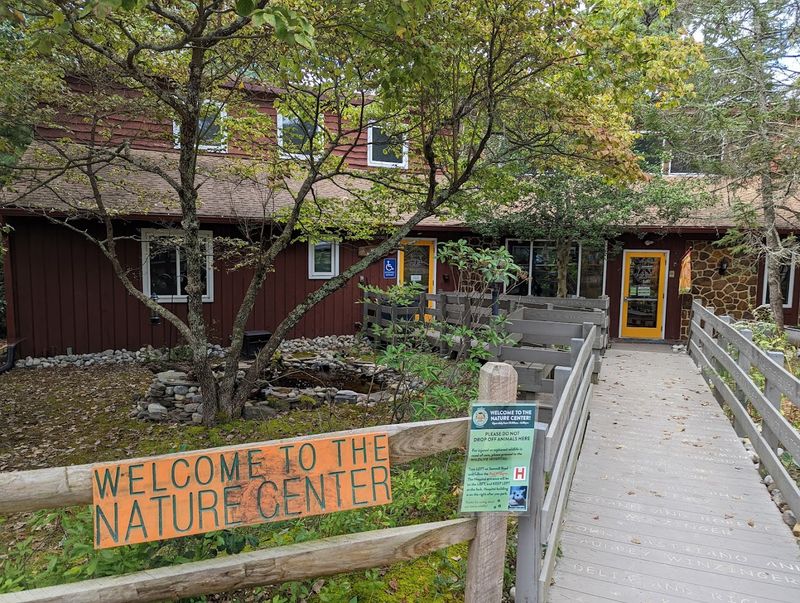
The Nature Center at Cedar Run serves as the educational hub of the entire property. Inside, guests will find multiple exhibits covering the wildlife and ecology of the New Jersey Pinelands, along with a dedicated reptile room that tends to be a crowd-pleaser for younger visitors.
Turtles and lizards are among the reptiles on display, giving guests an up-close look at species that are native to the region. Each exhibit is designed to be informative without being overwhelming, which makes the center a practical stop for school groups, families, and anyone who wants to add some context to what they are seeing out on the trails.
A gift shop rounds out the Nature Center experience, offering the kind of items that support the refuge while giving visitors something tangible to bring home. Proceeds from purchases contribute directly to the care of the animals on the property, which makes browsing the shelves feel like a genuinely useful activity rather than just a retail stop.
The Storybook Trail: Where Learning Meets the Outdoors
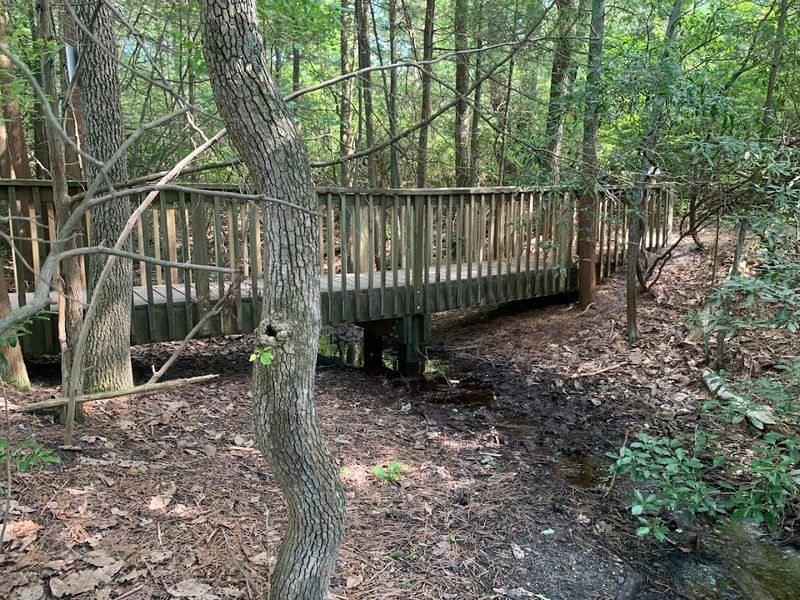
The Storybook Trail at Cedar Run turns a walk through the woods into an interactive reading experience. Illustrated panels are posted along the trail path, creating a story that unfolds step by step as guests move through the forest.
It is a simple concept that works remarkably well for young children who might otherwise lose interest on a longer hike.
The trail has earned consistent praise from families who visit the refuge, particularly those with children in the early elementary years. The combination of movement, nature, and storytelling keeps kids engaged in a way that feels natural rather than forced.
Adults tend to enjoy it too, mostly because watching a child read a story panel in the middle of a pine forest is genuinely charming.
Some sections of the trail include uneven footing, so appropriate footwear is recommended. The Storybook Trail is one of several programs and features at Cedar Run that demonstrate how the refuge approaches education as something that happens outside the classroom as much as inside it.
Programs for Schools, Scouts, and Groups
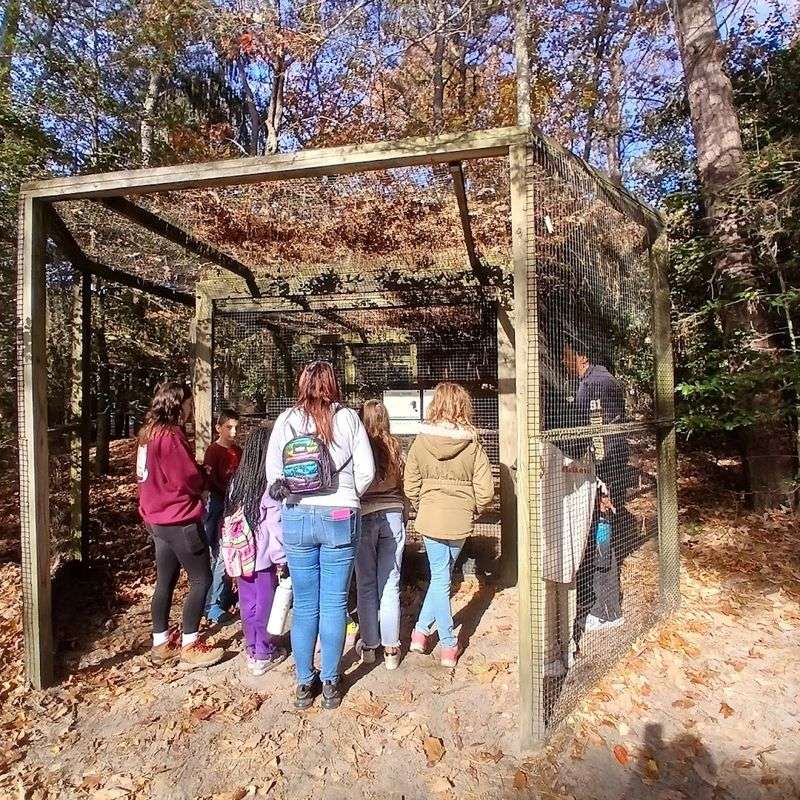
Cedar Run Wildlife Refuge has built a strong reputation as a destination for organized group visits. Programs are available for schools, scout troops, and other youth organizations, with guided experiences led by knowledgeable staff who clearly enjoy working with curious young audiences.
The Animal Habitats program is one example of what the refuge offers. Groups are guided through the property with a focus on understanding how different species live, what they need to survive, and why habitat protection matters.
The guides are known for keeping sessions engaging and for answering questions in ways that make complex ecological topics accessible to younger age groups.
Private events and birthday parties are also available, which gives the refuge an additional layer of community relevance beyond the typical nature center model. The combination of educational programming, hands-on animal encounters, and the outdoor trail system makes Cedar Run a practical and memorable option for group planners looking for something more meaningful than a standard field trip destination.
Named Residents with Real Personalities
Some of the animals at Cedar Run have been at the refuge long enough to become something close to local celebrities. Mika the Raccoon has a devoted following among repeat guests, known for a personality that tends to upstage nearly every other animal on the property.
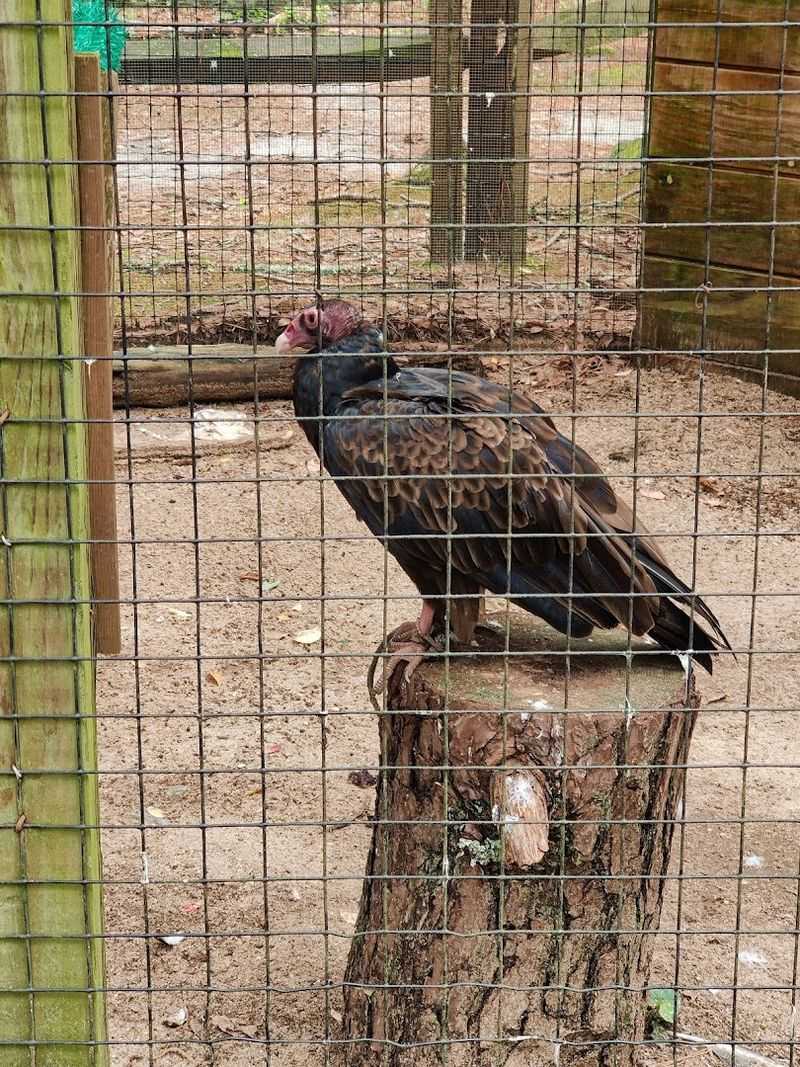
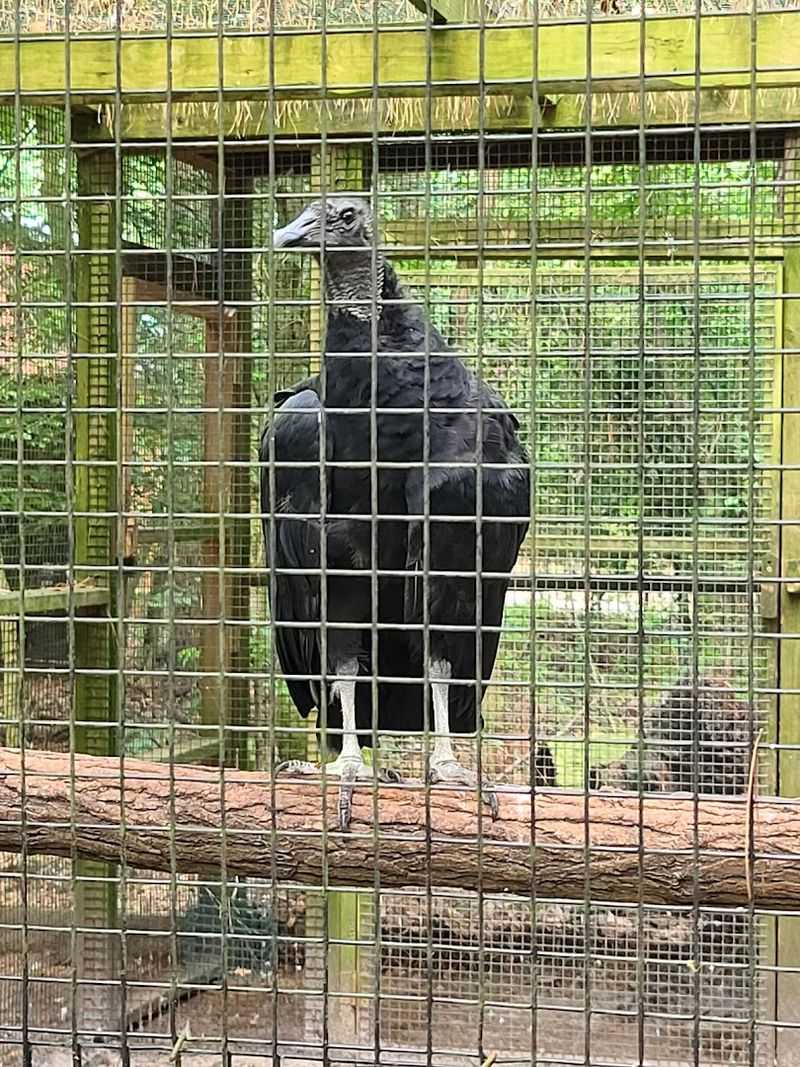
Socrates the Turkey Vulture has his own reputation for following guests around his enclosure with an attention to detail that borders on theatrical.
Apollo the Turkey Vulture is another long-term resident who has inspired guests to participate in the refuge’s animal adoption program. Through adoption, supporters contribute financially to the care of a specific animal and receive updates on how their chosen resident is doing.
It is a practical way to stay connected to the refuge between visits.
Each named resident has a posted history explaining how they arrived and why they cannot be released. Those individual stories are part of what makes a walk through Cedar Run feel different from a visit to a conventional wildlife attraction.
Every animal here has a background, and the refuge makes sure guests know it.
No Government Funding: How Cedar Run Stays Open
One of the most striking facts about Woodford Cedar Run Wildlife Refuge is that it operates entirely without government funding. Every animal treated, every trail maintained, and every educational program offered is supported through donations, event revenue, membership fees, and community generosity.
The suggested donation for entry is approximately ten dollars, a modest amount given the scope of what the property offers. The refuge also runs fundraising events throughout the year, including the Trails, Tails, and Ales 5K Fun Run, which combines a trail race with community celebration and has become a popular annual event for local participants.
Memberships are available for those who want to support the refuge on an ongoing basis. Families who visit once and discover what Cedar Run actually does tend to become members fairly quickly.
The transparency about funding, combined with the visible quality of animal care, makes donating feel less like an obligation and more like an obvious response to something genuinely worth supporting.
What to Bring and How to Prepare for Your Visit
A visit to Cedar Run rewards a little preparation. The trails cover more than three miles of Pinelands terrain, which means comfortable walking shoes with good traction are worth putting on before you leave home.
Some sections of the trail involve uneven ground, and a few areas can be muddy depending on recent weather.
Bug spray is not optional during the warmer months. Tick warning signs are posted throughout the property, and the Pinelands ecosystem is active tick habitat from spring through fall.
Checking for ticks after any outdoor activity in this region is a basic precaution that the refuge staff actively encourages.
Water is worth bringing along, especially for longer trail walks. The property is open from 10 AM to 4 PM every day, so arriving earlier in the day allows more time to cover both the trails and the Nature Center without feeling rushed.
Weekday mornings tend to be quieter, which gives guests a more relaxed experience with the outdoor animal enclosures and the exhibits inside.
A Place That Has Served the Community Since 1957
For many Medford residents, Cedar Run is not just a nature destination. It is a constant in their lives, a place they visited on school field trips as children, returned to as parents, and now bring their own families to year after year.
That kind of multigenerational connection is rare for any public attraction.
The refuge has served as a drop-off point for injured animals found by local residents for decades. The process is straightforward: bring the animal in, no payment required, and the hospital staff takes over.
That accessibility has made Cedar Run a trusted community resource rather than simply a weekend destination.
The daily live educational content on the refuge’s Facebook page extends the community connection beyond the physical property, giving followers regular updates on animals in care and behind-the-scenes looks at refuge operations. For a place that operates on donations and goodwill, the level of community engagement Cedar Run maintains is a genuine reflection of how much the surrounding region values what happens on this land.
Spotting Wild Animals on the Trails
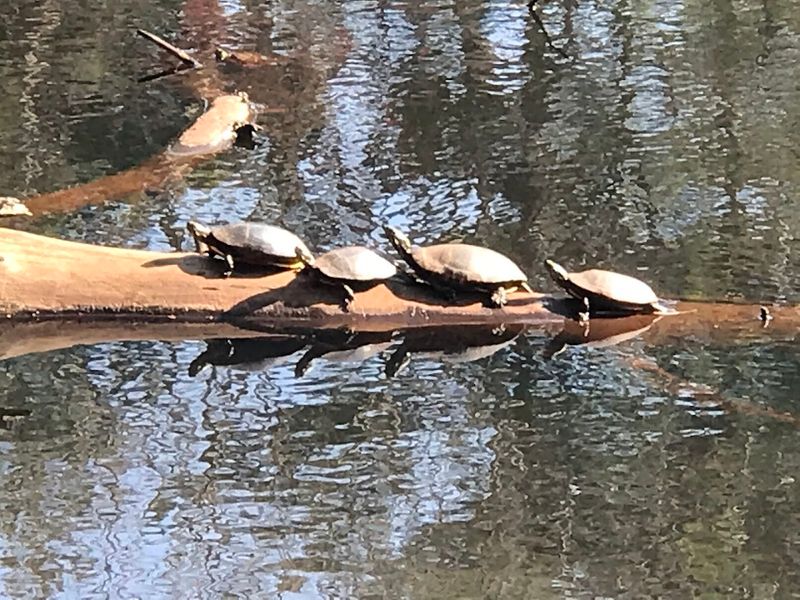
Beyond the resident animals in the enclosures, the trails at Cedar Run offer regular opportunities to spot wildlife moving freely through the Pinelands. Birds are the most commonly seen, with various species active along the trail corridors throughout the day.
Early morning visits tend to produce the most activity, particularly among birds that are just beginning their daily routines.
Deer have been spotted near the trails as well, sometimes approaching the path with enough curiosity to give hikers a close look without any prompting. The Pinelands ecosystem supports a wide range of native species, and a slow, quiet walk through the refuge property increases the chances of encountering wildlife that is not part of the planned exhibit.
Birders visiting the refuge will find both the managed enclosures and the wild trail sections worth their attention. The combination of resident raptors and free-ranging forest birds in the same location makes Cedar Run an unusually productive spot for anyone keeping a life list or simply enjoying the variety that the Pinelands naturally provides.
Why Cedar Run Belongs on Every South Jersey Itinerary
There are a handful of places in any region that manage to be genuinely useful, historically significant, and worth visiting purely for enjoyment all at the same time. Cedar Run is one of those places.
The trails are real wilderness. The animals have real stories.
The work being done at the hospital has real impact on the New Jersey Pinelands ecosystem.
The refuge works for solo visitors looking for a quiet walk, for families with young children who need a destination that holds attention for more than an hour, and for anyone who finds themselves in possession of an injured animal and no idea what to do next. That range of usefulness is not accidental.
It reflects more than six decades of thoughtful, community-driven operation.
Cedar Run does not need a dramatic sales pitch. The combination of scenic trails, a peaceful lake, and a wildlife rescue operation that has been running since 1957 speaks clearly enough on its own.
A visit here has a way of turning into a membership, and a membership has a way of turning into a lifelong habit.
Share this story