 Unearth The Voyage
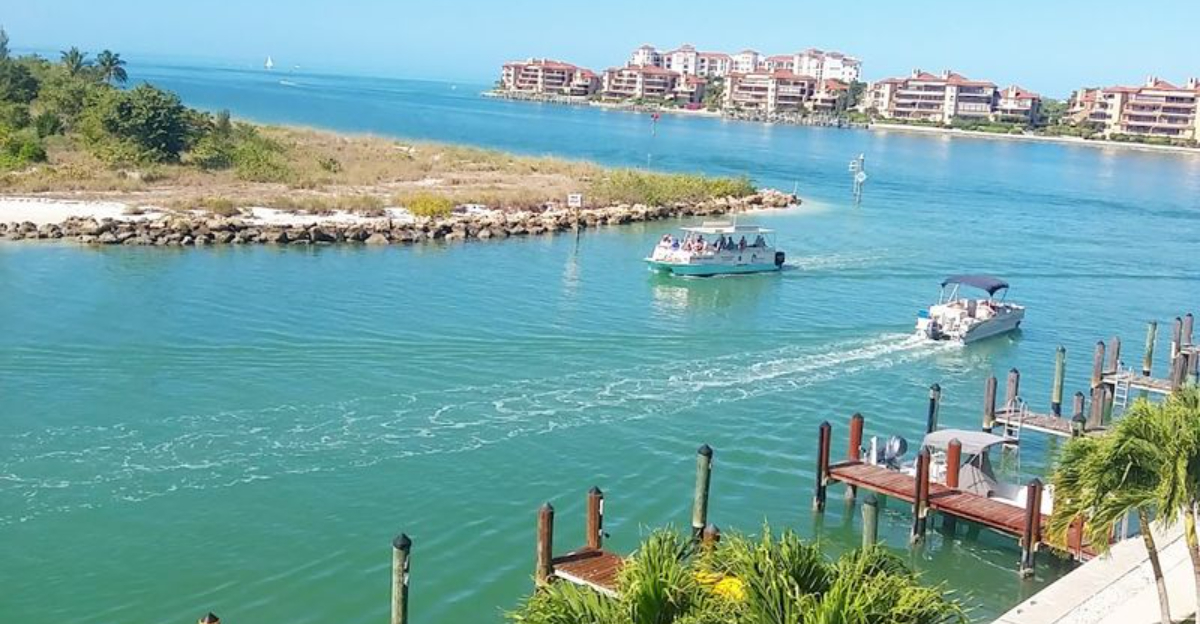
There is a place in Southwest Florida where the sand is so white it almost looks like powdered sugar, and the Gulf water shifts between shades of turquoise and emerald depending on the time of day. Dolphins cruise alongside kayakers.
Ospreys circle above the shoreline. Roseate spoonbills wade through tidal lagoons without a care in the world.
I had heard people talk about this island for years, always with that dreamy look in their eyes, and I finally made the trip myself. What I found was not just a beach destination but a full sensory experience, from the wildlife that greets you at every turn to the kind of sunsets that make you forget to check your phone.
This article covers everything you need to know before you go, and trust me, you will want to go.
Where Marco Island Sits on the Map
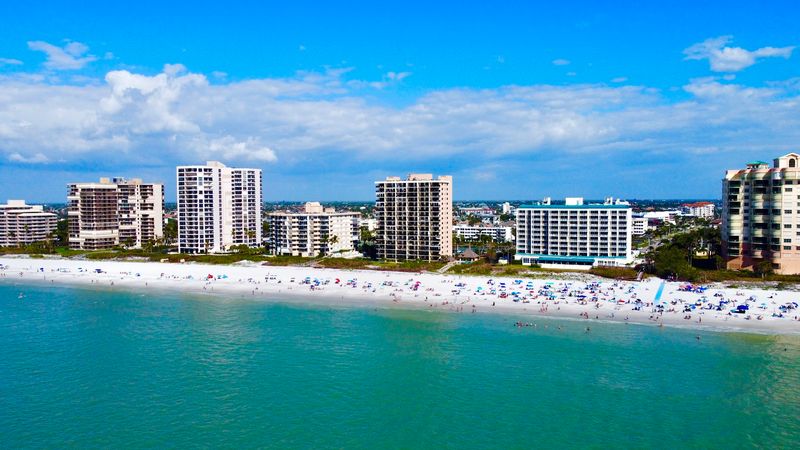
Marco Island is a barrier island located off the southwestern coast of Florida, sitting in the Gulf of Mexico just south of Naples. It is part of Collier County and is the largest of the Ten Thousand Islands, a sprawling chain of mangrove islands that stretches toward the Everglades.
You can reach it from Naples by heading south on US-41 and crossing over the bridges that connect the island to the mainland. The main address most visitors use as a reference point is Marco Island.
The island covers about 24 square miles and is home to roughly 17,000 permanent residents, though that number swells considerably during the winter season. Despite its popularity, the island manages to feel relaxed and unhurried, more like a quiet coastal town than a crowded tourist trap.
The Story Behind the Sand
Long before resort hotels and beach umbrellas, Marco Island was home to the Calusa people, a Native American tribe that thrived along this coastline for thousands of years. The Calusa were skilled fishers and builders, and they left behind massive shell mounds that still exist on the island today.
In 1896, a significant archaeological discovery was made at the Key Marco site, where a collection of wooden carvings and artifacts were unearthed, including the famous Key Marco Cat, a small carved figure now housed at the Smithsonian Institution. That single find put Marco Island on the map in a very different way than tourism ever could.
European settlers arrived in the late 1800s, and the island slowly developed through the 20th century. The Deltona Corporation launched a major development plan in the 1960s that transformed it into the residential and resort community it is today.
Crescent Beach and the Gulf Shore
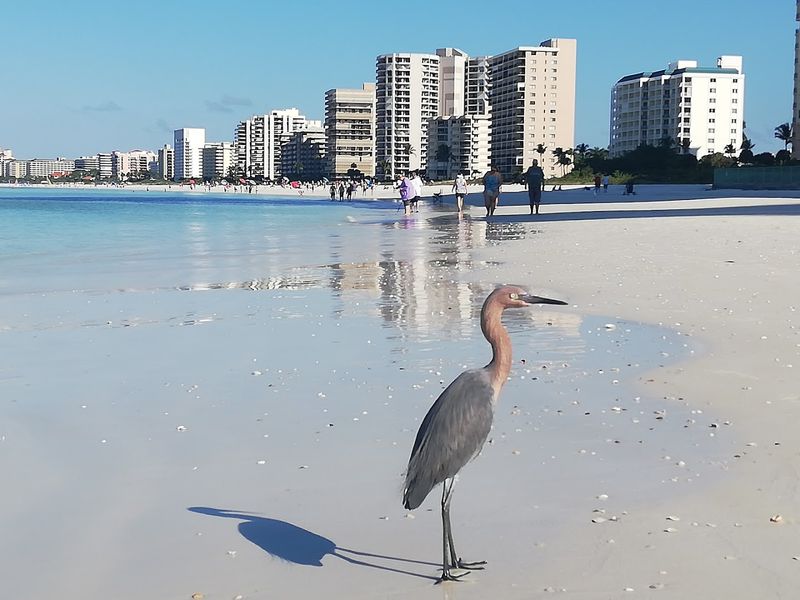
The crown jewel of the island is its long, crescent-shaped beach that stretches along the western shore for about three and a half miles. The sand here is genuinely remarkable, fine and bright white, made mostly of quartz and crushed shell that stays cool even in the summer heat.
The water along this stretch of the Gulf is typically calm and shallow near the shore, which makes it ideal for swimming, wading, and floating. The color shifts from pale green close to the beach to a deeper blue-green farther out, and on a clear afternoon it looks almost unreal.
South Marco Beach, near the Marriott resort area, tends to draw the bigger crowds, while the northern end near Tigertail Beach Park feels more local and laid-back. Either way, you are getting one of the finest stretches of Gulf Coast beach in all of Florida.
Tigertail Beach Park and Its Tidal Lagoon
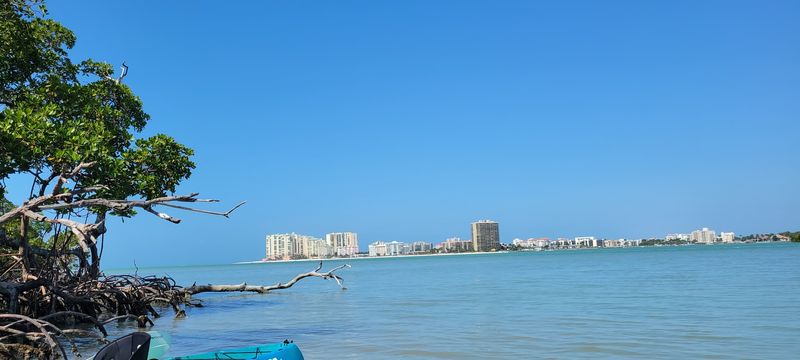
Tigertail Beach Park is one of those places that rewards people who show up curious rather than just looking for a spot to set down a towel. The park sits on the northern end of the island and features both a Gulf-facing beach and a sheltered tidal lagoon that sits between the shore and a sandbar called Sand Dollar Island.
The lagoon is a natural playground for kayakers and paddleboarders, and rentals are available right at the park. The calm, shallow water makes it easy for beginners, and the surrounding mangroves give the whole area a wild, undisturbed feeling that is hard to find this close to a resort town.
Shorebirds are everywhere here. Willets, sandpipers, and black skimmers work the waterline, while great blue herons stand absolutely still in the shallows.
Birders regularly count this park among the best spots in Southwest Florida for wildlife observation.
Wildlife That Shares the Island With You
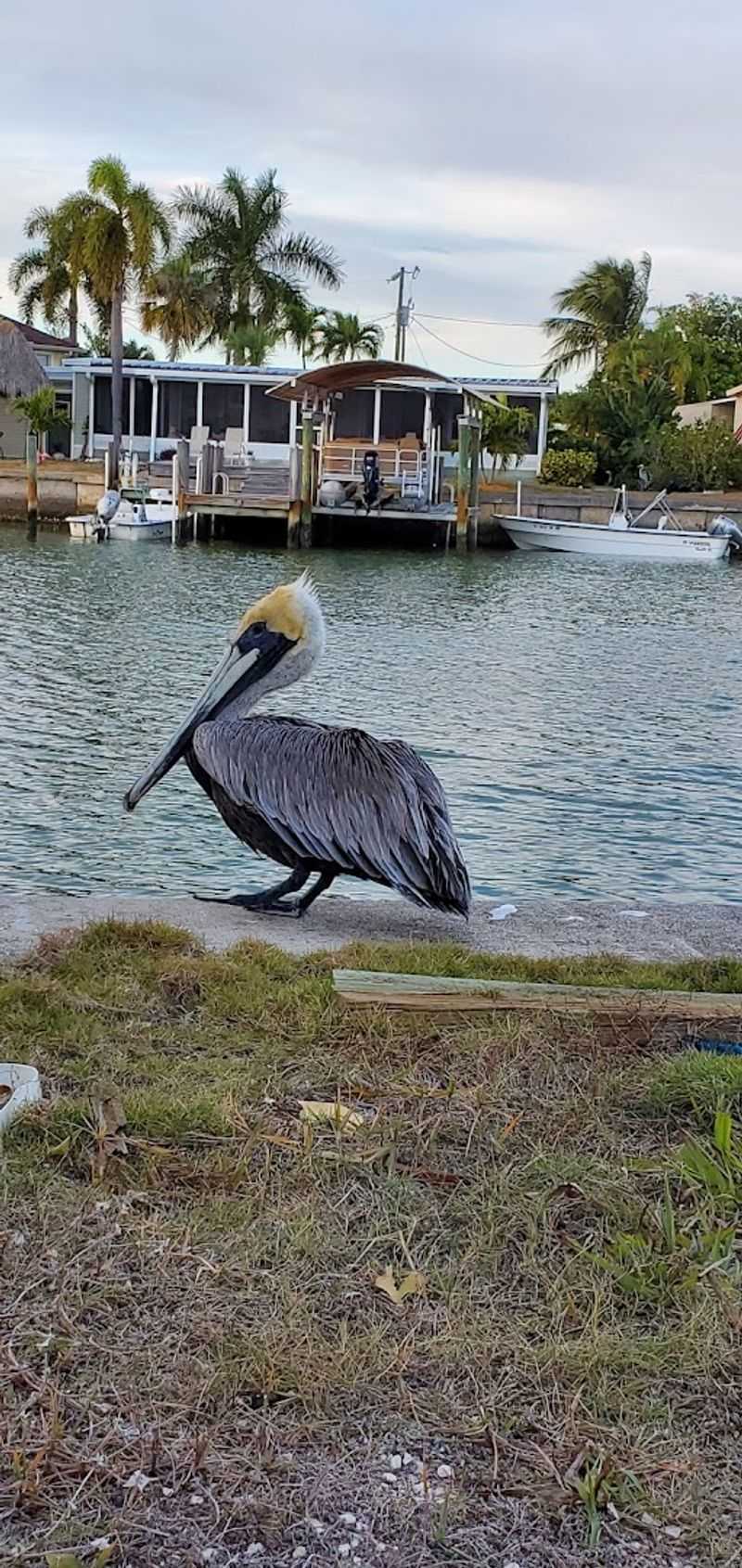
One of the things that genuinely surprised me about Marco Island was how much wildlife you encounter without even trying. Bottlenose dolphins are a regular sight in the waterways and bays surrounding the island, often swimming alongside boats and kayaks with what seems like genuine curiosity.
Manatees show up in the warmer canals and are spotted regularly near the marina areas, especially in early morning. Bald eagles nest on the island, and you can often see them perched on tall trees or soaring above the waterways in the winter months.
The roseate spoonbill, with its shocking pink feathers and spatula-shaped bill, is one of the most visually striking birds you will encounter near the lagoons and mangrove edges. Loggerhead sea turtles also nest on the beaches from May through October, and volunteers patrol the shore at night to protect the nests.
Kayaking and Paddleboarding the Waterways
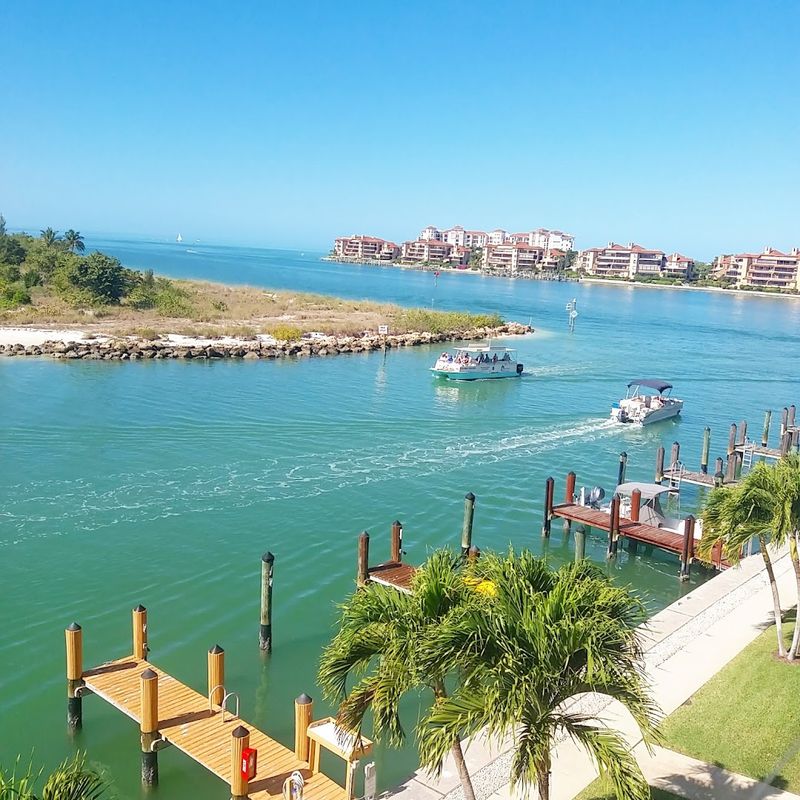
The inland waterways around Marco Island are a network of canals, bays, and mangrove tunnels that practically beg to be explored by kayak or paddleboard. Several outfitters on the island offer guided tours as well as self-guided rentals, and you do not need any prior experience to enjoy a few hours on the water.
The mangrove tunnels are a particular highlight. You paddle through narrow channels where the roots of red mangroves arch overhead, creating a green canopy that blocks out the sun and muffles the sounds of the outside world.
It feels genuinely remote even though you are minutes from a hotel.
Rookery Bay National Estuarine Research Reserve sits just north of the island and is accessible by water, offering miles of undeveloped coastline and exceptional wildlife viewing. A guided eco-tour through this area is one of the best ways to understand what this corner of Florida looked like before development.
Fishing on Marco Island
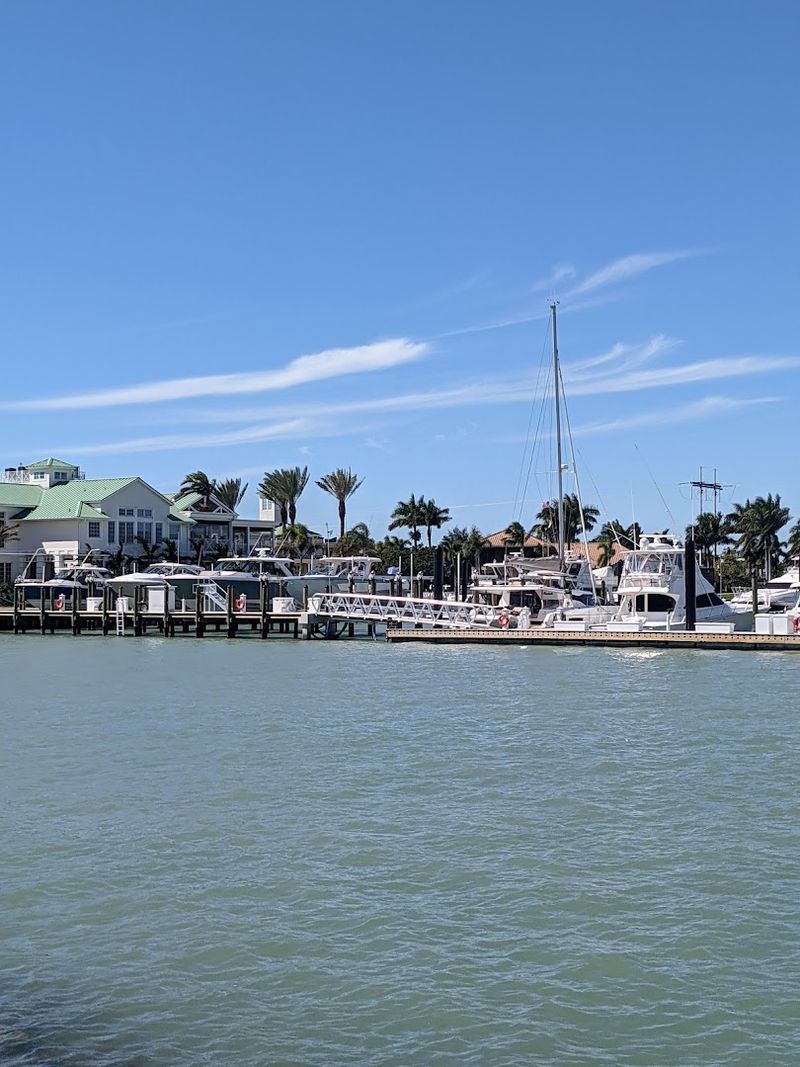
Anglers have been coming to Marco Island for decades, and the fishing here lives up to the reputation. The waters surrounding the island hold a wide variety of species, including snook, redfish, tarpon, grouper, and snapper, depending on the season and the type of water you are fishing.
Inshore fishing in the backcountry flats and mangrove edges is especially popular, and local guides know these waters with the kind of precision that only comes from years on the water. A half-day guided trip is a great way to learn the area even if you are not a hardcore angler.
Offshore fishing in the Gulf is also productive, with grouper and amberjack being common targets. The Marco Island Marina, located at 951 Bald Eagle Drive, serves as a central hub for charter boats and fishing excursions.
It is easy to book a trip right from the dock.
Gulf Sunsets That Stop You in Your Tracks
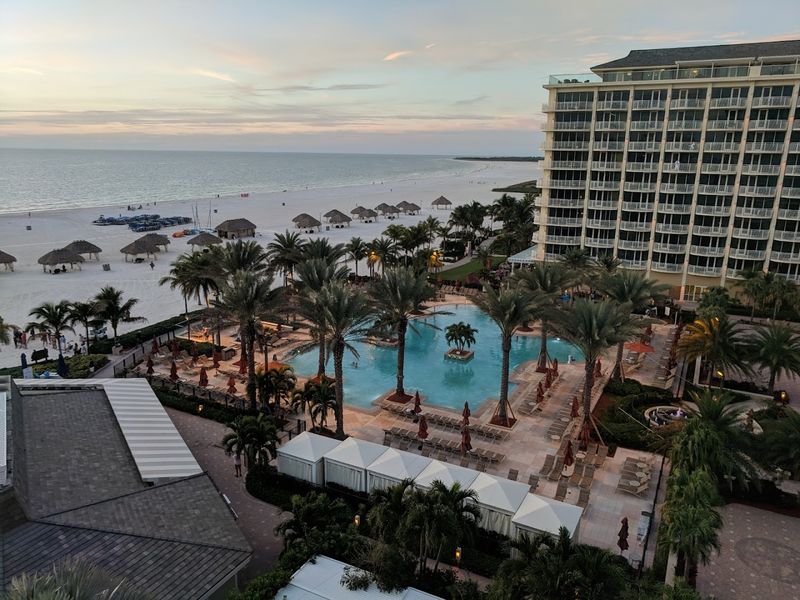
There is a reason people gather on the beach every evening as the sun gets low. The sunsets on Marco Island are the kind that make you put your phone away, at least for a few minutes, before inevitably pulling it back out to try to capture what you are seeing.
Because the island faces west along its main beach, the Gulf of Mexico becomes the backdrop for the entire show. The colors spread wide across the sky, moving through gold, orange, deep pink, and eventually a soft purple before the light fades completely.
The southern end of the beach near the resort area is a popular gathering spot for sunset watching, and you will find a loose community of strangers who all pause together as the sun touches the water. It is one of those simple, shared experiences that reminds you why people travel in the first place.
The Marco Island Historical Museum
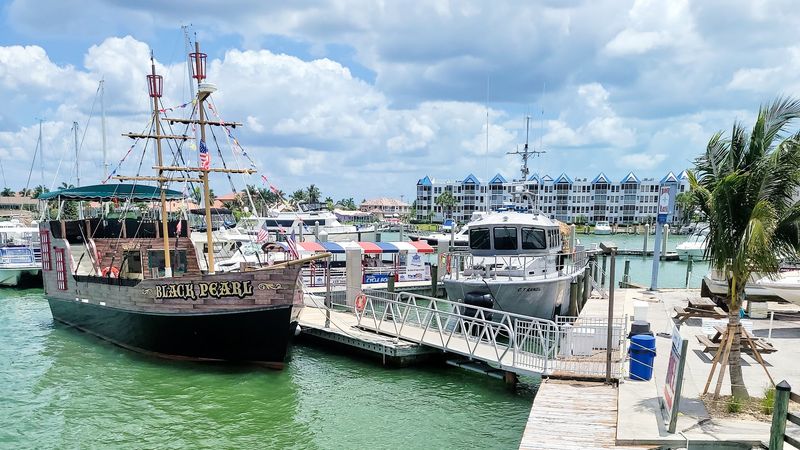
For a small island, Marco Island has a surprisingly rich history, and the Marco Island Historical Museum does a solid job of telling that story in an accessible and engaging way. The museum is located at 180 South Heathwood Drive and is open most days of the week with free admission.
The exhibits cover the Calusa culture, the archaeological discoveries at the Key Marco site, and the development of the island through the 20th century. A replica of the Key Marco Cat is on display, giving visitors a tangible connection to the island’s ancient past.
The museum also covers the fishing and farming history of the area, including the early tomato farming operations that once defined life on the island before tourism took over. It takes about an hour to move through the exhibits comfortably, and it adds real depth to your understanding of the place you are visiting.
Where to Eat on the Island
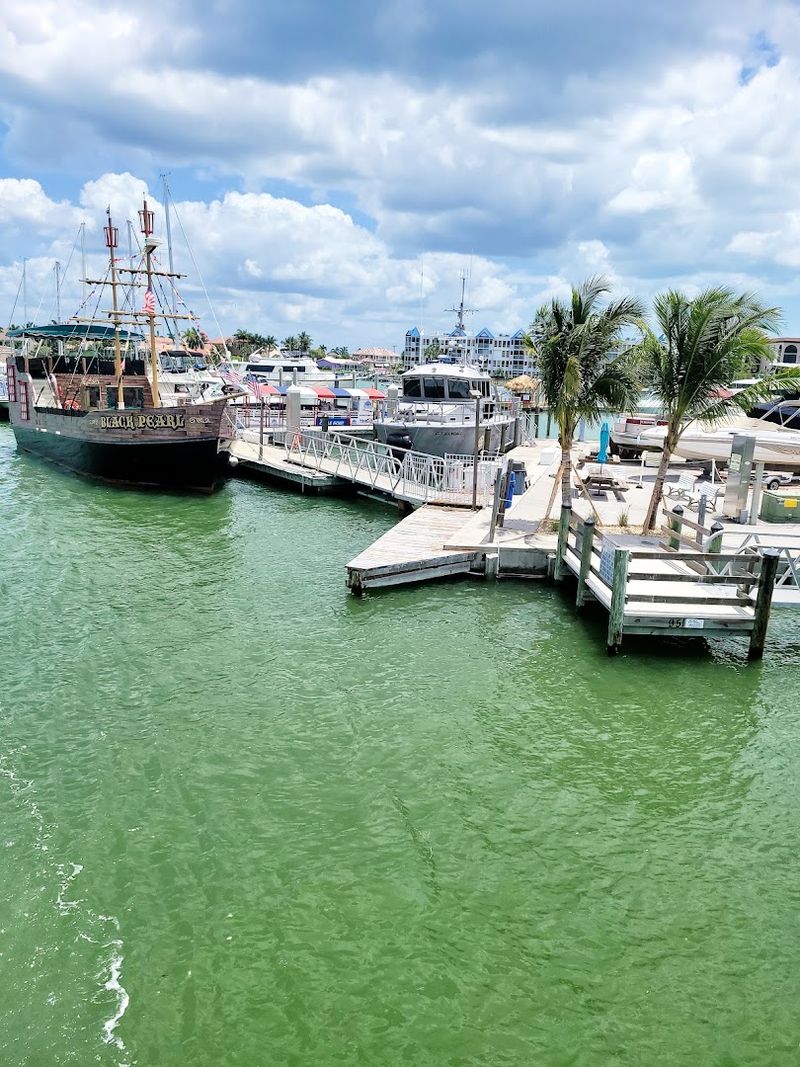
The dining scene on Marco Island punches above its weight for an island of its size. Fresh seafood is the obvious draw, and you will find stone crab claws, Gulf shrimp, and locally caught grouper on menus all over the island, especially during the cooler months when the crowds are heaviest.
CJ’s on the Bay is a casual waterfront spot with a great view and solid seafood plates that draw both locals and visitors. Kretch’s Restaurant has been a local institution for decades and is known for its grouper dishes and relaxed atmosphere.
For something a bit more upscale, the dining room at the Marco Island Marriott offers Gulf views and a polished menu that leans into local ingredients. Food trucks and casual beach-side spots round out the options for those who prefer to keep things simple and sandy.
There is genuinely something for every appetite here.
Best Time to Visit Marco Island
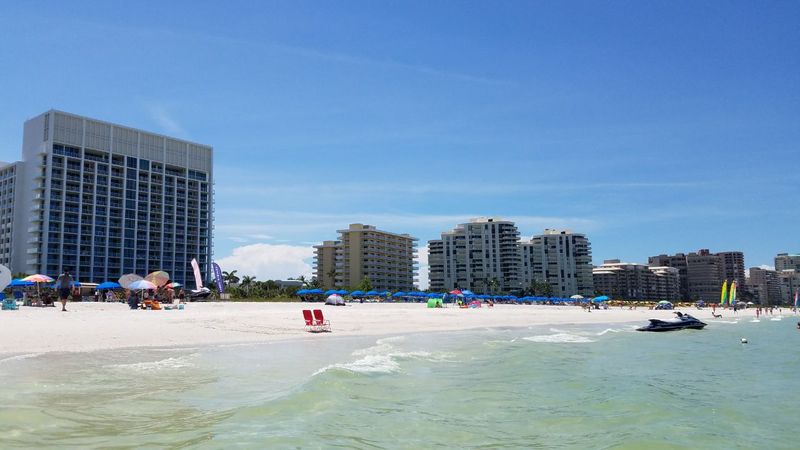
The peak season on Marco Island runs from December through April, when the weather is dry, mild, and reliably sunny. Temperatures during these months typically sit in the low to mid-70s Fahrenheit, which is just about perfect for spending long days on the beach or out on the water.
This is also when the island gets the most visitors, so hotel rates are higher and restaurants can get busy, especially on weekends. Booking well in advance is genuinely necessary if you want to stay somewhere decent during the winter months.
Summer brings heat, humidity, and afternoon thunderstorms, but it also brings lower prices and fewer crowds. The beaches are still beautiful, the water is warm, and if you can handle the occasional downpour, you will find the island in a much quieter and more local mood.
Sea turtle nesting season also makes summer visits feel especially meaningful.
Shelling and Beachcombing Along the Shore
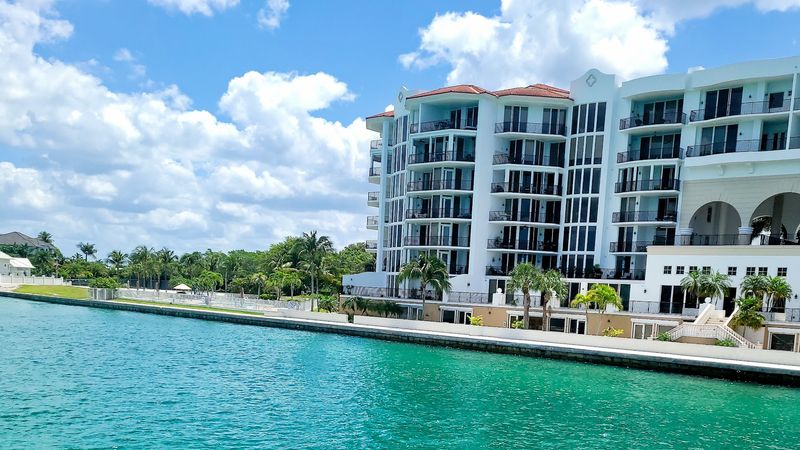
Shelling is a serious pastime on Marco Island, and the beach delivers a steady supply of finds if you know when and where to look. Early morning after a high tide is the best time, when the receding water leaves fresh shells along the wrack line before other beachcombers have had a chance to sweep through.
Lightning whelks, fighting conchs, alphabet cones, and banded tulips are among the species you might find. Sand dollars turn up occasionally near Tigertail Beach, and the sandbar known as Sand Dollar Island is worth wading out to at low tide for a more concentrated search.
The hobby has its own local culture here. Longtime visitors bring mesh bags and know exactly which stretch of beach tends to produce the best specimens after a storm.
Even casual beachgoers end up crouching down to examine something that catches the light just right at the water’s edge.
Boating and Island Hopping Near Marco
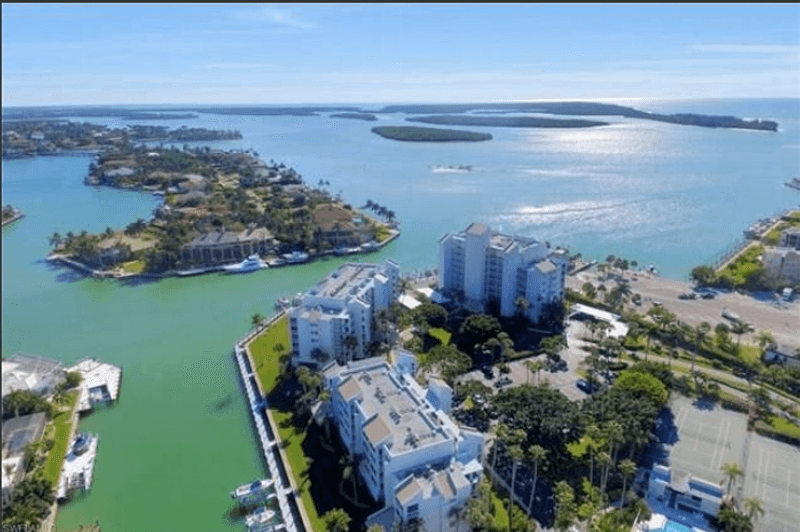
The waters around Marco Island open up into the Ten Thousand Islands, a labyrinth of mangrove islands and shallow bays that stretches south toward Everglades National Park. Renting a small boat and exploring this area on your own is one of the most adventurous things you can do on the island without needing any specialized skills.
Several boat rental companies operate out of the Marco Island Marina and surrounding areas, offering everything from small skiffs to pontoon boats by the hour or the day. The waterways are well-marked, and maps are provided with rentals.
Keewaydin Island, a barrier island just north of Marco accessible only by boat, has a beautiful undeveloped beach that feels completely removed from the resort world a short ride away. Packing a cooler and spending an afternoon there is a genuinely excellent use of a vacation day, and the solitude is something you will remember long after you get home.
Getting Around and Practical Tips for Your Visit
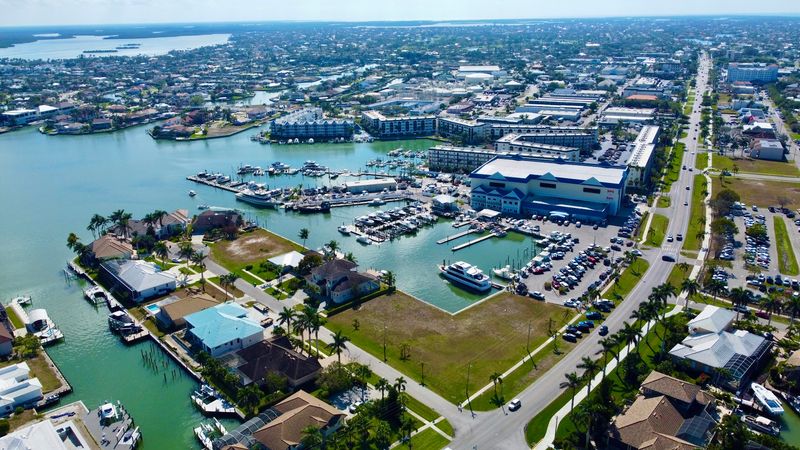
Marco Island is compact enough that getting around is relatively straightforward, but having a car is still the most convenient option for most visitors. The island has a main road loop that connects the beach areas, shopping centers, and residential neighborhoods, and traffic is generally manageable outside of peak season weekends.
Biking is a genuinely pleasant way to move around the island, and bike rentals are available from several shops. A dedicated path runs along parts of the main road, and the flat terrain makes cycling easy for most fitness levels.
Parking at the public beach access points fills up quickly on busy days, so arriving early makes a real difference. The island has a small but useful trolley service during peak season that connects major stops along the beach corridor.
Sunscreen, water, and reef-safe products are worth packing, as the sun here is significantly stronger than most visitors expect.



