 Unearth The Voyage
There is a place in Florida where you can stand just a few feet away from hundreds of alligators, watch rare crocodilians from five continents, and even zip line directly over a swamp full of prehistoric-looking reptiles. It sounds like something out of a nature documentary, but it is completely real and open every single day of the week.
This wildlife park has been wowing visitors for over a century, and it keeps getting better with new animals, live shows, and hands-on experiences that kids and adults both love. Read on to find out exactly what makes this place one of the most unforgettable stops on Florida’s First Coast.
A Century-Old Landmark Right on Anastasia Boulevard
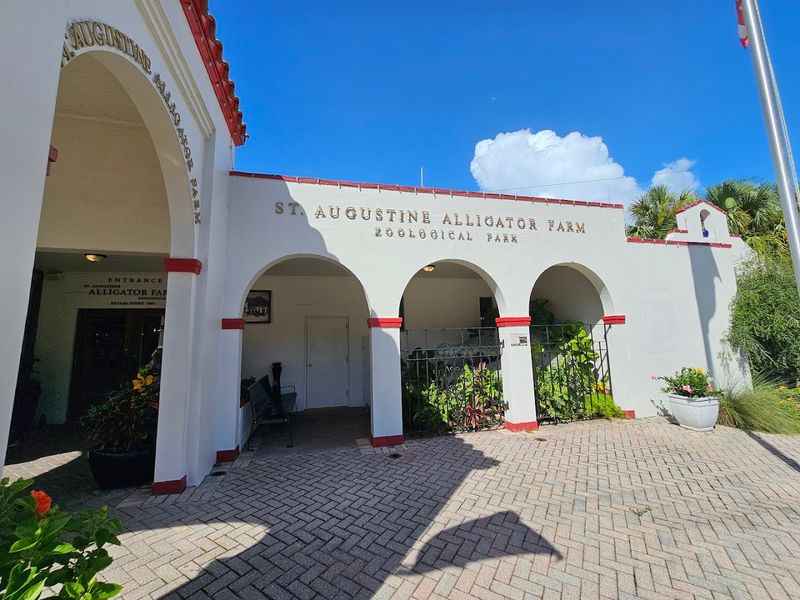
Some attractions feel like they were built yesterday and forgotten by next week. The St. Augustine Alligator Farm Zoological Park, located at 999 Anastasia Blvd, St. Augustine, is the complete opposite of that.
This park has been welcoming curious visitors for well over 100 years, making it one of the oldest continuously operating zoological attractions in the entire United States. That kind of staying power does not happen by accident.
The grounds have evolved dramatically over the decades, growing from a humble alligator exhibit into a full zoological park with species from across the globe. You can feel the history the moment you walk through the entrance.
The trees are enormous, the pathways are shaded, and everything has a sense of purpose.
All 26 Species of Crocodilians Under One Roof
Here is a fact that genuinely stopped me in my tracks: there are 26 known species of crocodilians in the entire world, and this park has every single one of them.
That is not a marketing claim. It is a verified achievement that makes the St. Augustine Alligator Farm one of a tiny handful of places on the planet where you can accomplish that kind of crocodilian sweep in a single afternoon.
From the massive saltwater crocodile to the slender-snouted gharial, each species has its own well-designed enclosure with educational signage that explains behavior, habitat, and conservation status.
Seeing them side by side gives you a real appreciation for how different each species actually is in size, temperament, and appearance. For anyone who assumed all crocodilians basically look the same, this collection will completely change that perspective in the most eye-opening way possible.
500 to 600 Alligators Calling This Place Home
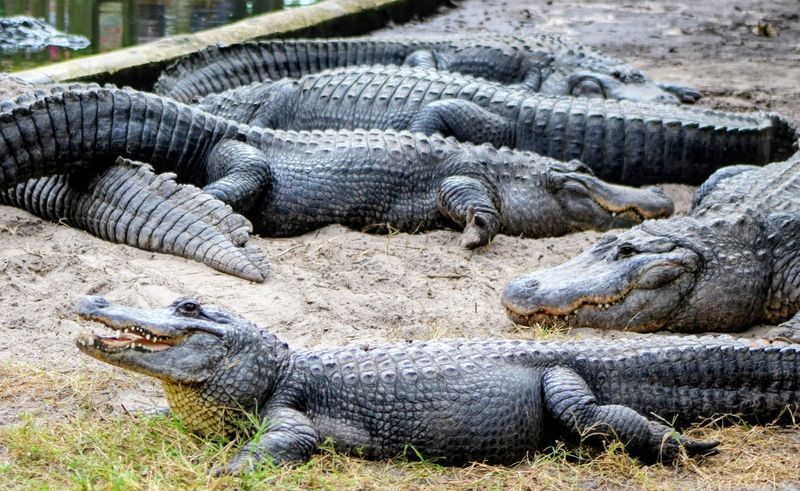
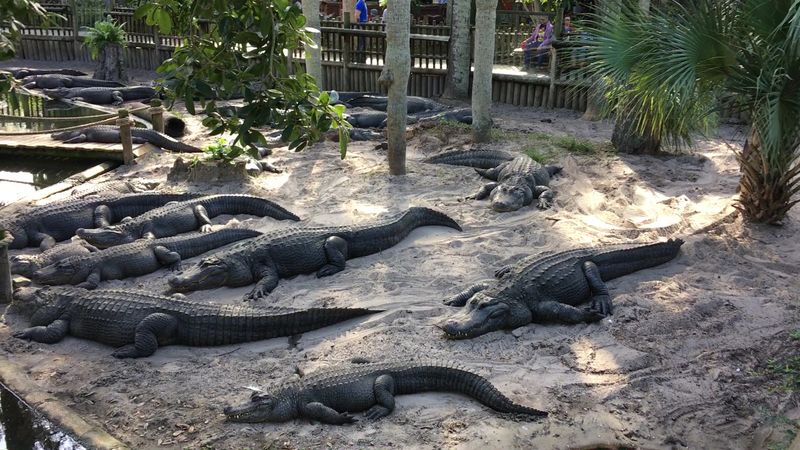
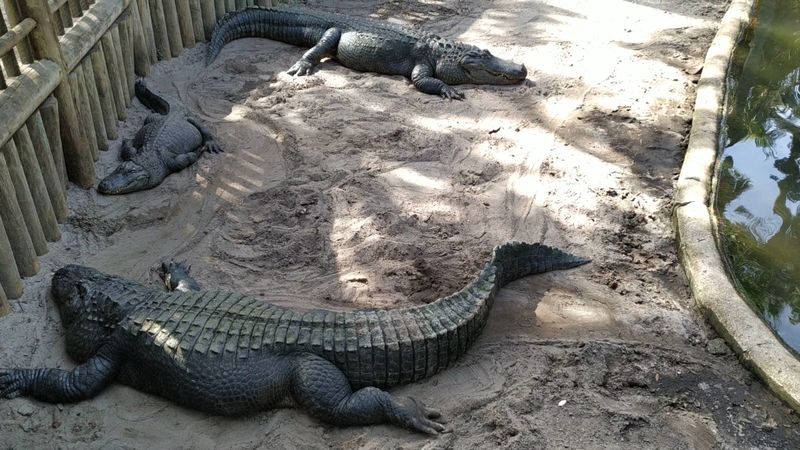
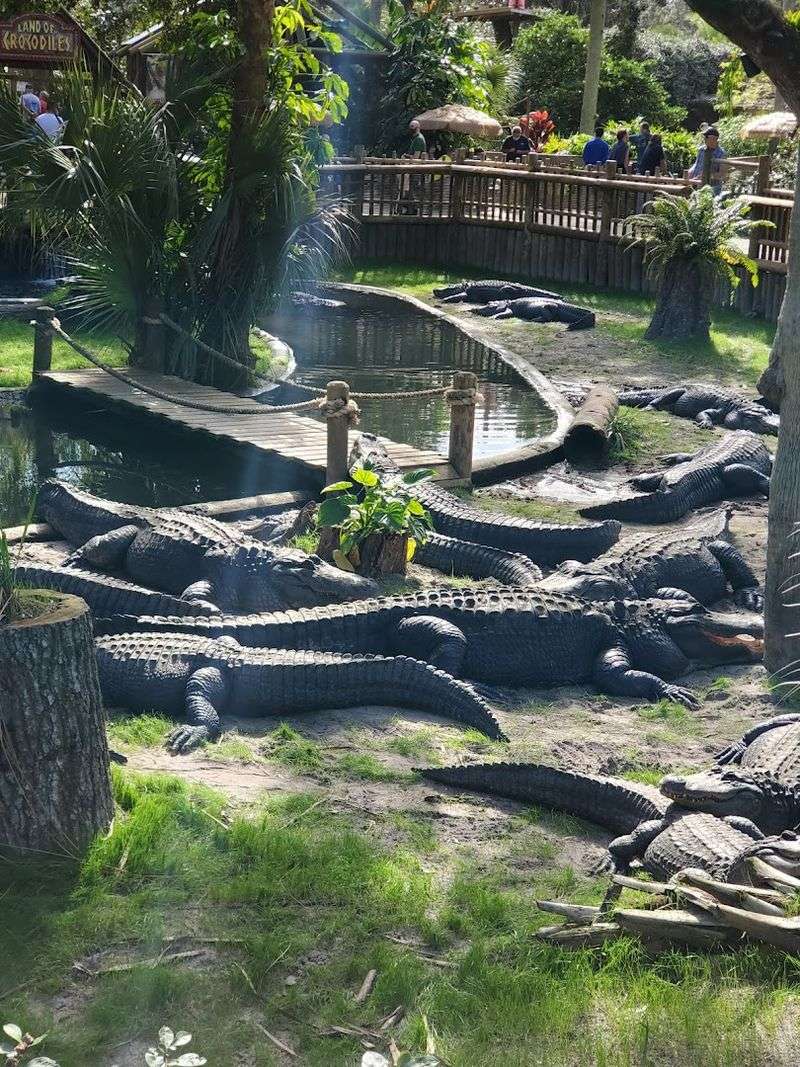
When a park keeper casually mentions that roughly 160 alligators live in the swamp area alone, and somewhere between 500 and 600 total call the park home, you start to recalibrate what the word “a lot” actually means.
The main lagoon is genuinely staggering. Chairs are set up along the viewing area so you can sit and watch the gators float, bask, and occasionally interact with each other for as long as you like.
Beyond the lagoon, alligators appear throughout the park in enclosures of various sizes, from tiny hatchlings to full-grown adults that look like they have been around since the last ice age.
The sheer density of reptiles here is unlike anything you will find at a standard zoo. Whether you are a first-time visitor or a Florida local who grew up seeing gators in the wild, the scale of this collection will catch you off guard every time.
Live Shows and Feedings That Actually Deliver
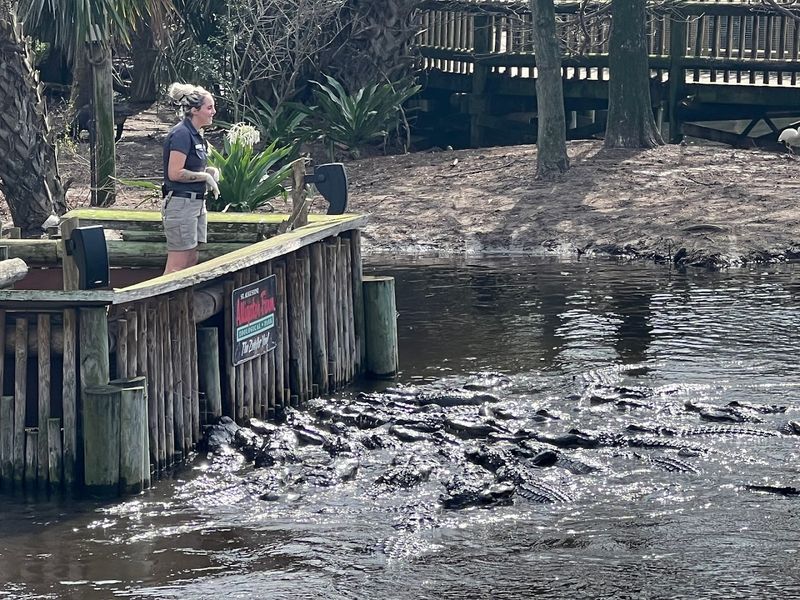
Live animal shows can go one of two ways: they are either forgettable filler or the highlight of the whole visit. At this park, the presentations land firmly in the second category.
The staff members running the shows are clearly passionate about what they do, and their knowledge of reptile behavior, safety, and conservation comes through naturally rather than feeling like a rehearsed script.
The feeding demonstrations are especially popular. Watching a massive alligator snap up its meal with that trademark speed is something your brain files under “unforgettable” immediately.
A practical tip: check the show schedule before you arrive, because the timing of each presentation is posted on the park’s website and can vary by season. Arriving at the right moment means front-row access to some genuinely thrilling wildlife action, and the staff always make time to answer questions from the audience after each show wraps up.
Zip Lining Over a Swamp Full of Reptiles
Not every zoo offers you the chance to fly through the air above hundreds of alligators on a zip line, but this one does, and it is exactly as thrilling as it sounds.
The zip line course runs over the park’s enclosures, giving riders a bird’s-eye perspective on the reptiles below that no walking tour can replicate. It requires a separate ticket from general park admission, and riders must be at least 8 years old and 44 inches tall to participate.
For families with older kids or adults looking for a little extra adrenaline, it is a genuinely memorable add-on that turns an already great visit into something truly unique.
Even if you decide to skip the zip line and stick to the boardwalks, just watching other visitors launch off the platform with a mix of excitement and mild terror is entertaining enough to make you smile. Adventure, after all, looks great from any angle.
The Swamp Boardwalk Experience
One section of the park that consistently earns its own standing ovation is the swamp boardwalk. Elevated wooden pathways wind through a dense, shaded habitat where alligators cruise through dark water just below your feet.
The canopy overhead is thick enough that even on a sunny Florida afternoon, the temperature drops noticeably the moment you step onto the boards. It genuinely feels like you have wandered into the Everglades rather than a managed attraction.
The sounds change too. Bird calls echo through the trees, the water occasionally ripples from a submerged gator, and the whole atmosphere shifts into something that feels far more immersive than a typical zoo exhibit.
Strollers navigate the boardwalk without any trouble, which makes it equally accessible for families with young children. It is the kind of quiet, nature-soaked stretch that makes you slow down, look carefully, and appreciate just how wild this corner of Florida truly is.
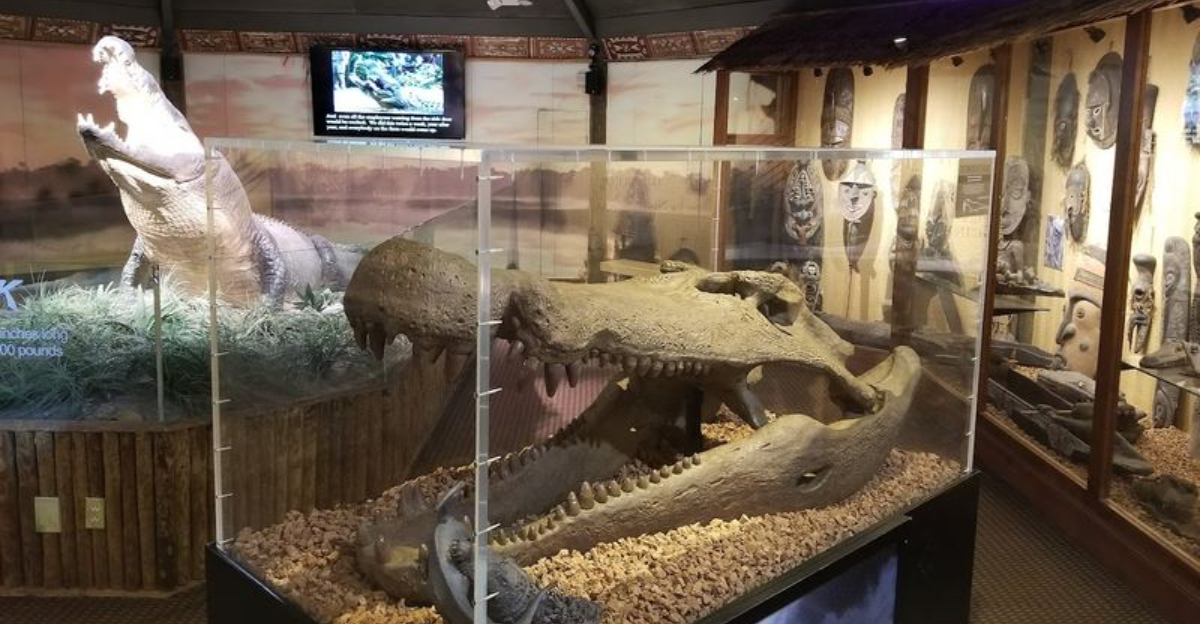
Maximo the Giant Saltwater Crocodile
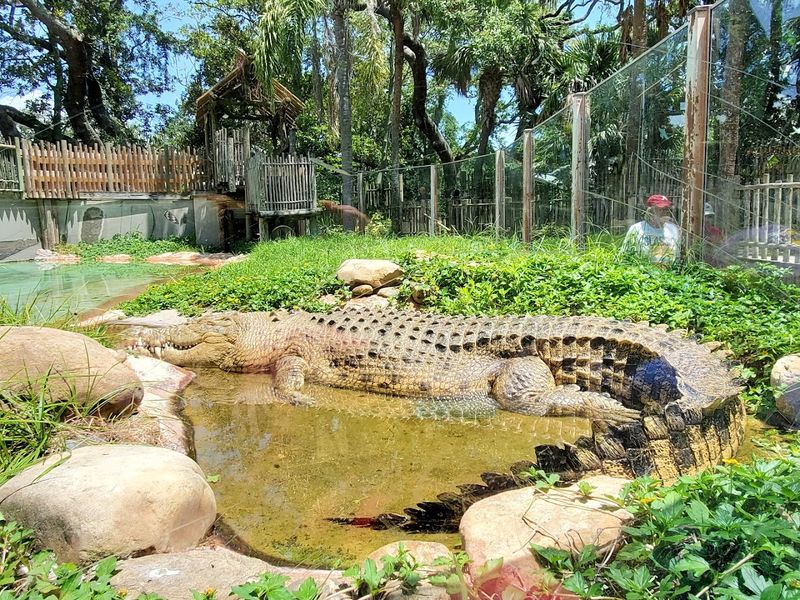
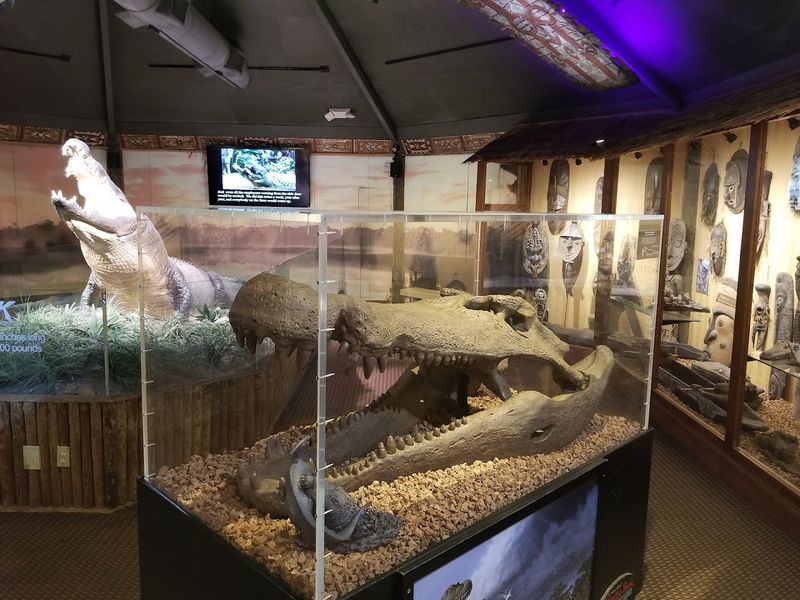
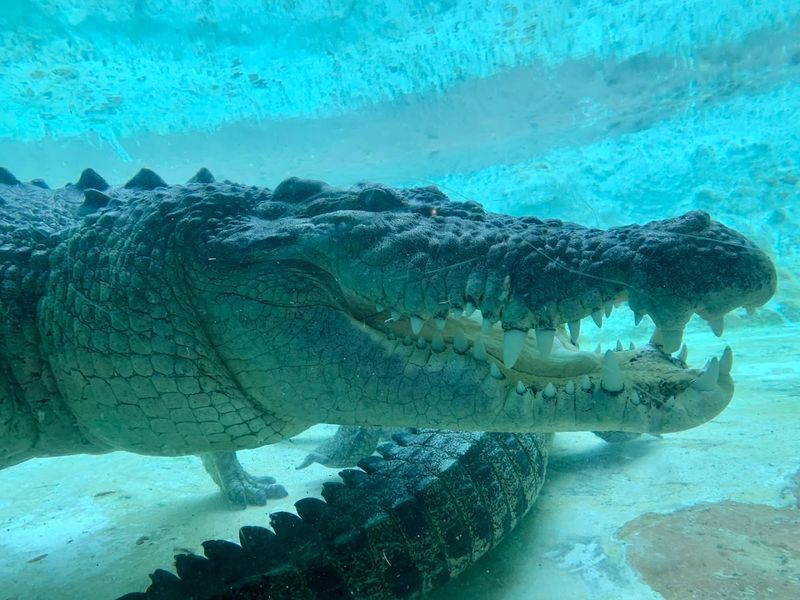
There are animals that impress you, and then there is Maximo. This saltwater crocodile is so large that first-time visitors often stop mid-sentence when they see him for the first time.
Saltwater crocodiles are the largest living reptiles on Earth, and Maximo is a standout even within his own species. His enclosure gives visitors a clear, up-close view of just how powerful and ancient-looking these animals truly are.
The educational materials near his exhibit explain the saltwater crocodile’s range across Southeast Asia and northern Australia, its behavior in the wild, and why conservation efforts for the species matter. It is the kind of context that transforms a wow moment into a learning moment without feeling like homework.
Maximo has become something of a celebrity at the park, and for good reason. Seeing a crocodile of that magnitude in person recalibrates your entire understanding of what the word “large” means in the animal kingdom.
Mr. Bones the Albino Alligator
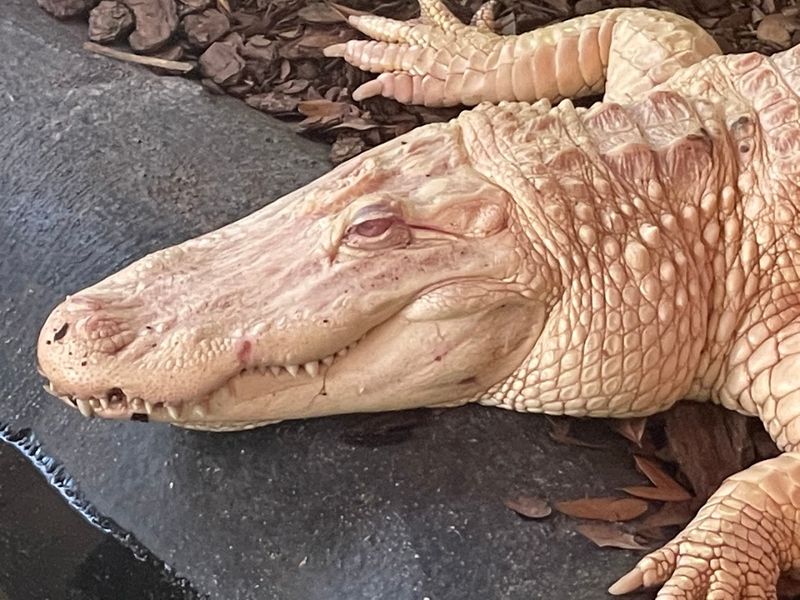
Albino alligators are extraordinarily rare in the wild, which makes seeing one in person feel like a genuine privilege rather than just another exhibit stop.
Mr. Bones, the park’s resident albino alligator, is one of those animals that generates a quiet collective gasp from every group that rounds the corner and spots him for the first time. His pale, almost ghostly coloring stands in sharp contrast to the dark green and brown tones of his enclosure, making him impossible to miss.
The biology behind albinism in alligators is fascinating. Without the pigmentation that helps wild alligators blend into their environment, albino individuals face serious survival challenges in nature, which is part of why seeing one thriving in a well-managed habitat feels so meaningful.
Mr. Bones has become one of the most photographed animals in the entire park, and honestly, once you see him, it is not hard to understand why everyone reaches for their camera immediately.
A Bird Rookery That Rivals Any Nature Reserve
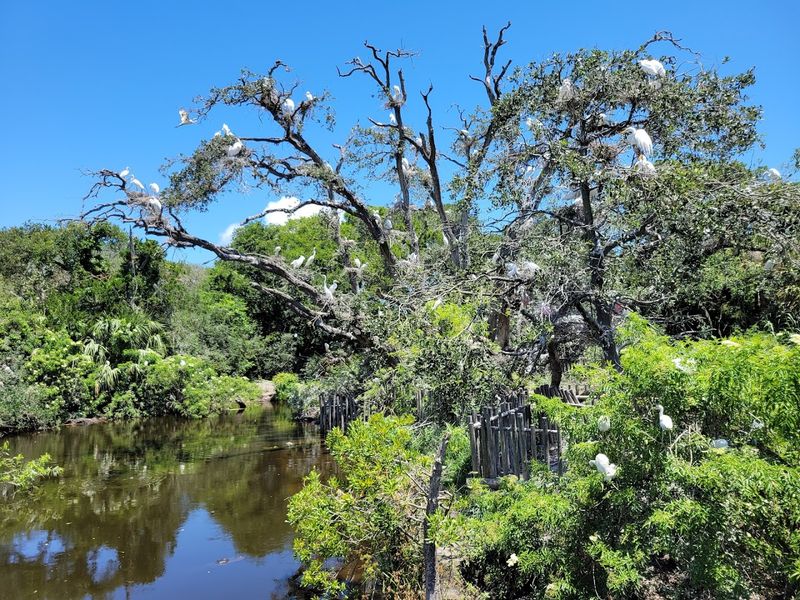
Most people come to this park for the reptiles and leave unexpectedly amazed by the birds. The rookery here is a genuine natural phenomenon, not a curated exhibit but a wild bird colony that has chosen the park as its nesting ground.
During nesting season, great blue herons, snowy egrets, roseate spoonbills, and wood storks crowd the trees above the alligator enclosures in numbers that would make any birder’s heart race. The irony of birds nesting directly above predators is not lost on anyone, and the staff are happy to explain the fascinating ecological logic behind it.
The spoonbills in particular are breathtaking. Their vivid pink plumage catches the light in ways that make even a casual observer stop and stare.
Wildlife photographers regularly make the trip to the park specifically for the rookery, and the access it provides to nesting birds at close range is something you simply cannot replicate anywhere else in the region.
Exotic Animals from Around the Globe
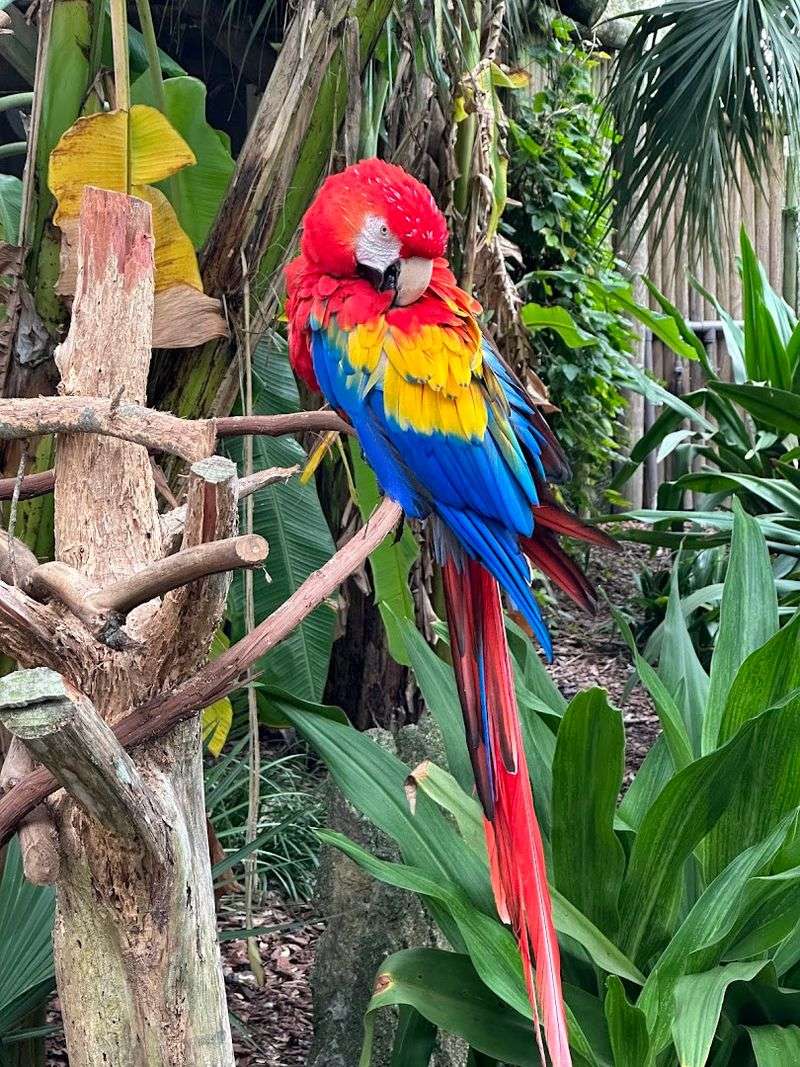
The name might suggest a one-trick reptile show, but this park is far more zoologically diverse than most first-time visitors expect.
Beyond the crocodilians and native Florida wildlife, the park is home to Galapagos tortoises, sloths, lemurs, a variety of exotic birds, native snakes, and lizards from multiple continents. Each animal has a well-maintained habitat designed to reflect its natural environment, and the overall health of the animals is visibly excellent throughout the park.
The Galapagos tortoises are a particular crowd favorite. The cafe seating area is positioned so that you can watch them move slowly around their enclosure while you take a snack break, which is a surprisingly meditative experience in the middle of a busy day.
The variety here is genuinely impressive and ensures that even visitors who are not particularly passionate about alligators will find plenty of animals to engage with throughout the entire visit.
Practical Tips for Getting the Most Out of Your Visit
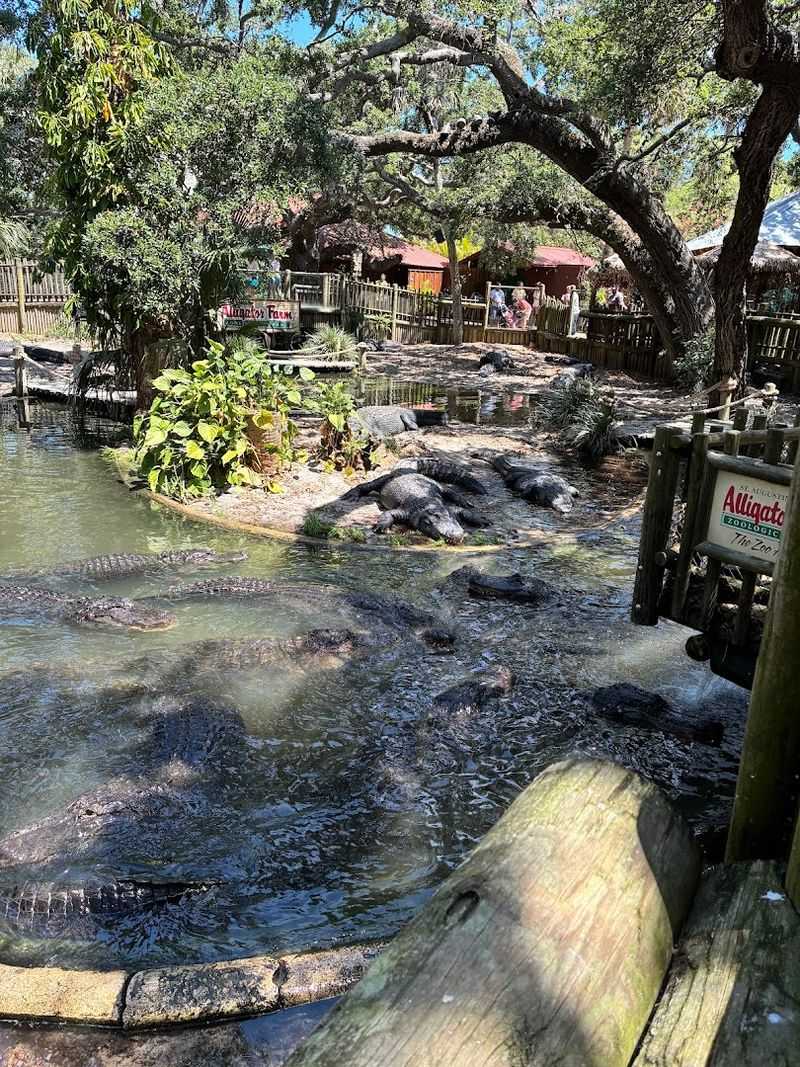
A little planning goes a long way at this park, and a few small adjustments can turn a good visit into a great one.
The park is open daily from 9 AM to 5 PM, so arriving early gives you the best chance to see the animals at their most active before the afternoon heat sets in. Most of the park is outdoors, so comfortable shoes, sunscreen, and a water bottle are genuinely important rather than just suggested.
The wooden boardwalks and pathways are stroller-friendly throughout, which is a real bonus for families with younger children. Weekdays tend to be quieter than weekends, and the shaded tree canopy keeps things cooler than you might expect even in summer.
Adult tickets run around $37, which some visitors find steep, but the quality and variety of the experience make the price feel reasonable once you are actually inside and realize how much there is to see and do.
The Gift Shop and Cafe Worth Stopping At
Gift shops at animal attractions can feel like an afterthought, but the one here is genuinely well-stocked and hard to walk past without picking something up.
From alligator-themed apparel and matching pajama pants to plush snakes and educational books, the selection covers a wide range of tastes and budgets. It is the kind of shop where you come in for a magnet and leave with a full bag, which says something about how thoughtfully it is curated.
The cafe in the center of the park serves typical snack fare including grilled cheese, drinks with free refills, and a few other light options. It is not a gourmet experience, but it is perfectly adequate for a mid-visit break, and the seating area’s view of the Galapagos tortoise enclosure makes it more enjoyable than your average snack stop.
Both the shop and the cafe are clean, well-organized, and staffed by people who seem genuinely happy to be there.
Why This Park Deserves a Spot on Every Florida Itinerary
Few attractions manage to blend genuine wildlife conservation, hands-on education, and flat-out fun as seamlessly as this one does, and that balance is exactly what keeps people coming back.
The park sits just minutes from the St. Augustine Lighthouse and Museum, making it easy to combine both into a single day of exploration along Florida’s First Coast. Whether you are visiting with kids, coming as a couple, or traveling solo with a serious interest in wildlife, the park offers something that feels tailored to your experience level.
The staff’s visible passion for the animals, the cleanliness of the grounds, the shade provided by the massive old trees, and the sheer variety of species on display all add up to an experience that outlasts the drive home.
The St. Augustine Alligator Farm is not just a stop on a Florida road trip. It is the kind of place that earns a permanent spot in your travel memories long after the sunburn fades.



