 Unearth The Voyage
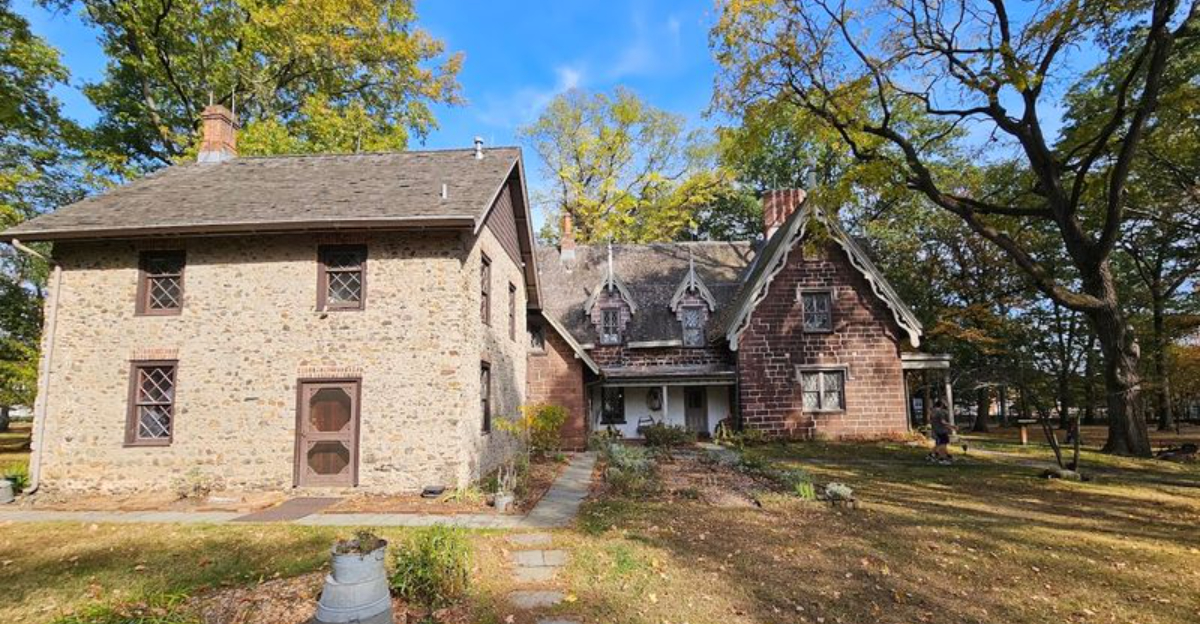
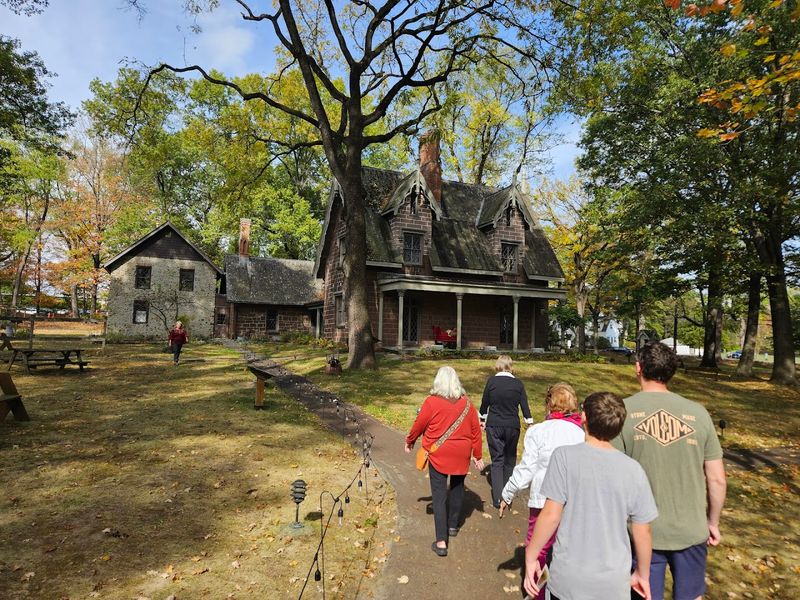
Tucked away in a quiet Bergen County borough, there is a Gothic Revival house that has stood through wars, family dynasties, and nearly three centuries of American history. The walls of this estate hold stories about Revolutionary War generals, resilient women who refused to let history crumble, and even a presidential connection that most New Jersey residents never learned about in school.
The house looks like something out of a Victorian novel, with its pointed arches and ivy-draped stone exterior, yet every detail inside is grounded in real, documented history. This is not a reconstructed replica or a theme park attraction.
It is the genuine article, and once you start learning what happened here, it becomes very hard to look away.
Where History and Architecture Meet
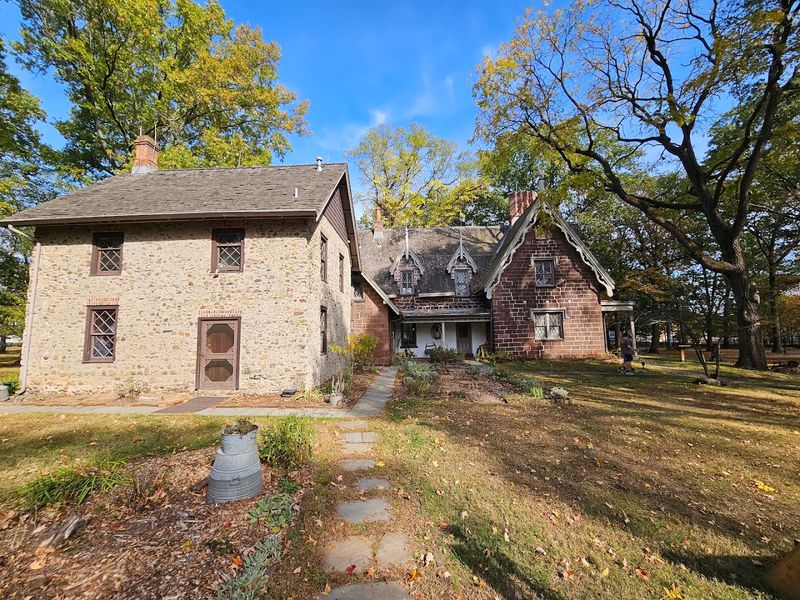
The Hermitage sits at 335 Franklin Turnpike in Ho-Ho-Kus, New Jersey 07423, a small borough in Bergen County that most people drive through without a second thought. The house itself stops that habit immediately.
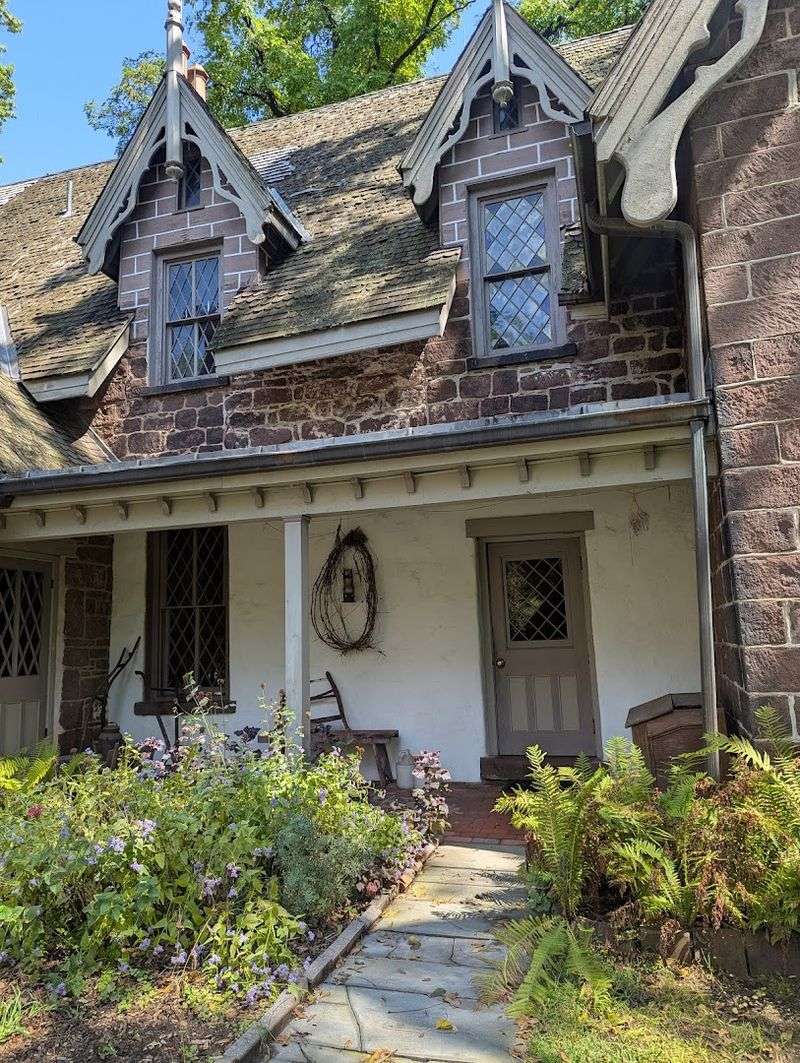
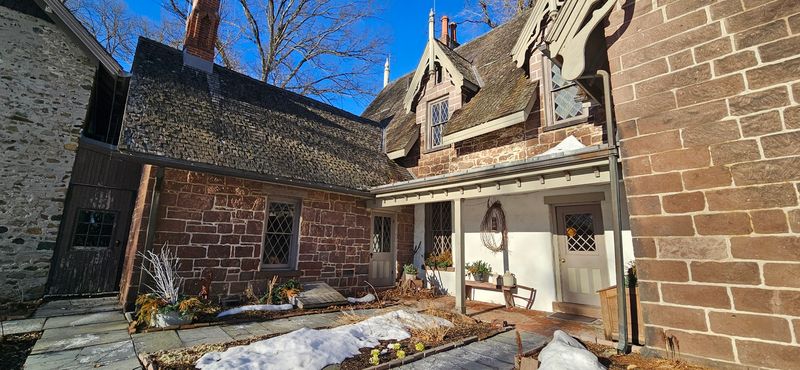
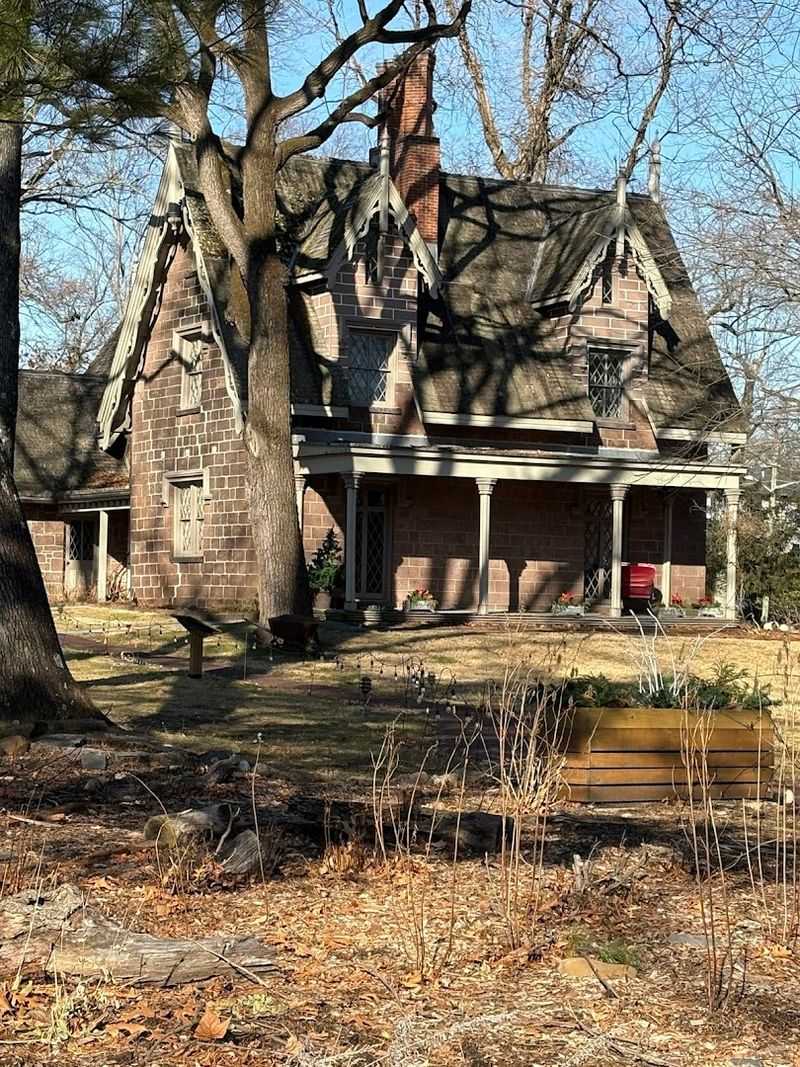
Built in its current Gothic Revival style in the 1840s, the structure replaced and incorporated an earlier 18th-century farmhouse that dated back to the colonial era. The pointed arch windows, steep gabled rooflines, and detailed woodwork give it the appearance of something transplanted from an English countryside, yet it is thoroughly rooted in American soil.
The grounds surrounding the main building are well maintained, with open lawns that have hosted everything from Revolutionary War encampments to car shows and craft fairs. The estate operates as a museum and is open Tuesday through Friday from 10 AM to 4 PM, and on weekends from 12 PM to 4 PM, with Mondays reserved for rest.
The Colonial Roots Beneath the Gothic Exterior
Long before the Victorian-era renovation gave the house its dramatic Gothic silhouette, a much older structure stood on this same property. The original farmhouse was built in the mid-1700s, making the land itself one of the older continuously occupied residential sites in Bergen County.
That earlier building was not torn down when the Gothic Revival remodel happened. Instead, portions of it were absorbed into the new design, meaning that layers of different architectural eras exist within the same walls.
Touring the house means moving through time in a very literal way.
The transition from colonial simplicity to Victorian ornamentation tells a story about how American tastes and ambitions changed over a century. What started as a practical farmhouse became a statement of refinement and cultural aspiration.
That evolution is visible in the construction materials, the room layouts, and the decorative choices that are still on display today.
George Washington Slept Here, and That Is Not a Myth
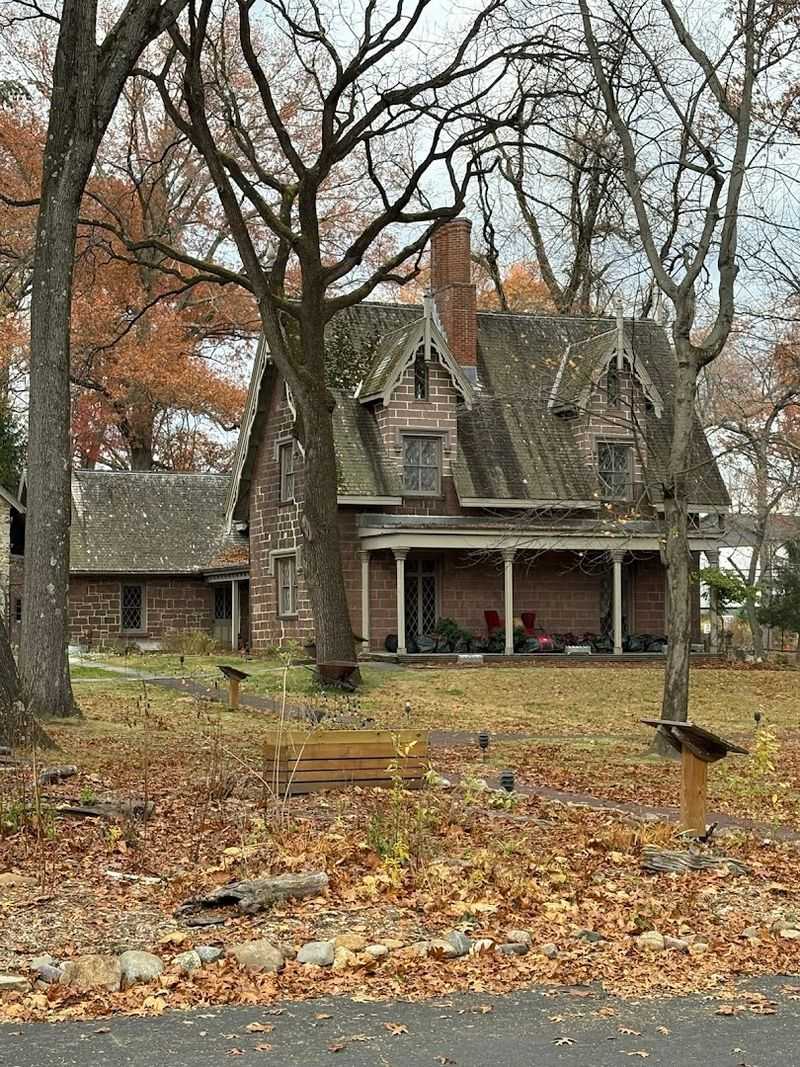
Few historical claims get repeated as casually or as skeptically as the phrase “George Washington slept here.” At The Hermitage, however, the claim is well-documented and taken seriously by historians.
During the Revolutionary War, the house served as a headquarters and resting point for American military operations in the region. Washington is recorded as having stayed at the property, which was then owned by the Prevost family, during his movements through New Jersey.
Bergen County was a strategically important corridor during the conflict, and the estate’s location made it a natural stopping point for officers and commanders.
That connection to the founding era of the United States gives the property a weight that goes beyond local pride. Standing in rooms where decisions about a young nation were made, surrounded by period-accurate furnishings and original family artifacts, brings that chapter of history into focus in a way that textbooks simply cannot replicate.
Aaron Burr and the Prevost Connection
The Hermitage carries a connection to one of early American history’s most complicated figures. Aaron Burr, best known today for his fatal duel with Alexander Hamilton, had a direct personal tie to this property through his marriage to Theodosia Bartow Prevost.
Theodosia was the widow of a British officer and the owner of The Hermitage when she and Burr married in 1782. Their courtship took place here, and the house served as a backdrop to a relationship that was considered unusual for its time.
Theodosia was ten years older than Burr and had five children from her first marriage, yet the union was by all accounts a genuine partnership.
That connection to the Hamilton-Burr rivalry, even indirectly, adds another layer of intrigue to the estate’s story. The Hermitage stands at an intersection of some of the most dramatic personal and political conflicts in the early republic, making it far more than a well-preserved old house.
What the Guided Tours Actually Cover
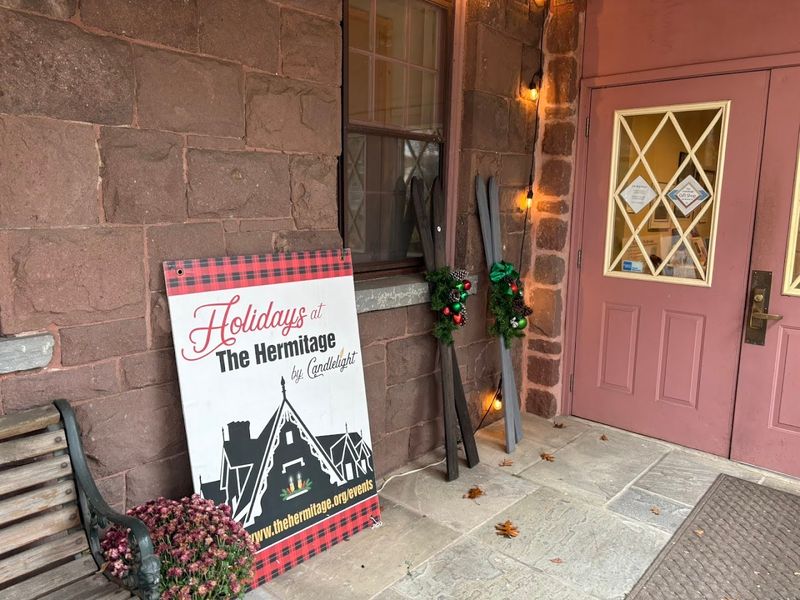
A guided tour at The Hermitage runs approximately 45 minutes and covers the major rooms of the house along with the layered history of the families who lived there. The tours are led by knowledgeable docents who specialize in both the architectural details and the personal stories connected to the property.
The Prevost family’s colonial-era occupation gets significant attention, as does the later period when the Rosencrantz family took over and shaped the house’s Victorian identity. Original artifacts belonging to both families are still present throughout the rooms, which gives the tour a tangible quality that most historic house museums struggle to achieve.
The admission fee is modest, around ten dollars per adult, which makes it an accessible outing for most budgets. Tours are available during regular operating hours, and the staff is known for making the material approachable for guests who are not already steeped in New Jersey colonial history.
The depth of knowledge on offer is genuinely impressive.
The Architecture That Sets It Apart
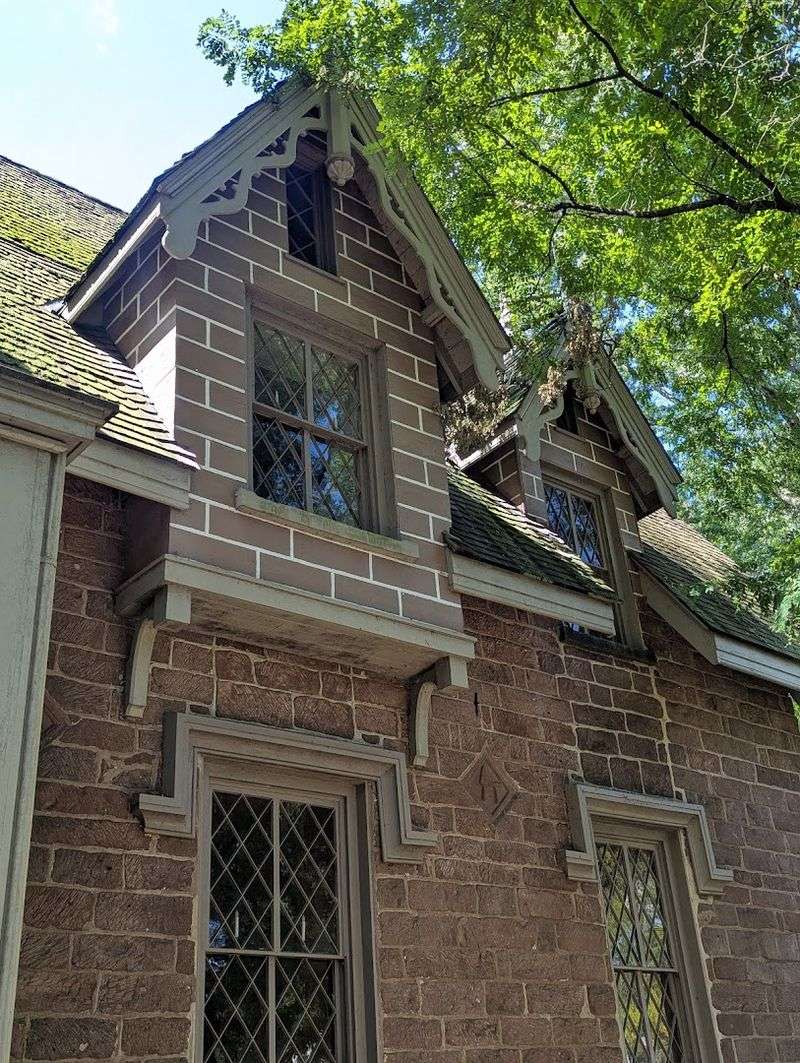
Gothic Revival architecture was a deliberate cultural statement when it became fashionable in mid-19th century America. It signaled a rejection of plain Federal-style simplicity in favor of something more expressive and European-influenced, and The Hermitage is one of the finer surviving examples of that movement in New Jersey.
The pointed arch motif appears repeatedly, in the window shapes, the doorway details, and the roofline profiles. The wooden decorative trim, often called bargeboard or gingerbread trim, is particularly intricate and has been carefully maintained through successive restoration efforts.
These details are what give the house its storybook quality from the outside.
Inside, the Gothic influence continues in subtle ways, through ceiling profiles, millwork choices, and room proportions that differ noticeably from colonial-era construction. Architectural historians consider the building a significant regional example of the style, and the physical integrity of the structure makes it valuable as a reference point for understanding how American domestic design evolved during that period.
Revolutionary War Encampments on the Grounds
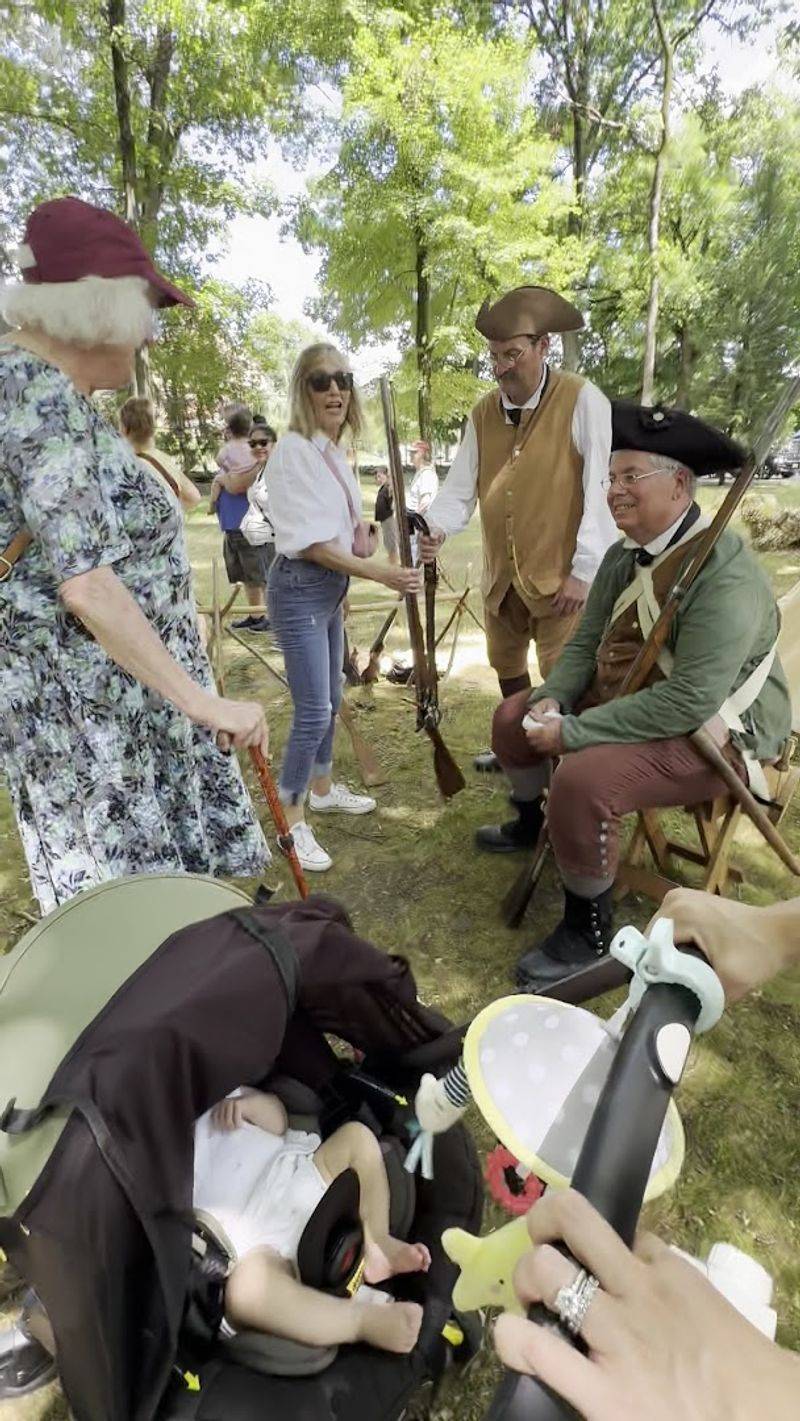
The Hermitage does not limit its history programming to indoor tours. The grounds regularly host Revolutionary War encampment reenactments, where participants in period-accurate uniforms set up camp, demonstrate military drills, and engage with the public about life during the conflict.
These events draw a mix of history enthusiasts, families, and casual visitors who happen to be passing through Bergen County on the right weekend. The open lawns surrounding the house provide plenty of space for the encampments, and the historic backdrop of the estate itself adds a layer of authenticity that purpose-built event spaces cannot offer.
For anyone curious about what daily life looked like for soldiers and civilians during the Revolutionary War period, these encampments offer a hands-on perspective that complements the indoor tour experience. The combination of the physical house, the period artifacts, and the live demonstrations creates a fuller picture of the era than either element could deliver on its own.
Events, Car Shows, and Community Gatherings
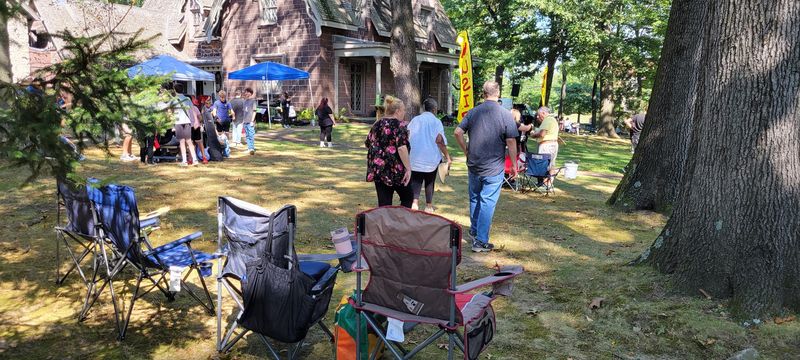
Beyond its role as a history museum, The Hermitage functions as an active community venue that hosts a surprisingly wide range of events throughout the year. Car shows featuring both classic American and British vehicles have taken place on the grounds, drawing enthusiasts from across the region.
Craft fairs, maple syrup tapping demonstrations, arts and performance events, and food truck festivals have all found a home here at various points. The combination of a historic setting with a flexible outdoor space makes the estate attractive to event organizers looking for something more distinctive than a standard park or convention hall.
The Jaqua Hall on the property is available for private events including weddings, and it accommodates around 100 guests. The historic house and grounds serve as a natural backdrop for photographs, and the venue has developed a reputation for being well-organized and welcoming to event planners working with different budgets and creative visions.
The Gift Shop and the Grounds Worth Exploring
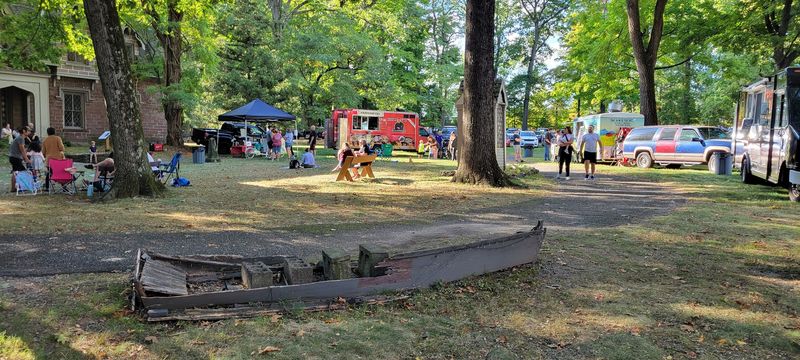
After finishing the indoor tour, the property still has more to offer. The grounds surrounding the main house are open for walking, and the landscape includes a variety of plantings that have been documented and identified for visitors interested in historic horticulture.
The gift shop inside the museum carries a selection of books, locally themed items, and educational materials related to the history of the estate and the broader Bergen County region. It is the kind of shop where history readers tend to linger longer than expected, flipping through titles they did not know they were looking for.
The overall scale of the property is manageable, meaning a full visit that includes the guided tour, a walk of the grounds, and some time in the gift shop fits comfortably into a half-day outing. The pace is relaxed, the setting is pleasant, and there is no pressure to rush through anything.
That unhurried quality is part of what makes the experience stick.
How The Hermitage Fits Into Bergen County History
Bergen County has a longer European settlement history than most Americans realize. Dutch colonists established communities here in the 17th century, and the county was already a well-developed agricultural region by the time the Revolutionary War began.
The Hermitage sits within that deep historical context.
The estate’s position along Franklin Turnpike placed it on one of the key travel corridors of the colonial and early national period. Roads like this one were how people, goods, and military forces moved through the region, which explains why a property along this route would have hosted figures of national significance during the war years.
Understanding The Hermitage as part of Bergen County’s broader story, rather than as an isolated curiosity, makes the visit more meaningful. The county has other historic sites and museums, but few combine the architectural integrity, the documented connections to major historical figures, and the active programming calendar that The Hermitage maintains year after year.
Planning a Visit Worth the Trip
Getting to Ho-Ho-Kus from most parts of northern New Jersey takes under an hour, and the town itself is easy to navigate. The Hermitage is well-signed once you are in the area, and parking on site is straightforward without the hassle of meters or garages.
The museum is open Tuesday through Friday from 10 AM to 4 PM and on Saturday and Sunday from 12 PM to 4 PM. Mondays are closed, so planning around that detail saves a wasted trip.
Checking the website at thehermitage.org before visiting is a good habit, since the events calendar changes seasonally and some special programs require advance registration.
The Hermitage works well as a standalone destination or as part of a larger Bergen County day that includes other local stops. The admission cost is low, the tour is genuinely informative, and the grounds provide enough space to decompress after the indoor portion.
For history-minded travelers, this one earns its place on the itinerary without any reservations.



