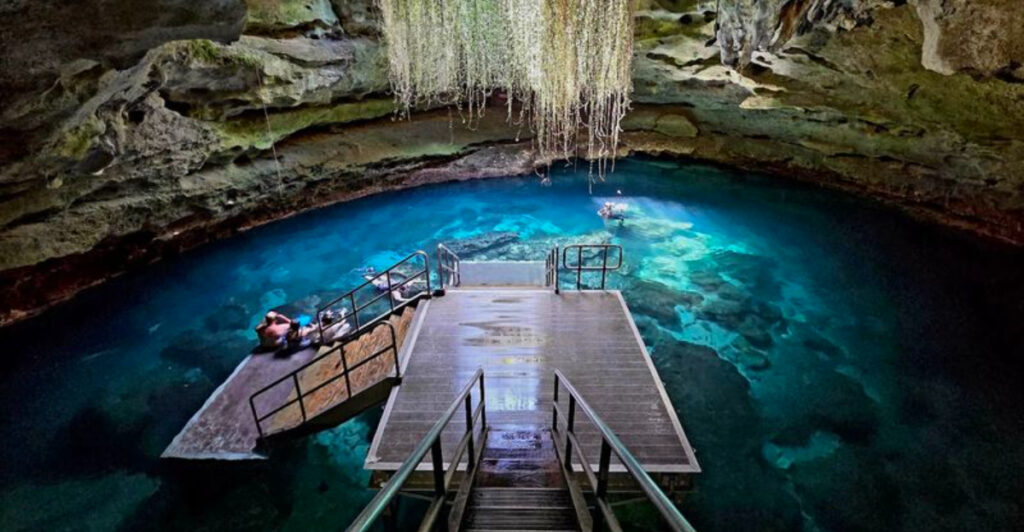
There is a hole in the ground in north-central Florida that looks like it belongs in a science fiction film. Cold, crystal-clear water glows blue-green under shafts of sunlight that pour through a rocky opening in the earth, illuminating a prehistoric cave that has been sitting here for thousands of years.
I had heard about this place from a friend who compared it to snorkeling in another dimension, and after my visit, I completely understood what she meant. If you have ever wanted to float above fossil beds inside a natural underground cavern, this article is exactly what you need to read.
Where Exactly You Will Find This Underground Wonder
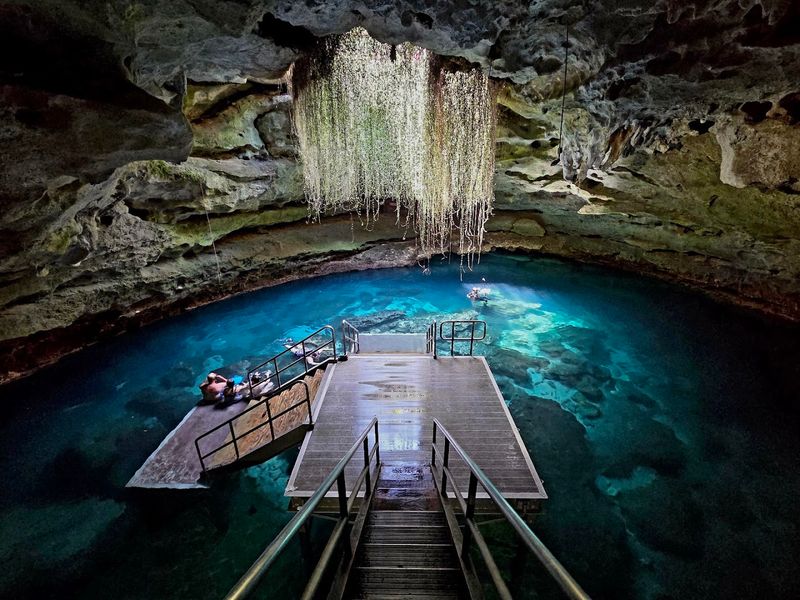
Most people think of theme parks or beach resorts when Florida comes to mind, but the state hides something far more ancient along its rural backroads. Devil’s Den Prehistoric Spring and Campground sits at 5390 NE 180th Ave, Williston, FL 32696, tucked into the quiet countryside of Levy County.
Williston is roughly 30 to 40 minutes southwest of Gainesville, making it an easy day trip from that college city. It is also about two hours south of Jacksonville, which means it is well within reach for a weekend adventure from the north Florida coast.
The surrounding area feels genuinely rural, with open pastures and tall pines lining the roads leading to the property. You will not find a flashy roadside sign or a commercial strip nearby.
The campground sits on a modest piece of land, and the spring itself is hidden underground, completely invisible until you walk down the wooden staircase and suddenly find yourself inside a glowing prehistoric cavern that feels nothing like the Florida most tourists ever see.
The Ancient Geology Behind the Glow
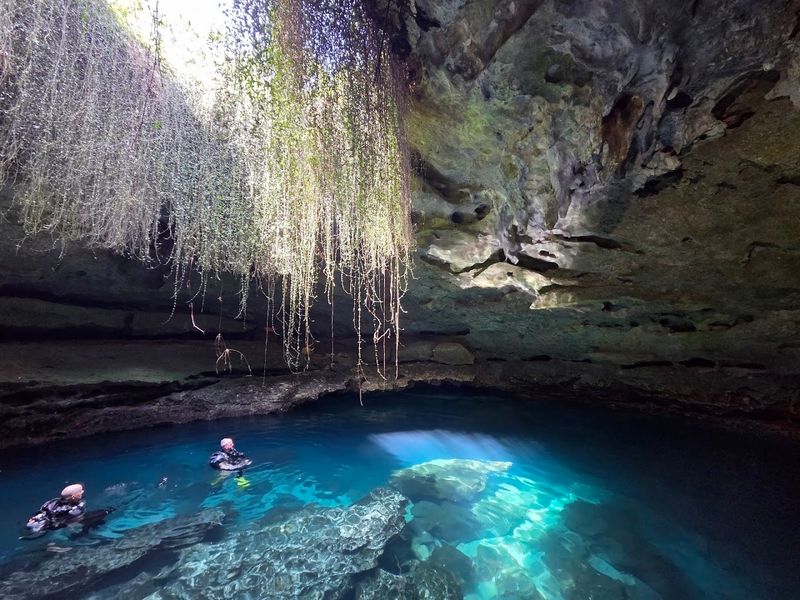
Long before Florida was a state, before it was even a peninsula as we know it today, the forces of water and limestone were quietly carving out what would eventually become one of the most unusual natural formations in the southeastern United States. Devil’s Den is a dry cave, which is a type of prehistoric spring formed when the roof of an underground cavern partially collapsed thousands of years ago.
That collapse created the chimney-like opening at the top, which now funnels sunlight directly down into the water below. The spring maintains a constant temperature of about 72 degrees Fahrenheit year-round, a detail that makes it feel refreshingly cool in summer and surprisingly warm in winter.
The rock walls are lined with stalactites, and the fossil beds at the bottom of the spring have yielded remains of extinct Ice Age animals over the decades. Scientists have studied this site seriously, and what they found underneath the surface rivals anything you might read about in a geology textbook.
The earth here has been telling its own story for far longer than any human has been around to listen.
The First Moment You See the Water
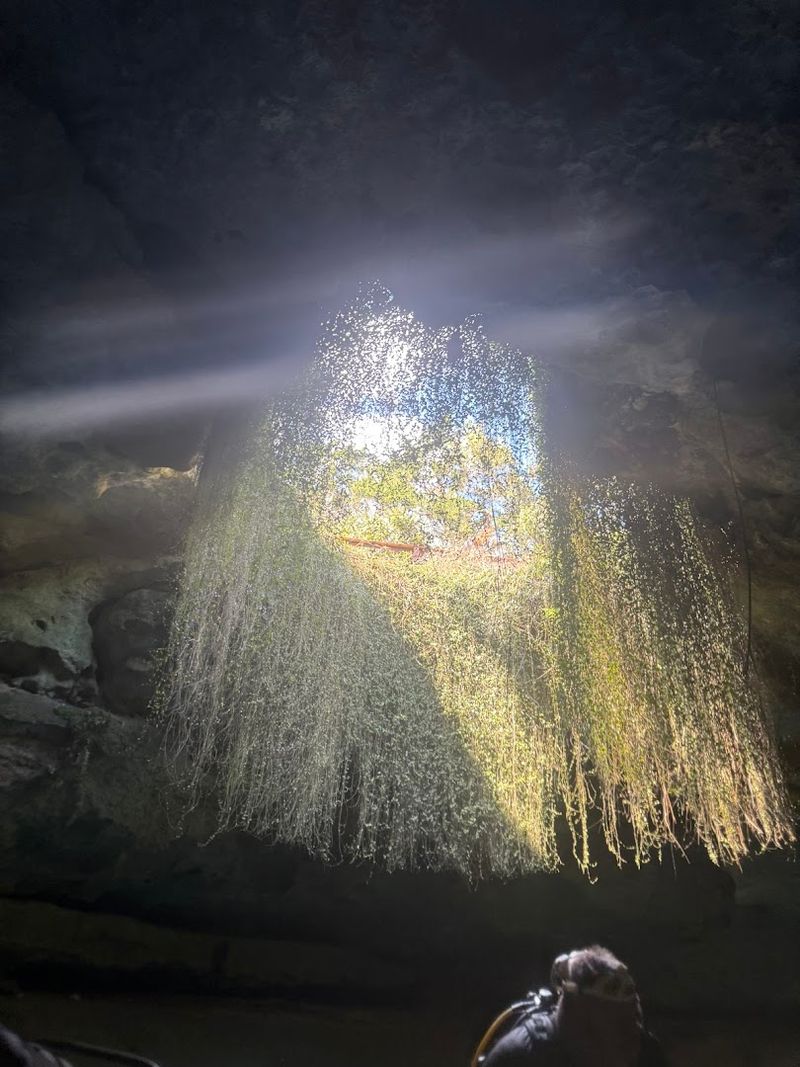
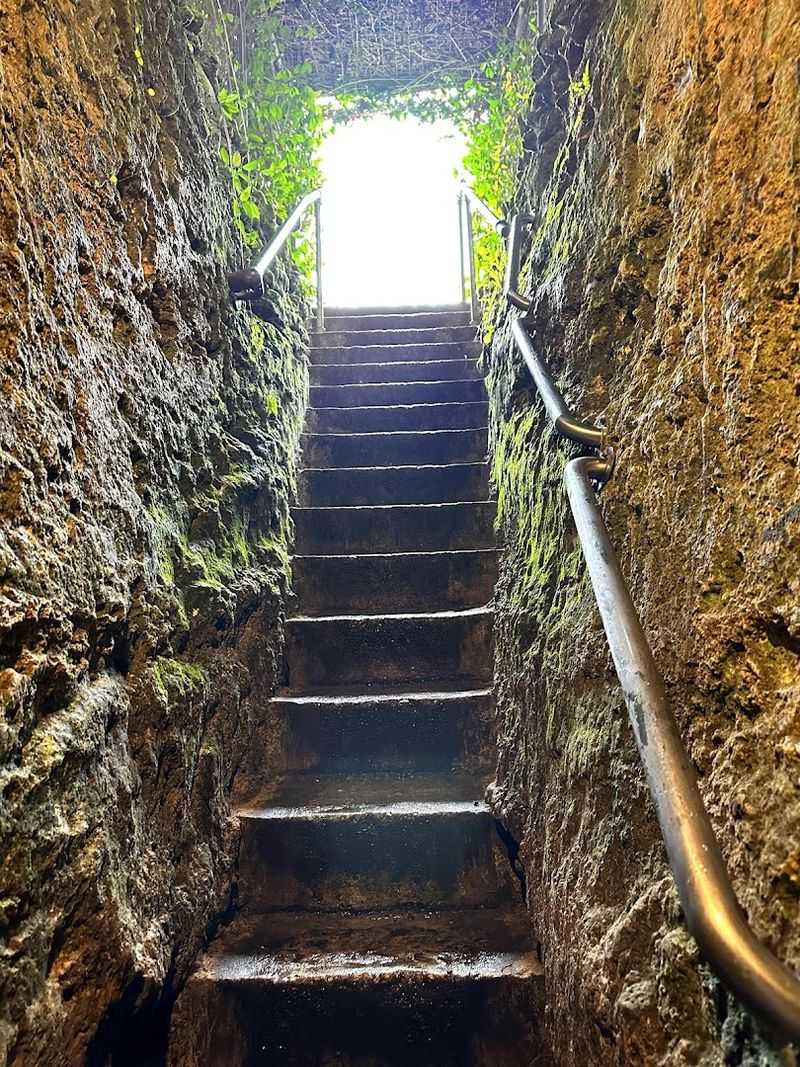
Nothing fully prepares you for the visual impact of walking down that wooden staircase for the first time. You descend through a narrow rocky passage, the air gets noticeably cooler, and then the cave opens up around you to reveal a glowing pool of water that looks almost artificially blue.
The color comes from the combination of the limestone-filtered spring water and the sunlight streaming through the overhead opening. Because the bottom is solid rock rather than sand, swimmers cannot kick up sediment, which means the visibility stays extraordinary no matter how many people are in the water.
The best light show happens when the sun is positioned directly above the opening, typically around midmorning to early afternoon. Early morning slots tend to leave the water looking darker and harder to appreciate fully.
Booking a time slot around 11 AM or noon gives you the best chance of seeing those famous blue and green hues that make every photo from this place look almost too good to be real. That first glimpse of the glowing pool from the top of the stairs is the kind of moment that stays with you long after the drive home.
Snorkeling Inside a Prehistoric Cave
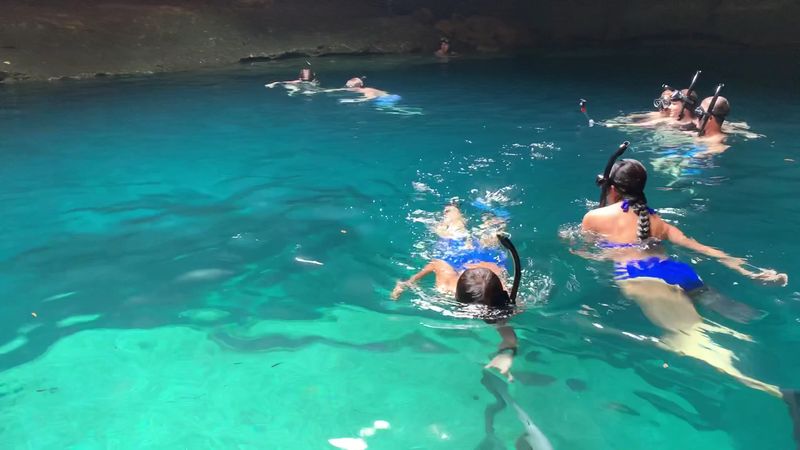
Floating face-down in 72-degree water while prehistoric rock formations drift past beneath you is a genuinely surreal experience. The spring is deep enough to feel exciting and open enough to feel comfortable, even for first-time snorkelers who are a little nervous about enclosed spaces.
The fish here are bold and curious. Turtles cruise along the bottom with complete indifference to the humans hovering above them.
The rock formations create natural corridors and shelves that give the underwater landscape a layered, almost architectural quality.
Snorkeling sessions are 90 minutes long and booked by reservation only, which keeps the cave from becoming overcrowded. You can bring your own mask and fins or rent equipment on-site at the dive shop.
No floating devices are permitted inside the den, so knowing how to swim is a firm requirement before you head down those stairs. The water reaches neck height near the staircase entry point, so the spring is genuinely deep in its center.
That 90-minute window feels like it disappears in about 20 minutes once you are actually in the water, completely absorbed in the quiet world below the surface.
Scuba Diving at One of Florida’s Most Unique Sites
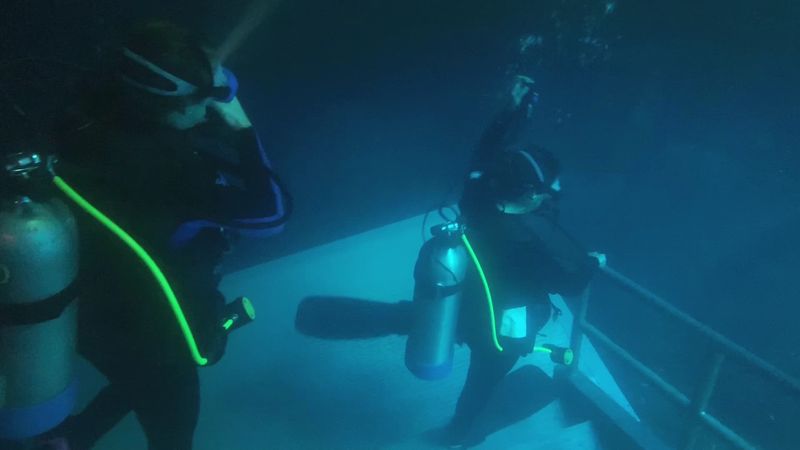
For certified divers, Devil’s Den offers something that very few freshwater sites in the country can match. The cavern dive here is not a typical open-water experience.
You are moving through a naturally enclosed underground space, surrounded by limestone walls, ancient fossil beds, and the kind of silence that makes you hyperaware of every breath you take from your regulator.
The on-site dive shop is well-stocked and the staff are knowledgeable about the specific conditions inside the spring. Tank refills are available, and rental gear is on hand for those who need it.
The shop can outfit a diver completely for the cooler spring water temperature, which hovers at that consistent 72 degrees year-round.
This site is particularly popular with divers completing open-water certifications, since the crystal-clear visibility and controlled environment make it an excellent training ground. Weekend slots fill up fast, especially when scuba groups book in advance, so planning ahead is genuinely necessary rather than just a polite suggestion.
The combination of prehistoric geology, fossil beds, and extraordinary water clarity makes this cavern one of the most memorable freshwater dives in the entire state, and honestly, in the whole country.
The Wildlife That Calls This Place Home
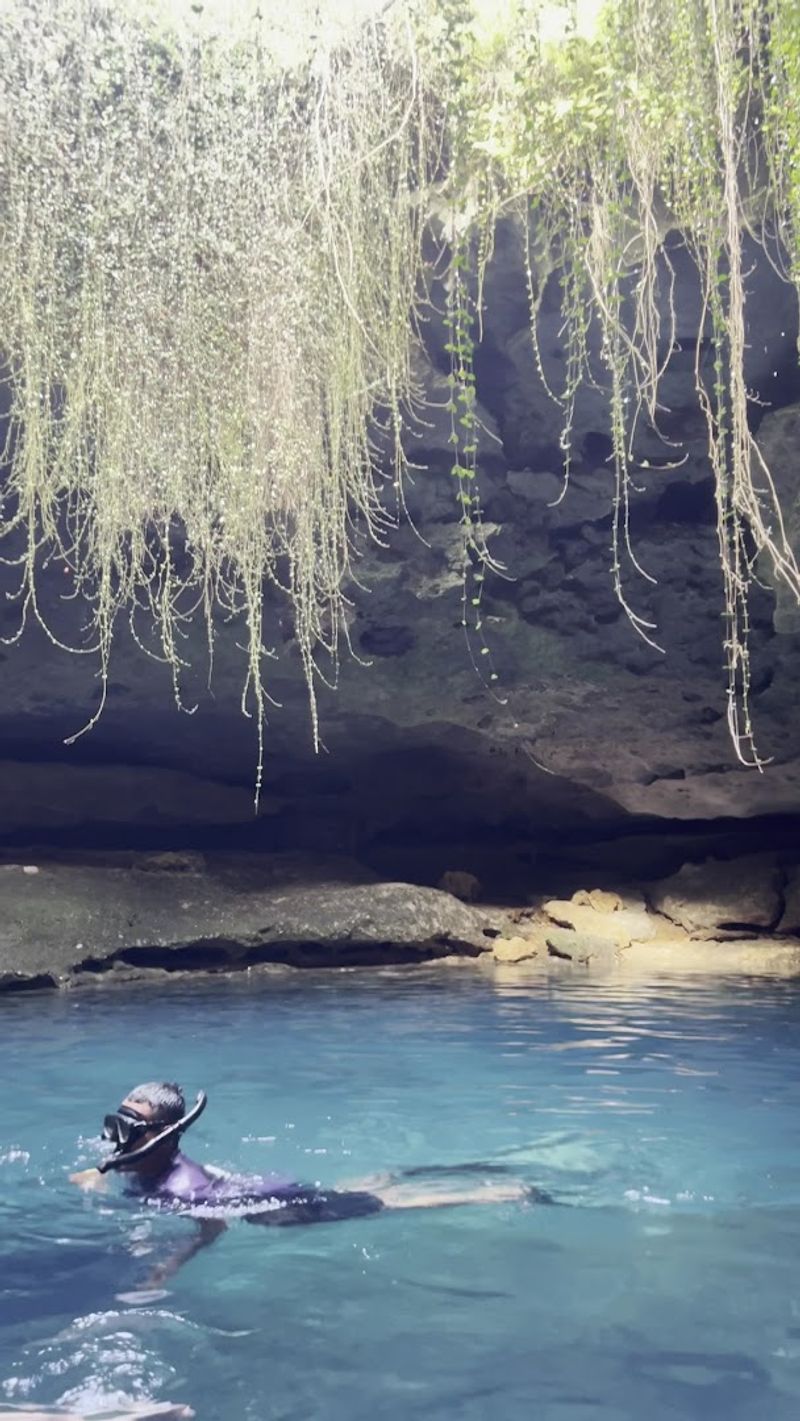
The animals inside Devil’s Den have clearly made peace with human visitors. The turtles that patrol the rocky bottom of the spring barely flinch when a snorkeler passes overhead, and the fish are large, plentiful, and seemingly unbothered by the company.
Early morning visitors who get into the water quickly, before the noise and activity picks up, have the best chance of spotting the most wildlife. The turtles tend to be more active before the cave fills with people, and the fish are easier to observe when the water is still relatively undisturbed.
Above ground, the surrounding property attracts the kind of Florida wildlife you would expect in a rural setting near wetlands and forests. Birds are active throughout the day, and the general quiet of the campground creates an environment where nature feels close and present rather than pushed to the edges.
The spring itself functions as a self-contained ecosystem that has been evolving for thousands of years, and the animals living in it seem entirely comfortable with their prehistoric address. Watching a large freshwater turtle glide silently beneath you while you float in a cave is a moment that genuinely earns the word unforgettable.
What the Campground Offers Overnight Guests
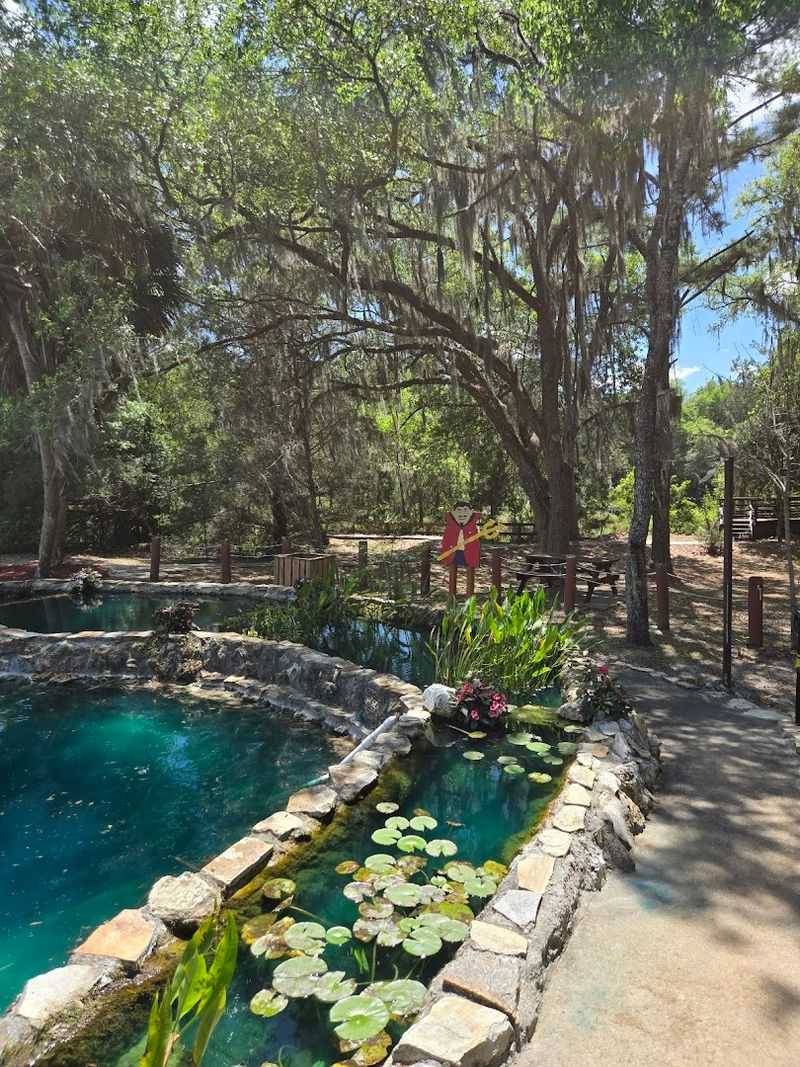
The campground at Devil’s Den gives visitors the option to turn a day trip into a full weekend, and the facilities are cleaner and better organized than many roadside campgrounds I have stayed at across the country. Pull-through RV slots with full hookups are available, and the sites are well-spaced enough to feel comfortable rather than cramped.
Tent camping is also on offer, with sites running around $44 per night based on recent visitor reports. The campground fills up during busy holiday weekends, particularly around the Fourth of July, so booking well in advance is the smart move rather than hoping for a walk-in spot.
Showers are available in the restroom facilities, and the overall grounds are maintained with obvious care. The quiet, rural atmosphere of the campground is a big part of its appeal.
There are no loud attractions nearby, no highway noise, and no crowds spilling in from a neighboring resort. Staying overnight also gives campers access to the spring during the first morning time slots, which means you can be in the water before the day visitors arrive.
That kind of peaceful, unhurried access to such a remarkable natural feature is genuinely worth planning around.
How to Book and What to Expect at Arrival
Reservations at Devil’s Den are not optional. They are essential.
Snorkeling sessions sell out days or even weeks in advance, especially on weekends and during summer months. The booking process runs through the official website at devilsden.com, where you can select your time slot, sign a waiver online, and pay a small deposit of around five dollars per person to secure your spot.
The remaining balance, bringing the total to about $25 per person for snorkeling, is paid upon arrival at the ticket office. You simply give your phone number at the desk and settle the balance before heading in.
The staff are organized and friendly, and check-in moves quickly even when multiple groups arrive at the same time.
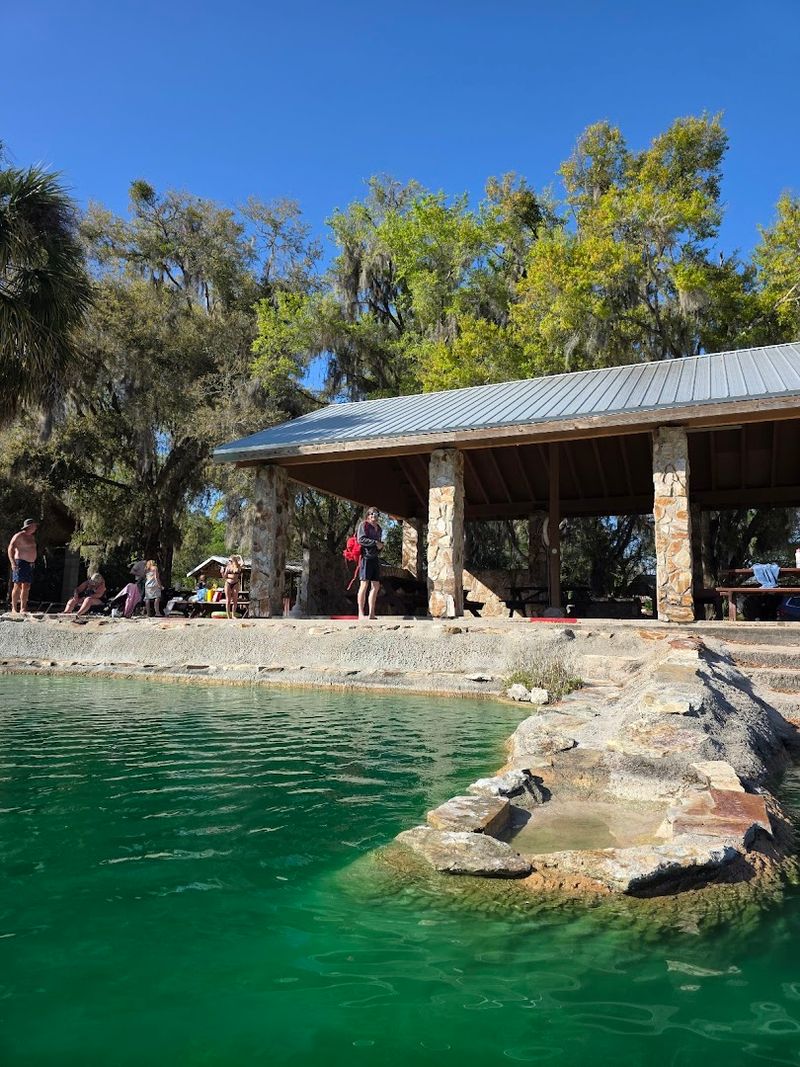
Once inside, grabbing a picnic table near the entrance to the spring is a practical first move. It gives your group a central base for towels, bags, and snacks.
The facility has a small store on-site for essentials, and a food truck sometimes operates around lunchtime, though availability varies. Bringing your own snacks and water is always a reliable backup plan.
The phone number for the property is +1 352-528-3344 if you need to call with questions before your visit.
The Best Time of Day and Year to Visit
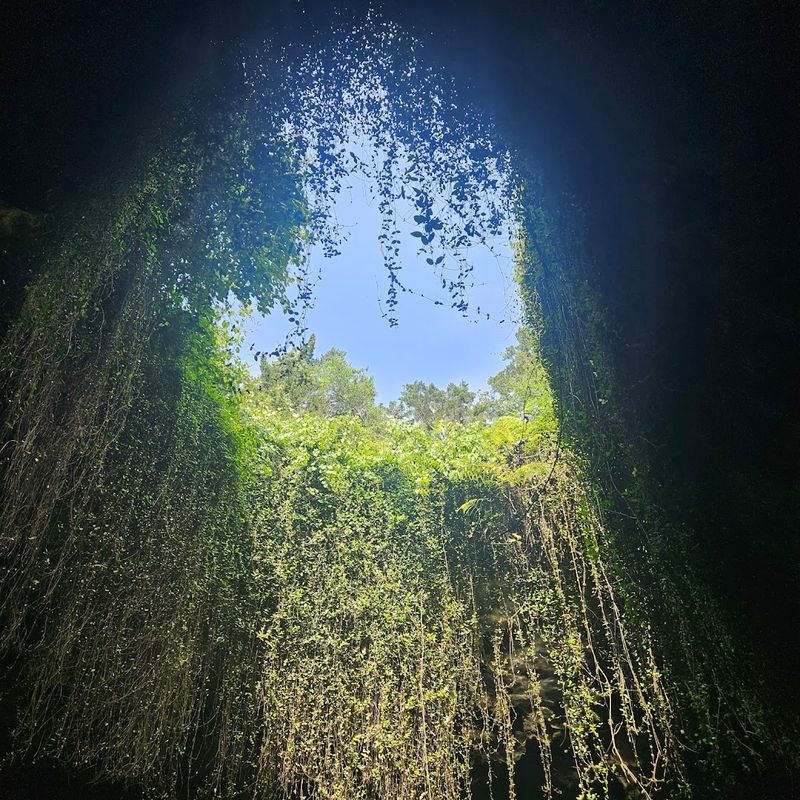
Timing your visit to Devil’s Den makes a significant difference in what you actually see down in that cave. The single most important factor is sunlight.
When the sun is low in the sky during early morning hours, the water inside the den looks dark and the famous blue-green colors are almost invisible.
The magic happens when the sun climbs high enough to pour directly through the overhead opening, usually from around 10 AM through early afternoon. At that point, the water transforms into something that looks like it was lit by a film crew.
Vivid blues and greens ripple across the cave walls, and the visibility becomes extraordinary.
In terms of the time of year, the spring is open and operational year-round. Summer brings the highest crowds and the most competition for reservation slots, so booking far in advance is critical during those months.
Weekdays are noticeably quieter than weekends, particularly because scuba diving groups tend to dominate the weekend slots. A midweek visit in late spring or early fall gives you the best combination of good weather, manageable crowds, and that stunning midday light that makes the spring look like something out of a nature documentary.
Above-Ground Swimming and the John’s Lagoon Area
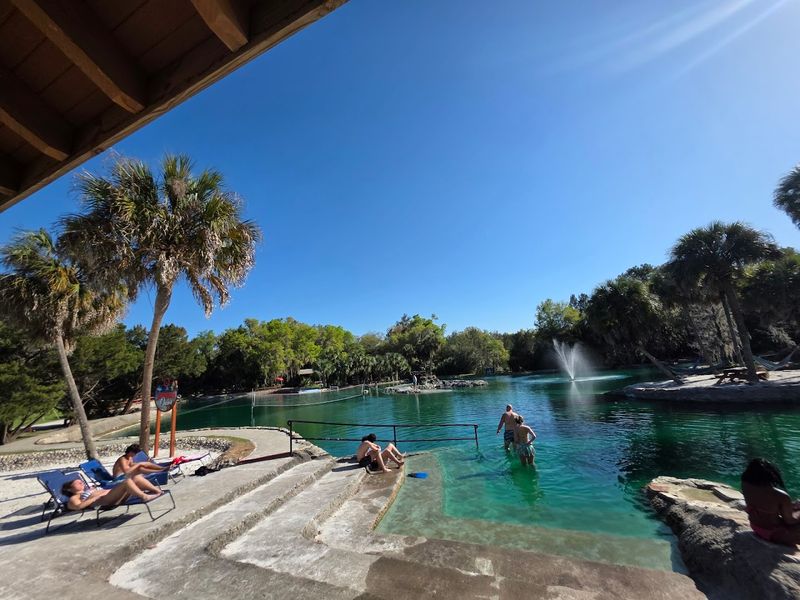
The underground spring gets most of the attention, and rightfully so, but Devil’s Den has been actively expanding its above-ground water attractions in recent years. The property includes a swimming pool area near the parking lot, a man-made pond, and the developing John’s Lagoon area, sometimes called John’s Oasis, which has been generating genuine excitement among regular visitors.
The lagoon area was still in development during some recent visits, but the owners have been working steadily toward turning it into a full 1.5-acre swimming and diving oasis. When it reaches its full potential, it will add a completely new dimension to what is already a remarkable property.
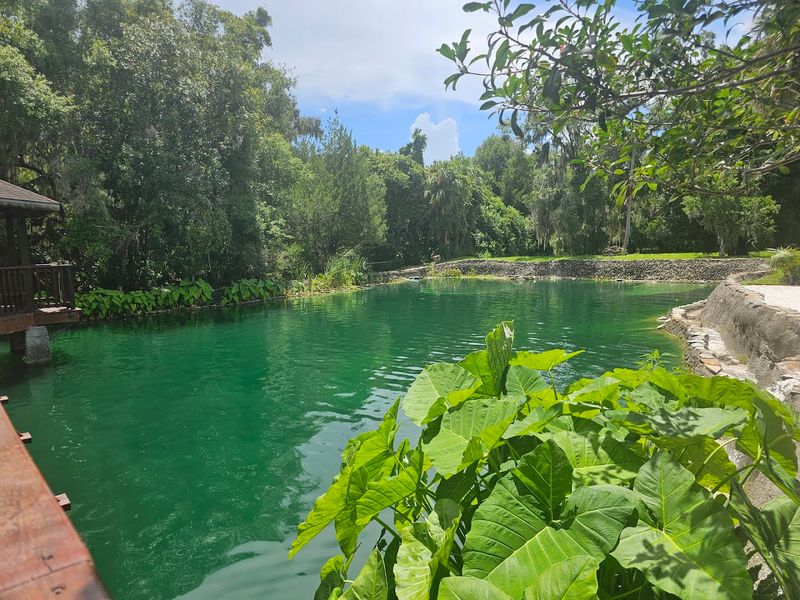
The man-made pond is worth noting as a separate experience from the spring. Water shoes are recommended for the pond since the bottom can be rough underfoot.
These above-ground options are particularly useful for visitors who come with family members who prefer not to go underground or who are not comfortable swimming in deep water. Having multiple water areas on the same property gives the whole place a resort-like quality that keeps growing with each passing season.
The potential here is obvious and the owners are clearly committed to realizing it.
Practical Gear Tips and What to Bring
A wetsuit or a full-length swimsuit is worth serious consideration before your visit. The water temperature holds steady at 72 degrees Fahrenheit year-round, which sounds mild until you have been floating motionless in it for 30 minutes.
Several visitors who skipped the wetsuit reported feeling genuinely cold by the midpoint of their 90-minute session.
Rental wetsuits, masks, and fins are available on-site at the dive shop, so you do not need to own your own equipment to have a complete experience. That said, bringing your own snorkel gear is perfectly fine and saves you the rental cost.
No floating devices of any kind are allowed inside the den, which is a firm rule rather than a suggestion.
Water shoes are useful for the pond area above ground. Towels, a change of clothes, and your own snacks are smart additions to any packing list since food availability on-site can vary depending on whether the food truck is operating that day.
Sunscreen is worth applying before you head underground since you will be getting sun exposure from the opening above. A waterproof camera or an underwater phone case will help you capture the kind of photos that make everyone back home ask where on earth you went.
Why This Place Stands Apart From Other Florida Springs
Florida has no shortage of natural springs. Silver Springs, Ichetucknee, Blue Spring, Rainbow River, and dozens of others draw visitors from across the country and beyond.
Most of them are beautiful, open-air experiences where you float along a clear river or swim in a wide, sunlit pool. Devil’s Den is fundamentally different from all of them.
The enclosed cave environment creates an atmosphere that has no real comparison among Florida’s other spring destinations. You are not floating in an open meadow of water.
You are suspended inside the earth, surrounded by prehistoric rock, with the only natural light arriving through a single opening far above your head. That specific combination of geology, history, and sensory experience is genuinely rare.
Unlike some of the more famous Florida springs that draw enormous weekend crowds, Devil’s Den keeps its visitor numbers controlled through the reservation system, which means the experience stays personal and unhurried. It is also worth noting that this place has drawn comparisons from visitors who have snorkeled in Mexico and other international destinations, which says a great deal about the quality of what is on offer here in a small town in north-central Florida.
Some destinations are hard to categorize, and this is one of them.
Share this story