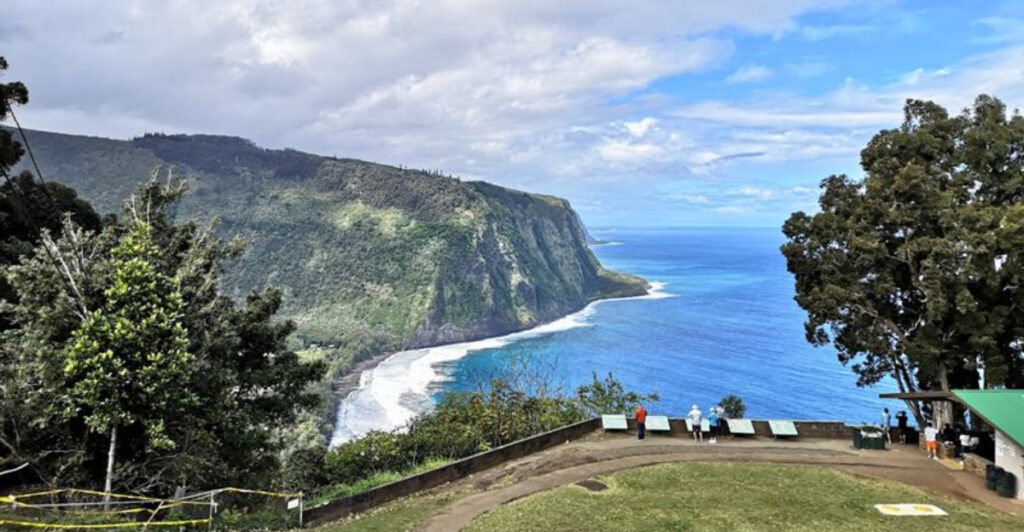
There is a place on the Big Island of Hawaii where the land drops away so suddenly and so dramatically that your first glimpse of what lies below genuinely stops you in your tracks. A black sand beach stretches along the valley floor, waterfalls thread down sheer cliffs, and the ocean glitters at the far edge of a green world that feels almost too beautiful to be real.
This is not a view you scroll past on your phone and forget. The energy here is something you carry home with you, tucked somewhere between awe and gratitude, and it lingers long after your tan fades.
Keep reading, because every angle of this extraordinary lookout has a story worth knowing before you make the trip.
Where the Valley Meets the Sky: Location and Access
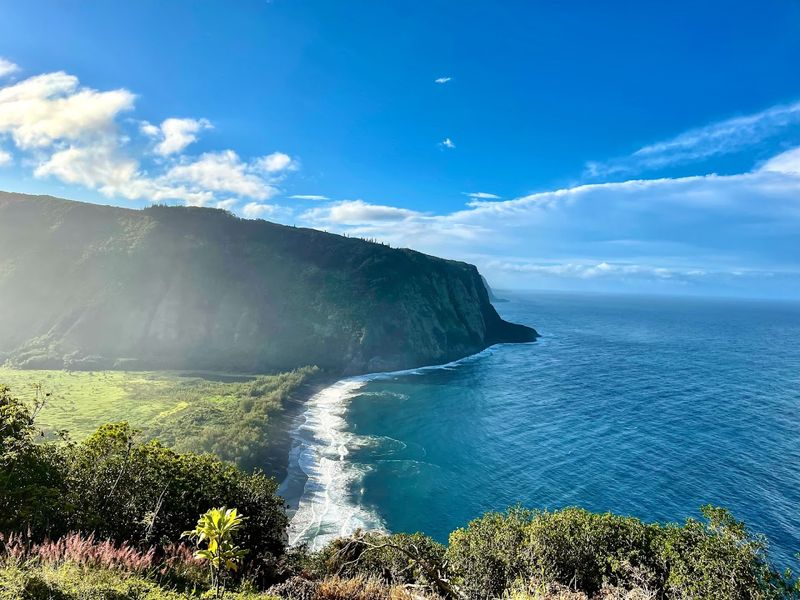
Perched at the edge of the Hamakua Heritage Corridor, the lookout sits at 48-5546 Waipio Valley Rd, Waimea, on the northeastern side of the Big Island of Hawaii.
Getting here takes a bit of commitment. The drive along the Hamakua Coast is winding and scenic, and the final stretch narrows as you climb toward the ridge.
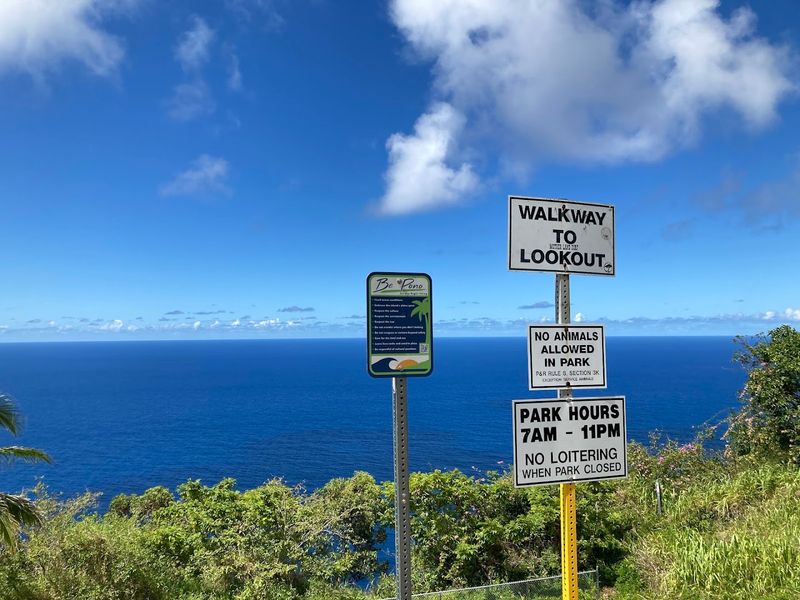
A small parking lot greets you at the top, and from there, a short but steep paved ramp with a handrail leads you down to the actual viewing platform. The lookout is open 24 hours a day, every day of the week, and entry is completely free.
That combination of accessibility and jaw-dropping scenery makes it one of the most rewarding stops on any Big Island itinerary. Plan to arrive with a full tank and a flexible schedule, because this view tends to hold people longer than they expect.
The Valley Below: A Landscape Unlike Any Other
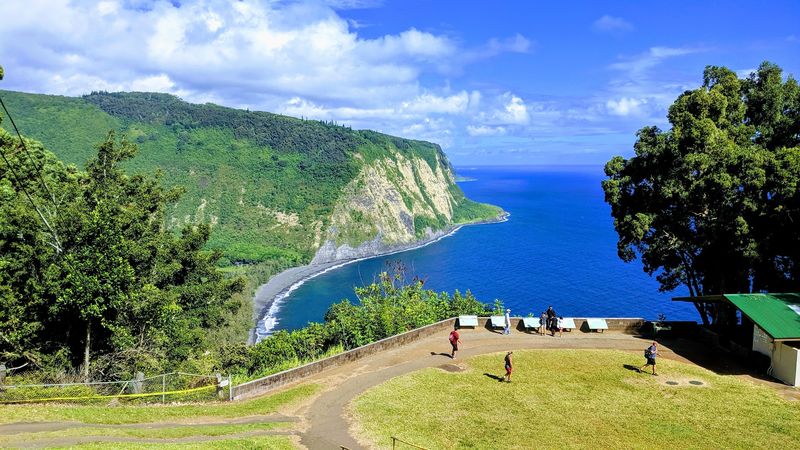
Few landscapes on Earth pack this much visual drama into a single frame. From the lookout, the valley floor spreads out nearly a mile wide, blanketed in deep green taro fields and dense tropical foliage that has been farmed and tended for centuries.
The Wailoa Stream winds through the center of the valley before meeting the black sand beach, and the Pacific Ocean closes the scene at the horizon like a painted backdrop that somehow looks more vivid in person than in any photograph.
The cliffs on either side rise sharply, streaked with silver from waterfalls that appear after rainfall. On clear mornings, the light catches every texture of the valley in a way that makes the whole scene feel three-dimensional.
No camera setting fully captures the depth of it. You really do need to stand at the railing yourself to understand what all the fuss is about.
Sacred Ground: The History Behind the View
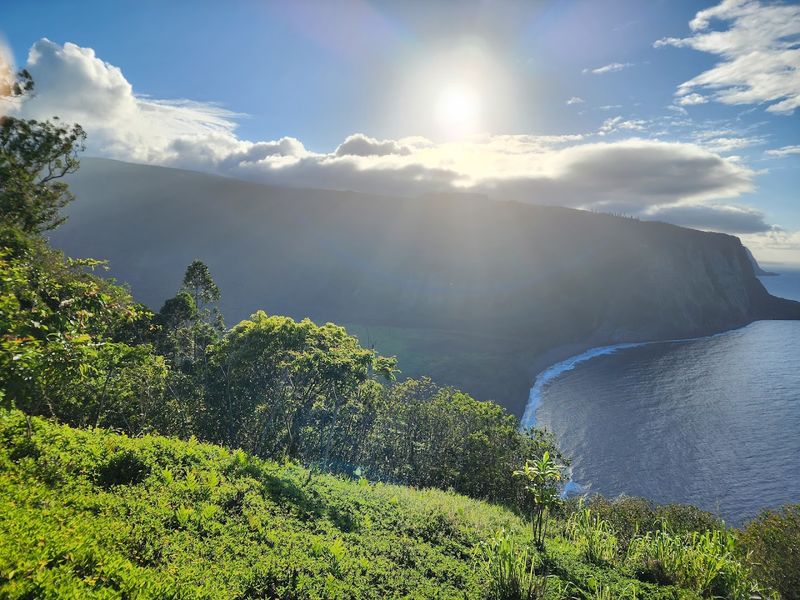
The valley you are looking at is not just scenery. Waipio Valley, often called the Valley of the Kings, holds a central place in Hawaiian history and culture that stretches back more than a thousand years.
Ancient Hawaiian royalty, including the great King Kamehameha I during his boyhood, are closely connected to this valley. It served as a major political and religious hub, home to heiau, or sacred temples, and the seat of chiefly power for generations.
The valley was also one of the most productive agricultural regions in old Hawaii, with an elaborate network of irrigation channels feeding the taro fields that still exist today. Standing at the lookout with that history in mind changes how you see the landscape entirely.
The quiet reverence many visitors feel here is not accidental. This place carries the weight of centuries, and that energy is something you genuinely sense when you stand at the edge.
The Black Sand Beach at the Valley Floor
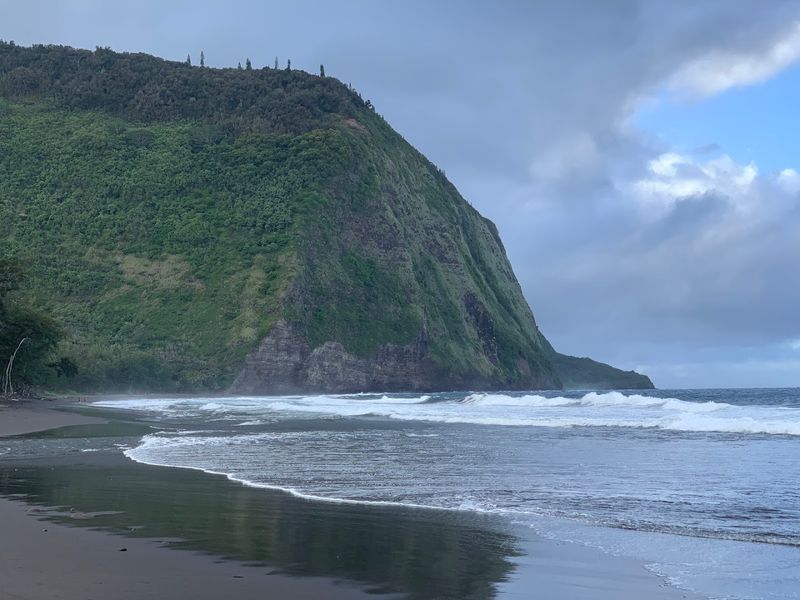
One of the most striking details visible from the lookout is the black sand beach stretching along the base of the valley where the stream meets the sea. That dark, volcanic sand contrasts sharply with the turquoise and navy tones of the Pacific, creating a color combination that feels almost surreal.
The beach is called Waipio Beach, and it runs for about a mile along the valley floor. From the lookout, you can hear the sound of the waves rolling in, especially on days when the surf is active.
The beach is known for strong and unpredictable currents, so swimming is generally not recommended even for confident swimmers. But watching those waves crash against that dark shoreline from above is a reward all on its own.
The visual contrast of the black sand, the green valley walls, and the deep blue ocean is the kind of thing that tends to make people go very quiet for a few moments.
Waterfalls on the Cliffs: Nature’s Own Special Effect
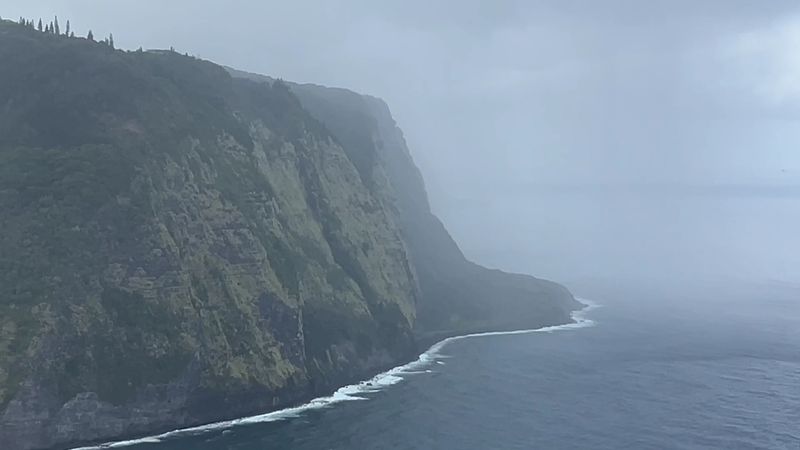
Rain is frequent on the windward side of the Big Island, and that means the cliffs surrounding Waipio Valley are often dressed in waterfalls. Hi’ilawe Falls, one of the tallest waterfalls in Hawaii, drops from the back of the valley in a long, thin ribbon of white water that is visible from the lookout on clear days.
After heavy rain, smaller temporary falls appear all along the cliff faces, turning the walls of the valley into something that looks almost theatrical. The combination of mist, green vegetation, and cascading water creates a soft, atmospheric quality that photographers find endlessly compelling.
Morning light tends to hit the back of the valley first, illuminating the falls and the upper ridges before the lower areas catch the sun. Timing your visit around sunrise on a clear morning gives you the best chance of seeing the waterfalls in their most dramatic form.
Wildlife Watching: Humpback Whales and More
The lookout does not just offer views of the valley. The elevated vantage point also puts you directly above the ocean, and that elevation turns out to be a surprisingly good spot for wildlife watching.
Humpback whales pass through Hawaiian waters primarily between November and May, and visitors at the lookout have spotted them breaching in the distance off the coast below. Seeing a humpback whale surface and launch itself out of the Pacific from this height is the kind of moment that makes a whole trip feel complete.
Seabirds are also common in the updrafts along the cliffs, and the valley below supports a range of native Hawaiian birds that you might catch a glimpse of with a good pair of binoculars. Bringing a zoom lens or binoculars is a small investment that pays off considerably at a spot like this.
Best Time to Visit for the Most Dramatic Views
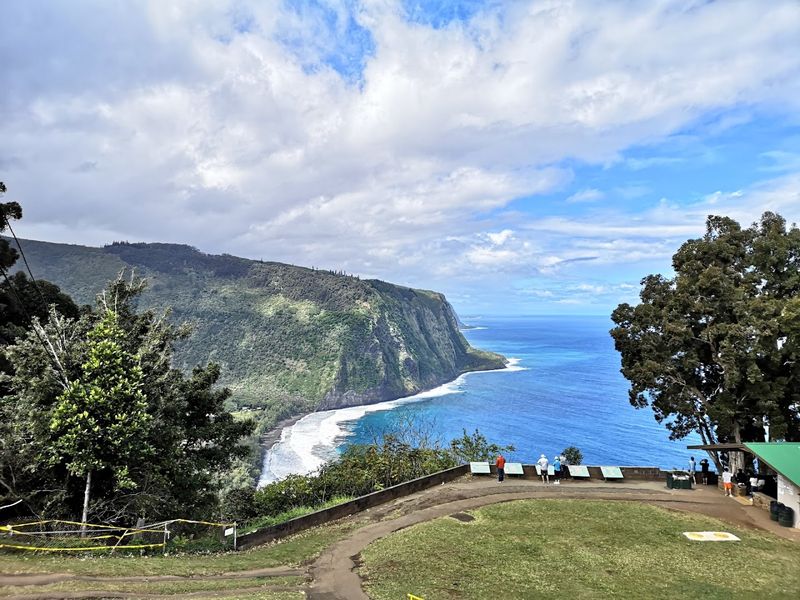
Timing matters at Waipio Valley Lookout more than at many other stops on the Big Island. The windward coast receives a lot of rainfall and cloud cover, especially in the afternoons, so mornings are generally the best bet for clear, unobstructed views.
The morning sun hits the valley from the east, casting warm light across the cliffs and valley floor in a way that afternoon light simply cannot replicate. Arriving around sunrise or within the first hour after is the strategy that tends to reward visitors most consistently.
That said, the lookout is open 24 hours, and a misty or partially cloudy visit has its own moody appeal. The clouds sometimes drift through the valley at mid-level, creating a layered effect with the cliffs appearing above and below the cloud line.
Checking the weather forecast the night before your visit and aiming for a morning window with lower cloud cover is the most practical approach to maximizing your experience here.
The Road Into the Valley: What You Need to Know
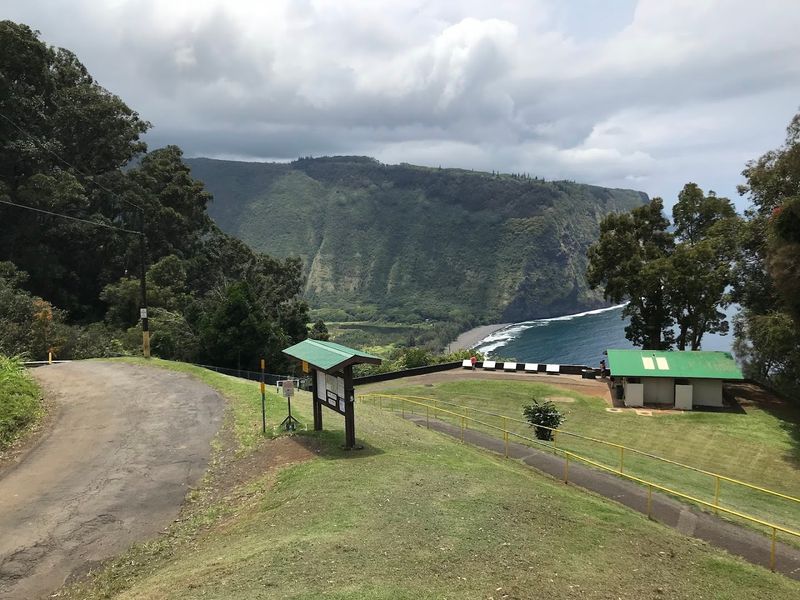
The road that descends into Waipio Valley is one of the steepest paved roads in the United States, with grades reaching around 25 percent in some sections. For many years, visitors with four-wheel-drive vehicles could make the descent and explore the valley floor.
Currently, that road is closed to tourists due to landslide risks and the wishes of the residents who live in the valley below. Respecting that closure is not just a legal matter; it is a matter of basic courtesy toward a community that has asked for privacy and safety.
Guided van tours are available for those who want to experience the valley floor, typically running around $175 per person. These tours are the only legitimate way for non-residents to access the valley at this time.
For most visitors, the lookout itself offers more than enough to make the trip worthwhile, and many come away feeling that the elevated perspective is actually the superior way to take in the full scale of the landscape.
Picnic Tables and Practical Amenities on Site
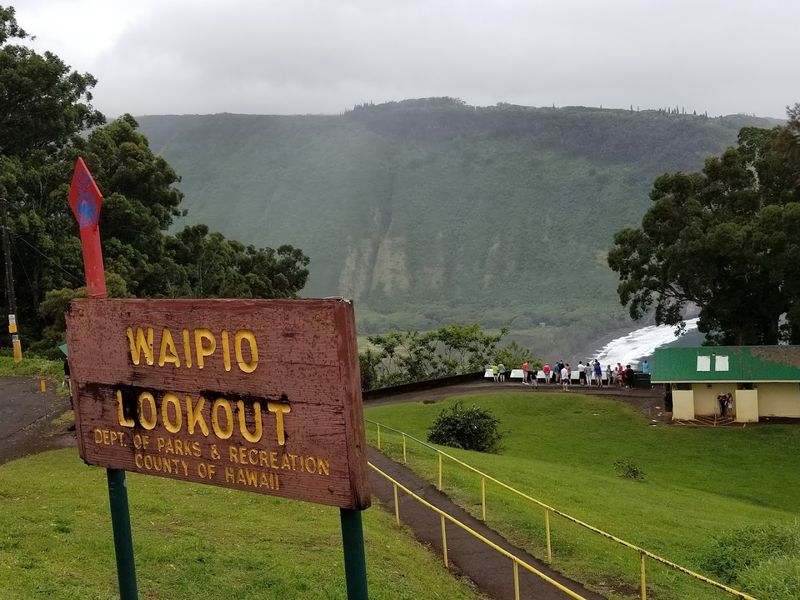
Not every stunning viewpoint in Hawaii comes equipped with a place to sit and properly soak it in, but this one does. The lookout area includes picnic tables where you can set up a meal and spend real, unhurried time with the view rather than snapping a photo and moving on.
Restrooms are also available on site, which is a practical detail that matters when you are spending a meaningful chunk of time at a single stop. The combination of seating, restrooms, and a free entry point makes this one of the most visitor-friendly scenic overlooks on the island.
Parking is limited to a small lot, and there is a 30-minute parking window to keep access fair for all visitors. Packing a lunch from a nearby spot and eating it at the picnic tables while watching the valley below is genuinely one of the more pleasant ways to spend a Big Island afternoon.
The Hamakua Heritage Corridor: The Drive That Gets You There
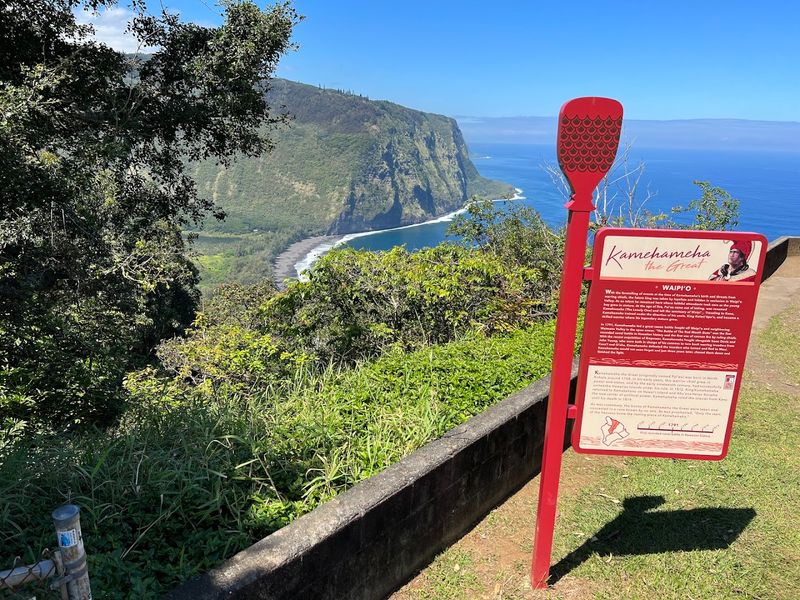
The journey to the lookout is part of the experience. The road to Waipio Valley Lookout runs along the Hamakua Heritage Corridor, a designated scenic drive that follows the northeastern coastline of the Big Island through some of the most lush and dramatic terrain on the island.
Sugar cane once dominated this landscape, and the old plantation towns and historic bridges along the route tell the story of Hawaii’s agricultural past in quiet but tangible ways. The drive itself passes through dense tropical canopy, past gulches carved by streams, and alongside ocean views that appear and disappear between the trees.
Pulling over at a few points along the corridor before reaching the lookout adds context and visual contrast to the final destination. By the time you reach the end of the road and step out at the overlook, you have already had a full visual journey through one of Hawaii’s most underappreciated coastal landscapes.
Nearby Stops Worth Adding to Your Route
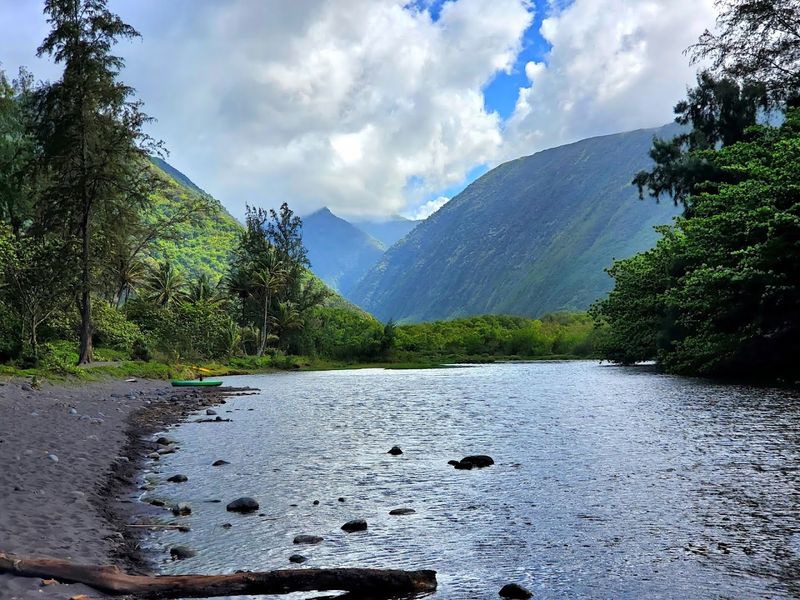
A few worthwhile stops cluster near the lookout and are easy to fold into the same outing. Good Eats, a local food truck, operates close to the lookout area and is a reliable option for a quick and satisfying meal before or after your visit.
A short distance further along the road, Waipio Valley Artworks offers a gallery of locally made work and, perhaps more importantly on a warm Hawaiian day, serves ice cream. Both stops add a grounded, local flavor to what might otherwise be a purely scenic excursion.
The broader Hamakua Coast also has additional viewpoints, botanical gardens, and historic sites worth exploring if you are making a day of it. Combining the lookout with a few of these nearby stops turns a single scenic stop into a full and satisfying day of exploring the northeastern corner of the Big Island.
Photography Tips for Capturing the View
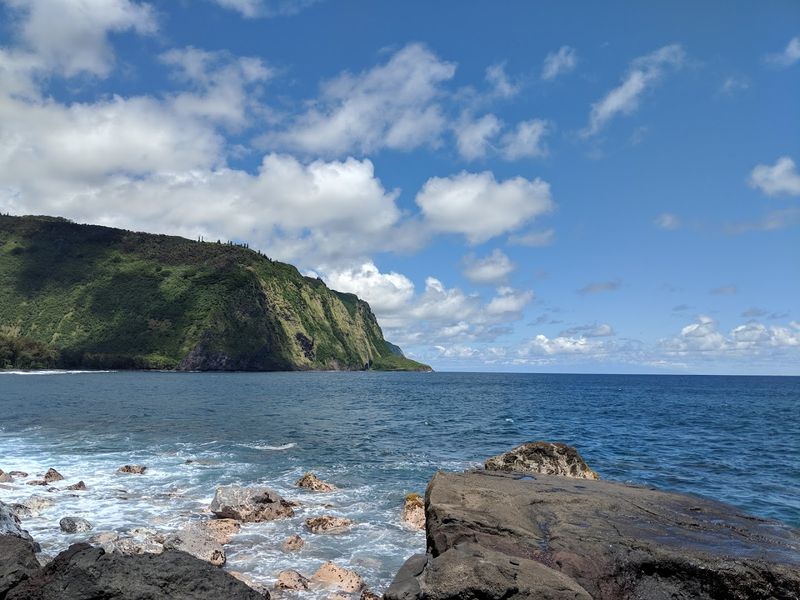
Every serious photographer who visits this lookout faces the same challenge: the view is so wide and so layered that no single frame captures it completely. A wide-angle lens is the most useful tool here, allowing you to pull in the full sweep of cliffs, valley, beach, and ocean in one composition.
Early morning light is warm and directional, ideal for bringing out the texture of the cliff faces and the shimmer of the stream below. A polarizing filter helps cut the glare off the ocean surface and deepens the blue of the sky on clear days.
For smartphone photographers, using panorama mode and taking multiple overlapping shots to stitch together later are both solid approaches. The key thing to remember is that no image fully replaces being here in person.
Take your photos, then put the phone down for a few minutes and just look.
What Visitors Feel Standing at the Edge
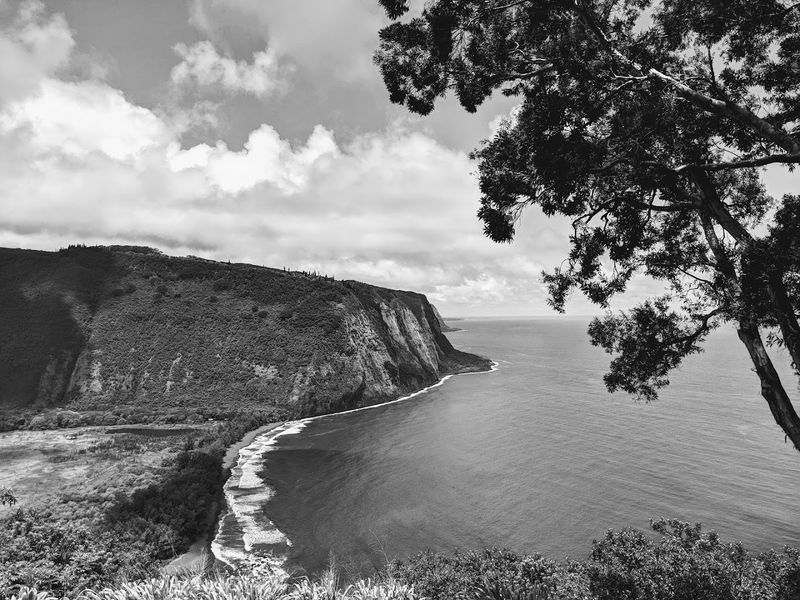
There is a particular kind of silence that settles over people when they first look down into Waipio Valley. It is not the silence of boredom or discomfort but the kind that comes when something genuinely exceeds your expectations and your brain needs a moment to catch up.
The scale of the valley, the way the cliffs drop hundreds of feet straight down, the sound of the ocean drifting up from far below, and the sight of the black sand beach curving along the valley floor all combine into something that feels more significant than a typical tourist stop.
Many visitors describe it as one of the most memorable moments of their entire Hawaii trip, ranking alongside seeing a volcano erupt for sheer emotional impact. That is not hyperbole; it is a consistent reaction from people who had no idea what they were walking into until they reached the railing.
Final Thoughts: Why This Lookout Belongs on Every Big Island Itinerary
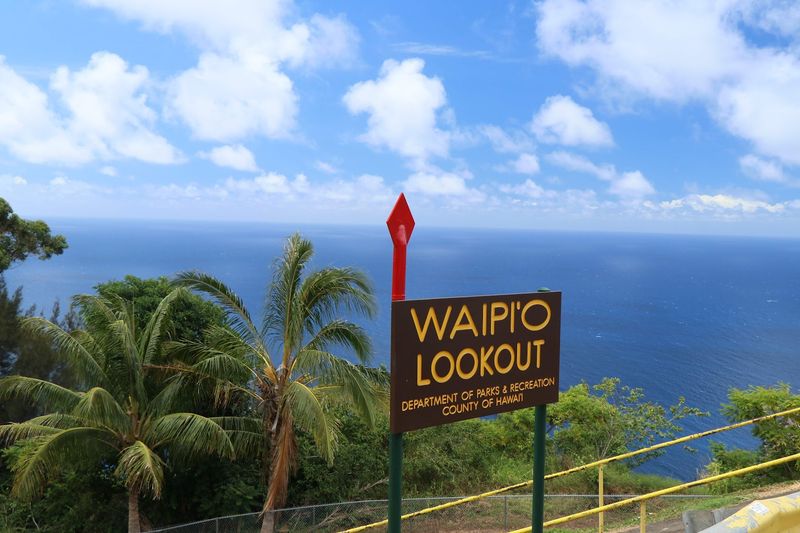
Some places earn their reputation honestly, and Waipio Valley Lookout is one of them. The combination of natural drama, cultural depth, and sheer visual scale puts it in a category that very few overlooks anywhere in the world can match.
It is free to visit, open around the clock, and requires no special gear or physical fitness beyond the short walk down the ramp to the viewing platform. Those are rare qualities for a destination this spectacular.
Whether you are on the Big Island for a week or just passing through on a longer Hawaiian adventure, carving out the time to reach this lookout is a decision you will not second-guess. The view stays with you, not as a vague memory of something pretty, but as a specific and vivid image that surfaces unbidden for years afterward.
That kind of lasting impression is exactly what great travel is supposed to feel like.
Share this story