 Unearth The Voyage
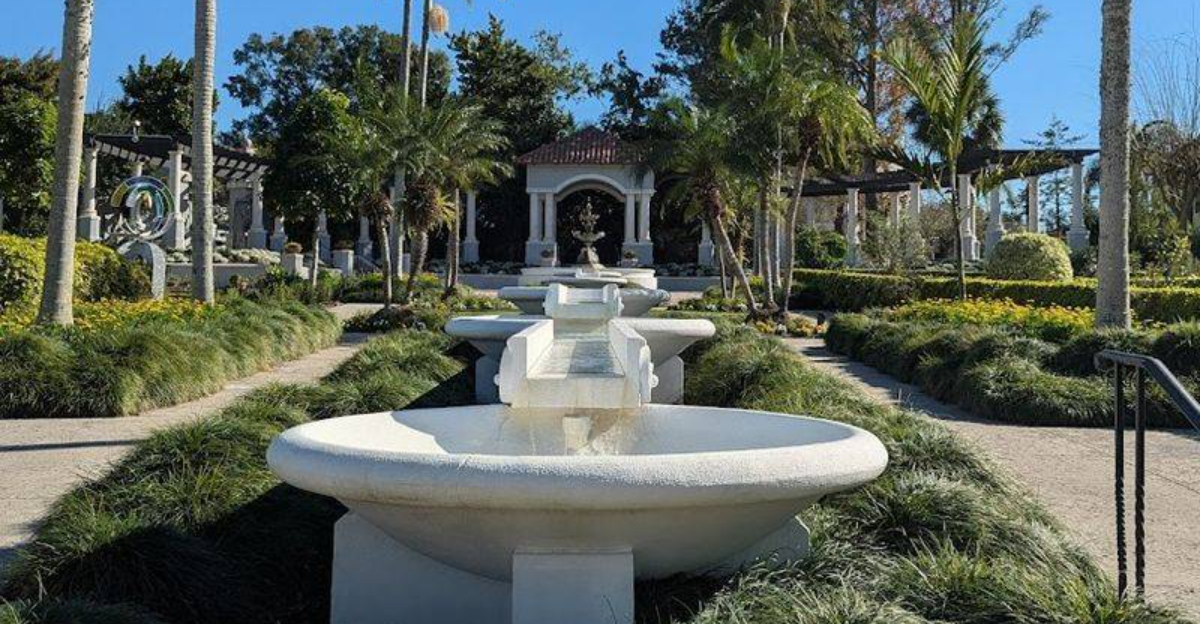
There is a small botanical garden in central Florida that stops people mid-stride the moment they walk through its entrance. Colorful seasonal blooms line perfectly trimmed pathways, classical columns frame sweeping views of a glittering lake, and the sound of fountains replaces the noise of the city almost instantly.
Most people expect a modest city park, but what they find feels closer to something you might stumble upon in southern Europe. Free to enter, easy to reach, and consistently beautiful no matter the season, this garden has quietly become one of the most beloved public spaces in all of Polk County.
Keep reading to find out exactly what makes it so special and what you should not miss on your first visit.
A Garden with a Story: The History Behind Hollis Garden
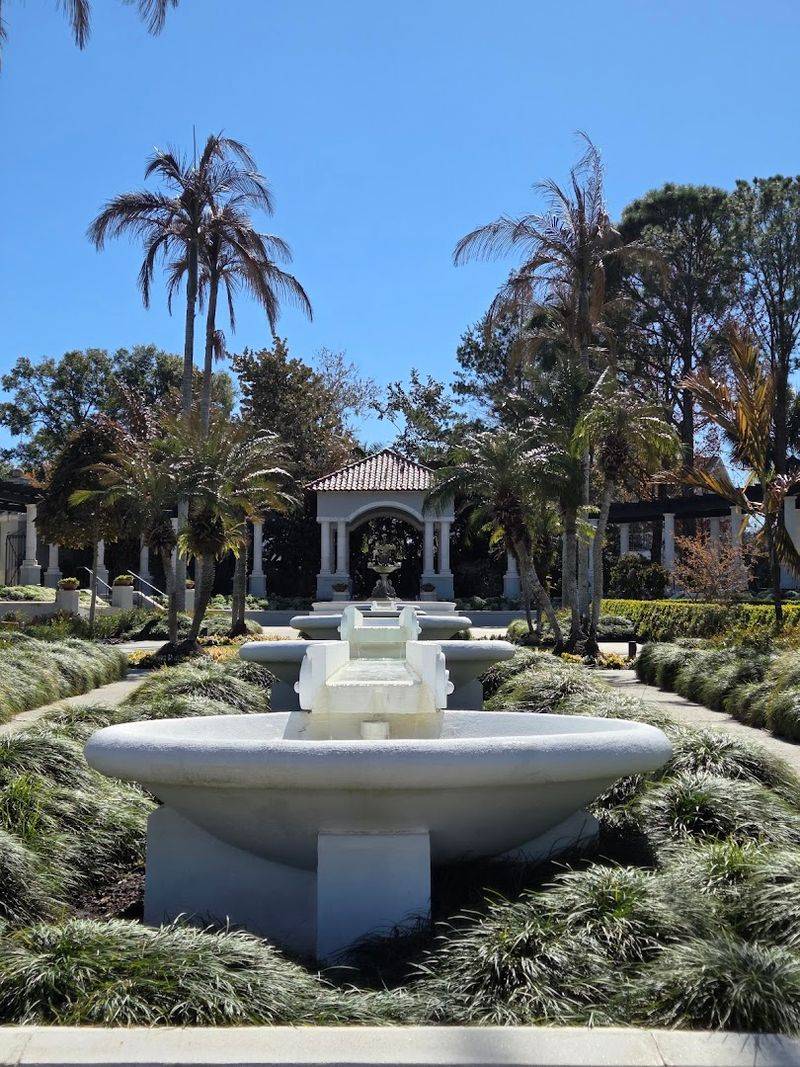
Not every public garden comes with a fascinating backstory, but this one does. Hollis Garden, located at 702 E Orange St, Lakeland, sits along the northern shore of Lake Mirror in the heart of downtown Lakeland, Florida.
The garden was established by the City of Lakeland and named in honor of Clarence Hollis, a longtime city parks employee who dedicated decades of service to beautifying the community. That spirit of dedication is still visible in every trimmed hedge and freshly planted flower bed today.
The garden spans about 1.2 acres and features more than 10,000 annual and perennial plants, making it far more impressive than its compact footprint suggests. It opened to the public as a formal botanical garden and has since grown into one of the most photographed spots in Polk County, drawing visitors from across Florida and beyond.
First Impressions: The Entrance and Overall Layout
The moment you pass through the garden’s entrance, the layout reveals itself in a way that feels almost theatrical. A central axis runs from the entrance toward Lake Mirror, drawing your eyes forward through tiered flower beds, sculpted topiaries, and classical architectural elements that anchor the space.
The design is formal and structured, which gives the garden its European character, but the seasonal plantings keep it feeling alive and ever-changing. Wide stone pathways make it easy to navigate, and the space is fully accessible for strollers and wheelchairs.
What surprises most first-time visitors is how much detail is packed into a relatively small footprint. Every corner holds something worth pausing over, from a decorative urn overflowing with trailing vines to a perfectly clipped boxwood hedge that frames a lake view like a picture window.
The layout rewards slow walkers more than anyone else.
The Colonnade: A Neoclassical Centerpiece
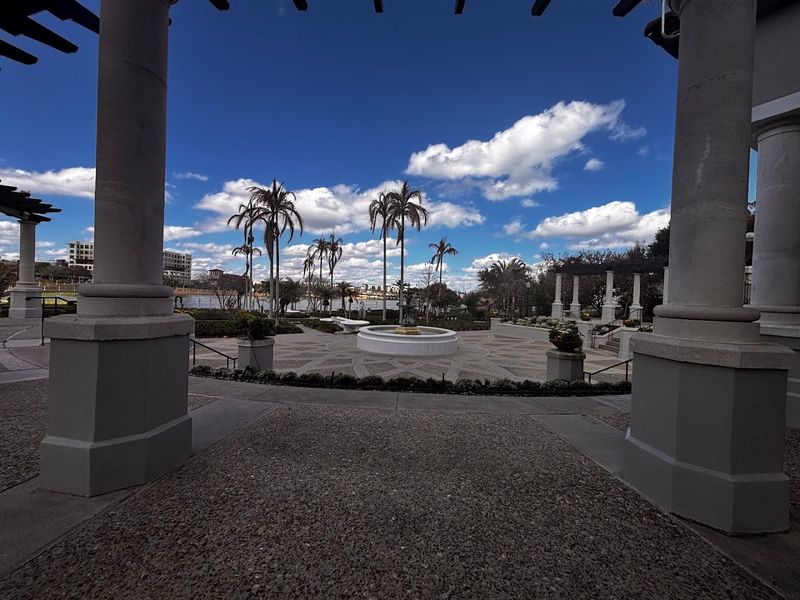
Few architectural features in any Florida public garden are as striking as the colonnade at this spot. The white neoclassical structure runs along the garden’s lakeside edge, its arched columns creating a rhythmic frame for the water views beyond.
It is the kind of structure that makes photographers stop breathing for a second. Wedding parties, portrait photographers, and casual visitors all gravitate toward it, and for good reason.
The interplay of white stone, blue sky, and shimmering lake water produces a backdrop that feels almost unreal.
The colonnade is not just decorative. It provides welcome shade during Florida’s warmer months and creates a sheltered walkway where you can stroll while taking in the full panorama of Lake Mirror.
In the early morning light, when the garden is quiet and the lake is calm, the colonnade casts long shadows across the stone walkway in a way that feels genuinely cinematic.
Fountains and Water Features That Set the Mood
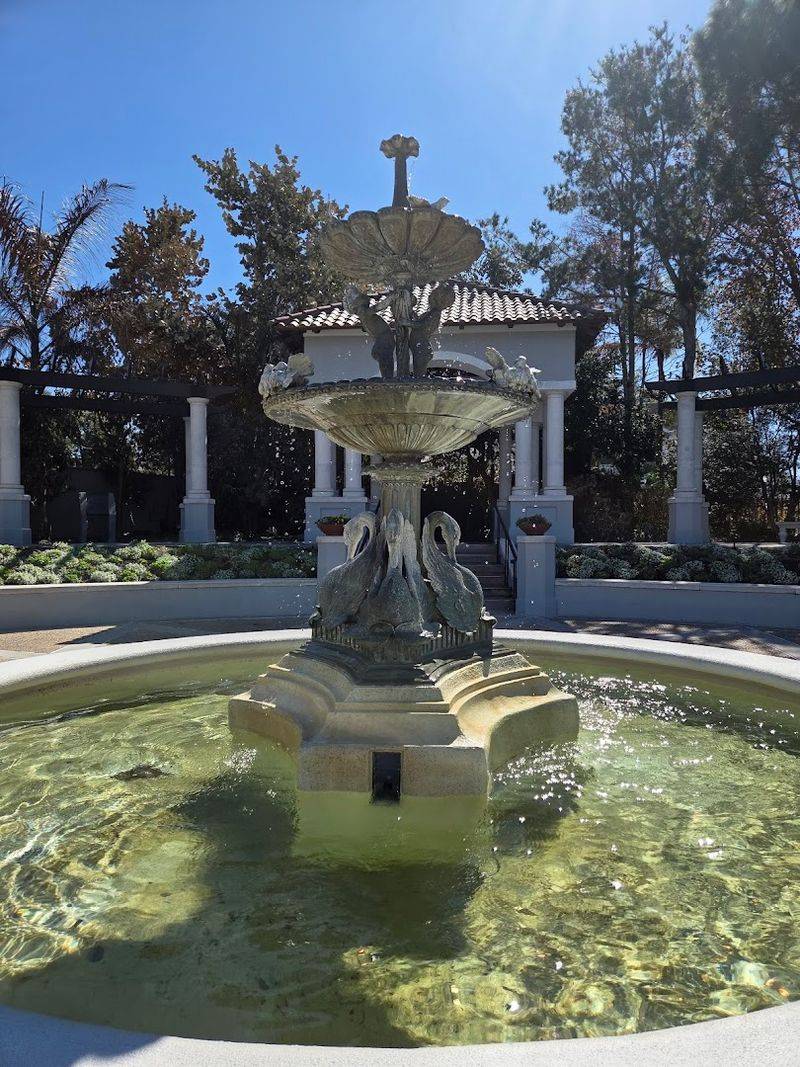
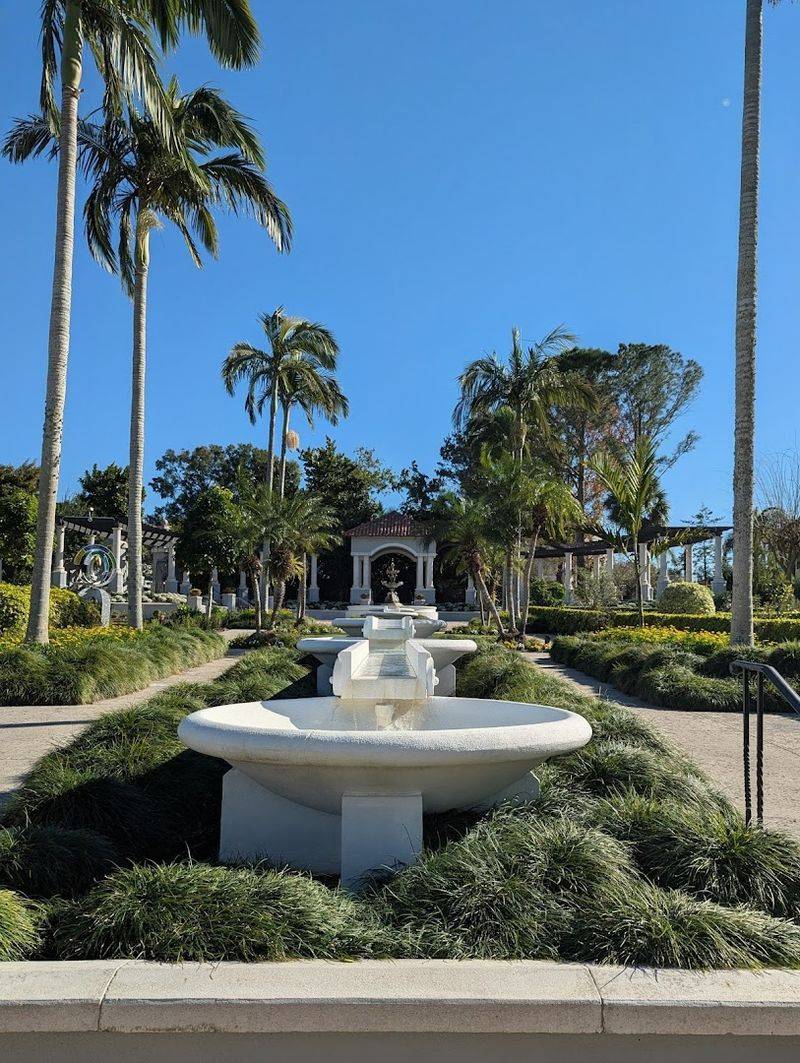
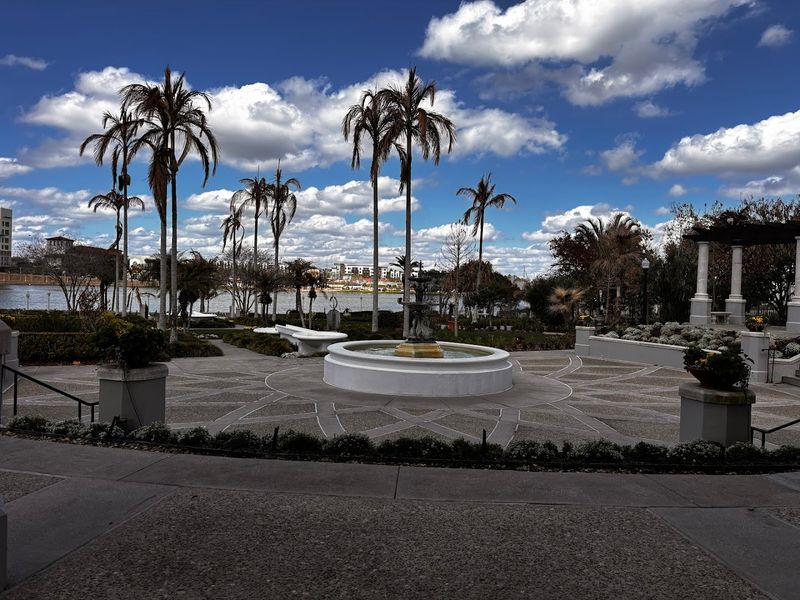
Water is one of the defining sensory elements of this garden, and it shows up in more than one form. A central fountain serves as the visual heart of the garden, its steady flow creating a gentle, calming soundtrack that seems to quiet everything else around it.
The fountain is framed by concentric rings of seasonal flowers, making it one of the most photographed spots on the property. The color combinations change throughout the year as the planting schedule rotates, so the fountain always has a fresh backdrop depending on when you visit.
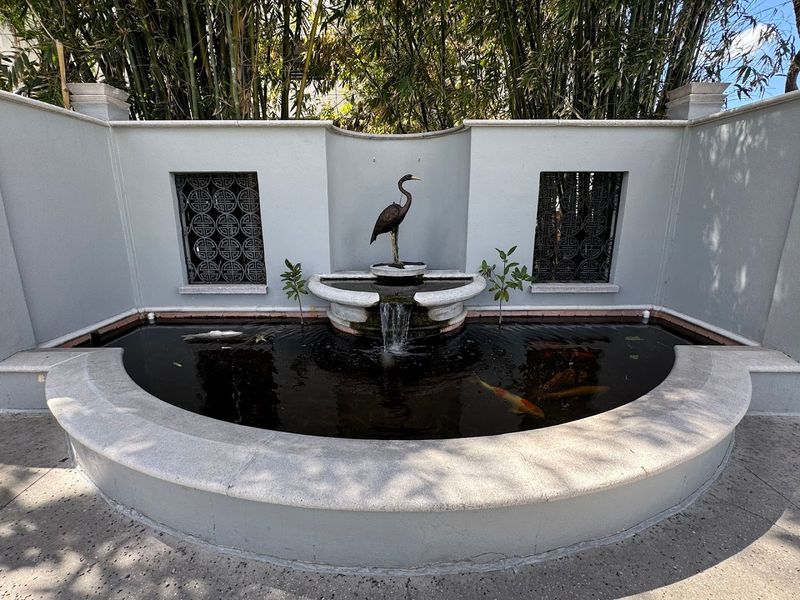
Beyond the central fountain, smaller water features and a koi pond add additional layers of texture and movement throughout the space. The koi pond in particular draws curious visitors who enjoy watching the fish glide through the clear water.
These water elements work together to give the garden a sense of rhythm and life that purely floral gardens sometimes lack.
Seasonal Blooms: What to Expect Throughout the Year
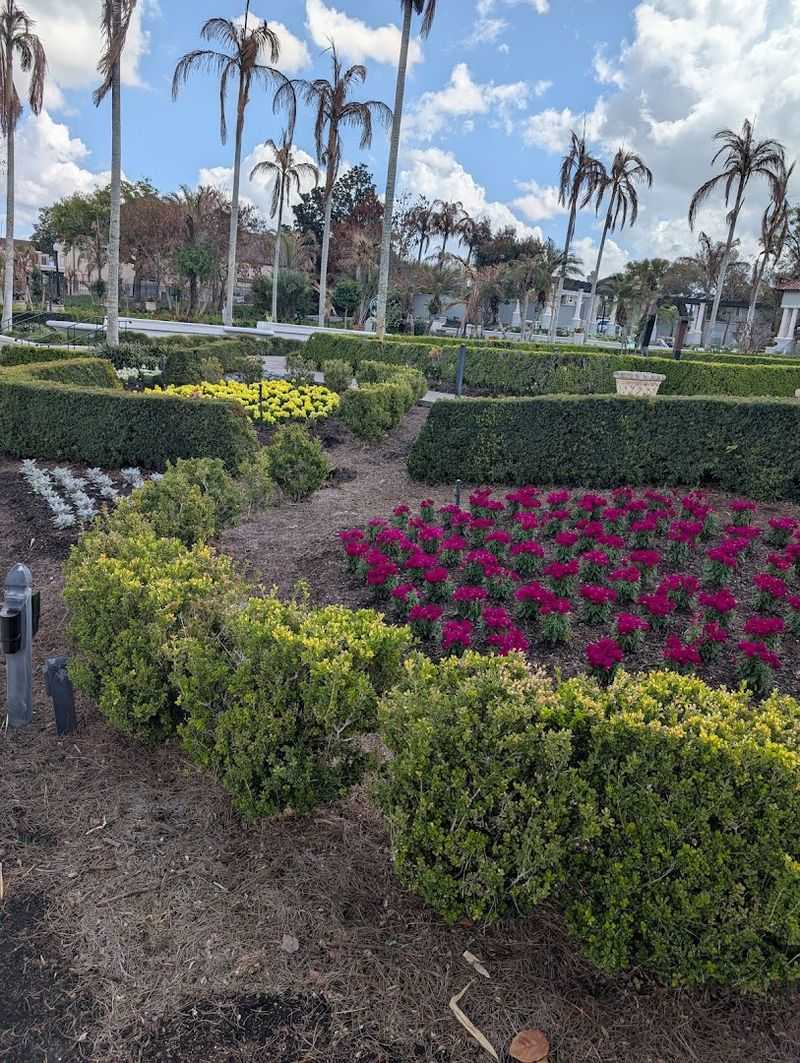
One of the smartest things about this garden is that it never looks exactly the same twice. The planting team rotates more than 10,000 plants throughout the year, swapping out species as seasons shift to ensure there is always something in bloom and something worth seeing.
Spring tends to bring the most dramatic floral displays, with roses, snapdragons, and petunias filling the beds in saturated colors. Summer leans into heat-tolerant tropicals and bold foliage, while fall and winter introduce cooler-toned plantings like pansies and ornamental kale that give the garden an entirely different mood.
Even after a cold snap, the garden manages to retain much of its beauty through its structural plantings and evergreen elements. Visitors who make repeat trips throughout the calendar year often say the seasonal changes are one of the main reasons they keep coming back.
Each visit genuinely feels like a first look at something new.
The Koi Pond: A Quiet Corner Worth Finding
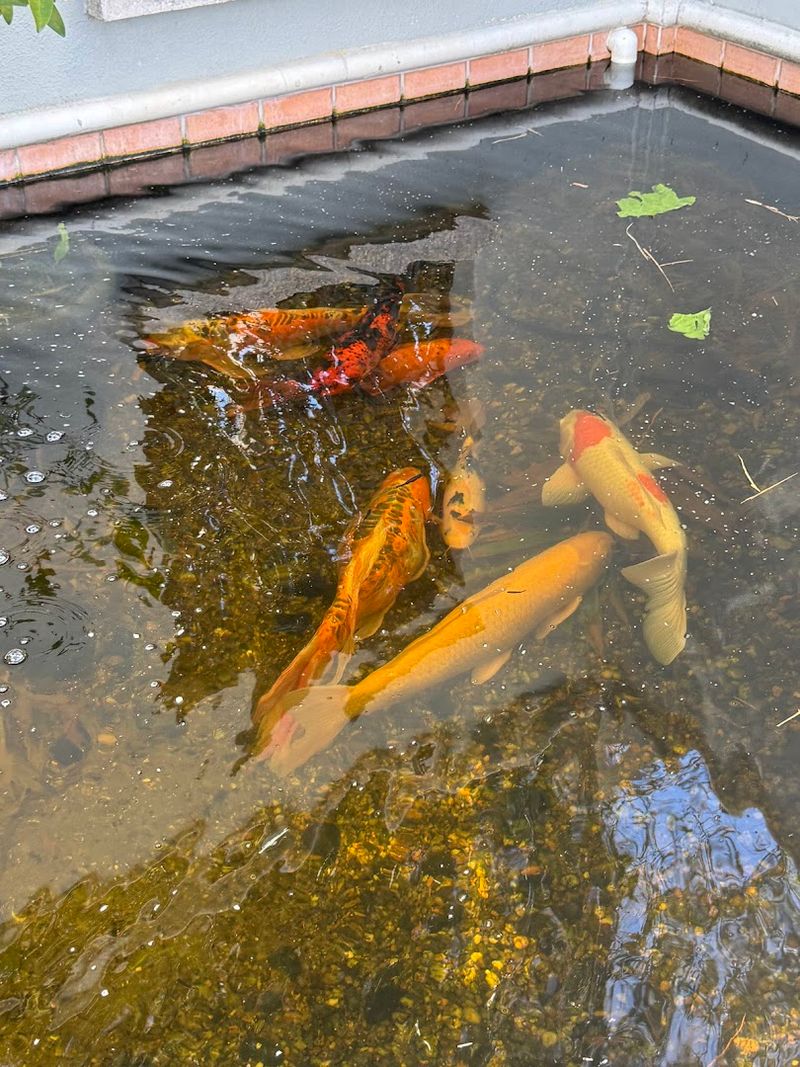
Tucked within the garden’s layout, the koi pond offers one of the most peaceful pauses on the entire property. The water is clear enough to watch the fish move in lazy, unhurried arcs just below the surface, and the surrounding plantings frame the pond in a way that makes it feel intentionally intimate.
Children are particularly drawn to this spot, crouching at the edge and pointing at the larger fish with genuine excitement. Adults tend to linger here too, finding something meditative about the slow movement of the koi and the stillness of the water compared to the fountain’s activity nearby.
It is worth noting that the pond’s health depends on consistent maintenance, and the garden staff generally keeps it in good condition. For the best experience, visit on a weekday morning when the light hits the water at a low angle and the garden is at its most peaceful and uncrowded.
Lake Mirror: The Stunning Backdrop That Elevates Everything
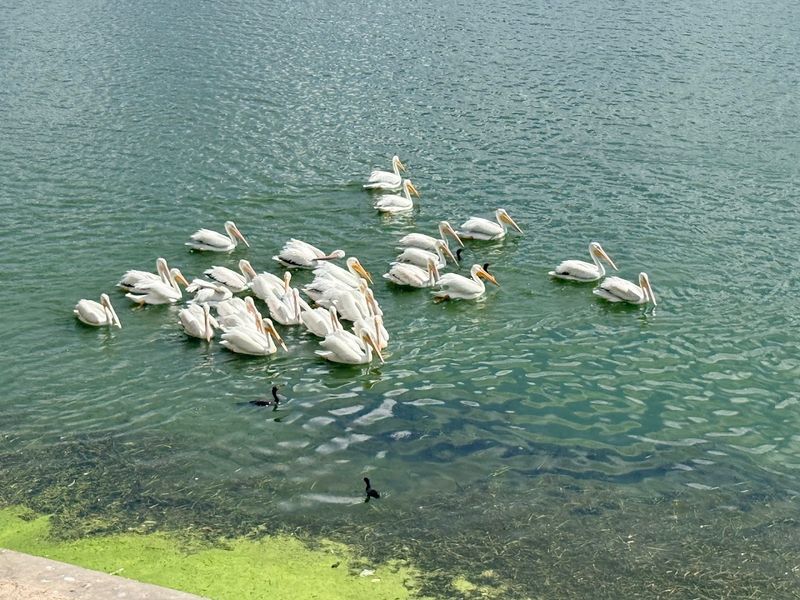
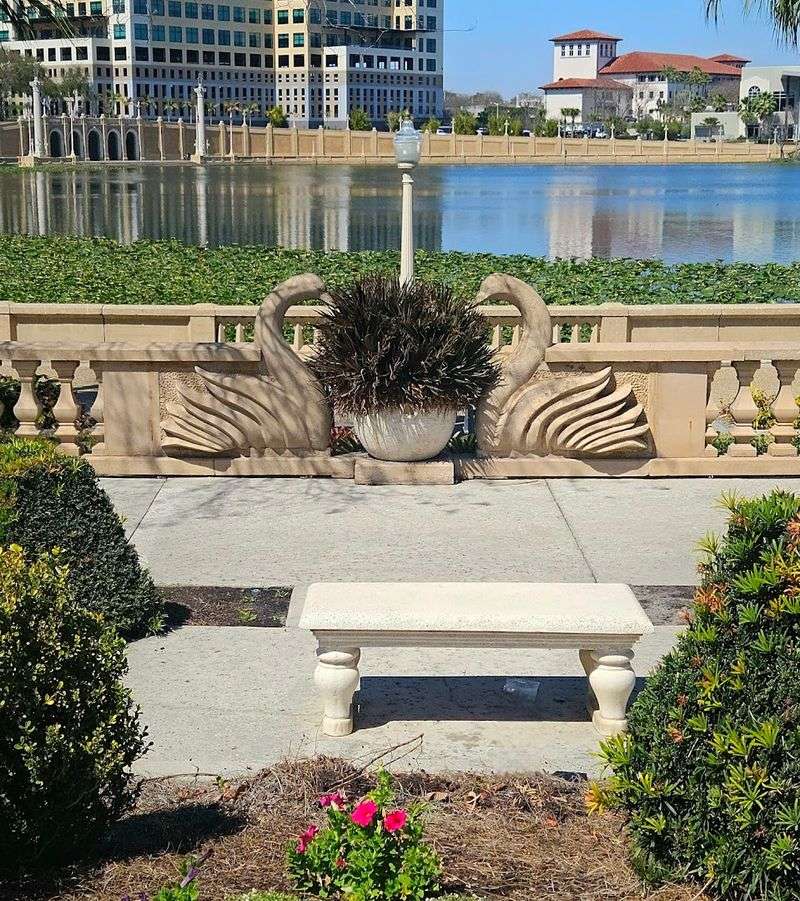
The garden’s location along the edge of Lake Mirror is not an accident. It was placed there deliberately, and the result is a visual relationship between formal garden and open water that gives the whole experience an extra dimension.
Lake Mirror is one of Lakeland’s most beloved landmarks, a long, narrow urban lake lined with a paved promenade and framed by historic architecture on the opposite shore. From within the garden, the lake provides a constantly shifting backdrop as the light changes throughout the day.
At sunset, the combination of the colonnade, the flowers, and the lake reflecting orange and pink light is genuinely hard to describe without sounding like you are exaggerating. The garden connects directly to the Lake Mirror promenade, so you can exit through the colonnade and continue your walk along the water without breaking stride.
It is one of Florida’s most underrated urban strolls, full stop.
Topiary and Sculpted Greenery: The Art of Trimmed Perfection
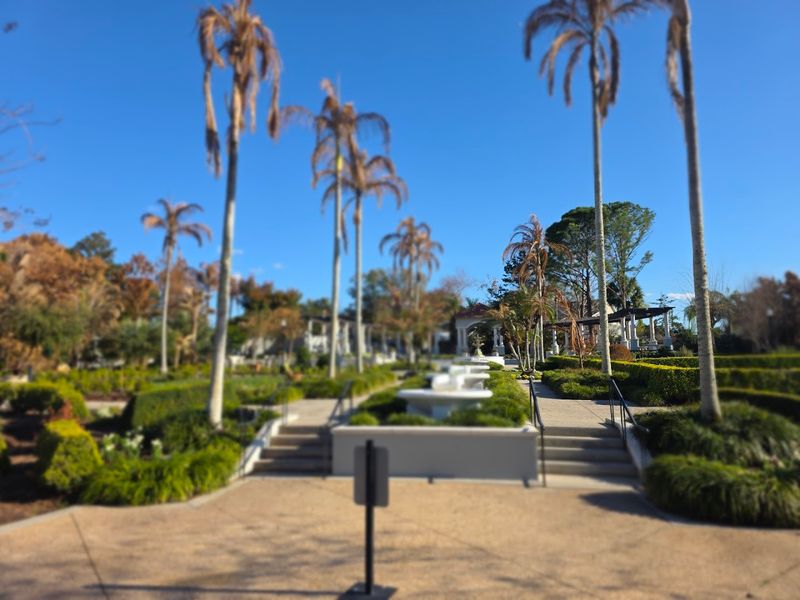
Topiary is not something most Florida gardens invest in heavily, but Hollis Garden takes its sculpted greenery seriously. Precisely clipped hedges define the garden’s formal structure, creating walls and frames that give each section its own sense of enclosure and identity.
The topiary elements are what give the garden much of its European character. Tall, columnar shrubs stand like sentinels along the main pathways, while lower, rounded forms add visual contrast at ground level.
The combination of vertical and horizontal shapes creates a layered landscape that feels architecturally considered rather than casually planted.
Maintaining this level of precision in Florida’s subtropical climate requires real skill and consistent effort, and the garden’s team clearly takes pride in keeping every line sharp. If you have an eye for horticultural craft, the topiary alone is worth the visit.
Run your gaze along any hedge row and you will notice that not a single branch is out of place.
The Garden Bistro: A Cafe Worth Stopping At
A botanical garden with a cafe is always a good sign, and the Garden Bistro at this location delivers on the promise. Tucked near the garden’s entrance, the bistro offers a menu of casual meals and refreshments served in an outdoor setting that feels like an extension of the garden itself.
The outdoor seating area is shaded and surrounded by plantings, making it a genuinely pleasant place to sit even on warmer days. The food is reasonably priced for what it is, and the setting alone justifies lingering over a meal longer than you normally would.
After a walk through the garden, stopping at the bistro for a light lunch before heading out along the Lake Mirror promenade is a natural and satisfying sequence. It transforms what might otherwise be a quick 30-minute visit into a proper half-day outing.
The bistro’s hours align with the garden’s opening times, so check ahead before planning your visit around a meal.
Photography Opportunities: A Shooter’s Favorite Spot
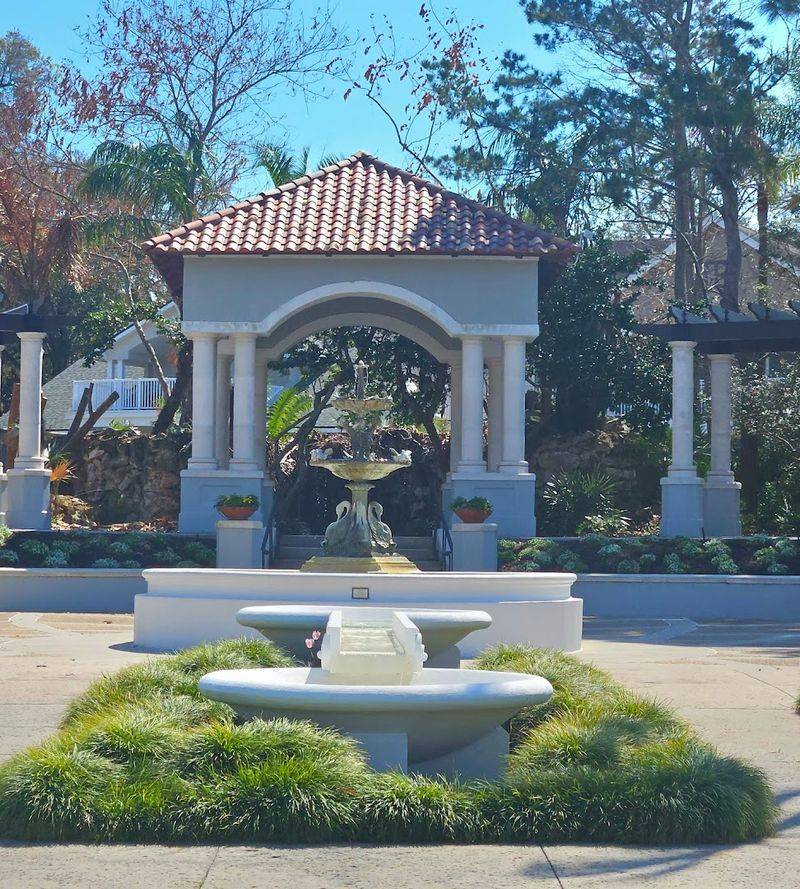
Ask any photographer in central Florida where they take clients for portrait sessions and a good number of them will mention this garden without hesitation. The combination of neoclassical architecture, lush flower beds, water features, and lake views creates a variety of backdrops that few outdoor locations can match.
Wedding parties are a common sight here, and it is easy to see why. The colonnade alone offers half a dozen distinct angles, and the flower beds provide color-saturated foregrounds that make any portrait pop.
The scale of the garden means you can move from one setup to another in just a few steps, which keeps sessions efficient and varied.
For casual photographers, the garden rewards early morning visits when the light is soft and the crowds are thin. The fountain’s reflection, the dew on flower petals, and the misty quality of the lake in morning light all combine to produce images that look far more elaborate than they were to capture.
Family-Friendly Features: Fun for All Ages
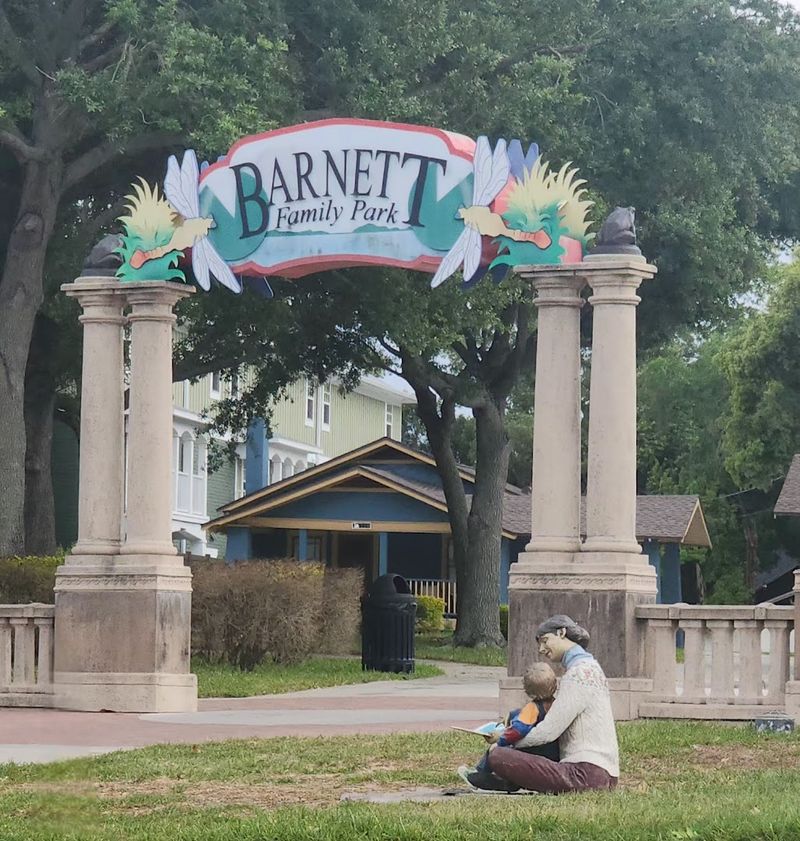
Bringing the whole family here is a genuinely good idea, and not just because it is free. The garden’s paved pathways make it easy to navigate with strollers, and the compact size means young children can explore the whole space without getting tired or overwhelmed.
The koi pond is a natural hit with kids, and the fountain area gives younger visitors room to run around without straying far from the main pathways. The adjacent Barnett Family Park adds even more to the experience, with a water splash pad that younger children absolutely love during Florida’s warmer months.
For families who want to extend the outing, the Lake Mirror promenade offers a flat, scenic walk with plenty of benches for rest stops along the way. Wildlife sightings are common too, including herons, ducks, and the occasional turtle sunning itself near the water’s edge.
It is the kind of place where kids ask to come back before you have even left.
Accessibility and Practical Visitor Information
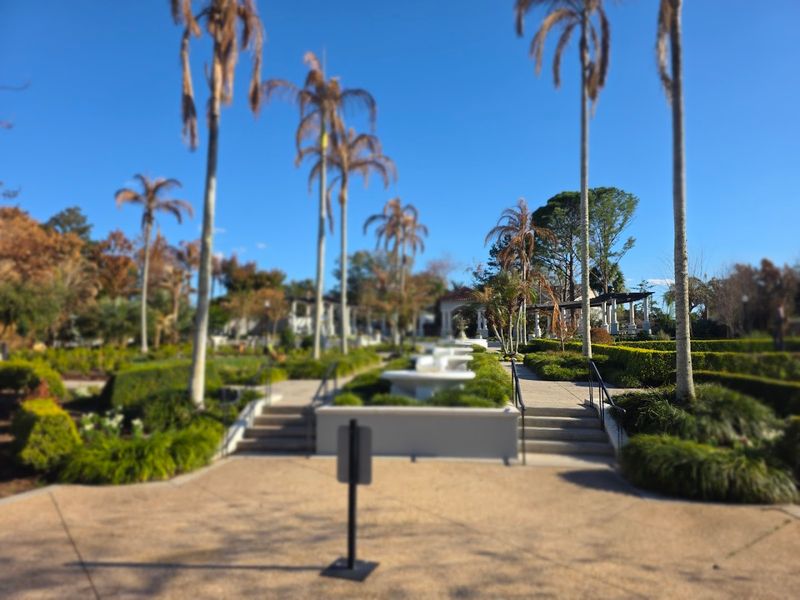
One of the most refreshing things about this garden is how genuinely accessible it is in every sense of the word. Admission is completely free, the pathways are paved and wide enough for wheelchairs and strollers, and parking is available in a small lot directly adjacent to the garden entrance on E Orange Street.
The lot fills up quickly on weekends and during events, so arriving early is strongly advised, especially if you are visiting between 10 AM and noon. Street parking along the surrounding blocks is usually available as a backup option, and the walk to the garden entrance is short and flat.
Restrooms are available on site, which is always a practical consideration for families and longer visits. The garden is open Tuesday through Sunday, with varying hours depending on the day.
It is closed on Mondays. You can reach the garden by phone at 863-834-2280 or find more details at the City of Lakeland’s parks website.
Wildlife and Nature: More Than Just Plants
The garden’s position along Lake Mirror means wildlife is a regular and welcome part of the experience. Great blue herons stalk the shallow water at the lake’s edge with patient, deliberate steps, while anhingas spread their wings on low branches to dry in the sun.
Ducks paddle near the shoreline, seemingly unbothered by human presence.
Inside the garden itself, butterflies are drawn to the flowering plants throughout the warmer months, flitting between blooms in a way that adds a layer of gentle animation to an already beautiful setting. Dragonflies hover near the koi pond, and songbirds move through the canopy overhead with cheerful regularity.
This quiet coexistence of cultivated garden and natural wildlife is part of what gives the place its particular character. It never feels like a sterile horticultural display.
There is always something living and moving just beyond the flower beds, reminding you that the garden exists as part of a larger, breathing ecosystem.
Best Times to Visit and Seasonal Tips
Timing your visit well makes a noticeable difference at this garden. The cooler months between November and March are widely considered the best time to visit, as the temperatures are comfortable for walking and the winter planting season often produces some of the most colorful floral displays of the year.
Early morning visits on weekdays offer the most peaceful experience. The garden opens at 10 AM Tuesday through Thursday and on Sunday, and arriving right at opening means you will often have the pathways largely to yourself for the first hour.
Weekend mornings can get busy, particularly when weddings or private events are taking place on the grounds.
Spring is a close second for best seasonal timing, especially if you want to see roses and warm-season annuals at their peak. Summer visits are entirely doable but come with Florida’s characteristic heat and humidity, so lightweight clothing and a water bottle are non-negotiable additions to your packing list.



