 Unearth The Voyage
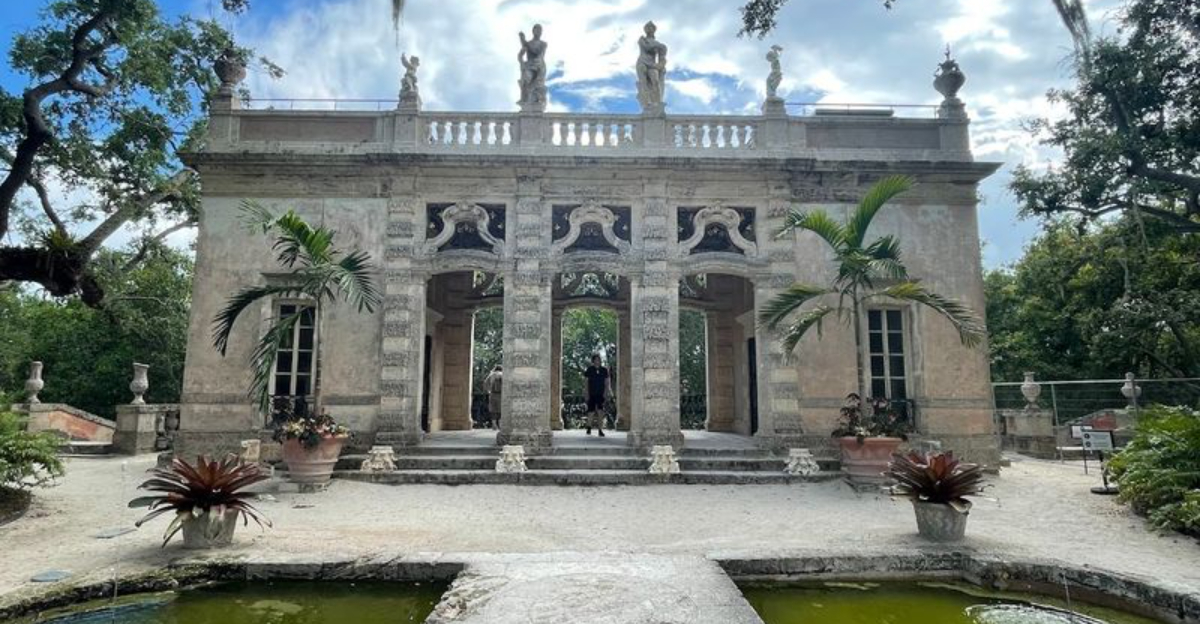
There is a place in Miami where you can walk through ornate rooms filled with centuries-old European antiques, stroll past sculpted hedges and stone fountains, and look out over the shimmering waters of Biscayne Bay, all without boarding a single flight. The estate was built in the early 1900s as a private winter retreat, and today it stands as one of the most visually striking and historically rich destinations in all of Florida.
Every corner of this property tells a story, from the grand mansion with its carved archways to the hidden garden grottos tucked between tropical trees. If you have ever wanted to experience old-world elegance in the middle of a sun-soaked Florida afternoon, this is the article you need to read before your next trip south.
A Grand Estate at the Edge of Biscayne Bay
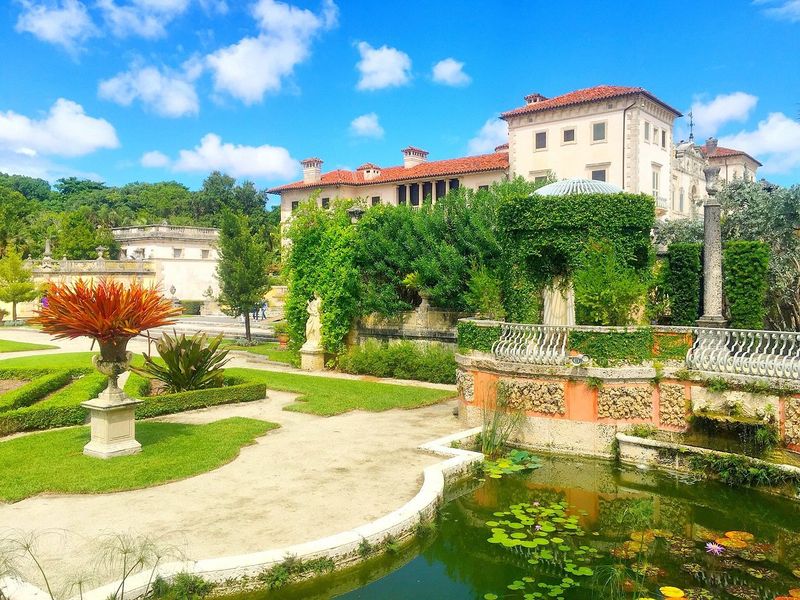
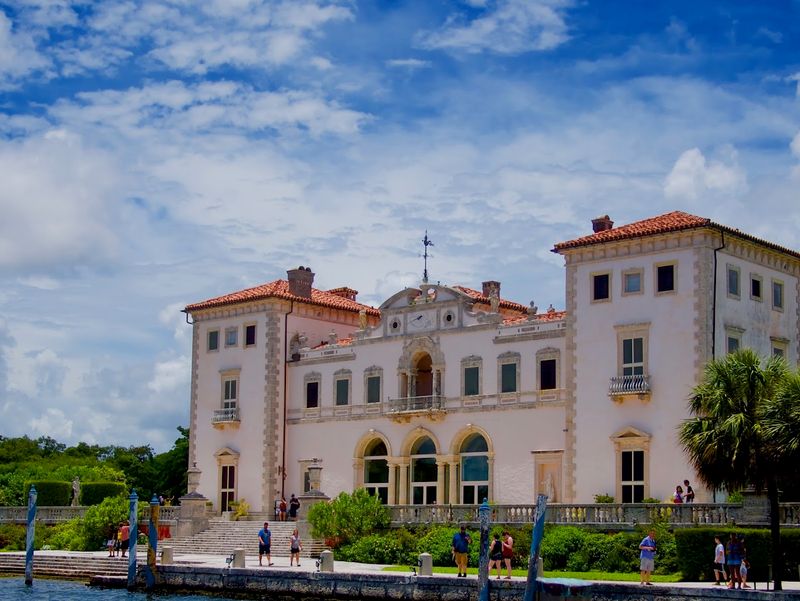
Right at 3251 S Miami Ave, Miami, sits one of the most remarkable private estates ever built in the American South. Vizcaya Museum and Gardens is a National Historic Landmark that began its life as the winter home of industrialist James Deering, heir to the Deering McCormick-International Harvester fortune.
Construction started in 1914, and by the time the estate was complete, it covered around 50 acres of land along the northwestern edge of Biscayne Bay. At the time, it was considered one of the largest and most expensive private residences in the entire country.
The property is now owned by Miami-Dade County and operates as an art museum open to the public Wednesday through Monday, from 9:30 AM to 4:30 PM.
The Vision Behind the Villa
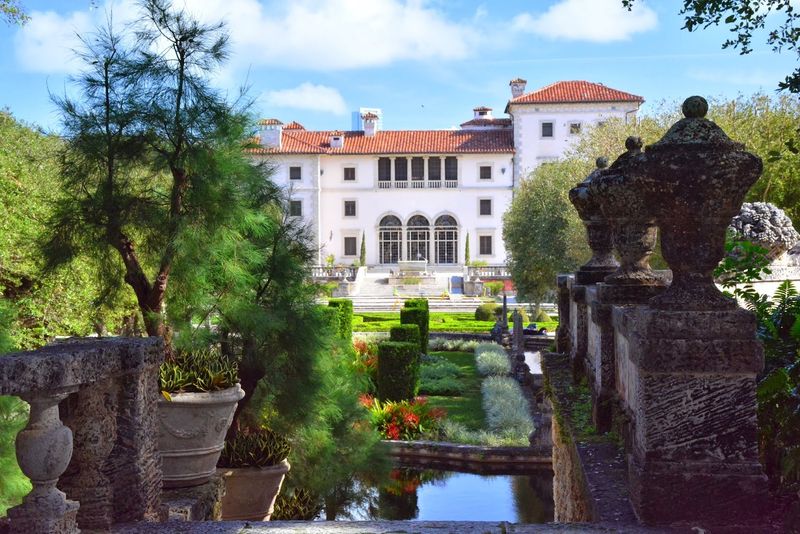
James Deering had a deep passion for European history, art, and architecture, and he poured that obsession into every detail of this estate. He enlisted designer Paul Chalfin and architect F.
Burrall Hoffman to bring his vision to life, drawing inspiration from the grand villas of northern Italy.
The result was a Mediterranean-style mansion that felt transplanted from another continent, complete with carved stone balustrades, ornate interior woodwork, and formal gardens modeled after Italian and French landscape traditions. What makes the story even more fascinating is that Deering also ran the estate as a working farm, growing fresh produce and sourcing seafood directly from the bay.
Every statue on the grounds holds fruit or flowers, a nod to the property’s original focus on vitality and self-sufficiency rather than pure showmanship. That quiet, earthy elegance still comes through today, decades after Deering’s era ended.
The Main House and Its Ornate Interiors

The main house at Vizcaya is a showcase of European decorative arts collected over years of careful sourcing. Each room feels distinct, with antique furniture, intricate woodwork, tapestries, and architectural details that span several centuries and styles.
A self-guided audio tour is available on your phone, giving you room-by-room context that makes the experience far richer than simply walking through. You can listen to the full commentary or skim the text version if you want to move at a quicker pace.
As of early 2026, several rooms on the second floor and the north wing are undergoing active renovation and conservation work, so some areas may be temporarily inaccessible. It is worth checking the official website for a current list of impacted areas before purchasing tickets, especially if seeing specific rooms is a priority for your visit.
Ten Acres of Formal Gardens That Feel Endless
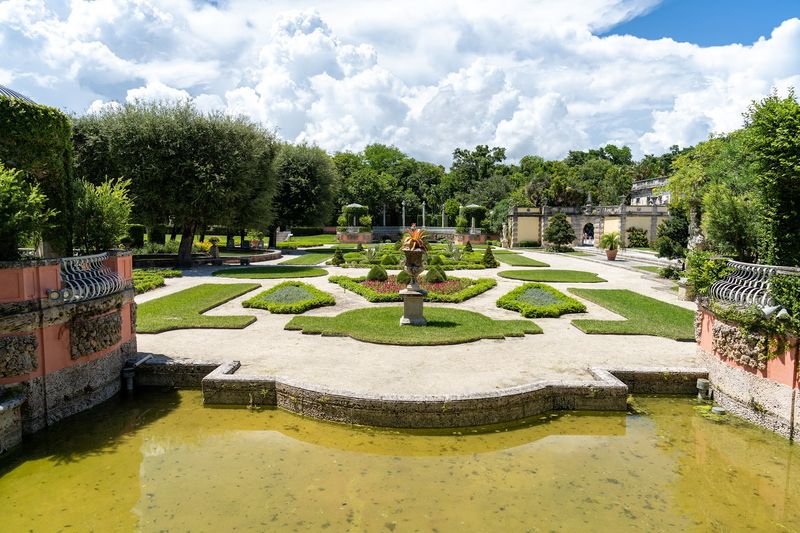
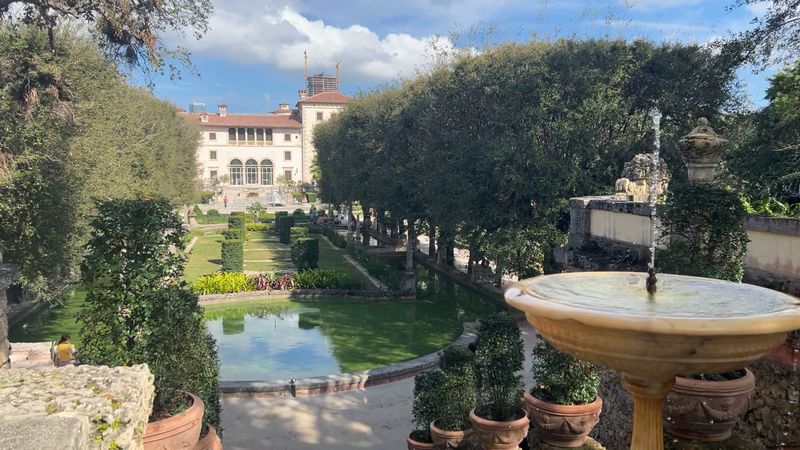
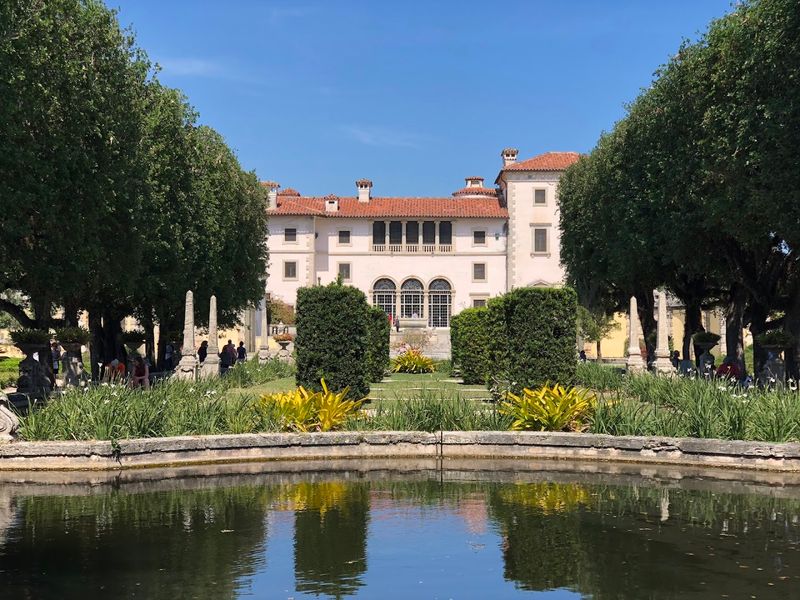
The 10-acre formal garden at Vizcaya is the kind of place that makes you slow your pace without even realizing it. Geometric hedges trimmed to sharp edges, stone balustrades draped in tropical vines, and fountains that catch the afternoon light all work together to create a setting that feels both structured and alive.
The design pulls heavily from Italian and French landscape traditions, with dramatic sightlines, symmetrical pathways, and hidden corners that reward explorers who wander off the main route. Scattered limestone grottos add a sense of mystery that feels genuinely old-world.
The biodiversity throughout the gardens is striking, with iguanas sunning themselves near the water, birds moving through the tree canopy, and flowering plants blooming in clusters along every path. Late spring is widely considered the peak time to visit, when the gardens are in full bloom and the color palette reaches its most vivid point.
The Stone Barge: Miami’s Most Unusual Landmark
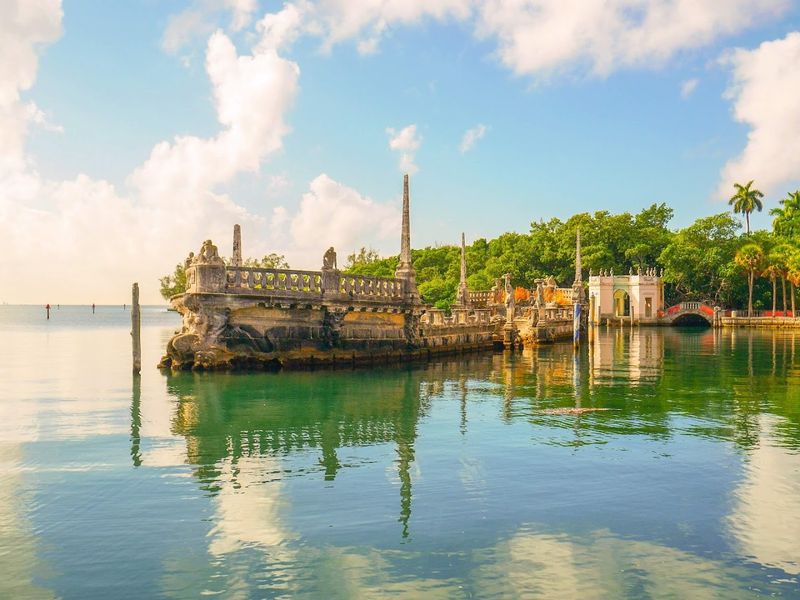
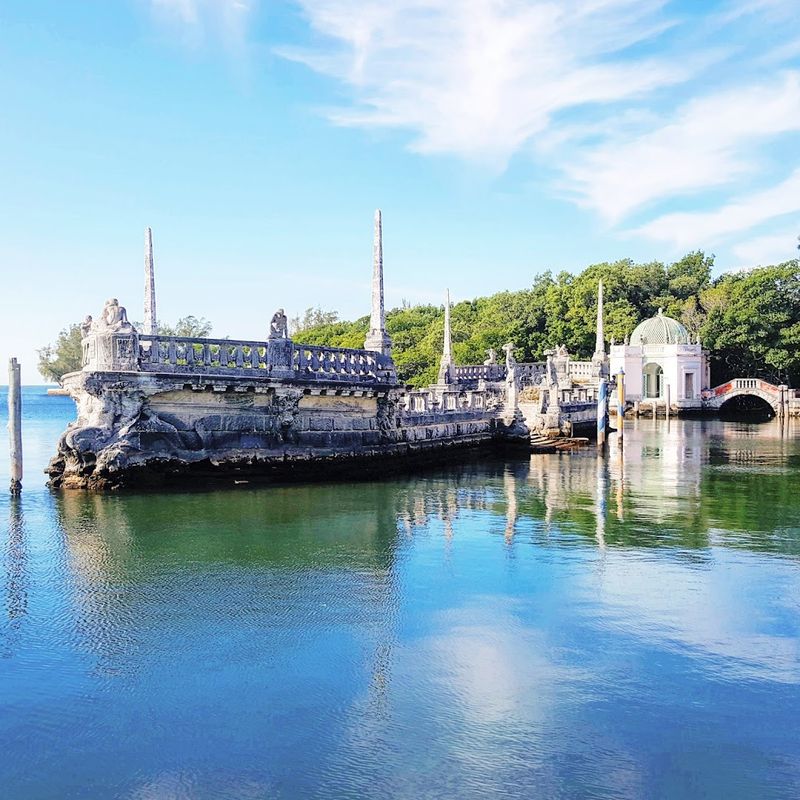
One of the most talked-about features at Vizcaya is not inside the mansion at all. Out in the waters of Biscayne Bay, just in front of the villa, sits a massive stone breakwater carved in the shape of a ship, known simply as the Barge.
Built as a functional piece of engineering designed to protect the estate from wave damage and storms, the Barge also doubles as a sculptural landmark that looks like something out of a fantasy novel. Its worn stone surface and dramatic silhouette against the open water make it one of the most photographed spots on the entire property.
Despite its ancient appearance, the Barge was constructed as part of the original estate in the early 20th century, which makes the craftsmanship even more impressive. Catching it at golden hour, when the light hits the water and reflects off the carved stone, is a genuinely memorable sight.
Biscayne Bay Views That Stop You Mid-Step
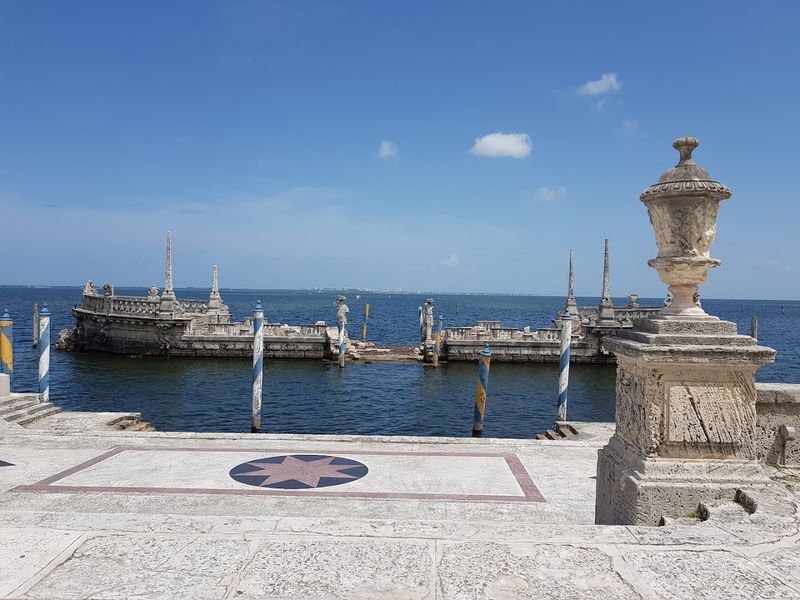
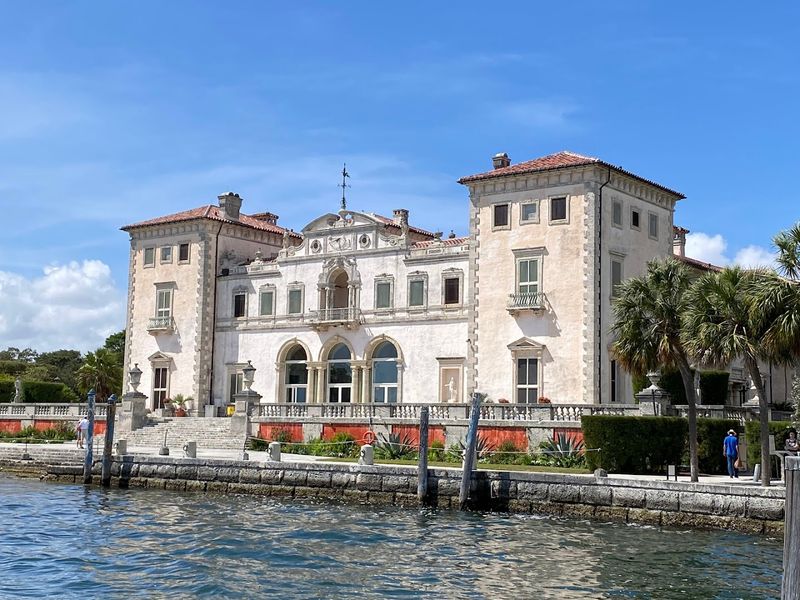
Few moments during a visit to Vizcaya hit quite like the first clear view of Biscayne Bay from the rear terrace of the mansion. The stone railings frame the water perfectly, and on a clear day the bay stretches out in shades of blue and green that feel almost too vivid to be real.
The bay views are part of what made Deering choose this location in the first place, and that original appeal has not faded at all. Standing at the water’s edge with the mansion behind you and open water ahead, the combination of architecture and natural scenery is genuinely hard to match anywhere else in Miami.
Wildlife sightings are common along the shoreline, and lucky visitors have even spotted manatees drifting through the calm bay waters near the property. That kind of unexpected encounter turns a pleasant afternoon into a story worth telling.
The Orchid Collection Hidden Near the Gift Shop
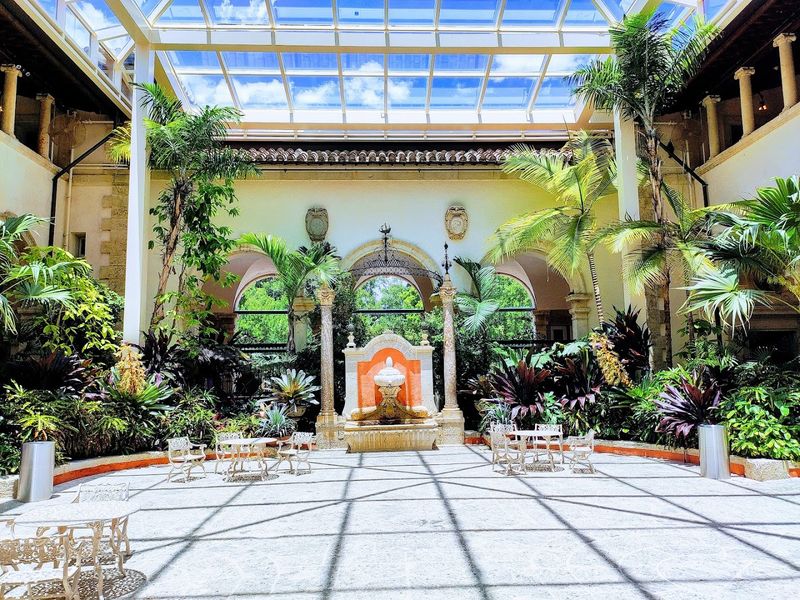
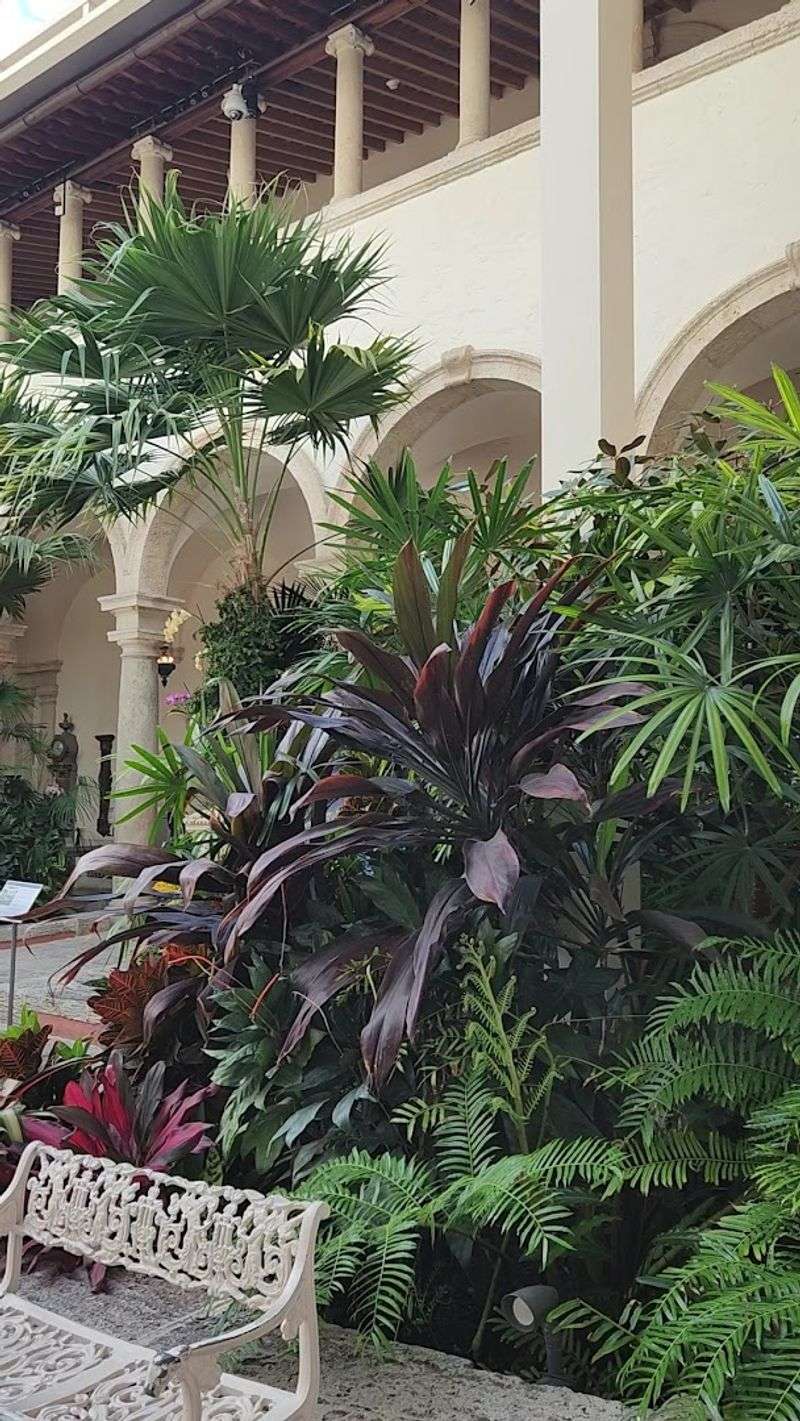
Tucked near the gift shop and cafe, the small orchid garden at Vizcaya is easy to overlook but absolutely worth seeking out. The collection features exotic varieties in vivid shades of purple, pink, white, and yellow, and the dense tropical planting gives it a greenhouse-like intensity that feels separate from the rest of the estate.
The orchids are so visually striking that they have a tendency to outshine the antique furniture inside the mansion, which is saying quite a lot given the quality of what is on display indoors. Their colors pop even on overcast days, making this corner of the property a reliable photography spot regardless of the weather.
The cafe nearby is a convenient stop for a mid-visit break, and the gift shop carries books, prints, and locally inspired items worth browsing. It is a good spot to rest before heading back out to explore the grounds.
The Teahouse and the Quiet Corners Worth Finding
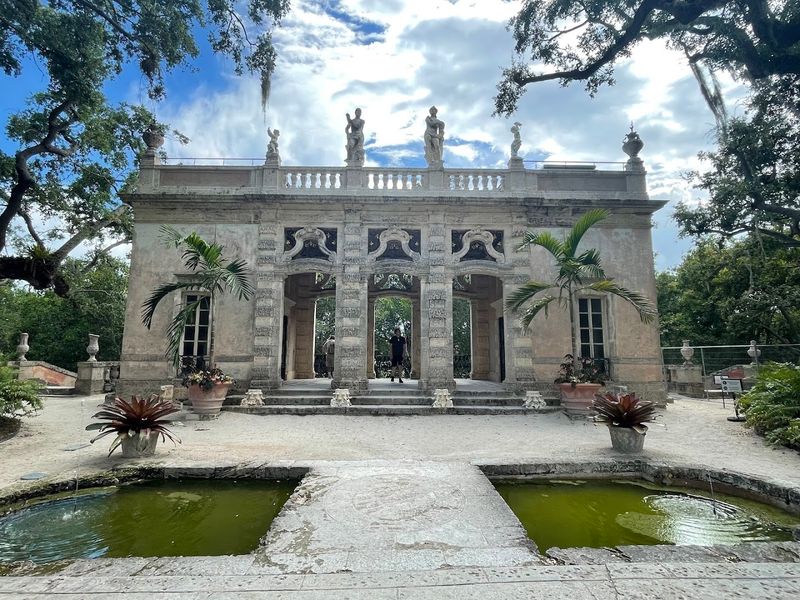
Not every highlight at Vizcaya announces itself loudly. The teahouse on the grounds is a perfect example of the quieter rewards that come from wandering beyond the main paths.
It is a beautifully constructed small building that you can step inside to admire, though it does not serve food or refreshments.
The teahouse feels like a private retreat within an already secluded estate, and its architecture matches the overall Mediterranean character of the property with carved details and a scale that feels intimate rather than grand. Spending a few minutes there, away from the larger crowds near the mansion and bay terrace, gives the visit a more personal quality.
Throughout the gardens, similar small discoveries wait for visitors who slow down and explore. Hidden benches, carved stone details, unexpected water features, and quiet pathways through dense tropical planting all reward a relaxed and curious approach to the grounds.
A Photographer’s Dream at Every Turn
Vizcaya has earned a serious reputation as one of the most photogenic locations in Miami, and that reputation is completely justified. The interplay of European architecture, tropical vegetation, open water, and dramatic stone detail creates an almost endless variety of compelling compositions.
The Stone Barge, the formal garden sightlines, the mansion’s carved facade, the orchid collection, and the bay terrace all offer distinct visual opportunities that range from grand and sweeping to close-up and detailed. Both professional photographers and casual smartphone users tend to leave with a full memory card and a hard time choosing favorites.
On busy weekend days, it is common to share pathways with quinceañera photo sessions, engagement shoots, and anniversary celebrations, all of which add a joyful energy to the atmosphere. Arriving early in the morning helps secure quieter conditions and softer light, which most photographers agree produces the best results on the property.
Wildlife, Iguanas, and the Living Landscape
The grounds at Vizcaya are not just a curated display of plants and stone. The entire property buzzes with actual wildlife, and the iguanas are the most visible residents.
They sun themselves on warm stone surfaces throughout the gardens, completely unbothered by the steady flow of visitors walking past.
The dense mangroves on both the north and south sides of the property provide habitat for birds, insects, and small animals that move through the landscape in ways that feel refreshingly unscripted. The mix of formal garden design and Florida’s natural ecosystem creates a layered environment that keeps changing as you move through different sections.
If you visit during warmer months, bringing mosquito repellent is a genuinely practical idea given the density of the mangrove areas. The wildlife presence adds character to the experience, but a little preparation goes a long way toward keeping the visit comfortable from start to finish.
Getting There and Navigating the Property
Getting to Vizcaya is straightforward whether you drive or use public transit. The Miami MetroRail stops at the Vizcaya station, which is about a block’s walk west of the museum entrance, connected via a footbridge overpass over US-1.
It is a convenient option that avoids any parking headaches entirely.
If you drive, there are two parking lots to be aware of. One is directly adjacent to the property, and the other is across the street, which adds a short walk before you even reach the entrance.
Arriving early is the best strategy both for parking and for beating the heat, particularly during summer months when afternoon temperatures climb quickly.
The property involves a fair amount of walking, including steps in several areas, so comfortable shoes are a practical choice. Plan for roughly two to three hours to explore both the mansion and the gardens without feeling rushed.
Ticket Prices and What to Expect at the Gate
Admission to Vizcaya typically runs between $25 and $30 for adults, with reduced pricing available for children, students, and Miami-Dade County residents. Given the scale of what the property offers, most visitors consider the price genuinely reasonable for a half-day outing.
Tickets do not need to be purchased in advance, and the lines at the gate tend to move quickly even on busier days. That said, checking the official website at vizcaya.org before visiting is strongly recommended, since ongoing renovation and conservation work means that certain rooms or sections of the garden may be temporarily closed.
The estate is open Wednesday through Monday from 9:30 AM to 4:30 PM, and it is closed on Tuesdays. Arriving close to opening time gives you the best chance of experiencing the gardens and mansion at their calmest, before the afternoon crowds and photo sessions fill the pathways.
Ongoing Renovations and What They Mean for Your Visit
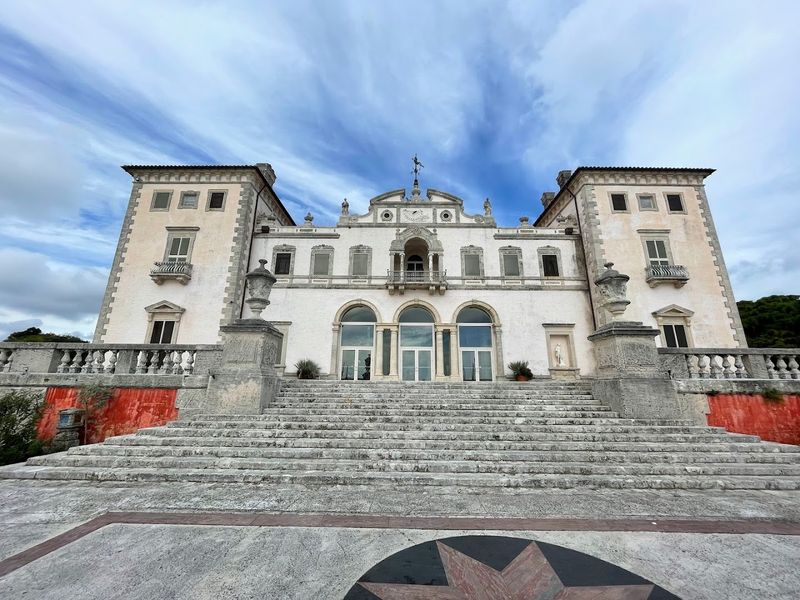
As of early 2026, Vizcaya is actively undergoing preservation and renovation work that affects parts of the mansion, particularly the second-floor bedrooms, the north wing rooms, and the pool area. Several of these spaces are temporarily closed to visitors while conservation efforts continue.
This is worth knowing before you go, especially if your main interest is seeing the fully furnished interior rooms as they would have appeared during Deering’s era. The gardens, bay terrace, and many ground-floor rooms remain fully accessible and are arguably the strongest part of the experience anyway.
The official website maintains a regularly updated list of impacted areas, which makes it easy to set accurate expectations before purchasing tickets. Historic properties require ongoing care, and Vizcaya’s team is clearly committed to preserving the estate for future generations, even if that means some temporary inconvenience for current visitors.
The Cultural Heartbeat of the Estate
There is a lively cultural energy at Vizcaya that goes beyond the history books. On any given weekend, the gardens serve as a backdrop for quinceañera celebrations, engagement shoots, anniversary portraits, and wedding photography sessions that fill the pathways with color, music, and genuine joy.
Seeing families gather at a landmark like this for milestone celebrations adds a layer of meaning to the visit that no museum exhibit can fully replicate. The estate has woven itself into the fabric of Miami’s Latin community in a way that feels organic and deeply rooted.
The mix of tourists, locals, photographers, and celebrating families creates an atmosphere that is social without being chaotic. It is the kind of place where you might walk around a corner and find a stunning formal portrait session in progress, which adds spontaneous visual interest to the experience at every turn.
Why Vizcaya Stays With You Long After You Leave
Some places are pleasant to visit and easy to forget. Vizcaya is not one of them.
The combination of architectural ambition, natural beauty, historical depth, and waterfront setting creates an experience that tends to linger in the memory well after you have driven back into the city.
The estate manages to feel both grand and personal at the same time, which is a rare quality. You can spend a quiet hour in the orchid garden, then turn a corner and find yourself standing at the edge of Biscayne Bay with the wind off the water and the Stone Barge in the distance, and the two experiences feel equally meaningful.
Vizcaya is the kind of destination that earns repeat visits, whether you are returning after 20 years or coming back the following season to see what the renovated rooms look like once the work is complete. It rewards attention, patience, and curiosity in equal measure.



