 Unearth The Voyage
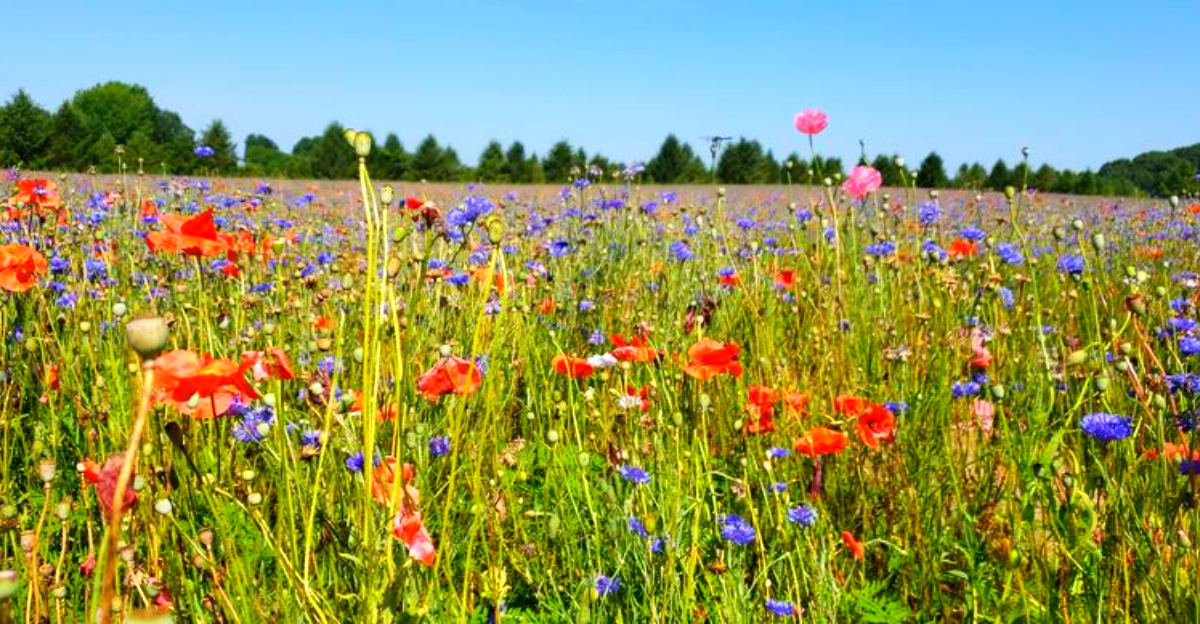
A sweep of red, white, and blue blooms in West Michigan sounds almost too theatrical to be real, yet this quiet field delivers exactly that kind of double take. What surprised me most was not only the color, but the deeper story rooted beneath it, a story that gives every petal more weight and every path more meaning.
There is a brief window when the place looks almost unreal, the light turns soft, the flowers ripple in the breeze, and you suddenly understand why people compare it to a painting. Keep reading and I will show you where it is, when to go, how to see it at its best, and why this poppy field in Fennville feels far more personal and memorable than a pretty photo stop.
The address that leads to the color
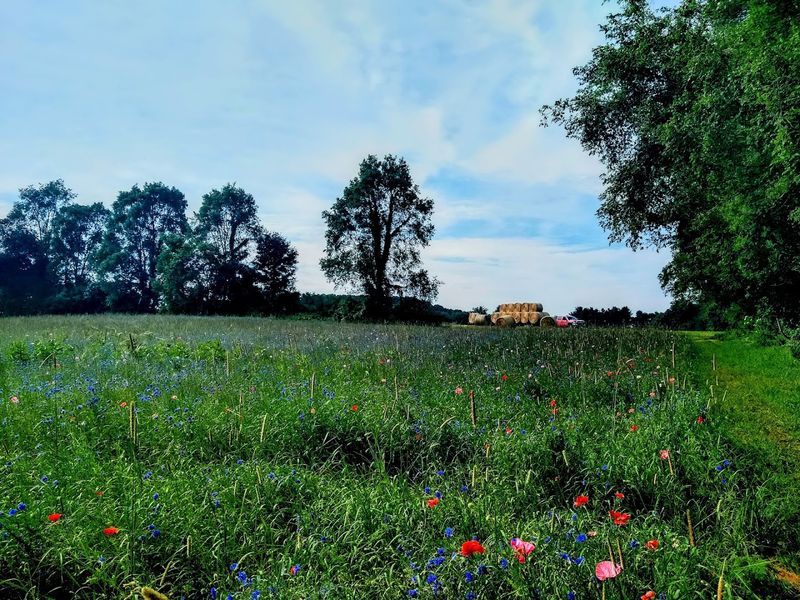
The secret is not much of a secret once you have the address: Pretty Poppy Field at Pleasant Hill Farm, 5897 124th Ave, Fennville, MI 49408, in the United States. I liked that the drive there felt rural and calm, with the landscape slowly preparing me for the burst of color waiting at the end.
This is not a flashy roadside attraction with neon energy. It feels personal, grounded, and cared for, which makes the first view of the blooms even more striking when the field finally opens in front of you.
The place is also connected to the Google Maps listing for Pretty Poppy Field in Fennville, and that helped me find it without confusion. Once I arrived, the mood shifted from simple sightseeing to something gentler, and that sense of meaning only grew stronger as I spent more time there.
Why this field feels different
Beauty gets your attention here, but the reason behind it stays with you much longer. This field was planted as a tribute to the owner’s son, a veteran and beekeeper, and that personal purpose changes the way you experience every row of poppies.
I did not leave feeling like I had checked off another scenic stop. The field carries a quiet memorial spirit, offering a peaceful place for veterans, grieving families, and visitors who simply need a slower, softer setting for reflection.
That emotional layer never feels heavy handed or staged. Instead, it gives the flowers more presence, as if the color is doing more than showing off for cameras and summer sunshine.
I found myself speaking more softly, lingering longer, and noticing how respectful the atmosphere remained even when other visitors arrived. The next thing that stood out was how the landscape itself shapes that feeling.
A four-acre canvas in bloom
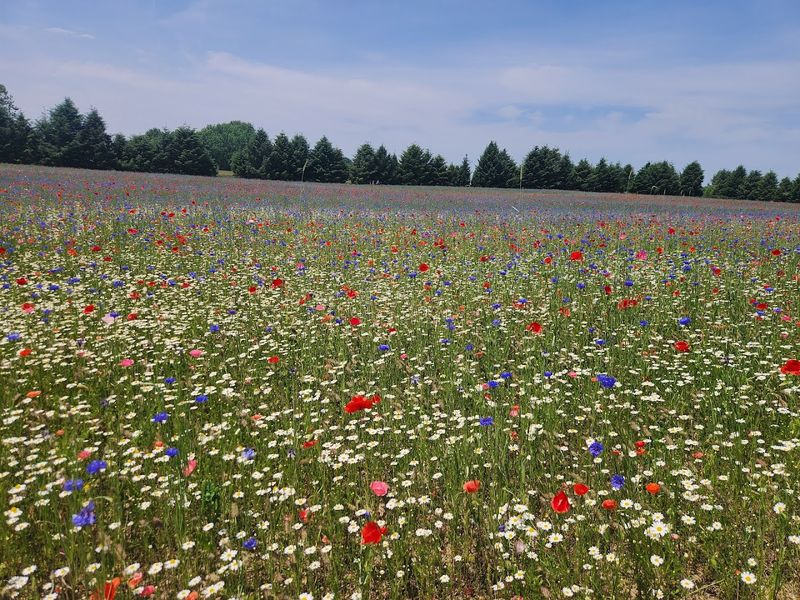
The scale of the field is what really sells the first impression. Four acres of poppies create enough color and motion to feel immersive, yet the farm setting keeps it from seeming overwhelming or overbuilt.
Red blooms do most of the scene stealing, but the white and blue flowers add rhythm and contrast that make the whole display feel carefully composed. On a bright day, the colors look crisp and cheerful, while softer light turns the field calmer and more textured.
I kept noticing how the breeze changed everything from one minute to the next. The flowers never looked static, which made the view feel alive rather than posed.
That movement is part of why people compare it to artwork, though in person it feels more immediate and less polished. The field has edges, paths, and practical details too, and those small realities make the experience stronger in the section ahead.
The paths that keep it beautiful
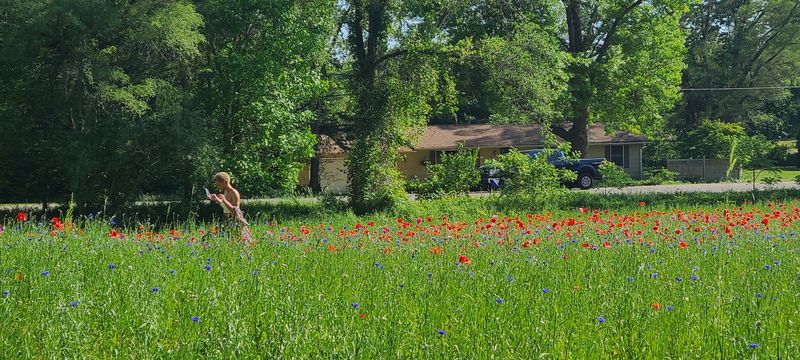
A place this delicate needs a little cooperation from everyone, and that is clear as soon as you start exploring. Designated paths help protect the flowers, and I appreciated how simple that system was without feeling restrictive.
Staying on the paths is not just a rule for the sake of rules. Poppies are fragile, and one careless shortcut can flatten stems, break blooms, and change the look of the field for the next person who comes hoping to see it at its best.
I found that the paths actually improved my visit because they slowed me down and framed the views in smart ways. Instead of wandering aimlessly, I paid closer attention to details like petal texture, shifting color bands, and little pockets of shade.
Comfortable shoes also matter more than you might expect on a farm setting, especially if the ground is uneven after weather changes. Timing, though, turns out to be just as important as footwear.
The short season that matters most
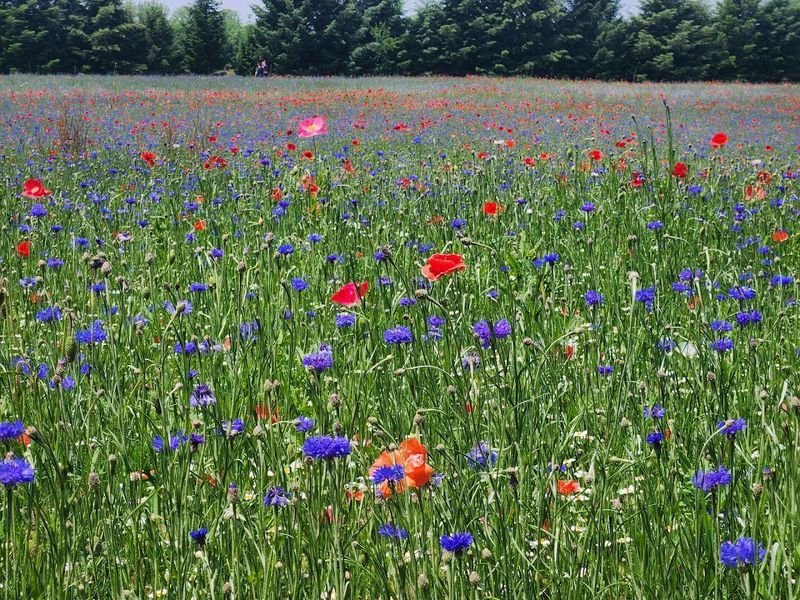
The field does not wait around all summer, and that limited window is part of its appeal. Peak bloom typically runs from mid-June through early July, so planning matters if you want the richest color and fullest coverage.
I always like destinations with a little urgency because they make a trip feel more intentional. Here, that timing is practical rather than stressful, especially if you check current updates before driving out and stay flexible around weather and bloom conditions.
The sweet spot can shift slightly, which is why the farm’s latest posts are worth checking before you leave home. A day or two can change the look of a flower field more than people realize, and this one is especially tied to seasonal rhythm.
When the blooms line up with good light, the place feels almost stage ready without losing its quiet personality. That light, as it happens, is one of the biggest reasons to arrive early.
Morning light wins this round
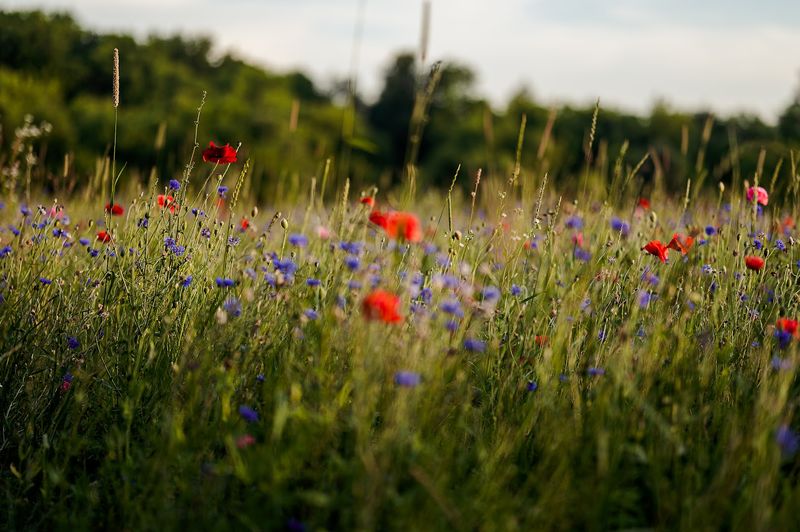
Early morning gives this field a calmer mood and, frankly, much better lighting. The softer sun brings out the texture of the petals, reduces harsh contrast, and lets the reds, whites, and blues read clearly in photos and in person.
I also liked arriving before the place felt busy. Fewer people meant more quiet, easier parking, and a chance to stand still for a minute without hearing constant chatter or waiting for a clear view down the path.
Morning visits feel less rushed, almost as if the field is still waking up. The breeze tends to be gentler, the colors feel fresher, and the entire farm carries a peaceful energy that suits the memorial purpose behind it.
Even if you are not focused on photography, the early light simply makes the experience more comfortable and memorable. Of course, once you start taking pictures, you quickly see why this stop has become such a visual favorite.
Why every angle looks photo ready
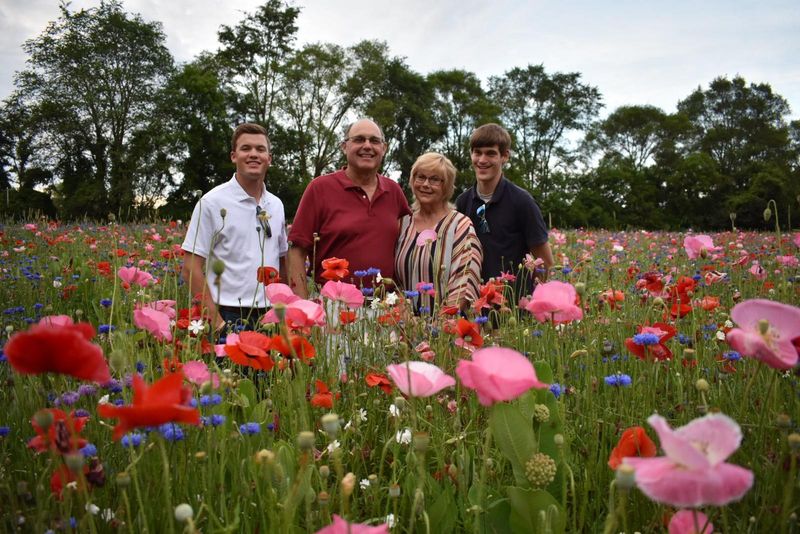
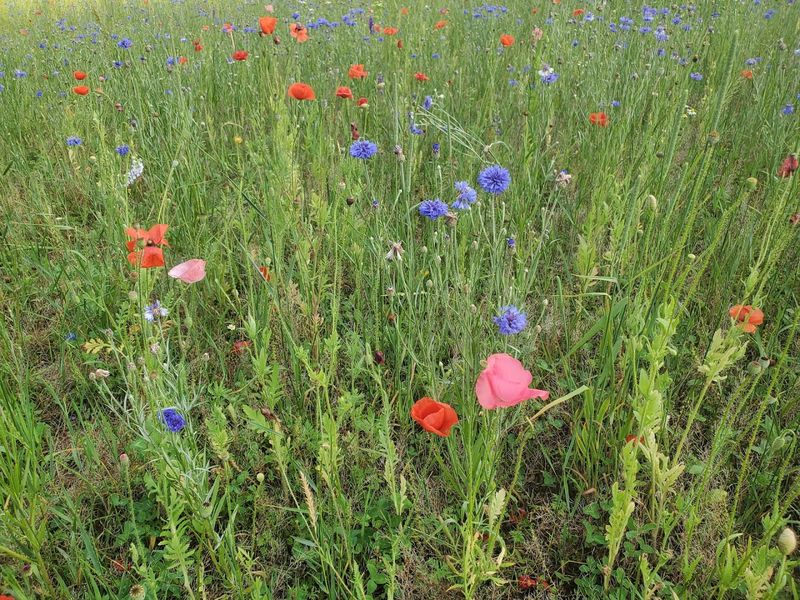
Some places look great only from one lucky angle, but this field gives you options. Wide shots capture the sweep of color across the farm, while close views reveal crinkled petals, layered tones, and those soft movements that make each frame feel lively.
I found myself alternating between standing back and getting closer because the visual experience keeps changing. A narrow path can suddenly frame a broad wash of red, then a small patch of white and blue takes over like a carefully placed accent.
That variety is useful if you want photos that feel more personal than standard scenic snapshots. It also helps that the rural surroundings stay simple, so your eye returns to the flowers instead of bouncing around cluttered backgrounds.
Even with a phone camera, the field rewards patience more than fancy gear, which I always appreciate. Yet the most memorable part was not the photos I took, but the atmosphere I felt while putting the camera down.
A quiet mood under all that color
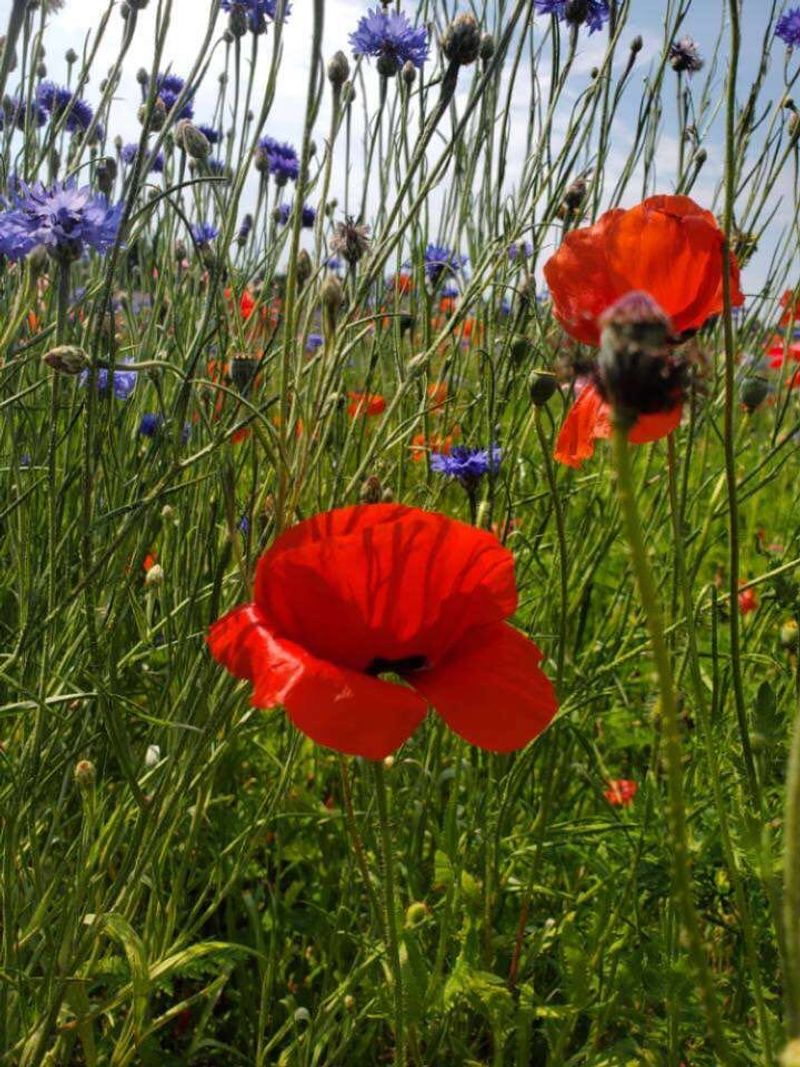
For a place covered in bright flowers, the mood is surprisingly calm. I expected visual drama, and I got it, but I also found a respectful hush that made the field feel more restorative than performative.
People naturally seemed to lower their voices here, and that fit the setting. The memorial purpose gives the visit an emotional center, so even simple moments like pausing at the edge of a path feel more thoughtful than they might elsewhere.
I liked that the field leaves room for different kinds of visitors. Some come for photos, some for personal reflection, and some just need a peaceful outdoor place where beauty is allowed to do its quiet work.
That flexibility makes the destination feel welcoming without becoming noisy or distracted. It is one of the rare scenic stops where silence actually adds to the experience instead of signaling that nothing is happening.
The surrounding Fennville countryside helps shape that calm in ways you notice more with every minute.
How the countryside shapes the experience
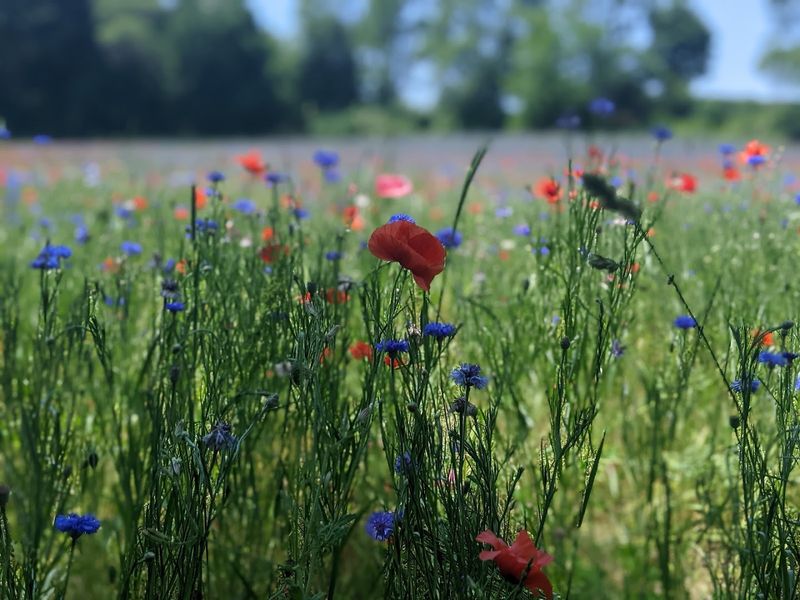
Fennville’s rural setting does a lot of quiet work behind the scenes. Open sky, farm roads, and the slower pace of the surrounding area make the field feel properly set apart from daily noise and crowded schedules.
I noticed that the approach matters almost as much as the arrival. The countryside strips away some of the usual hurry, so by the time the flowers come into view, you are already more receptive to the calm and color in front of you.
That sense of space gives the field breathing room. Nothing about the destination feels boxed in, and the openness makes the bloom display appear even broader and more luminous against the landscape.
It also turns a simple visit into a small outing rather than a quick roadside stop. If you enjoy places that ask you to slow down without lecturing you about slowing down, this one gets the point across beautifully.
Next comes the practical side that can save you from a slightly fussy visit.
Simple tips that make the visit smoother
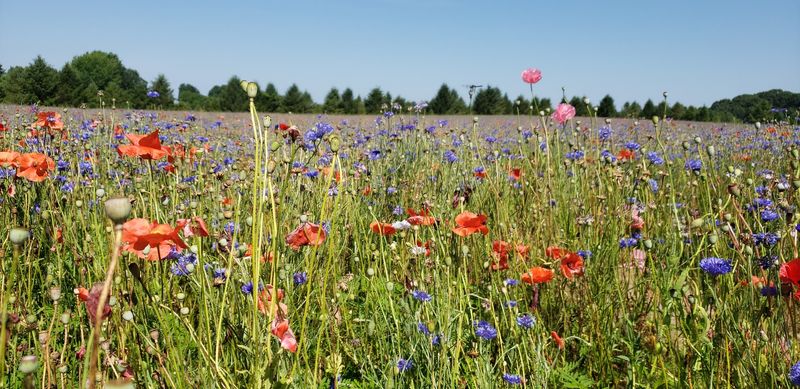
A little preparation goes a long way at this field, and none of it is complicated. I would wear comfortable shoes, check bloom updates before leaving, and plan for a slower visit instead of rushing in with a tight schedule.
The ground can be uneven because this is a farm setting, not a polished plaza, so practical footwear really helps. I also think it is smart to bring water, use sun protection, and keep expectations flexible if weather or bloom timing shifts the look of the field.
Most of all, respect the paths and the tone of the place. This is a beautiful destination, but it is also a meaningful one, and a considerate attitude makes the experience better for everyone sharing the space.
I appreciated how easy it was to enjoy the field without needing special gear, reservations, or a complicated plan. Sometimes the best travel moments come from showing up prepared, paying attention, and letting the setting do the talking.
There is still one more reason this place stays in my mind.
More than a photo stop
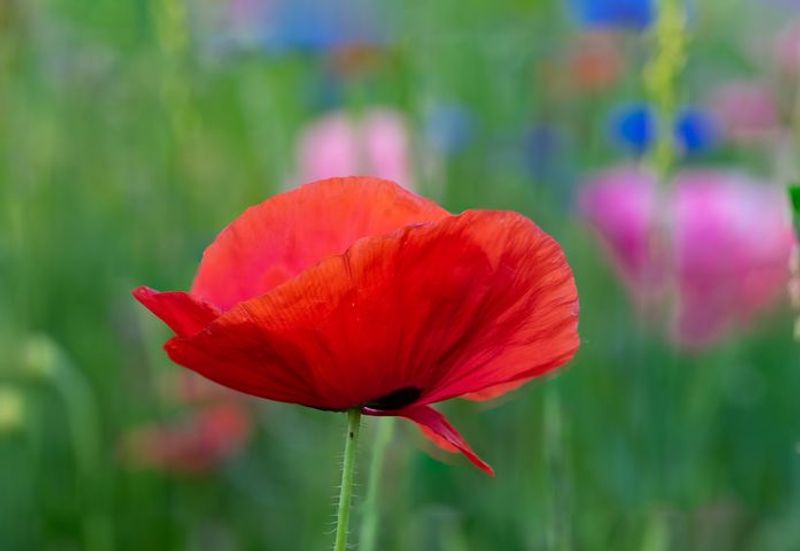
Plenty of flower fields are pretty for ten minutes and then feel repetitive, but this one held my attention much longer. The combination of visual beauty, memorial purpose, and peaceful farm setting gives it depth that keeps unfolding as you move through it.
I came for the color and stayed for the feeling. That is the simplest way to explain why Pretty Poppy Field stands out among seasonal attractions that often rely on novelty alone and fade from memory once the photos are saved.
Here, the story matters, the setting matters, and your own pace matters too. I never felt pushed toward a single perfect viewpoint or a checklist of must-do moments, which made the visit feel more personal and less curated.
The field invites you to look closely, slow down, and carry a little more care with you than you brought in. That is not something every scenic destination can claim honestly.
All that remains is the quiet ending this place earns without trying too hard.
The kind of ending a summer drive deserves
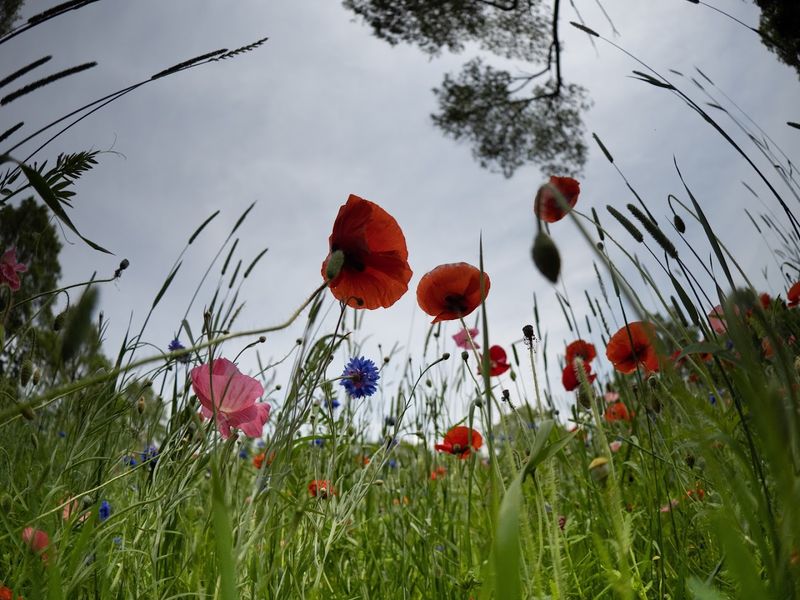
By the time I left, the field had done something rare: it felt both vivid and gentle at once. Pretty Poppy Field in Fennville, Michigan, delivers striking color, but its real strength is how gracefully that beauty is tied to remembrance, care, and quiet respect.
I think that is why the place lingers after the visit ends. You remember the broad sweep of blooms, yes, but you also remember the stillness, the purpose, and the simple pleasure of seeing a landscape treated thoughtfully instead of turned into a spectacle.
For a short seasonal stop, it leaves a surprisingly lasting impression. Go during peak bloom, arrive early if you can, stay on the paths, and give yourself enough time to absorb more than the obvious view.
The field does not need grand promises or dramatic language to win you over. It just needs a little summer light and a visitor willing to slow down long enough to see what makes it special.
That is exactly what I found there, and it was enough.



