 Unearth The Voyage
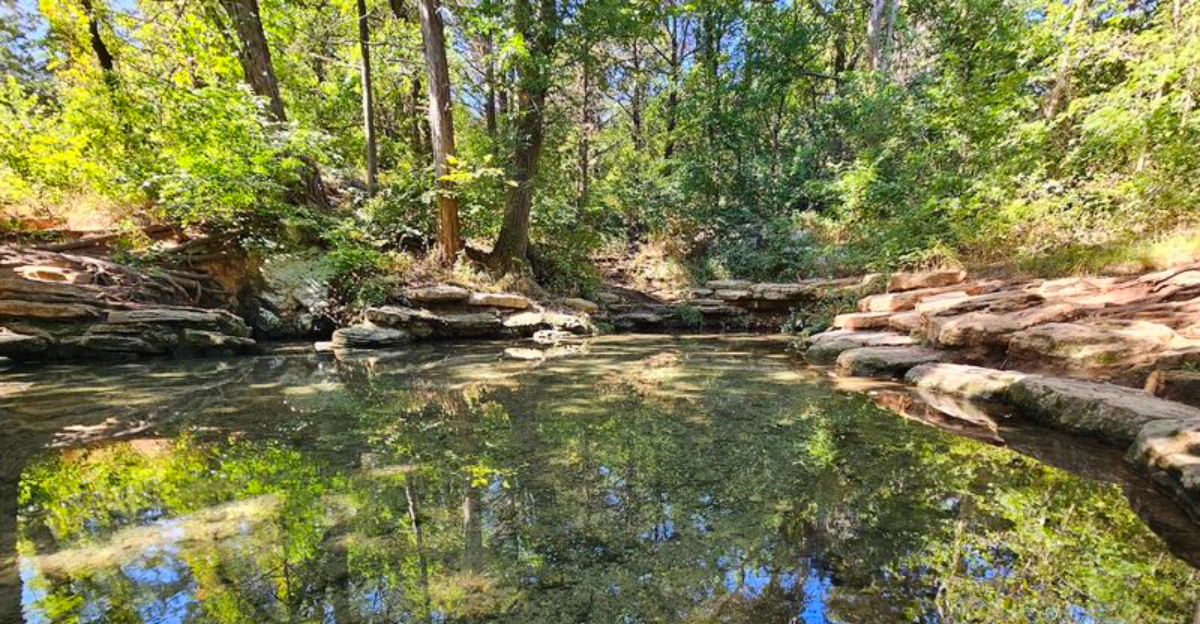
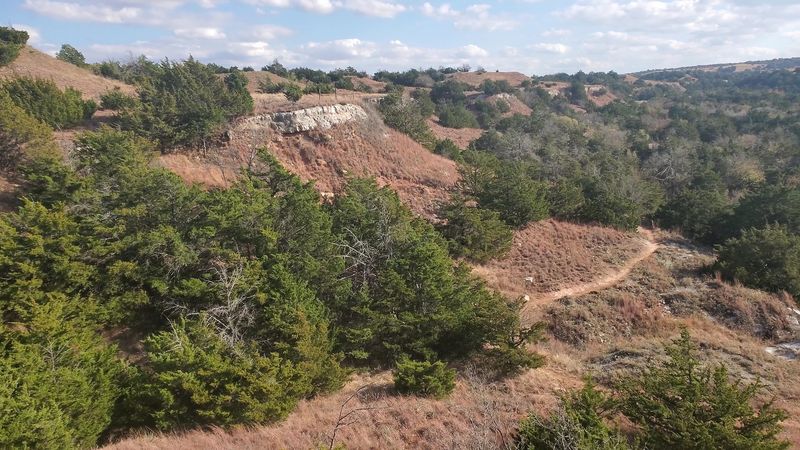
There is a canyon in western Oklahoma that quietly holds centuries of history, natural beauty, and cultural significance all in one place. Red cedar trees line the ridges, natural springs bubble up from the earth, and the canyon walls glow warm amber and rust in the afternoon light.
The park is named after a revered Cheyenne leader, and that connection to the Southern Cheyenne people runs through every trail and overlook. Whether you are a hiker, a history lover, or someone who just needs a weekend away from the city, this place has a way of making you slow down and pay attention.
Where the Canyon Begins: Location and First Impressions
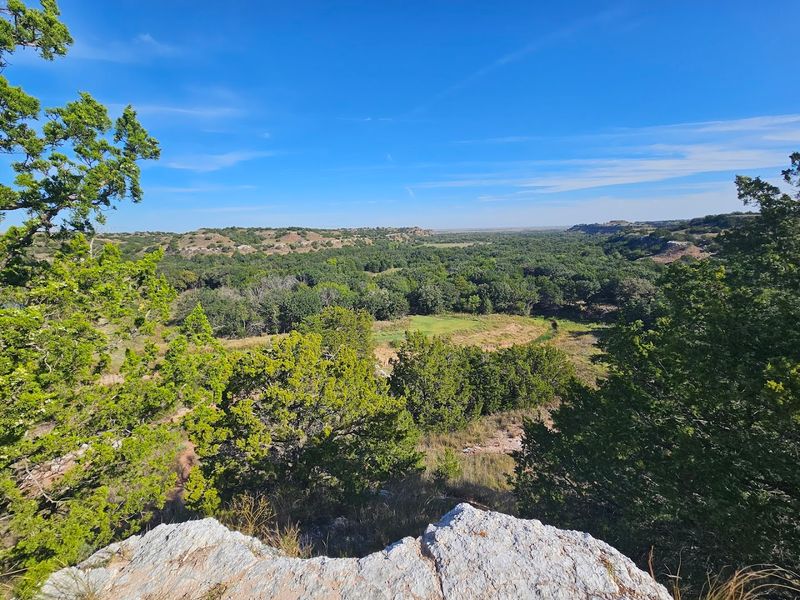
The address is 3236 OK-8A, Watonga, OK 73772, and the drive out there already gives you a hint of what is coming. The flat Oklahoma plains gradually give way to rolling terrain, and then the canyon appears almost without warning, cutting deep into the red earth like a secret the land kept to itself.
Roman Nose State Park sits about 7 miles north of Watonga in Blaine County, in the heart of western Oklahoma. The park covers over 700 acres, and the landscape here feels genuinely different from most of the state, with cedar-lined ridges, rugged canyon walls, and a surprising amount of green tucked into the rocky terrain.
The lodge greets you at the top of the canyon, and the view from the parking area alone is worth the drive. Staff at the front desk are friendly and ready to point you toward trails, activities, or a table in the dining room.
First-time visitors often spend a few extra minutes just standing at the canyon rim, taking it all in before doing anything else.
The Cheyenne Connection: Why This Place Carries Cultural Weight
The park takes its name from Henry Roman Nose, a respected leader of the Southern Cheyenne people who lived in this region during the late 1800s. He was known for his diplomacy and his deep connection to the land, and the canyon area around the park was part of the traditional territory where the Cheyenne and Arapaho peoples lived, hunted, and gathered.
That history is not just a footnote here. The lodge interior features exhibits and artwork that reflect the Cheyenne and Arapaho cultural heritage, and the whole atmosphere of the park carries a quiet reverence for that legacy.
The natural springs that feed the canyon were considered sacred, and visitors today can still sense why this landscape inspired such deep respect.
The Southern Cheyenne and Arapaho Tribes are still a living, active community in western Oklahoma, and the park serves as a meaningful point of connection between their past and the present. Learning even a little about that history before your visit adds a whole new layer to every trail you walk and every overlook you stop at along the way.
Canyon Trails and the Views That Make Them Worth Every Step
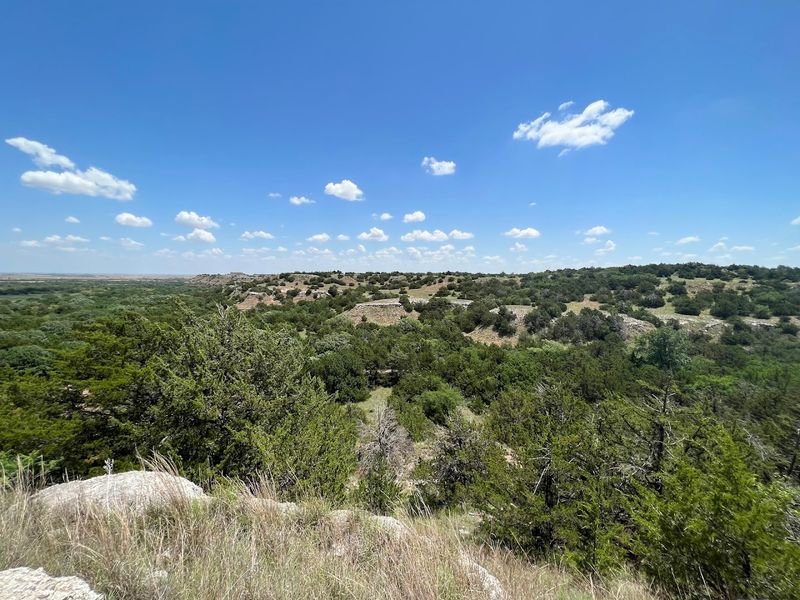
The trail system at Roman Nose State Park is one of its biggest draws, and it delivers views that feel almost out of place in Oklahoma in the best possible way. The Inspiration Point trail is the one most visitors talk about, a moderately challenging path that winds through the canyon and climbs to a rocky overlook with a sweeping view of the surrounding red rock terrain.
The trail from the lodge to Inspiration Point has some steep sections, so solid footwear is a smart call. The ADA-accessible paved trail connects the lodge to the canyon area and is a great option for visitors who want scenery without the steep climbs.
The Lower Loop trail has earned a reputation for surprises, including a small waterfall and some cave formations tucked into the canyon walls.
Trail conditions can vary depending on the season and recent maintenance, so checking in at the front desk before heading out is always a good idea. Early morning hikes offer the best light on the canyon walls and a much better chance of spotting wildlife, including deer, wild turkey, and the occasional red-tailed hawk riding the thermals above the ridgeline.
Natural Springs: The Hidden Heartbeat of the Park
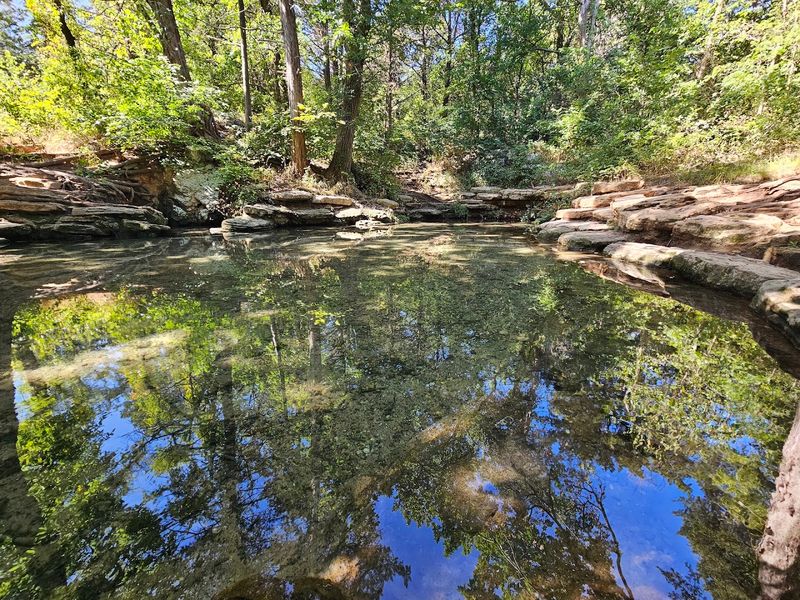
Few things set Roman Nose State Park apart from other Oklahoma parks quite like the natural springs that flow through the canyon. These springs have been here for centuries, feeding the creek that winds through the canyon floor and keeping the vegetation surprisingly lush even during dry stretches of summer.
The springs were historically significant to the Cheyenne people, who recognized this water source as something precious in an otherwise arid landscape. Today, the park maintains one of the most unique outdoor swimming pools in the state, fed directly by those natural spring waters.
The pool is cool and clear, and on a hot Oklahoma afternoon, it feels like a reward for making the drive out here.
The pool does operate on a seasonal schedule and is typically open on weekends during summer, so checking ahead before planning your visit around a swim is a smart move. The spring-fed creek also attracts a variety of birds and small wildlife, making the canyon floor a surprisingly productive spot for casual nature watching.
That steady trickle of cold, clear water through warm red rock is one of those small details that sticks with you long after you leave.
Lodging Options: From Cozy Cabins to Canyon-View Rooms
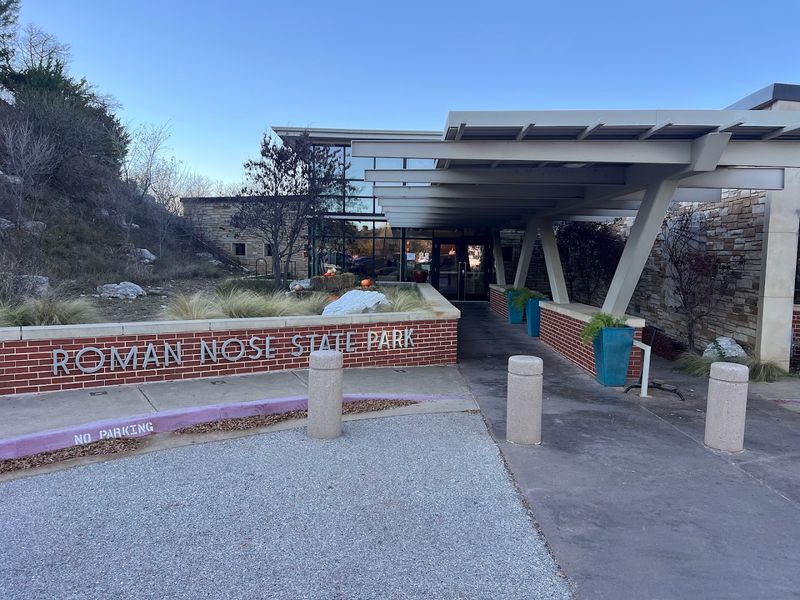
The lodging at Roman Nose State Park covers a range of options, which makes it easy to plan a trip whether you are coming solo, as a couple, or with a full family in tow. The main lodge sits right at the canyon rim, and rooms there come with satellite TV, minifridges, and coffee makers, plus free Wi-Fi and views of the park and canyon below.
The cabins are a step up in space and comfort, with living and dining areas, kitchenettes, and that same access to the surrounding trails and scenery. Cabins have concrete picnic tables, fire pits, and grills just outside, which makes them a solid choice for anyone who wants the outdoor campfire experience without sleeping on the ground.
Bringing your own pillows and extra bedding is a tip worth taking seriously, as the beds are functional but not exactly plush.
Tent camping and RV sites are also available throughout the park, with multiple campground areas including Beaver Dam Campground, which visitors have praised for its clean bathrooms and well-maintained facilities. The park is pet-friendly and kid-friendly, and the combination of indoor comfort and outdoor access makes it a genuinely flexible place to base yourself for a weekend of canyon exploration.
The Lodge Dining Room and the General Store
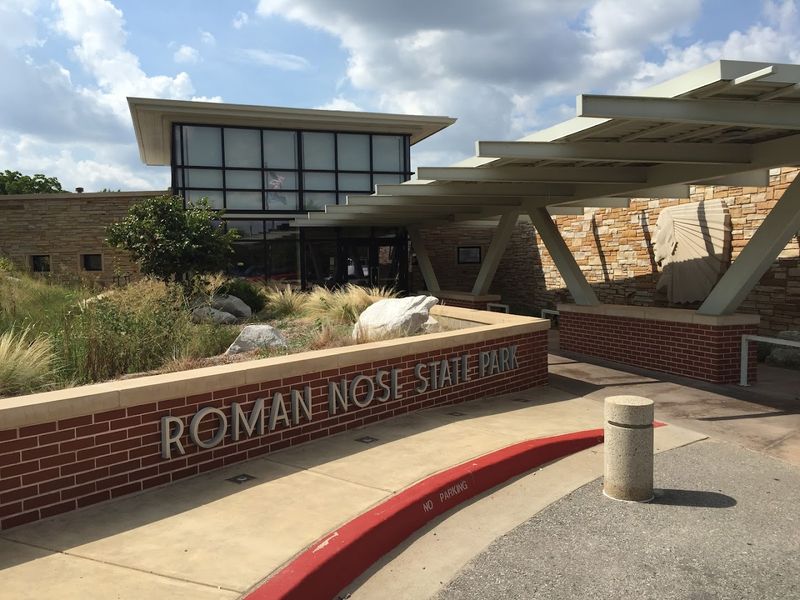
There is something satisfying about eating a meal with a canyon view, and the dining room at Roman Nose State Park delivers exactly that. The restaurant inside the lodge serves straightforward, hearty food in a setting that feels warm and unhurried, with decor that reflects the Cheyenne and Arapaho heritage of the region.
Hours and availability can shift by season, and there have been times when the restaurant was closed for maintenance or staffing reasons, so confirming ahead of your visit is worth the extra step. The general store near the campground area is a helpful backup and, according to more than a few regulars, a surprisingly good spot for country-style meals and snacks.
It stocks basic supplies, small gifts, and enough provisions to keep a camping trip running smoothly.
The store has a casual, welcoming feel that matches the overall tone of the park, and the staff there tend to be genuinely helpful when you have questions about trails or activities. Whether you grab a full sit-down meal at the lodge or pick up supplies at the store, the food situation at Roman Nose is more than adequate for a weekend stay, even if it is not the main reason most people make the trip.
Golf Among the Canyons: An Unexpectedly Scenic Round
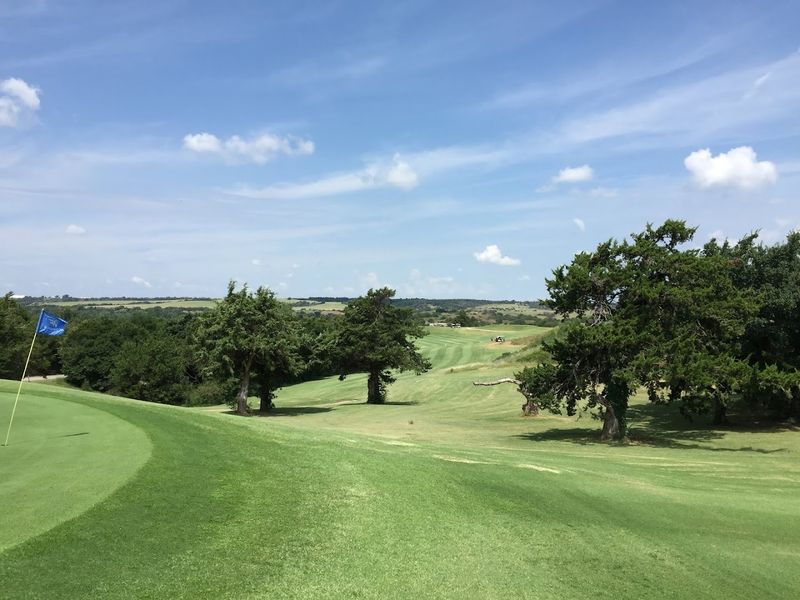
Not every state park has an 18-hole golf course, and Roman Nose State Park is not shy about the fact that this one is genuinely unusual. The course runs alongside and over the canyon terrain, meaning that a wayward shot can end up somewhere that no amount of searching will recover it.
The local advice is straightforward: if the ball goes deep into the rough near a canyon edge, let it go and drop a new one.
The layout takes full advantage of the dramatic landscape, and even non-golfers who wander over to watch can appreciate the visual contrast of manicured fairways against jagged red rock canyon walls. The course has been noted for being in good shape, with the canyon setting giving it a character that flat-land courses simply cannot replicate.
Some visitors feel the golf course dominates a bit too much of the park’s footprint, and that is a fair point of debate. But for golfers, the combination of a challenging layout and scenery that looks nothing like a typical Oklahoma course makes this one worth putting on the bucket list.
Tee times can be arranged through the park, and the pro shop is on-site for equipment needs.
Water Activities and the Story of the Lakes
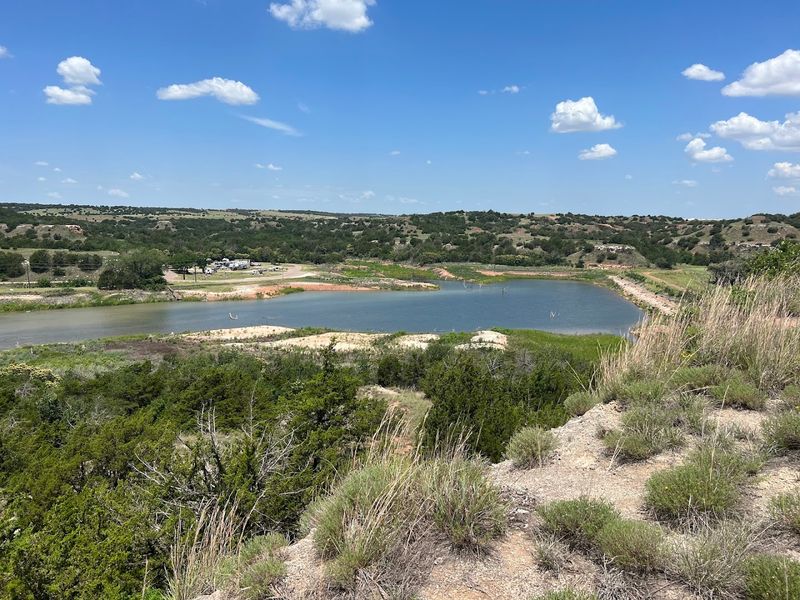
Roman Nose State Park is home to two lakes, Boecher Lake and Watonga Lake, and they have been at the center of a frustrating chapter in the park’s recent history. Both lakes have been largely dry due to dam failures and ongoing construction, leaving visitors who arrived expecting to kayak or fish looking at cracked earth and sparse water channels instead.
The park has been working on repairs, and the timeline for refilling the lakes has been a moving target. When the lakes are at full capacity, they support kayaking, paddle boating, and fishing, and those activities transform the park into a much more complete outdoor destination.
The spring-fed pool partially fills the gap for swimming, but the lakes are genuinely missed when they are not available.
Checking the park’s current status before booking is strongly recommended, especially if water activities are the main reason for your trip. The Oklahoma State Parks website and a quick phone call to the park at 405-295-8210 will give you the most up-to-date picture.
When the lakes eventually return to full operation, Roman Nose will reclaim a big part of what makes it special, and that day is worth looking forward to.
Stargazing, Wildlife, and the Quiet Side of the Canyon
After the day hikers pack up and the golf carts go quiet, Roman Nose State Park reveals a completely different personality. The park sits far enough from city lights that the night sky becomes genuinely spectacular, with the Milky Way visible on clear nights and constellations sharp enough to make even casual stargazers stop and stare.
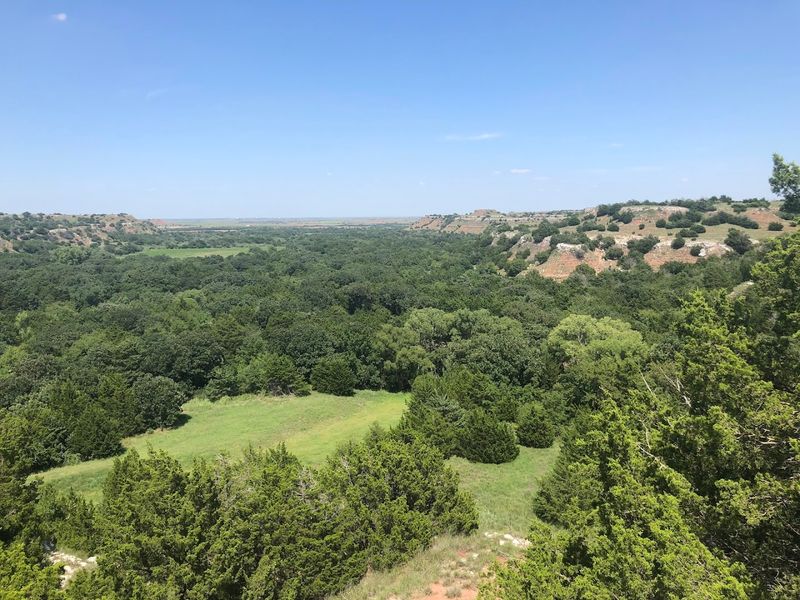
The canyon terrain and cedar forest support a healthy variety of wildlife, and mornings in the park are particularly active. Deer move through the canyon edges at dawn, wild turkey are common near the campground areas, and the bird life along the creek corridor includes species that casual birdwatchers will find rewarding.
Red-tailed hawks and other raptors are frequently spotted riding the air currents above the canyon rim.
The general quietness of the park, especially outside peak summer weekends, is one of its underrated qualities. There is a stillness in the canyon that feels genuinely restorative, and the combination of red rock walls, cedar scent, and open sky creates an atmosphere that is hard to find anywhere else in Oklahoma.
Bringing a good pair of binoculars and a star chart adds a lot to an overnight stay here.
Planning Your Visit: Practical Tips for a Smooth Trip
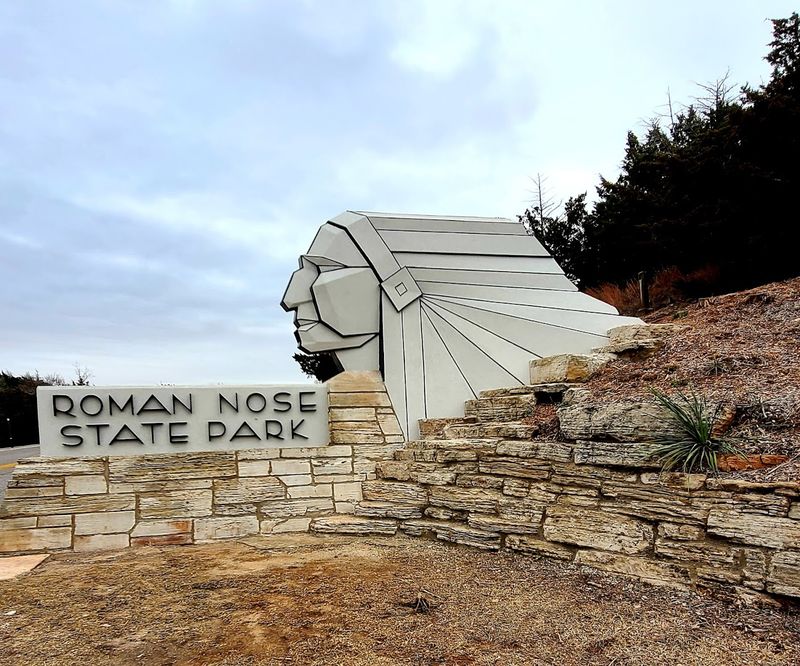
A little planning goes a long way at Roman Nose State Park, mostly because conditions here can shift depending on the season and ongoing park projects. The park is located at 3236 OK-8A, Watonga, OK 73772, and can be reached by phone at 405-295-2770 or through the official site at travelok.com/state-parks/roman-nose-state-park.
Calling ahead before your visit is genuinely useful, not just for checking lake and trail status, but also for confirming restaurant hours, pool schedules, and general store availability. The pool, fed by natural springs, is typically open on summer weekends and requires a small fee.
Shower tokens are used at the campground facilities, so bringing some cash is a practical move.
Spring and fall tend to offer the best combination of comfortable temperatures and manageable crowds, and the canyon colors in autumn are particularly striking. Summer visits are popular for the pool and longer daylight hours, but the heat in western Oklahoma can be serious, so carrying plenty of water on any trail is non-negotiable.
The park is pet-friendly and kid-friendly, and the mix of cabins, tent sites, and RV spots means most travel styles can find a comfortable fit here.



