 Unearth The Voyage
There is a place in Tallahassee where camellia blossoms crowd the pathways in February, Spanish moss drapes the live oaks like curtains, and the whole scene feels almost too beautiful to be real. I had heard about it from a few locals before my visit, and honestly, I kept putting it off, thinking it was just another pretty park.
That was a mistake I will not make again. From the moment I walked through the entrance, I knew this was something different, a carefully tended landscape with real history behind it, trails that loop around a shimmering lake, and enough to do that you could spend an entire day here without running out of reasons to stay.
Keep reading, because this park has a lot more going on than flowers.
Finding the Park: Address, Location, and First Impressions

The address is 3540 Thomasville Rd, Tallahassee, and the drive there is already pleasant, with tall trees lining both sides of the road as you head north through the city.
The park sits just off Thomasville Road, which is one of Tallahassee’s most scenic corridors, and the entrance does not disappoint. A ranger booth greets you at the gate, and the staff there are genuinely friendly and happy to answer questions before you head in.
One thing worth knowing before you arrive: during the blooming season from January through April, there is a separate garden admission fee on top of the standard park entry.
The History Behind the Gardens
Alfred B. Maclay was a New York financier who, along with his wife Louise, began developing this property as a private winter retreat in the 1920s.
What started as a personal passion project gradually became one of the most celebrated ornamental gardens in the American South.
After Alfred passed away in 1944, Louise continued nurturing the gardens and eventually donated the property to the state of Florida in 1953, ensuring that the public could enjoy what the family had spent decades creating.
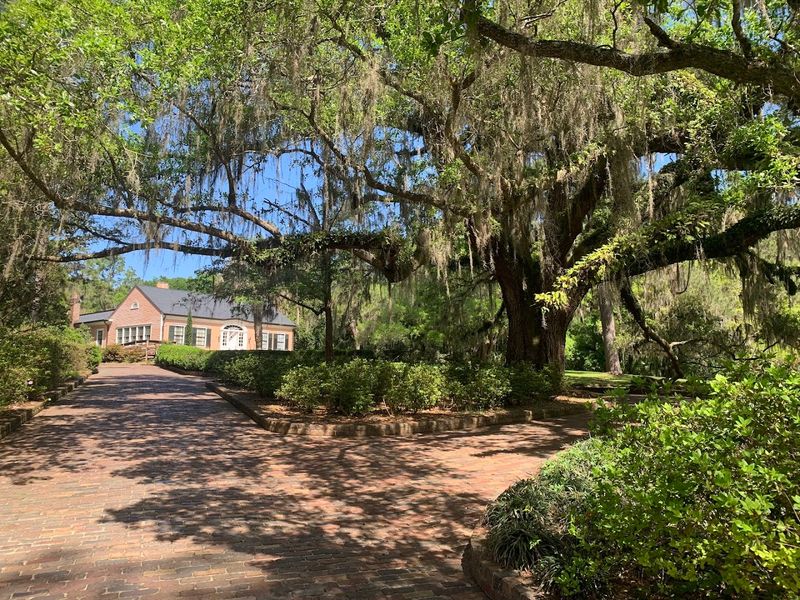
Walking the grounds today, you can feel the weight of that history in the oldest plantings, the brick pathways, and the carefully preserved plantation house that still stands on the property. The ballast bricks used on some of the walkways are an especially interesting detail, and the ranger at the entrance gate will happily tell you their story if you ask.
The Blooming Season: January Through April
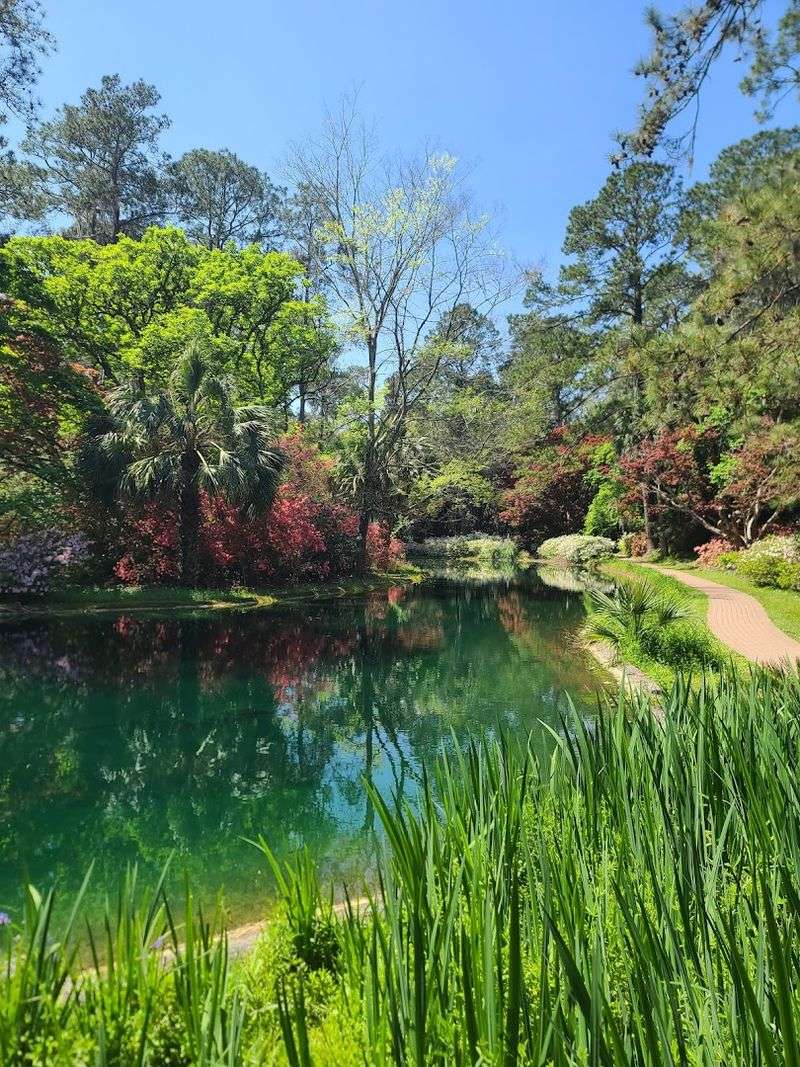
The park is open and enjoyable year-round, but visiting between mid-January and mid-March is a completely different experience from any other time of year. Camellias open first, followed by azaleas in brilliant shades of pink, red, and white, and then saucer magnolias add their soft purple and cream blooms to the mix.
Mid-February is widely considered the sweet spot, when multiple species are peaking at the same time and the garden paths are lined with color at almost every turn. The fragrance alone is worth the trip.
One honest note: late freezes can affect the blooms, and the timing shifts slightly from year to year. Calling the park before you visit during this window is a genuinely useful habit, since conditions on the ground can differ from what you might expect based on the calendar alone.
The Walled Garden: A Quiet Masterpiece
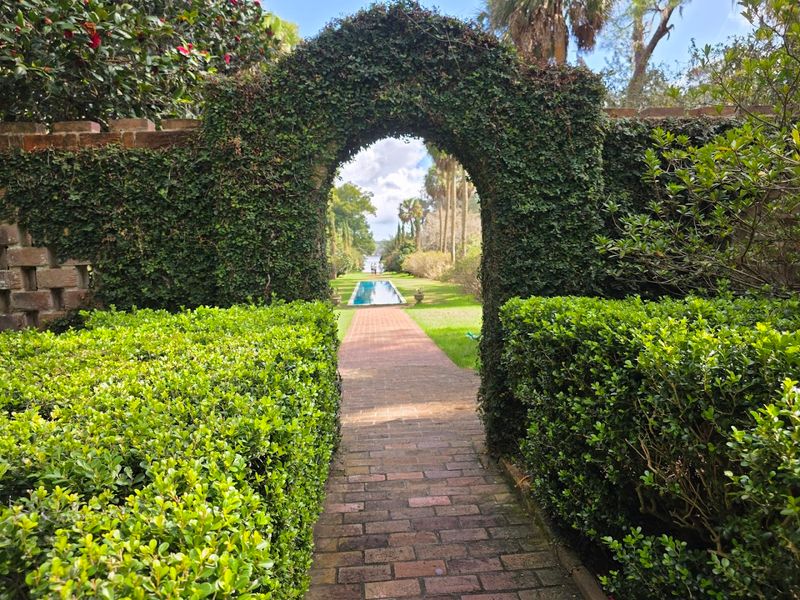
The walled garden is the centerpiece of the whole property, and it earns that title without any argument. Enclosed by a low brick wall, it was designed to feel like an outdoor room, with structured hedgerows, ornamental pools, and planting beds that are kept in meticulous condition throughout the year.
Even outside of bloom season, the geometry of the space is satisfying to walk through, with the careful symmetry of the plantings giving the garden a sense of calm order that is genuinely relaxing.
During peak bloom, the walled garden becomes the most photographed spot in the park, and it is easy to see why. The combination of structured hardscaping and soft, colorful blooms creates a contrast that photographs beautifully and looks even better in person.
Bring a real camera if you have one, because your phone will work hard to keep up.
Trails Around Lake Hall
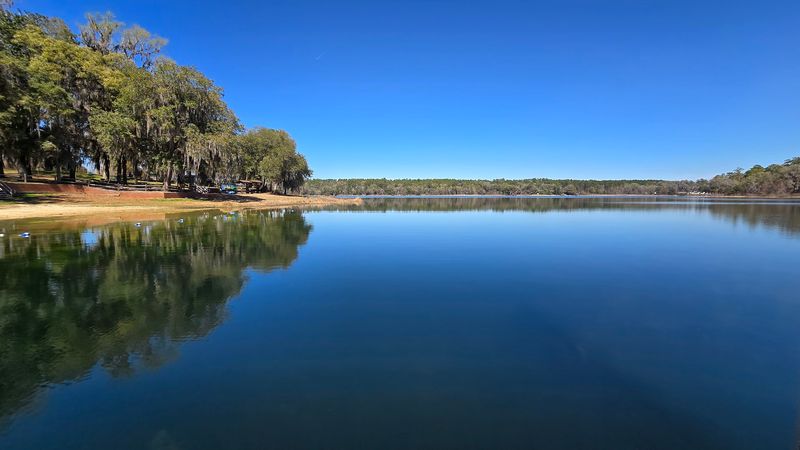
The park has roughly 5.5 miles of trails that wrap around Lake Hall, broken into two or three connected paths that you can mix and match depending on how much time you have. The terrain is flat and easy, making it accessible for most fitness levels, and the trail markings are clear enough that getting turned around is unlikely.
The full loop around the lake takes a couple of hours at a relaxed pace, and the views of the water through the trees are consistently worth stopping for. Early morning visits reward you with mist sitting on the lake surface, which adds a quality to the scenery that is hard to describe without sounding dramatic.
The trails are wide enough for both hikers and cyclists, so bringing a bike is a reasonable option if you want to cover more ground. Wildlife sightings along the water are common, and alligator awareness signs are posted as a useful reminder to stay on the path.
Wildlife You Might Encounter
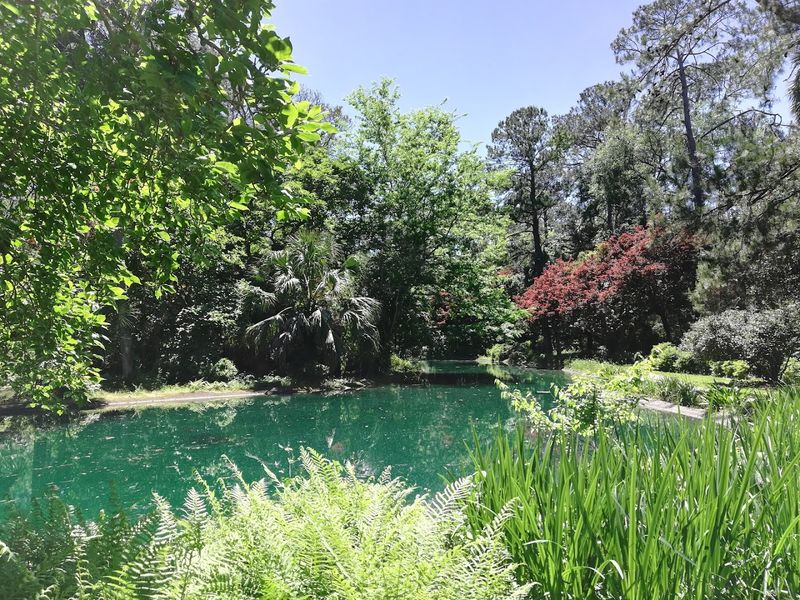
The park is home to a surprisingly varied cast of wildlife, and part of the fun is not knowing exactly what you will come across on any given visit. Birds are plentiful along the lake trail, and patient visitors with binoculars tend to leave with a solid list of sightings.
Golden silk orb-weaver spiders are a common trail companion during warmer months, spinning impressive webs between trees that can catch you off guard if you are not paying attention. They look dramatic but pose no real threat, so the correct response is appreciation rather than alarm.
Alligators are present in and around Lake Hall, as they are in most Florida freshwater bodies, and the posted warning signs are there for a good reason. Keeping a respectful distance and staying on marked trails is all the precaution you need to have a completely enjoyable visit.
The Historic Maclay House
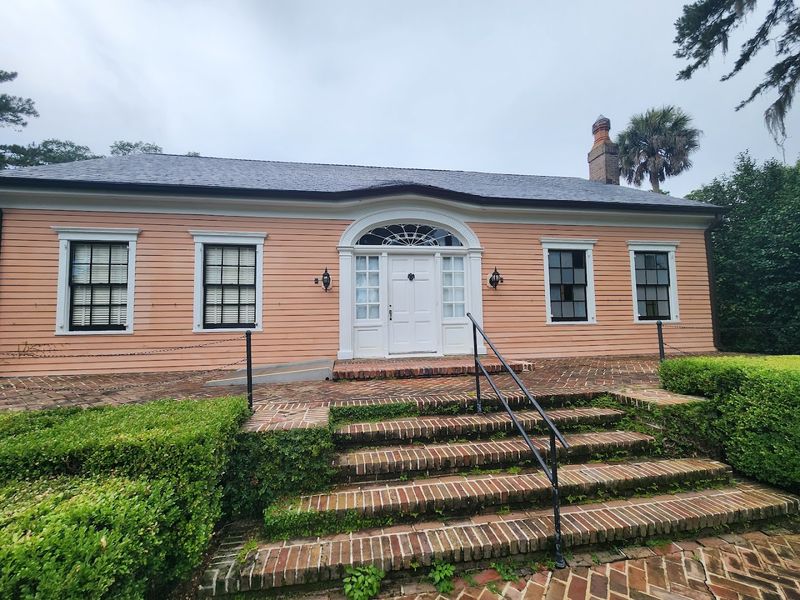
The Maclay House sits within the garden grounds and offers a glimpse into how the family used the property during their winter stays in the early twentieth century. The house is modest by the standards of the era, which makes it feel more personal than grand, and walking through it gives you a real sense of how the Maclay family actually lived here rather than simply owned the land.
Furnishings and personal items are displayed inside, and the layout of the rooms reflects the practical winter-retreat style that was common among northeastern families who came south to escape the cold.
The house is open for tours during certain seasons, so checking the park website at floridastateparks.org/park/Maclay-Gardens before your visit will confirm current access. Even from the outside, the building adds a layer of character to the garden setting that makes the whole property feel more grounded in real human history.
Picnic Areas and Family-Friendly Spaces
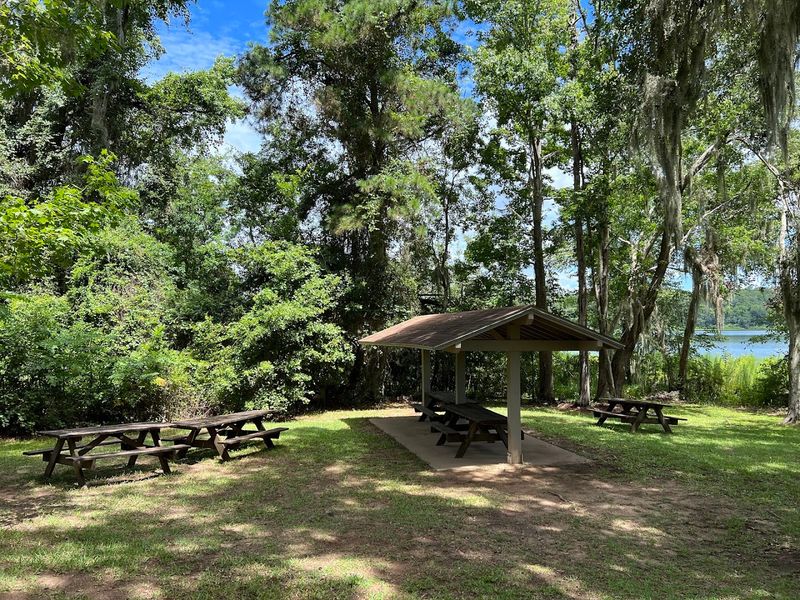
Not every park visit needs to be a power hike or a botanical deep-dive, and Maclay Gardens accommodates the more relaxed approach just as well. The picnic area near the lake is equipped with tables, benches, and BBQ grills, making it a practical spot for families who want to spend a full day without packing up and finding lunch somewhere else.
A playground is also on the grounds, giving younger kids a place to burn energy between garden walks and lakeside strolls. The setting around the picnic area is shaded and quiet, with the lake visible from most of the tables.
Weekend afternoons can get busy here, particularly during spring, so arriving earlier in the day gives you a better chance of securing a good spot. The combination of shade, water views, and a grill is a formula that works reliably well for a relaxed Florida afternoon.
Fishing and Water Activities on Lake Hall
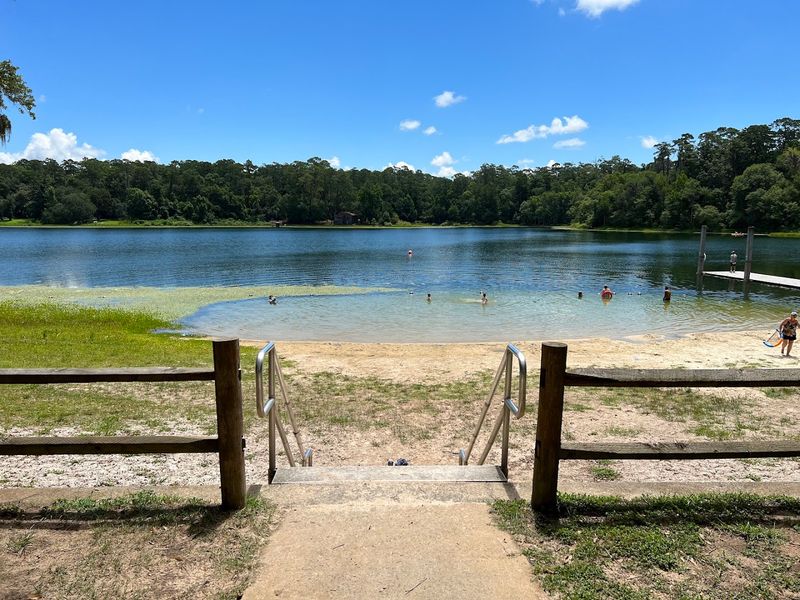
Lake Hall is not just a scenic backdrop. The park offers fishing access along the shoreline, and the lake is known to hold bass and other freshwater species that make it worth bringing a rod if fishing is your thing.
The calm, tree-lined setting makes it one of the more peaceful fishing spots in the Tallahassee area.
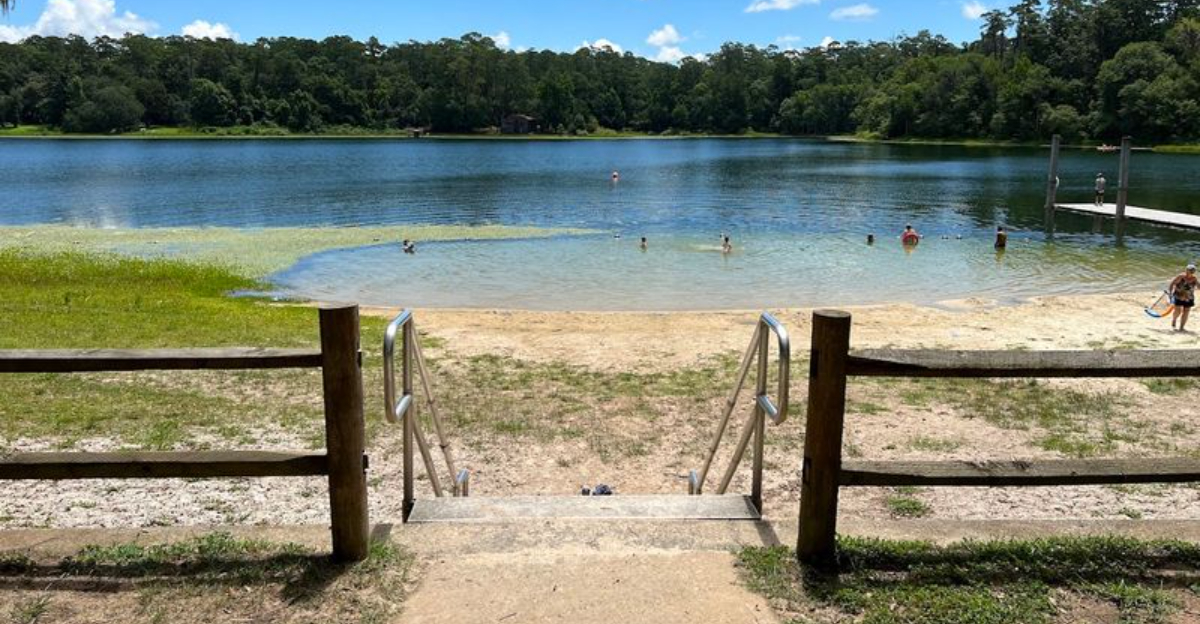
Swimming is also available at a designated area during certain seasons, giving families with kids another reason to plan a longer visit. The swimming area is supervised and clearly marked, keeping the experience straightforward.
Kayaking and canoeing are additional options, letting you experience the lake from the water rather than just the shore. Paddling along the edge of the forest with the park’s canopy reflected on the water is a genuinely different way to see the property, and it tends to bring you closer to the birdlife than walking the trails does.
Photography Opportunities Throughout the Park
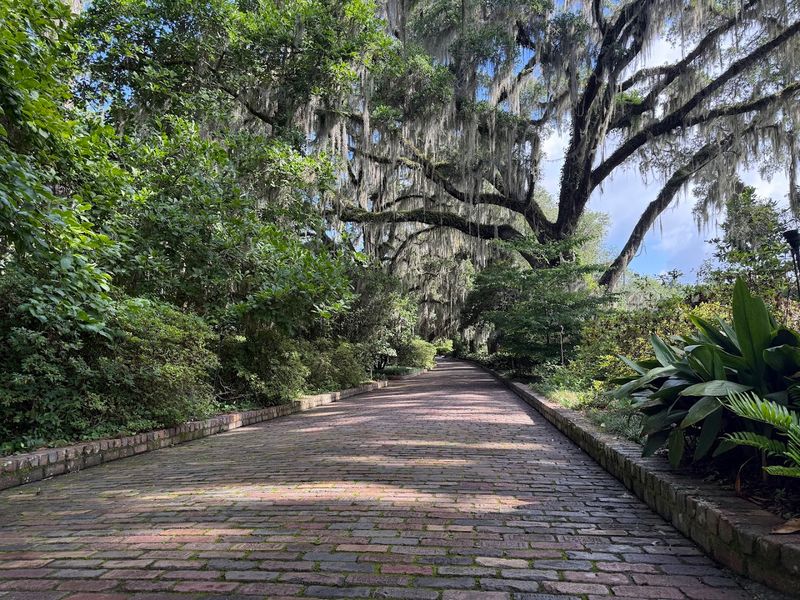
Few parks in Florida offer as many distinct photographic settings in a single visit as this one does. The walled garden provides structured, colorful compositions during bloom season, while the lake trail offers the kind of moody, atmospheric shots that come from light filtering through Spanish moss and reflecting off still water.
The live oaks are photogenic in every season, their broad canopies and draped moss creating a distinctly Southern atmosphere that does not require flowers to be compelling. Early morning light hits the garden paths at an angle that makes even a simple shot of brick and greenery look considered.
Weddings are held on the property, which is itself a testament to how well the setting photographs. If you visit on a weekend and notice a ceremony in progress, the garden areas around the event are still worth exploring, though giving the wedding party their space is the courteous approach.
Visiting in Off-Peak Seasons
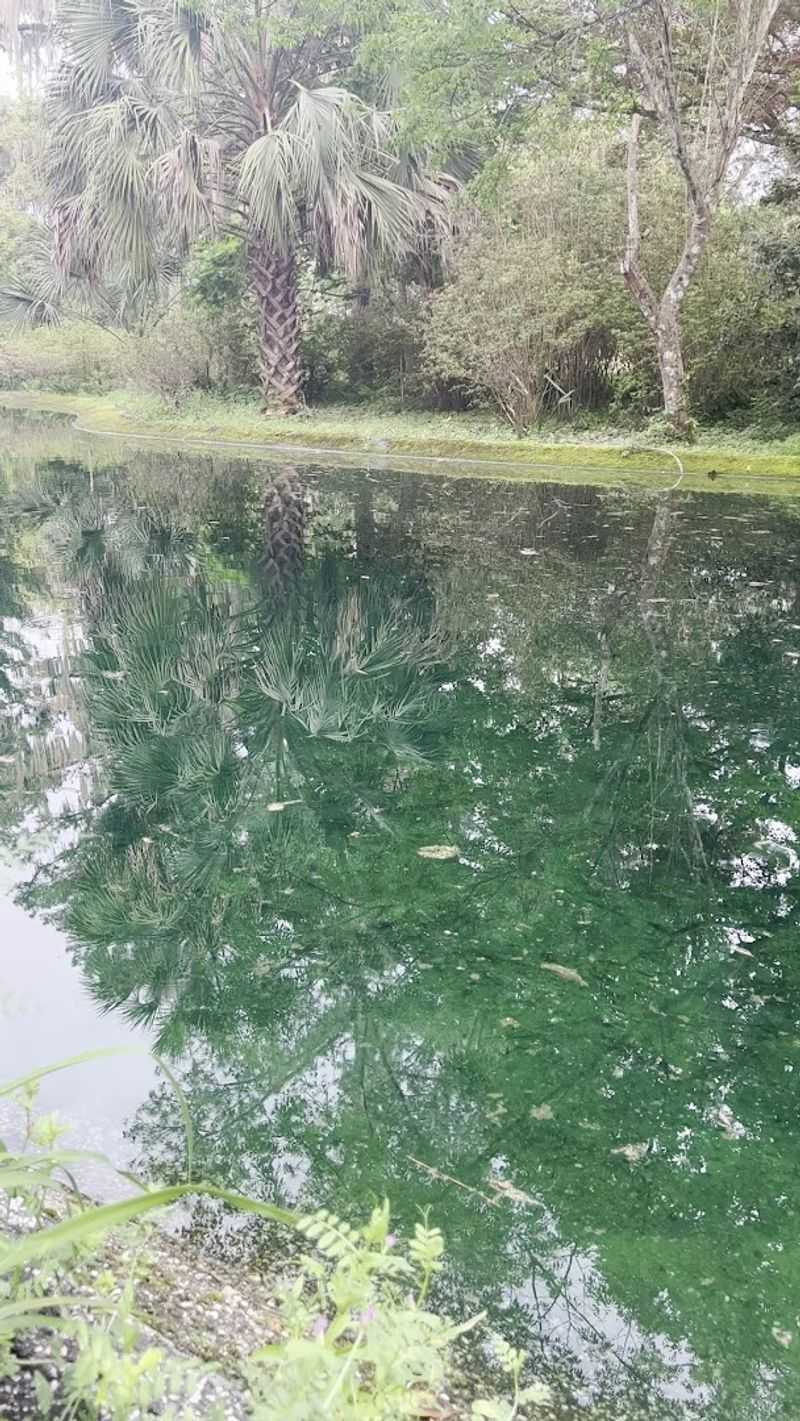
Spring bloom season gets most of the attention, but the park holds up well throughout the rest of the year in ways that do not always get mentioned. Summer visits mean fuller foliage, quieter trails, and the kind of deep green that only Florida humidity can produce.
The heat is real, so mornings are the smart window for summer hiking.
Fall brings cooler temperatures and a noticeable drop in crowds, making it one of the more pleasant times to walk the lake trail without company. The garden itself is still maintained and tidy, even if the dramatic color show is months away.
Winter visits, outside of bloom season, offer the calmest experience of all. The park fee is lower when the garden is not in full bloom, and the trails are often nearly empty on weekday mornings.
Sometimes the quietest version of a place turns out to be the most memorable one.
Park Hours, Fees, and Practical Tips
The park is open every day of the week from 8 AM to 8:30 PM, which gives you a generous window whether you are an early riser or someone who prefers a late afternoon arrival. The standard park entry fee is a few dollars per person, and it covers access to the trails, lake, and picnic areas.
During the blooming season from January through April, a separate garden admission fee applies, charged per person rather than per vehicle, so larger groups should factor that into their planning. Confirming the current fee structure by calling 850-487-4556 before you visit is worth the two-minute effort.
Parking can be a little confusing on your first visit, since the signage between the garden entrance and the trail parking areas is not always obvious. Giving yourself a few extra minutes to get oriented when you arrive will smooth out that minor friction and get your day started on the right foot.
Events and Weddings at the Park
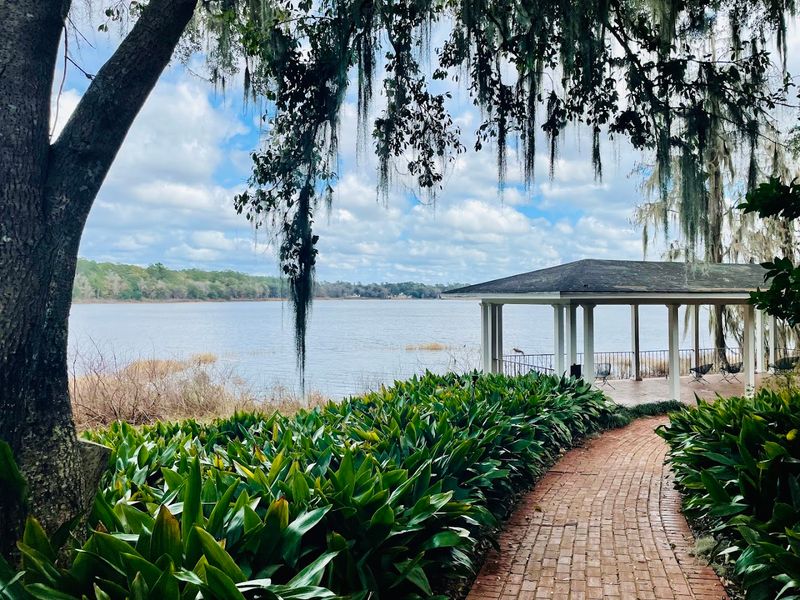
The park is a popular venue for weddings and private events, particularly during bloom season when the garden provides a backdrop that no rented hall can replicate. If you have ever wanted to get married surrounded by camellias and ancient live oaks, this is a place that genuinely delivers on that vision.
Events are typically scheduled on weekends, and on busy event days, some garden areas may feel more restricted than usual. Calling ahead to ask whether any events are planned during your intended visit is one of the most practical pieces of advice for anyone planning a trip during peak season.
For regular visitors, encountering a wedding in progress is not uncommon, and it adds a certain warmth to the atmosphere rather than detracting from it. The park staff manage events professionally, and the rest of the grounds remain accessible to general visitors during most scheduled occasions.
The Live Oaks and Spanish Moss Canopy
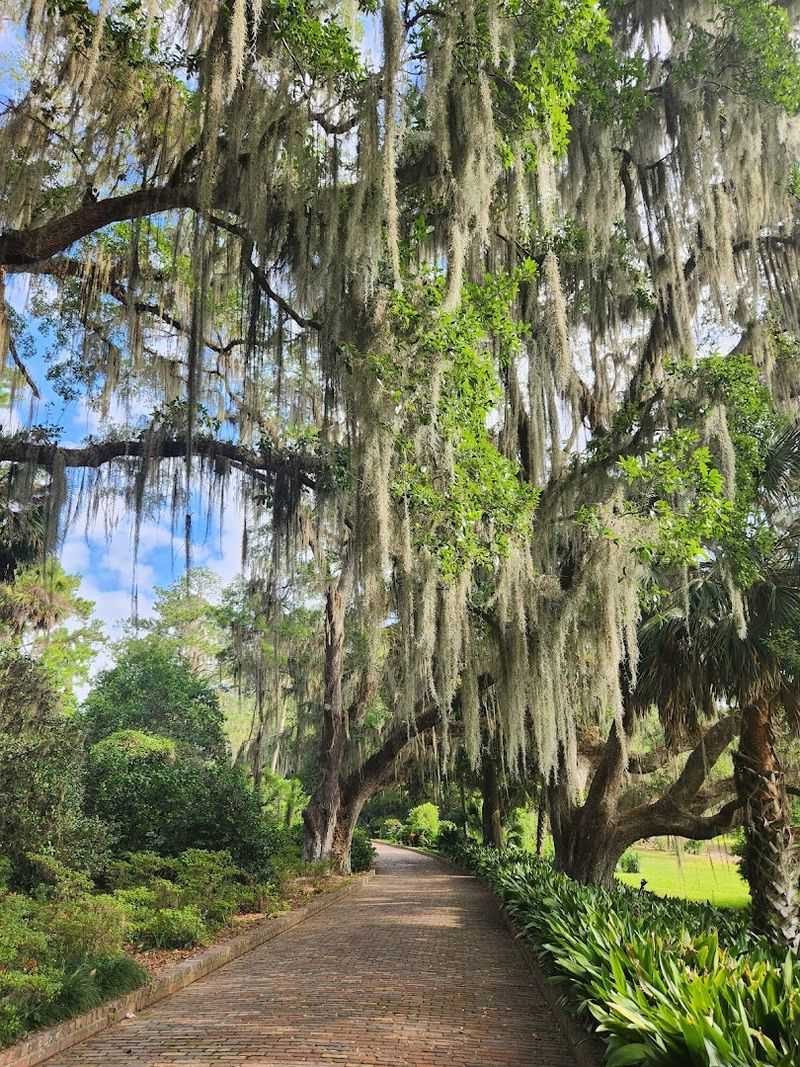
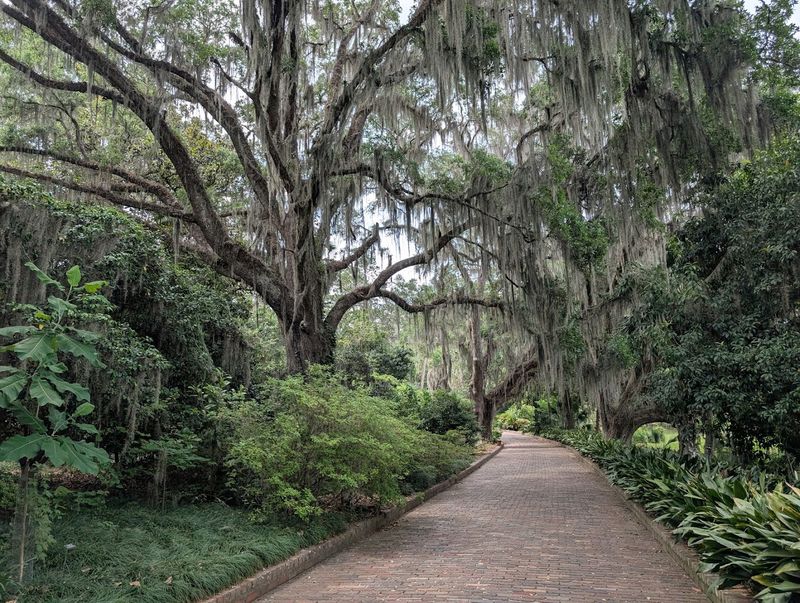
Even if you visited in the middle of summer with not a single flower in bloom, the live oaks alone would justify the trip. These trees are enormous, with wide canopies that arch over the pathways and create a filtered light that makes the whole garden feel cooler and more sheltered than the temperature outside might suggest.
Spanish moss hangs from nearly every branch in loose, silver-grey curtains that move gently in the breeze. It is one of those details that photographs beautifully but actually looks better in person, where the scale of the trees and the depth of the canopy are fully apparent.
The oldest oaks on the property have been growing for well over a century, and standing underneath one with its branches spreading thirty or forty feet in every direction is a reminder that some of the best things in a park are not planted in a garden bed.



