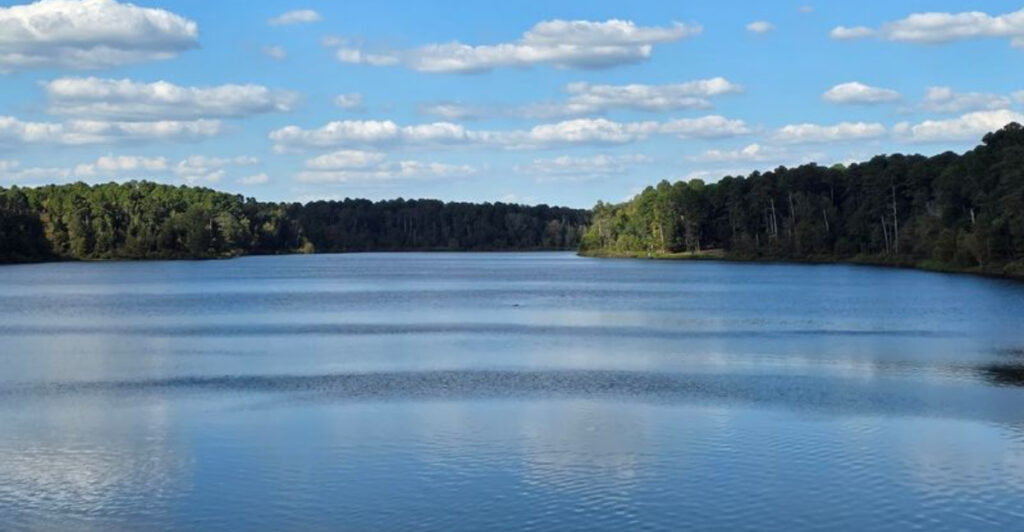
A quiet stretch of water tucked into the piney woods of Northeast Texas has been stirring up strong feelings among the people who love it most. Some locals say it is the best-kept secret in the Lone Star State, while others worry that growing crowds and changing conditions are threatening the very thing that made it special in the first place.
The debate touches on everything from fishing rights and camping access to litter problems and water levels. I spent time exploring this lake firsthand, and what I found was a place full of beauty, history, and genuine passion from the people who call it home or return to it year after year.
Keep reading, because this story is more layered than it first appears.
Where It All Begins: Location and Setting
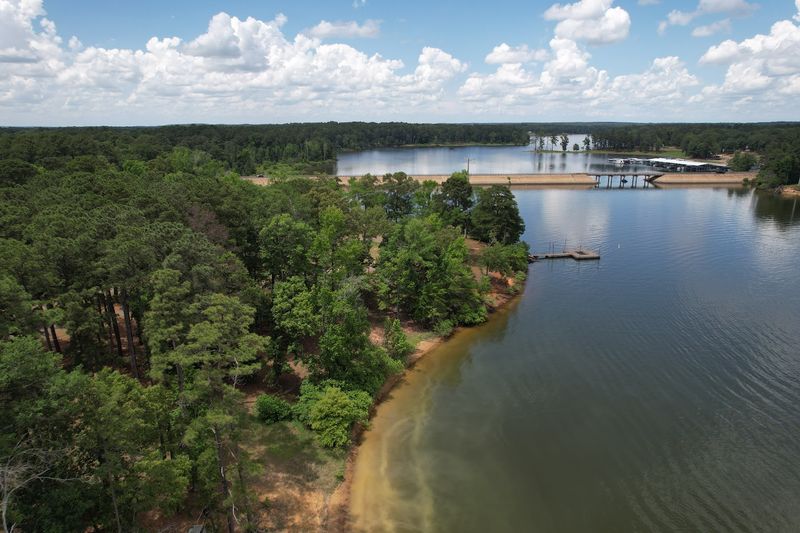
Nestled in Marion County in Northeast Texas, Lake O’ the Pines sits roughly between the cities of Longview and Marshall, making it one of the most accessible reservoir lakes in the region. The full address falls within the broader area of Jefferson, Texas, and the lake is managed by the U.S.
Army Corps of Engineers.
The reservoir was created by the damming of Big Cypress Creek, and it covers approximately 18,700 acres when full. That is a lot of water to explore, and the shoreline stretches for miles, lined with the kind of tall, stately pine trees that give the lake its memorable name.
The combination of East Texas forest and open water creates a visual contrast that feels almost too good to be real. It is the kind of place that rewards you just for showing up.
The History Behind the Water
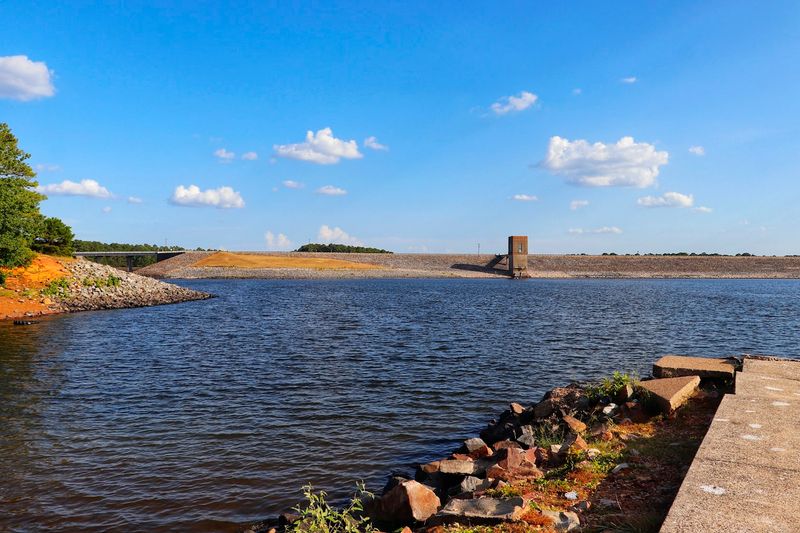
Before the lake existed, Big Cypress Creek wound through the East Texas forest at its own pace. The U.S.
Army Corps of Engineers constructed Ferrells Bridge Dam in the late 1950s, and the lake officially filled by 1959, transforming the landscape permanently.
The project was designed primarily for flood control, water supply, and recreation. Towns and homesteads that once sat along the creek bottom were relocated or submerged, a fact that still carries emotional weight for some long-time families in the area.
That layered past gives the lake a certain gravity that you do not always feel at newer, purpose-built recreation spots. Old-timers who grew up camping here four or five times a year remember a different era, one with fewer visitors and more elbow room along the shoreline.
The history does not sit heavy, but it is always there beneath the surface, quite literally.
The Beauty That Keeps People Coming Back
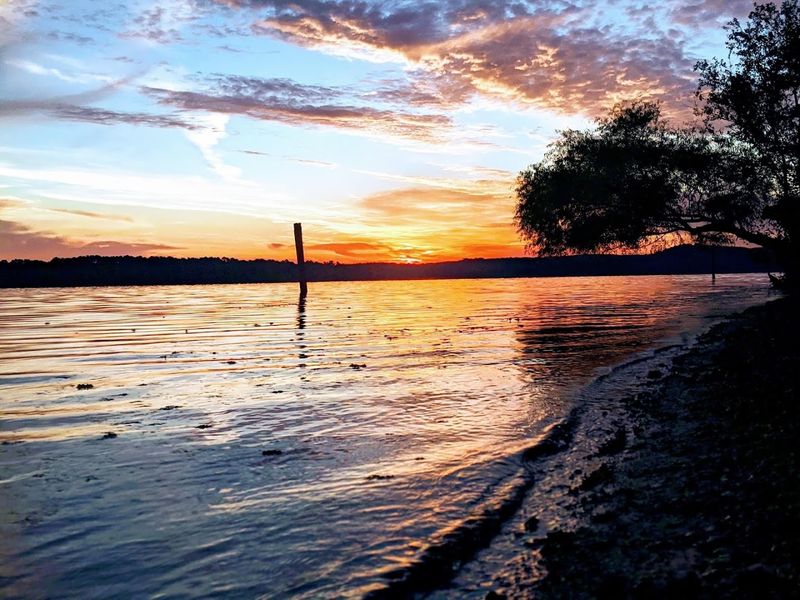
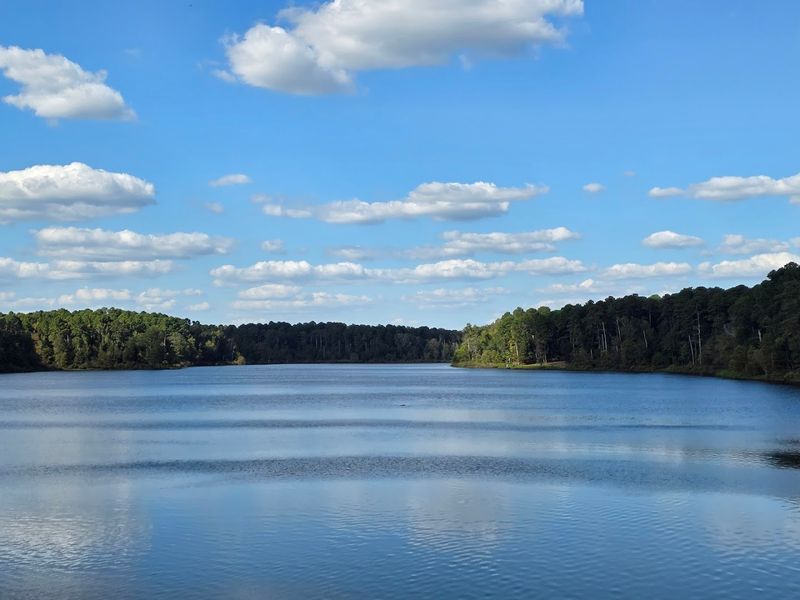
There is a reason people describe the sunsets here in near-religious terms. The combination of open water, pine-lined shores, and wide East Texas skies creates the kind of light show at dusk that makes you forget you had anywhere else to be.
The shoreline trees are not just decorative. They are genuinely majestic, rising tall and straight with that particular East Texas density that filters the afternoon sun into long golden streaks across the water.
What makes the scenery here different from other North Texas reservoirs is the cleanliness of the water itself. Boaters who visit multiple lakes across the state consistently notice that their hulls come away far less coated in grime after a day on this lake compared to others in the region.
Clean water, dramatic trees, and skies that turn every shade of orange at dusk make this one of the most photogenic lakes in the state.
Fishing: A Love-Hate Relationship Worth Having
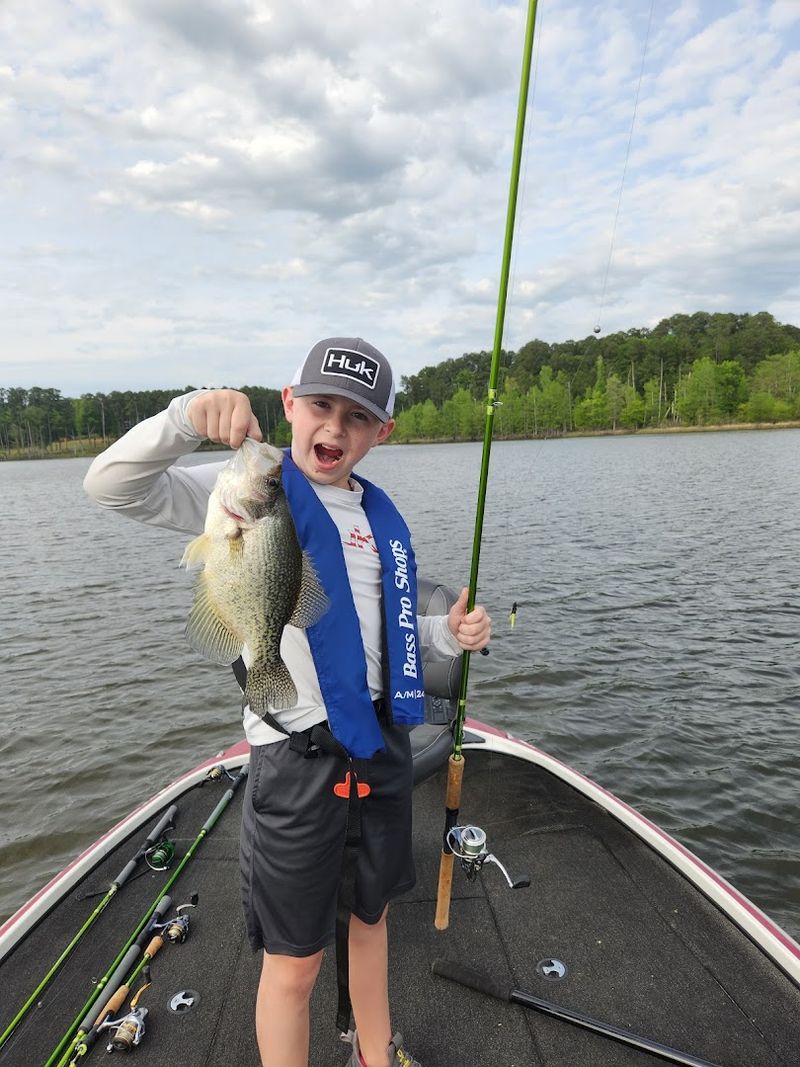
Ask anyone who fishes this lake regularly and they will tell you the same thing: one day the bass are everywhere, and the next day you would swear the lake is empty. That unpredictability is part of the charm, and part of the frustration.
Largemouth bass are the main attraction, and the lake has produced some genuinely impressive catches over the years. A four-and-a-half-pound bass pulled in by a teenager fishing the spillway area is not a rare story around here, and families have made entire traditions out of chasing that kind of thrill.
Bass tournaments run year-round on the lake, with many organized through local Facebook groups rather than formal clubs. This grassroots approach keeps the competitive scene accessible to everyday anglers.
Crappie, catfish, and white bass also populate the lake, giving non-bass anglers plenty of reasons to wet a line and stay a while.
Camping Options That Range From Basic to Beautiful
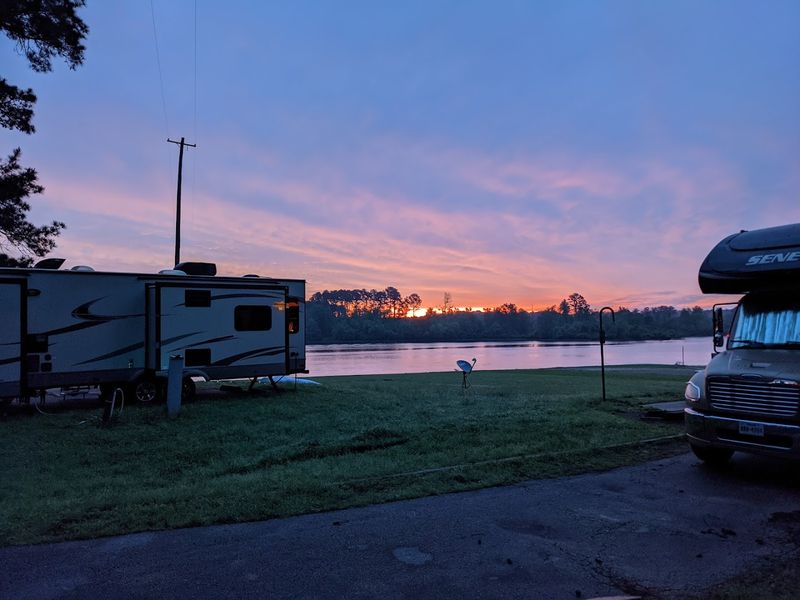
The U.S. Army Corps of Engineers operates several campgrounds around the lake, and they consistently deliver the kind of clean, well-maintained experience that outdoor enthusiasts expect from federal recreation sites.
Alley Creek campground is one of the standout options, set among tall pines with access to the water and a genuine sense of quiet.
For those who prefer a bit more comfort, Hidden Pines RV Park offers lakeside camping with the kind of amenities that make a long weekend feel genuinely restful rather than just survivable.
One of the more adventurous options is Johnson Creek, where a peninsula campsite requires carrying your gear a short distance from the parking area. The extra effort tends to keep the crowds away, meaning you might have the whole spot to yourself.
Whether you want a tent, an RV hookup, or a semi-private peninsula, this lake has a camping style that fits.
Water Sports and Activities on the Lake
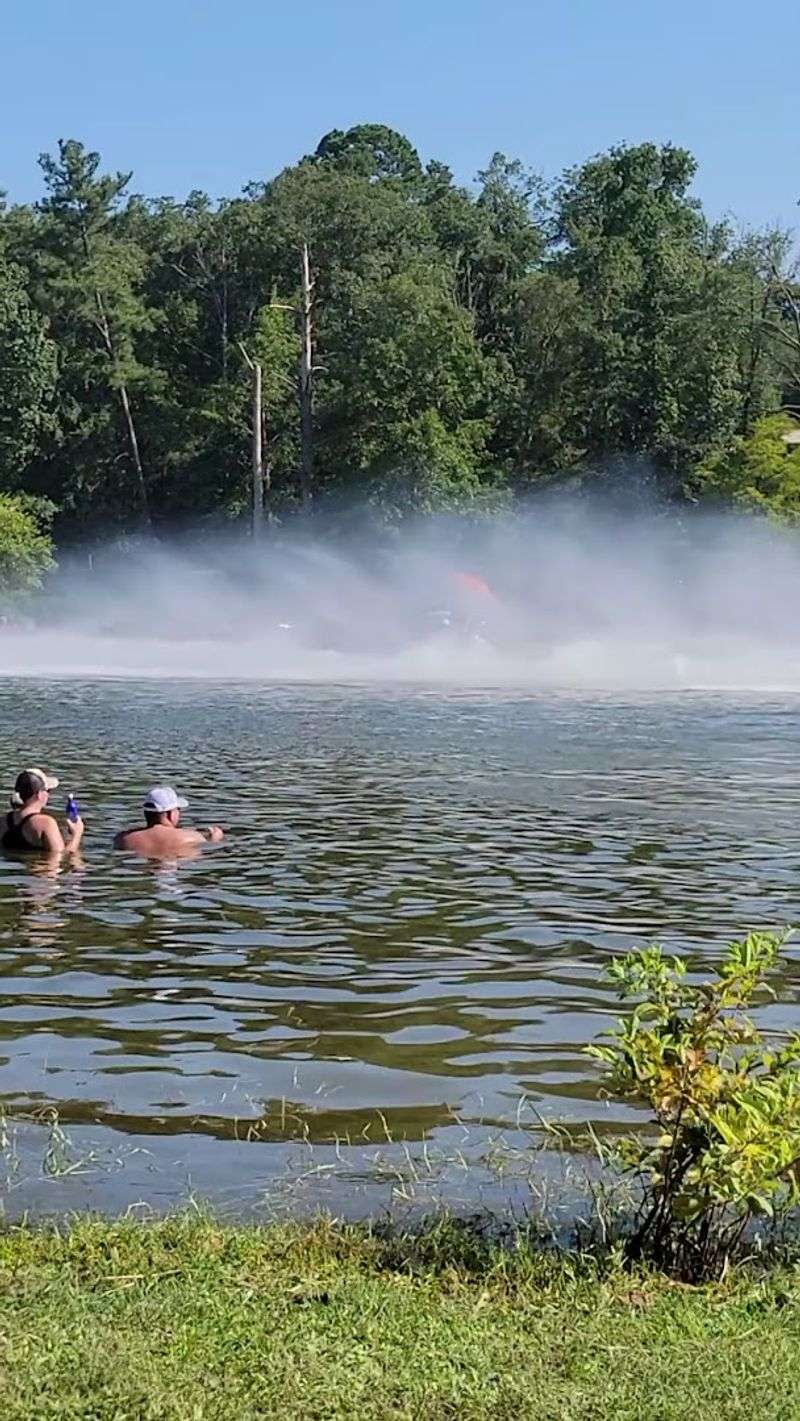
Beyond fishing, this lake is a full-service playground for anyone who enjoys being on or in the water. Boating, water skiing, swimming, and kayaking are all popular, and the lake’s size means there is usually enough room for everyone to do their thing without crowding each other out.
Kayakers in particular seem to love the quieter coves and inlets, where the water is calm and the pine trees press close to the shore. A slow paddle through one of those tucked-away stretches feels completely removed from the noise of the main lake.
The swimming areas, when water levels cooperate, are family-friendly and clean. High water years have occasionally submerged parts of the beach, which frustrates visitors who plan ahead only to find their spot underwater.
Still, the variety of activities available here is one of the strongest arguments for making this lake a regular destination rather than a one-time visit.
The Litter Problem Dividing the Community
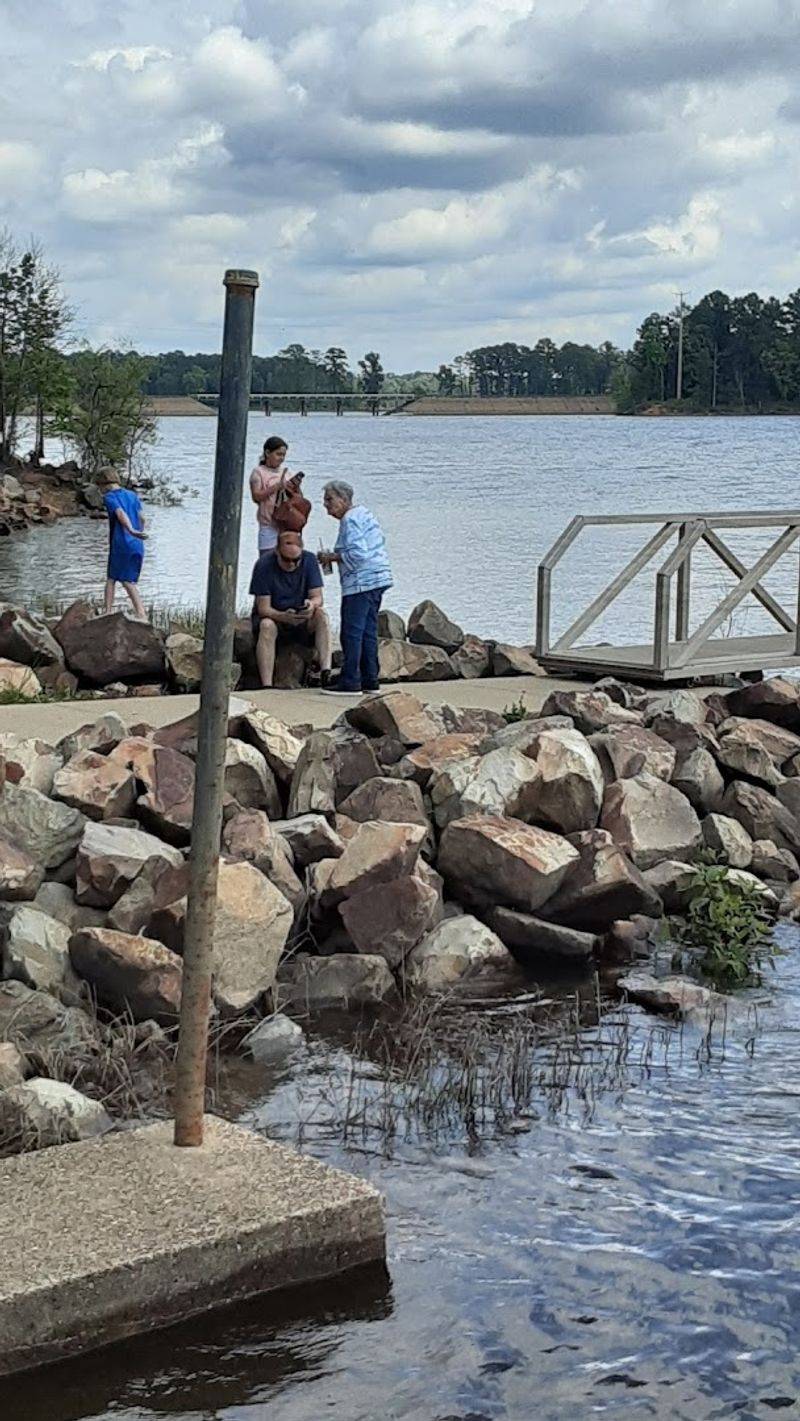
Not everything at this lake is picture-perfect, and the trash situation is the single issue that generates the most heated debate among regular visitors. Reports of scattered litter across popular access points, including around the spillway area, have frustrated people who care deeply about keeping the place clean.
Some attribute the mess to large gatherings of day visitors who do not feel the same sense of ownership that long-time regulars do. Others point to a lack of adequate trash infrastructure at certain access points.
Wildlife scavenging through left-behind waste adds another layer to the problem, making cleanup efforts feel like an ongoing battle rather than a solved issue.
Local groups have organized volunteer cleanups, and the debate over personal responsibility versus managed infrastructure has become a genuine flashpoint in online community discussions.
The lake deserves better, and most people who visit it regularly would agree on that point without hesitation.
Water Levels and the Ongoing Flood Debate
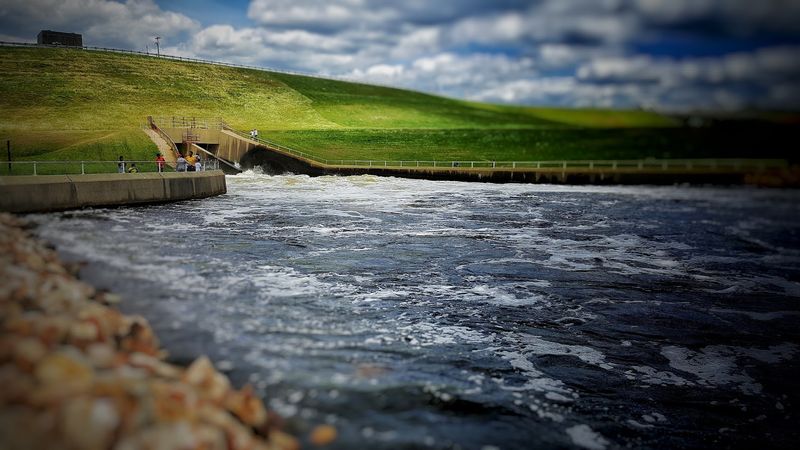
Water levels at Lake O’ the Pines can shift dramatically depending on seasonal rainfall, and the lake has a history of running over capacity after heavy spring rains. When that happens, swimming beaches disappear, campsites flood, and access roads can become impassable.
The Corps of Engineers manages the dam and regulates releases to balance flood control with recreation needs, but those two goals do not always align neatly. Downstream communities care most about flood protection, while campers and boaters want predictable, stable water levels.
This tension between upstream recreation users and downstream flood concerns is one of the less-discussed but genuinely important debates happening around the lake. It is a policy conversation as much as an environmental one.
For visitors planning a trip, checking current lake levels before arrival is a practical must-do step, especially in late spring when conditions can change quickly after a week of heavy rain.
The Growing Crowds and What They Mean for the Future
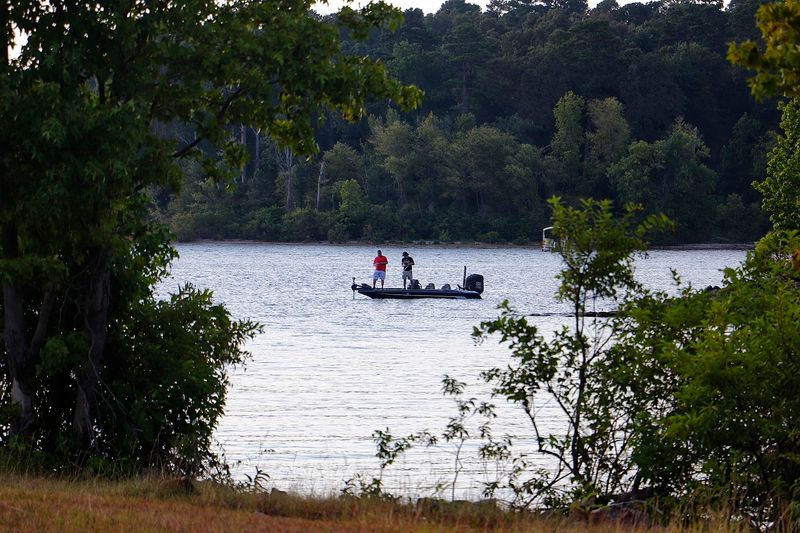
Word has gotten out about this lake, and the visitor numbers reflect it. What was once a well-kept regional secret has become a popular destination for families from Longview, Marshall, and even the Dallas-Fort Worth area looking for a weekend escape with real natural character.
Long-time locals have mixed feelings about this growth. More visitors mean more economic activity for nearby towns, but they also mean more pressure on the campgrounds, more competition for the best fishing spots, and a faster erosion of the peaceful atmosphere that made the lake special in the first place.
The debate over how to manage growth without destroying the qualities that attract visitors is not unique to this lake, but it feels particularly sharp here because the community is so tightly connected to the water.
Finding that balance between welcoming newcomers and protecting what already exists is the central challenge facing this lake right now.
Wildlife and Natural Life Around the Shores
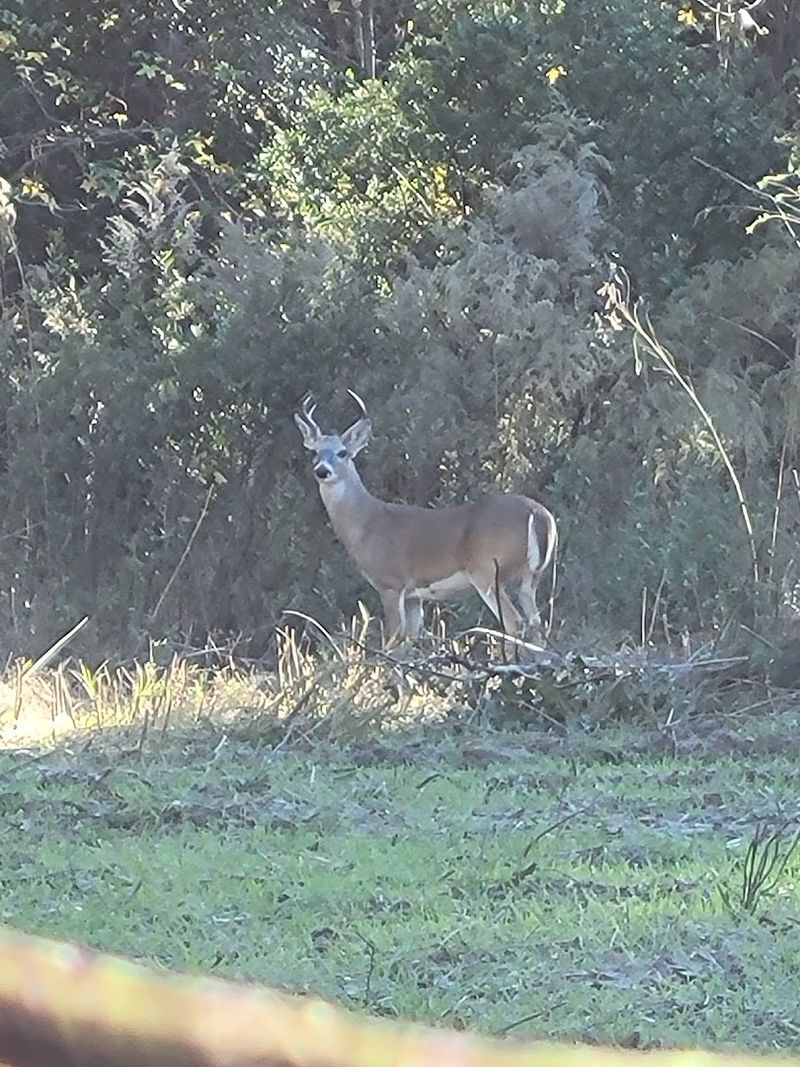
The ecosystem around this lake is genuinely rich, and wildlife sightings are a regular part of any visit. Great blue herons are a common sight along the shallower edges of the lake, standing perfectly still in that patient, focused way that makes them impossible to ignore.
Osprey, white-tailed deer, wild turkey, and various species of waterfowl all share the habitat around the lake and its surrounding forest. The pine trees that crowd the shoreline provide nesting and cover for a wide range of bird species, making this a worthwhile stop for anyone who pays attention to what is flying overhead.
Buzzards, while not glamorous, are also part of the local wildlife picture and can be spotted circling above the more heavily visited areas, particularly near spots where food waste has been left behind.
The natural world here is active, layered, and worth slowing down to observe properly.
Community Events and Year-Round Activities

One of the things that sets this lake apart from purely seasonal destinations is the calendar of events that runs throughout the entire year. Bass tournaments are the most consistent draw, with competitions organized at various skill levels and entry points, many of them promoted through community Facebook groups rather than formal organizations.
Beyond fishing tournaments, the lake area hosts camping events, community gatherings, and occasional outdoor celebrations tied to local culture and the changing seasons. The informal nature of many of these events gives them a grassroots warmth that feels genuinely community-driven rather than commercially packaged.
Families who have been coming here for generations now bring their own children and grandchildren to the same events they attended as kids, which says something meaningful about how deeply this lake is woven into the regional identity.
An event calendar worth checking before you visit can easily turn a simple weekend into something much more memorable.
Why This Lake Still Deserves Your Attention
For all the debates swirling around it, this lake remains one of the most genuinely rewarding outdoor destinations in Northeast Texas. The combination of clean water, tall pine shorelines, diverse recreation, and accessible campgrounds is hard to match anywhere else in the region.
The conflicts over litter, water levels, and growing visitor numbers are real, but they are also signs of how much people care. A lake that nobody cared about would not generate this kind of passion from the people who fish it, camp beside it, and watch the sun go down over it year after year.
The best way to be part of the solution rather than the problem is simple: pack out what you pack in, respect the campsite rules, and treat the shoreline the way you would want to find it.
This lake has earned its devoted following, and with a little collective effort, it will keep earning it for generations to come.
Share this story