Central Florida is famous for its theme parks, but tucked along a quiet road in Kissimmee sits something that has nothing to do with roller coasters or cartoon characters. A Thai Buddhist temple with golden spires, intricate statues, and a calm that hits you the moment you walk through the gate.
I had driven past this stretch of road more times than I can count before finally stopping, and honestly, I wish I had stopped sooner. This place is open every single day, welcomes visitors of all backgrounds, and offers a cultural experience that feels worlds away from the tourist corridors just a few miles north.
Whether you are chasing a peaceful afternoon, a cultural deep-dive, or just something genuinely different to do in Orlando, this temple earns every bit of the curiosity it sparks.
Finding the Temple: Address and First Impressions
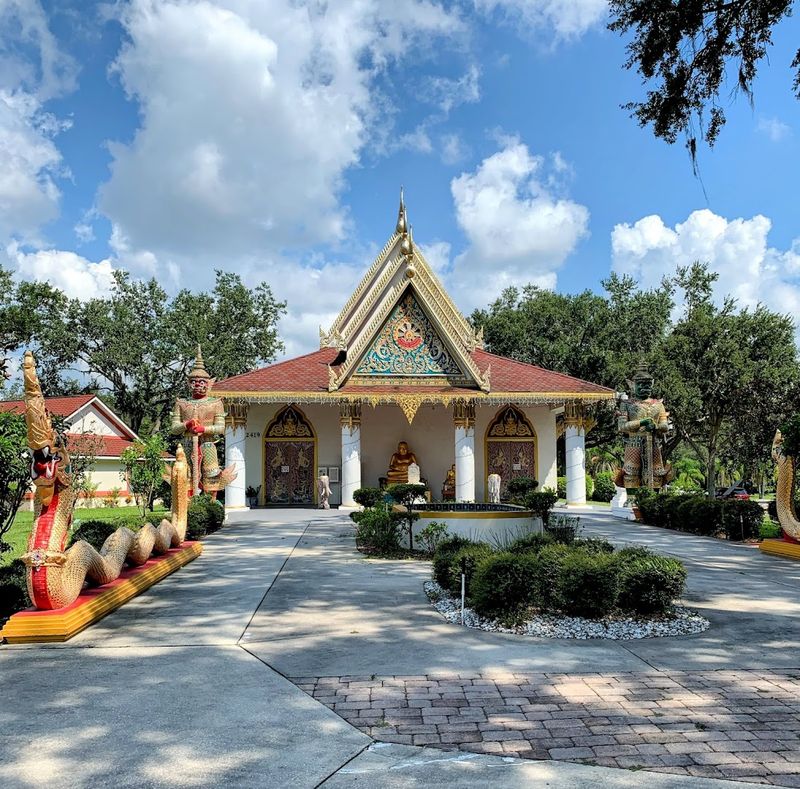
Most people do not expect to find a full Thai Buddhist monastery nestled along a quiet stretch of Old Vineland Road in Kissimmee, Florida. Wat Florida Dhammaram sits at 2421 Old Vineland Rd, Kissimmee, and the first glimpse of its golden rooftops through the trees is genuinely startling in the best possible way.
The entrance is easy to miss if you are driving fast, so slow down and look for the ornate gate on the left side of the road. Parking is available inside the grounds once you pass through, which makes the arrival feel even more like crossing into a different world.
The temple is open every day from 6 AM to 7 PM, so there is plenty of flexibility for a visit.
The History Behind the Temple Grounds
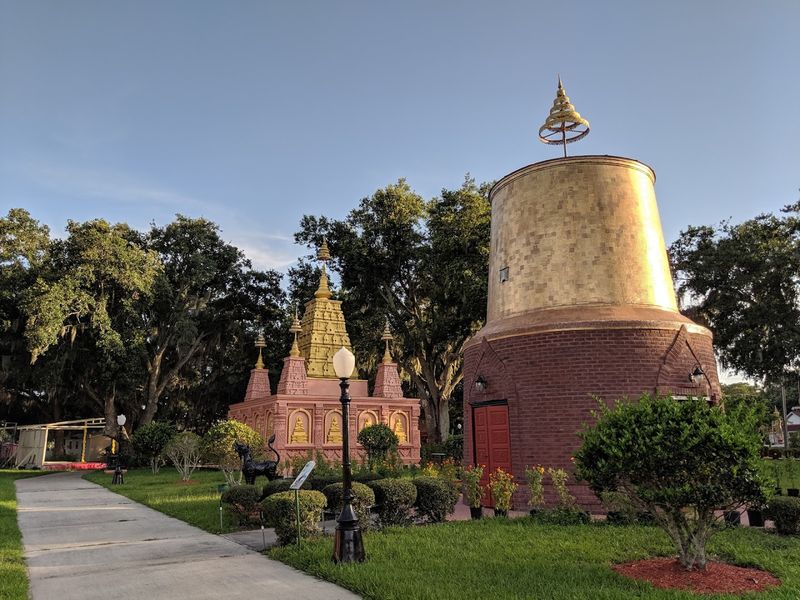
Wat Florida Dhammaram has been growing and evolving for over a decade, and the community that supports it has watched it transform from a modest spiritual space into one of the most visually striking religious sites in Central Florida.
The monastery spans approximately seven acres of grounds, which gives it a sense of scale that surprises first-time visitors. Thai monks run the temple, keeping its traditions and teachings rooted in authentic Theravada Buddhism rather than a watered-down version for tourists.
Over the years, the temple has added new structures, statues, and replicas of sacred sites from across Asia, making each visit feel a little different from the last. The growth reflects both the dedication of the Thai-American community in the region and a genuine openness to welcoming curious outsiders who want to learn something real.
The Architecture That Stops You in Your Tracks
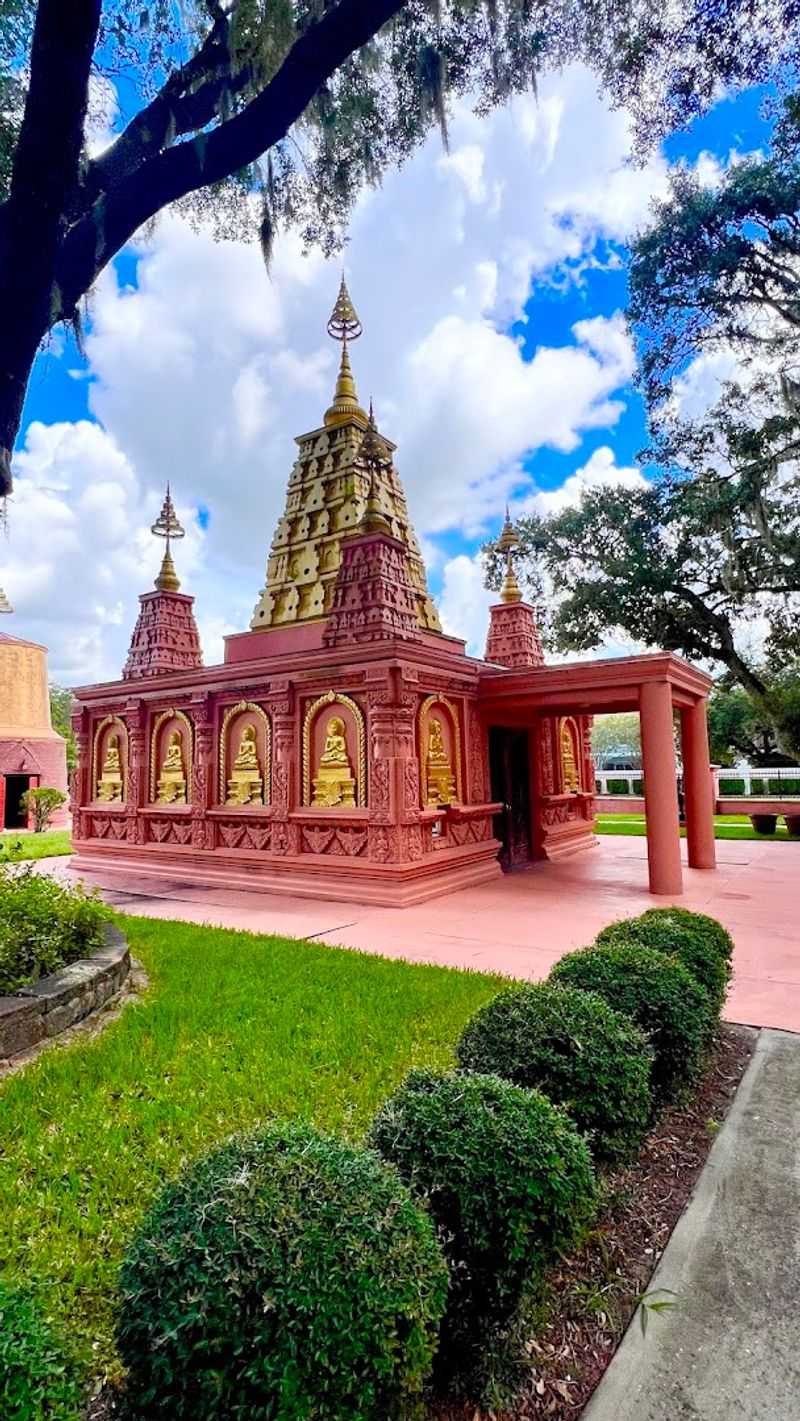
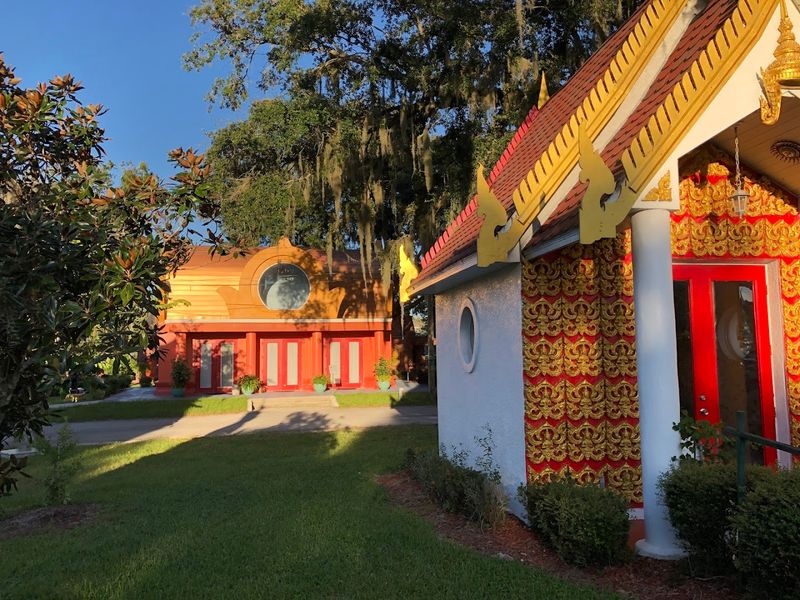
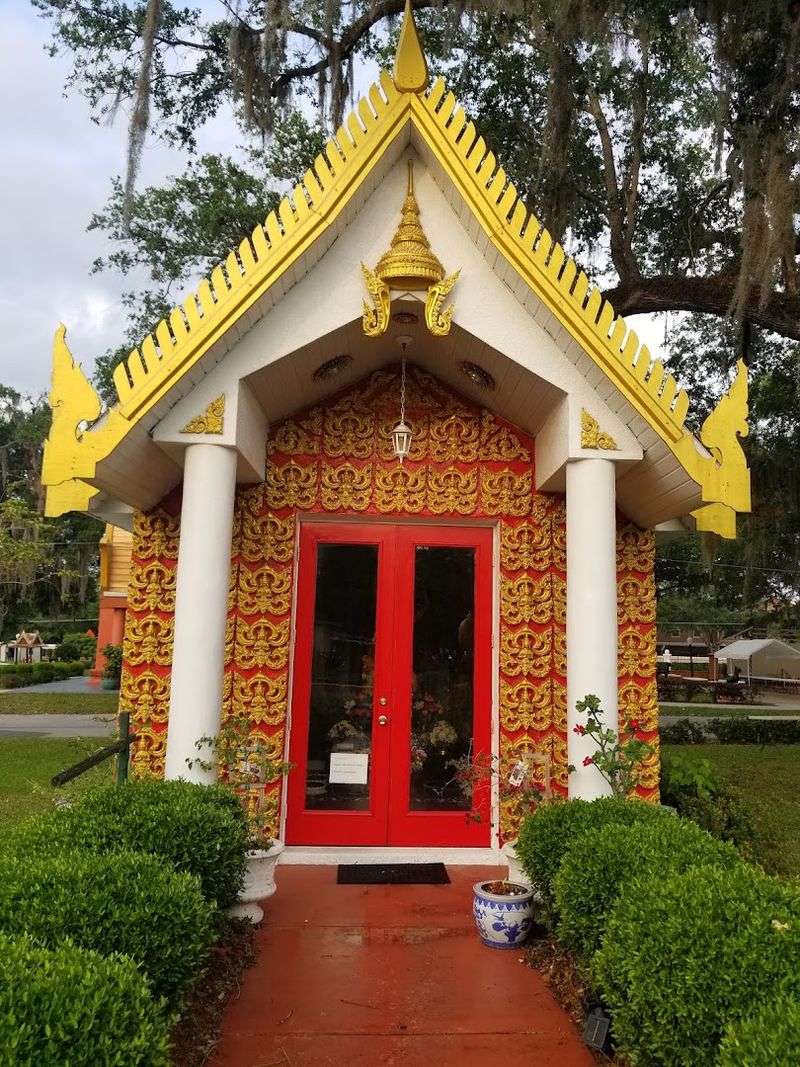
The buildings here are not simple structures thrown together for function. Every roofline curves upward at the edges in the classic Thai style, and the detailing on the facades involves layers of color, gold leaf accents, and hand-crafted ornamentation that rewards a slow, close look.
The ordination hall, known in Thai as the ubosot, is particularly impressive. Its proportions feel deliberate and commanding, and the painted details around the doorways and windows show real craftsmanship that you do not often encounter outside of Thailand itself.
What makes the architecture here so engaging is that each building tells a slightly different visual story. Some structures feel more formal and ceremonial, while smaller pavilions dotted around the grounds have a quieter, more intimate character.
Walking from one to the next feels less like touring a campus and more like reading a book one chapter at a time.
The Buddhist Stupa Replica and Its Significance
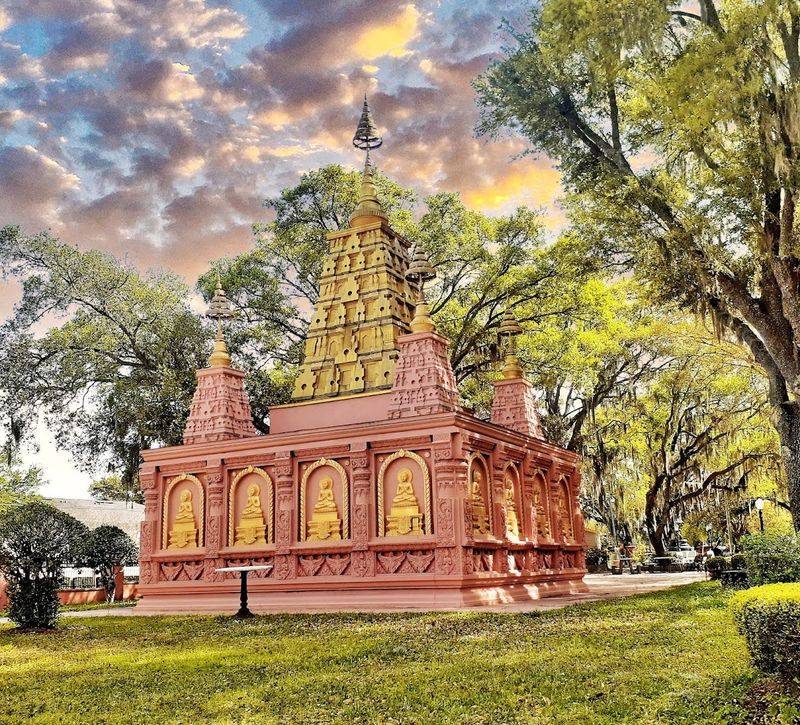
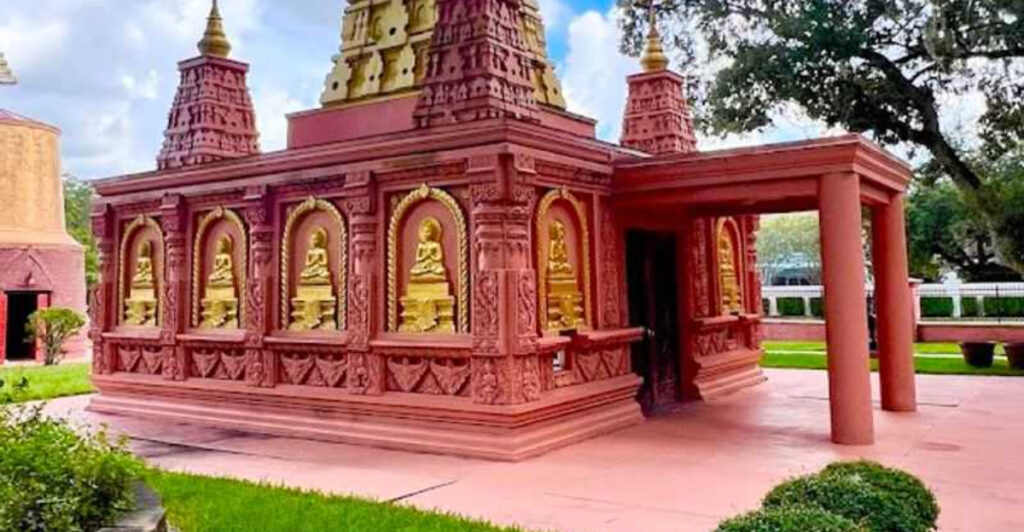
One of the most talked-about features on the grounds is the replica of a Buddhist stupa modeled after sacred structures from India. Stupas are dome-shaped monuments that serve as places of meditation and veneration in Buddhist tradition, and seeing one standing in the middle of Central Florida is a genuinely unexpected sight.
The replica here is detailed and carefully constructed, giving visitors a tangible sense of what these monuments look like in the countries where they originated. For people who have never traveled to South or Southeast Asia, it offers a meaningful point of reference.
Standing near the stupa, even briefly, shifts the energy of a visit. The structure invites stillness in a way that is hard to explain but easy to feel.
It is one of those spots on the grounds where visitors naturally slow down, take a breath, and actually look at what is in front of them.
The Phra Buddha Chinnarat Statue
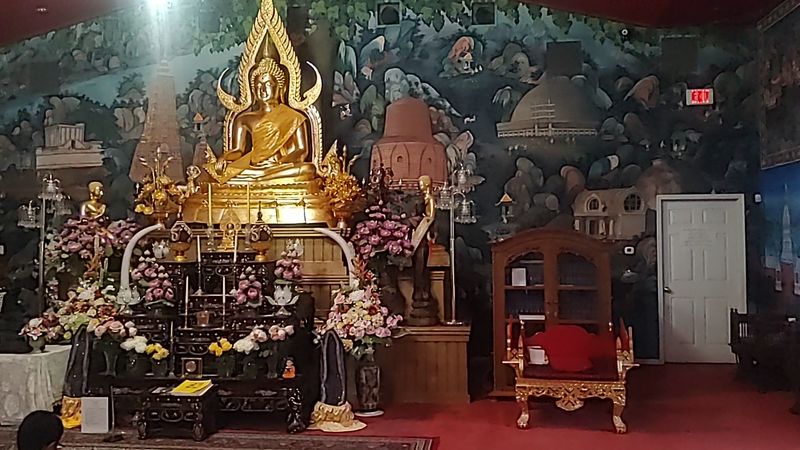
The Phra Buddha Chinnarat is one of the most revered Buddha images in Thai religious history, and Wat Florida Dhammaram houses a stunning version of this iconic statue. The original resides in Phitsanulok, Thailand, and is considered one of the most beautiful Buddha images in the world, so finding a faithful replica here carries real cultural weight.
The statue is housed inside the ordination hall, and the interior setting amplifies its presence considerably. The lighting, the surrounding decorations, and the overall atmosphere of the hall all work together to make the experience feel respectful and immersive rather than museum-like.
For Thai visitors, seeing this statue can be deeply personal and emotional. For those encountering it for the first time, it opens a door to understanding why this particular image holds such an enduring place in Thai Buddhist devotion.
It is the kind of encounter that stays with you well after you have left the grounds.
Tao Wessuwan and the Naga Statues
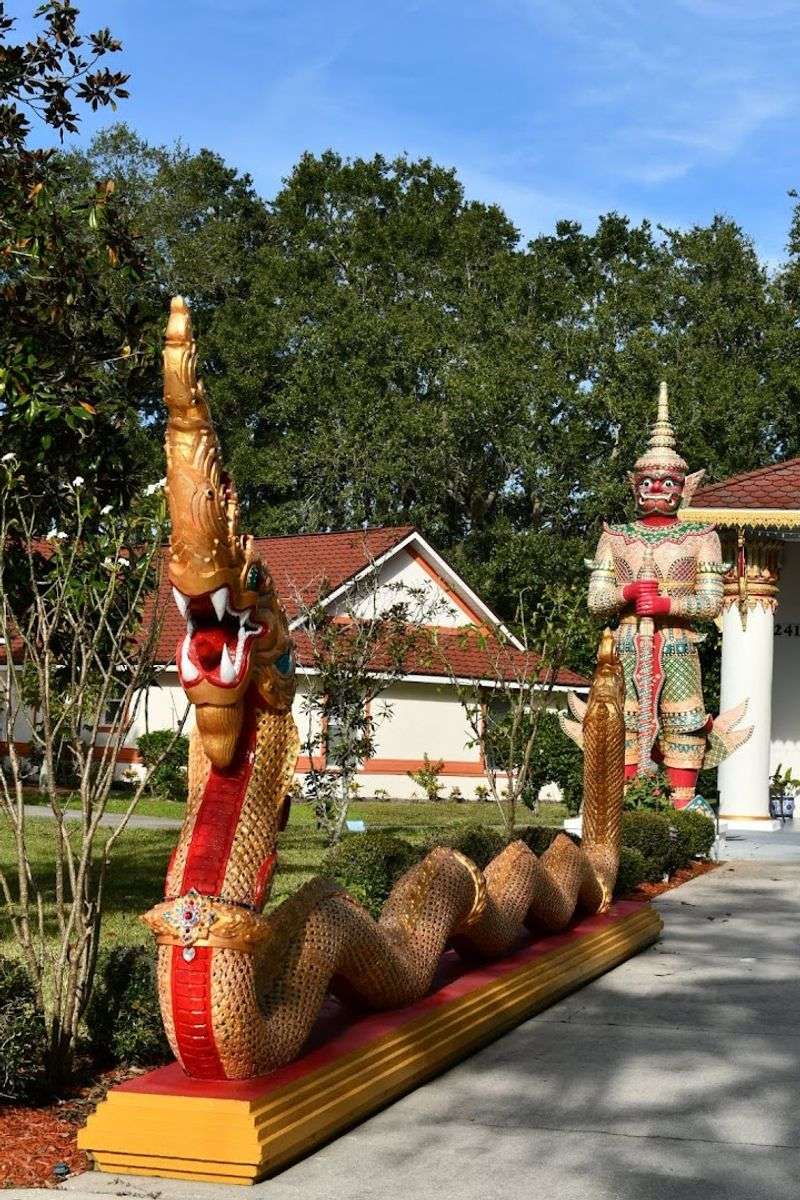
Beyond the main hall, the grounds are populated with statues that introduce visitors to figures from Buddhist and Hindu mythology that are central to Thai religious culture. Two of the most visually striking are the statue of Tao Wessuwan and the Naga.
Tao Wessuwan is a guardian deity in Thai Buddhism, often depicted as a large, armored figure associated with protection and the north direction. His statue here is bold and detailed, with a presence that commands attention from across the courtyard.
The Naga, a mythological serpent revered in both Buddhism and Hinduism, appears in several forms across the grounds. Naga figures are traditionally placed at temple entrances and stairways as protectors of sacred spaces.
Seeing these figures in a Florida setting is a fascinating cultural crossover, and reading the informational signs nearby helps make sense of what each figure represents and why it matters.
Daily Meditation Sessions Open to the Public
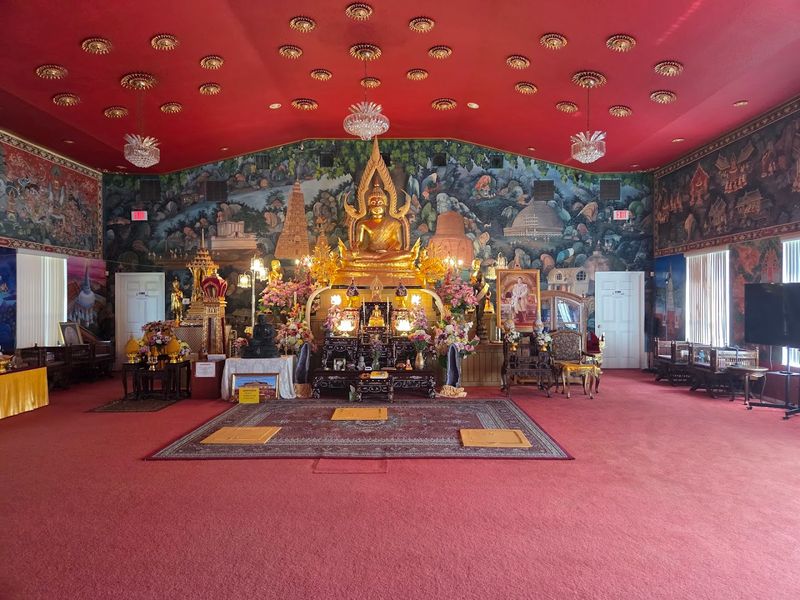
One of the most accessible and underappreciated offerings at this temple is the daily meditation schedule. Sessions are held at 1 PM and 3 PM each day, and they are open to members of the public regardless of experience level or religious background.
Meditation here is not a performance or a tourist activity. It happens in the same spaces used by the monks and the local Buddhist community, which gives it an authenticity that is hard to replicate in a studio or wellness center.
The quiet of the grounds before and after a session adds to the overall effect.
For anyone who has been curious about meditation but unsure where to start, this is a genuinely low-pressure environment to try it. The monks and staff are knowledgeable and approachable, and the setting itself does a lot of the work before any instruction even begins.
Come with an open mind and comfortable clothing.
The Peaceful Grounds and Natural Landscaping
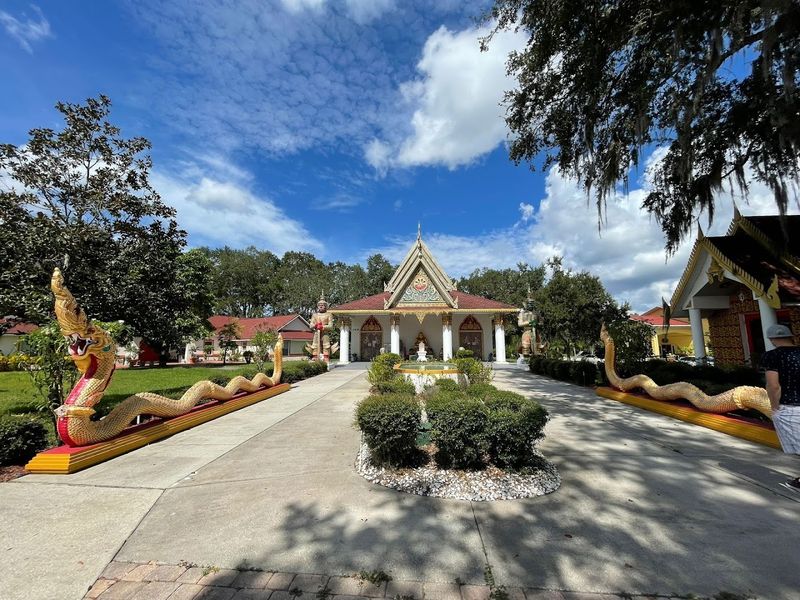
The seven acres surrounding the temple buildings are as much a part of the experience as the structures themselves. Paths wind between shrines, gardens, and open grassy areas, and the whole layout encourages a slow, wandering kind of exploration rather than a quick loop around the perimeter.
Flowering plants and tropical trees are scattered throughout, and the landscaping has a natural feel that avoids the over-manicured look of a formal garden. One particularly charming detail is the signs placed on trees around the grounds, each one sharing information about the species or a related cultural or spiritual note worth reading.
Florida wildlife makes regular appearances here too. Lizards dart across the pathways with impressive confidence, and the shade trees attract birds that add a layer of ambient sound to the already calm environment.
The grounds feel genuinely alive in a way that makes lingering here feel completely natural and unhurried.
The Warm Welcome from Monks and Staff
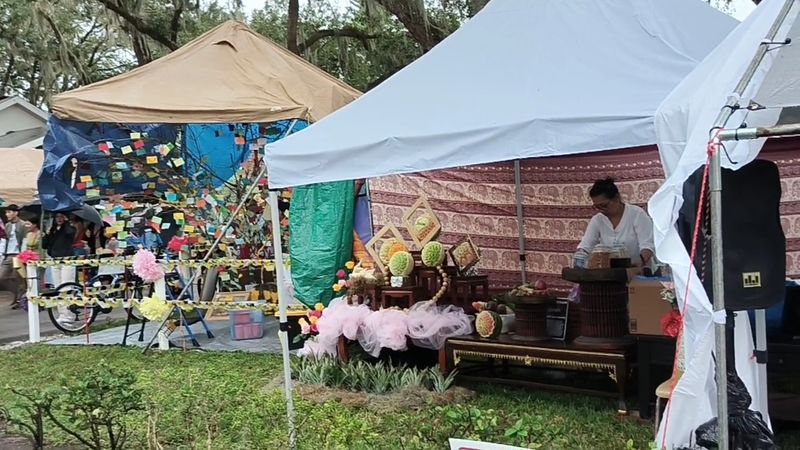
One of the things that keeps people coming back to this temple is how genuinely welcoming the monks and staff are. Visitors are not required to make appointments or get special permission to walk around the grounds during open hours, and no one makes you feel like an outsider for showing up out of curiosity.
The monks who live and practice here are knowledgeable and willing to chat if you approach respectfully. A brief conversation with one of them can add real depth to what you are seeing, turning a visual tour into something more like an informal lesson in Thai Buddhist culture and history.
Donations are accepted and appreciated, and the temple provides informational handouts that help orient first-time visitors to the significance of what they are seeing. That small gesture of providing context makes the experience feel thoughtful rather than transactional, which is a quality worth noticing and acknowledging.
Replicas of Sacred Asian Sites on the Grounds
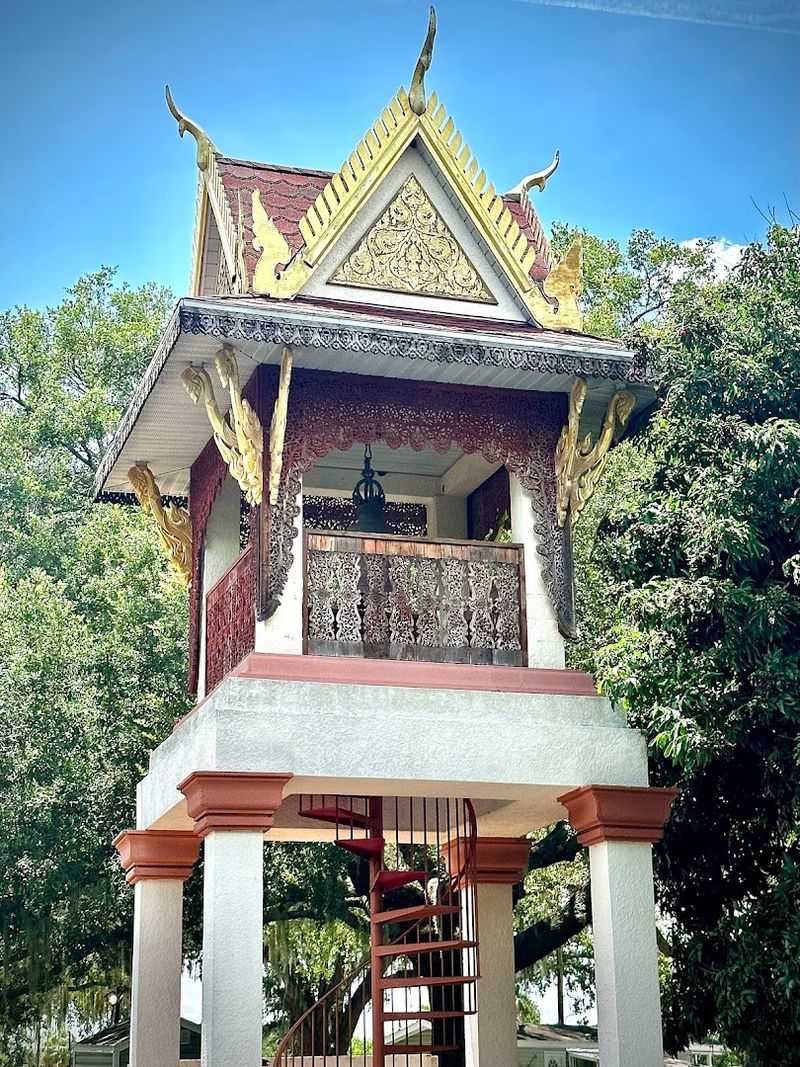
One of the more fascinating aspects of this temple is its collection of replicas representing holy sites from across Asia. These are not rough approximations but carefully constructed models that give visitors a sense of what these places look like and why they matter in Buddhist tradition.
The replicas serve an educational purpose as much as a devotional one. For members of the Thai-American community who may not have the means or opportunity to travel back to these sites, having them represented here carries genuine emotional and spiritual significance.
For visitors who are new to Buddhist culture, the replicas function as a kind of curated introduction to sacred geography that spans multiple countries and centuries of tradition. Each one comes with enough visual detail to spark real curiosity, and the informational materials available on the grounds help fill in the historical and religious context behind what you are looking at.
Practical Tips for Visiting Respectfully
A temple visit goes more smoothly when you know a few basics before you arrive. Modest clothing is the right call here, meaning covered shoulders and knees are appreciated, especially if you plan to enter any of the buildings.
Removing your shoes before stepping inside a temple structure is standard practice and a sign of respect.
Keep your voice low while on the grounds, particularly near the main hall and during meditation hours. The calm atmosphere here is something the community actively maintains, and visitors who match that energy tend to have a much richer experience than those who treat it like a photo stop.
Donations are welcomed rather than required, but contributing something is a meaningful way to support the upkeep of the grounds and the work of the monks. The temple is open daily from 6 AM to 7 PM, restrooms are available, and parking inside the gate is free and easy to find.
A Quiet Contrast to the Theme Park Corridor
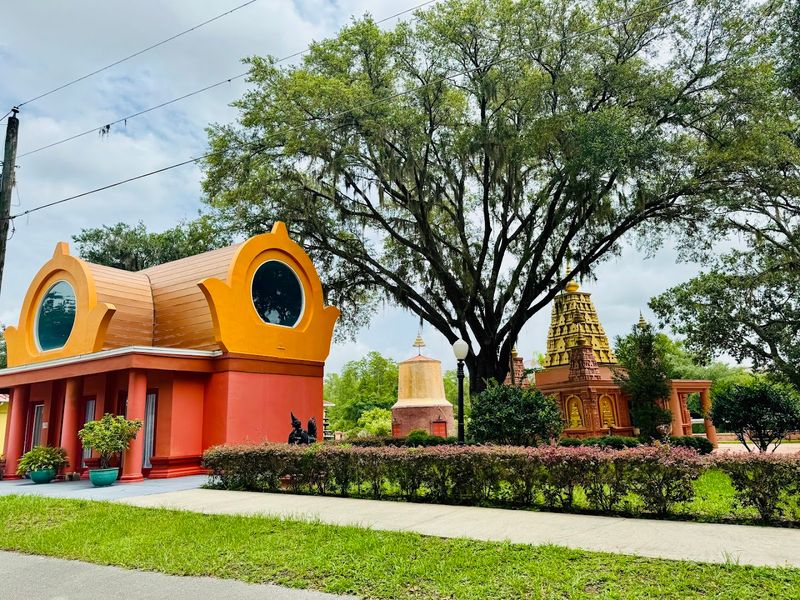
Kissimmee sits in the shadow of some of the busiest tourist infrastructure on the planet, which makes finding genuine quiet here feel like a small victory. The temple sits just far enough from the main tourist corridors to feel like a different world, even though it is only a short drive from the heart of the action.
The contrast between the sensory overload of the theme park zone and the stillness of these grounds is striking. There are no queues, no upsells, no countdown timers, and no carefully engineered excitement.
Just space, beauty, and the sound of birds and wind moving through tropical trees.
For families traveling with children who are old enough to appreciate something outside the usual Florida itinerary, this is the kind of stop that tends to stick in the memory long after the theme park visits have blurred together. Real experiences have a way of doing that.
Why This Temple Deserves a Place on Your Florida Itinerary
Central Florida has no shortage of things to do, but genuinely meaningful cultural experiences are rarer than the marketing suggests. This temple fills that gap in a way that feels completely unforced, offering architecture, history, spirituality, food culture, and community all within a single set of gates on Old Vineland Road.
The fact that it is open every day of the week, free to enter, and welcoming to people of all backgrounds removes almost every barrier to a visit. You do not need to be Buddhist, Thai, or even particularly culturally curious to find value here.
You just need a willingness to slow down for an hour or two.
After spending time at Wat Florida Dhammaram, the rest of Kissimmee looks a little different. Knowing that this place exists here, quietly doing what it has been doing for years, makes the whole region feel richer and more layered than most visitors ever get to discover.
Share this story