 Unearth The Voyage
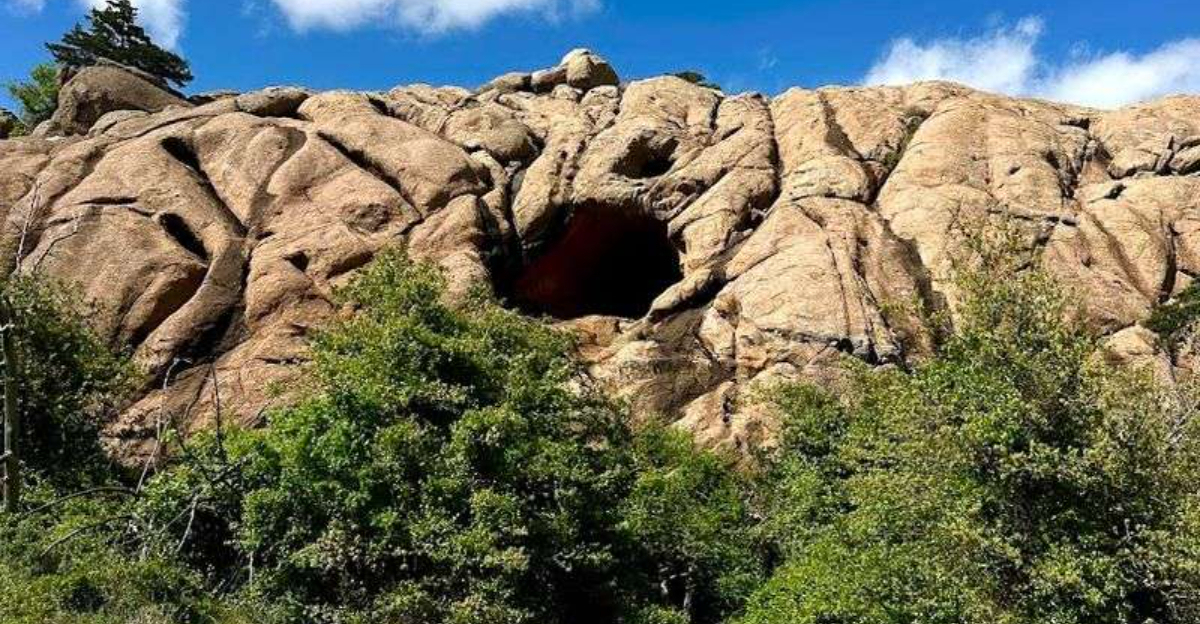
There is a spot in southwestern Oklahoma that most people drive right past without ever knowing it exists. It sits quietly in the rugged landscape, full of caves, winding trails, and the kind of wild scenery that makes you stop and stare.
The name alone is enough to spark curiosity, and once you actually show up, the place delivers in ways you would not expect from a little-known mountain tucked into the Oklahoma plains. This is the kind of discovery that makes you feel like you found something the rest of the world forgot about, and trust me, you are going to want to know everything about it before you plan your next road trip.
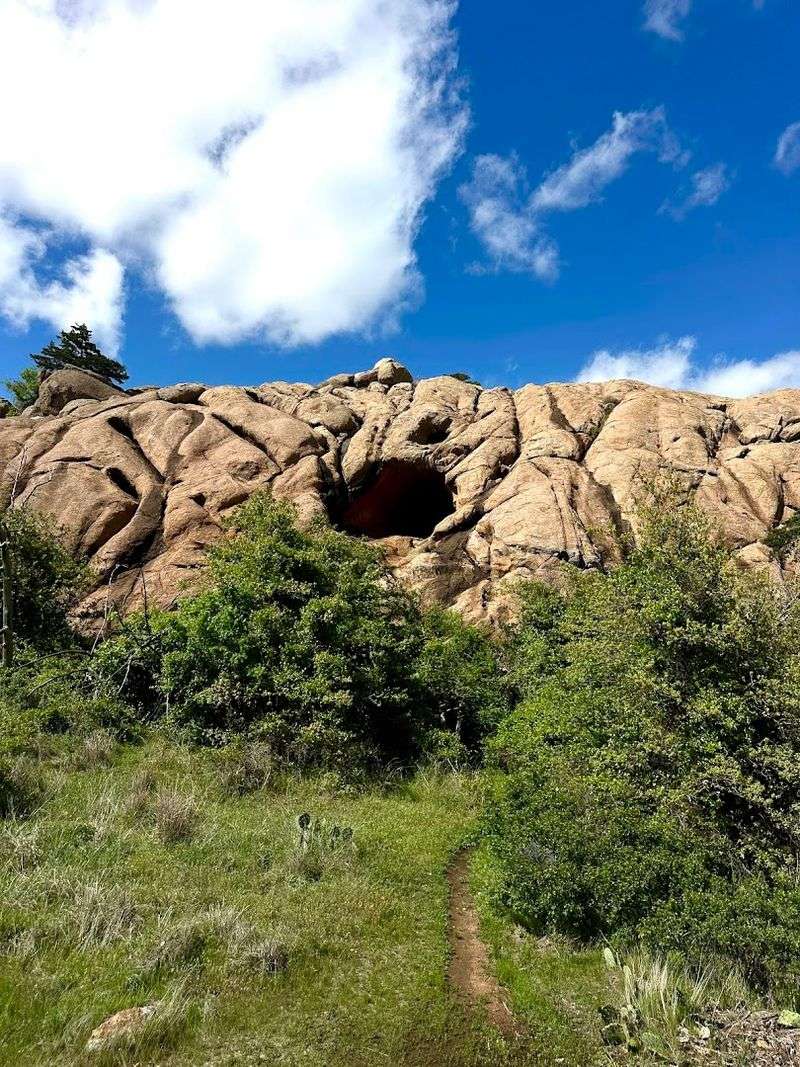
Bat Cave Mountain sits in Caddo County in southwestern Oklahoma, near the small community of Elgin, at the coordinates 34.7075679, -98.71090029999999, with the postal address listed under Oklahoma 73552.
The area is part of the broader Wichita Mountains region, a stretch of ancient granite that rises dramatically from the flat surrounding plains.
Getting there requires a bit of navigation since the mountain is not heavily signposted from the main roads, so downloading an offline map before you leave is a smart move.
The nearest larger town is Lawton, which sits just a short drive away and offers gas stations, food, and lodging if you want to make a full day of it.
Parking near the trailhead is limited, so arriving early on weekends gives you a better shot at a good spot without circling around.
The surrounding landscape shifts from open grassland to rocky outcrops as you approach, and that transition alone signals that something genuinely different is waiting for you up ahead.
Not every mountain earns a name this good, and Bat Cave Mountain absolutely lives up to the title.
The caves found on both the north and south sides of the mountain are known to shelter bat populations, which is exactly how the mountain got its memorable name in the first place.
Bats are actually a vital part of the local ecosystem, consuming enormous numbers of insects every single night and helping keep the surrounding environment balanced.
The caves themselves are natural formations carved into the ancient granite, shaped over millions of years by water, wind, and the slow shifting of the earth beneath.
Spotting bats emerging from the cave openings at dusk is one of those quiet, unexpected experiences that sticks with you long after the drive home.
The name also does something useful for visitors: it sets expectations just right, hinting at wildness and mystery without overpromising on the spectacle.
Few places in Oklahoma carry a name that tells its own story so clearly before you even set foot on the trail.
The geology of Bat Cave Mountain is genuinely fascinating once you start paying attention to the rocks beneath your feet.
The mountain is composed of Precambrian granite, some of the oldest exposed rock in the entire state of Oklahoma, dating back over 500 million years.
That age is almost impossible to wrap your head around, but standing on the surface of a boulder that has been sitting there since before complex life existed on Earth has a way of making the moment feel significant.
The granite here comes in warm shades of pink, gray, and rust, and the surfaces are often rough and crystalline in a way that catches sunlight beautifully in the late afternoon.
Erosion has sculpted the outcrops into rounded domes and jagged ridges, creating a texture across the hillside that changes completely depending on where you stand.
Geologists and casual hikers alike find the rock formations worth slowing down for, since every surface tells a chapter of a very long story.
Running your hand along a billion-year-old boulder is a surprisingly grounding experience in the middle of a busy world.
The trails at Bat Cave Mountain are not the groomed, hand-holding kind you find at a state park with paved walkways and handrails.
These paths are raw and natural, winding through rocky terrain that demands a bit of attention and a decent pair of shoes with good grip.
Visitors consistently note that the trails and paths are well-defined enough to follow without getting lost, but wild enough to make the hike feel like a real adventure rather than a stroll.
The elevation changes are manageable for most people, including older kids and reasonably fit adults, though the rocky footing means you want to watch your step on steeper sections.
Both the north and south sides of the mountain offer access points, giving you options to vary your route and see different parts of the terrain in one visit.
Morning light hits the rocks at a low angle and creates long shadows across the trail surface, making early visits particularly rewarding for anyone who enjoys the visual drama of natural landscapes.
The trail rewards patience, and slowing down is always the better strategy here.
One of the most distinctive features of this mountain is the presence of caves on both the north and south faces, which gives explorers twice the reason to circle the whole peak.
The caves are natural formations rather than developed tourist attractions, meaning there are no guided tours, no lighting rigs, and no gift shops waiting at the exit.
Bringing a reliable flashlight or headlamp is essential if you want to peer into the darker recesses, since the interiors can go from dim to pitch black quickly as you move away from the entrance.
The cave openings vary in size, with some wide enough to walk into comfortably and others more suited to crouching and careful maneuvering.
The cool air that drifts out of the cave mouths on a warm Oklahoma day is one of those small pleasures that feels disproportionately satisfying after a sweaty hike up the rocky slopes.
Respecting the cave environment means not disturbing any bats you might encounter, since they are protected and play an important ecological role in the region.
The caves feel genuinely ancient, and that atmosphere is hard to manufacture.
The wildlife around Bat Cave Mountain adds a whole extra layer of interest to any visit, especially if you are the type who likes to keep eyes open and move quietly.
Bats are obviously the headline act, but the mountain and its surroundings also support a range of reptiles, birds, and small mammals that thrive in this rugged granite habitat.
Texas horned lizards, sometimes called horny toads, are spotted in the rocky areas and are a beloved symbol of the southwestern Oklahoma landscape.
Red-tailed hawks and other raptors frequently circle overhead, riding thermal currents that rise from the sun-warmed granite surfaces below.
White-tailed deer sometimes appear at the edges of the scrubby vegetation, especially in the early morning hours before the heat of the day settles in.
The rocky crevices also shelter various species of snakes, so watching where you put your hands and feet while scrambling over boulders is genuinely good practice rather than just cautious overthinking.
Every visit turns up something different, which is part of what makes repeat trips to this mountain feel worthwhile rather than repetitive.
The summit area of Bat Cave Mountain offers views that stretch far across the surrounding southwestern Oklahoma plains, and the contrast between the rocky peak and the flat land below is genuinely striking.
On a clear day, the horizon seems to go on forever in every direction, with the patchwork of grasslands, scrub, and distant hills creating a landscape that feels both vast and oddly intimate.
The Wichita Mountains Wildlife Refuge is visible in the broader area, and the whole region has a raw, unpolished beauty that stands apart from more famous national parks.
Wind is a constant presence at the higher points of the mountain, which keeps things cool even in the warmer months and adds a kind of energy to standing at the top.
Photography enthusiasts will find the late afternoon golden hour particularly rewarding, when the warm light saturates the granite and the shadows grow long across the rocky surface.
The views are not the kind that require any special equipment or permits to enjoy, which makes them unusually accessible for something this spectacular.
Sometimes the best panoramas are the ones nobody is standing in line to see.
Timing a visit to Bat Cave Mountain well makes a real difference in how enjoyable the experience turns out to be.
Spring and fall are widely considered the best seasons, when temperatures in southwestern Oklahoma sit in a comfortable range and the landscape takes on richer colors than the bleached summer palette.
Spring brings wildflowers to the surrounding grasslands, and the air carries a freshness that makes hiking feel effortless compared to the heavy summer heat.
Summer visits are absolutely possible, but starting early in the morning is strongly advisable since the granite absorbs heat quickly and afternoon temperatures in this part of Oklahoma can climb into the high 90s without much warning.
Winter visits have their own quiet appeal, with fewer visitors and a stark, clear beauty to the rocky landscape when the vegetation has pulled back for the season.
Rainfall can make the rocky trails slippery, so checking the forecast before heading out is a practical habit rather than an optional precaution.
Whatever season you choose, the mountain has a way of making the visit feel well-timed regardless of when you actually show up.
A little preparation goes a long way when visiting a natural site like Bat Cave Mountain, especially since the area lacks the infrastructure of a developed park.
Water is the first priority, and bringing more than you think you will need is always the right call in this part of Oklahoma, where the heat and dry air can dehydrate you faster than expected.
Sturdy hiking shoes with good ankle support make a genuine difference on the rocky, uneven terrain, and lightweight trail shoes are a reasonable second choice if full boots feel like overkill.
A flashlight or headlamp is essential if cave exploration is on your agenda, and a backup set of batteries never hurts when you are relying on a single light source underground.
Sunscreen and a hat are practical necessities rather than optional extras, since the exposed granite offers very little shade on the upper sections of the mountain.
Letting someone know your plans before heading to a remote natural site is a simple habit that costs nothing and adds a meaningful layer of safety to any solo or small-group outing.
Good preparation means the adventure stays fun from start to finish.
Bat Cave Mountain holds a perfect five-star rating from every visitor who has taken the time to leave a review, which is a small but telling detail about how the place lands with people who actually make the trip.
The combination of accessible trails, genuine cave exploration, fascinating geology, and wildlife sightings packs a surprising amount of variety into a single destination that most people in Oklahoma have never heard of.
Part of what makes the experience special is precisely the lack of crowds and commercial development, which preserves the feeling that you are discovering something rather than consuming a packaged tourist product.
The mountain sits in a part of Oklahoma that already has strong natural attractions nearby, including the Wichita Mountains Wildlife Refuge, so combining stops makes for an outstanding full-day itinerary without any forced detours.
Word of mouth is slowly spreading about this spot, but it has not yet reached the point where the trails feel busy or the parking situation becomes a real problem on most days.
Places like this tend to get discovered eventually, and getting there before the crowds do is always the sweeter version of the story.



