There is a place in Tampa where sawdust is basically a perfume and every student walks away holding something they actually built with their own hands. I had no idea a woodworking school could feel this welcoming, this well-organized, and this genuinely fun until I visited for myself.
The Florida School of Woodwork sits in a historic building in the heart of the city, and from the moment you walk through the door, you can feel that something special happens here. Whether you are a total beginner or someone who already owns a workshop at home, this school has a class designed to push your skills forward in the most satisfying way possible.
Keep reading, because what this place offers goes far beyond a weekend hobby class.
A Historic Address with a Workshop Soul
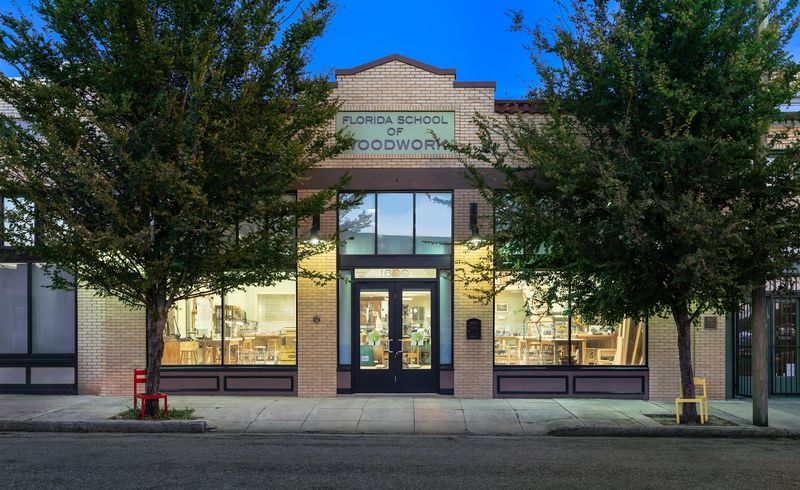
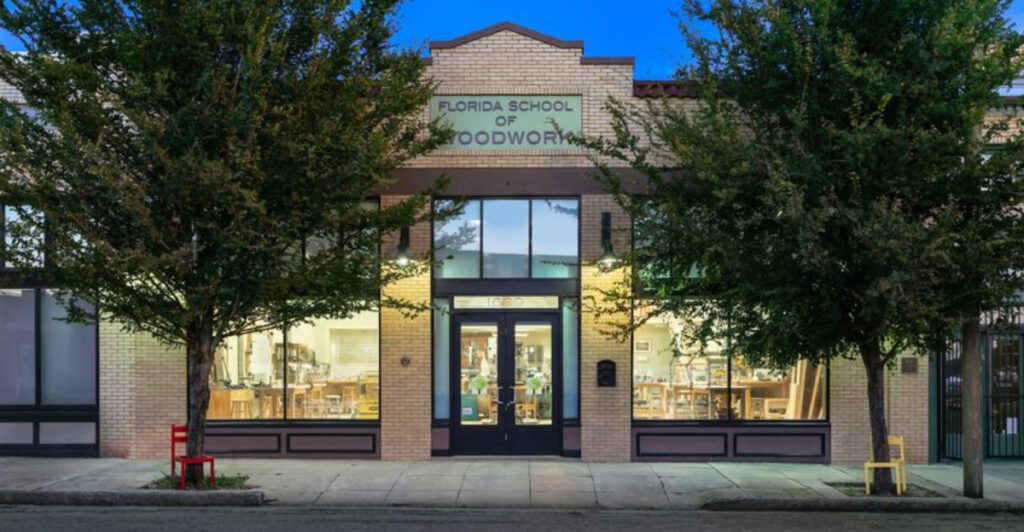
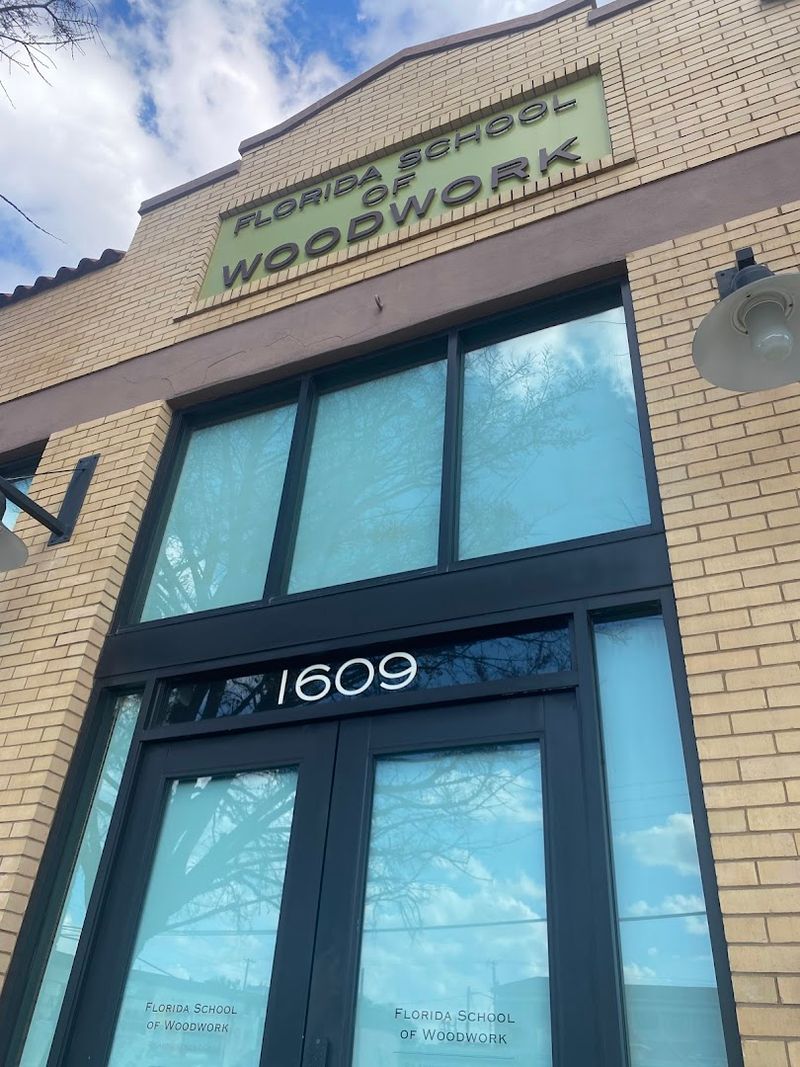
Not every craft school gets to call a cool, historic building in downtown Tampa its home, but this one does. The Florida School of Woodwork is located at 1609 N Franklin St, Tampa, right in the middle of a vibrant urban neighborhood that makes the whole experience feel even more memorable.
The building itself has real character. High ceilings, solid floors, and natural light that spills across the workbenches create an atmosphere that feels both serious and inviting at the same time.
I noticed immediately that the space is thoughtfully organized, with each student station clearly set up and ready to go before class even begins. There is something grounding about learning a traditional craft inside a structure that has its own story to tell.
The address is easy to find, parking is manageable, and the school operates Monday through Friday from 9 AM to 3:30 PM.
How the School Got Its Start
Kate Swann is the founder and heart behind this school, and her passion for the craft is the kind that spreads to everyone in the room without her even trying. She built the Florida School of Woodwork into a destination that draws students from across the country and even internationally, with past attendees traveling from as far as British Columbia, Canada.
The school has hosted workshops sponsored by Fine Woodworking magazine, which tells you a lot about the reputation it has earned in the broader woodworking community. Kate is described again and again as a teacher who carries an enormous depth of knowledge with a relaxed, charming presence that puts every student at ease.
Her ability to create an environment where beginners and experienced woodworkers both feel challenged and supported is genuinely rare. The school she built reflects her philosophy that great teaching is just as important as great craftsmanship.
The Beginning Woodwork Workshop Experience
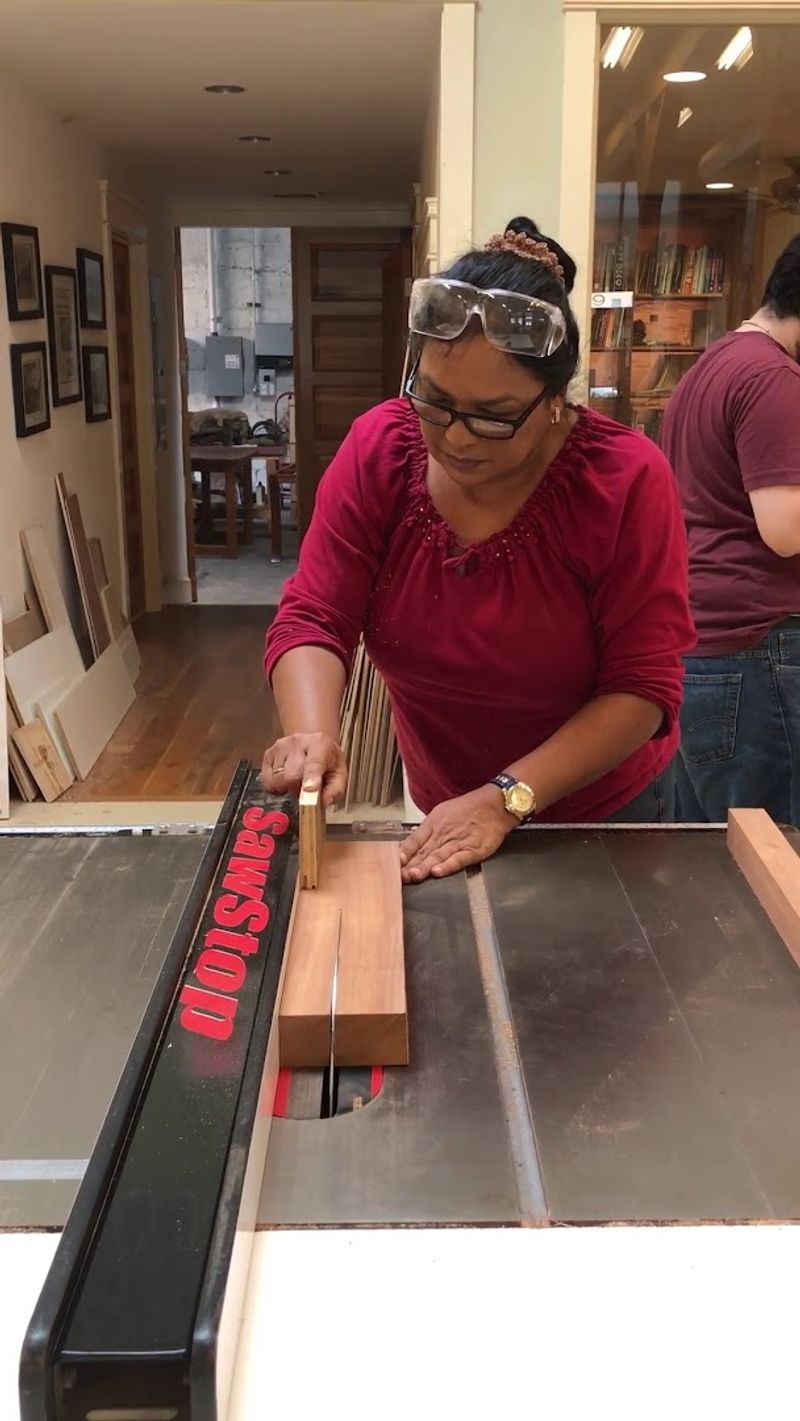
The Beginning Woodwork Workshop is where most new students start, and it consistently earns praise as one of the most well-structured introductory courses available anywhere in Florida. The week-long format gives students enough time to actually absorb techniques rather than just skim the surface of each skill.
During the class I attended, we started by making a cutting board, which sounds simple but actually introduces you to a surprising range of fundamental skills. From there, the class moved on to building a small table, which meant using nearly every major power tool in the shop before the week was done.
The curriculum is thoughtfully sequenced so that each new skill builds on the last, and the instructors are constantly circulating to offer individual guidance. Students with no prior experience and those with a little background both find the pace challenging in the best possible way.
You leave with actual furniture you made yourself.
Box-Making Class: Small Projects, Big Skills
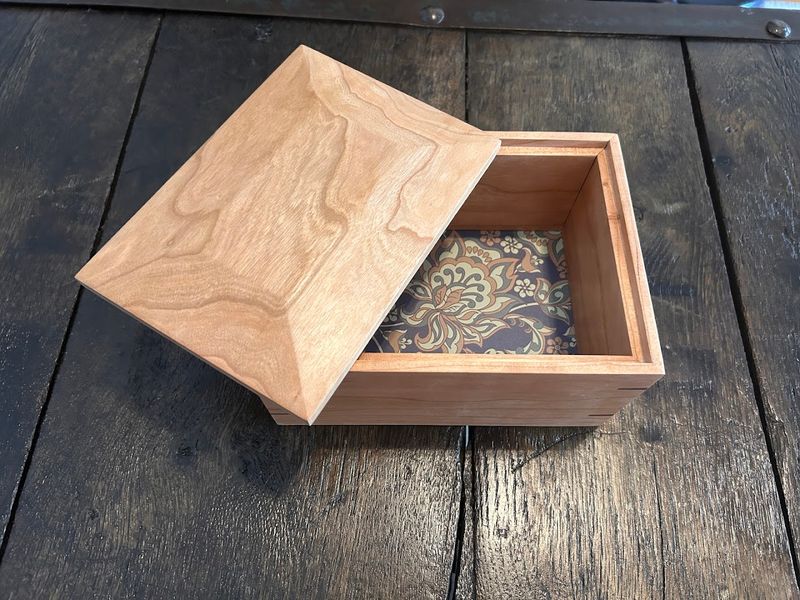
The box-making class is one of the most popular offerings at the school, and it is easy to see why once you understand what the curriculum actually covers. Students leave with multiple handcrafted boxes and a skill set that touches on joinery, design principles, wood selection, and finishing techniques all in one week.
What surprised me most about this class is how much it shifts your perspective on design and aesthetics. Many students come in focused purely on the mechanical side of woodworking, and the box-making course opens up a whole new way of thinking about how form and function work together in a finished piece.
The instructors guide students through each stage with a balance of demonstration and hands-on practice that feels genuinely well-calibrated. By the end of the week, the three boxes sitting on your bench are not just projects.
They are proof of real skill development that you can take home and use every day.
The Workshop Facility Itself Is Worth the Trip
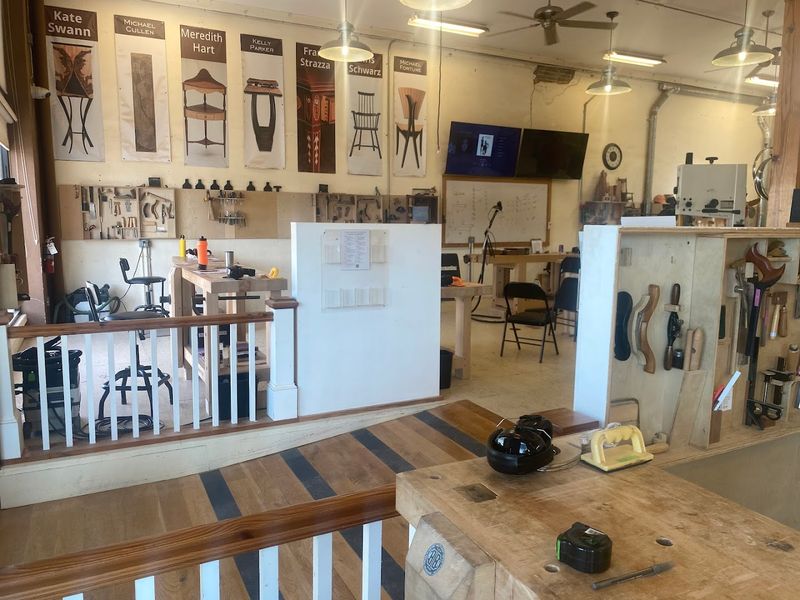
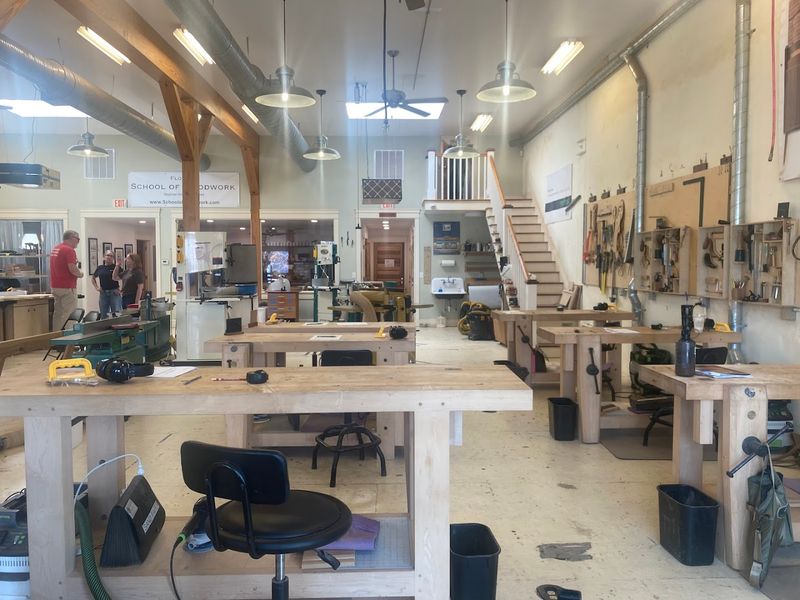
Walking into the workshop for the first time, the sheer quality of the setup is immediately obvious. Every student gets their own dedicated workbench, stocked with hand tools that are well-maintained and ready to use from the first moment of class.
The shared power tool section includes table saws, band saws, planers, jointers, routers, and more, all kept in excellent working condition. These are not dusty machines pushed into a corner.
They are set up thoughtfully so that each task flows naturally from one step to the next.
The overall layout of the space makes it easy for multiple students to work simultaneously without feeling crowded or rushed. There is a sense of order here that reflects how seriously the school takes the learning environment.
Good tools in good condition, organized in a logical way, make a real difference in how quickly students build confidence and competence at the bench.
Weekend Classes for Busy Schedules
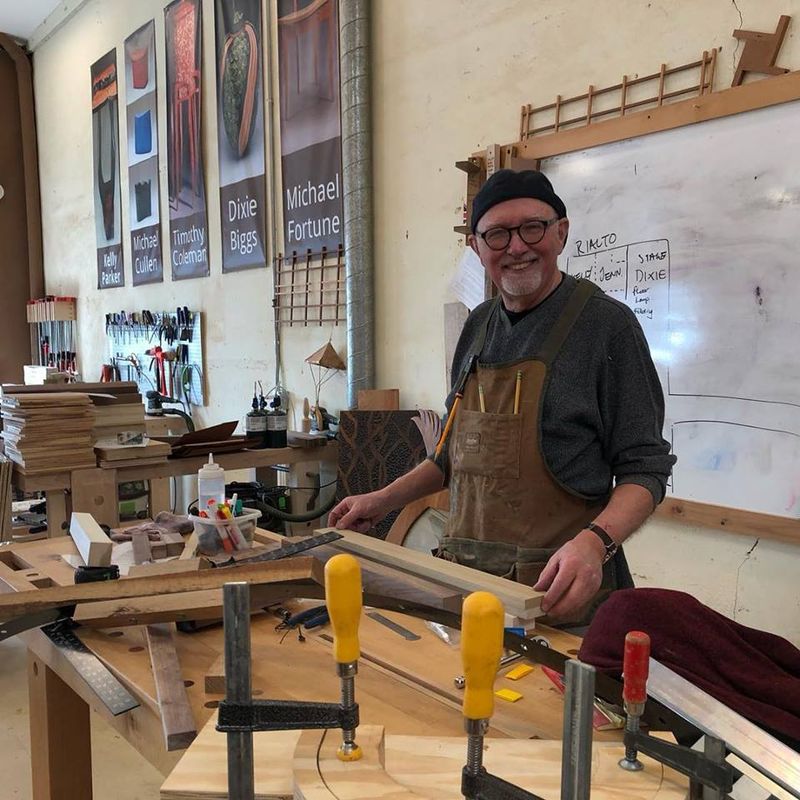
Not everyone can take a full week away from work or family commitments, and the Florida School of Woodwork clearly understands that. Weekend classes are available alongside the week-long formats, making it much easier for people with busy lives to fit serious woodworking education into their schedule.
The weekend beginning woodwork course covers a solid foundation of skills in a compressed but well-organized timeframe. Students who have taken it consistently describe the experience as exceeding their expectations, which is impressive for a two-day format that has to cover a lot of ground efficiently.
Weekend specialty workshops have also featured guest instructors covering topics like surface carving and hand carving, giving students access to niche skills that are hard to find in most local classes. The school runs these shorter courses in addition to its Monday through Friday offerings, so there is almost always a class on the calendar that fits your availability.
Intro to Casemaking: Furniture Building at Its Core
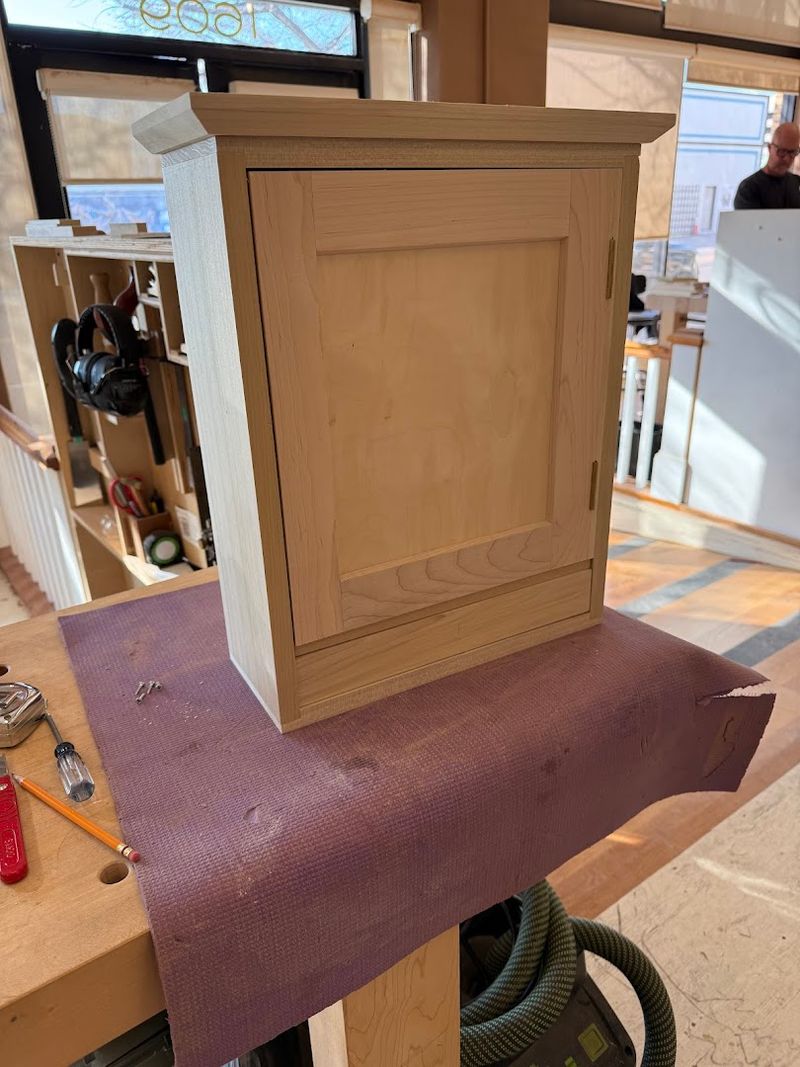
Casemaking is the art of building the structural boxes that form cabinets, bookshelves, and other case-style furniture, and it is one of the most practical skills you can develop as a woodworker. The intro to casemaking class at this school covers both the theory and the hands-on techniques needed to build solid, square, and well-fitted casework from scratch.
Instructors Kate, Andrew, and Carl team up to deliver this course, and the combination of their different areas of expertise gives students a well-rounded understanding of the subject. The class is kept small intentionally, which means plenty of one-on-one time at the bench with an instructor who can address exactly what you are struggling with in the moment.
For anyone interested in eventually building kitchen cabinets, built-ins, or storage furniture at home, this course provides a foundation that is genuinely hard to replicate through self-teaching. The structured curriculum turns a complex topic into a series of manageable, satisfying steps.
Hand Carving and Specialty Guest Workshops
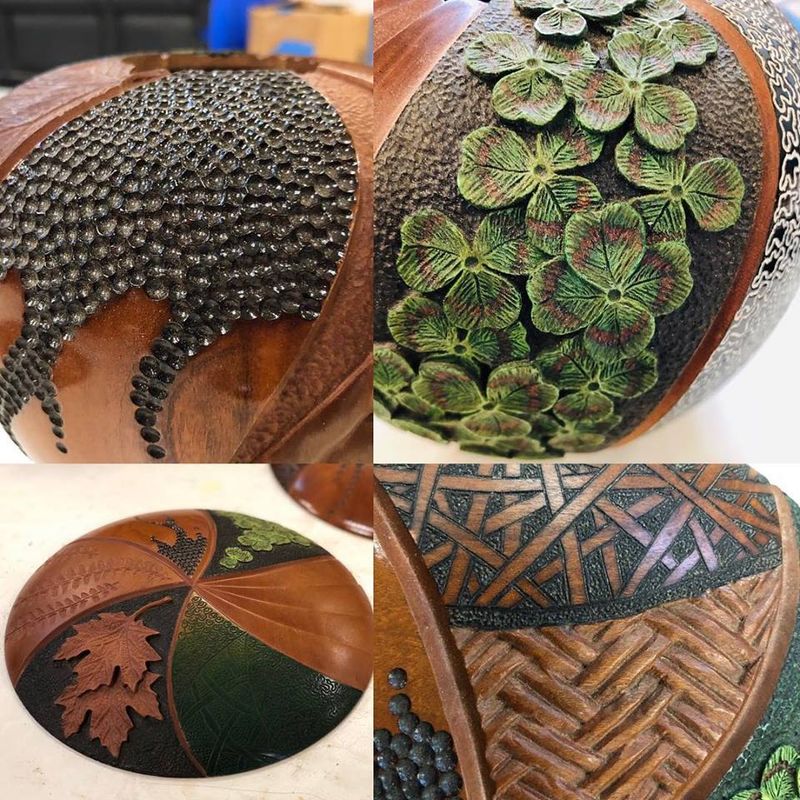
Beyond the core curriculum, the Florida School of Woodwork regularly brings in guest instructors who specialize in areas that go well beyond standard furniture making. Hand carving workshops led by skilled craftsmen like Michael Cullen have given students access to mentoring that feels more like an apprenticeship than a typical class.
Surface carving courses have also been offered, teaching students how to add decorative relief work to flat panels using a focused set of carving tools. These workshops tend to attract both beginners curious about a new skill and experienced woodworkers looking to expand their repertoire in a specific direction.
The setting of a cool, historic building in downtown Tampa adds an unexpected layer of atmosphere to these specialty sessions. There is something about learning an ancient craft in a space with real architectural character that makes the whole experience feel more connected to the long tradition of skilled handwork that woodcarving represents.
Windsor Chair Making: A Week-Long Challenge Worth Taking
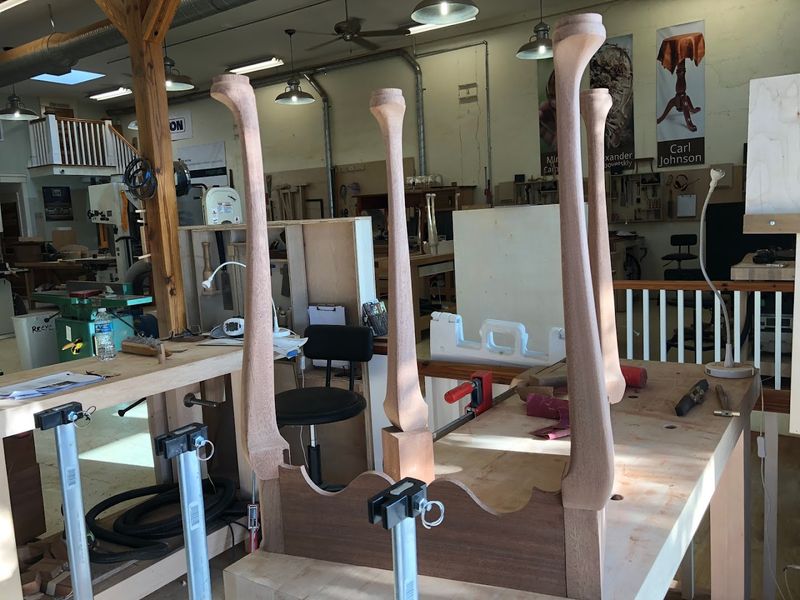
Building a Windsor chair from scratch in a single week sounds ambitious, but the Florida School of Woodwork has made it a reality for students who sign up for this specialized course. Travis Curtis taught the week-long introduction to Windsor chair making, and the results speak clearly for themselves since every student in the class finished their chair by the end of the week.
The logical sequence of the curriculum is a big part of what makes this possible. Each day builds on the previous one in a way that feels natural rather than rushed, and the hands-on time with tools is substantial throughout.
Windsor chairs involve a unique combination of turned legs, steam-bent bows, and hand-shaped seats that make them one of the more complex projects a woodworker can tackle. Completing one in a structured class setting, with expert guidance at every stage, is the kind of milestone that stays with you long after the sawdust settles.
Wood Milling and Machining Fundamentals
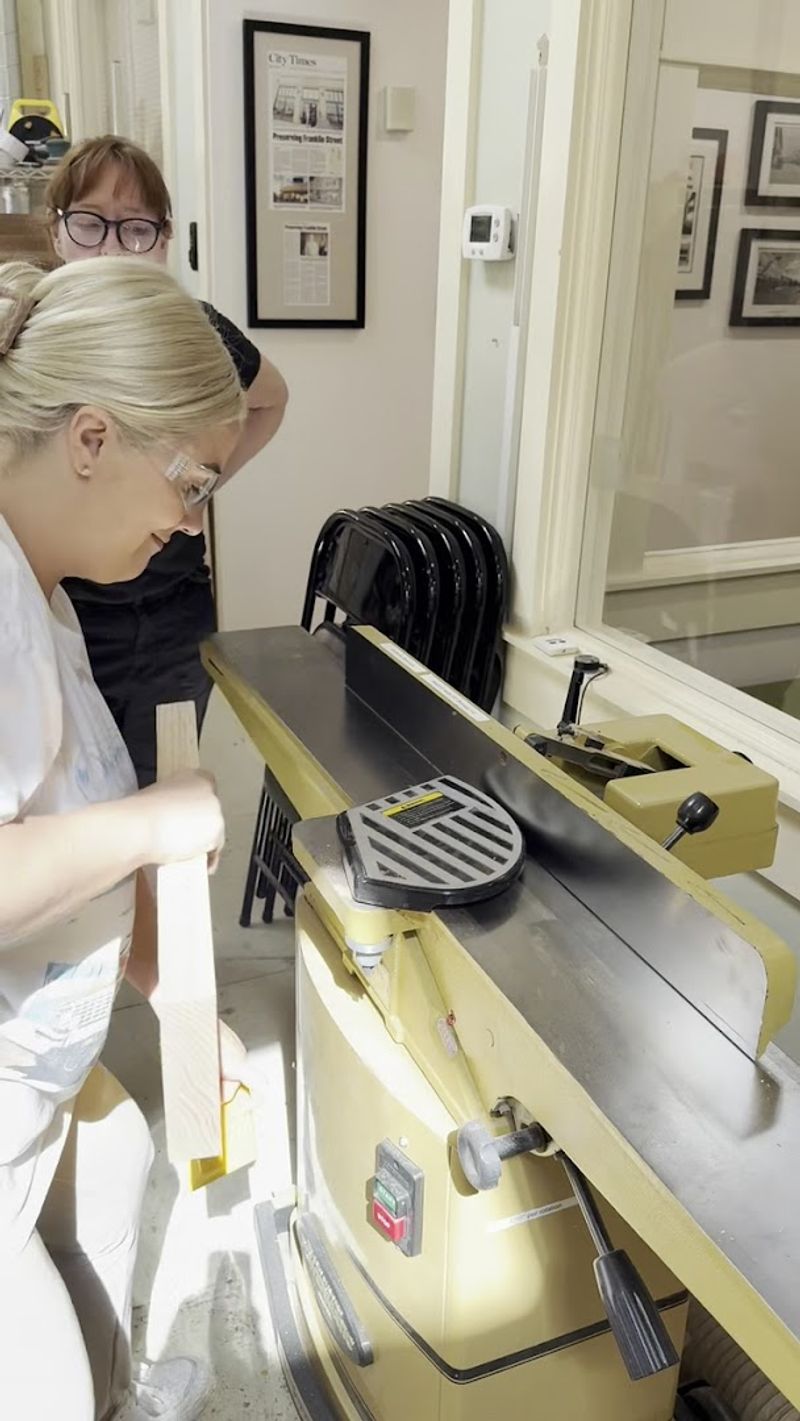
One of the most fundamental skills in all of woodworking is knowing how to take rough-sawn lumber and transform it into flat, square, and smooth stock that is actually ready to be used in a project. The school offers a dedicated class focused entirely on this process, and it is the kind of foundational knowledge that makes every other skill you develop more effective.
The course covers hands-on use of the jointer, planer, table saw, and related equipment, along with a solid understanding of how wood moves and reacts as it is machined. That last piece of knowledge is often overlooked in beginner education but turns out to be critically important for avoiding frustrating mistakes later on.
Students who have taken this class consistently describe it as essential for anyone serious about woodworking. Getting the basics of wood preparation right from the start saves enormous amounts of time, material, and frustration on every single project that follows.
Small Class Sizes That Actually Make a Difference
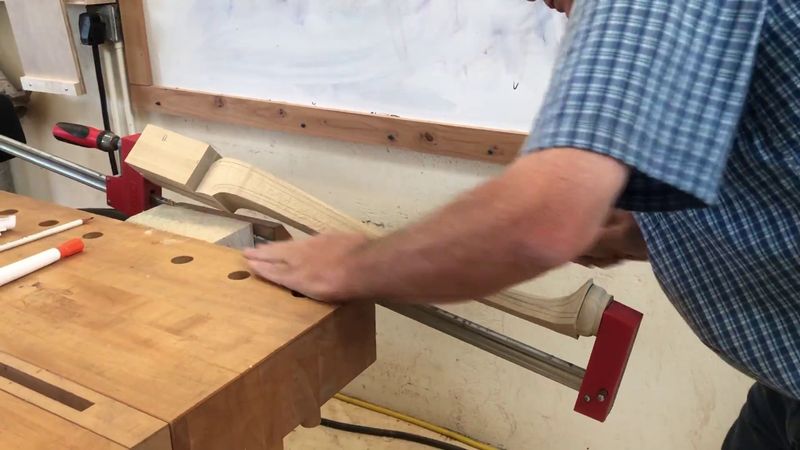
A lot of schools talk about personalized instruction, but the Florida School of Woodwork actually delivers it through a strict commitment to small class sizes. A typical class here runs around ten students with two instructors, which means the ratio of teacher to student is genuinely favorable in a way that changes the quality of the learning experience.
That kind of access to experienced instructors is something you simply cannot replicate by watching online tutorials, no matter how well-produced those videos might be. When an instructor can watch your technique in real time and correct a small error before it becomes a bad habit, the learning curve shortens dramatically.
The intimate group size also creates a natural sense of community among students. People exchange contact information, form friendships, and sometimes reconnect at future classes.
The social dimension of learning alongside a small, focused group adds real value to an experience that is already strong on its own merits.
The Router Class and Expanding Power Tool Skills
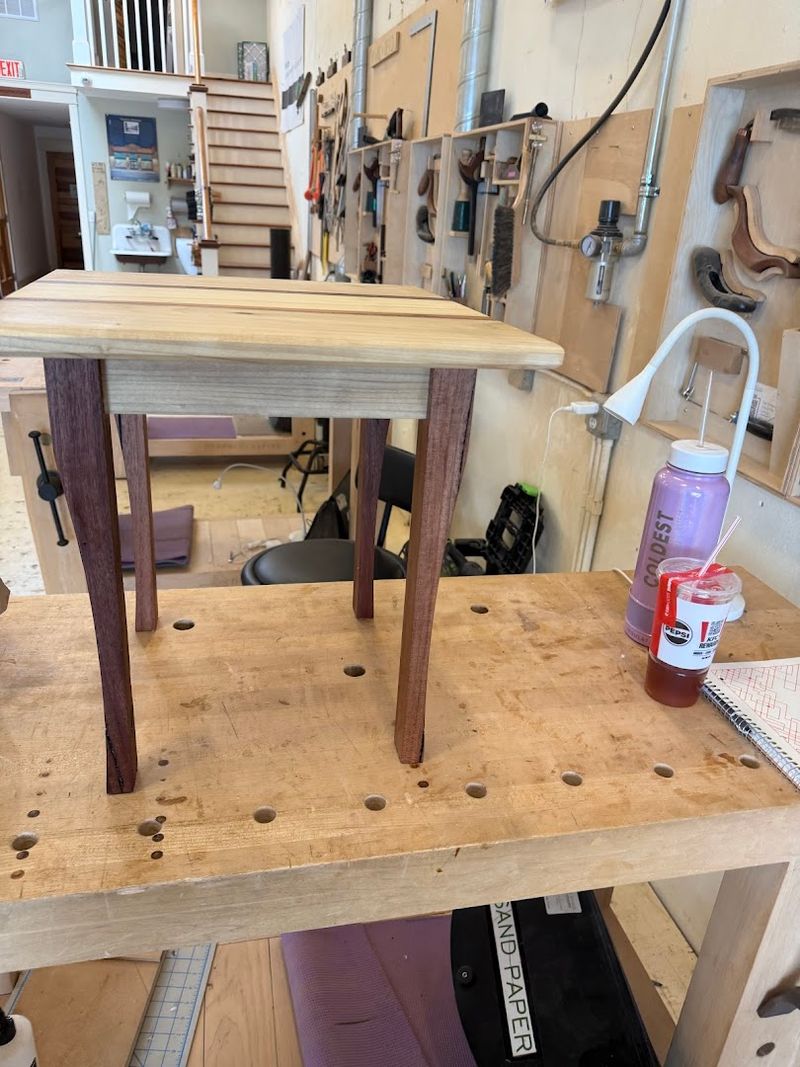
The router is one of the most versatile tools in any woodworking shop, and knowing how to use it well opens up a wide range of joinery, shaping, and decorative options that would otherwise be very difficult to achieve. The router class at the Florida School of Woodwork covers the tool comprehensively, with instructors Andrew and Garrett leading students through both the fundamentals and more advanced applications.
What stands out about this class is the quality of the equipment and the genuinely welcoming atmosphere in the shop. Students describe the space as inviting, which matters more than it might seem when you are learning to use a high-speed cutting tool for the first time.
The knowledge and helpfulness of the instructors is consistently praised by everyone who has taken this course. Many students leave already planning to return for another class, which is about the clearest endorsement a workshop can receive from someone who has just spent a day there.
Finishing Techniques That Elevate Every Project
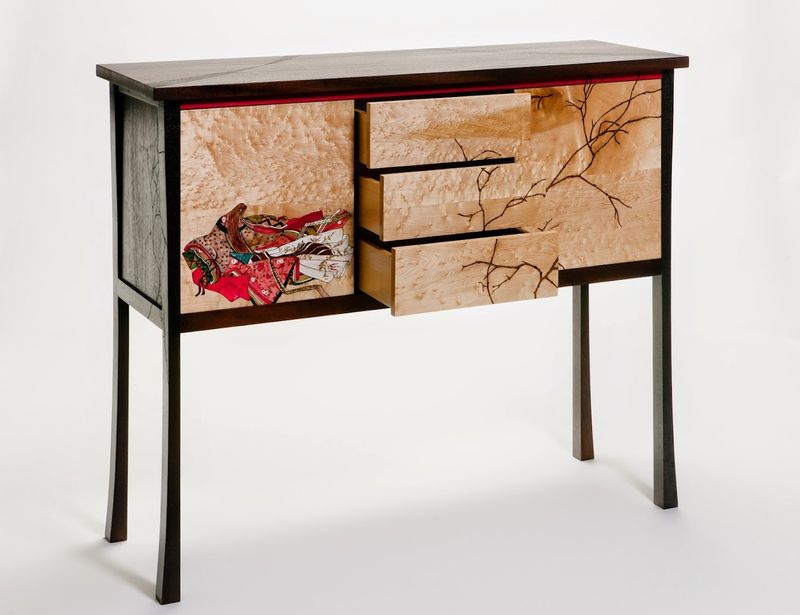
Most beginner woodworkers focus heavily on cutting and joinery, and finishing often gets treated as an afterthought. The Florida School of Woodwork takes a different approach, weaving in-depth instruction on finishing methods throughout its curriculum in a way that genuinely changes how students think about completing a project.
Students learn about different finishing options tailored specifically to the function of the piece being built, whether it needs to be durable for daily use, food-safe for cutting boards, or enhanced purely for visual beauty. That kind of context-driven instruction is far more useful than a generic overview of products.
One student described how this knowledge completely shifted their perspective on applying finishes, allowing them to achieve results that actually matched their vision for a project. Understanding the why behind each finishing choice, not just the how, is the kind of insight that separates a competent woodworker from someone who truly understands the craft from start to finish.
Why Students Keep Coming Back for More
The clearest sign that a school is doing something right is the number of students who return for a second, third, or even fifth class. At the Florida School of Woodwork, returning students are not the exception.
They are a defining feature of the community that has grown up around this place.
People come back because the curriculum keeps offering new challenges at every level, from beginner workshops to advanced specialty courses that push even experienced woodworkers into unfamiliar territory. The combination of expert teaching, excellent facilities, and a genuinely warm atmosphere creates an experience that is hard to find anywhere else in Florida.
For anyone curious about woodworking or looking to seriously develop a craft skill, this school in Tampa is the kind of place that has a way of turning a passing interest into a lifelong pursuit.
Share this story