There is a cave in southeastern Tennessee where, every evening around dusk, something extraordinary happens. Hundreds of thousands of bats pour out of the cave entrance in a swirling, living stream that stretches across the sky for what feels like forever.
It is one of those rare natural events that stops people mid-sentence and keeps them staring long after the last bat disappears into the darkening air. The cave, tucked along the Tennessee River near New Hope, is home to one of the largest bat colonies in the entire country.
The cave sits within a wildlife refuge managed by the Tennessee Valley Authority, and the whole setup is more accessible than most people expect. Whether you show up on foot, by kayak, or just pull over on a nearby road, this place has a way of making you feel like you stumbled onto a secret that the rest of the world somehow missed.
The Cave That Changed After the Dam Was Built
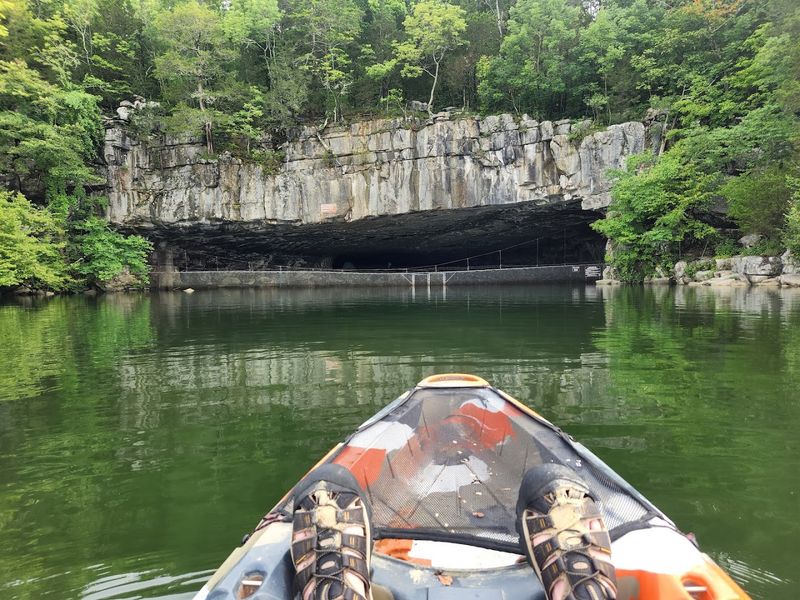
Before the Nickajack Dam was completed in 1967, the cave was a completely dry limestone cavern that people could walk into. It had a long history going back thousands of years, used by Native Americans, Civil War soldiers, and even saltpeter miners during earlier centuries.
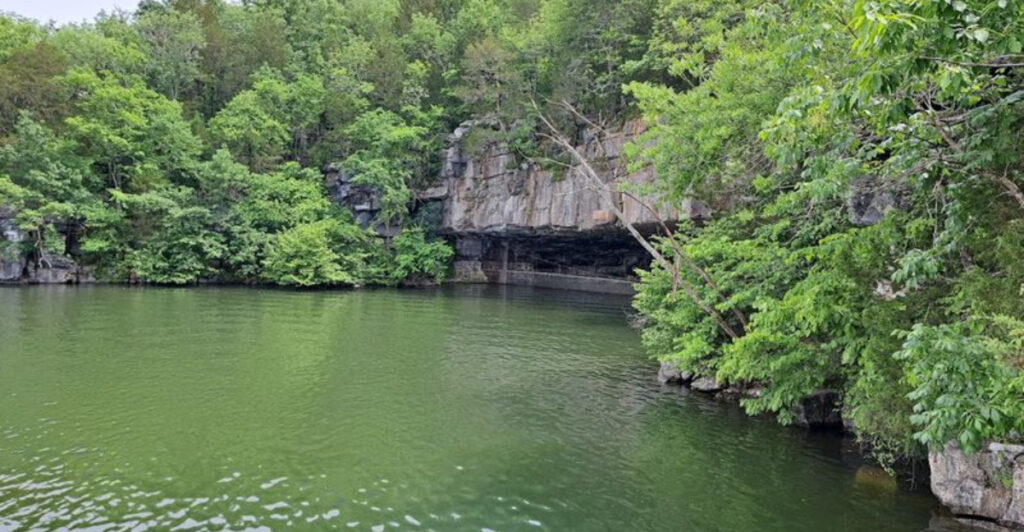
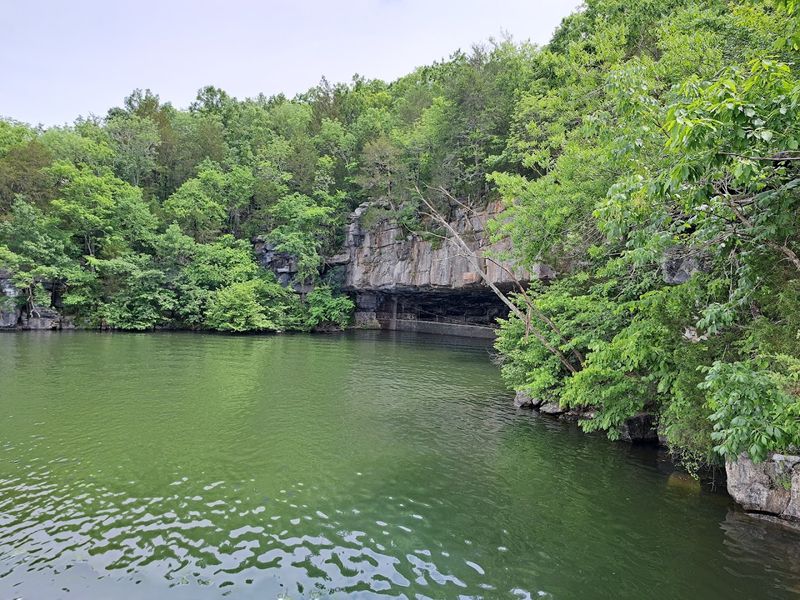
Once the dam went up and the reservoir filled, the lower portions of the cave flooded permanently. The water level now sits right at the cave entrance, meaning the cave is essentially at lake level and inaccessible by foot.
That flooding, while it changed the cave dramatically, also created the perfect roosting habitat that the gray bat colony now calls home.
The cave maintains a stable temperature year-round, which is exactly what bats need to survive both hibernation in winter and the active summer months. What was once a dry historic cavern became something entirely different, and arguably more spectacular, once the water moved in and the bats took over.
The Gray Bat Colony That Makes This Place Famous
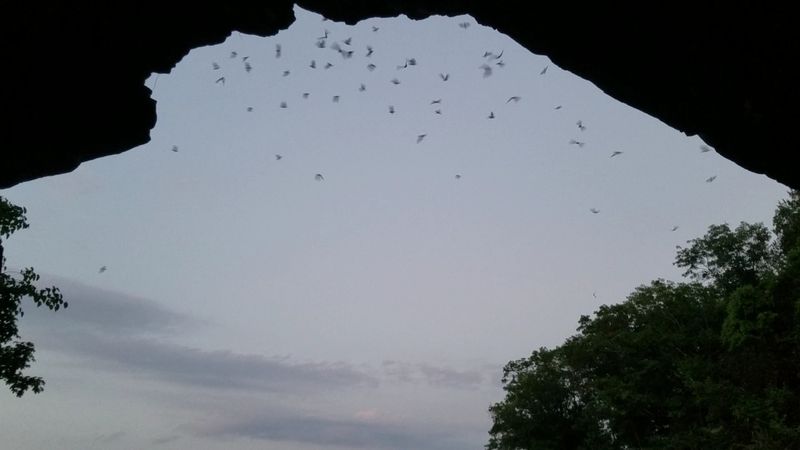
The gray bat is a federally endangered species, and Nickajack Cave holds one of the largest gray bat colonies anywhere in North America. During the summer months, the population inside the cave can reach into the hundreds of thousands, making the nightly emergence one of the most dramatic wildlife events in the entire southeastern United States.
Gray bats are insectivores, meaning they feed entirely on flying insects. A single bat can consume thousands of mosquitoes and other insects in a single night, which makes the colony an enormous natural pest control system for the surrounding region.
The species was once on the brink of collapse due to disturbance at key cave sites, but protection efforts at places like Nickajack have helped stabilize the population over the decades. The cave entrance is gated and off-limits to the public, which is a deliberate conservation decision designed to keep the colony undisturbed during the critical roosting season.
The Boardwalk That Gets You Close Enough
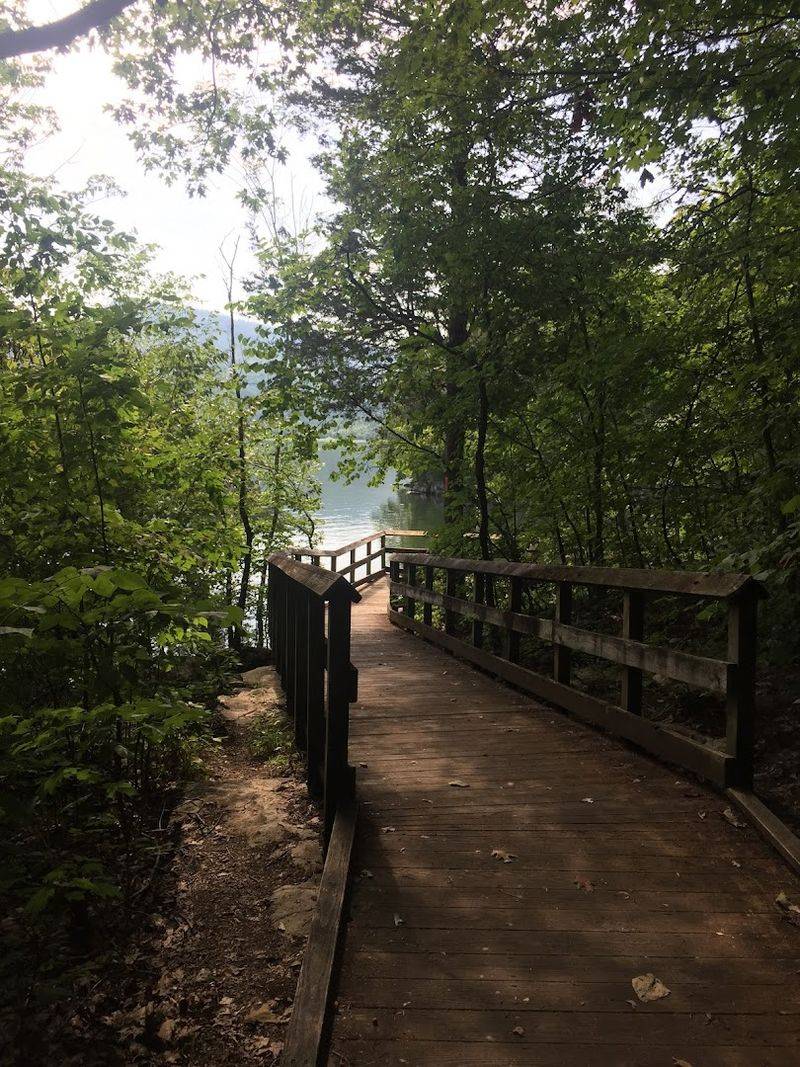
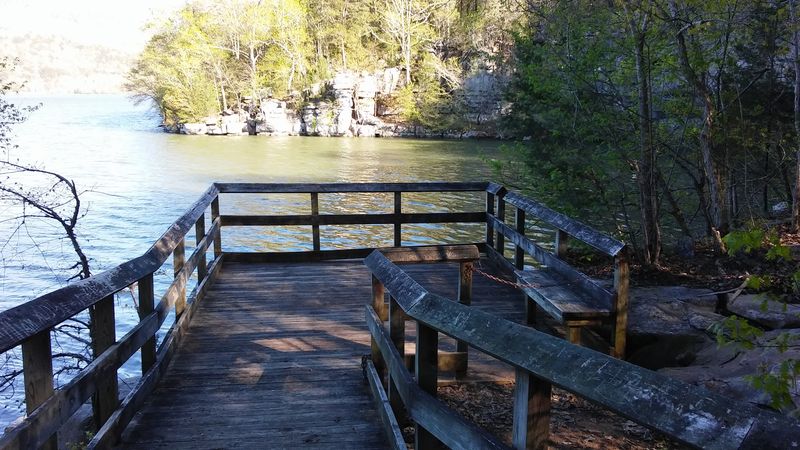
A wooden boardwalk extends from the parking area out toward the cave viewing platform, covering the short distance in just about five minutes of easy walking. The path is flat and accessible for most people, though the boards can get slick when wet, so wearing shoes with decent grip is a practical choice.
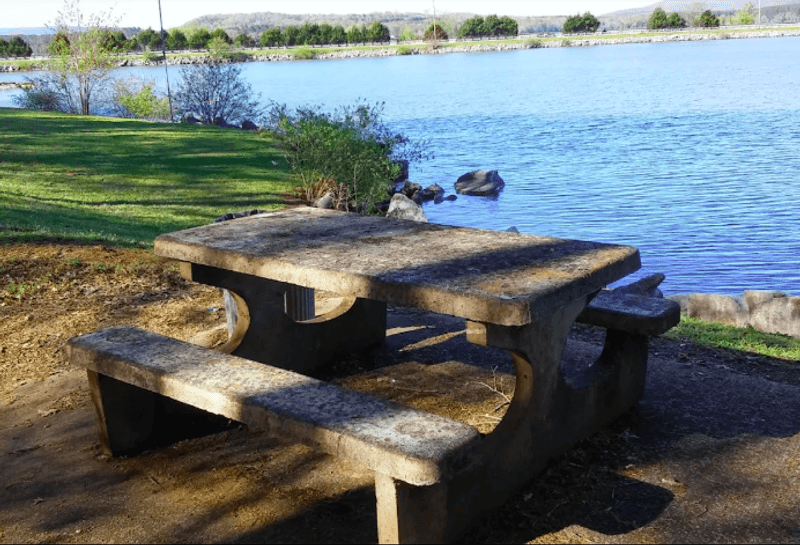
At the end of the boardwalk, there is an open viewing area with clear sightlines toward the cave entrance across the water. Picnic tables are available nearby, making it easy to settle in and wait for the evening emergence without feeling rushed.
Along the way, the boardwalk passes a small seasonal waterfall tucked into the rock face, which flows during wetter months and winter but tends to dry up in summer. The rock formations around it are worth a closer look.
The walk itself is short enough that it never feels like a hike, but long enough to give the whole visit a sense of arrival and anticipation.
Kayaking to the Cave Entrance
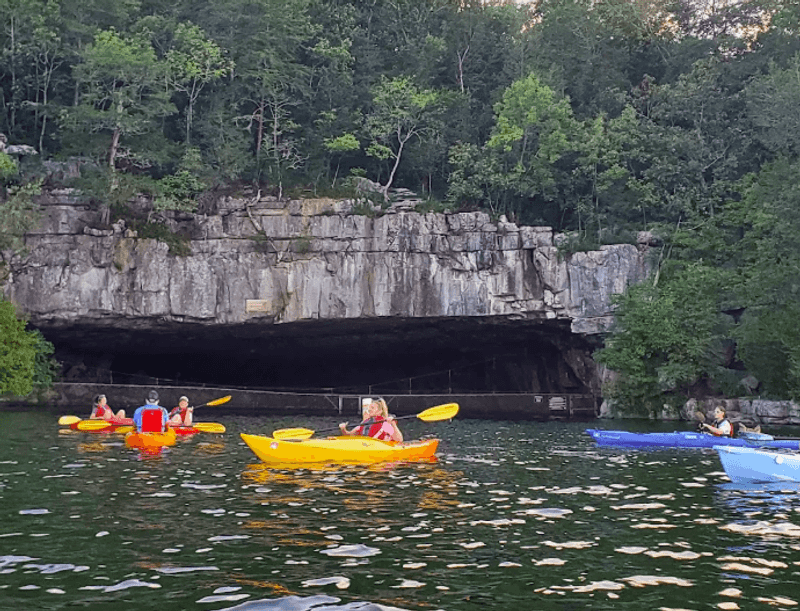
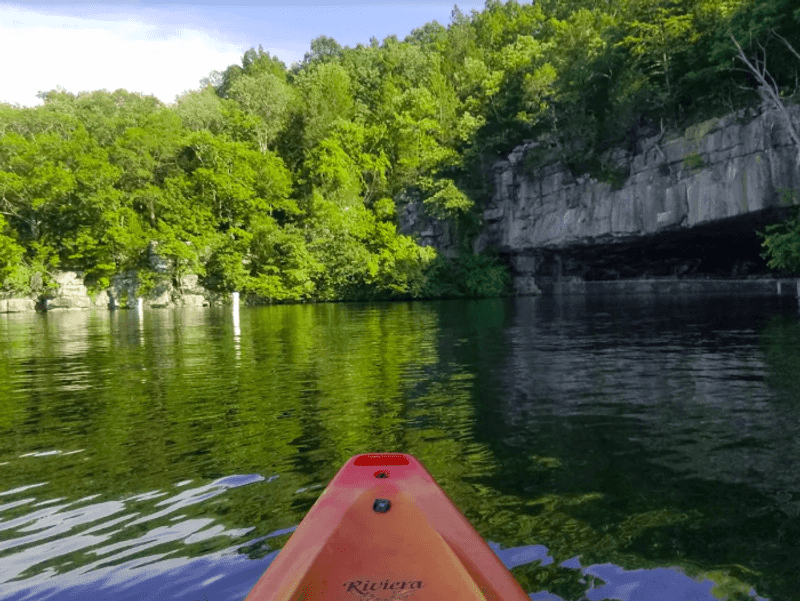
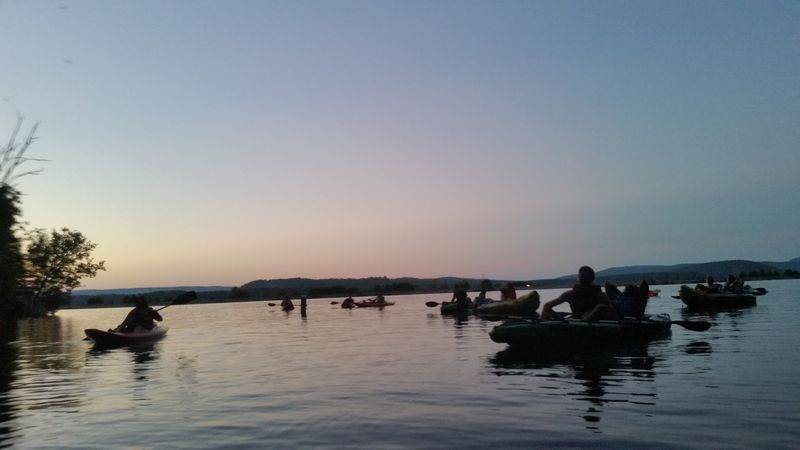
For those who want to get closer to the action, a kayak puts you right at the mouth of the cave as the bats begin to emerge. The paddle from the refuge launch area to the cave entrance is short, making it manageable even for people who are not experienced paddlers.
Guided kayak tours are available through outfitters who work in the area, and those tours include detailed information about the bats, the cave history, and the surrounding ecosystem. The guided option costs more than the free boardwalk viewing, but it delivers a completely different perspective on the whole event.
Arriving early enough to paddle around the lake before the emergence is worth the extra time. Osprey, herons, and other water birds are active in the area before dusk, and the calm water of Nickajack Lake makes for pleasant paddling in the evening light.
Going by kayak turns a wildlife viewing trip into a full outdoor adventure on the water.
The Role of the Tennessee Valley Authority Here

The Tennessee Valley Authority, commonly known as the TVA, manages Nickajack Cave Wildlife Refuge as part of its broader land and resource management mission across the Tennessee River Valley. The TVA built the Nickajack Dam in the 1960s, which inadvertently created the conditions that made the cave such a productive bat habitat.
The agency has since taken an active role in protecting the gray bat colony by restricting access to the cave itself and maintaining the refuge as a public wildlife viewing area. The TVA website provides current information on refuge hours, seasonal closures, and any updates about the bat population or access conditions.
The refuge operates within a larger network of TVA-managed lands along the Tennessee River, which includes boat launches, shoreline access points, and conservation areas. The fact that a federal utility agency ended up as the steward of one of the country’s most significant bat colonies is one of those unexpected conservation outcomes that actually worked out well for everyone involved.
Wildlife Beyond the Bats
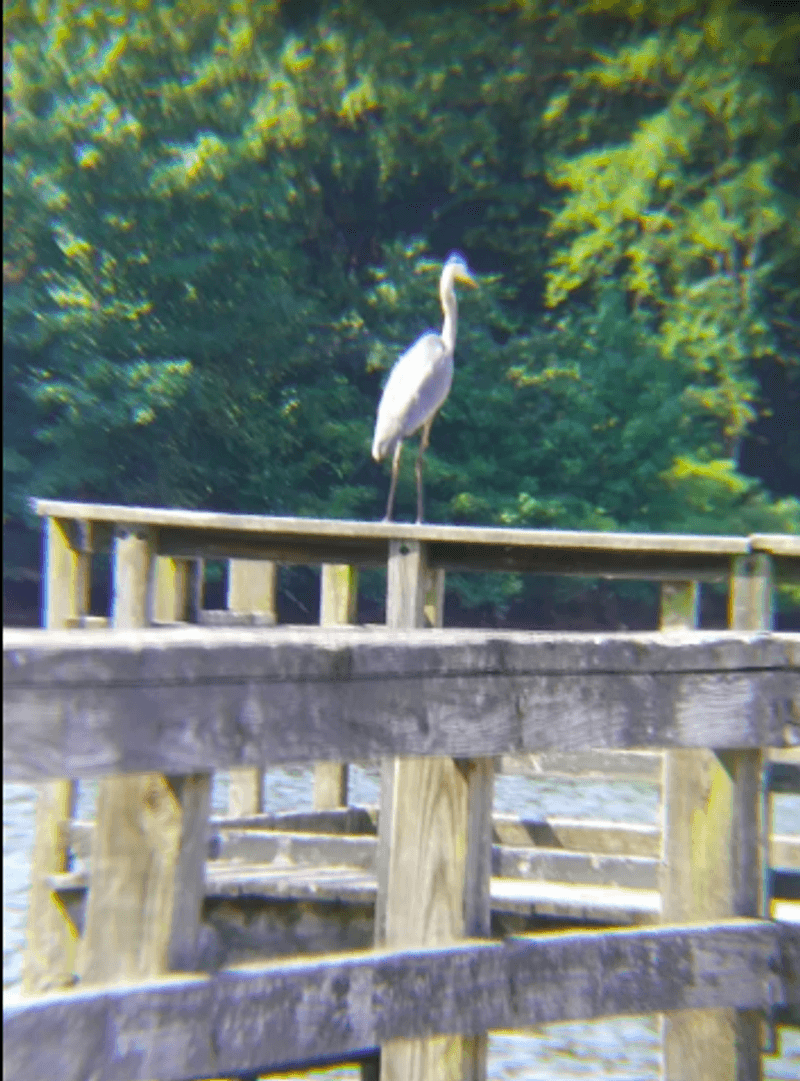
The bats get most of the attention here, but Nickajack Cave Wildlife Refuge supports a much broader range of wildlife than just the cave colony. Osprey are regularly spotted hunting over the lake, and great blue herons work the shallower areas along the shoreline throughout the day.
The surrounding forest and riverbank habitat attract a variety of songbirds, especially during spring and fall migration when species moving through the Tennessee River corridor stop to rest and feed. The mix of open water, limestone bluffs, and forested upland creates a patchwork of habitats that benefits a wide range of species.
Fishing is also part of the wildlife experience at Nickajack, with the lake known for producing decent catches from the shoreline and by boat. The refuge access points offer spots along the water where fishing is possible without a boat.
The combination of birdwatching, bat viewing, and fishing makes this refuge genuinely multi-layered as a wildlife destination, not just a one-trick evening show.
Best Time of Year to Show Up
The bat emergence is a summer phenomenon, with the colony most active and the nightly shows most dramatic from late spring through early fall. The gray bats arrive at the cave to raise their young during the warmer months, which is when the population inside peaks and the evening emergences are at their largest scale.
Late June through August tends to be the most reliable window for seeing the largest numbers of bats coming out of the cave. Earlier in the season, the colony is still building, and later in the fall the bats begin preparing for hibernation and the numbers start to thin.
The refuge has seasonal operating hours and is sometimes closed during the off-season when the bats are not present. Checking the TVA website or contacting the refuge before planning a trip during shoulder seasons like April or October is the safest approach.
Showing up on a clear, calm evening rather than a stormy or very windy night also tends to produce a better viewing experience.
Operating Hours and When to Arrive
The refuge operates on a schedule that is directly tied to the bat activity, which means the hours are structured around the evening emergence rather than standard daytime park hours. On weekdays, the refuge is open from 8 PM to midnight, while Saturday hours run from midnight through 8 PM, and Sunday the refuge is closed entirely.
These hours reflect the fact that the main event here is the dusk emergence, and the TVA manages access accordingly. Arriving at least 30 to 45 minutes before sunset gives enough time to park, walk the boardwalk, and find a good spot at the viewing platform before the bats start coming out.
The parking area is modest in size, and on busy summer evenings it can fill up quickly, especially on weekends. Getting there early is not just about finding a good viewing angle, it is also about securing a parking spot without stress.
A little patience and early arrival makes the whole visit run much more smoothly.
Camping Near the Refuge
Camping options exist in the broader Nickajack area, and some people combine a bat viewing trip with an overnight stay along the lake. The region has a handful of campgrounds and recreation areas that put you within easy distance of the refuge for both evening and morning wildlife activity.
One practical heads-up for campers in the area: a railroad line runs through the corridor, and trains pass through regularly throughout both day and night. The frequency is enough that light sleepers should plan accordingly and bring earplugs if train noise is something that disrupts rest.
The tradeoff for that minor inconvenience is waking up next to Nickajack Lake with direct access to the water for kayaking, fishing, or just watching the morning birds work the shoreline. Camping in the area turns a single-evening bat viewing trip into a fuller outdoor experience that makes the drive worthwhile for people coming from farther away.
The surrounding landscape rewards those who stay longer.
Fishing at Nickajack Lake
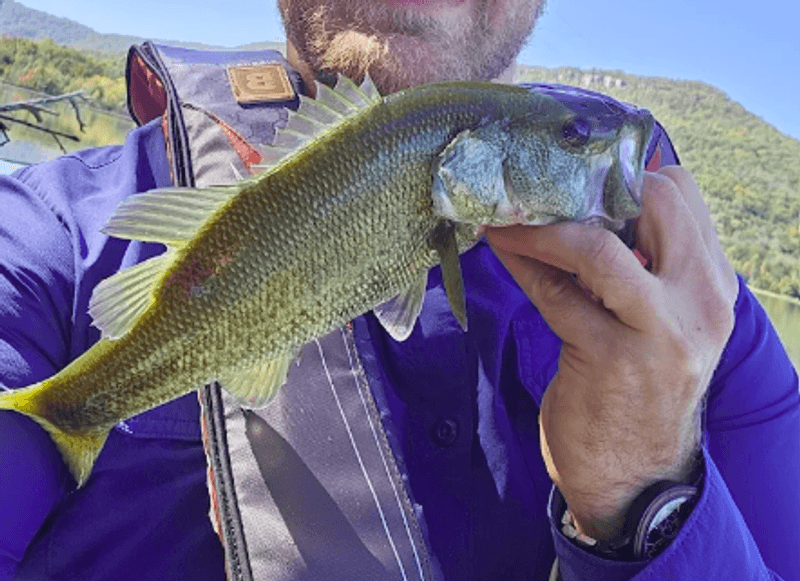
Nickajack Lake is a productive fishing destination in its own right, separate from the bat cave fame. The reservoir stretches for miles along the Tennessee River and holds a healthy population of largemouth bass, smallmouth bass, crappie, and catfish among other species.
Shoreline access at the refuge gives anglers a spot to cast without needing a boat, though the lake is large enough that fishing from a kayak or small motorboat opens up far more of the productive water. The calmer coves and areas near structure tend to hold the most fish, especially during the warmer months when bass are active near the surface.
A valid Tennessee fishing license is required, as it would be at any public water in the state. The combination of a morning fishing session followed by an evening bat emergence makes for a full day at the refuge that keeps outdoor enthusiasts busy from first light to after dark.
Few spots in Tennessee pack that much variety into one small area.
Conservation Lessons This Place Quietly Teaches
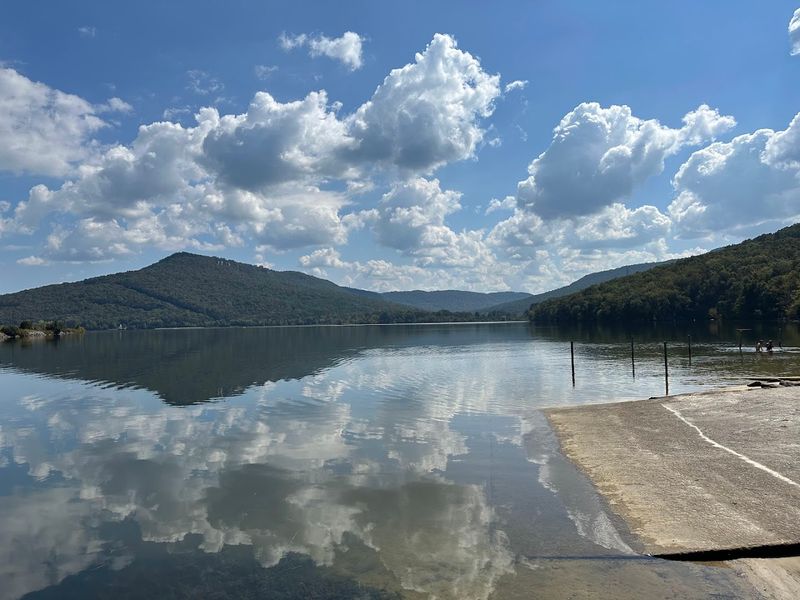
Nickajack Cave is one of those places that demonstrates what habitat protection can actually accomplish over time. The gray bat was listed as an endangered species in 1976, and the population at Nickajack had been severely impacted by human disturbance inside the cave prior to that protection.
Once the cave was secured and public access to the interior was restricted, the colony began recovering. The current population at Nickajack represents a genuine conservation success story, though the species remains listed as endangered nationally because it depends on a small number of critical cave sites across the Southeast.
The refuge does not have rangers stationed there regularly to provide educational programming, which means the conservation story is not always told to the people who show up to watch the bats. Guided kayak tours fill some of that gap by providing context and information about why the bats matter and how the protection of this single cave has made a measurable difference for the species at a regional scale.
Why This Spot Deserves a Spot on Your Tennessee List
There are plenty of places in Tennessee that get written up in travel guides and outdoor magazines, but Nickajack Cave Wildlife Refuge tends to fly under the radar in a way that feels almost unfair given what it delivers. The nightly bat emergence alone puts it in a category of natural spectacles that most people never get to witness in their lifetime.
The fact that it is free to visit from the boardwalk, requires almost no physical effort to reach the viewing area, and sits within a genuinely beautiful stretch of river gorge country makes the case for it even stronger. There is no entrance fee, no complicated reservation system, and no gear required beyond comfortable shoes.
For Tennessee locals who have driven past the exit a hundred times without stopping, or for out-of-state travelers building a road trip through the Southeast, this refuge punches well above its weight. It is the kind of place that becomes a regular stop once you know it exists, and the kind you immediately want to tell people about after your first visit.
Where Exactly Is This Place
Nickajack Cave Wildlife Refuge sits at Mapleview Rd, New Hope, TN 37380, right along the banks of Nickajack Lake in Marion County. The refuge is managed by the Tennessee Valley Authority, the same federal agency responsible for the Nickajack Dam just downstream.
The location itself is surprisingly easy to reach, tucked off a rural road with a parking area that gives quick access to the boardwalk leading toward the cave. New Hope is a small community in the Tennessee River Gorge region, surrounded by the Cumberland Plateau and the Raccoon Mountain area.
The drive out here is part of the experience, winding through forested hills and river bottomland that feel a world away from city traffic. The refuge is open from Saturday through Friday with specific hours depending on the day, so checking the TVA website before heading out is a smart move.
A little planning goes a long way at this spot.
Share this story