Nashville, Tennessee is famous for its music, but tucked inside the East Nashville neighborhood sits a chocolate factory that has quietly built its own devoted following. This is a small-batch, bean-to-bar operation that takes chocolate seriously, using old-world techniques and antique equipment to craft bars and confections from scratch.
Every step of the process happens under one roof, from sorting raw cacao beans to hand-wrapping finished products. This is not a place that rushes anything.
The factory tour is one of the most affordable and genuinely educational experiences in the city, and the shop floor is stocked with creative flavors that go far beyond anything you would find at a grocery store. Whether you are a chocolate enthusiast or just curious about how your favorite treat is actually made, this Nashville spot is well worth the detour.
The Story Behind the Bean-To-Bar Philosophy
Bean-to-bar is not just a marketing phrase at Olive & Sinclair. It is the entire foundation of how this company operates.
The process starts with sourcing raw cacao beans and ends with a finished, hand-wrapped chocolate bar, with every single step happening in-house.
Scott Witherow founded the company in 2007 with a clear mission: make real chocolate the way it was made before mass production took over the industry. That meant sourcing quality beans, avoiding artificial additives, and letting the natural character of the cacao shine through.
Most commercial chocolate goes through so many industrial shortcuts that the original flavor of the bean barely survives. Olive & Sinclair takes the opposite approach, treating each batch as something worth paying close attention to.
The result is chocolate that carries actual depth and distinction. No preservatives are used in the production process, which keeps the focus entirely on quality ingredients and careful craftsmanship from start to finish.
Antique Grinding Machines That Still Do the Heavy Work
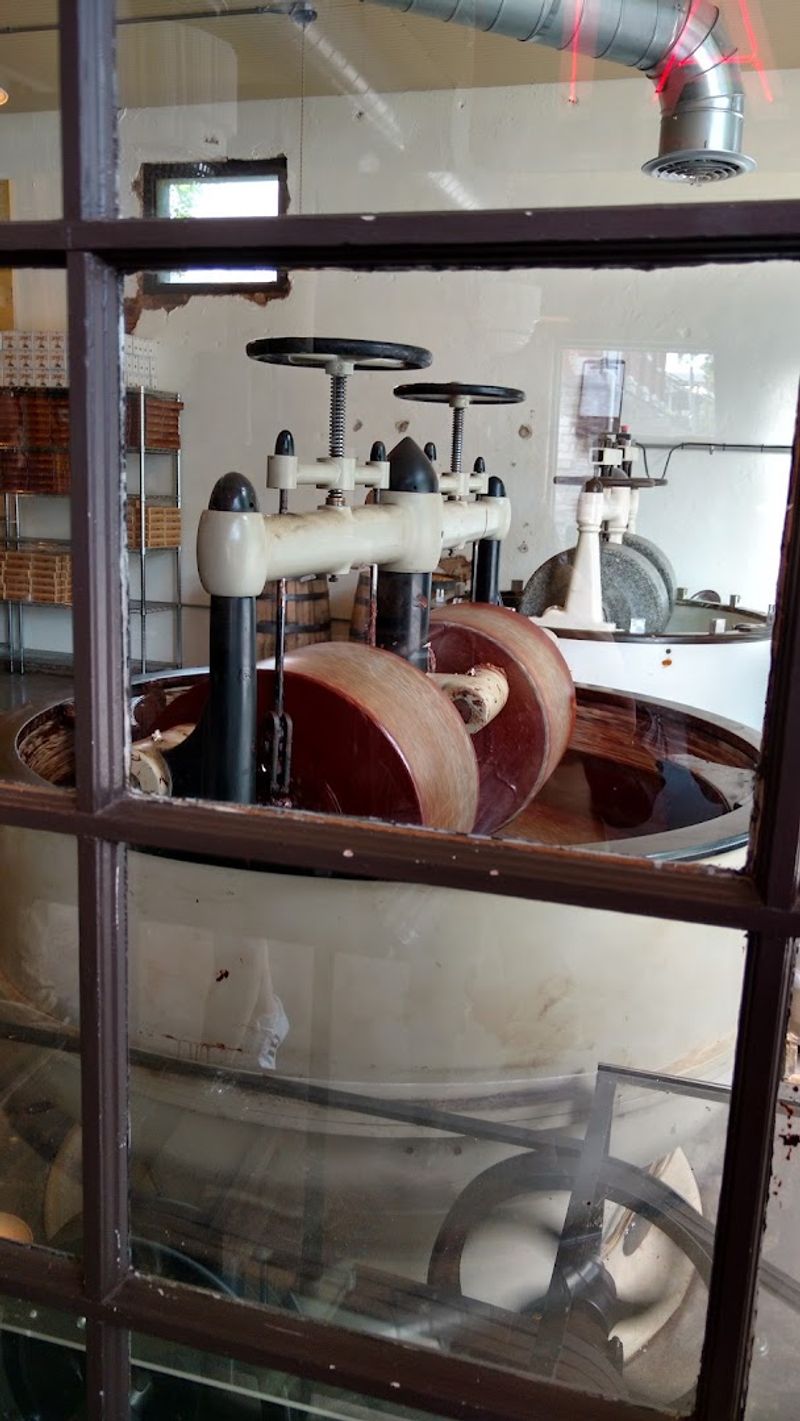
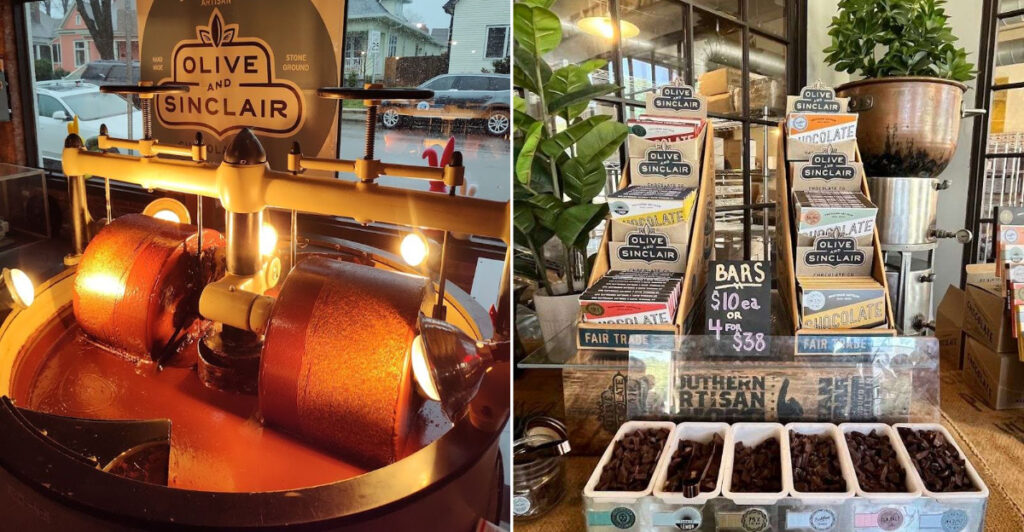
One of the most remarkable things about Olive & Sinclair is that the factory still runs two melanger grinders that are approximately 120 years old. One came from Spain and one from France, and both continue to play an active role in the chocolate-making process today.
A melanger is a stone grinding machine that slowly refines cacao into smooth chocolate by using heavy granite wheels rotating over a granite base. The process takes time, which is exactly the point.
Watching these machines in motion during a tour is one of those moments that genuinely shifts how you think about where food comes from. There is something grounding about seeing century-old equipment still doing its job reliably in a modern city.
The decision to keep using these machines rather than replacing them with faster modern alternatives reflects a broader commitment to preservation and craft. Speed was never the goal here, and the antique grinders make that point without saying a word.
What the Factory Tour Actually Covers
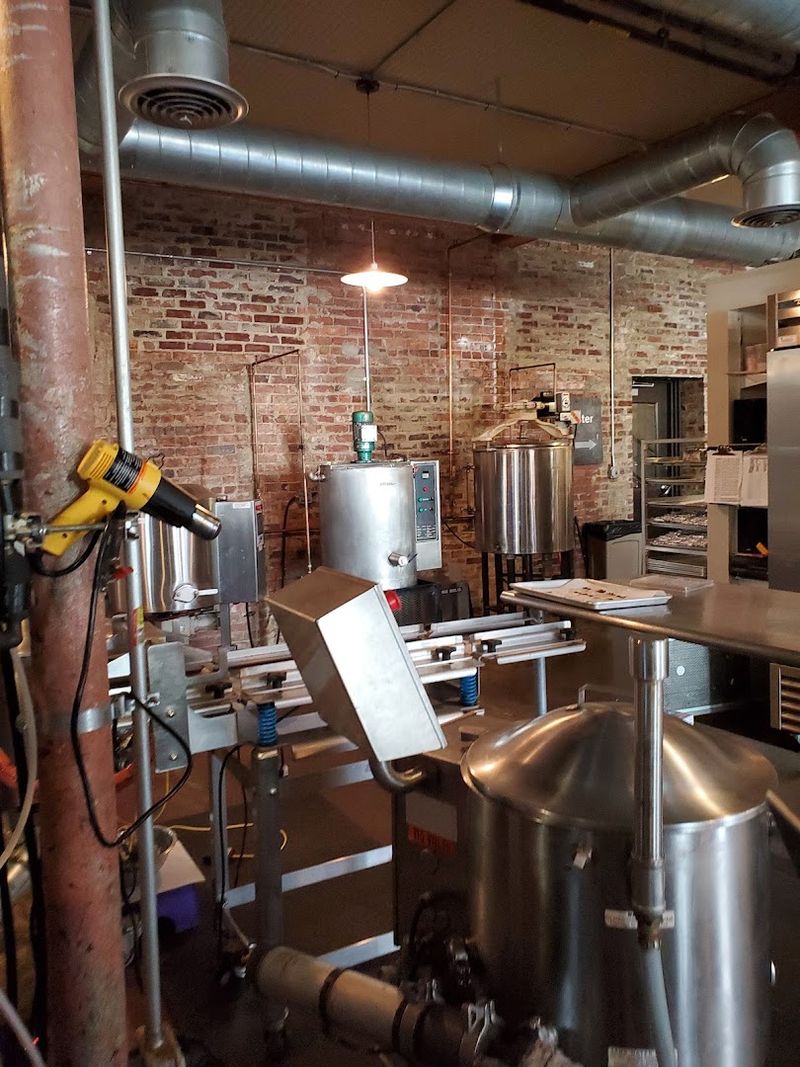
The factory tour at Olive & Sinclair runs approximately 45 minutes and covers the entire production journey from raw bean to finished bar. Groups are kept small, which makes the experience feel personal rather than like a crowded attraction.
Tour guides walk through each stage of the process with real enthusiasm and deep knowledge of the craft. The sourcing of cacao, the roasting, the grinding, the conching, and the tempering are all explained in clear, accessible terms that do not require any prior chocolate knowledge to follow.
Samples are offered before and after the tour, giving participants a chance to taste the difference between various chocolate varieties and processing styles. The combination of education and tasting makes the tour feel genuinely worthwhile rather than just a quick walk-through.
The tour price has historically been one of the best deals in Nashville for an hour of quality entertainment and learning. It regularly draws both first-time tourists and longtime Nashville residents looking for something a little different.
Ethically Sourced Ingredients and Local Suppliers
Olive & Sinclair takes sourcing seriously, and that commitment extends well beyond just finding good cacao. The company works with ethical suppliers and incorporates locally sourced ingredients wherever the process allows.
Knowing where ingredients come from is not a small thing in the food industry. Many chocolate producers use commodity cacao that changes suppliers frequently based on price, which makes consistency and ethics harder to guarantee.
Olive & Sinclair builds relationships with suppliers who share the same standards.
Local Tennessee producers have contributed ingredients to various product lines over the years, which keeps the operation connected to its regional roots. That connection between local sourcing and regional identity adds another layer to what makes this factory stand out from larger competitors.
The no-preservatives policy is also part of this sourcing philosophy. When the ingredients are good enough on their own, there is no need to prop them up with additives.
That straightforward approach is reflected clearly in the finished products available in the shop.
The Shop Floor and Its Creative Product Range
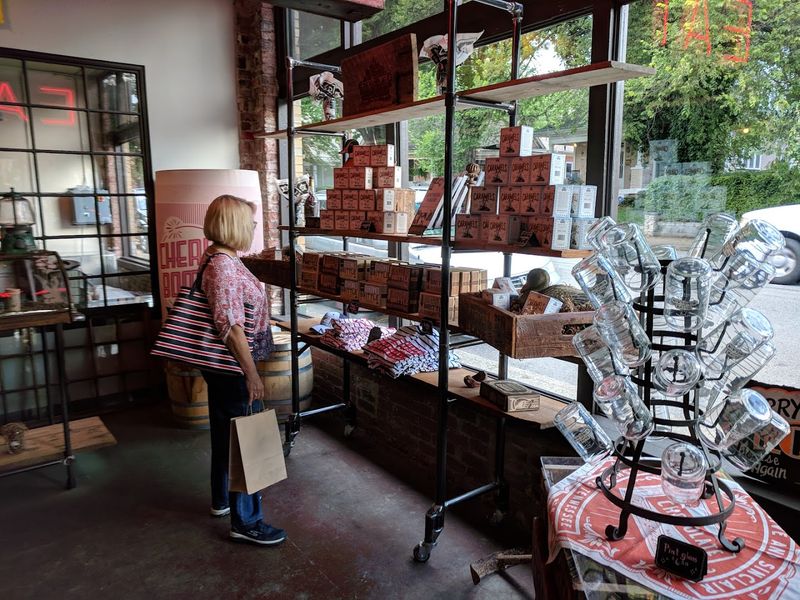
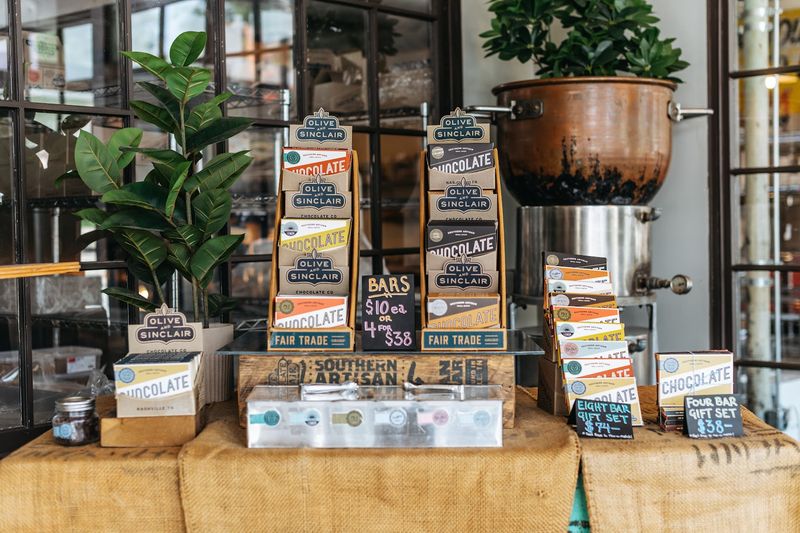
The retail shop at Olive & Sinclair is compact but well-stocked, offering a range of products that goes well beyond a standard chocolate bar selection. Every item on the shelves is made in-house, which gives the shop a cohesive and intentional feel.
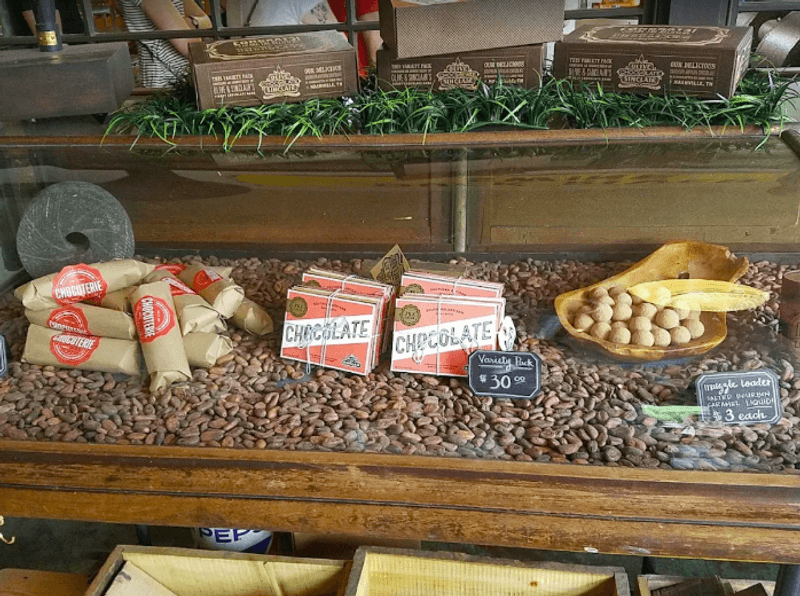
Chocolate bars come in a variety of flavor profiles that reflect both classic combinations and more adventurous pairings. Options have included chipotle, lemon, and bourbon nib brittle, among others.
The lineup changes periodically, so repeat visits can turn up new discoveries.
Caramels are another standout category in the shop, with varieties like duck fat and salt and vinegar drawing attention for their unexpected but well-executed flavor combinations. Hand-wrapping every product is a detail that sets the brand apart in an era when automation handles most packaging.
The chocuterie, a roll of chocolate crafted to resemble a salami with rotating add-in ingredients each month, is one of the more creative products the shop has offered. It has a reputation for fooling people at first glance.
Why Small-Batch Production Changes Everything
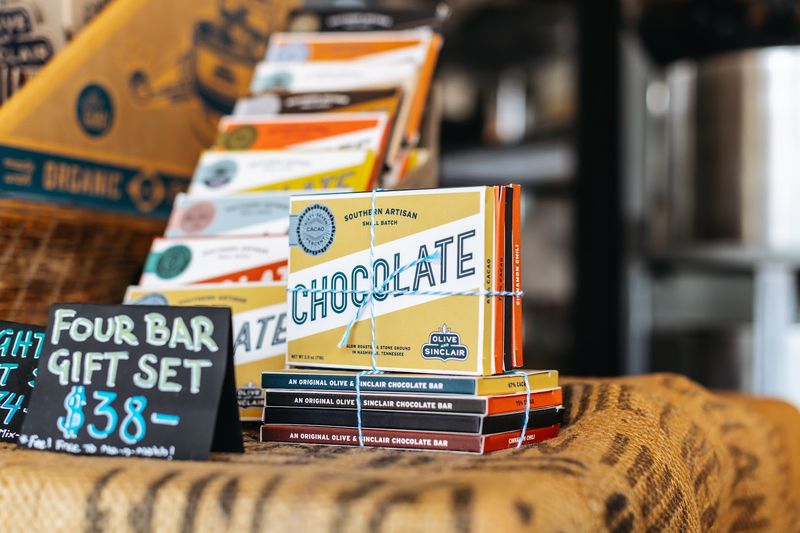
Small-batch production is a term that gets used loosely in the food industry, but at Olive & Sinclair it has a very specific meaning. Each batch of chocolate is made in limited quantities, which allows for careful monitoring at every stage of the process.
When a factory produces thousands of tons of chocolate per day, individual quality checks become nearly impossible. Olive & Sinclair operates on a completely different scale, where the team can actually watch each batch develop and make adjustments along the way.
This approach also means that the chocolate you buy today was likely made very recently. There is no warehouse full of product sitting in storage for months before it reaches the shelf.
Freshness is a natural byproduct of the small-batch model.
The trade-off is that supply is limited and certain products sell out. That scarcity is not manufactured for marketing purposes.
It is simply the honest result of making things carefully and in reasonable quantities rather than racing to maximize output.
Caramels That Have Developed Their Own Reputation
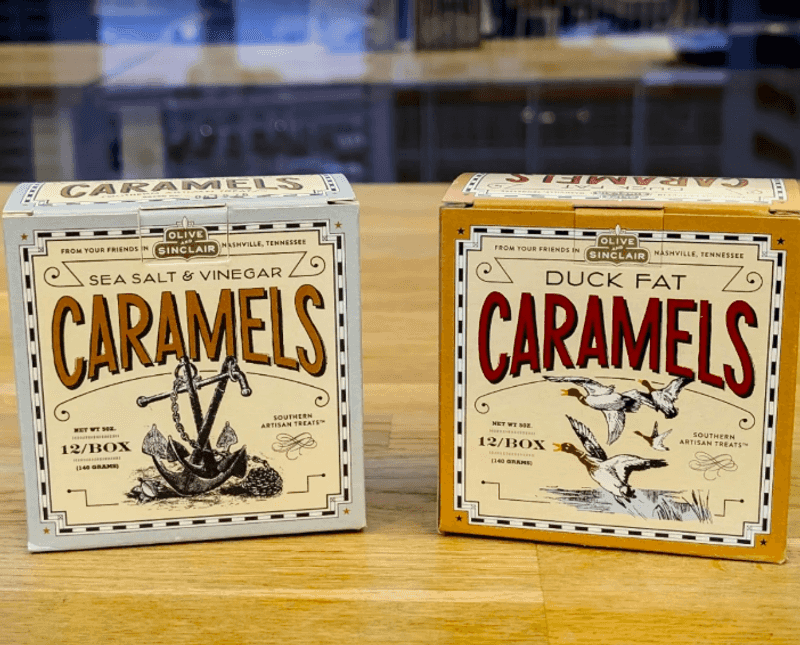
Among everything Olive & Sinclair produces, the caramels have carved out a particularly devoted fan base. The duck fat caramel is frequently mentioned as a standout, bringing a richness and depth to the confection that standard butter caramels do not quite match.
Salt and vinegar caramels represent a bolder direction, pairing a sharp tang with the natural sweetness of caramel in a way that catches people off guard in the best possible way. Not everyone expects that combination, but it works.
The caramels are made with the same attention to ingredient quality that defines every other product in the lineup. There are no shortcuts in the process, and the results reflect that commitment clearly.
Corporate gifting has become one avenue through which these caramels reach new audiences. Boxes have shown up in offices around the country, introduced by people who wanted to share something genuinely different.
Once someone tries them for the first time, the reaction tends to be immediate and enthusiastic.
The Atmosphere Inside the Working Factory
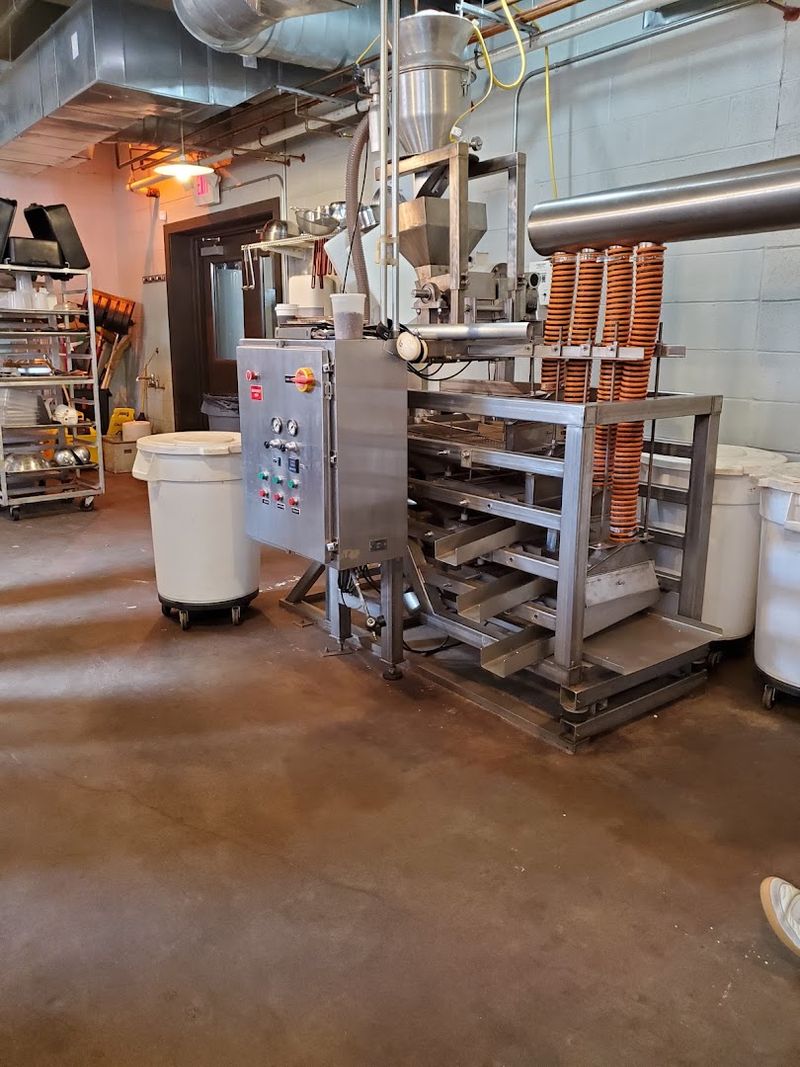
Walking into Olive & Sinclair during production hours means being in the same space where the actual work is happening. The factory floor is clean and well-organized, with equipment visible and accessible rather than hidden behind barriers.
That openness is intentional. The whole point of the operation is transparency, and the layout reflects that.
Visitors can see the grinders running, watch chocolate being worked on the production tables, and observe the packaging process without anything being staged for show.
The staff knowledge level is consistently high across the team. Tour guides and shop employees alike tend to answer detailed questions with genuine depth, which suggests that the culture of the company values understanding the craft, not just performing it.
The overall atmosphere leans more toward working workshop than polished tourist attraction, which is part of the appeal. There is real activity happening, real equipment doing its job, and real people who clearly care about what they are making.
That combination is harder to find than it sounds.
Accessibility and Inclusive Experiences
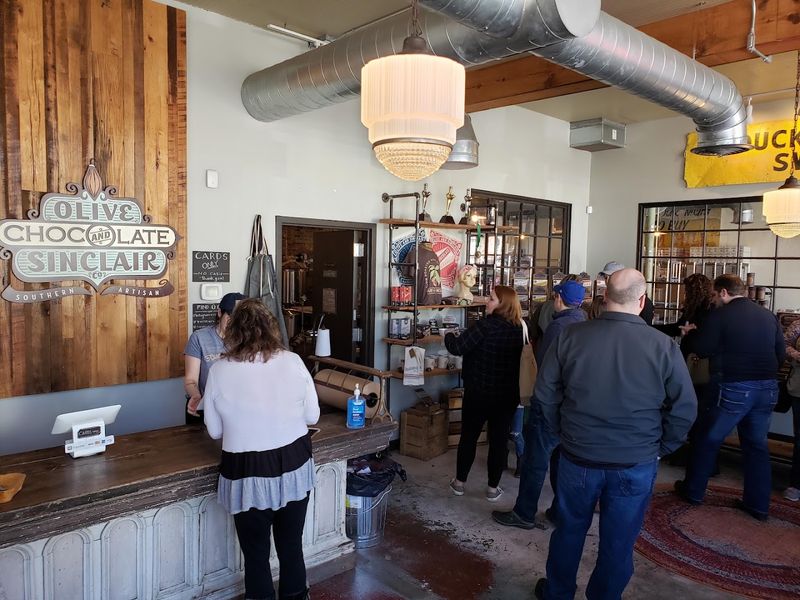
Olive & Sinclair has made a point of ensuring that the tour experience works for a wide range of visitors. The team has shown genuine care in accommodating guests with mobility challenges, making adjustments without drawing attention to them or disrupting the flow of the tour for others.
That kind of thoughtful hospitality is not something every small business gets right, especially in a working industrial space where the layout is primarily designed around production rather than visitor comfort.
The small group format helps here. With fewer people on each tour, staff can pay closer attention to individual needs and make the experience feel personal rather than one-size-fits-all.
For families, the tour works well across age groups. The content is presented in accessible language, the samples keep energy levels high, and the hands-on nature of seeing real equipment in action tends to hold attention more effectively than a standard museum-style exhibit ever could.
Seasonal and Limited-Edition Products Worth Watching For
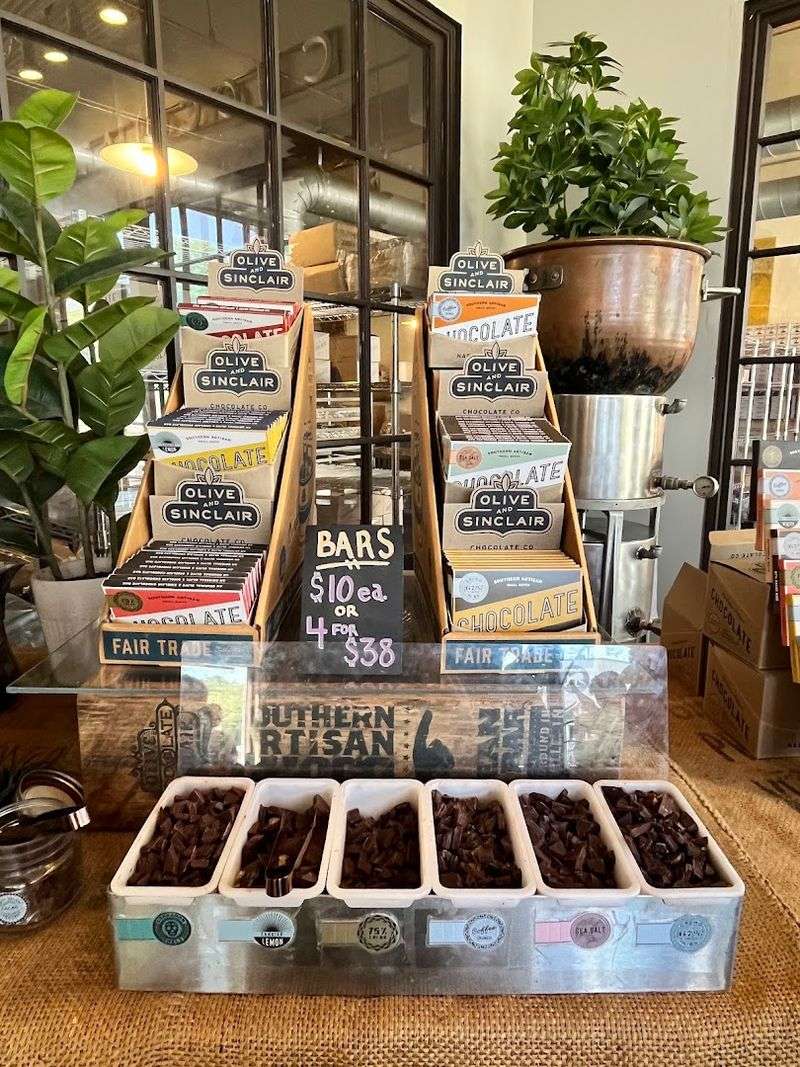
Part of what keeps the Olive & Sinclair product lineup fresh is the rotating selection of limited-edition and seasonal items. These are not permanent fixtures on the shelf, which means timing a visit right can turn up something genuinely unexpected.
Past limited offerings have included a candied tomato chocolate bar, which sounds unusual but drew strong reactions from those who tried it. The willingness to experiment with savory and unexpected flavor pairings is a consistent thread through the brand’s identity.
The monthly chocuterie roll is another example of the rotating format. Each month brings a different add-in ingredient, which gives regular customers a reason to come back and check what is new rather than simply reordering the same thing.
CBD-infused chocolate samples have also made appearances at the shop during certain periods, reflecting an openness to incorporating new ingredients when they align with the brand’s quality standards. The product range evolves, and that keeps the shop feeling current without abandoning its roots.
Olive and Sinclair as a Nashville Itinerary Essential
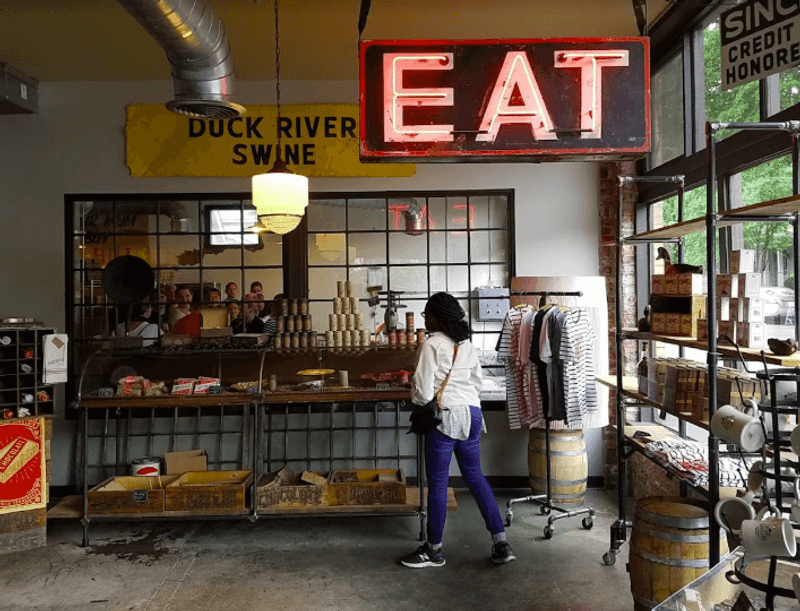
For anyone building a Nashville itinerary that goes beyond the standard Broadway honky-tonk circuit, Olive & Sinclair fits naturally into the mix. The East Nashville location puts it close to some of the city’s best independent shopping and local dining, making it easy to combine with a full afternoon in the neighborhood.
The tour price point makes it accessible without requiring much planning or budget commitment. At under ten dollars per person for a 45-minute guided experience with samples included, it competes favorably with almost any other ticketed attraction in the city.
Groups ranging from couples on Valentine’s Day to office teams and multi-generational families have all found the tour to be a solid shared experience. It does not require any shared interest in chocolate going in, because the process itself tends to generate curiosity on its own.
The shop makes an excellent stop for bringing something home from Nashville that is not a guitar pick or a souvenir magnet. Hand-wrapped, locally made chocolate travels well and tells a better story.
A Legacy Built on Preservation and Craft
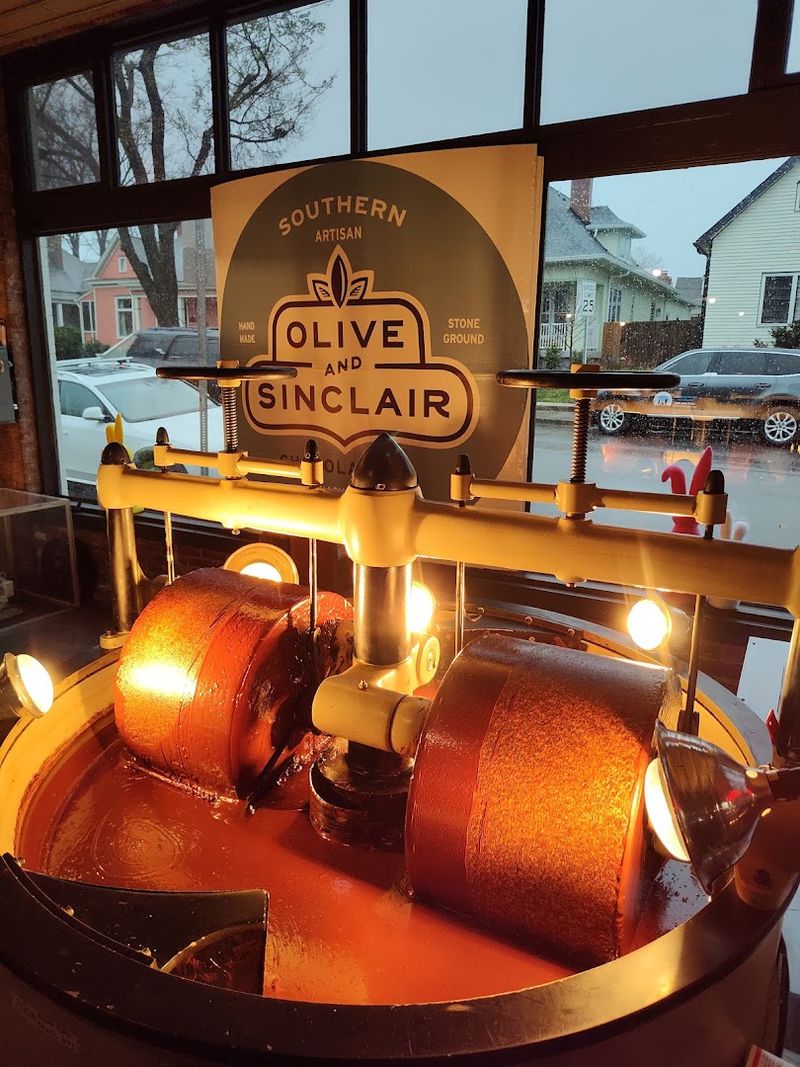
What makes Olive & Sinclair genuinely different from most food businesses is not just the quality of the product. It is the deliberate choice to preserve traditional methods in an industry that has largely moved on from them.
Using 120-year-old grinding equipment, hand-wrapping every bar, sourcing beans with care, and skipping preservatives entirely are all choices that cost more time and money than the modern alternatives. The company makes those choices anyway, because the philosophy demands it.
That consistency between stated values and actual practice is something customers pick up on quickly. There is no gap between what the brand says it is and what you see happening on the factory floor during a tour.
Founded in 2007, Olive & Sinclair has built its reputation gradually and honestly, one small batch at a time. The result is a Nashville institution that does not need to shout about itself, because the chocolate and the experience speak clearly enough on their own terms.
A Factory Hidden in Plain Sight on Fatherland Street
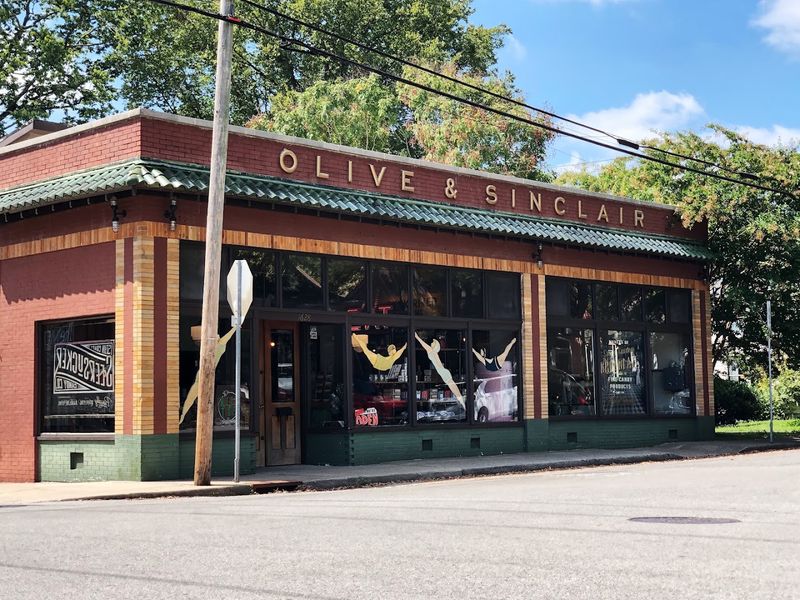
Not every great destination announces itself with fanfare. Olive & Sinclair Chocolate Co. sits at 1628 Fatherland St, Nashville, TN 37206, right in the heart of the East Nashville neighborhood, surrounded by local boutiques and independent shops.
The building looks modest from the outside, which makes the whole experience feel like a genuine discovery. There is no massive sign or flashy storefront competing for attention on the block.
East Nashville itself has become one of the city’s most talked-about areas, full of creative businesses and community energy. Having a working chocolate factory nestled right in the middle of it all feels completely fitting.
The shop is open Tuesday through Saturday, from 10 AM to 5 PM, and is closed on Sundays and Mondays. That schedule keeps things focused and intentional, which matches the overall philosophy of the operation perfectly.
Arriving during a weekday usually means a quieter, more relaxed visit.
Share this story