There is a place in Memphis where time seems to slow down the moment you walk through the front door. The rooms feel lived-in, the decor tells a story without saying a word, and somewhere between the shag carpet and the gold records, something unexpected happens.
You stop being a tourist and start feeling like a guest. This place is one of those rare destinations that delivers far more than people expect, whether they arrive as lifelong Elvis fans or simply curious travelers passing through Tennessee.
The mansion, the grounds, the meditation garden, the planes, and the museum exhibits all work together to create an experience that covers music history, personal legacy, and American culture in one remarkable visit. Plan for at least four to five hours, because there is genuinely a lot to take in here.
What The Rooms Actually Look Like Inside
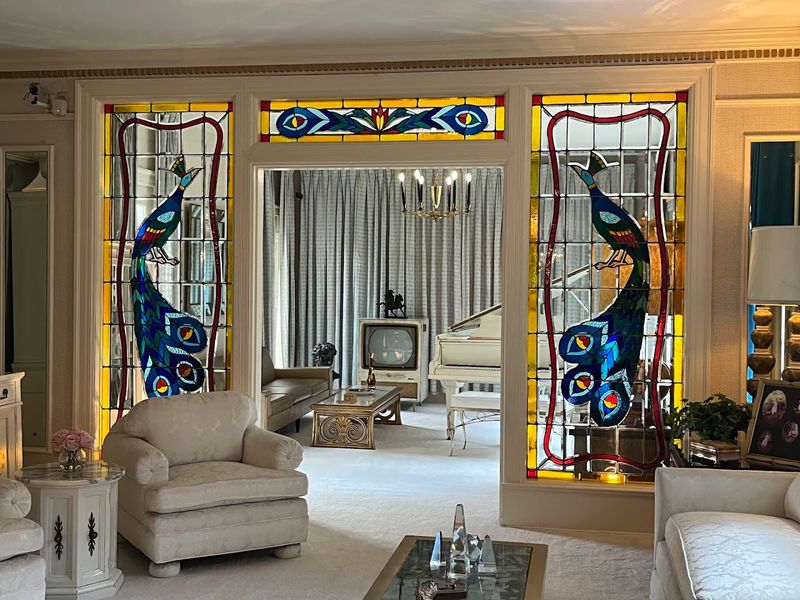
Nothing quite prepares you for the interior. The formal living room features a white sofa, a mirrored ceiling above the entryway, and stunning stained glass peacock panels that separate the living and music rooms.
The color palette leans heavily into 1970s design choices, and somehow it all works together in a way that feels intentional rather than dated.
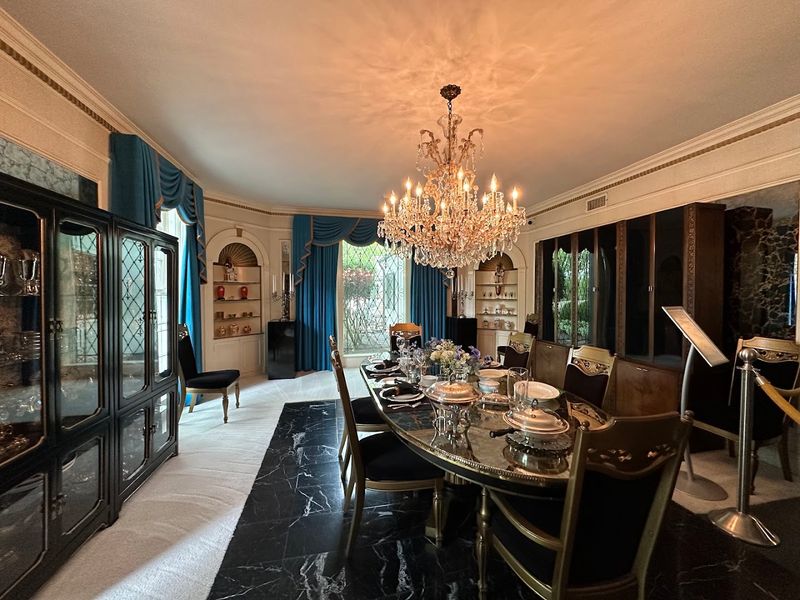
The dining room skews more traditional and elegant, with a long formal table and china displayed in a way that hints at family gatherings rather than celebrity excess. The kitchen looks surprisingly ordinary for a man of Elvis’s fame, which is part of what makes it interesting.
Downstairs, the basement level opens into a billiard room with a fabric-covered ceiling, a TV room lined with three screens, and a wet bar area. Every room carries a sense of personality that no decorator could have manufactured.
Elvis clearly had opinions about how he wanted to live, and these rooms reflect that completely.
The Jungle Room Has A Story Worth Knowing
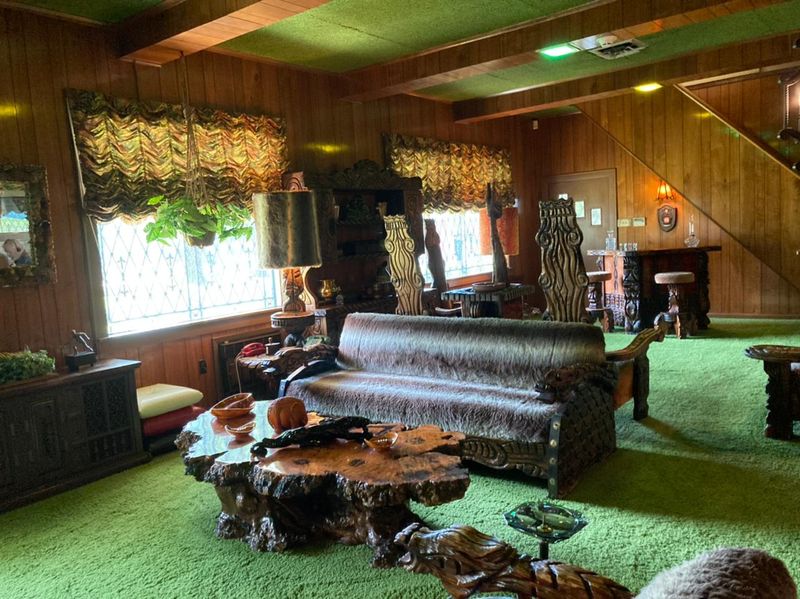
Of all the rooms in the mansion, the Jungle Room tends to generate the most conversation. Elvis reportedly purchased all the furniture for it in about 30 minutes from a Memphis store, selecting each carved wooden piece himself.
The room features green shag carpet covering not just the floor but the ceiling as well, giving it an enclosed, cave-like atmosphere that somehow manages to feel cozy.
There is also a small waterfall built into the wall, which added both ambiance and, according to accounts from those who were there, some natural sound dampening. That acoustic quality eventually made the Jungle Room useful as a recording space.
Elvis recorded portions of two albums there in 1976, making it one of the more musically significant rooms in the house.
Standing in it feels a little surreal. The furniture is heavy, the green is everywhere, and the whole setup reflects a side of Elvis that was playful, spontaneous, and very much his own.
The Meditation Garden Is Where Many Visitors Get Quiet
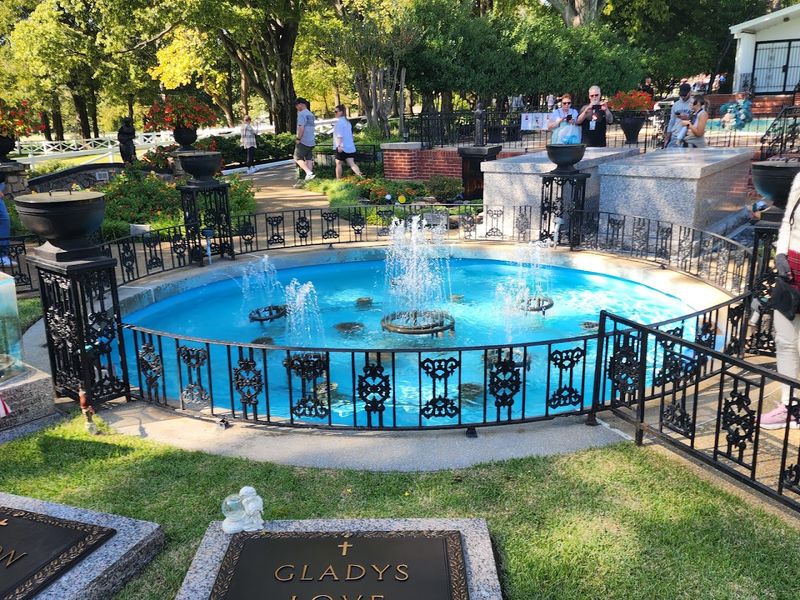
Somewhere between the racquetball court and the back of the property, the mood of the tour shifts. The Meditation Garden is where Elvis Presley is buried, along with his mother Gladys, his father Vernon, his grandmother Minnie Mae, and his daughter Lisa Marie.
A small marker also honors his twin brother Jesse Garon, who was stillborn.
The garden itself is circular, with a small fountain at the center and flower arrangements placed near each grave. Visitors tend to grow quieter here without anyone asking them to.
There is something about the simplicity of the space that encourages reflection rather than photography, even though cameras are permitted.
Multiple visitors have mentioned being moved to tears at this spot, and that reaction makes complete sense. For fans who grew up with his music, standing at that site carries genuine emotional weight.
For those who arrived simply curious, it tends to reframe the entire visit in a way that is hard to put into words but easy to feel.
The Car Collection Covers More Ground Than You Expect
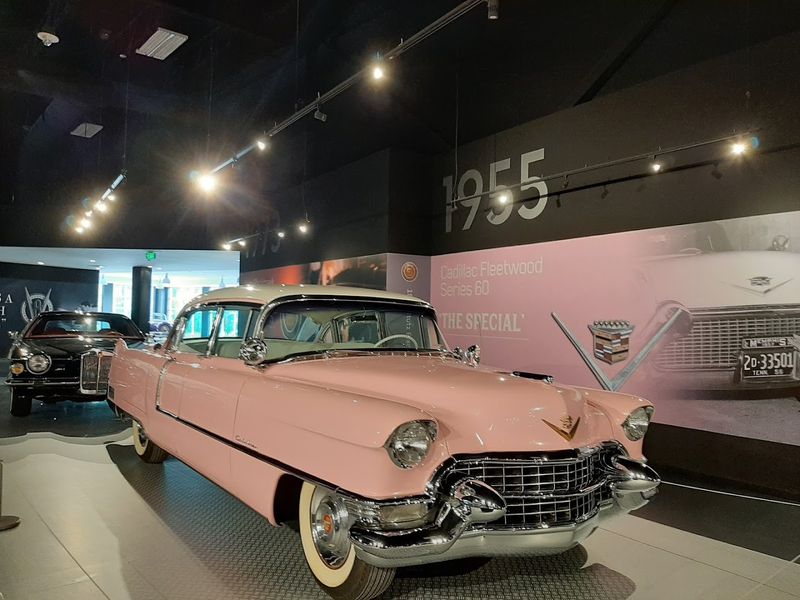
Elvis loved cars, and the collection on display at Graceland makes that very clear. Among the vehicles included is his famous pink Cadillac, which has become one of the most recognized cars in American music history.
The collection spans different eras of his life and includes motorcycles alongside the automobiles.
The vehicles are displayed in a dedicated exhibition space that is part of the larger Graceland campus rather than inside the mansion itself. Each car comes with context about when Elvis owned it and how it fit into his life at the time, which keeps the exhibit from feeling like a simple showroom.
Car enthusiasts who have no particular attachment to Elvis tend to enjoy this section on its own merits. The machines themselves are well-maintained and visually interesting.
For Elvis fans, seeing the actual vehicles he drove adds a tactile layer to the history that photographs simply cannot replicate. It is a stronger exhibit than most people anticipate before arriving.
Two Private Jets Sit Ready For Visitors To Walk Through
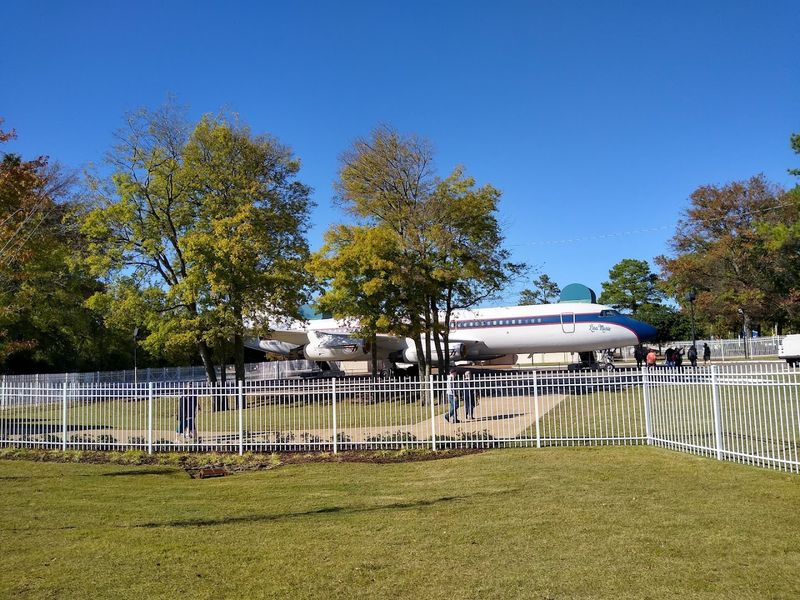
One of the more unexpected highlights of the Graceland experience is the opportunity to walk through Elvis’s personal aircraft. The larger of the two is the Lisa Marie, a Convair 880 that Elvis had customized with a private bedroom, a conference room, and a gold-plated sink in the bathroom.
The interior reflects the same design sensibility found in the mansion, which is to say it is thoroughly, unapologetically Elvis.
The second aircraft, the Hummingbird, is a smaller Lockheed JetStar that served as a companion plane for shorter trips. Both are parked on the Graceland property and are included in most ticket packages, though visitors should check their specific ticket type before assuming access.
Walking through the Lisa Marie in particular gives a sense of scale that is hard to convey in photographs. The plane is large, the customizations are elaborate, and the whole thing feels frozen in a very specific moment of American celebrity history.
Plan to spend at least 20 to 30 minutes here.
The Museum Exhibitions Cover His Career From Every Angle
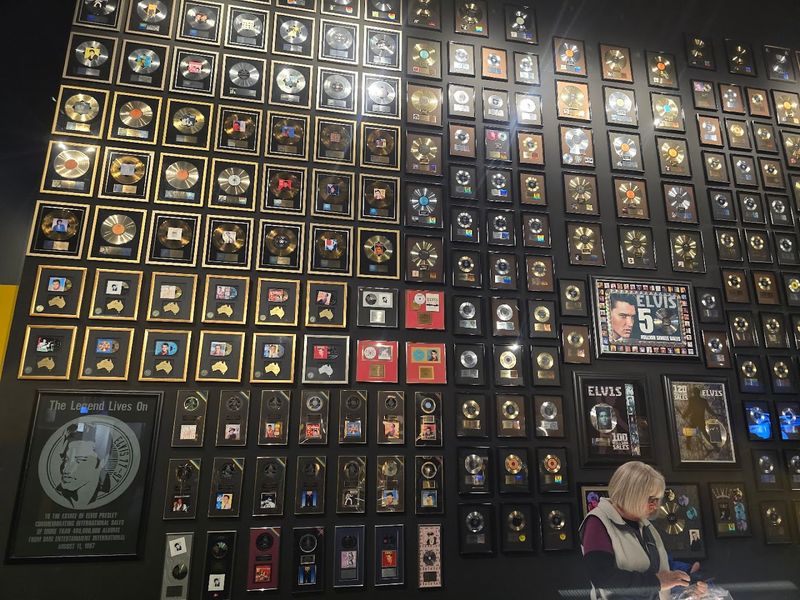
The museum portion of the Graceland campus sits across the boulevard from the mansion and covers an enormous amount of territory. Exhibits trace Elvis’s career from his earliest recordings at Sun Studio through his Hollywood film period, his 1968 television comeback, and his Las Vegas concert years.
Stage costumes are displayed in glass cases throughout the museum, and the craftsmanship on some of those jumpsuits is genuinely impressive up close. Gold and platinum records line entire sections of wall space, and the sheer number of them gives a concrete sense of just how dominant Elvis was commercially during his peak years.
There are also exhibits covering his military service, his personal relationships, and his philanthropic activities, which tend to surprise visitors who arrive knowing only the broad outlines of his public persona. The museum does a good job of presenting Elvis as a full person rather than just a performer.
Budget at least 90 minutes for this section alone if you want to read the exhibits properly.
The Audio Guide Adds A Layer That Makes A Real Difference
Before boarding the shuttle to the mansion, visitors receive a tablet computer loaded with an audio and video guide that corresponds to each room. The narration is handled by actor John Stamos, who provides historical context, personal stories, and details that would be easy to miss without some guidance.
The system is self-paced, which means you control how long you spend in each room and can replay any section that catches your interest. This format works particularly well for a property where the details matter as much as the overall impression.
Visitors who have done the tour both with and without the guide consistently report that the guided version delivers a richer experience. Small details like the purpose of certain furniture arrangements or the stories behind specific decorative choices come alive when explained in context.
The tablets are available in multiple languages, which speaks to the genuinely international audience that Graceland attracts. It is a thoughtful addition that elevates the whole visit.
The Grounds Hold Surprises That Most Visitors Almost Miss
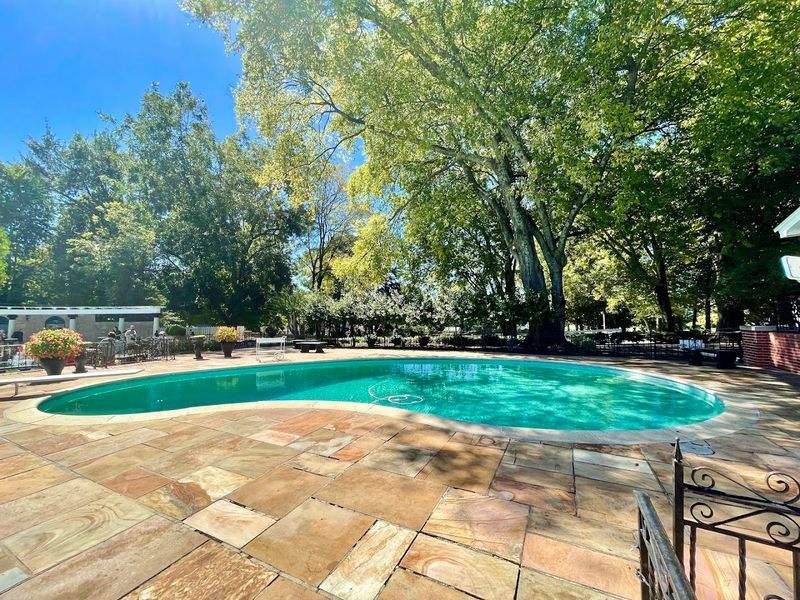
The mansion itself gets most of the attention, but the surrounding grounds offer details that reward slower exploration. Horses still graze in the back field, which is visible from certain points on the tour route.
The kidney-shaped swimming pool sits outside, smaller than what most people imagine but entirely authentic to the era when it was built.
Vernon Presley’s office, which sits on the property near the mansion, is also accessible during the tour. Lisa Marie Presley’s childhood swing set remains in place on the grounds, a small and oddly touching detail that grounds the celebrity history in something very ordinary.
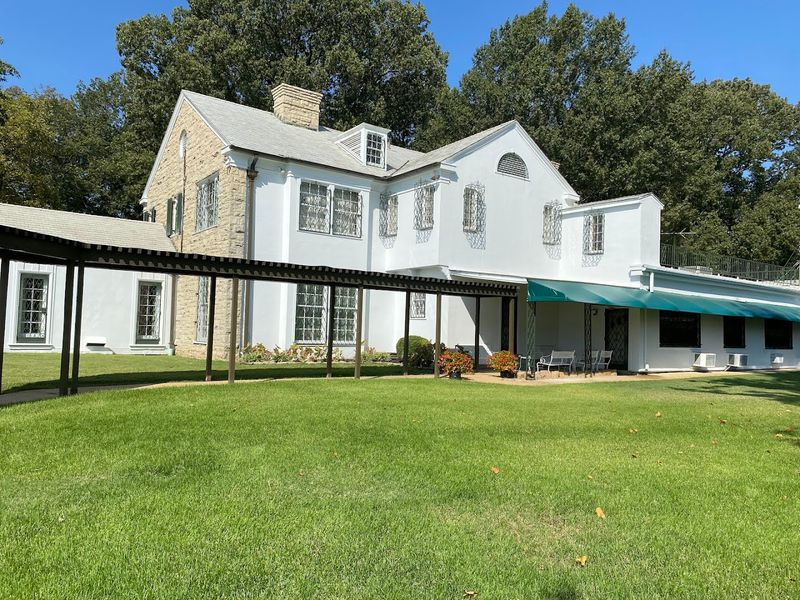
The property is well-maintained throughout, with landscaping that keeps the grounds looking cared-for without feeling overly manicured or staged. There is a lived-in quality to the outdoor spaces that mirrors the interior of the house.
Visitors who slow down and look around rather than rushing to the next stop tend to notice things that others walk right past without realizing.
Practical Tips That Will Save You Time And Frustration
Parking at Graceland costs $10, and that same parking pass can be reused later in the day if you plan to return for an evening event at the Graceland Soundstage. There is no street parking available, so the lot is the practical option.
Tickets purchased online through the official website at graceland.com allow for will call pickup, which tends to move faster than buying on-site.
The mansion itself is not fully wheelchair accessible due to its multi-level layout, which is worth knowing in advance if mobility is a concern. The upper floor of the mansion is closed to all visitors regardless of ticket type, as the estate has chosen to preserve that section from regular foot traffic.
Bring a water bottle. Once you are inside the tour route, there are no drink stations until you return to the welcome center area.
The on-site Vernon’s Smokehouse is frequently recommended for food. Hours run 9 AM to 4 PM daily, and arriving early helps avoid the busiest crowds.
The Address That Started It All
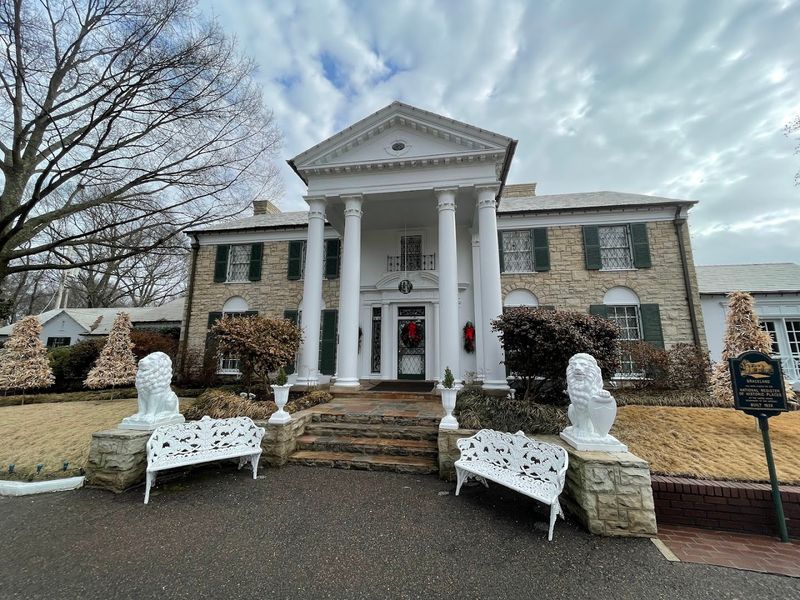
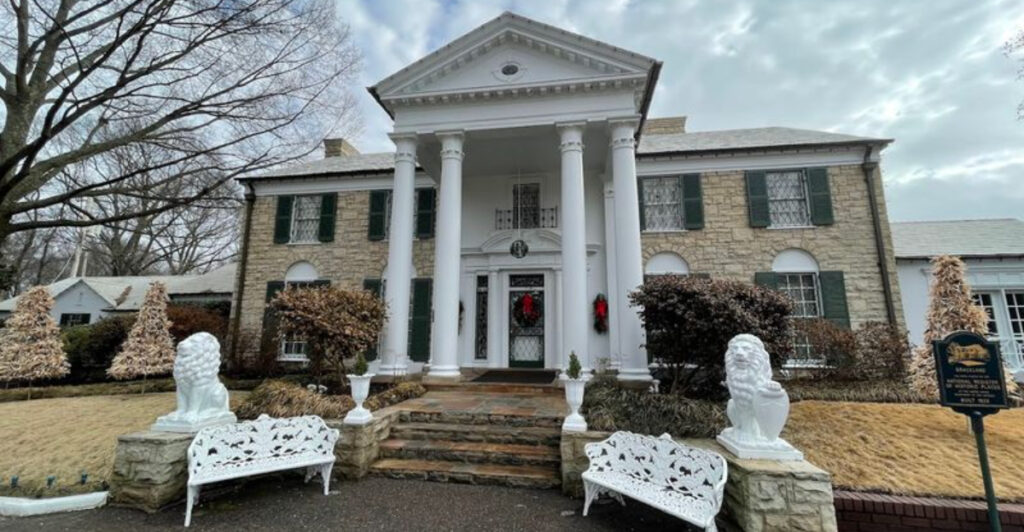
Most people recognize the name before they ever see the building. Graceland Mansion sits at 3764 Elvis Presley Blvd in Memphis, Tennessee, 38116, and the moment you arrive, the scale of the property starts to set in.
The colonial revival-style mansion was Elvis Presley’s private home, purchased in 1957 when he was just 22 years old, and it remained his primary residence until his passing in 1977.
The estate is managed today by Authentic Brands Group and draws visitors from across the world year-round. Tours run seven days a week from 9 AM to 4 PM, and tickets can be purchased online or at the welcome center on the opposite side of Elvis Presley Boulevard.
A shuttle takes visitors across the street and up the driveway to the mansion entrance. That short ride somehow builds anticipation in a way that no amount of signage could.
By the time you reach the front door, you are genuinely curious about what is waiting inside.
Share this story