Somewhere in Middle Tennessee, a stretch of land holds a secret that most people drive right past on Interstate 24. Ancient walls built nearly 2,000 years ago still stand between two rivers, surrounded by waterfalls that tumble over mossy ledges into clear, shallow pools.
The people who built those walls left no written records, but they left something just as powerful: a landscape that still feels alive with history. This park offers a rare combination of certified archaeological wonder and genuinely rewarding outdoor trails, and it earns its near-perfect rating from thousands of visitors for good reason.
Two Rivers Wrapping Around A Sacred Plateau
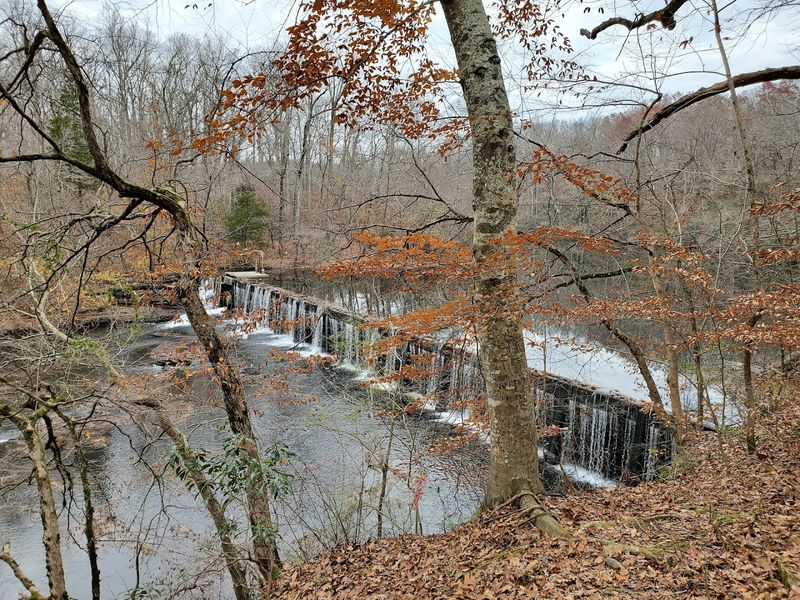
Geography played a huge role in why ancient builders chose this exact spot. The Big Duck River and the Little Duck River meet here, and their confluence creates a natural peninsula of elevated land that the Woodland people enclosed with their earthwork walls.
Standing on the trails near the river edges, you can actually see both waterways from different vantage points. The rivers run fast in some sections and slow and glassy in others, depending on the season and recent rainfall.
After a good rain, the current picks up noticeably and the sound of rushing water follows you along almost every section of trail.
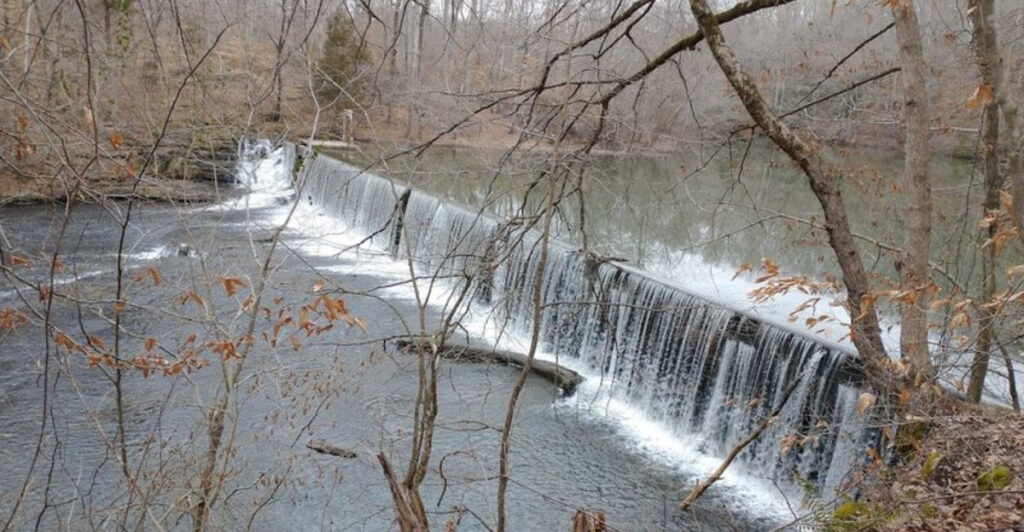
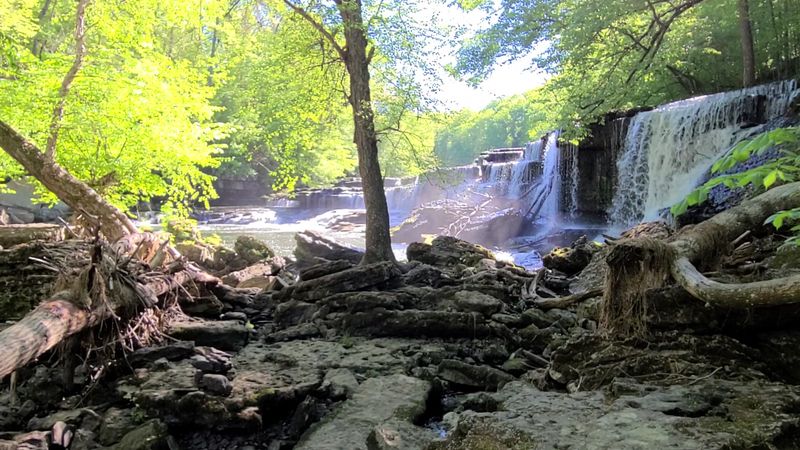
The rivers also feed the waterfalls that make this park so visually rewarding. Water draining off the plateau edges drops over layered rock shelves, creating falls that range from gentle cascades to more dramatic drops.
The river system is genuinely central to everything the park offers, both historically and scenically.
Big Falls And Little Falls Worth Every Step
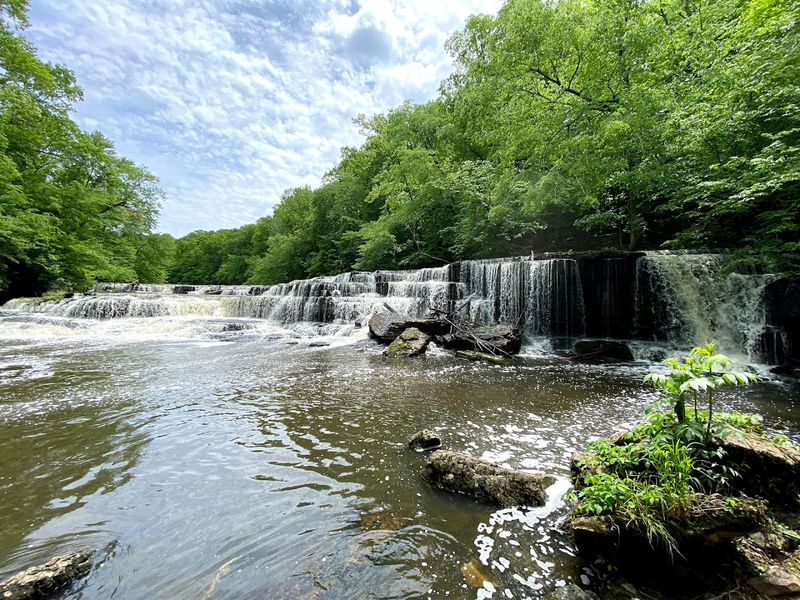
Two named waterfalls anchor the trail system here, and both are worth the walk. Big Falls sits roughly 1.25 miles or less from the parking area, and the trail to reach it follows the river closely enough that you hear it long before you see it.
Little Falls is closer to the trailhead and easier to reach, making it a natural first stop for families with younger kids.
Both falls have relatively easy access down to the water. The riverbed is shallow in most spots, which means wading is genuinely possible on warm days.
Kids especially enjoy splashing around near the base of Little Falls, where the water spreads wide and stays ankle-deep in many places.
After heavy rain, the volume increases dramatically and the falls become louder and more powerful. Visiting after a storm adds an entirely different energy to the experience, though the rocks get slippery, so careful footing matters more on those days.
Trails That Loop, Branch, And Reward Exploration
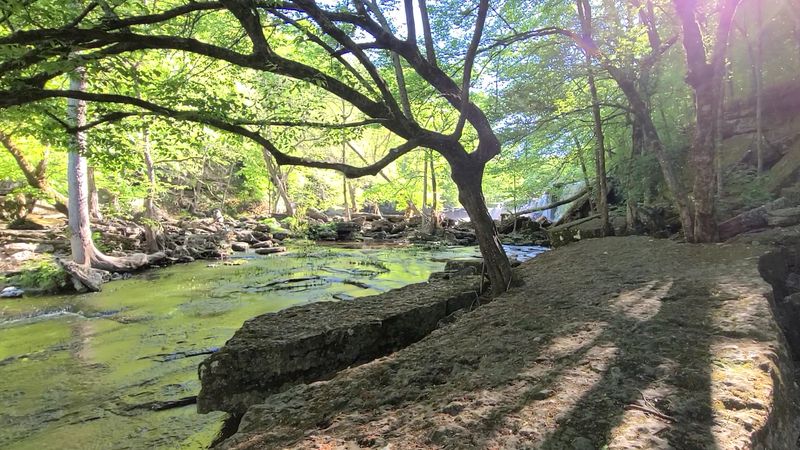
The trail network here is one of its strongest features. Rather than a single out-and-back path, the park offers multiple interconnected routes that loop back together, which means you can customize your hike based on energy level and time available.
Color-coded trail markers help keep navigation manageable, and difficulty levels are posted clearly at key decision points.
Some sections run flat along the riverbank while others climb over rock outcroppings and navigate tree roots. The variety keeps the experience from feeling repetitive.
A walking or hiking stick helps on the steeper and rockier portions, especially near the bluff edges where the trail narrows.
Most routes fall somewhere between easy and moderate. Families with children as young as eight have completed the red trail without major difficulty.
The trail system rewards people who slow down and pay attention, because the scenery shifts noticeably between the open ceremonial field, the wooded bluffs, and the riverside stretches.
The Museum That Fills In The Blanks
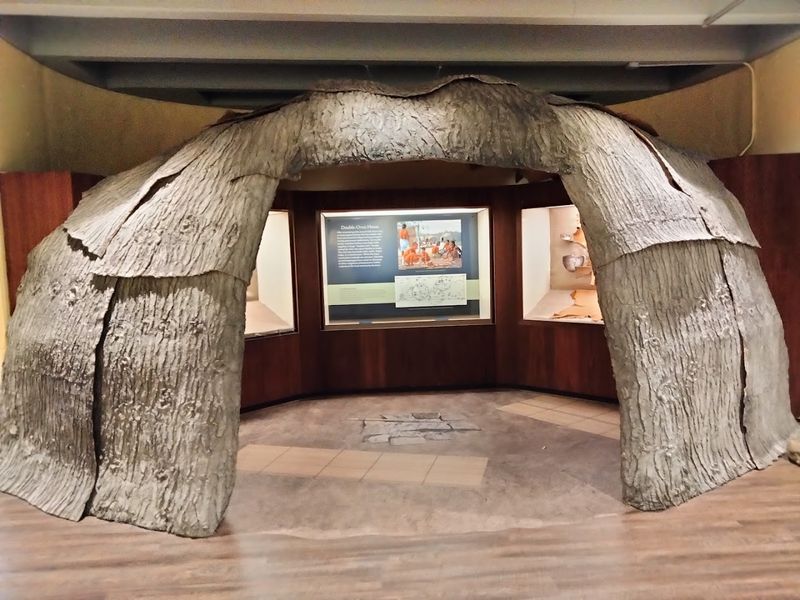
Right near the parking area, a small museum gives context to everything you are about to see on the trails. The exhibits focus on the Middle Woodland people who built the earthworks and cover what archaeologists have pieced together about the site’s construction and likely purpose.
Informational signs throughout the park reinforce what the museum introduces.
The museum is a short walk from the main parking lot, so visiting before hitting the trails makes the whole experience more meaningful. Knowing that the walls took generations to build, and that the site was likely used for ceremonies rather than combat, changes how you look at the mounds when you reach them on the trail.
A small shop inside sells shirts, stickers, and other souvenirs. It is not a large retail space, but it covers the basics for anyone wanting a memento.
The museum building also has indoor restrooms, though those are reserved for guests without dogs, so plan accordingly if you are bringing a pet.
Wildlife You Might Not Expect To See

The park is not marketed as a wildlife destination, but the rivers and forested bluffs support a surprising range of animals. Freshwater fish are visible in the clear, shallow stretches of the river, darting between rocks in schools.
Herons stand motionless at the water’s edge with remarkable patience, and hawks circle above the open ceremonial field on warm afternoons.
Snakes are present too, so trail awareness matters. Most are harmless, but giving them space is always the right call.
Spotting one near the water’s edge is fairly common, especially in warmer months when the rocks along the riverbank absorb heat.
Old growth trees throughout the park create a canopy that supports a healthy bird population. The combination of river habitat, rocky outcroppings, and mature forest makes this a genuinely layered ecosystem.
People who take their time and move quietly along the trails tend to notice far more wildlife than those who rush through. The park rewards patience in more ways than one.
Fall Color Turns The Whole Park Into Something Else
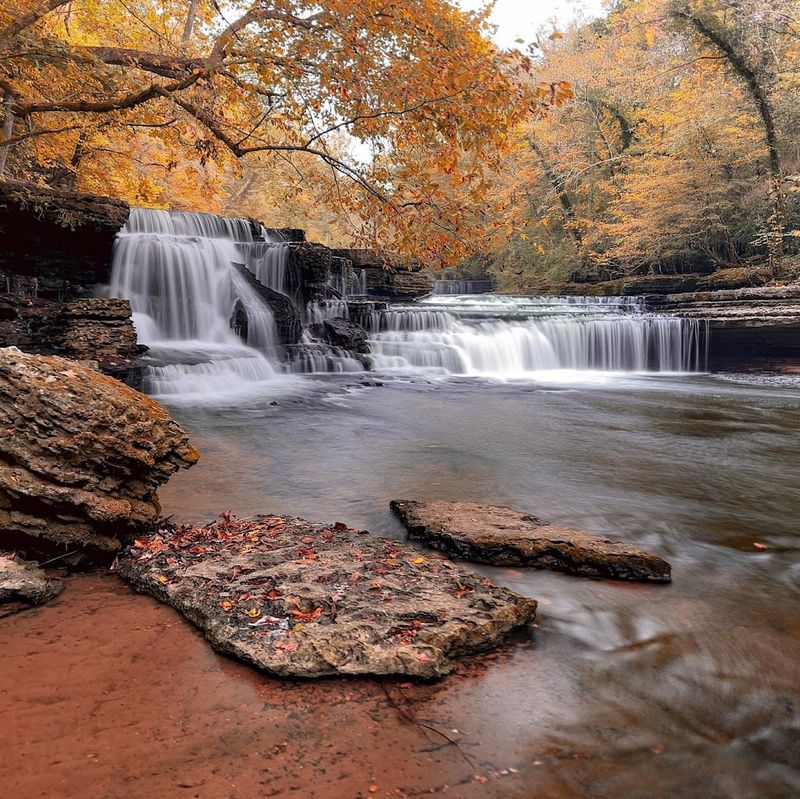
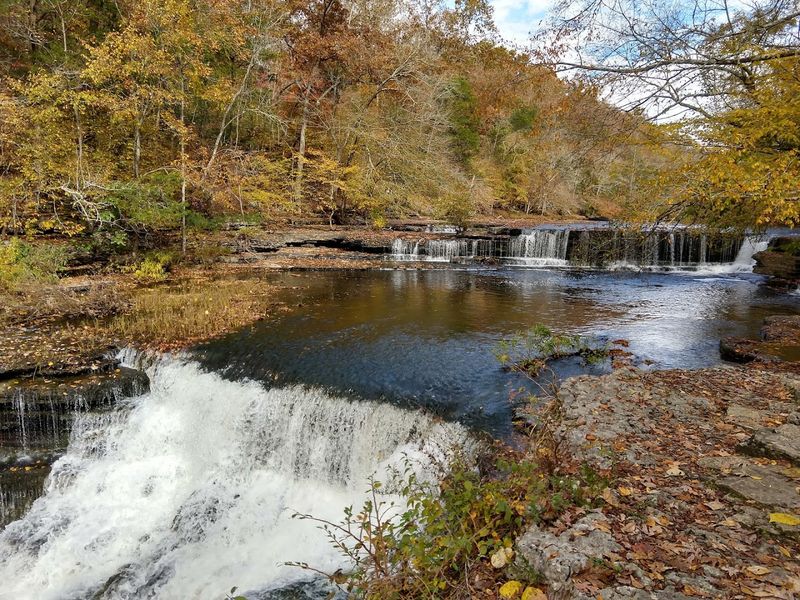
Locals who grew up visiting this park consistently point to fall as the season that makes the biggest impression. The canopy of old growth trees transforms the entire park when temperatures drop in October and November, wrapping the trails in orange, red, and gold.
The waterfalls look especially dramatic framed by fall color, and the bluffs above the rivers become genuinely striking once the leaves thin enough to open up longer views.
Early October visitors sometimes find the leaves still mostly green, depending on the year, but the cooler temperatures make for ideal hiking conditions regardless. By late October, the color peaks and the park draws noticeably larger crowds on weekends.
Weekday visits during fall offer a noticeably quieter experience. The parking lot fills up fast on Saturday and Sunday mornings during peak color season, but the trails spread visitors out enough that solitude is still findable once you move away from the main trailhead.
Bringing a camera in October is essentially mandatory.
The Old Paper Mill Structure Along The Water
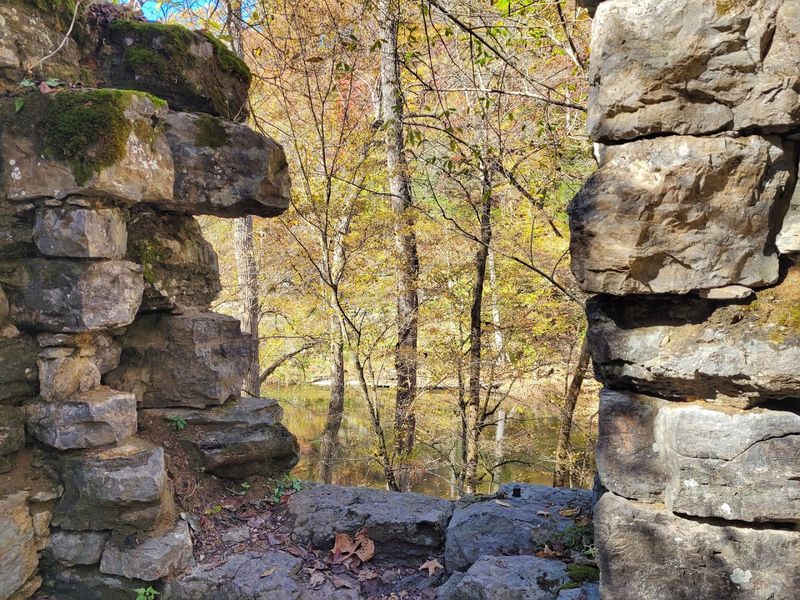
The prehistoric earthworks get most of the attention, but the park holds another layer of history that surprises first-time visitors. The ruins of an old paper mill sit near the water, adding an industrial chapter to a site that most people associate only with ancient Native American history.
The mill structure is made of stone and has weathered into the landscape in a way that makes it feel almost as old as the mounds themselves.
Manchester’s history includes early industrial development along these rivers, and the mill represents that era. The combination of prehistoric ceremonial earthworks and 19th-century industrial ruins on the same trail system creates an unusual timeline that few parks can match.
The mill structure is visible from the trail and worth pausing to examine. It does not require any off-trail scrambling to see, which makes it accessible to most visitors.
Knowing it is there in advance helps, since it is easy to walk past without realizing what you are looking at.
Practical Details That Make The Visit Go Smoothly
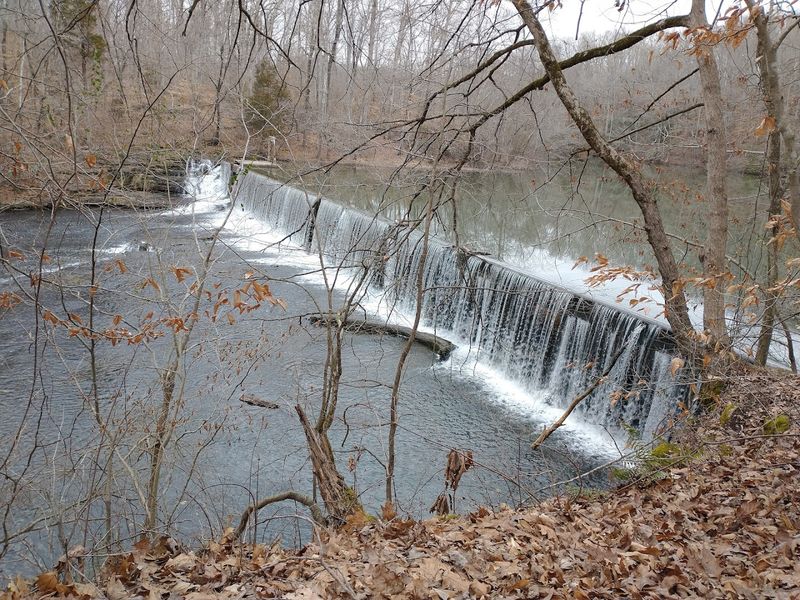
A few logistical details can make a real difference in how your visit goes. The park is open daily from 8 AM to 4:30 PM, and the parking lot fills up faster than most people expect on weekends.
Arriving early, ideally before 9 AM on a Saturday, gives you a much better shot at a spot near the trailhead. Weekdays are noticeably less crowded and genuinely easier to enjoy at a relaxed pace.
Restrooms are available near the playground and picnic area, and those facilities allow leashed dogs. The museum restrooms are indoors and restricted to guests without pets.
A water fountain is located at the overlook near the museum office, which is useful to know before you head out on a longer trail loop.
The park follows a carry-in, carry-out policy, so bring a bag for any trash. Dog owners need to bring their own waste bags.
The phone number for the park is 888-867-2757 if you need to check conditions before visiting.
The Ceremonial Field At The Heart Of The Site
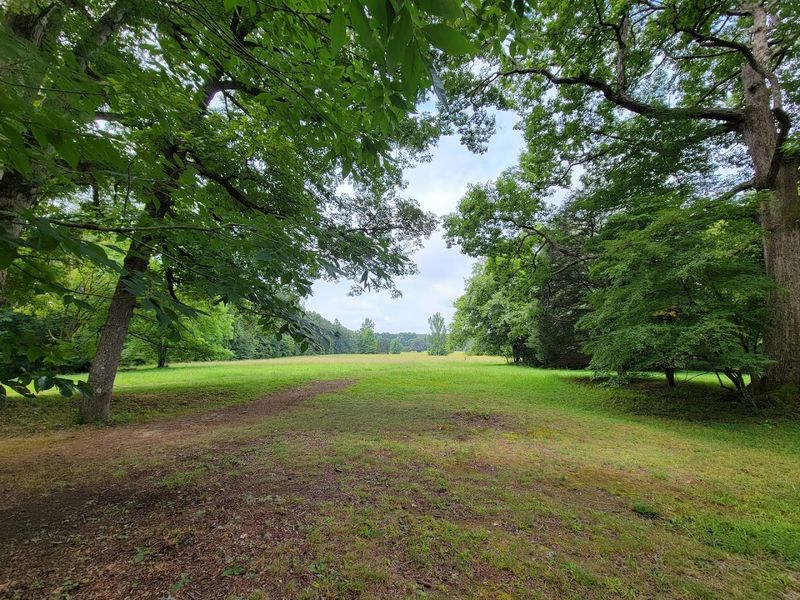
Walking into the interior of the enclosed area feels different from the rest of the park. The ceremonial field is the open space contained within the ancient walls, and it is a large, mostly flat area that gives you a real sense of the scale of the original construction.
The enclosure spans roughly 50 acres, which means standing in the middle of it makes the walls feel distant in every direction.
Interpretive signs throughout the enclosure explain what researchers believe happened here. The Woodland people almost certainly used the space for gatherings, ceremonies, and possibly astronomical observations, though the evidence for specific practices remains incomplete.
The signs are honest about what is known and what is still uncertain, which adds credibility to the storytelling.
The field is accessible from multiple points on the trail loop, so you will likely pass through it more than once. Each approach gives a slightly different perspective on the walls and the surrounding landscape.
Taking a moment to simply stand still here is genuinely worthwhile.
What Kids Actually Get Out Of A Visit Here
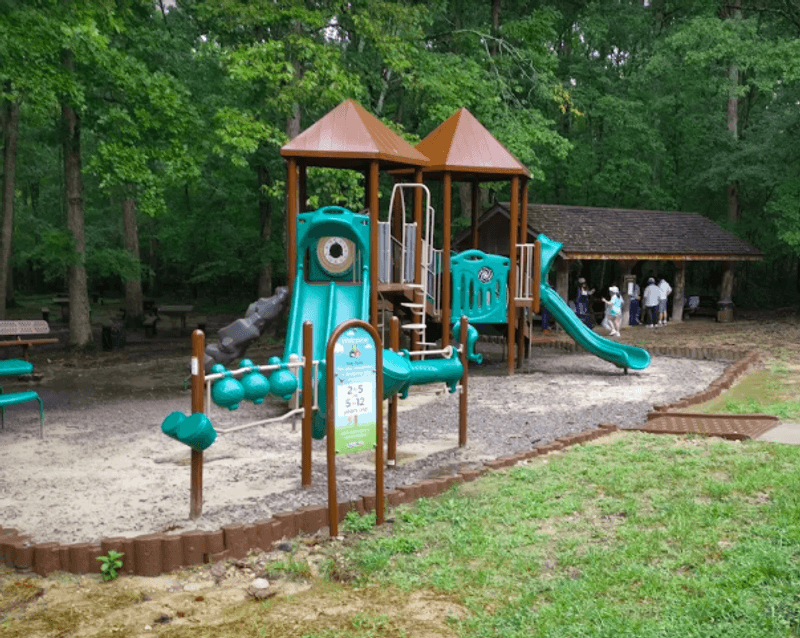
Parks with serious archaeological significance can sometimes feel like they are aimed exclusively at adults, but this one genuinely works for kids of all ages. The shallow water near the falls is a natural draw for children, and the ability to wade in the river makes the experience feel active rather than just educational.
An eight-year-old completing the red trail without much difficulty says something real about how approachable the terrain is.
A playground near the picnic area gives younger kids a familiar outlet after the hike, and the picnic tables nearby make it easy to pack lunch and turn the visit into a half-day outing. The museum exhibits are visual enough to hold a child’s attention, especially the sections explaining how the walls were built without modern tools.
The river fish are an unexpected hit with kids who have never seen clear freshwater habitat up close. Watching schools of small fish navigate the current holds attention longer than most people expect it to.
Why People Who Visit Once Almost Always Come Back
A 4.8-star rating from over 3,200 reviews is not an accident. The park earns repeat visitors because it offers something genuinely layered: archaeological history, river scenery, waterfalls, wildlife, and a trail system flexible enough to feel different on each visit.
People who take one route on their first trip often return specifically to explore a section they skipped.
The experience also shifts meaningfully with the seasons. Spring brings higher water volume and greener canopy.
Summer offers wading opportunities. Fall delivers the color.
Winter strips the leaves and opens up the bluff views in ways that summer visits simply cannot match. That seasonal variety gives the park a different personality throughout the year rather than a single fixed identity.
The combination of free admission, accessible trails, and a genuinely rare archaeological site makes Old Stone Fort easy to recommend without qualification. Most people who stop here for two hours end up staying longer, and most people who visit once start planning a return trip before they even reach the parking lot.
The Ancient Fort That Started It All
Most parks are named after the scenery. This one is named after a mystery.
Old Stone Fort State Archaeological Park sits at 732 Stone Fort Dr, Manchester, Tennessee 37355, and it preserves one of the most remarkable prehistoric sites in the entire eastern United States.
The “fort” is actually a system of walls and mounds built by Native Americans of the Middle Woodland culture roughly 2,000 years ago, between about 80 AD and 550 AD. The enclosure covers around 50 acres and sits on a plateau formed naturally by the confluence of the Big Duck and Little Duck Rivers.
Researchers believe the site served a ceremonial purpose rather than a defensive one, which makes the name a bit misleading but the history even more fascinating. No one knows exactly what rituals took place here, but the scale and precision of the construction suggest a deeply organized and spiritually motivated community built it over many generations.
Share this story