Franklin, Tennessee is one of those small cities that quietly delivers far more than visitors expect. Tucked about 20 miles south of Nashville, it combines beautifully preserved streets with some of the most significant Civil War history in the country.
Whether you are a history enthusiast, an outdoor explorer, or simply someone looking for a great day trip, Franklin has a way of pulling you in and making you want to stay longer. From a charming Victorian downtown to battlefield sites, working farms, and wooded trails, this city tells a layered story that is equal parts beautiful and sobering.
The list below covers the places that make Franklin worth the trip, each one offering something genuinely different from the last.
A Main Street That Feels Like the Heart of Franklin
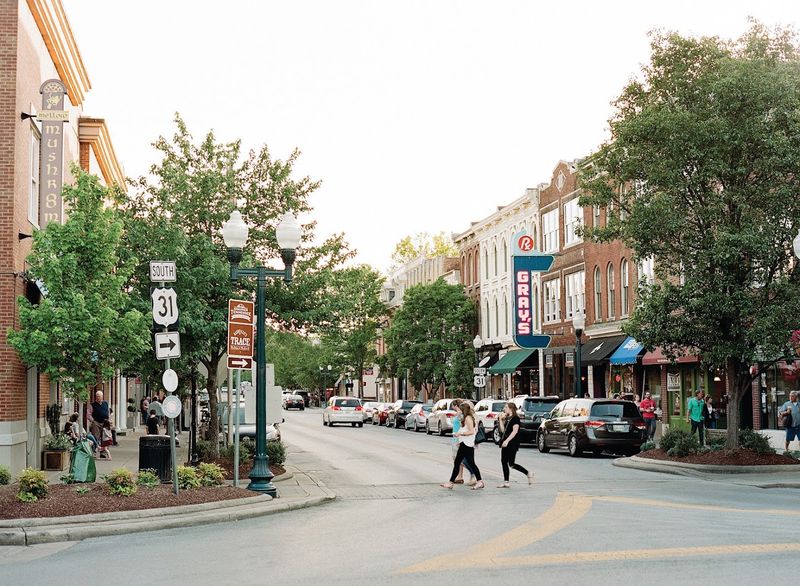
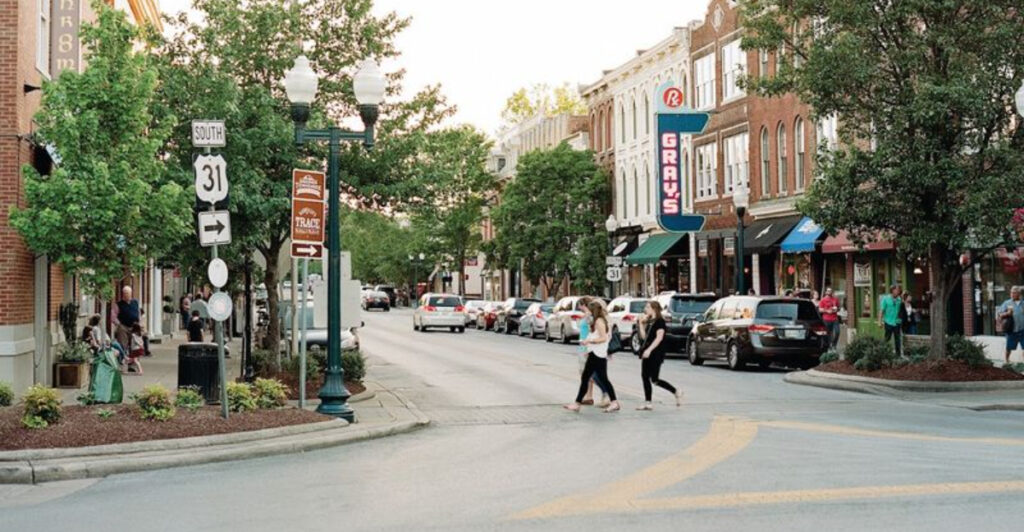
Centered on Public Square, the 16-block Historic Downtown Franklin district rewards a slow walk far more than a rushed drive-through. Restored Victorian buildings line the streets, filled with independent boutiques, restaurants, galleries, and local businesses that keep the area feeling alive without erasing its past.
Main Street is especially photogenic, with brick storefronts, decorative facades, and old-fashioned streetlamps framing the recognizable courthouse square at its center. Visitors can also look for the Fuller Story markers and the March to Freedom statue, which broaden the downtown narrative by recognizing African American experiences and the United States Colored Troops.
Historic Downtown Franklin works equally well as a morning coffee stop, an afternoon shopping district, or an evening destination for dinner and entertainment. It feels like a functioning town center rather than a preserved display, and that balance is a major part of what makes Franklin genuinely worth visiting for first-timers and repeat visitors alike.
Carnton Preserves the Human Story of a Devastating Battle
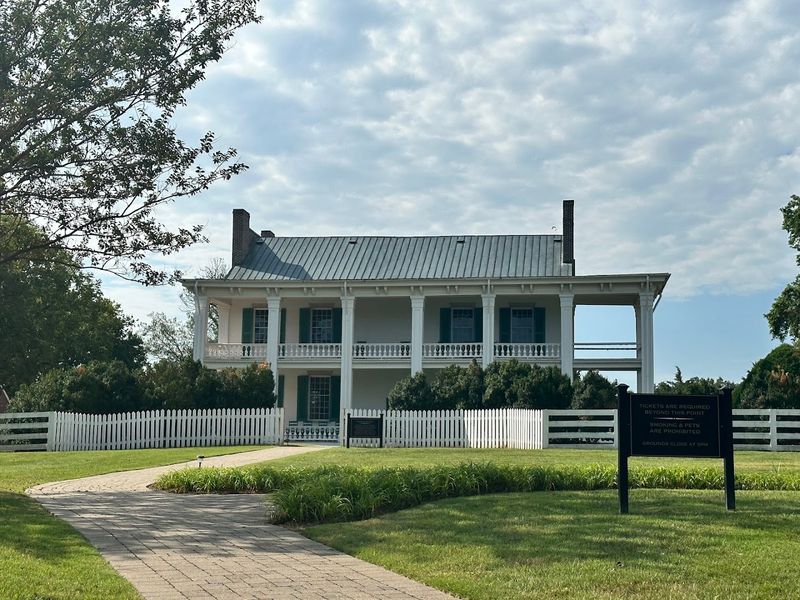
Built in 1826 for the McGavock family, Carnton stood near the center of one of the most consequential chapters in Franklin’s history. On November 30, 1864, the Battle of Franklin swept across the surrounding landscape, and afterward, the property became a large field hospital serving soldiers from both sides of the conflict.
The house, grounds, outbuildings, and nearby Confederate cemetery help explain the human cost of that battle more powerfully than a roadside marker ever could. Guided experiences may cover the home itself, the battlefield, the enslaved people who lived and worked on the property, and the ongoing preservation work that keeps the site relevant.
The setting today is peaceful, with broad lawns and mature trees, which makes the contrast with its wartime history even more striking. Carnton is not simply an attractive antebellum mansion.
It is a place where architecture, family history, military history, and personal stories converge into something genuinely moving and historically essential.
Carter House Still Bears the Scars of the Battle of Franklin
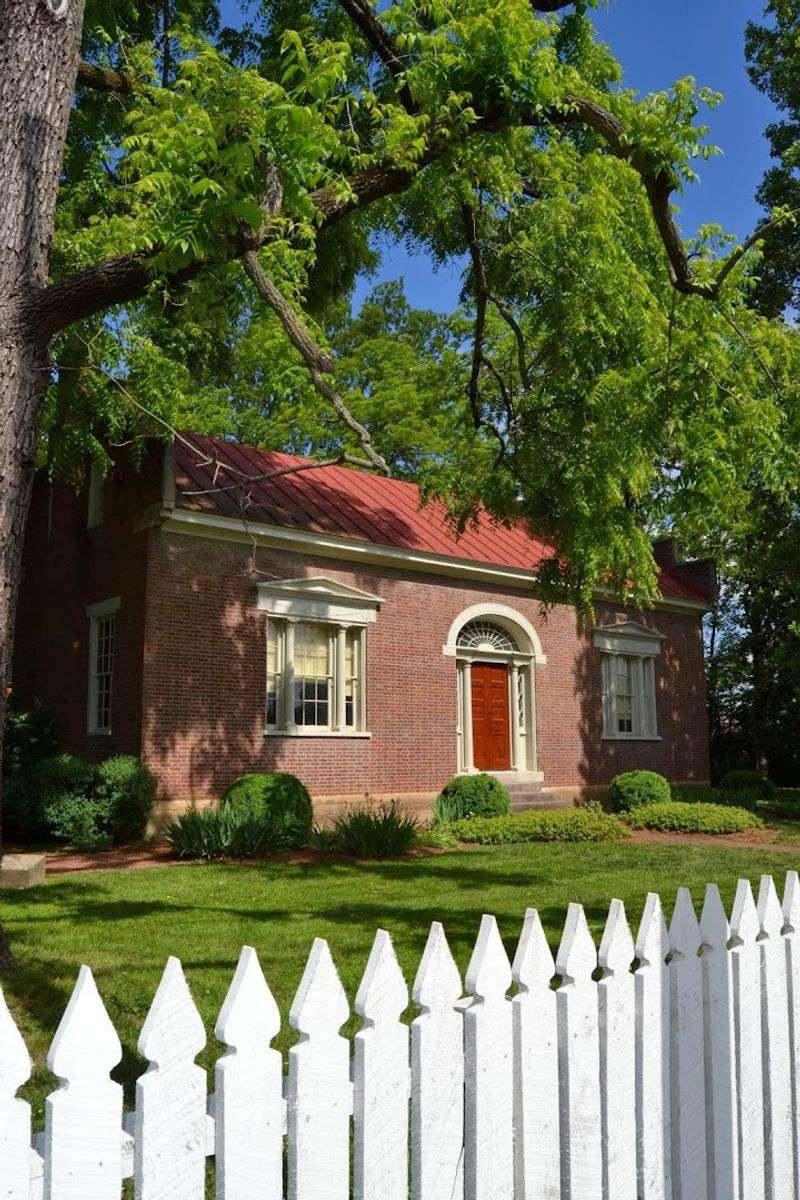
Carter House looks modest from the street, but the surviving battle damage visible on its outbuildings makes it one of the most unforgettable historic properties in all of Tennessee. Built in 1830 and owned by Fountain Branch Carter, the property served as a United States Army headquarters during the Battle of Franklin on November 30, 1864.
While intense fighting erupted around their home, members of the Carter family and others sheltered in the cellar. The house and outbuildings still carry visible evidence of that combat, allowing visitors to see exactly how close the battle came to ordinary domestic life.
Tours explain both military movements and the personal experiences of the people connected to the property, rather than reducing the story to a list of dates and names. Carter House is especially effective when visited alongside Carnton, because together the two sites reveal different dimensions of the same battle, one showing the fighting, the other revealing the aftermath.
Lotz House Combines Battlefield History With Remarkable Craftsmanship
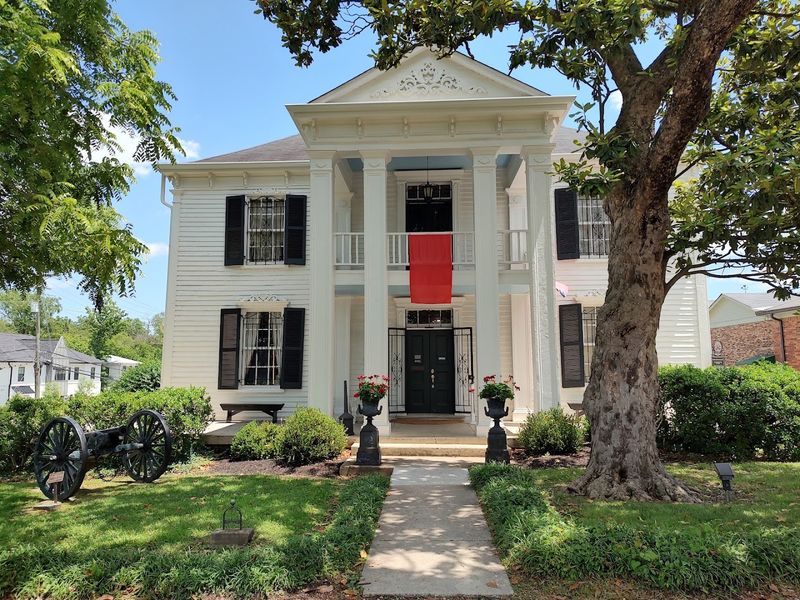
Standing directly across from Carter House, Lotz House occupies one of the most historically charged pieces of real estate in Franklin. The home belonged to Johann Albert Lotz, a German immigrant and master woodworker whose craftsmanship is still visible in the house and its period furnishings today.
During the Battle of Franklin, the Lotz family took shelter in the Carter House cellar while their own home suffered significant damage from the fighting. Afterward, the structure served as a field hospital, adding another layer to its already complicated wartime story.
Visitors can see physical reminders of the battle, including damaged flooring and other visible scars, alongside period antiques and artwork connected to the family. The combination of battlefield history and decorative arts gives Lotz House a distinct personality compared to Franklin’s other historic homes.
It tells a story of immigration, skilled craftsmanship, family survival, and rebuilding, which makes the history feel unusually personal and immediate rather than distant or purely military.
An Old Stove Factory Became One of Franklin’s Liveliest Destinations
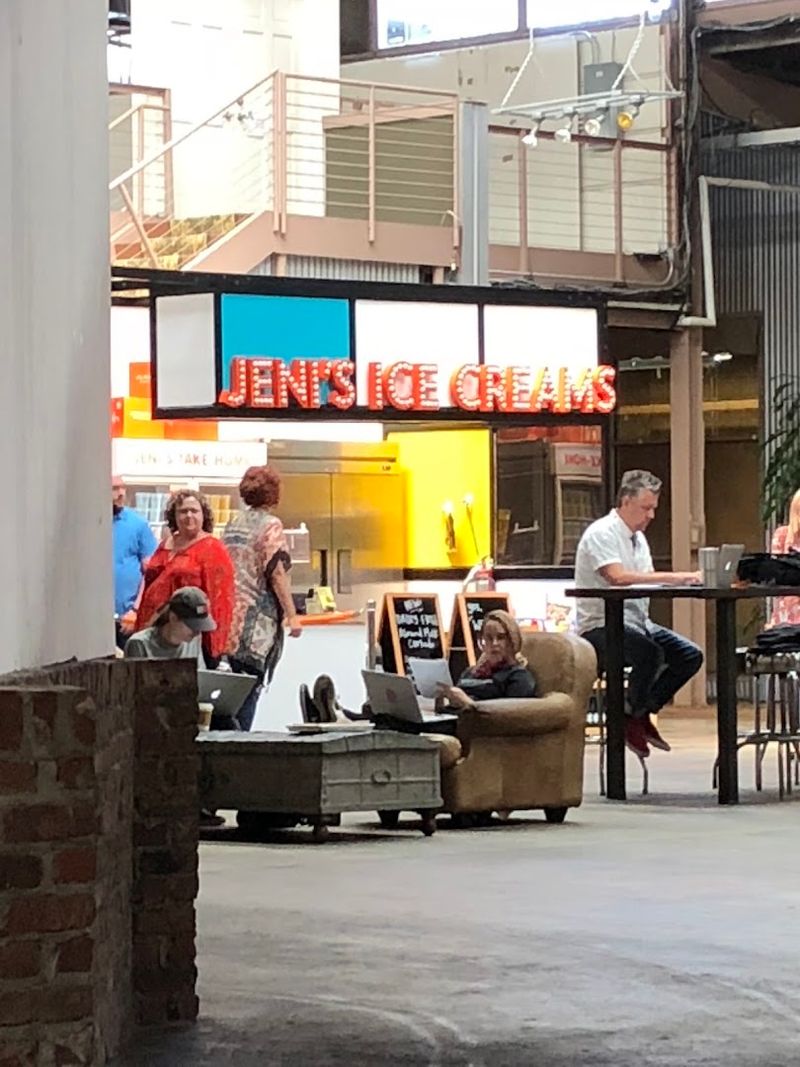
The Factory at Franklin is proof that historic preservation does not have to freeze a building in time. The large brick complex began as an industrial site in 1929 and was associated over the years with stove and bedding manufacturing before eventually sitting vacant.
Today, the former factory has been transformed into a busy destination for restaurants, specialty shops, creative businesses, performances, and public events. Original industrial details, high ceilings, exposed structural elements, and the familiar red water tower give the property a look that is completely different from anything on Main Street.
Visitors can grab coffee, browse locally focused businesses, attend a show, or simply walk through the enormous interior and study how the old manufacturing spaces were adapted for modern use. Historical walking tours are also offered at selected times.
The Factory at Franklin represents a side of the city’s past that often gets overlooked, preserving its twentieth-century working and industrial heritage alongside the more familiar antebellum and Civil War story.
The Franklin Theatre Still Lights Up Main Street

Few things on Main Street draw the eye quite like the vintage marquee of The Franklin Theatre, especially after dark when it becomes one of the most photographed features in downtown Franklin. The theater originally opened in 1937 as a movie house and served as a familiar gathering place for generations of local residents before falling into disuse.
After a major restoration, it returned as a nonprofit venue presenting films, live concerts, stage performances, and community programs. The restored interior preserves the atmosphere of a classic small-town cinema, while modern sound and lighting allow it to host productions that feel much larger than the intimate room suggests.
Even travelers who do not attend a show will likely notice the theater while exploring downtown. Checking the event calendar before visiting can easily turn an ordinary Franklin evening into a memorable night of live music or independent film.
The Franklin Theatre captures the city’s broader talent for keeping beloved old buildings active, useful, and genuinely central to daily community life.
Harlinsdale Farm Reveals Franklin’s Tennessee Walking Horse Legacy
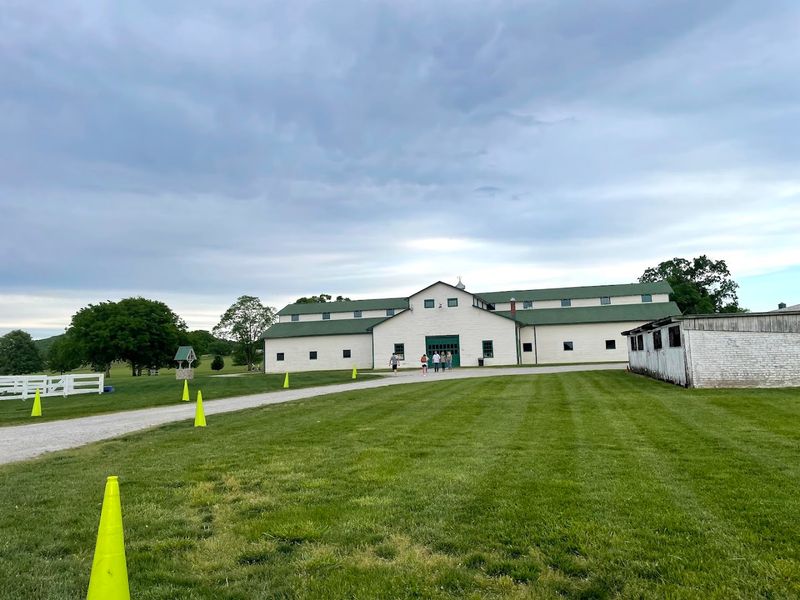
Established by W. W.
Harlin in 1933, Harlinsdale Farm became one of the most influential properties in Tennessee Walking Horse history. Its most celebrated stallion, Midnight Sun, was the first repeat World Grand Champion, and many later champion Walking Horses trace their bloodlines directly back to him.
The City of Franklin acquired the property in 2004 with the goal of protecting that heritage while opening the land as a passive public park. Today, visitors come for walking, picnicking, dog-friendly open spaces, fishing access, equestrian activities, and community events held against a backdrop of historic barns and open fields.
The Park at Harlinsdale Farm covers nearly 200 acres just north of downtown and feels surprisingly rural given its convenient location. It gives travelers a genuine chance to step away from shops and traffic while connecting with a part of local heritage that has nothing to do with the Civil War.
That distinction alone makes Harlinsdale worth building into a Franklin itinerary.
A Wooded Trail Leads to Franklin’s Surviving Civil War Trenches
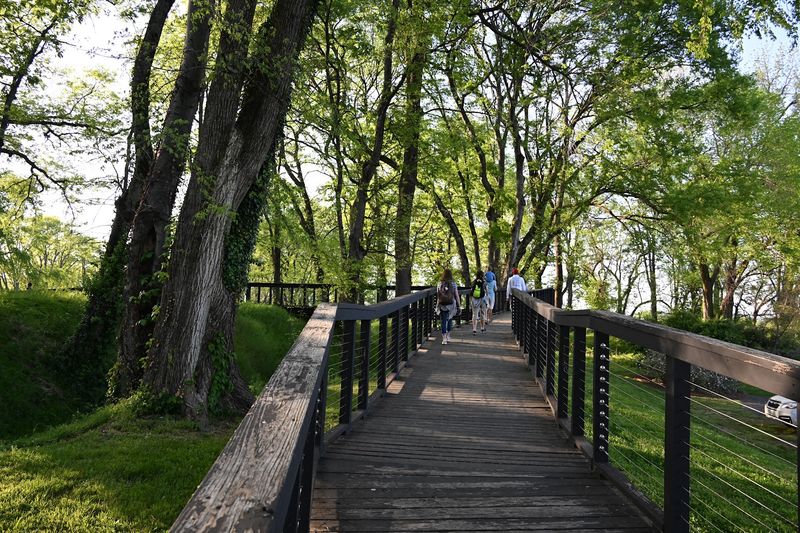
Fort Granger is one of Franklin’s quieter historic sites, and reaching it requires a short walking trail from the area behind Pinkerton Park. The 14.5-acre site was established by United States troops during the Civil War and sits on elevated ground overlooking the city, making its strategic importance immediately clear once you reach the top.
Trenches dug by soldiers still trace portions of the perimeter, offering a rare chance to see surviving Civil War earthworks in a wooded outdoor setting rather than behind museum glass. Interpretive features help visitors understand the site’s military role, while the overlook provides views toward southern Franklin that remain genuinely striking.
Reaching Fort Granger takes more effort than stepping into a downtown attraction, but that short walk is part of what makes the experience feel different. Pairing it with Pinkerton Park below creates an easy half-day outing that blends recreation and history, showing how green space can protect important remnants of a city’s wartime landscape without turning them into a formal exhibit.
Pinkerton Park Offers a Relaxing Break Beside the Harpeth River
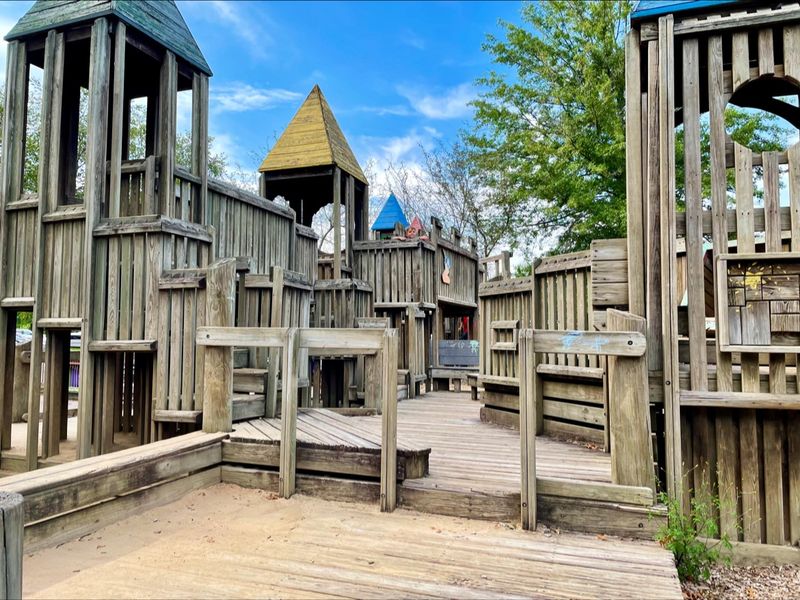
Pinkerton Park is a practical and easy outdoor stop for families, walkers, and anyone who needs a break between historic tours. The park sits beside the Harpeth River and includes a paved, lighted walking loop, picnic areas, open lawns, and playground facilities including the popular Tinkerbell playground that draws families from across the area.
Its flat paths and accessible layout make it far less demanding than Franklin’s woodland hiking areas, while the river setting and mature trees give the space a genuinely relaxing feel. Pinkerton Park also serves as the main pedestrian gateway to Fort Granger, so visitors can combine a casual riverside walk with a short climb to Civil War earthworks and an overlook.
Because it is one of Franklin’s most heavily used passive parks, the atmosphere often feels local rather than tourist-focused, with families, runners, and neighbors sharing the space comfortably. Pinkerton Park provides a convenient reset between bigger attractions and reveals the quieter, everyday side of life in Franklin.
Timberland Park Shows Visitors Franklin’s Wilder Side
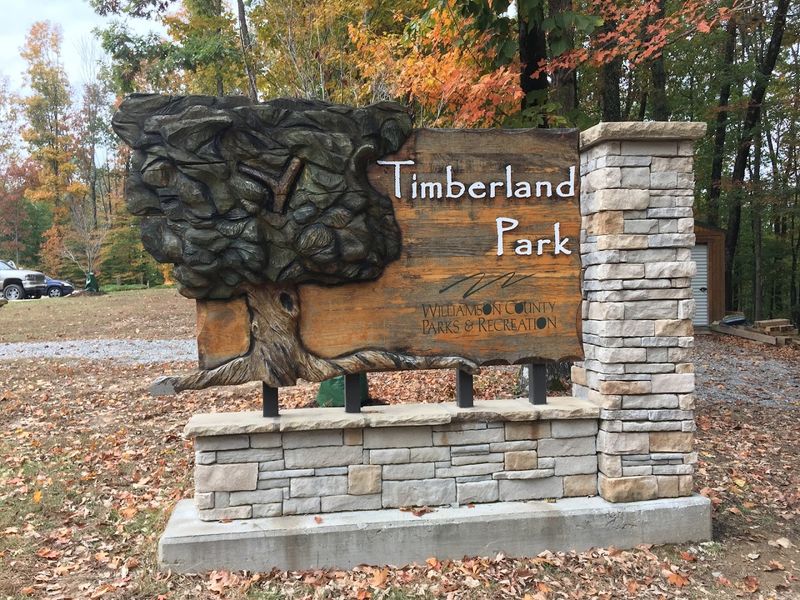
Located along the Natchez Trace Parkway at mile marker 437.2, Timberland Park is the place to experience Franklin’s wilder, less polished side. The day-use park contains more than three miles of natural hiking trails through wooded hills, along with an interpretive center, educational displays, picnic areas, and an ADA-accessible trail that makes the site welcoming for a range of visitors.
The butterfly garden and longer routes to overlooks give visitors options well beyond a simple loop walk. The terrain and forest canopy make Timberland Park feel considerably more remote than its distance from downtown Franklin would suggest, especially once you leave the visitor area and move into the shaded trail network.
Because the park sits directly on the Natchez Trace Parkway, it also fits naturally into a scenic drive through the countryside southwest of town. For travelers who want more than shopping and house museums, Timberland Park adds wildlife, changing seasonal scenery, and real trail time to a Franklin visit while remaining very manageable for a half-day outdoor excursion.
Share this story