
Tennessee is home to a lot of great attractions, but few can match the scale and variety of what one Memphis landmark has been delivering for well over a century. With more than 3,500 animals representing hundreds of species, this zoo has grown into one of the most respected in the entire country.
The exhibits stretch across dozens of developed acres, organized by geography and habitat, making the whole experience feel like a trip around the world without ever leaving the Mid-South. Whether you are planning a family day out or just looking for something genuinely worth your time in Memphis, this place delivers on nearly every front.
More Than 3,500 Animals and Counting
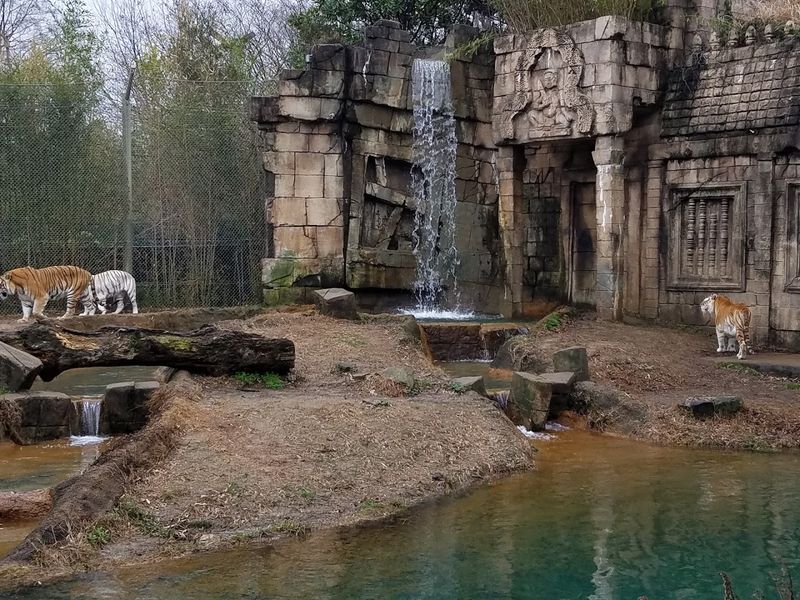
The headline number is not just a marketing figure. Memphis Zoo genuinely houses more than 3,500 animals across more than 500 species, making it one of the larger collections in the United States by any measure.
The variety is remarkable. Big cats, primates, elephants, hippos, zebras, reptiles, birds, fish, and marine mammals all have dedicated spaces here.
Each area is themed and curated to reflect the natural environment of the animals within it.
What stands out is how the zoo continues to evolve its collection and its exhibits over time. New features and updated habitats have been added across the years, keeping the experience fresh even for repeat visitors.
The sheer number of animals means that even on a full day visit, there is a real chance you will not see everything. That is not a complaint, it is actually a testament to just how much this place has packed into one location.
The China Exhibit That Stops People in Their Tracks

Of all the themed sections at Memphis Zoo, the China exhibit draws consistent attention, and for good reason. The architecture alone is worth the walk over, with structures designed to reflect traditional Chinese style built right into the landscape of a Memphis park.
The giant pandas were a centerpiece of this exhibit for many years, though their status at the zoo has changed over time as part of international conservation agreements. The broader China section, however, remains one of the most visually distinct parts of the entire zoo.
Beyond the aesthetics, the exhibit does a solid job of connecting visitors to conservation stories tied to the region. Red pandas, which are smaller and entirely separate from giant pandas, have also been a crowd favorite in this area.
More than one family has walked past the red panda habitat and stopped cold, surprised by how unexpectedly captivating these animals turn out to be up close.
Sea Lion Shows That Draw a Crowd
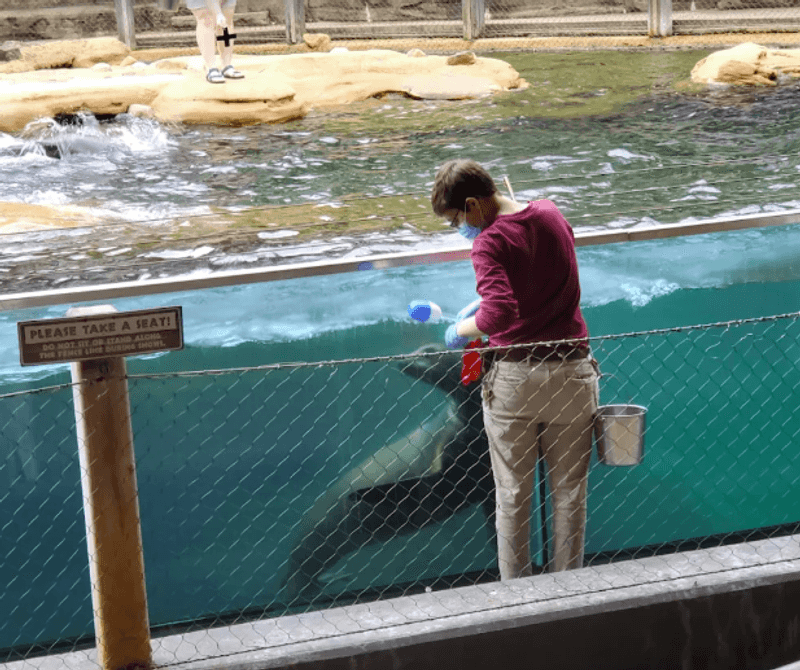
The sea lion presentation at Memphis Zoo has become one of the most talked-about parts of a visit. Held at a dedicated amphitheater-style space, the show brings together trained sea lions and knowledgeable zoo staff for a program that is as educational as it is entertaining.
What makes it particularly worthwhile is the way the presentations explain animal behavior in clear, accessible terms. The concept of operant conditioning, which is the science behind how animals learn through positive reinforcement, gets broken down in a way that both kids and adults can follow and appreciate.
Shows are scheduled at specific times throughout the day, so checking the daily schedule when you arrive is a smart move. The seating area fills up, especially on weekends and during peak season, so arriving a few minutes early gives you a better chance of getting a good spot.
It is one of those experiences that tends to stick with people long after they leave.
Giraffe Feeding: The Up-Close Encounter Worth the Extra Cost

Not every experience at Memphis Zoo is included in the base admission price, but the giraffe feeding station is one add-on that consistently earns its cost back in pure excitement. Guests get to hand-feed one of the zoo’s giraffes at close range, which is a genuinely different kind of interaction compared to watching animals from behind a railing.
The giraffes at Memphis Zoo are well cared for and clearly accustomed to the feeding routine, which makes the whole thing feel relaxed rather than stressful for the animals. Staff members are present throughout to guide guests and share information about giraffe biology and behavior.
For families with younger children especially, this tends to be the highlight of the entire day. The moment a giraffe leans its long neck down to take food from an outstretched hand is the kind of thing that gets talked about on the drive home and remembered for years.
It is a small extra fee with a big payoff.
The Reptile House, Aquarium, and Tropical Bird Pavilion
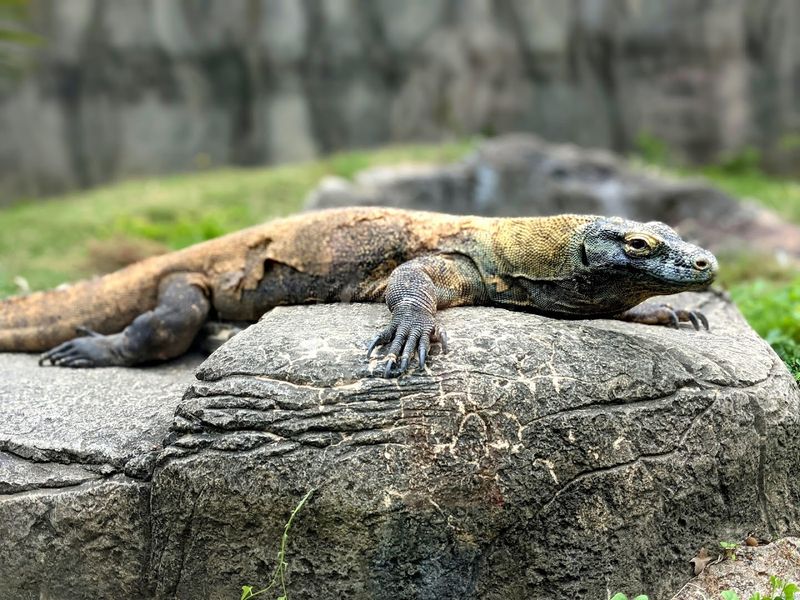
One thing that separates a great zoo from a good one is the range of indoor exhibits it offers, and Memphis Zoo delivers on this front with three standout pavilions. The reptile house, the aquarium, and the tropical bird exhibit each offer a completely different kind of experience under one roof.
The reptile house is a solid draw for anyone who appreciates the more underrated side of the animal kingdom. Snakes, lizards, and other reptiles are displayed in well-maintained enclosures that give visitors a clear view without feeling cramped or chaotic.
The aquarium section brings in fish and aquatic life that you would not expect to find in a landlocked Tennessee zoo, adding a layer of surprise to the visit. The tropical bird pavilion rounds things out with a collection of colorful, active birds in an environment designed to reflect their natural habitat.
Together, these three spaces add real depth to what is already an expansive outdoor experience.
Splash Pads, Playgrounds, and Built-In Kid Perks
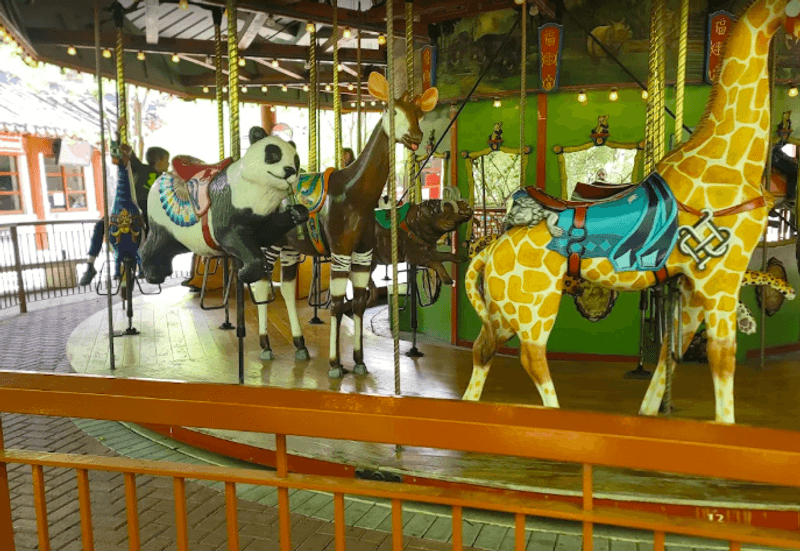
Memphis Zoo has clearly thought about what it means to visit with young children, and the results show up in the details. A splash pad located near the main food court gives kids a place to cool down and burn energy, which becomes especially valuable on warm Tennessee afternoons.
The playground area sits nearby, creating a natural cluster of kid-friendly activity that parents appreciate. It means there is a central spot to regroup, grab a bite, and let the little ones decompress between animal exhibits without having to wander far.
These features are not just afterthoughts. They are part of what makes Memphis Zoo a full-day destination rather than a quick stop.
Families with strollers will find the paths throughout the zoo are designed to accommodate them, and the overall layout does a good job of keeping things manageable even with very young kids in tow. Bringing a change of clothes for the splash pad is a tip worth remembering before you pack.
Zoo Lights and Festival of Lanterns: After-Hours Magic
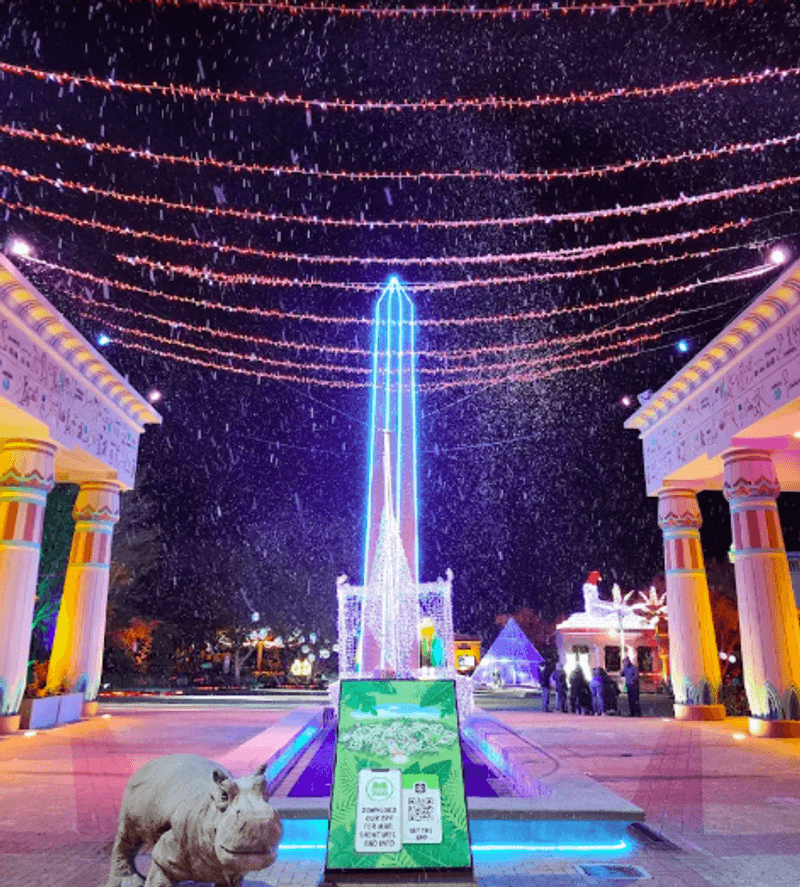
Memphis Zoo does not shut down when the sun goes down, at least not during its signature seasonal events. Zoo Lights and the Festival of Lanterns are two of the most popular after-hours experiences the zoo offers, and both have built strong reputations in the Memphis area.
Zoo Lights transforms the grounds into an illuminated landscape with light displays spread across the pathways and exhibit areas. Small fire pits are scattered around the route to help guests stay warm during the colder months when the event typically runs.
The Festival of Lanterns brings an entirely different visual experience, with large-scale lantern installations and vendor areas adding a festive, cultural dimension to the evening.
Both events attract families, couples, and groups looking for something a little different from the standard daytime zoo visit. Tickets for these events are separate from regular admission, and booking in advance is a practical move since they tend to draw large crowds, particularly on weekends.
Tennessee Tuesdays and Free Admission Opportunities
Cost is always a factor when planning a zoo trip, and Memphis Zoo has a program that Tennessee residents should know about. Tennessee Tuesdays offer free general admission to in-state residents, making the zoo accessible to a much wider audience than standard ticket pricing allows.
The program has evolved over time. Previously, free entry was only available starting at 2 PM, but the zoo updated the policy to allow entry from 9 AM with an online reservation and a cash donation of your choice.
That change made the offer significantly more practical for families who want a full day rather than a half one.
Even on free days, the zoo does not feel overwhelmed if you arrive with a plan. Weekday visits tend to be calmer than weekends regardless of admission pricing.
For out-of-state visitors, annual memberships are another option worth considering if you plan to visit more than once, since the savings add up quickly for repeat trips.
Navigating 55 Acres: The Tram, the App, and the Layout
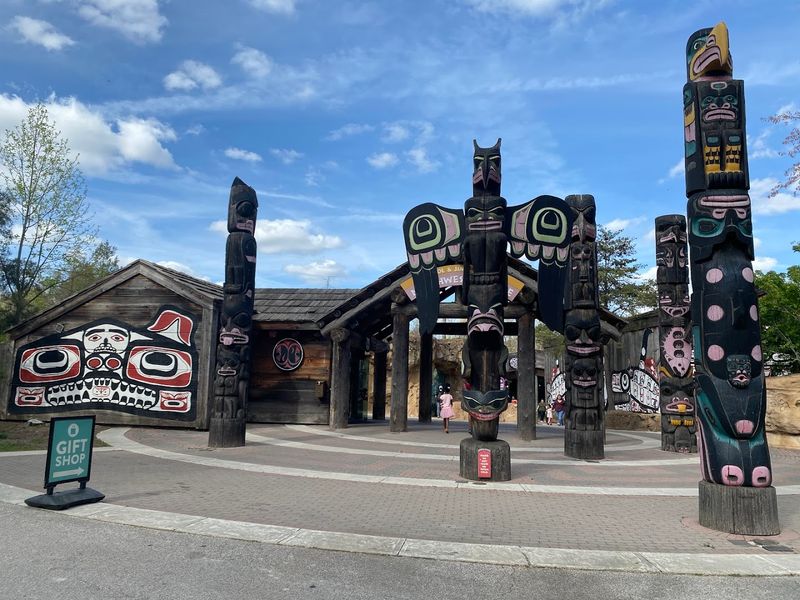
Covering 55 developed acres on foot is no small task, and Memphis Zoo has built in a few tools to help guests manage the distance without wearing out before they reach the back half of the grounds. The zoo tram offers a quieter way to move through parts of the property, giving visitors the option to rest their legs while still taking in the surroundings.
The Memphis Zoo app has become a practical companion for navigating the property. It provides real-time information on show schedules, keeper chats, and animal encounter times, replacing the need to carry a paper map or guess at timing throughout the day.
The overall layout is organized geographically, which gives the grounds a logical flow that most visitors find easy to follow. Clear signage throughout helps prevent the kind of backtracking that can eat up time at larger parks.
Bringing a refillable water bottle is strongly advised, as water bottle filling stations are available but spread out across the property.
Big Cats, Elephants, Hippos, and the Heavy Hitters

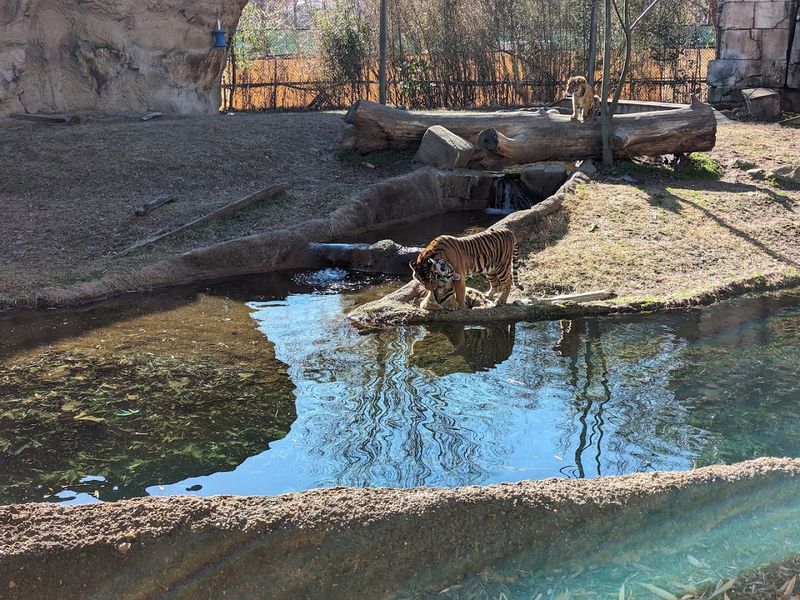
For a lot of zoo visitors, the big animals are the main event, and Memphis Zoo delivers a strong lineup in this department. Elephants, hippos, big cats including lions and tigers, zebras, and various primate species all have dedicated habitats here, each designed to give the animals room to move and guests a clear line of sight.
The elephant exhibit is one of the more spacious on the grounds, reflecting a broader shift in zoo design toward larger, more naturalistic enclosures. Hippos are another standout, particularly when the weather cooperates and they are active in their pool area.
Big cat sightings depend on the time of day and the animals’ own schedules, as is true at any zoo. Early morning and late afternoon tend to be when these animals are most active.
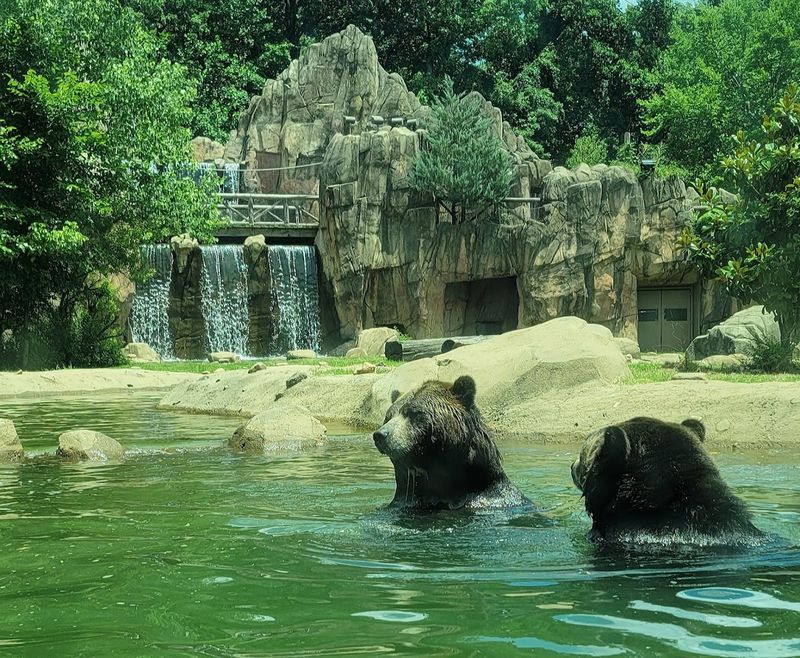
Grizzly bears and polar bears are also part of the collection, though their visibility on any given day can vary based on weather conditions and the animals’ own preferences.
Planning Your Visit: Hours, Tips, and What to Bring
A little preparation goes a long way at a zoo this size. Memphis Zoo is open Monday through Friday from 9 AM to 5 PM, with extended hours on Saturday and Sunday until 6 PM.
Arriving close to opening time gives you the best chance of seeing the most active animals and avoids the midday crowd buildup.
Bringing your own water in a refillable bottle is one of the most practical tips for any visit. Refill stations are available on the grounds, though they are not densely distributed, so having your own supply on hand prevents unnecessary detours.
Packing snacks is also a smart move, especially for families with young children, since on-site food options can carry a premium price.
Strollers are welcome and the paths are designed to accommodate them. Comfortable walking shoes matter more than most people anticipate given the scale of the grounds.
Buying tickets online in advance is recommended, as it can save time at the gate and guarantees entry on busier days.
A Classic Address With a Whole Lot Behind It
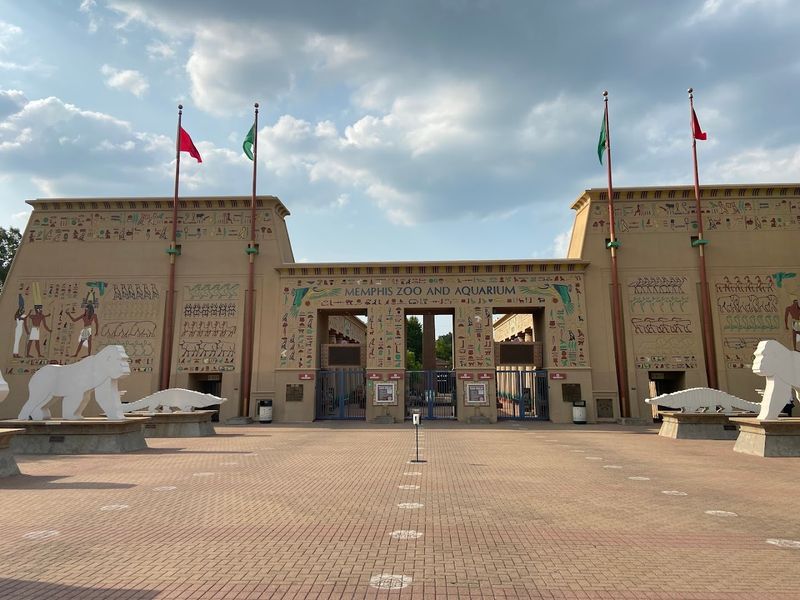
There is a reason people drive hours to get here. Memphis Zoo, located at 2000 Prentiss Pl, Memphis, TN 38112, sits inside the historic Overton Park, one of the city’s most beloved green spaces, and has been welcoming guests since 1906.
The zoo covers approximately 70 acres of total land, with around 55 of those developed into exhibits, pathways, and visitor areas. That is a lot of ground to cover, and the layout is designed to help guests move through it without getting overwhelmed.
Sections are organized geographically, so you move from one region of the world to the next in a way that feels intentional rather than random. The entrance area sets the tone well, with clear signage and a friendly staff presence right from the start.
Getting here is straightforward, and parking is available on-site, though arriving early on busy days is strongly recommended to avoid congestion.
Share this story