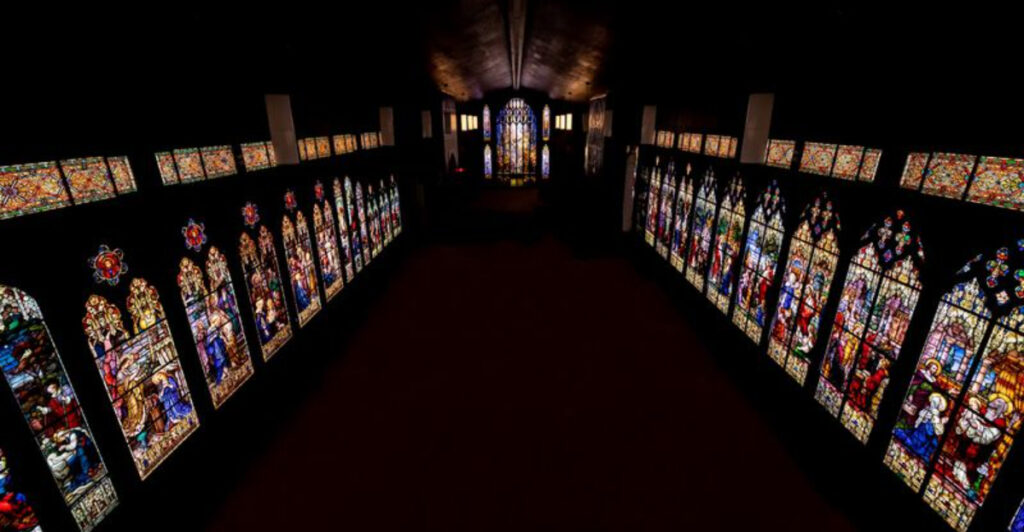
There is a place in South Texas where light does not just pass through windows, it tells stories. Hundreds of stained glass panels, some crafted over a century ago, line the walls of a purpose-built museum that most people outside the Rio Grande Valley have never heard of.
The collection inside includes works by legendary studios like Tiffany, rescued from American churches that were facing demolition. This is not your average museum stop, and once you see the first panel glow under carefully designed lighting, you will understand why visitors keep coming back and why so many of them struggle to find the right words to describe what they experienced.
The Vision Behind the Museum
Some collections start with a single purchase that turns into an obsession, and that is exactly how the Gelman Stained Glass Museum came to life. Dr. Lawrence Gelman spent years acquiring antique stained glass panels and church altars that were at risk of being lost forever as old American churches were torn down or renovated.
His goal was never just to own beautiful things. He wanted to preserve a fragile piece of American religious and artistic history that most people did not even know was disappearing.
The museum, which opened in late 2021, was purpose-built to house and display his collection in the best possible way. Every design choice, from the lighting to the layout, was made with the art in mind.
The result is a space that feels less like a typical museum and more like a living tribute to the craft of stained glass.
Where to Find It in San Juan
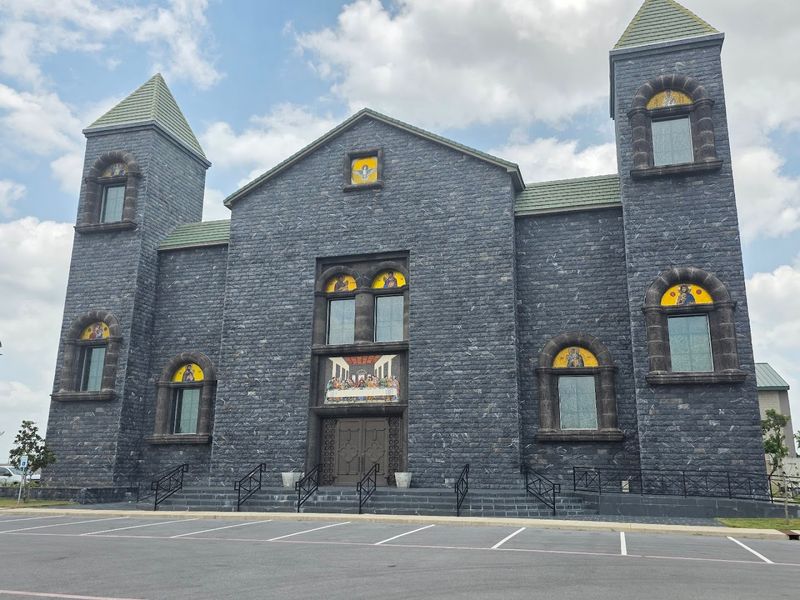
The Gelman Stained Glass Museum sits at 411 Virgen de San Juan Blvd, San Juan, TX 78589, right across the street from the Basilica of Our Lady of San Juan del Valle. That location is no accident, and the spiritual energy of the neighborhood absolutely adds to the overall experience of visiting.
San Juan is a small city in the Rio Grande Valley, tucked in the southernmost tip of Texas near the Mexican border. It is not a place most out-of-state travelers would think to put on their itinerary, which makes discovering this museum feel like finding something truly rare.
The surrounding area is flat and sun-soaked, typical of South Texas, but the museum building itself stands out immediately. Its architecture signals that something significant is happening inside, and that first visual impression sets the tone for everything that follows.
Nearly 200 Masterpieces on Display
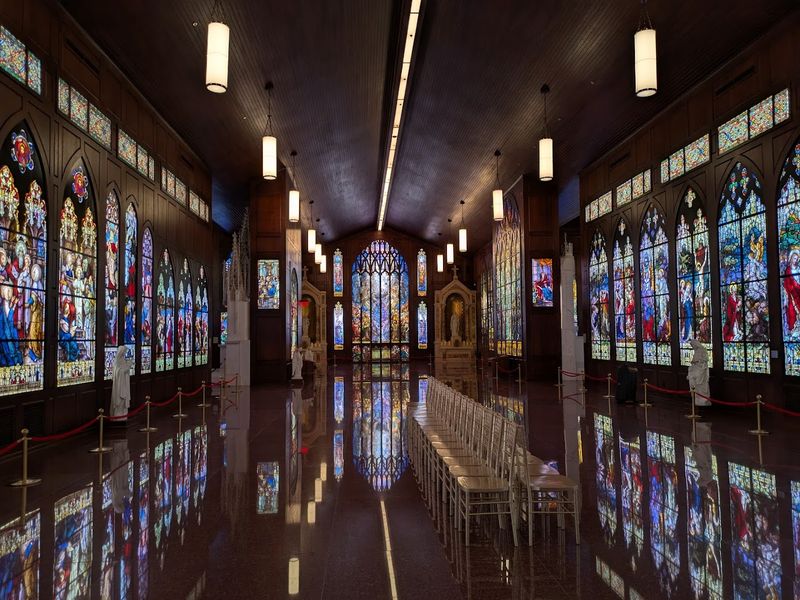
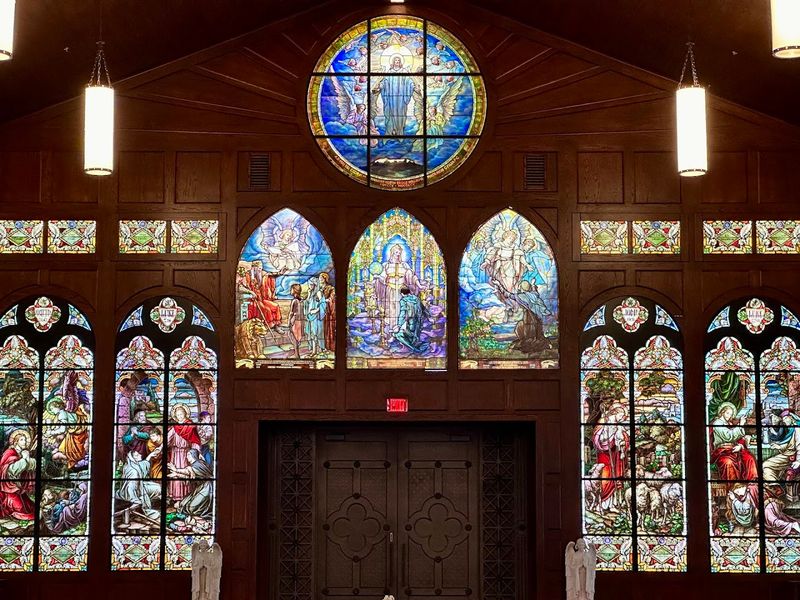
The scale of what is on display here is genuinely surprising. The museum houses close to 200 stained glass works, making it one of the largest collections of antique stained glass in the United States.
That number alone is remarkable, but what makes it even more impressive is the quality and age of the individual pieces.
Many of the panels date from the 1870s through the 1920s, a golden era for American stained glass craftsmanship. Each one was created for a specific church setting, which means the storytelling built into the imagery is rich and intentional.
The collection also includes a smaller number of contemporary pieces, giving visitors a chance to see how the medium has evolved over time. Walking through the museum feels like reading a visual history of an art form that most people encounter only in passing, usually through church windows they never stop to study.
Tiffany and LaFarge: The Famous Studios Represented
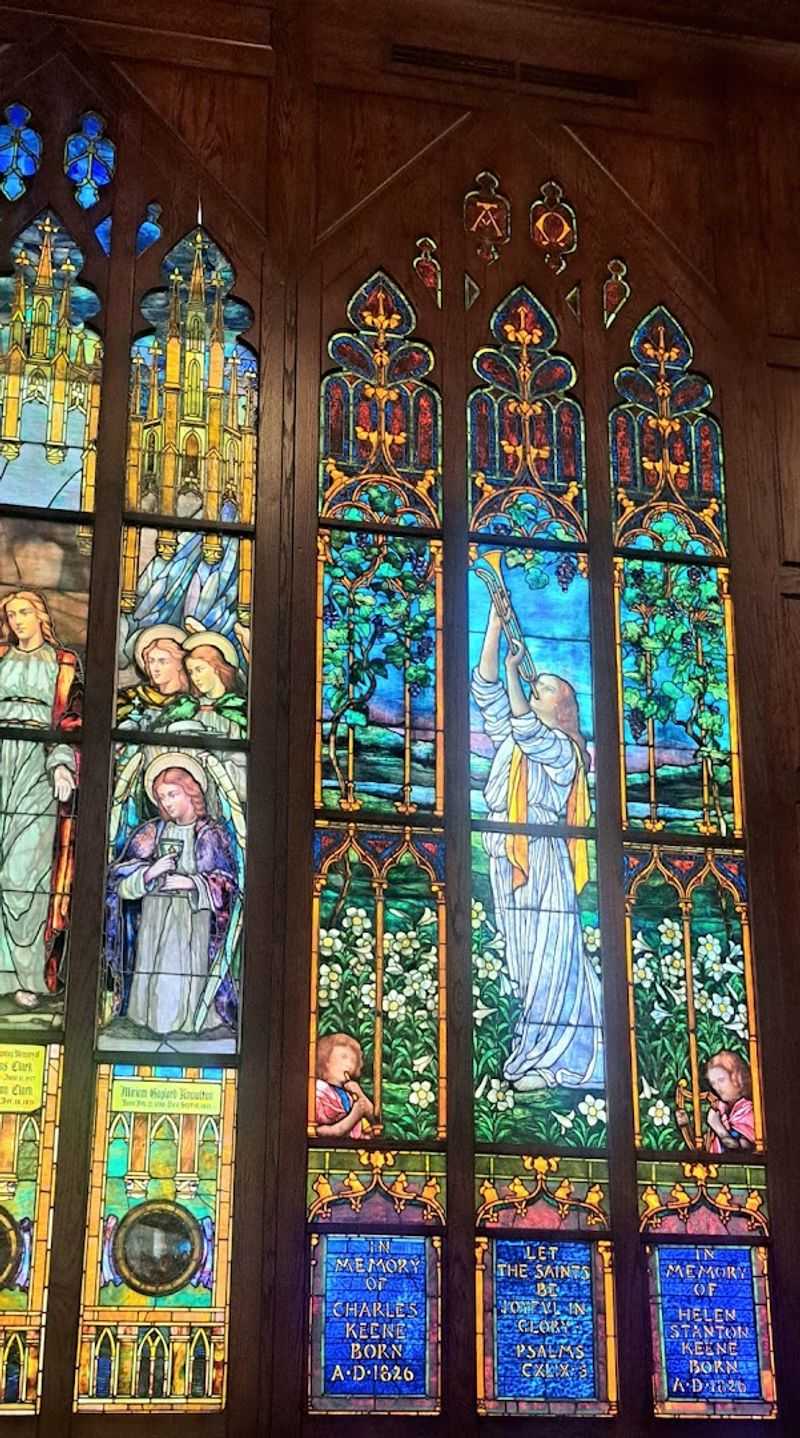
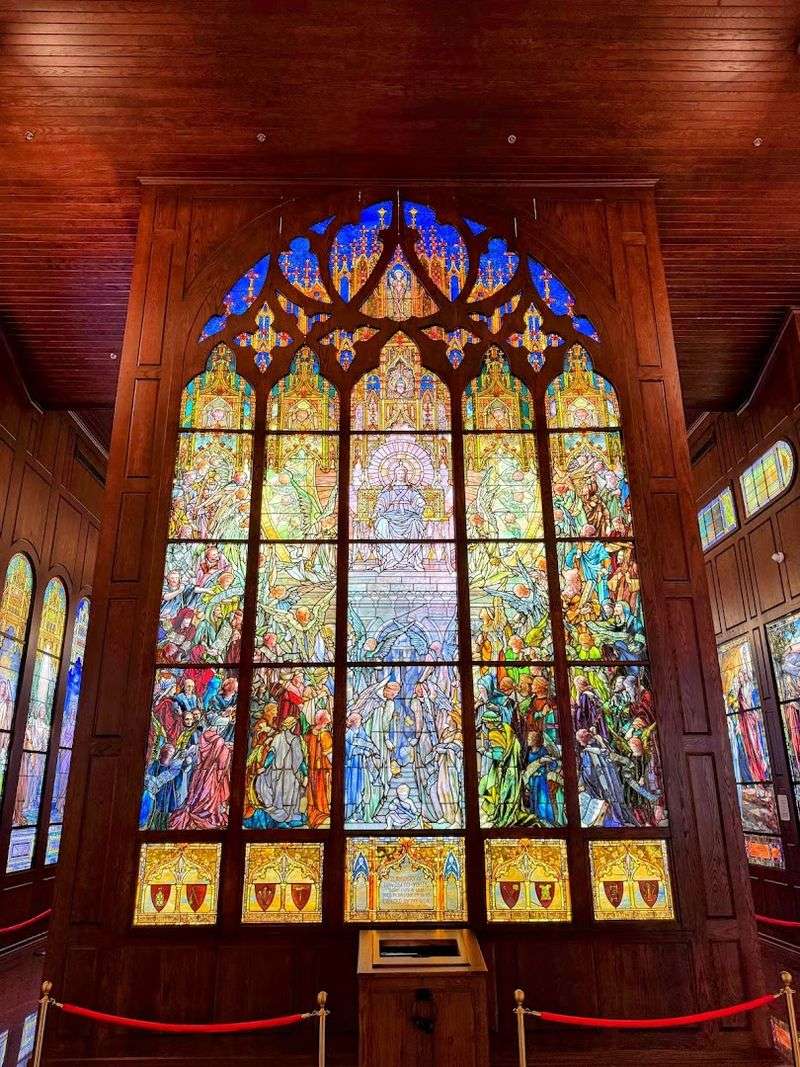
Not all stained glass is created equal, and the names behind some of these panels carry serious weight in the art world. The collection includes works from iconic studios like Tiffany and LaFarge, two of the most celebrated names in American stained glass history.
Louis Comfort Tiffany’s studio produced some of the most technically sophisticated and visually stunning glass work of the late 19th and early 20th centuries. Seeing actual Tiffany panels up close, illuminated properly and displayed at eye level, is a completely different experience from glimpsing them high up in a church ceiling.
John LaFarge, a contemporary and rival of Tiffany, developed his own distinctive approach to opalescent glass that pushed the medium in new directions. Having works from both studios in the same space allows you to compare styles and appreciate the creative competition that drove both artists to keep innovating.
Church Altars Saved From Demolition
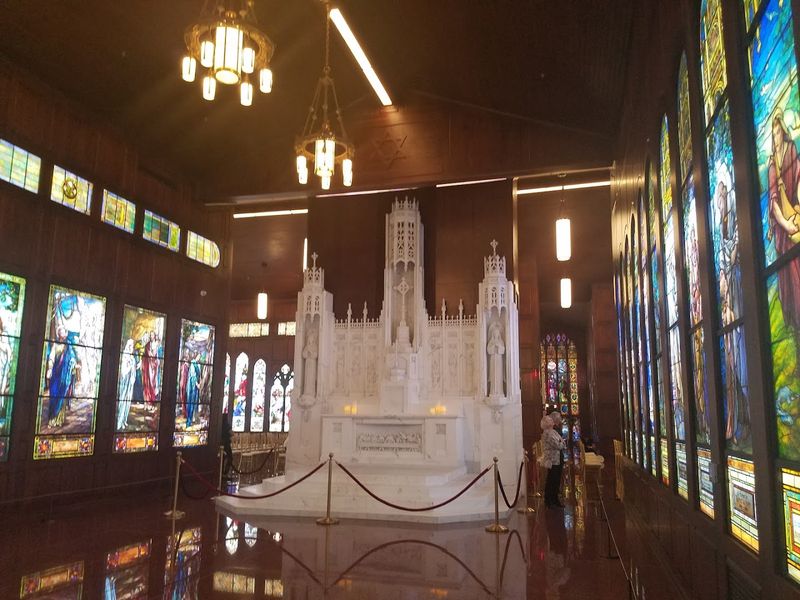
Stained glass is not the only thing Dr. Gelman rescued. The museum also features a collection of church altars that were saved from buildings facing demolition across the United States.
These altars are extraordinary objects in their own right, carved with intricate detail and built to last centuries.
Seeing them outside of a church setting is a strange and moving experience. They feel both out of place and completely at home in this purpose-built space, which manages to honor their original context while giving them a new life as art objects.
The altars add a three-dimensional richness to the museum that the flat panels alone could not provide. Together, the stained glass and the altars tell a story about American religious history, craftsmanship, and the very human instinct to preserve beautiful things from being lost.
That combination is what makes this museum feel genuinely different from anything else in the region.
How the Lighting Makes Everything Come Alive
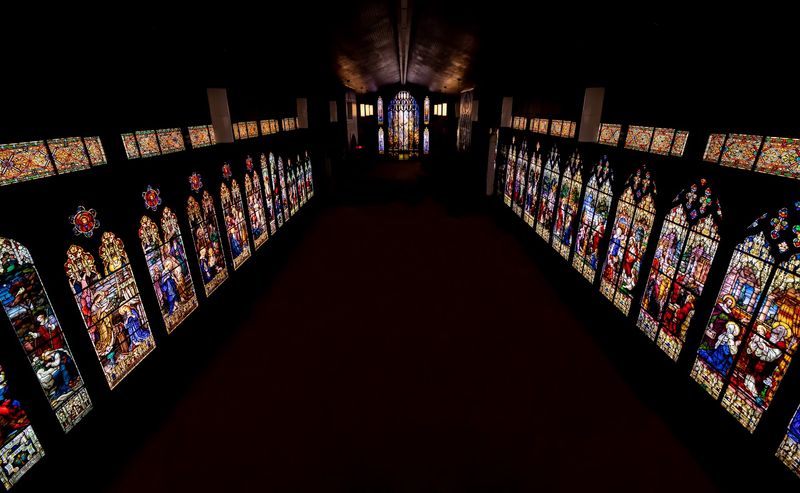
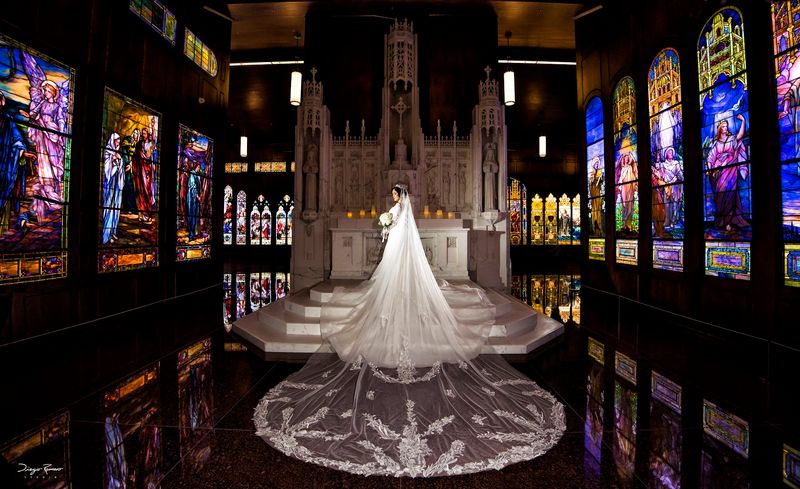
Stained glass is a medium that depends entirely on light, and the team behind this museum clearly understood that from the start. Every panel is illuminated in a way that brings out the full depth of color and detail in the glass, which is no small technical achievement.
Natural light alone cannot do this job reliably. Clouds, time of day, and seasonal changes all affect how a window looks in a traditional church setting.
Here, the controlled artificial lighting ensures that every piece looks its absolute best every single time you visit.
The effect is genuinely breathtaking. Colors that might look flat or dull in a photograph absolutely pop when you are standing in front of the real thing with the light pouring through.
Several visitors have mentioned being speechless during their first few minutes inside, and that reaction makes complete sense once you experience the lighting firsthand.
The Guided Tour Experience
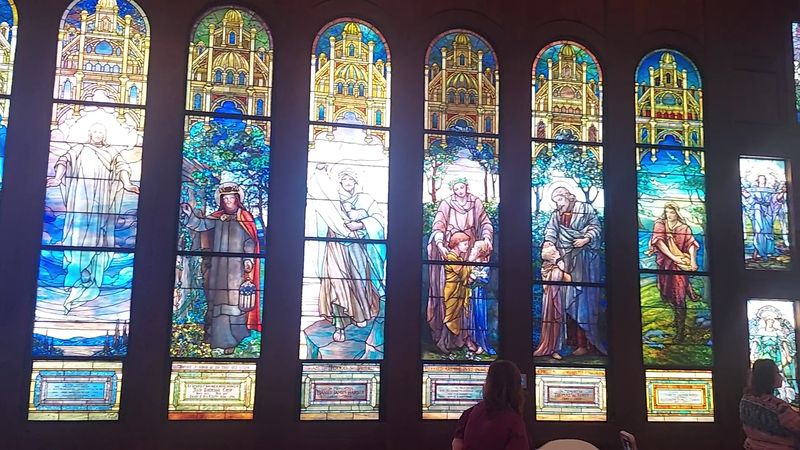
Going through the museum on your own is perfectly fine, but booking a guided tour takes the experience to a completely different level. The guides here are knowledgeable about both the history of the individual pieces and the broader story of American stained glass as an art form.
During a guided visit, you will hear about specific panels, the studios that made them, and the techniques used to achieve certain effects in the glass. That context transforms what might otherwise feel like a pretty room into something genuinely educational and engaging.
Groups of up to 40 people have done guided tours here and come away deeply impressed by the depth of knowledge shared. For anyone who wants more than a visual experience, the guided option is the clear choice.
The museum pamphlet also includes QR codes next to each window, so self-guided visitors can access additional information at their own pace.
Visiting Hours and Practical Tips
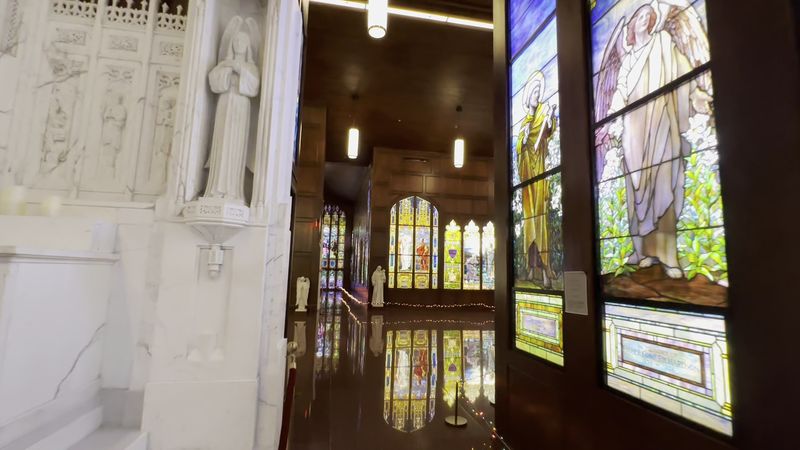
The museum keeps a schedule that is worth checking carefully before you plan your trip. It is open Wednesday and Thursday from 4 to 7 PM, Friday from 5 to 7 PM, Saturday from 10 AM to 2 PM, and Sunday from 10 AM to 4 PM.
Monday and Tuesday are closed.
Admission is $20 per adult, with reduced pricing available for children, teachers, first responders, and students. Tickets can be purchased online in advance, which is a smart move if you want to secure a specific time slot.
A few things to keep in mind before you go: bags and purses are not allowed inside the museum, so plan accordingly. The building does have seating available throughout, which is genuinely helpful for anyone who wants to sit and absorb the art without rushing.
Restrooms are also available and reportedly very well-maintained, which is always a welcome detail.
A Pipe Organ in a Stained Glass Hall
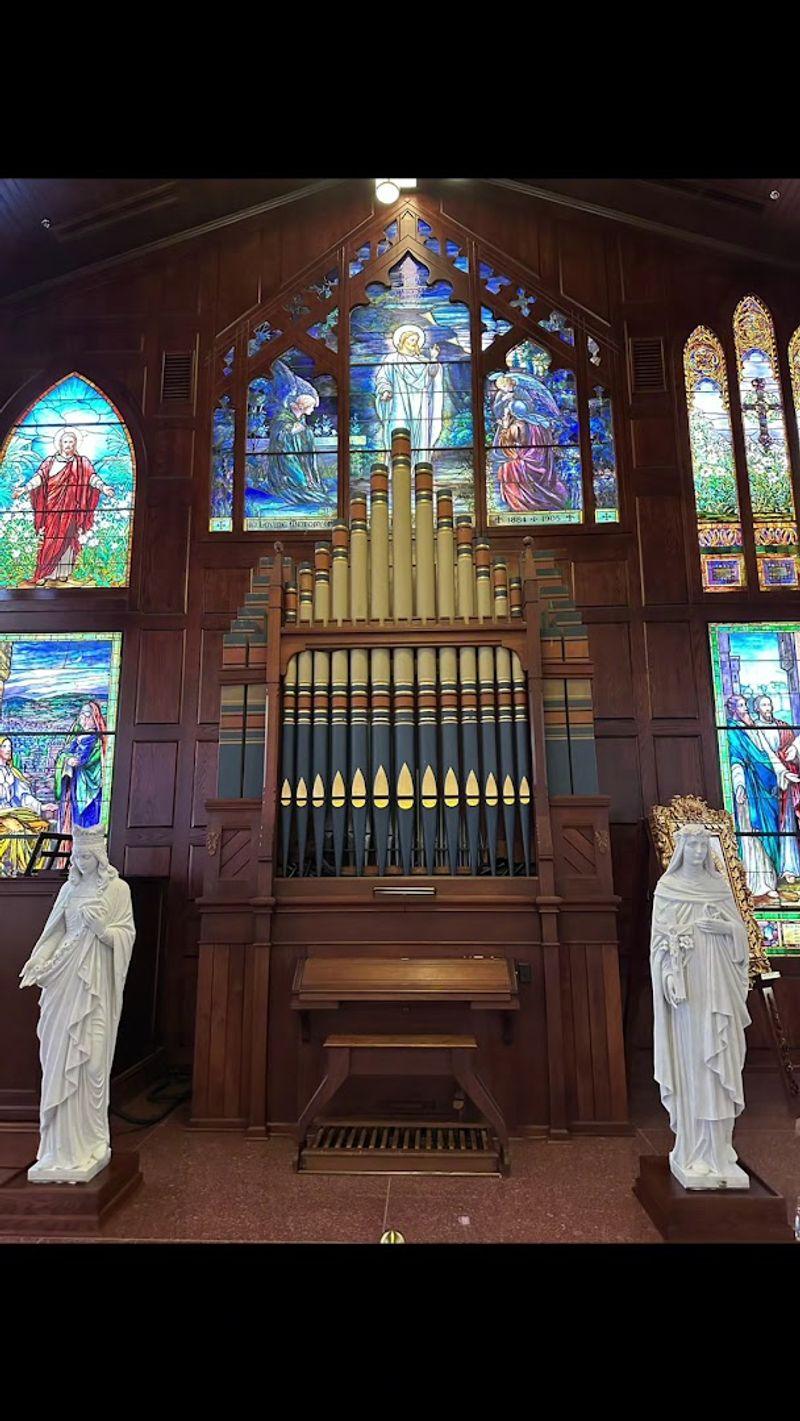
Here is something you probably did not expect to read: the museum has a pipe organ. It fits perfectly with the chapel-like atmosphere of the space, and its presence adds an auditory dimension to what is already a deeply sensory experience.
The combination of soaring stained glass, carved altars, and a pipe organ creates an environment that feels genuinely sacred, even for visitors who do not come from a religious background. Several people have described the atmosphere as meditative and calming, which makes sense given how the space is designed.
Whether the organ is played during your visit or not, simply knowing it is there changes how you experience the room. It reinforces the idea that this museum is not just a place to look at things.
It is a place designed to make you feel something, and that intention comes through in every single detail of the space.
How Long Should You Plan to Stay
One of the more interesting things about this museum is how differently people experience the time they spend inside. A visitor who moves quickly through the space could see everything in about ten minutes.
Someone who reads every placard, uses the QR codes, and really sits with each piece could easily spend two hours or more.
The museum sells tickets in one-hour time slots, which is a reasonable starting point for most visitors. That said, if you are genuinely passionate about art history or stained glass specifically, you might want to ask about options that give you more flexibility.
The key is to resist the urge to rush. The details in these panels reward patience.
The layering of colors, the way figures are rendered in glass, and the subtle differences between studio styles all become more apparent the longer you look. This is one of those rare places where slowing down is genuinely worth it.
Worth the Drive to the Rio Grande Valley
The Rio Grande Valley is not always on the radar of travelers planning a Texas road trip, but this museum gives a compelling reason to add it to the list. San Juan sits near the southern tip of Texas, close to the border, and the drive down through the Valley has its own quiet charm.
The museum pairs naturally with a visit to the nearby Basilica of Our Lady of San Juan del Valle, which is one of the most visited Catholic shrines in the United States. Spending a day in this part of Texas, moving between the basilica and the museum, creates an experience that is both culturally rich and visually unforgettable.
Texas has no shortage of things to see, but very few destinations offer something this genuinely one-of-a-kind. The Gelman Stained Glass Museum earns its place on any serious Texas travel list, and the drive to get there is part of what makes the arrival feel so rewarding.
Share this story