Somewhere along the southern edge of Texas, a small patch of subtropical forest sits quietly beside the Rio Grande, drawing birders from across the country who know exactly what waits inside. More than 400 bird species have been recorded here, including species that rarely appear anywhere else in the United States.
This is not your average wildlife refuge. The mix of wetlands, thornscrub, and dense woodland creates a layered habitat so rare that serious birders treat a visit here the same way others treat a bucket-list trip abroad.
A Refuge Unlike Any Other in the National Wildlife System
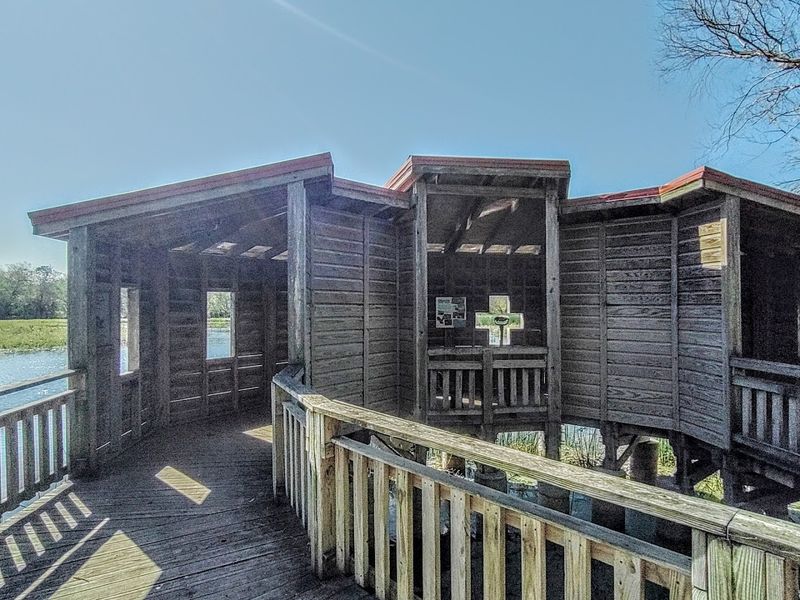
Most wildlife refuges cover hundreds of thousands of acres and still manage to feel empty. Santa Ana National Wildlife Refuge packs extraordinary biodiversity into just about 2,088 acres along the Rio Grande near Alamo, Texas, at 3325 Green Jay Road, Alamo, TX 78516.
That compact size is part of what makes it so remarkable. Every trail, every clearing, and every water feature feels intentional, like the land itself was designed to concentrate wildlife in the most visible spots possible.
The refuge sits at a biological crossroads where subtropical Mexico meets the southern United States, creating conditions that support species found nowhere else this far north. Serious birders, casual hikers, and curious families all find something genuinely surprising here.
The moment you step past the visitor center, the sounds alone tell you this place operates by different rules than anywhere else in Texas.
Over 400 Bird Species and Why That Number Matters
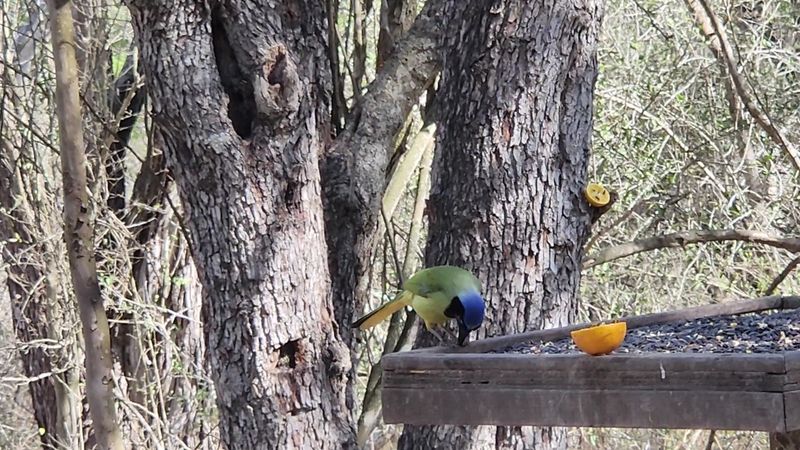
Four hundred bird species recorded in a single refuge is a number that stops experienced birders mid-sentence. To put that in perspective, many entire states cannot claim that kind of diversity.
Santa Ana achieves it because of its geography, sitting directly along the Central Flyway migration route while also hosting year-round subtropical residents.
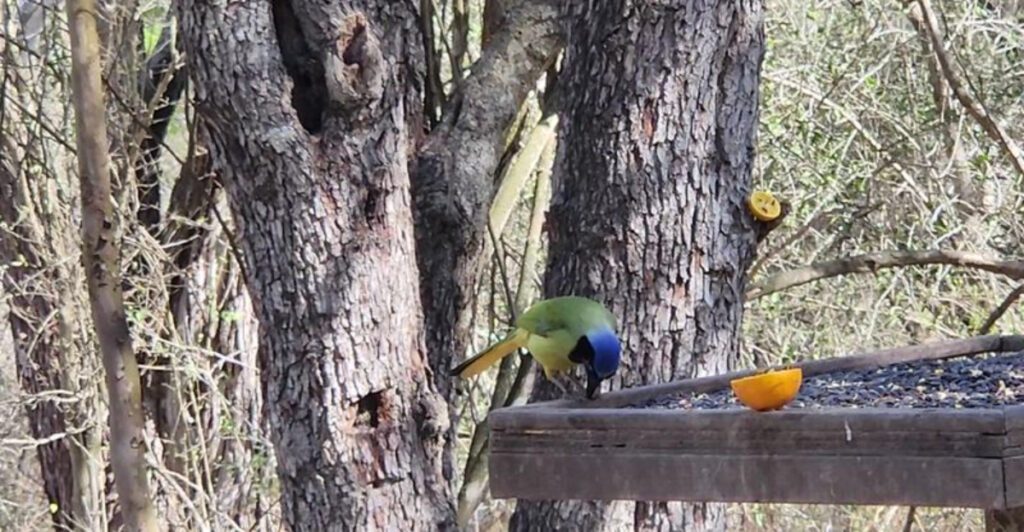
Species like the Altamira oriole, plain chachalaca, and green jay appear here with regularity, birds that most Americans would only see in Mexico or Central America. During peak migration seasons, the trails fill with warblers, flycatchers, and shorebirds moving through in waves.
Even on a slow day, the feeders near the visitor center attract a steady parade of colorful visitors. Binoculars are available to borrow at the entrance if you leave your ID, which is a genuinely helpful touch for first-time visitors who arrive unprepared.
The Subtropical Forest That Feels Like Another Country
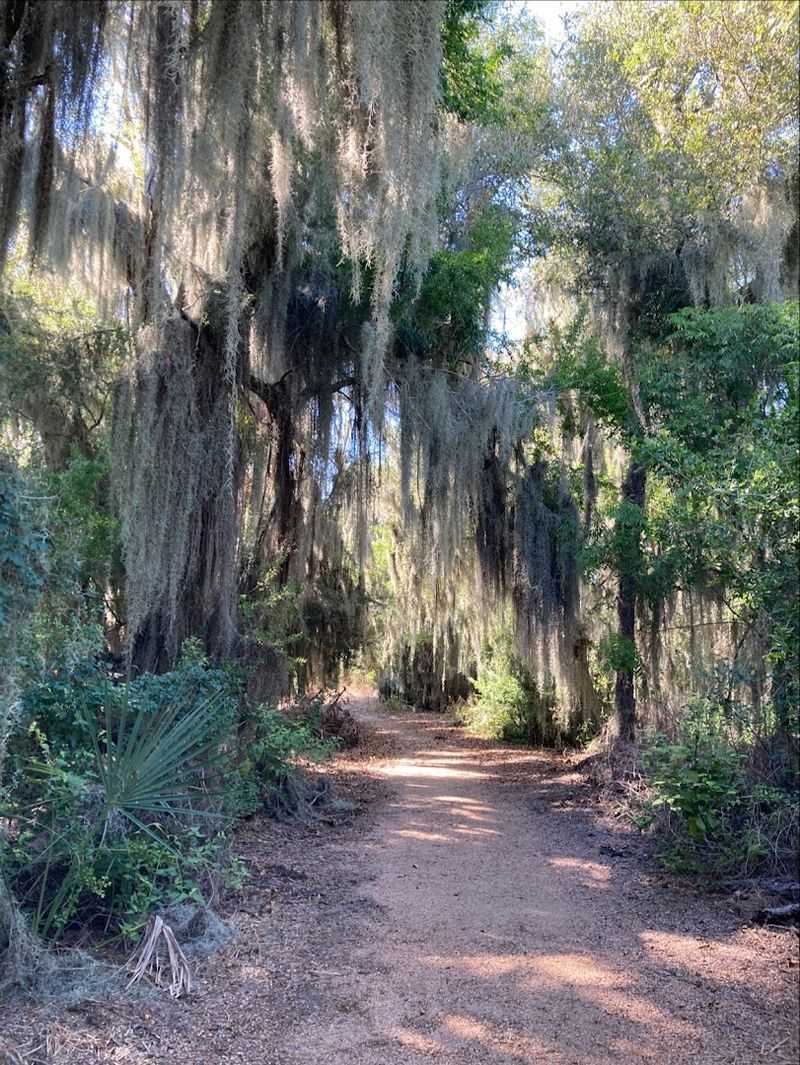
Walking the trails here feels nothing like hiking in most of Texas. The vegetation closes in overhead, creating a canopy of Texas ebony, anacua, and cedar elm that filters sunlight into something soft and green.
The air smells different too, earthier and warmer, carrying the faint humidity of the nearby river.
This type of subtropical forest once covered large portions of the Lower Rio Grande Valley before agriculture transformed the landscape. Today, Santa Ana preserves one of the largest remaining patches of this original habitat, which is exactly why wildlife concentrates here so heavily.
The thornscrub sections open up into views that feel almost cinematic, especially in the early morning when mist sits low over the wetland areas. The flora alone justifies a visit, with plant diversity that surprises even experienced botanists who expect Texas to mean cacti and open grassland.
Butterfly Diversity That Rivals the Bird List
Most people arrive at Santa Ana focused entirely on birds and leave talking about butterflies. The refuge hosts an extraordinary number of butterfly species, many of them tropical strays that drift north from Mexico and find the subtropical vegetation exactly to their liking.
Species like the Mexican bluewing, white peacock, and malachite appear along the trails with surprising frequency, especially during warmer months. The combination of flowering plants, standing water, and protected forest creates ideal conditions for both breeding residents and wandering visitors from further south.
Butterfly enthusiasts have long considered this refuge one of the premier spots in North America for subtropical species, and that reputation is well earned. A slow walk along the shadier trails with your eyes dropped to flowering plants at knee height reveals an entirely different world than the one visible at eye level.
Bring a camera with a macro setting and you will not regret it.
The Tram Tour That Changes How You See the Refuge
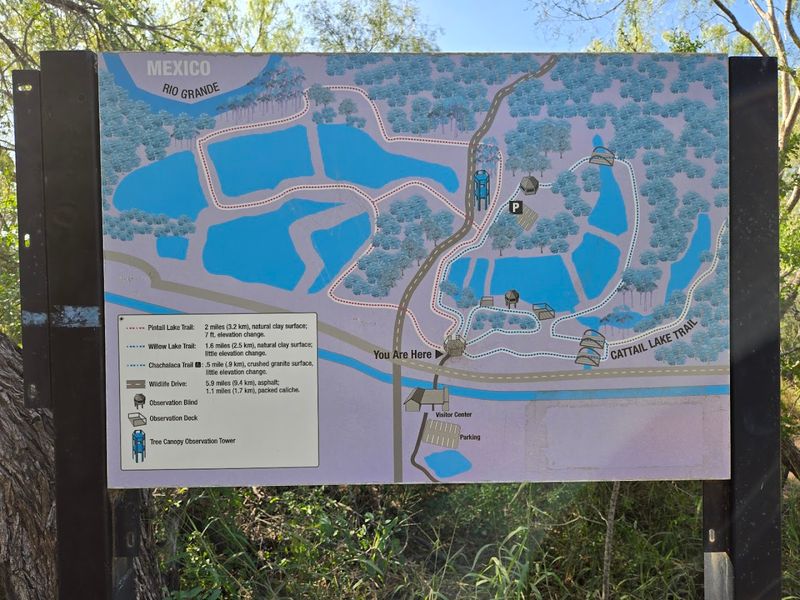
Not everyone arrives ready for a four-hour hike in South Texas heat, and the refuge has a practical solution. A guided tram tour runs twice daily and covers the main trail loop with a knowledgeable guide narrating the history, ecology, and wildlife of the refuge along the way.
The tour lasts about an hour and a half and gives visitors a solid orientation before they decide which trails to explore on foot. One honest note from frequent visitors is that the tram can be noisy enough to scatter wildlife, so the ride works better as an educational experience than a wildlife-spotting one.
At just four dollars per person, it represents one of the better bargains in South Texas outdoor recreation. The guides tend to be genuinely enthusiastic, sharing details about tree species, insect life, and local history that most self-guided hikers would walk right past without noticing.
Two Observation Towers With Surprisingly Different Views
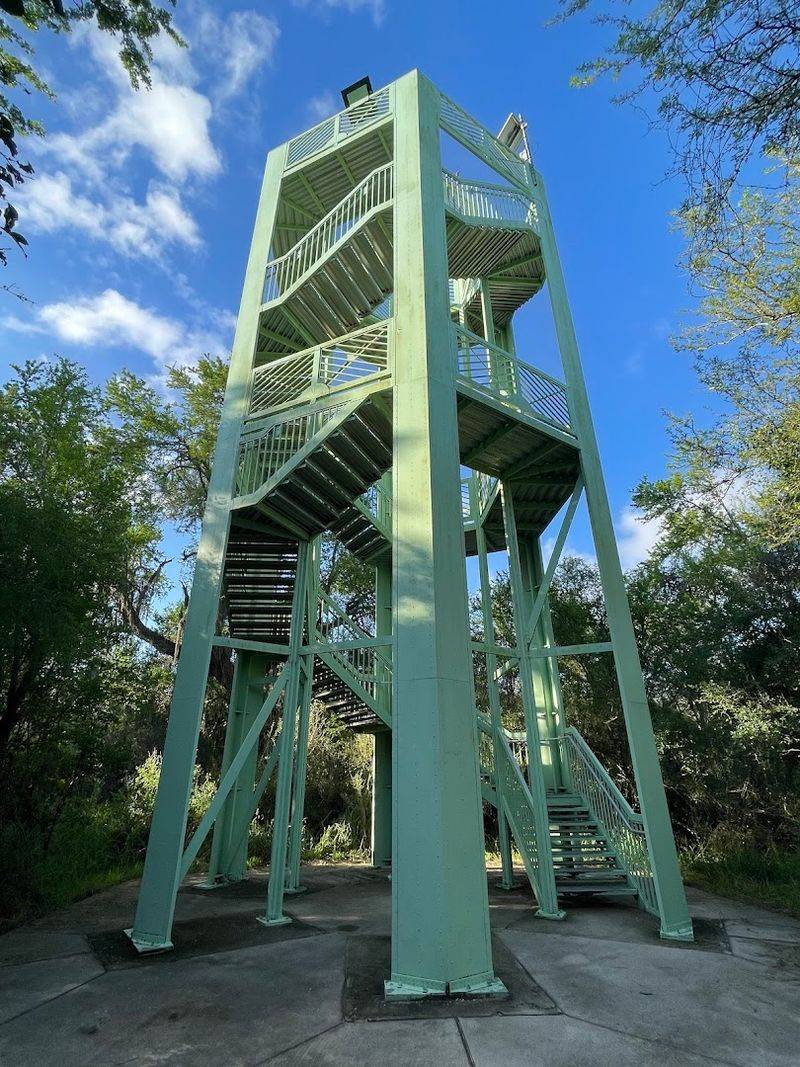
Two observation towers rise above the forest canopy at Santa Ana, and each one offers a distinct perspective on the refuge. The taller structure uses a more traditional staircase design and rewards the climb with a broad panoramic view across the wetlands and tree cover that stretches toward the Rio Grande.
The smaller tower features a tighter spiral staircase that some visitors find challenging, but the view from the top is worth the effort for those who can manage it. Both towers are particularly rewarding at dawn and dusk when bird activity peaks and the light turns the canopy a warm gold.
Standing above the forest and watching hawks circle overhead while herons pick their way through the wetlands below is one of those quietly spectacular moments that South Texas delivers without any fanfare. The towers are free to use and rarely crowded, even on busy weekend mornings.
The Rope Bridge and Canopy Walk That Visitors Keep Talking About
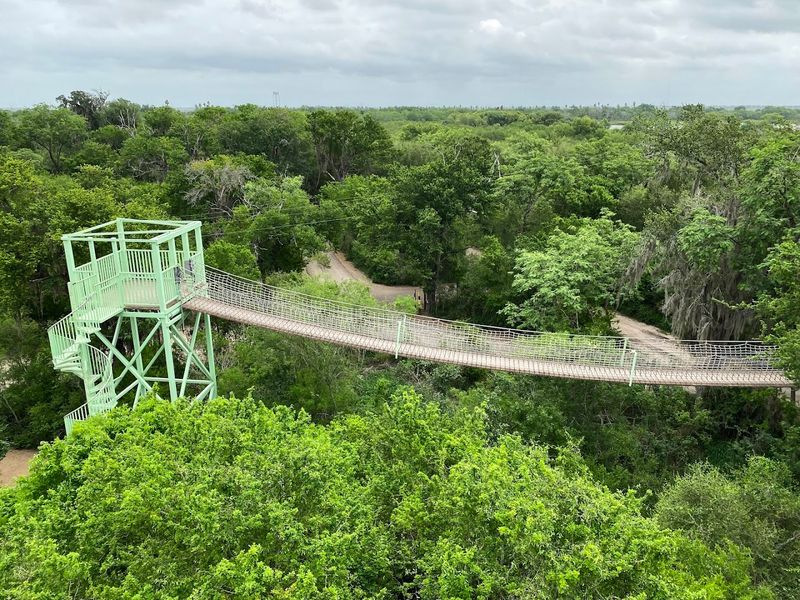
Ask almost anyone who has visited Santa Ana what their favorite moment was, and the rope bridge comes up repeatedly. The canopy-level crossing puts you directly at eye level with the forest in a way that ground trails simply cannot replicate.
Birds that spend most of their time in the upper branches suddenly appear just a few feet away.
The bridge sways gently underfoot, which adds a mild sense of adventure without being genuinely intimidating. Below, the forest floor is visible through the gaps, giving you a layered view of the habitat from top to bottom simultaneously.
Early morning is the best time to be on the bridge, when songbirds are most active in the canopy and the air still carries the cool of the previous night. The walk back to headquarters from the bridge winds through some of the most photogenic sections of the entire refuge, with light filtering beautifully through the canopy.
The Pintail Lake Trail and Its Wetland Wildlife
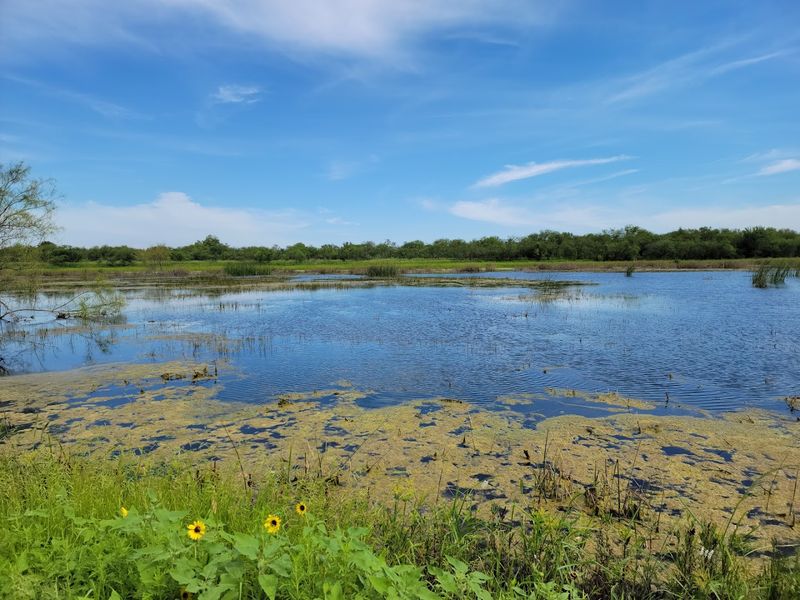
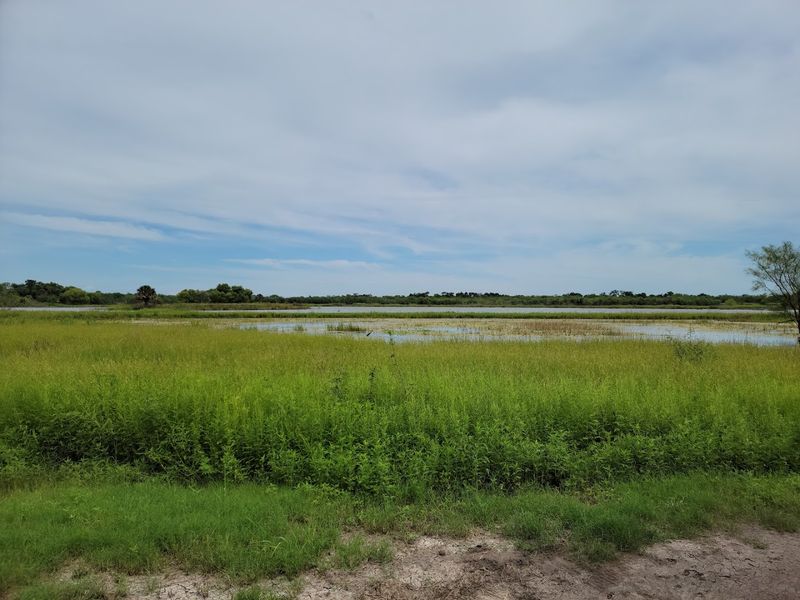
The Pintail Lake Trail is one of the most consistently rewarding walks in the entire refuge. The trail circles a shallow wetland area that attracts wading birds, ducks, and shorebirds in numbers that can be genuinely staggering during migration season.
Great blue herons, roseate spoonbills, and various egret species work the shallows with focused patience.
The trail itself is flat and easy to walk, making it a good choice for visitors who want maximum wildlife exposure without a demanding hike. The water levels fluctuate seasonally, so the exact species mix changes throughout the year, giving repeat visitors a reason to return in different months.
Christmas morning visits to this trail have become a tradition for some local families, who appreciate the quiet beauty of the refuge when tourist numbers drop and the winter bird residents settle into their routines. The combination of still water, soft light, and active birds makes for exceptional photography conditions.
What to Know Before You Go: Practical Visiting Tips
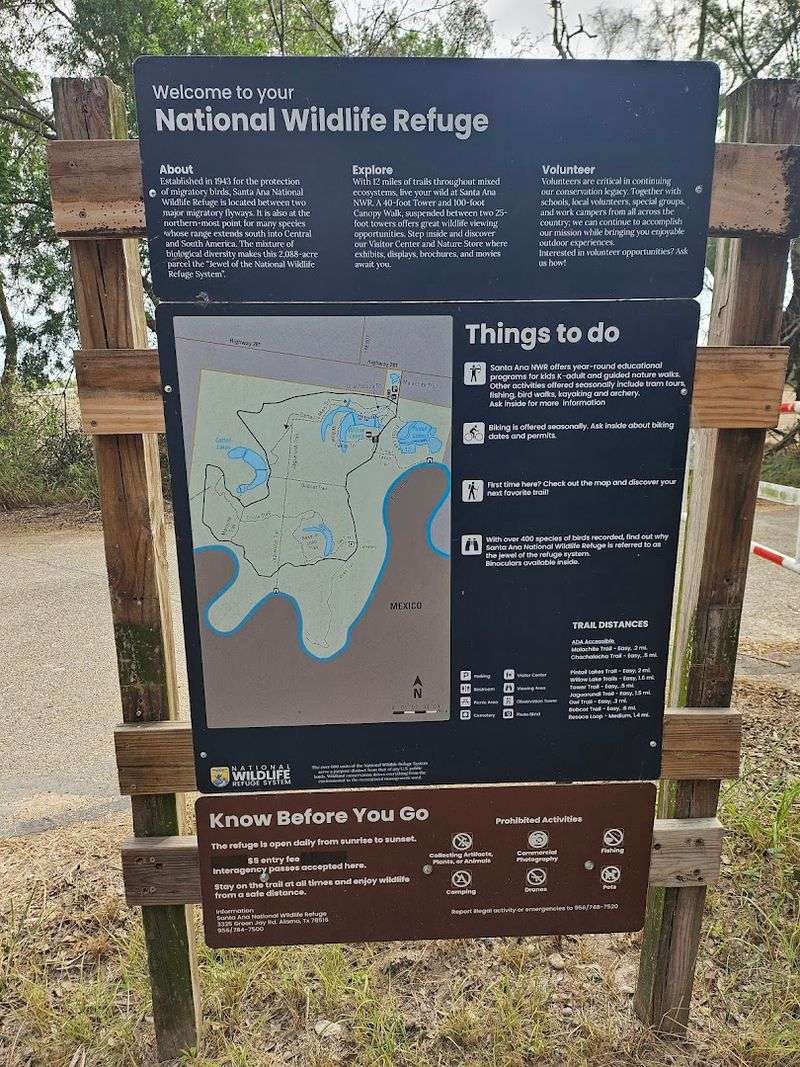
A few practical details make the difference between a great visit and a frustrating one at Santa Ana. The refuge is open Tuesday through Saturday from 9 AM to 4 PM, with the visitor center closing at 4 PM, though you can stay on the trails until sundown.
Entry costs five dollars per vehicle, which is genuinely affordable for what the refuge delivers.
South Texas heat is serious business, especially between late spring and early fall when temperatures regularly climb past 90 degrees Fahrenheit. Bring more water than you think you need, wear a hat and sunscreen, and apply bug repellent before you start walking.
The marshy terrain supports healthy mosquito and gnat populations that will find you quickly if you arrive unprepared.
Binoculars can be borrowed at the entrance by leaving your ID with the office, which is a useful option for first-time visitors. Comfortable walking shoes and a camera round out the essential kit.
The Rio Grande Connection That Makes This Place Biologically Unique
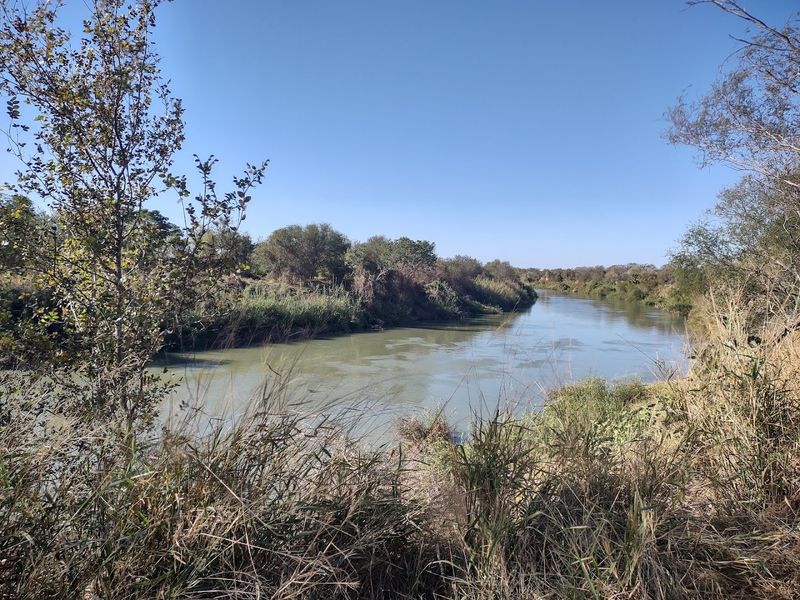
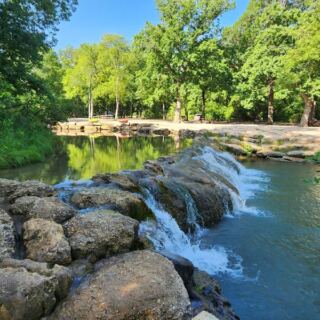
The Rio Grande is not just a scenic backdrop at Santa Ana. The river is the biological engine that makes the entire refuge possible.
Seasonal flooding historically deposited rich sediment across the floodplain, building the deep soils that support the subtropical forest. The river also acts as a wildlife corridor, channeling species northward from Mexico and connecting populations on both sides of the border.
Walking the trails that lead toward the river, you pass through habitat transitions that shift from open thornscrub to dense riparian forest in a matter of yards. The change in bird species is immediate and noticeable, with different communities occupying each habitat type.
The view from the riverbank carries a particular kind of quiet weight, knowing that the water moving past has shaped this landscape for thousands of years. The refuge protects one of the last undeveloped stretches of Rio Grande floodplain in the entire valley.
Early Morning Visits and Why Birders Swear By Them
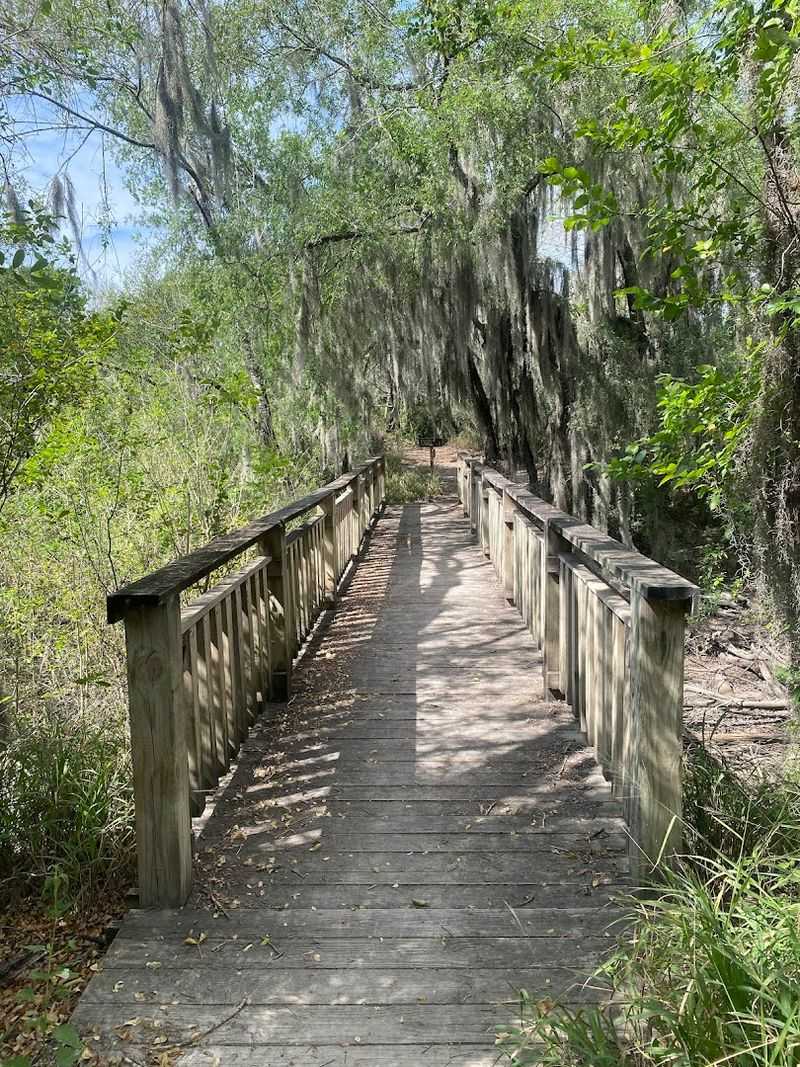
The refuge opens at 9 AM on operating days, but the most devoted birders arrive right at that opening time and move quickly to their favorite spots before the heat builds. Bird activity peaks in the first two hours after sunrise, when feeding behavior is intense and species that hide in dense cover during the day move more openly through the vegetation.
Arriving early also means fewer people on the trails, which matters more than most visitors realize. A quiet trail allows wildlife to behave naturally, giving you a genuine window into the refuge’s daily rhythms rather than a performance interrupted by foot traffic.
The light in the early morning hours is also dramatically better for photography, casting long warm shadows through the canopy and making even common species look spectacular. Regulars at Santa Ana often say the first hour of any visit is worth more than the remaining three combined.
Why Serious Birders Return to Santa Ana Year After Year
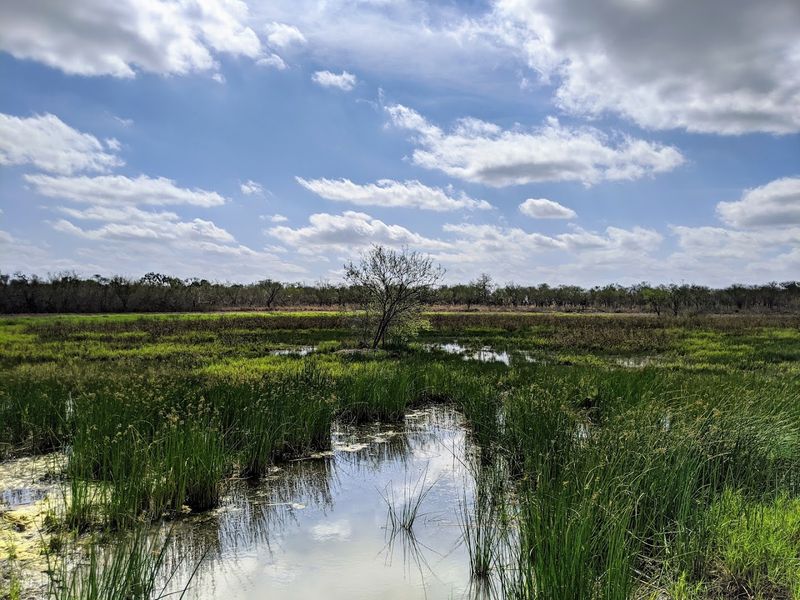
Plenty of wildlife refuges offer a single compelling reason to visit. Santa Ana offers a different reason every time you come back.
The seasonal turnover of migratory species means the bird list shifts dramatically between winter, spring migration, summer breeding season, and fall migration, essentially creating four distinct birding experiences within the same 2,088 acres.
Experienced birders keep detailed life lists, and Santa Ana consistently delivers new additions for even well-traveled visitors. The chance of encountering a rare Mexican stray, a vagrant from further south, or an unusual hybrid keeps the anticipation high on every walk.
The refuge also rewards patience in a way that faster-paced destinations cannot match. Standing quietly near a water feature for twenty minutes produces sightings that a brisk hike would never generate.
That combination of reliability and surprise is exactly why people who visit once tend to plan a return trip before they even leave the parking lot.
Share this story