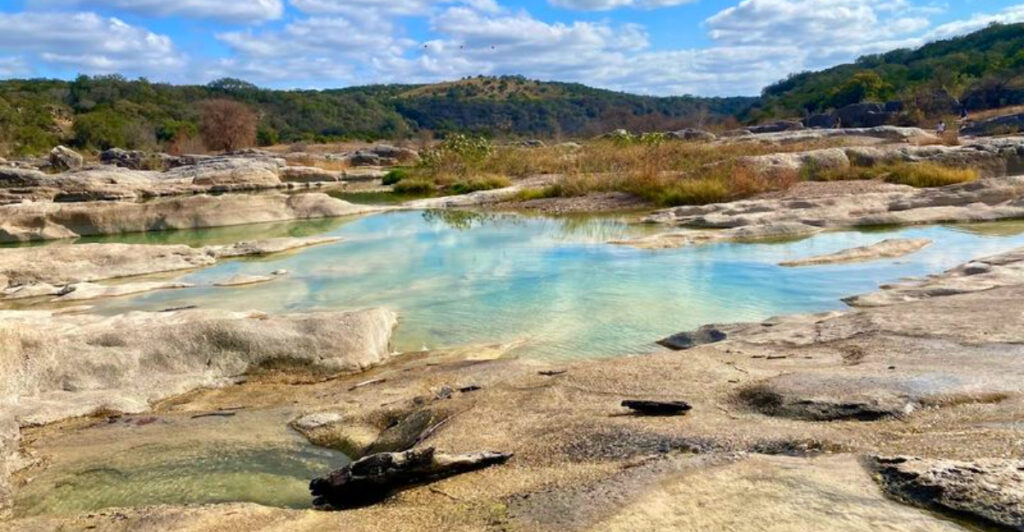
There is a place in the Texas Hill Country where a river spills across wide, layered slabs of limestone in a way that stops you in your tracks. The rocks stretch out like a natural staircase, the water moves in all directions at once, and somehow it all feels ancient and alive at the same time.
Pedernales Falls State Park draws visitors from across Texas and beyond, and once you see those cascading falls up close, it is easy to understand why. From swimming holes and scenic overlooks to hiking trails and starry campsites, this park packs a lot into its 5,200 acres.
Keep reading to find out what makes this Hill Country destination worth the trip.
The Iconic Limestone Falls That Give the Park Its Name
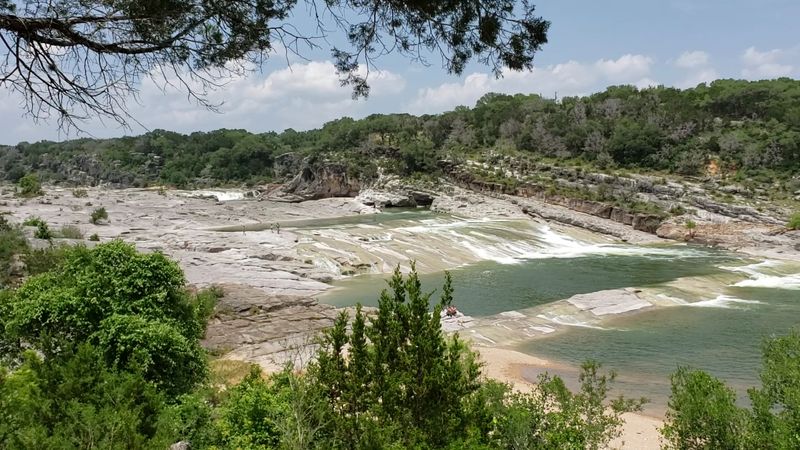
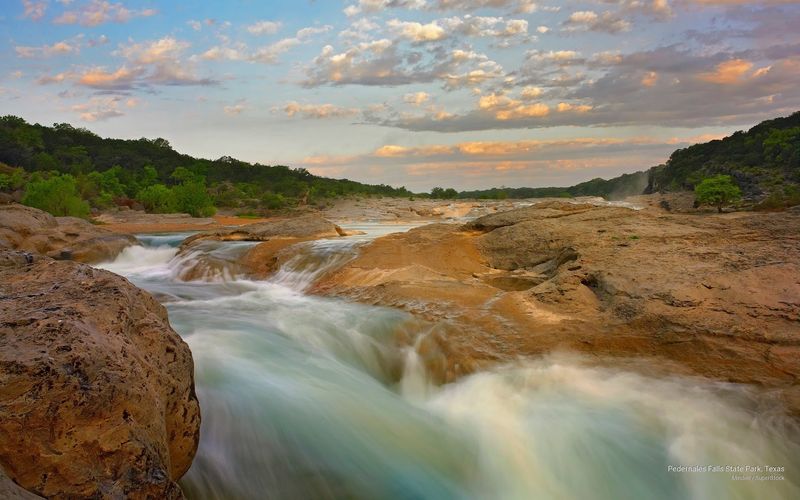
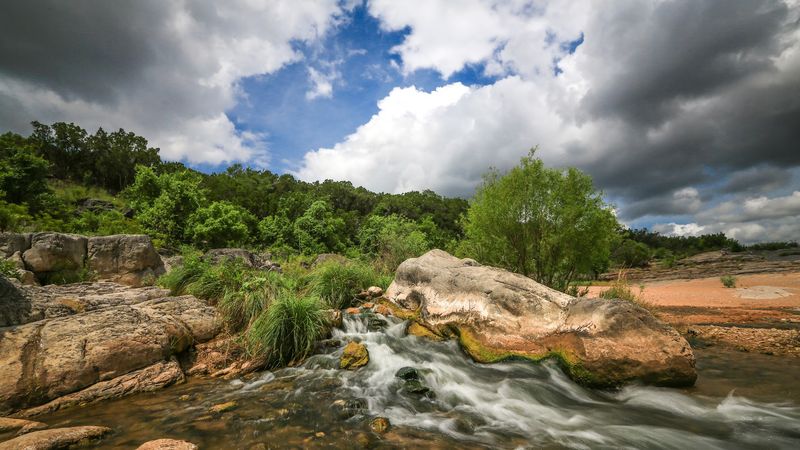
Few natural features in Texas are as visually striking as the falls at Pedernales Falls State Park, located at 2585 Park Rd 6026, Johnson City, TX 78636, in the United States. The Pedernales River flows over wide, flat limestone shelves that have been shaped by millions of years of erosion, creating a series of cascades that spread across the riverbed in every direction.
What makes these falls different from a typical waterfall is their width. Rather than dropping straight down from a single ledge, the water fans out across layered rock slabs, giving the whole scene a dramatic horizontal sweep that photographs beautifully.
The water level changes depending on rainfall, so some visits reveal full rushing rapids while others expose more of the bare rock. Either way, the formations themselves are worth the trip on their own.
Swimming Holes That Cool You Down After a Hot Texas Hike
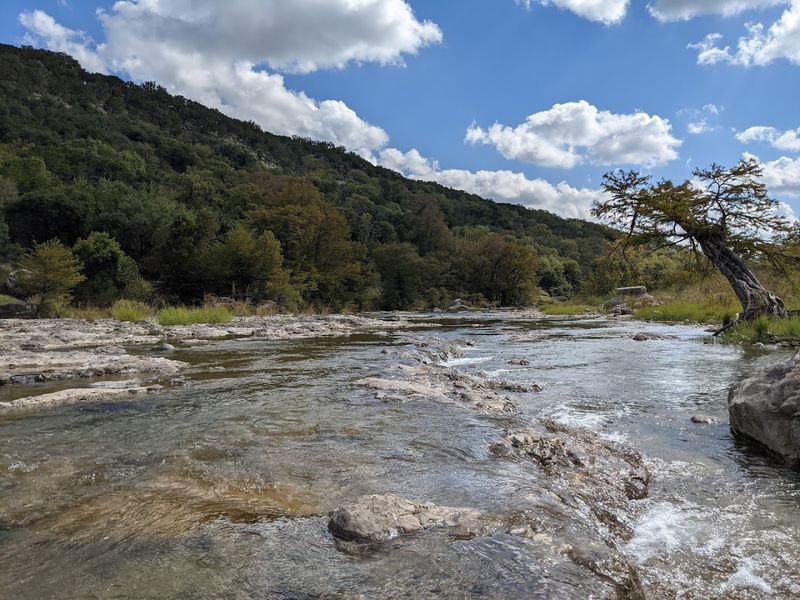
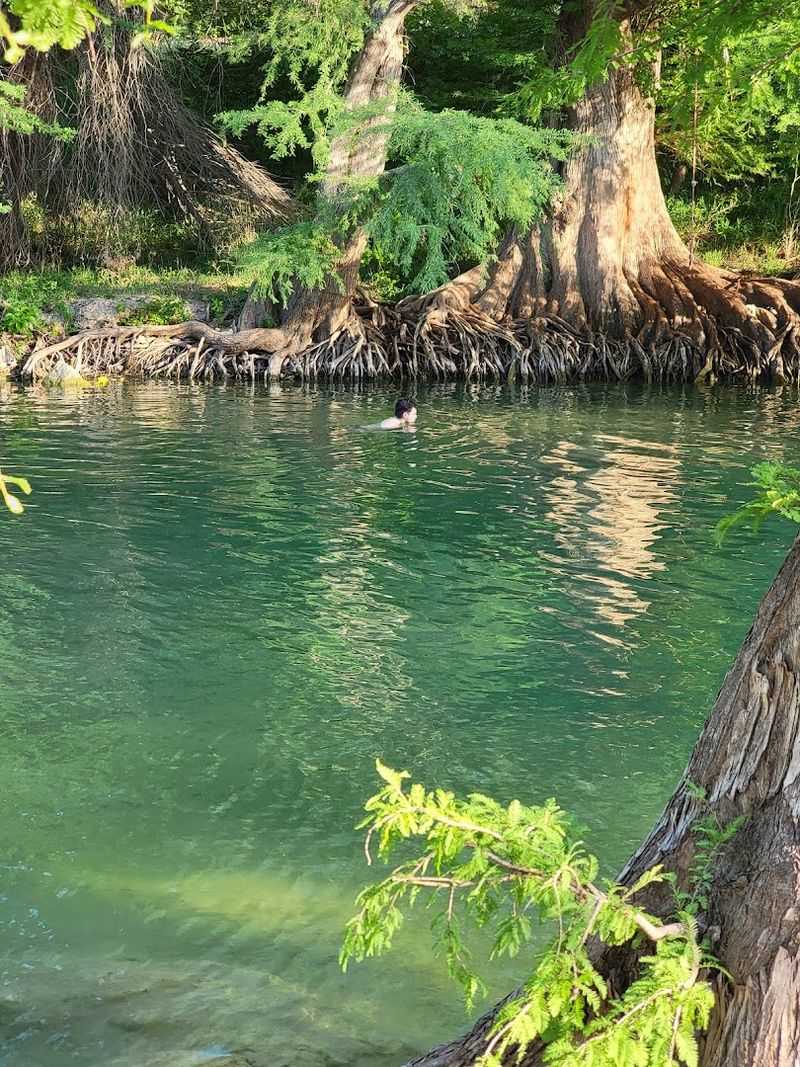
After a long walk under the Texas sun, few things feel better than easing into a cool river. Pedernales Falls State Park has a designated swimming area along the Pedernales River that draws visitors of all ages throughout the warmer months.
The water tends to run warm rather than ice-cold, which actually makes it more comfortable for longer swims. The river bottom is rocky, so water shoes are a smart choice before heading in.
Tiny minnows dart around your feet, and the occasional turtle can be spotted near the banks.
One tip worth remembering: if the main swimming spot feels crowded, walking about 300 meters to the left opens up smaller rapids and quieter stretches of river with fewer people. The park fills up fast on weekends, so arriving early gives you the best chance of finding a good spot along the water.
Over 5,200 Acres of Hill Country Wilderness to Explore
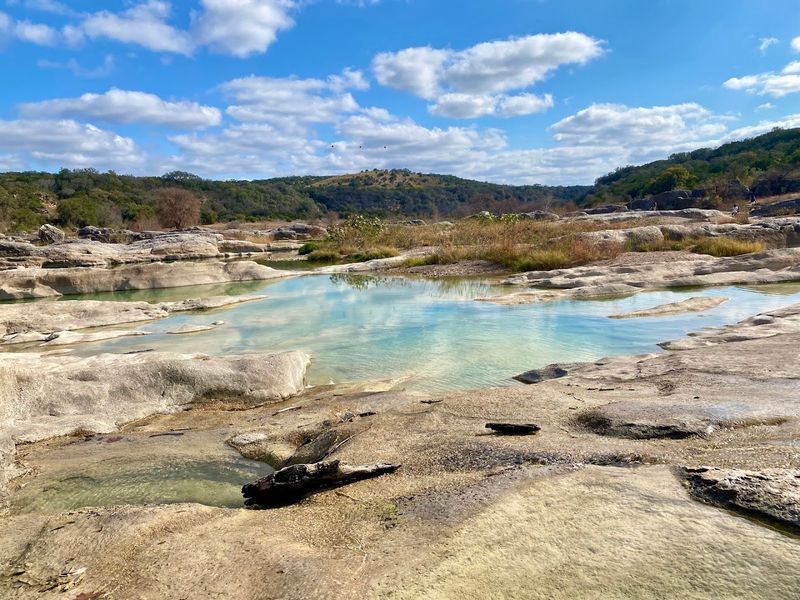
Covering more than 5,200 acres along the Pedernales River, this park is far larger than it might seem from the entrance. The land includes rocky riverbeds, wooded creek drainages, open grasslands, and rolling hills that give the entire area a genuinely remote feel even though Austin is only about an hour away.
The sheer size of the park means you can spend a full day exploring and still find corners you have not seen. Some areas feel wide open and sun-drenched while others are shaded by cedar and oak trees that block the heat.
That variety keeps the experience from feeling repetitive. Each trail leads somewhere different, and the landscape shifts gradually as you move through the park.
Visitors who enjoy a choose-your-own-adventure style of outdoor recreation will find plenty of room to roam here without running out of new ground to cover.
Hiking Trails That Range From Casual Walks to Rocky Scrambles
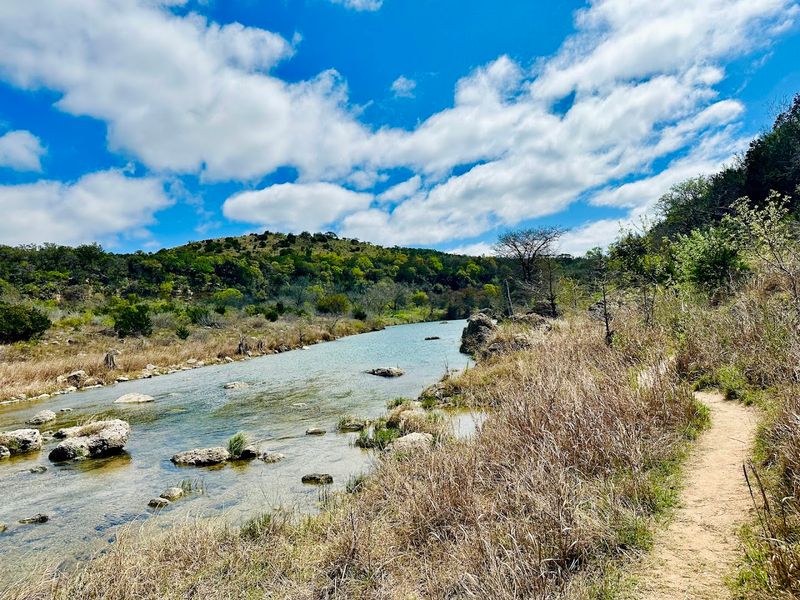
The trail system at Pedernales Falls State Park offers something for nearly every fitness level. The Cypress Hill Loop is a popular choice for those who prefer mostly flat terrain with only a few gentle inclines, making it manageable even on warmer days.
The Hackenburg Loop takes things up a notch, winding through terrain that can feel a little disorienting at some junctions. A practical trick: you can often hear the sound of the waterfall through the trees, and following that sound will keep you on the right path.
Some trails require crossing the Pedernales River at Trammel Crossing, where water depth can reach above the ankle depending on recent rainfall. Wearing water shoes or hiking sandals with good grip makes that crossing much more comfortable.
Regardless of which trail you choose, bringing plenty of water and wearing sun protection is essential, especially in summer.
Camping Under Some of the Darkest Skies Near Austin
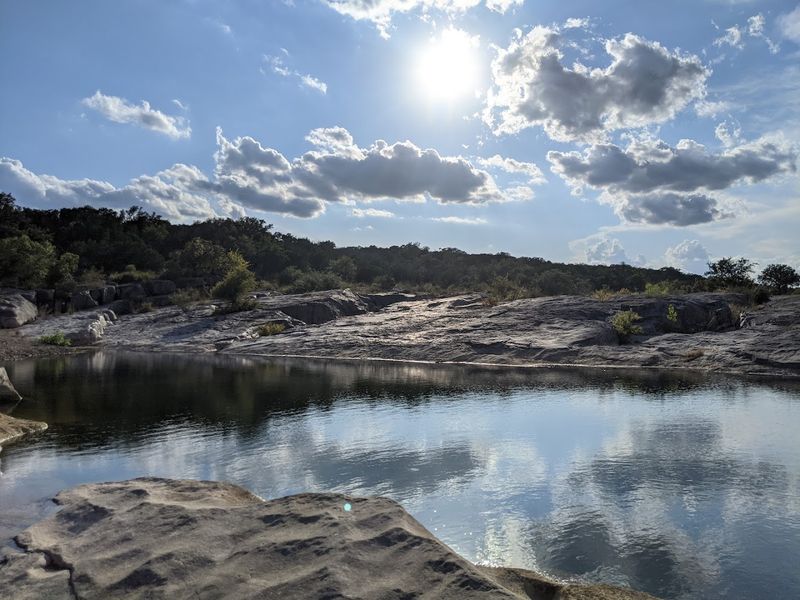
Spending a night at Pedernales Falls State Park turns a day trip into something far more memorable. The park offers campsites for tents and RVs, and the distance from major city lights means the night sky puts on a real show once the sun goes down.
Campers who have stayed here often mention lying back and watching stars that simply are not visible from Austin or San Antonio. The quiet of the park after dark adds to the experience in a way that is hard to replicate closer to the city.
One thing to keep in mind: burn bans are common in this area, especially during dry stretches, which means campfires are sometimes prohibited. Checking the park website before arrival will save you from a disappointing surprise.
Even without a fire, the combination of fresh air, open sky, and the sound of the river nearby makes for a genuinely restful night.
The Dramatic Overlook Views of the River and Rolling Hills
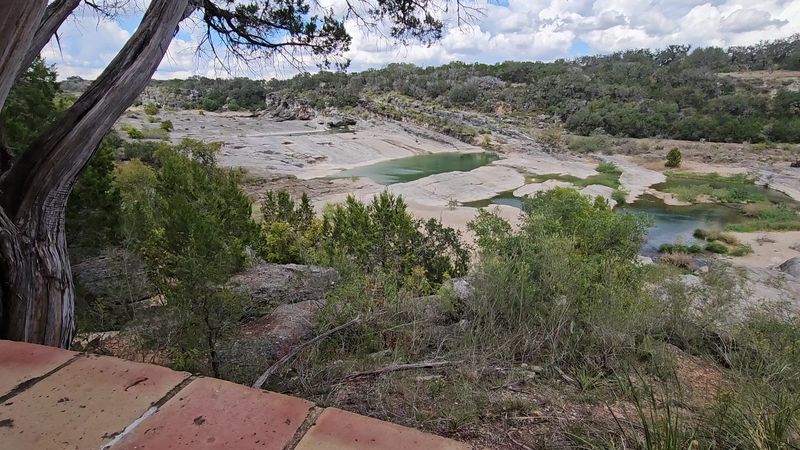
Two overlook hikes at Pedernales Falls State Park reward the effort with wide views of the river valley and the surrounding Hill Country terrain. From the top, the Pedernales River looks like a silver thread winding through pale limestone and green cedar, and the scale of the landscape becomes clear in a way it never does from river level.
The overlooks are accessible via trails that involve some uphill walking, but the paths are manageable for most visitors with a reasonable fitness level. Arriving in the late afternoon puts the sun at a low angle that lights up the rock and water in a way that makes the whole scene glow.
Rock climbing on the formations near the falls is also permitted with caution, and the elevated positions that result offer some of the most dramatic photo opportunities in the park, particularly at sunset when the limestone takes on warm orange tones.
Wildlife and Bird Watching That Surprises First-Time Visitors
The park supports a surprisingly rich variety of wildlife that rewards patient observers. Fish are visible in the clear river water, darting around the rocky bottom in schools.
Turtles are a common sight along the banks, and white-tailed deer move through the wooded sections of the park regularly.
Bird watching is a particular highlight, and the park maintains a bird blind that creates a sheltered spot for observing species that visit the feeders and surrounding vegetation. The bird blind has a quiet, peaceful atmosphere that feels worlds away from the busier sections near the falls.
Visitors have also reported finding fossils embedded in the limestone formations, which adds a genuinely exciting layer to exploring the rocky riverbeds. The combination of active wildlife above the waterline and ancient remnants preserved in the stone below it gives the park an educational dimension that goes well beyond a standard outdoor recreation area.
The Ancient Limestone Geology That Shapes Everything You See
The rocks at Pedernales Falls are not just a backdrop. They are the main event.
The limestone formations that line the riverbed and rise up through the park were laid down over millions of years, and the Pedernales River has spent a long time carving through them to create the landscape visitors see today.
The layered, shelf-like quality of the falls comes directly from how this type of limestone breaks apart along horizontal planes. Each slab represents a different period of ancient deposition, and the river continues to shape them with every flood cycle.
Small caves and crevices appear throughout the rocky areas near the falls, and younger visitors in particular love squeezing into the narrow gaps between boulders. The geology also preserves fossils within the stone, giving the curious explorer a chance to spot remnants of ancient marine life in what is now the middle of the Texas Hill Country.
Seasonal Changes That Make Every Visit Feel Different
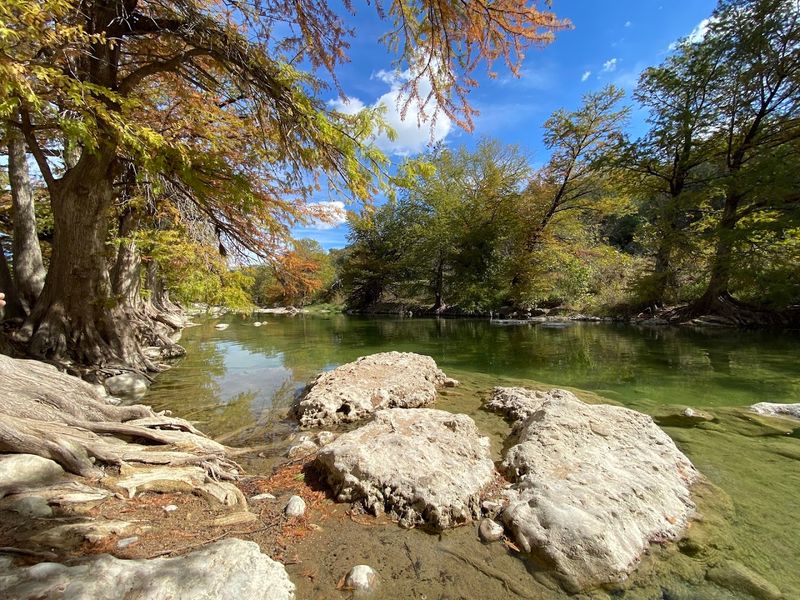
The park shifts noticeably with the seasons, and each time of year brings a different character to the landscape. Spring tends to bring more water to the river, filling the falls and turning the surrounding vegetation lush and green.
Wildflowers appear along the trails during this period, and the temperatures make hiking genuinely comfortable.
Summer cranks up the heat considerably, and the exposed limestone near the falls offers almost no shade. Early morning visits during summer months give you the best conditions before temperatures climb.
The swimming area becomes especially popular from May through September.
Fall brings cooler air and a quieter atmosphere, with the park feeling noticeably less crowded after Labor Day. Winter visits reveal the bare bones of the landscape, with the limestone formations standing out more clearly against the sky.
Visitors who have come in multiple seasons often say the park feels like an entirely different place each time.
Practical Tips for Planning Your Visit to the Park
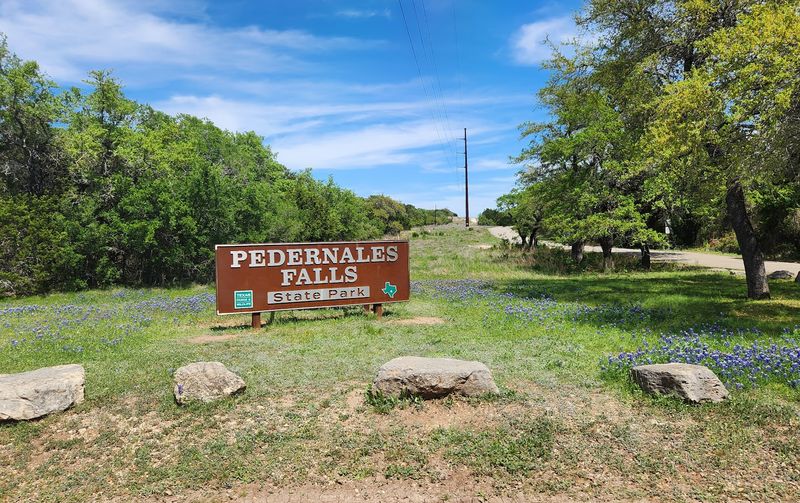
The park is open daily from 8 AM to 10 PM, which gives visitors a solid window for day trips as well as evening arrivals for camping. Reservations are strongly recommended, especially on weekends and holidays, because the park entrance fills up quickly and walk-in access is not guaranteed.
The phone number for the park is 830-868-7304, and the Texas Parks and Wildlife website at tpwd.texas.gov/state-parks/pedernales-falls has current trail conditions, swim area status, and burn ban information. Parking is available near the falls area, and restrooms are located in the lot.
Packing water shoes, sunscreen, and plenty of drinking water is essential regardless of season. The main falls area has very little shade, and the rocky terrain requires footwear with real grip.
Cell service can be spotty inside the park, so downloading a trail map before arrival is a practical step that saves frustration later.
Why This Park Keeps Drawing Visitors Back Again and Again
Some parks are worth visiting once. Pedernales Falls is the kind of place people return to repeatedly, and there is a straightforward reason for that.
The combination of accessible trails, river access, camping, wildlife, and dramatic geology creates an experience that is hard to replicate anywhere else in Central Texas.
The park sits close enough to Austin to make a spontaneous day trip realistic, yet it feels genuinely removed from city life once you are inside. The sound of the river, the warmth of the limestone under your hands, and the open sky above the falls create a sensory experience that sticks with you.
Families, solo hikers, couples, and scout groups all find something worth coming back for. The park changes with rainfall and seasons, which means no two visits are quite the same.
That unpredictability, more than anything else, is probably what keeps people returning year after year.
Share this story