There is a small island off the coast of Maine where no cars are allowed, the roads are barely wider than footpaths, and the scenery has barely changed since the early 1800s. Fishermen still haul traps from the same docks their great-great-grandparents used, and artists still set up easels on the same clifftops that drew painters here over a century ago.
The whole place feels like someone hit a pause button on time and just never came back to press play. I had heard about this island from a friend who compared it to nothing else in the eastern United States, and after visiting, I completely understood why.
Keep reading, because what I found out there on that rocky patch of land in the Gulf of Maine genuinely surprised me.
The Island Itself: Location, History, and How to Get There
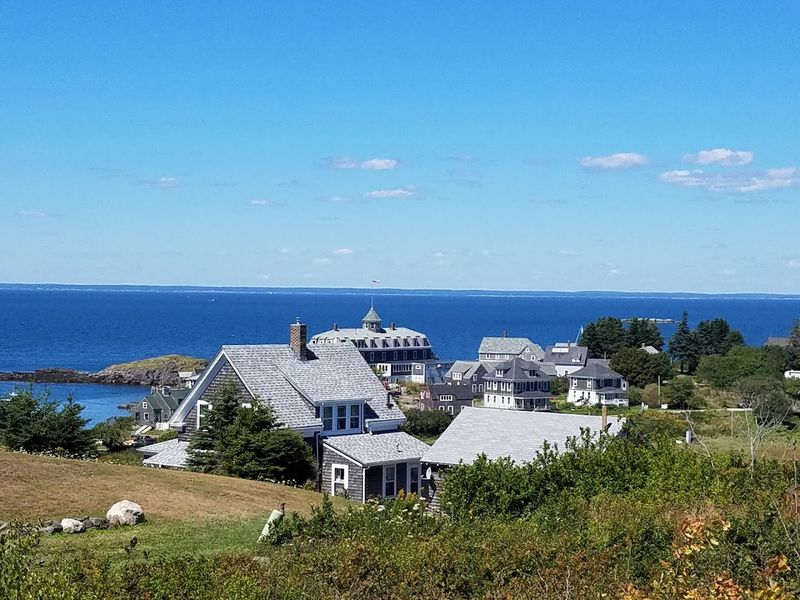
Monhegan Island sits roughly 12 nautical miles off the coast of Maine, part of Lincoln County, and it is one of the most historically significant small islands in the entire country. The full address, so to speak, is Monhegan Plantation, Lincoln County, Maine, coordinates 43.7651835, -69.3194104, and the only way to reach it is by ferry.
The island has been continuously inhabited for over 400 years, making it one of the oldest European-settled communities in North America. Long before the Pilgrims landed at Plymouth Rock, European fishermen were already working these waters and using Monhegan as a base.
Today, ferries run from Port Clyde, Boothbay Harbor, and New Harbor, with the Port Clyde route operated by the Monhegan Boat Line being the most popular and consistent option year-round. The ride takes about an hour, and on a clear day, the island rises out of the Atlantic like a postcard nobody actually mailed.
No reservations are needed to visit as a day tripper, though the island does have a small number of inns for overnight guests. Plan ahead because space fills up fast, especially in summer.
A Place Without Cars: What No Motor Vehicles Actually Feels Like
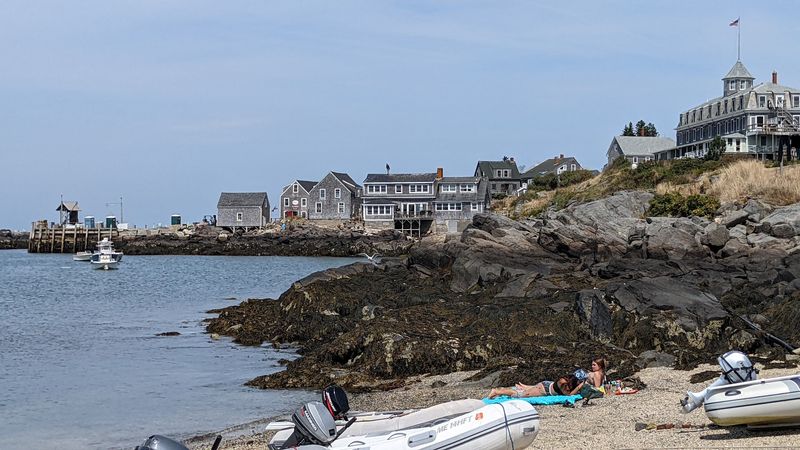
The first thing you notice when you step off the ferry at Monhegan is the silence. There are no engines idling, no horns, no exhaust fumes.
The only sounds are boots on gravel, the wind off the water, and the occasional creak of a lobster boat at the dock.
Monhegan has enforced a no-motor-vehicle policy for generations, and the effect on the atmosphere is remarkable. A few small utility vehicles exist for moving heavy supplies, but personal cars are completely absent.
The entire island is about one mile long and half a mile wide, so walking is genuinely the only way to get around, and nobody seems to mind.
The paths between the village and the trails are packed dirt and loose stone, wide enough for two people to pass each other comfortably but not much more. It feels less like a road and more like a suggestion.
Visitors who come from busy cities, or even from quieter rural states like Oklahoma, often say the car-free environment is the single biggest culture shock. The pace of life here is set by your own two feet, and that turns out to be a very good pace indeed.
The Artist Colony That Put This Island on the Map
Long before most people had heard of Monhegan, artists had already claimed it as one of the most inspiring places in North America. The island’s history as an artist colony stretches back to the mid-1800s, and names like Rockwell Kent, George Bellows, and Robert Henri all spent significant time here painting its dramatic cliffs and weathered fishing shacks.
The light on Monhegan is genuinely different. The way the sun hits the water from multiple angles, with no tall buildings or trees blocking the horizon, creates a quality of illumination that painters have been chasing for over 150 years.
You can still find artists working en plein air on the headlands most mornings during the summer season.
The Monhegan Museum of Art and History, housed in the old lighthouse keeper’s assistant’s house near the 1824 lighthouse, holds a permanent collection of works created on and inspired by the island. It is a small but serious collection that gives real context to why so many creative people kept returning here.
Even if you have never picked up a paintbrush in your life, spending an afternoon watching artists work against that backdrop has a way of making you see color differently for days afterward.
The Lighthouse That Has Watched Over the Island Since 1824
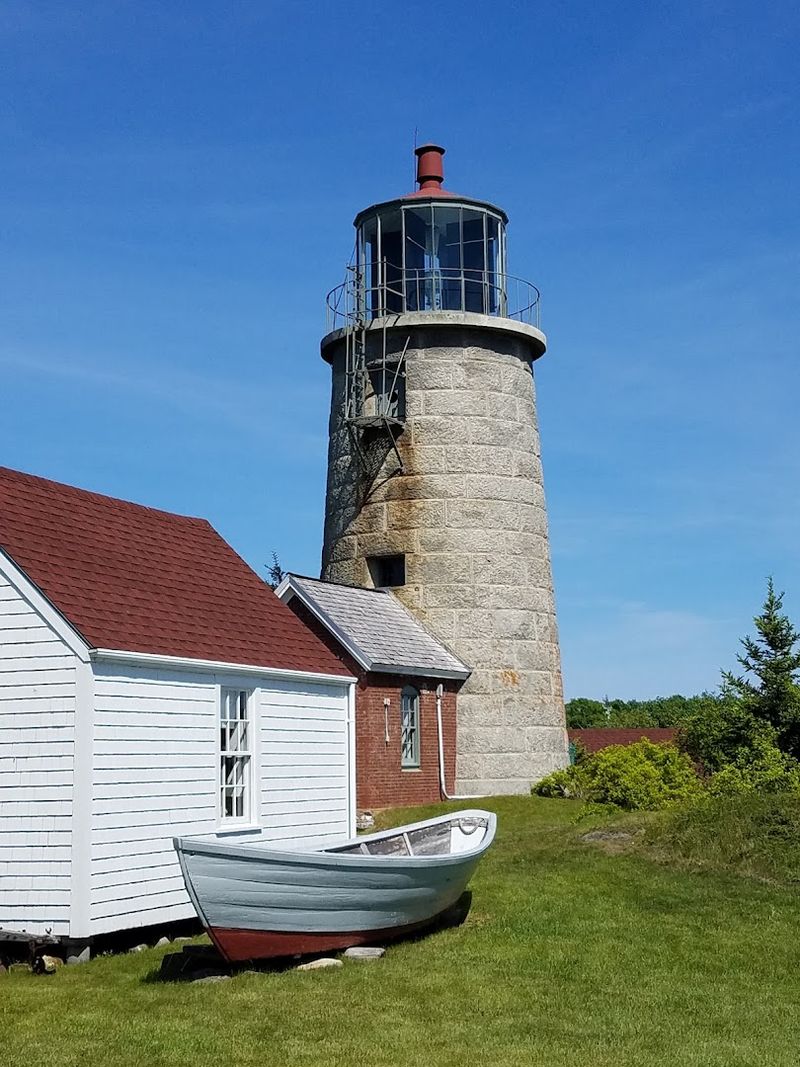
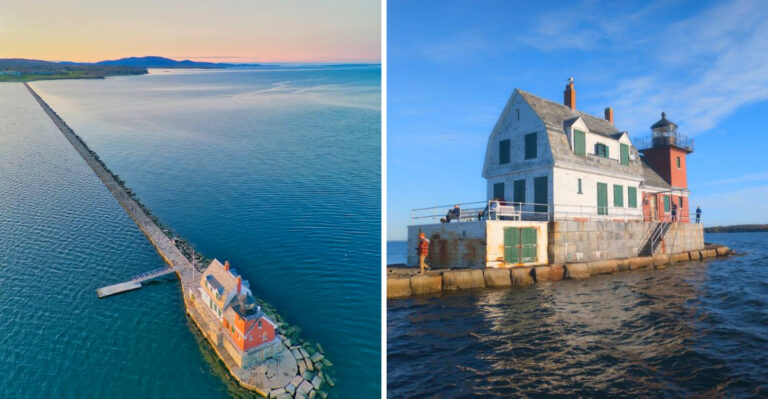
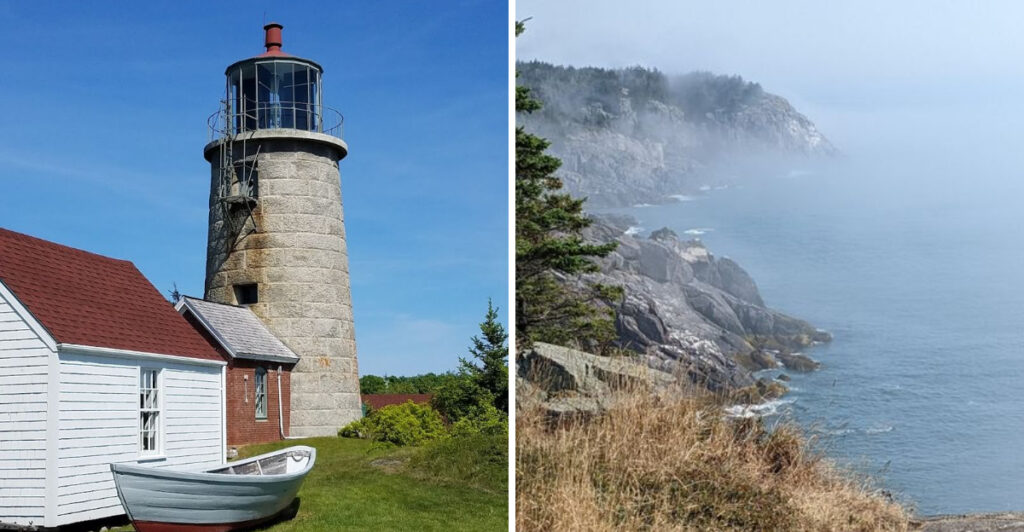
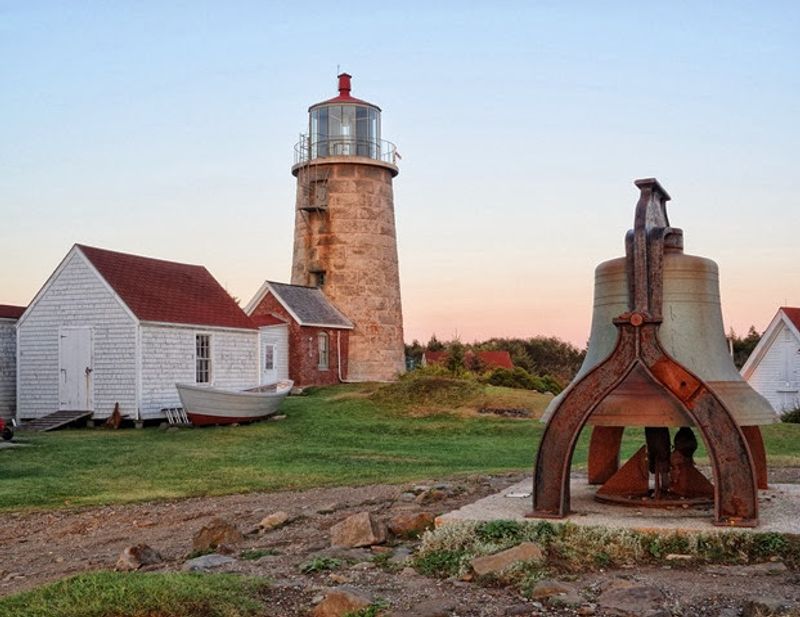
The Monhegan Lighthouse has stood on the highest point of the island since 1824, making it one of the oldest active light stations on the Maine coast. The original tower was built from local granite, and while it has been updated over the years, the structure still carries the weight of nearly two centuries of maritime history.
The lighthouse keeper’s dwelling next to the tower now serves as the Monhegan Museum of Art and History, which is open to visitors during the summer months. The collection inside includes historical photographs, fishing equipment, and artwork that traces the island’s story from its earliest European settlements through its development as an artist destination.
Climbing the hill to reach the lighthouse is a short but rewarding walk. From the top, on a clear day, you can see the mainland Maine coast stretching out in both directions, and the open Atlantic rolling away to the south without anything in the way.
The lighthouse itself is still an active aid to navigation, which means it has a working purpose beyond tourism. There is something grounding about that, a reminder that this island has always been a real, functioning community and not just a scenic backdrop.
Hiking the Headlands: Trails That Reach the Edge of the Atlantic
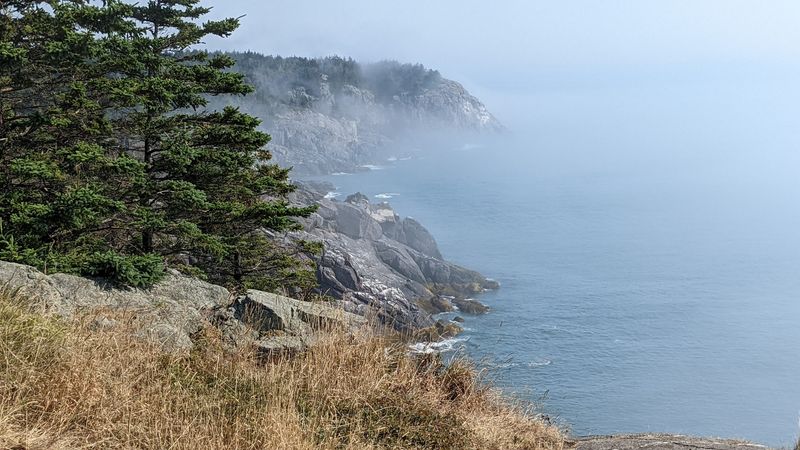
Monhegan has about 17 miles of hiking trails packed onto an island that is barely half a mile wide, which tells you something about how varied the terrain actually is. The trail system covers everything from mossy forest floors under dense spruce canopy to exposed headlands where the cliffs drop straight into the Atlantic.
The Cathedral Woods trail is a favorite for the way the light filters through the tall spruce trees, creating a cathedral-like quiet that feels completely separate from the ocean just a few minutes away. Fairy houses built by visitors and locals appear along the path, tucked into tree roots and mossy hollows.
The outer headlands trails, particularly the stretch along the island’s southern and eastern edges, are more demanding. The footing can be uneven, and the wind off the open ocean is serious even on warm days.
Sturdy shoes are not optional here.
From the high points on the eastern side, the view is unobstructed ocean all the way to the horizon. On certain mornings, the fog sits low over the water and the cliffs seem to float above it.
That particular sight is one of the reasons people who visit Monhegan once tend to come back again and again.
Lobster Fishing: The Industry That Has Kept the Island Alive
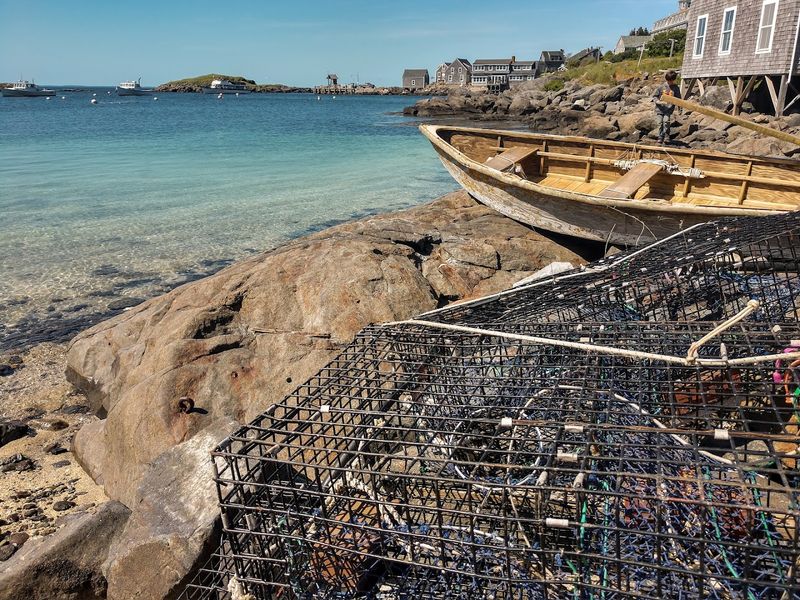
Lobster fishing is not just a backdrop on Monhegan. It is the economic engine that has kept the island inhabited through hard winters, economic downturns, and every other challenge that comes with living 12 miles offshore.
The island’s lobster fishermen operate under a unique local conservation agreement that limits the season and the number of traps, a system that predates most modern fisheries regulations by decades.
The Monhegan fishing season runs from January 1 through June 25, which is the opposite of most Maine lobster fisheries. This scheduling was designed to avoid conflicts with summer tourist traffic and to protect the local population of lobsters during their most vulnerable months.
Watching the lobster boats head out from the small harbor in the early morning is one of those experiences that feels genuinely old-fashioned in the best possible way. The gear, the process, and the community around it have not changed dramatically in generations.
Visitors can buy fresh lobster directly from fishermen at the dock, and several island restaurants serve it simply prepared. After a morning hike on the headlands, sitting on the dock with a fresh lobster roll is the kind of simple pleasure that travelers from as far away as Oklahoma make the trip specifically to find.
The Village: Cottages, Inns, and a Community Frozen in Amber
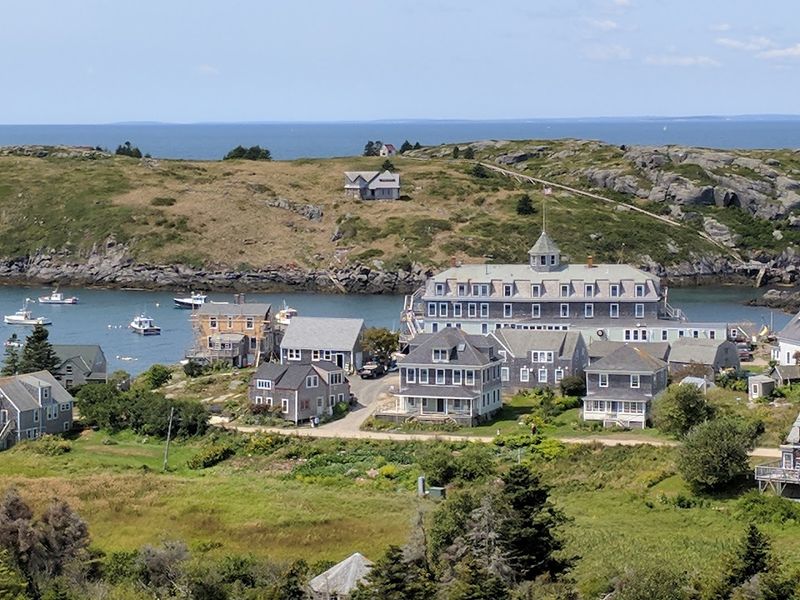
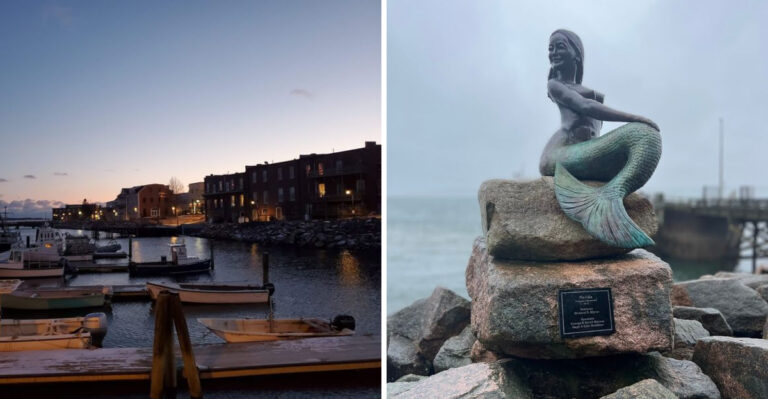
The village at Monhegan is a cluster of weathered wooden structures, inns, a small general store, a post office, and a handful of artist studios, all arranged around the harbor without any apparent urban planning involved. It looks almost exactly as it did in photographs from the early 1900s, and in many ways, it has changed very little since before that.
The year-round population of Monhegan hovers around 60 to 70 people, swelling to several hundred in the summer when seasonal residents and visitors arrive. That small permanent community is what gives the island its character.
The people who stay through the Maine winters are a specific kind of resilient, and they are generally welcoming to visitors who show genuine respect for the place.
The Monhegan House, one of the island’s oldest operating inns, has been hosting guests since 1870. The rooms are simple and comfortable, without televisions or air conditioning, which turns out to be exactly what most people want once they arrive.
The general store stocks basics, the post office has its own postmark that collectors prize, and the small seasonal restaurants keep things local and unpretentious. Nothing about the village feels designed for tourism, which is precisely what makes it feel so authentic.
When to Visit and What to Expect: A Practical Guide for First-Timers
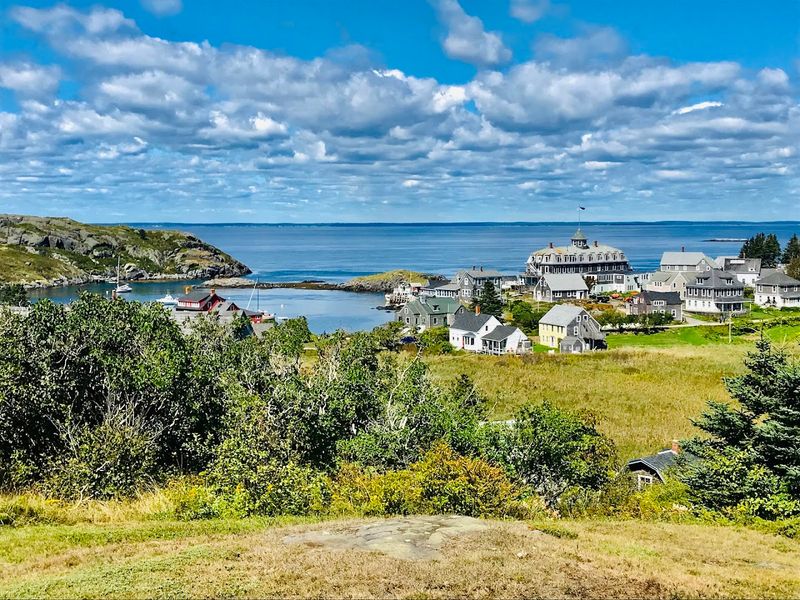
Monhegan draws the largest crowds between late June and early September, when the weather is warmest and the ferry schedules are most frequent. Day trippers can comfortably see much of the island in four to six hours, but an overnight stay gives you access to the quieter hours, the early morning light on the harbor, and the island after the day boats have left.
Spring and fall visits are increasingly popular among hikers and birders. The island sits along a major migratory flyway, and during peak migration in May and September, rare bird sightings draw serious birders from across the country, including regularly from Oklahoma and other inland states where coastal migration routes are a long drive away.
Winter is for the truly committed. The ferry runs less frequently, most businesses close, and the island belongs almost entirely to its permanent residents and the hardiest of visitors.
The landscape in winter is stark and beautiful in a way that summer crowds never quite allow you to appreciate.
Pack layers regardless of when you visit. The ocean temperature keeps Monhegan cooler than the mainland even in midsummer, and the wind on the headlands has no manners whatsoever.
Good rain gear is worth every ounce of weight in your pack.
Share this story