 Unearth The Voyage
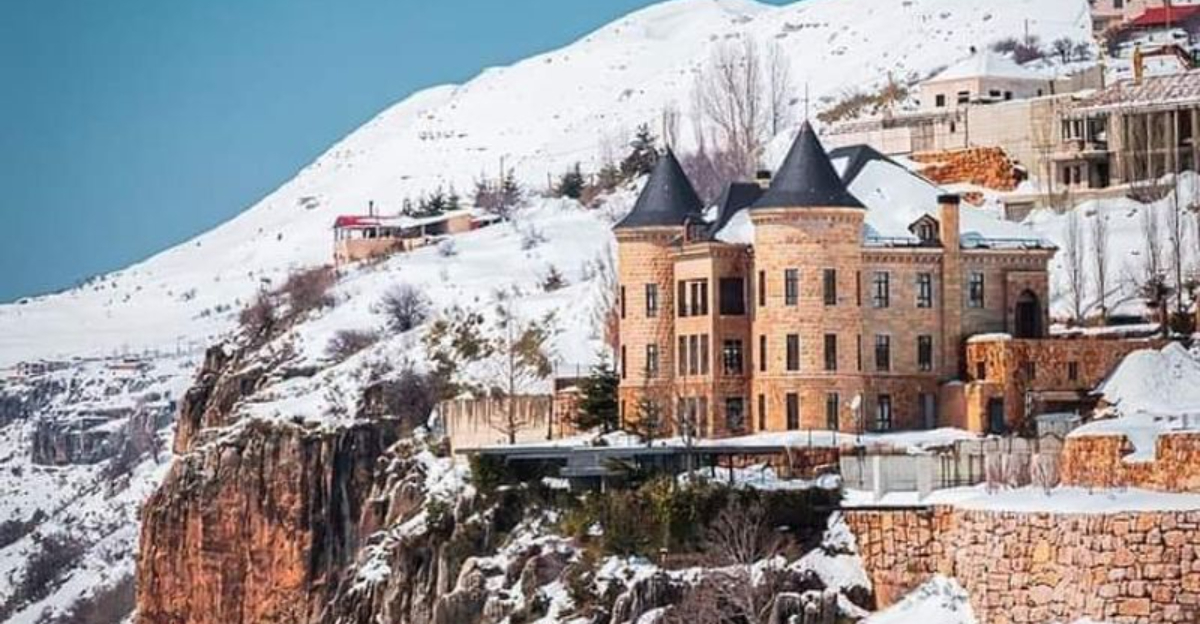
Lebanon might be smaller than Connecticut, but it packs more variety into its landscape than countries ten times its size. Mountains meet Mediterranean shores, ancient ruins stand beside bustling cities, and you can ski in the morning and swim by afternoon.
This tiny nation offers travelers the kind of diversity that usually requires crossing multiple borders, making it feel less like a single destination and more like an entire continent compressed into one unforgettable place.
1. It’s small, but the landscapes change fast
Lebanon delivers geographic whiplash in the best possible way. One hour you’re strolling along a sunny Mediterranean promenade, salt air filling your lungs and sunbathers dotting the shore.
The next, you’re winding through mountain switchbacks where pine trees replace palm trees and the temperature drops enough to need a jacket.
That’s the core magic here: short distances create enormous contrast. You can go from coastal humidity to crisp mountain air without needing a domestic flight or an overnight bus ride.
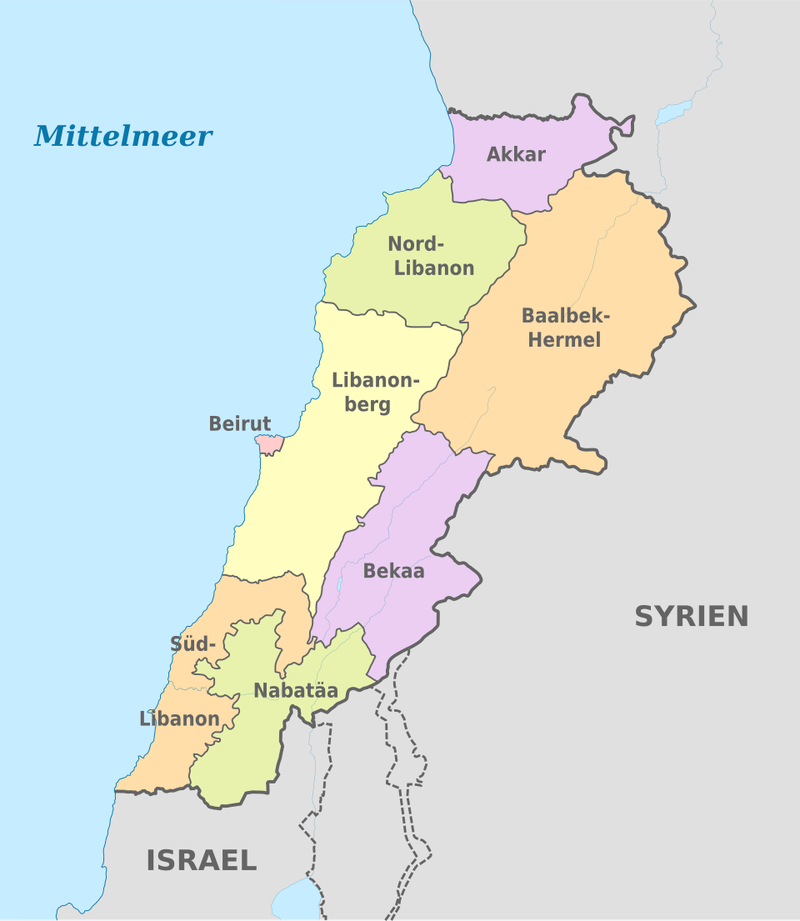
The country stretches only about 135 miles north to south and roughly 50 miles east to west at its widest point.
What makes this special isn’t just convenience. It’s the way each ecosystem feels completely committed to its identity.
The coast doesn’t apologize for being hot and crowded. The mountains don’t pretend to be anything but cool and forested.
For travelers, this means you’re never locked into one mood or climate. Bored of beach life?
Head uphill. Missing the ocean breeze?
Drop back down. Lebanon’s small size becomes its superpower, turning what could be limitations into freedom to explore multiple worlds without the usual travel fatigue.
2. Beirut gives you the “city pulse” right away
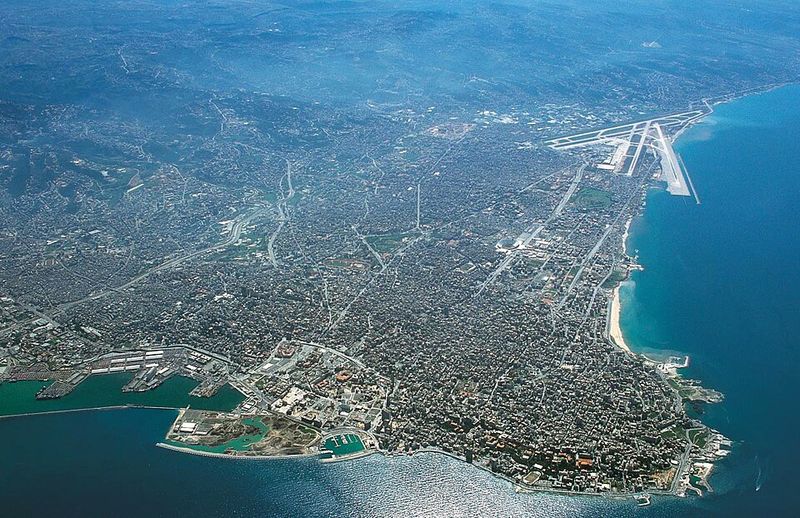
Even if you’re not typically drawn to urban centers, Beirut has a way of winning you over. The capital hums with an energy that’s hard to define but impossible to ignore.
Cafés spill onto sidewalks, street vendors call out their offerings, and the architecture tells a thousand different stories at once.
This isn’t just about sightseeing checkboxes. Beirut works as your practical base camp: excellent food scene, cultural touchstones, reliable accommodations, and that restless energy that makes you want to explore beyond the map.
The city serves as the most convenient jump-off point for day trips throughout the country.
What surprises many visitors is how layered the experience feels. One neighborhood might feel distinctly French-influenced with patisseries and colonial buildings.
Turn a corner and suddenly you’re surrounded by Ottoman-era architecture or modern glass towers.
The waterfront Corniche offers sunset walks with mountain views. The Gemmayzeh and Mar Mikhael districts pulse with nightlife and art galleries.
Downtown blends reconstruction with historical remnants. Beirut doesn’t ask you to choose between old and new, traditional and contemporary.
It throws everything together and somehow makes it work, giving you a crash course in Lebanese complexity before you venture into the countryside.
3. Faraya is your mountain reset button
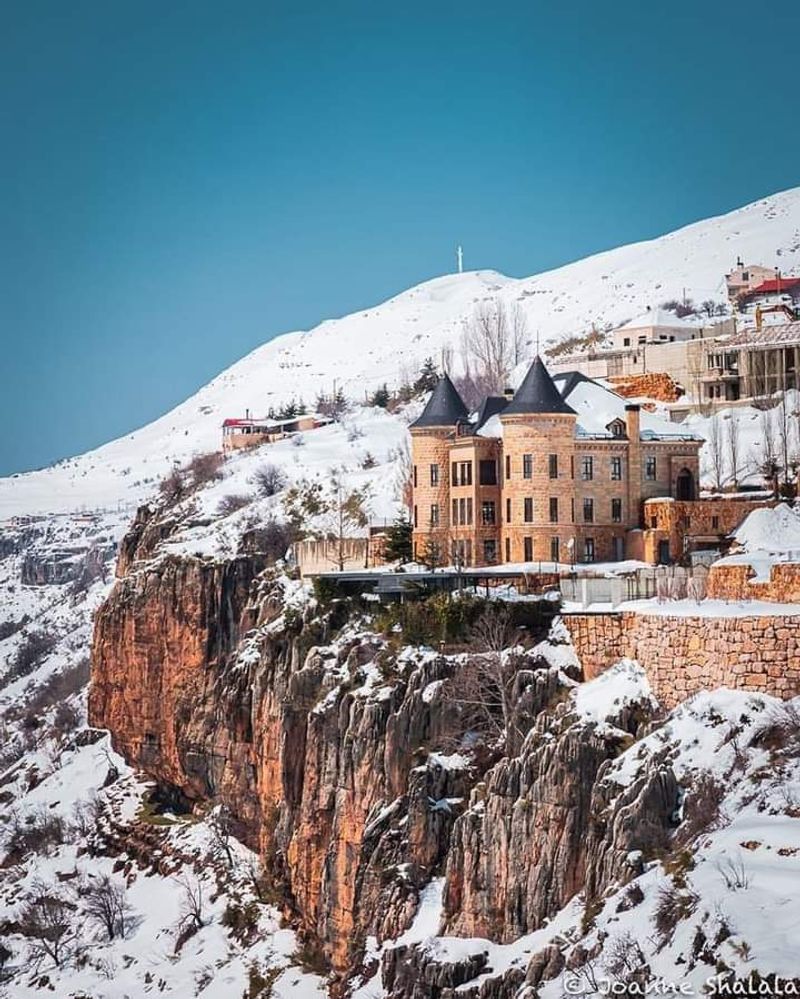
When Beirut’s intensity starts to feel overwhelming, Faraya offers the antidote. Sitting high in Mount Lebanon, this mountain town is often described as a getaway close enough for spontaneity but removed enough to feel like genuine escape.
Think chalet vibes, pine-scented air, and that sensation of being “above it all” both literally and figuratively.
The drive up from Beirut takes about an hour and a half, winding through increasingly dramatic scenery. As elevation increases, the temperature drops and the vegetation shifts.
Palm trees give way to cedars and pines.
Faraya isn’t trying to be a bustling resort town. Its appeal lies in simplicity: mountain lodges with fireplaces, small restaurants serving hearty food, and trails that invite exploration without requiring expedition-level preparation.
Many Lebanese families maintain weekend chalets here, treating it as their personal retreat from coastal life.
Summer brings hikers and nature lovers seeking cooler temperatures. Autumn paints the landscape in warm tones.
Spring awakens wildflowers across the hillsides. But Faraya truly comes alive in winter, transforming into Lebanon’s premier mountain destination when snow blankets the peaks and ski season begins, proving that this small country contains genuine alpine character alongside its Mediterranean personality.
4. Mzaar–Kfardebian: a real ski scene in the Middle East
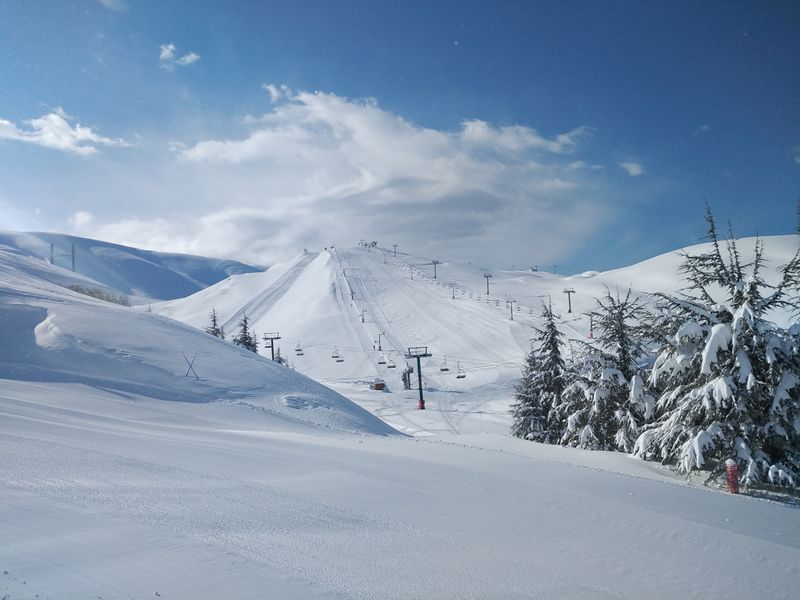
Most people don’t associate the Middle East with skiing, which is exactly what makes Mzaar so remarkable. Also referred to as Mzaar Kfardebian, this ski resort sits above Faraya and turns Lebanon into a legitimate winter-sports destination.
It’s proof that this country refuses to be pigeonholed into just beaches and archaeological sites.
The resort boasts over 40 slopes covering different skill levels, served by more than a dozen lifts. On clear days, skiers can see the Mediterranean from the upper runs, creating that surreal “skiing with a sea view” experience that few places on Earth can offer.
Mzaar attracts both serious skiers and families looking for snow fun. The season typically runs from December through April, depending on snowfall.
Equipment rentals, ski schools, and mountain restaurants create a full resort infrastructure that rivals European destinations but with distinctly Lebanese hospitality.
What elevates the experience beyond just skiing is the cultural context. You might share a chairlift with someone who was swimming yesterday and will be back at the beach next weekend.
The resort restaurants serve Lebanese mezze alongside alpine fare. Evening après-ski might mean arak instead of glühwein.
Mzaar doesn’t try to be Switzerland; it confidently delivers its own version of mountain culture, Middle Eastern style.
5. The mountains aren’t only for winter—summer hiking is the secret
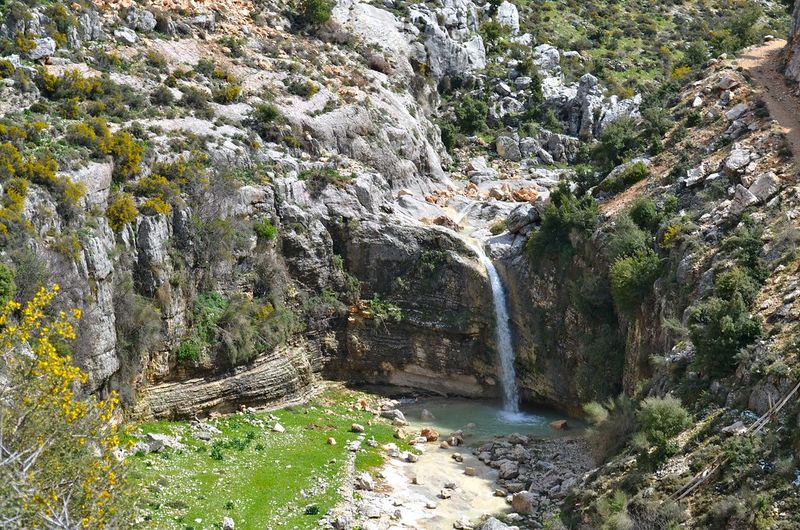
While Mzaar gets the winter headlines, Lebanon’s mountains reveal a different personality when temperatures rise. As the coast heats up and humidity climbs, these peaks become the country’s natural air conditioning system.
Trails, viewpoints, picnics, and slow-paced mountain villages feel like an entirely different nation than the shoreline below.
Summer hiking in Lebanon offers something special: accessibility without crowds. Many trails wind through cedar forests, past mountain springs, and along ridgelines with panoramic views.
You don’t need technical climbing skills or expedition gear for most routes, just decent shoes and water.
The mountain villages themselves become destinations. Places that might seem quiet in winter transform into summer retreats where extended families gather, restaurants set up outdoor terraces, and the pace of life slows to match the mountain rhythm.
Local produce stands sell fresh fruit, honey, and mountain herbs.
Temperature differences can be dramatic. When Beirut swelters at 90 degrees Fahrenheit, mountain elevations might sit comfortably in the 70s.
This makes hiking not just possible but genuinely pleasant. The Lebanese have long understood this seasonal migration pattern, spending summers in mountain homes and winters on the coast.
Visitors who only experience Lebanon’s beaches miss half the story; the mountains hold their own magic, especially when the rest of the region bakes under summer sun.
6. Qalaat Faqra feels like you stumbled into a quiet Roman movie set
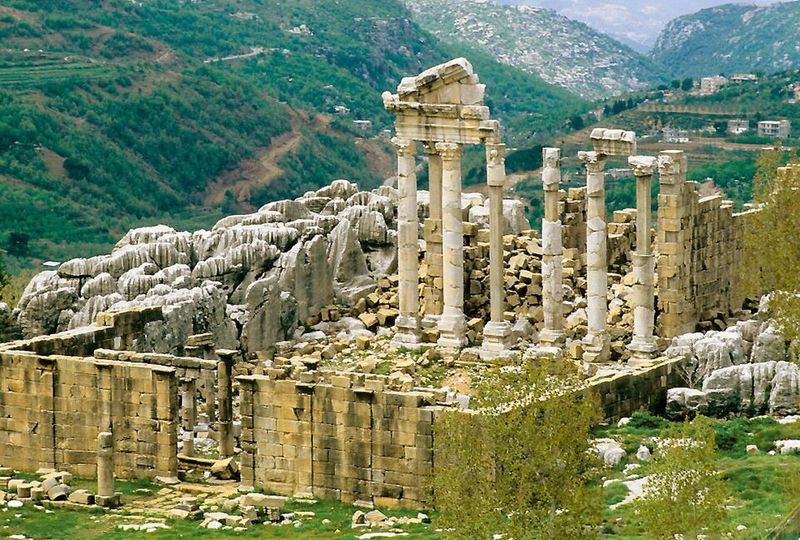
A short drive from Faraya brings you to Qalaat Faqra, an archaeological site that often catches visitors off guard. Roman and Byzantine remains sit scattered across a dramatic mountain setting at around 1,500 meters altitude.
The combination of ancient stones and alpine backdrop creates scenes that feel almost too cinematic to be real.
What makes Faqra special isn’t just the ruins themselves but the atmosphere. Unlike more famous sites that draw bus tours and souvenir vendors, Faqra often remains peacefully uncrowded.
You might have entire sections to yourself, free to explore at your own pace without jostling for photo angles or competing with tour guide announcements.
The site includes temple remains, a tower, and various architectural fragments that speak to centuries of human activity at this elevation. Wildflowers grow between ancient stones.
Mountain breezes carry the scent of pine. The silence feels profound after the noise of lower elevations.
Visiting Faqra doesn’t require an archaeology degree to appreciate. The visual impact alone justifies the trip: weathered columns against mountain slopes, stone doorways framing distant peaks, and that particular quality of light that seems to intensify at altitude.
It’s the kind of place where history and landscape merge so completely that separating them becomes impossible, offering a glimpse of how ancient peoples experienced these mountains.
7. A place where Jupiter and Atargatis share the spotlight
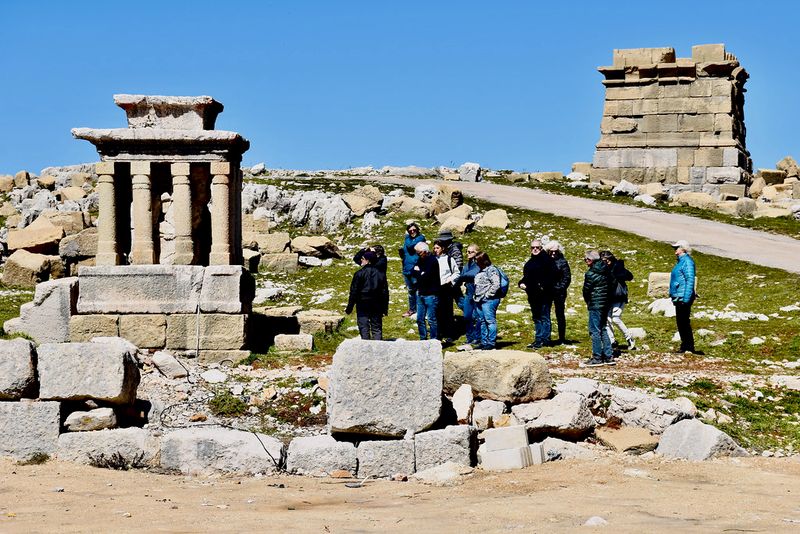
Faqra isn’t simply “some ruins” you check off a list. Historical sources describe temples and sanctuaries tied to Zeus (Jupiter in Roman tradition) and Atargatis, a Syrian goddess associated with fertility and water.
This religious layering gives the site that cross-cultural complexity Lebanon does so remarkably well.
The Jupiter temple remains particularly impressive, with architectural elements that echo the grander structures at Baalbek while maintaining their own mountain character. Atargatis worship adds another dimension, connecting this site to broader regional religious practices that blended Semitic and Greco-Roman traditions.
What this means for modern visitors is texture. You’re not just looking at generic “old stones” but rather witnessing how different cultures, religions, and empires left their marks on the same landscape.
The Romans built here, but they built on foundations of earlier beliefs and practices.
This religious diversity mirrors modern Lebanon’s famous confessional complexity. The country has never been religiously or culturally monolithic, and sites like Faqra demonstrate that this characteristic stretches back millennia.
Standing among these ruins, you realize that Lebanon’s identity as a crossroads, a meeting point, a place where different worlds overlap isn’t some recent development but rather a fundamental characteristic woven through its entire history, visible in stone and story alike.
8. Faqra’s natural stone bridge: geology doing architecture
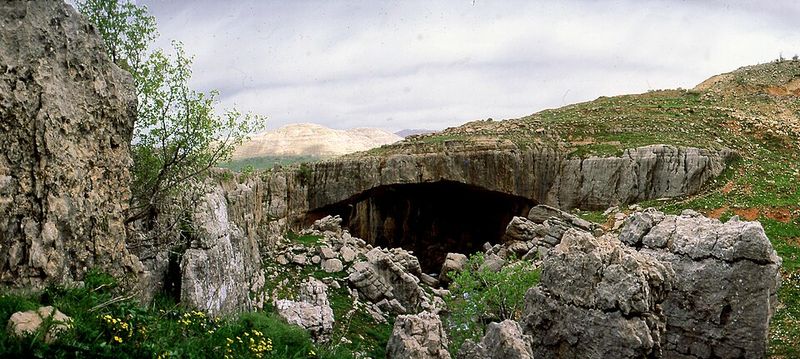
Near the archaeological site, nature shows off its own architectural skills. The Faqra Natural Bridge is a limestone formation shaped entirely by erosion, water, and time.
No human hands carved this arch; geology did the work over countless years, creating a structure that looks almost too perfect to be accidental.
The bridge spans a rocky gorge with surprising elegance. Limestone layers, deposited when ancient seas covered this region, were later lifted by tectonic forces and then carved by water flowing through softer sections.
What remains is harder rock forming a natural arch.
Visiting doesn’t require hiking expertise. The bridge sits close enough to access roads that most visitors can reach it without serious trekking.
It’s the kind of stop that takes maybe ten minutes but lives in your camera roll forever, offering that perfect blend of natural wonder and photogenic drama.
What strikes many people is the juxtaposition: manmade Roman ruins nearby, and just a short distance away, this entirely natural formation that predates human presence by millions of years. Together, they illustrate Lebanon’s appeal in miniature.
The country offers both cultural depth and natural beauty, often within walking distance of each other. You don’t have to choose between history and landscape, archaeology and geology.
Lebanon simply hands you both, casually, as if having everything in one small package is the most natural thing in the world.
9. The Bekaa Valley is where Lebanon turns into “vineyard country”
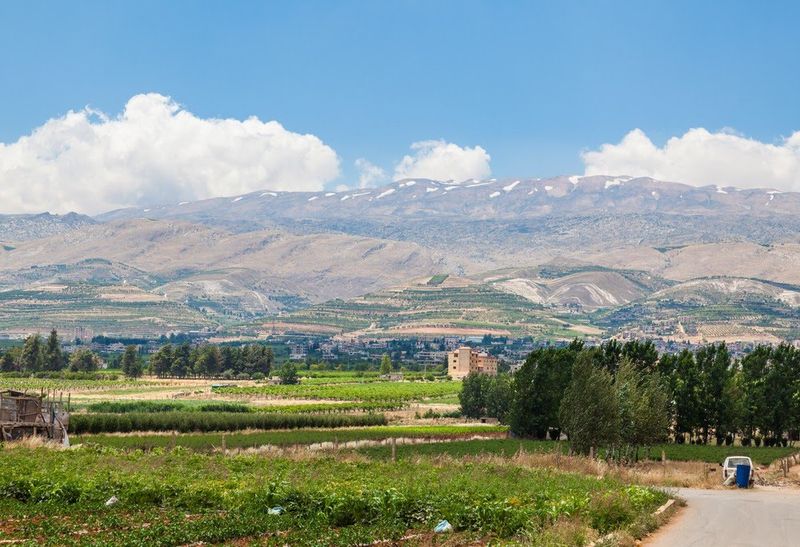
Head east from the coastal mountains and the scenery undergoes another dramatic shift. The Bekaa Valley (also spelled Beqaa) opens up into broad agricultural plains that feel worlds away from both beach and alpine environments.
This valley is part of a larger rift system and has become famous for agriculture, particularly wine production.
The valley floor sits at roughly 900 meters elevation, creating a climate distinct from both coast and higher mountains. Summers are hot and dry, winters can be cold, and the temperature swings between day and night are significant.
These conditions, combined with fertile soil, create ideal wine-growing conditions.
Driving through the Bekaa, you’ll see vineyard rows stretching toward mountain backdrops on both sides. The landscape feels more open, more expansive than the compressed coastal strip or the vertical mountain terrain.
There’s breathing room here, both literally and metaphorically.
This is where Lebanon’s “Mediterranean plus mountain” identity shifts into something greener and calmer. The valley has fed the region for millennia; ancient civilizations recognized its agricultural potential long before modern vintners arrived.
Today, it represents yet another facet of Lebanese diversity, proving that a country barely 4,000 square miles can contain coastal, alpine, and agricultural zones that each feel completely authentic and fully realized rather than compromised versions of somewhere else.
10. Wine cellars, tastings, and long lunches
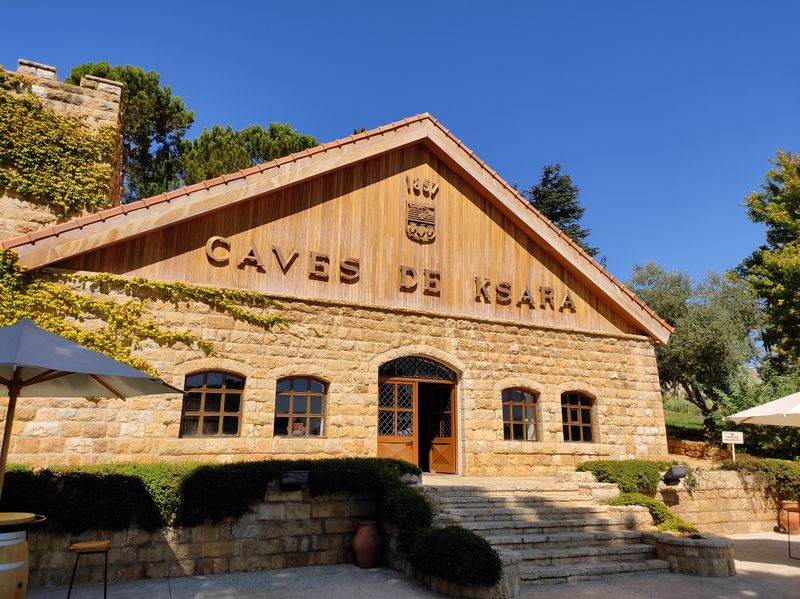
Lebanon’s wine culture isn’t some side quest you squeeze in if time permits. It’s a whole experience lane that deserves dedicated attention.
The Bekaa Valley serves as the heart of this tradition, with wineries that welcome visitors for tastings, tours, and meals that stretch into the golden afternoon hours.
Lebanese wine history stretches back thousands of years, though the modern industry really developed during the 20th century. Today, dozens of wineries produce everything from approachable everyday bottles to serious, age-worthy wines that compete internationally.
Grapes like Cabernet Sauvignon, Syrah, and indigenous varieties thrive in the valley’s terroir.
Winery visits here pair beautifully with Lebanese cuisine. Many estates have restaurants serving mezze spreads, grilled meats, and seasonal vegetables that complement their wines perfectly.
The pace slows down naturally; rushing through a Lebanese meal feels wrong, and wineries encourage lingering over multiple courses and glasses.
What makes this experience distinctly Lebanese is the hospitality. Winery staff often treat visitors like personal guests rather than customers.
Conversations flow as freely as the wine. You’ll learn about harvest challenges, family histories, and the peculiar pride Lebanese take in proving their country can produce world-class wines.
The Bekaa wine scene isn’t trying to be Napa or Bordeaux; it’s confidently, unapologetically Lebanese, offering that unhurried valley rhythm that contrasts perfectly with coastal energy.
11. Baalbek: the “how is this real?” Roman temple complex
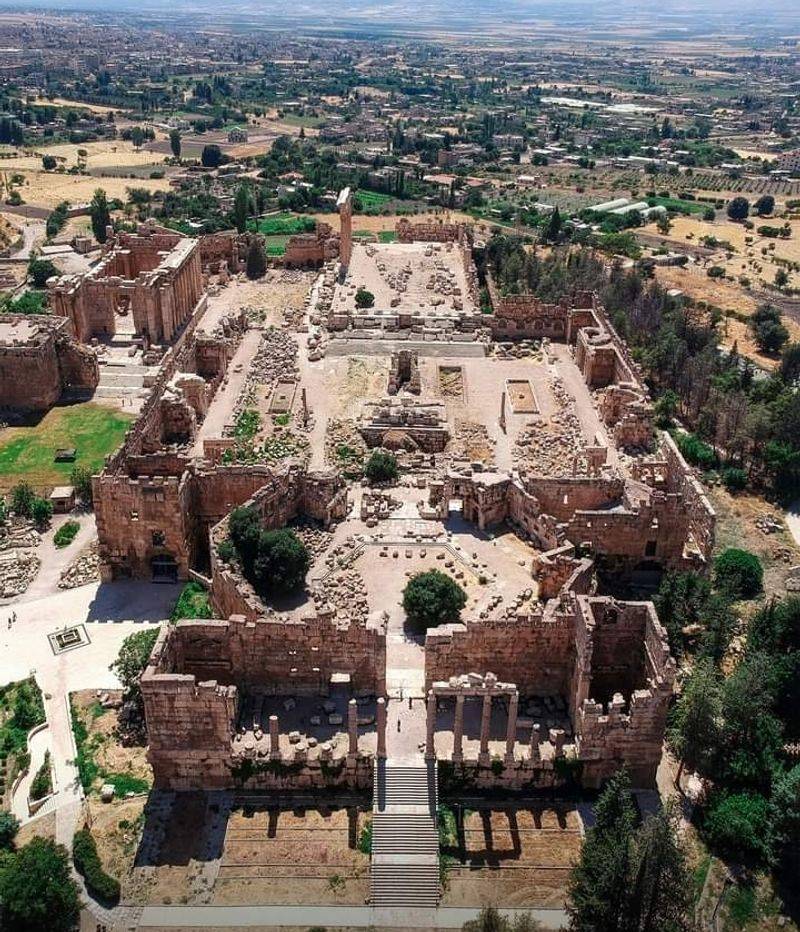
If you have any interest in ancient sites, Baalbek is absolutely non-negotiable. This temple complex in the northern Bekaa Valley is famous for housing some of the largest and best-preserved Roman temples anywhere in the world.
The scale alone defies expectation; photographs simply cannot prepare you for the actual size of these structures.
The Temple of Jupiter originally featured 54 massive columns, each standing about 22 meters tall. Only six remain standing today, but they’re enough to convey the original grandeur.
The Temple of Bacchus, remarkably well-preserved, rivals the Parthenon in Athens for size and exceeds it in decorative detail.
Walking among these ruins triggers that peculiar feeling where your brain struggles to process the engineering involved. The foundation stones, some weighing over 800 tons, were quarried nearby and moved into place using ancient technology we still don’t fully understand.
How did they do it? That question echoes through your mind as you circle the site.
Baalbek also hosts an annual international festival, bringing music and performance to this ancient venue. The combination of modern culture against Roman backdrop creates memorable juxtapositions.
But even without festival programming, the site delivers that jaw-dropping “how is this real?” moment that every traveler craves. It’s Lebanon showing off, reminding you that this small country punches well above its weight in historical significance.
12. Anjar: a completely different era, a completely different vibe
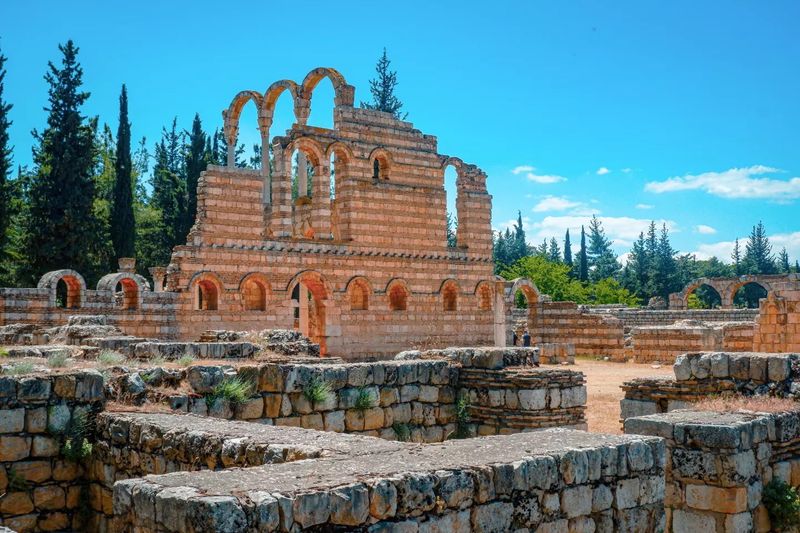
Where Baalbek screams Rome with its massive columns and imperial scale, Anjar takes you into an entirely different historical chapter. This archaeological site represents the Umayyad period, specifically an early 8th-century city that feels like a planned settlement frozen in time.
The contrast with Roman sites is immediate and fascinating.
Anjar was built by Caliph Walid I around 714 CE, likely as a commercial center along trade routes connecting Damascus to Beirut and beyond. The layout follows a clear grid pattern with main streets intersecting at right angles, creating organized quarters that housed shops, palaces, and public baths.
The ruins feel different from Roman sites. Where Roman architecture emphasizes vertical grandeur, Anjar spreads horizontally with lower walls and more intimate spaces.
The decorative elements reflect Byzantine and early Islamic influences, showing how architectural styles evolved and merged in this region.
Walking through Anjar’s streets, you can almost visualize the bustling commercial activity that once filled these spaces. Merchant stalls, craftsmen’s workshops, and the daily rhythms of medieval urban life become easier to imagine than at more monumental sites.
The city wasn’t occupied long, abandoned within a century of its founding, which gives it that time-capsule quality. For visitors, Anjar offers yet another layer to Lebanon’s historical complexity, proving that this tiny country contains not just diverse landscapes but diverse historical narratives spanning multiple civilizations and eras.
13. Byblos: one of the world’s oldest continuously inhabited cities
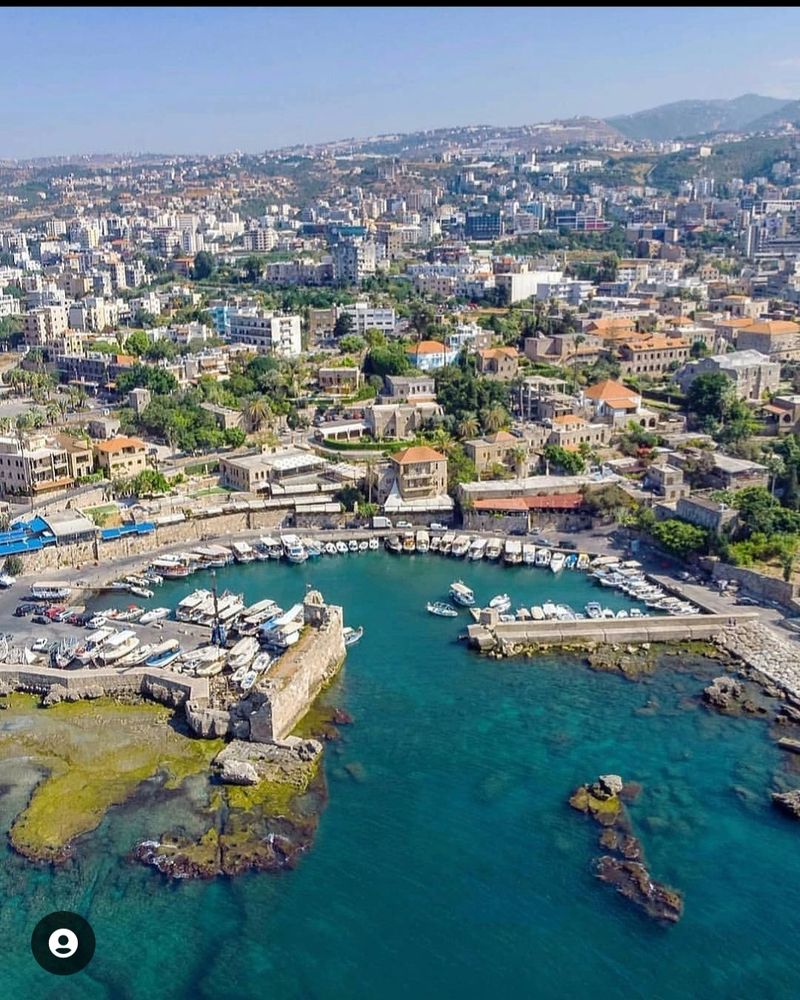
For a softer, seaside-history experience, Byblos delivers exactly the right mood. This coastal city claims status as one of the world’s oldest continuously inhabited settlements, with evidence of occupation stretching back at least 7,000 years.
Walking through Byblos means treading on layers upon layers of human history.
The old harbor remains the heart of the experience. Small fishing boats bob in waters that have hosted Phoenician traders, Roman galleys, and Crusader ships.
Restaurants line the waterfront, offering fresh seafood with views that have drawn people for millennia. The harbor walls and castle add medieval character to the ancient setting.
Archaeological sites within Byblos reveal Phoenician temples, Roman colonnades, and Crusader fortifications all compressed into a relatively small area. Each civilization left its mark, creating that palimpsest effect where history gets written and rewritten on the same ground.
The old souks sell everything from tourist trinkets to genuine antiques.
What makes Byblos special is how it balances “ancient” with “alive.” This isn’t a dead archaeological park; it’s a functioning town where people live, work, and go about daily business among ruins that predate most world civilizations. That combination creates the “ancient but alive” atmosphere that makes Lebanon so addictive.
You’re not just observing history from behind barriers; you’re walking through it, eating beside it, and experiencing how past and present coexist naturally when given enough time.
14. Tyre + the Holy Valley: Lebanon’s UNESCO-heavy closing act
Lebanon’s UNESCO World Heritage list reads like an overachiever’s resume. For a country this size, having six UNESCO sites is genuinely remarkable.
Tyre on the southern coast and the Ouadi Qadisha (Holy Valley) in the mountains represent two very different expressions of this recognition, offering a fitting closing act to Lebanon’s diversity showcase.
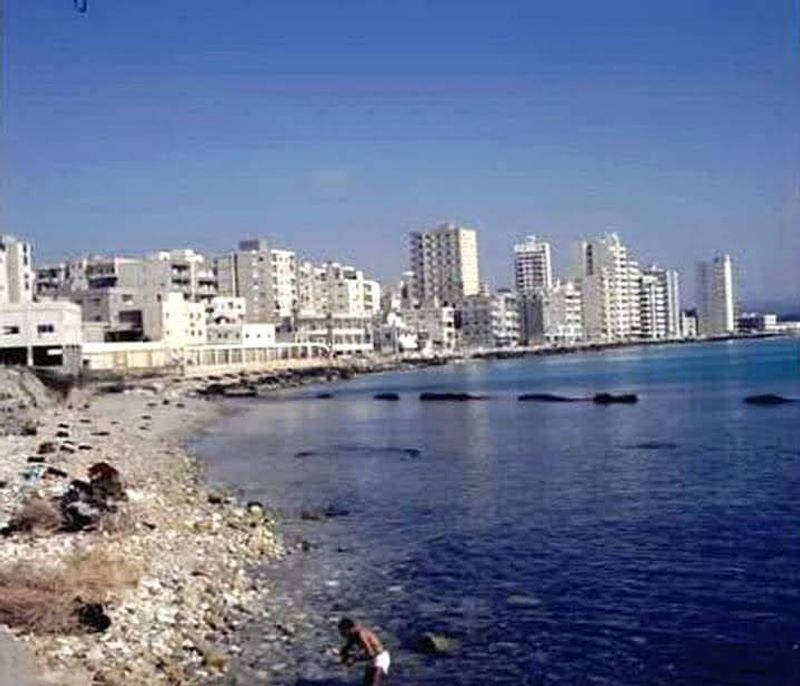
Tyre, known as Sour in Arabic, was a major Phoenician city and later an important Roman settlement. The archaeological sites include a impressive Roman hippodrome, necropolis, and coastal ruins where the sea has reclaimed parts of the ancient city.
Walking through Tyre means encountering Phoenician, Roman, Byzantine, and Crusader layers all in one location.
The Holy Valley takes you in a completely different direction. Ouadi Qadisha, located in northern Lebanon, is a steep-sided gorge that became a refuge for Christian monastic communities.
Monasteries carved into cliff faces, hermit caves, and the ancient cedars growing on nearby slopes create that sacred-valley, mountain-monastery energy that feels timeless and deeply spiritual.
The Cedars of God, growing at high elevation near the valley, represent some of the last remaining old-growth cedar forests that once covered these mountains. These trees appear in religious texts and ancient accounts, making them living links to Lebanon’s distant past.
When a small country packs this much UNESCO-worthy heritage into such limited space, you know it’s playing well above its size class, delivering continental-scale diversity from a Connecticut-sized package.



