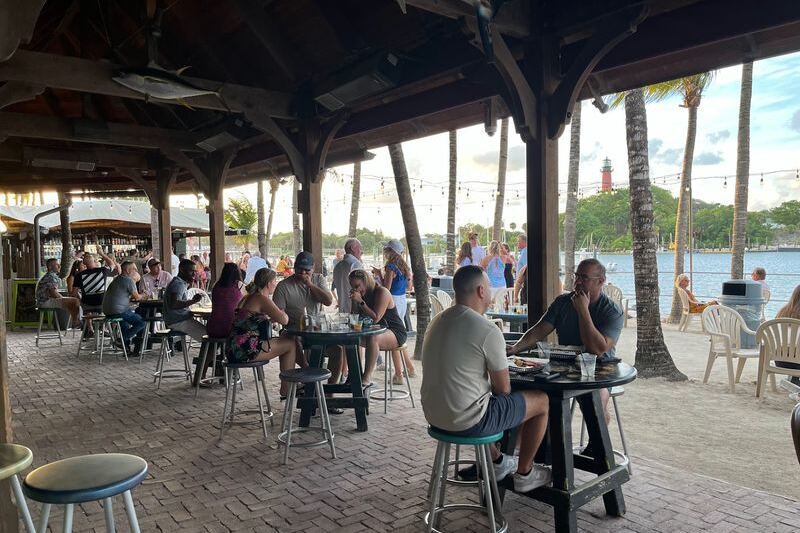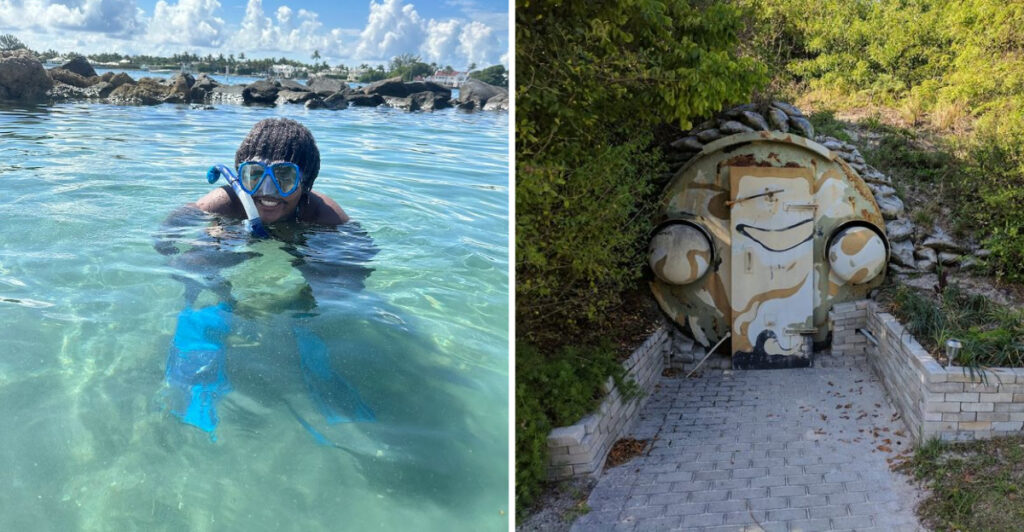
There is a tiny island tucked inside the Port of Palm Beach that most people drive right past without knowing it exists. The water surrounding it runs so clear and turquoise that first-time visitors often stop mid-sentence just to stare.
This is not a resort, and it is not a secret beach club. It is a public, man-made island with a walking trail, a snorkeling reef, a campground, and a Cold War-era bunker that once stood ready for a United States president.
Whether you are a history lover, a water sports fan, or someone who just wants to float in Caribbean-quality water without buying a plane ticket, this place delivers something genuinely special. Keep reading to find out everything you need to know before your first visit to one of South Florida’s most underrated outdoor spots.
Where Exactly You Will Find This Hidden Spot
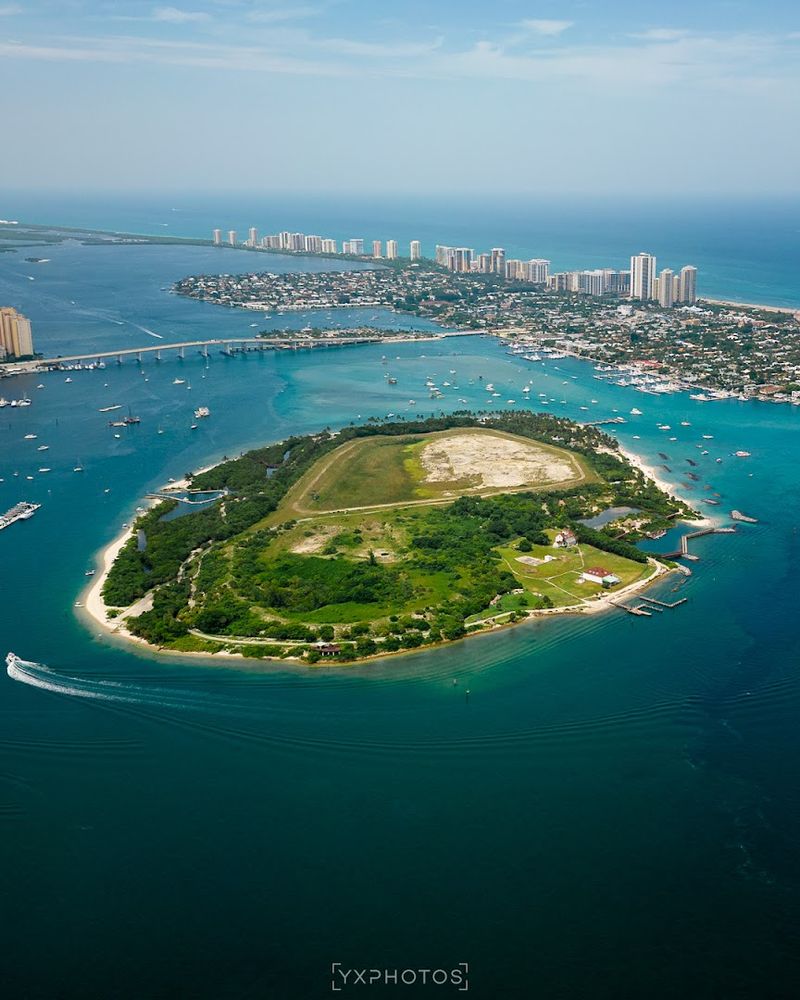
Peanut Island sits inside the Port of Palm Beach, just off the coast of Riviera Beach, Florida. The official address most visitors use is Lake Worth Inlet, Palm Beach County, Florida, and the island sits at coordinates 26.7732826, -80.0472053.
The island covers about 80 acres and is entirely man-made, originally created in 1918 from dredged material when the Port of Palm Beach was being constructed. It is now managed as a Palm Beach County park.
Getting there is part of the fun. You cannot drive to the island.
A water taxi shuttle departs regularly from Phil Foster Park in Riviera Beach, and the ride takes only a few minutes. The ferry runs roughly every 20 minutes, and round-trip tickets cost around $18 per person.
Parking at Phil Foster Park costs about $10, and calling ahead to reserve a spot is strongly recommended.
The Story Behind a Man-Made Island
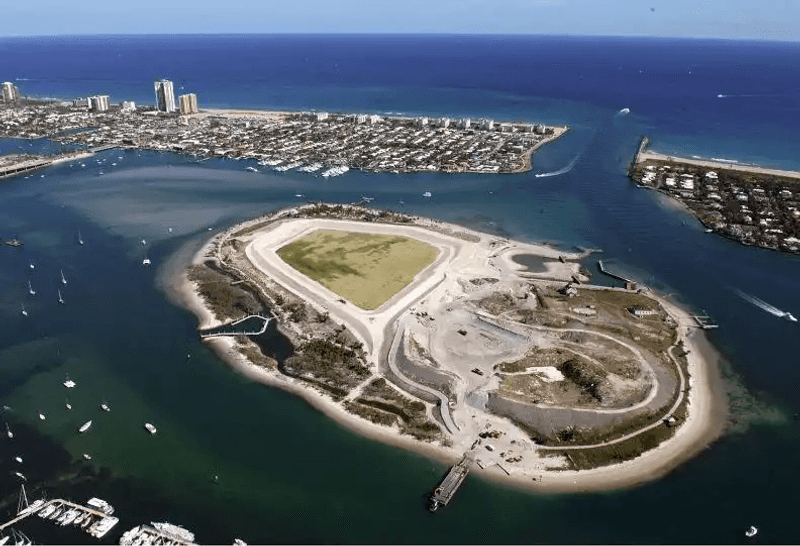
Not many beaches come with an origin story this unusual. Peanut Island was created in 1918 as a byproduct of the dredging work that carved out the Lake Worth Inlet and built the Port of Palm Beach.
The spoil material, basically sand and sediment pulled from the waterway, was piled up and shaped into what eventually became this 80-acre island. For a time, the island was used as a peanut oil shipping terminal, which is exactly where it got its quirky name.
That original industrial purpose faded, and the island gradually transformed into the nature-filled park visitors enjoy today. It is a rare example of human engineering accidentally creating something beautiful.
The transition from working port facility to beloved family beach destination took decades, but the result speaks for itself. Few places in Florida carry this kind of layered, unexpected backstory beneath their sandy surface.
The Cold War Bunker That Still Stands Today
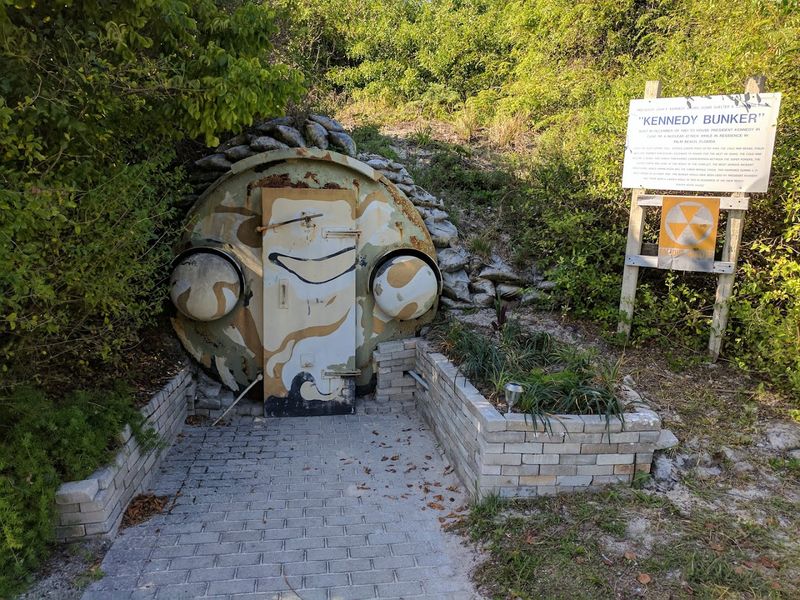
Here is the detail that makes Peanut Island genuinely unlike any other beach park in Florida. Beneath the island’s surface sits a nuclear fallout bunker that was secretly built in 1961 for President John F.
Kennedy.
The bunker was constructed by the U.S. Navy and was intended to shelter JFK and essential personnel in the event of a nuclear attack while he stayed at his nearby Palm Beach estate, known as the Winter White House.
It was never actually used for that purpose, but it survived and has been preserved as a historical site.
Tours of the bunker are available and take visitors through the narrow concrete corridors, communication equipment, and supplies that were stocked for emergency use. The Palm Beach Maritime Museum has managed the site and offered guided tours, though checking current availability before your visit is always a smart move.
It is one of the most fascinating stops in all of South Florida.
Crystal Clear Water That Rivals the Caribbean
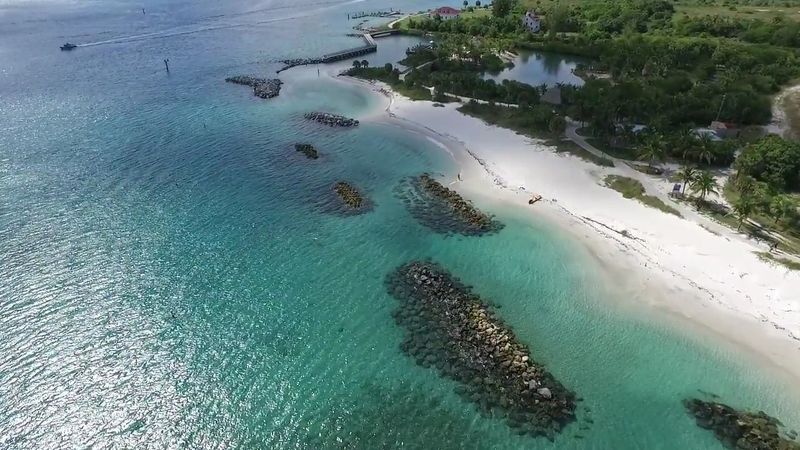
The water here is the first thing that stops people in their tracks. On a calm, sunny day, the shallows around Peanut Island run a shade of turquoise that genuinely looks more Caribbean than Florida.
The visibility is remarkable. You can see the sandy bottom clearly even in areas where the water is several feet deep, and schools of tropical fish move through the shallows in plain sight without any gear at all.
Sergeant majors, small lobsters, and various reef fish are commonly spotted just off the shoreline.
The water stays relatively shallow along much of the island’s perimeter, which makes it comfortable for kids and non-swimmers who still want to experience the underwater world. There are no waves to contend with, and the calm conditions make for easy snorkeling.
Bring your own gear if you have it, because the combination of clear water and active sea life makes this one of the best free snorkeling spots in the entire state.
Snorkeling the Reef Around the Island
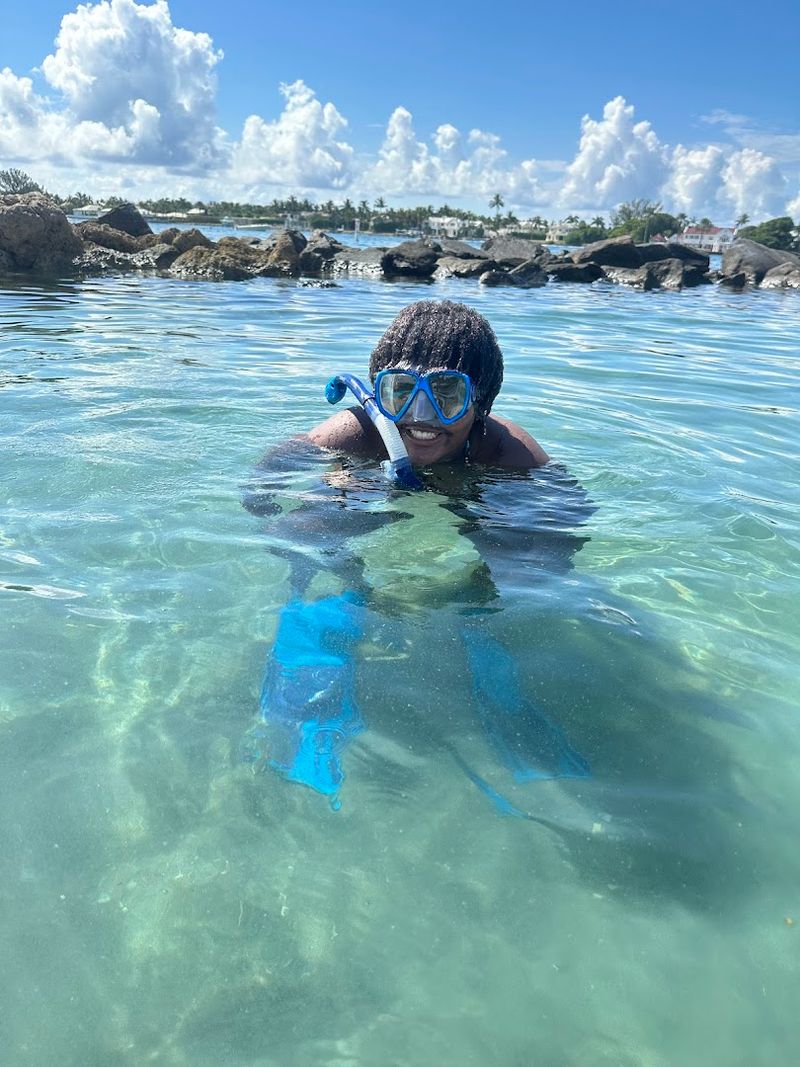
The reef that wraps around parts of Peanut Island is the main attraction for underwater explorers. You do not need to be an experienced diver or even own a wetsuit to enjoy it.
A basic mask and snorkel is all it takes.
The reef supports a surprisingly rich variety of sea life. Sergeant major fish are practically guaranteed sightings, and on a good day you might also spot small lobsters, baby octopus tucked under rocks, and various colorful reef species weaving through the coral.
The key is arriving early, before the crowds arrive and stir up the sand.
Kayakers sometimes paddle directly from Phil Foster Park across the inlet to reach the snorkeling area, which takes about ten minutes. If you prefer to keep things simple, the water taxi drops you off close enough to wade right in.
Packing a reusable bag for your gear keeps things tidy and the island stays cleaner when everyone pitches in.
A Walking Trail With Views Worth the Steps
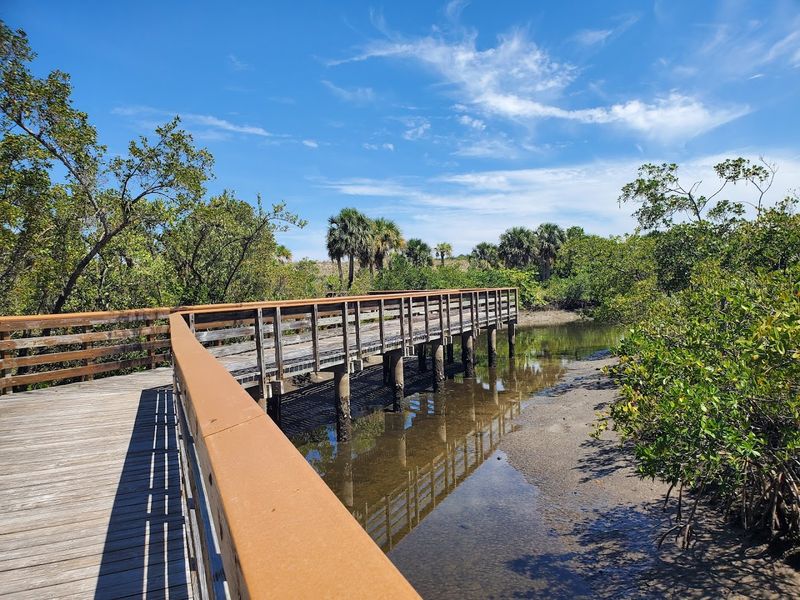
The island has a 1.25-mile walking trail that loops around its entire perimeter. It is flat, easy to walk, and takes about 30 to 45 minutes at a relaxed pace, making it a good option for families with young children or anyone who wants a light outdoor activity.
The trail passes through shaded sections where native vegetation grows close to the path, and then opens up to stretches where the water is right beside you. The views across the inlet toward the Palm Beach shoreline are genuinely pretty, and the combination of greenery and open water gives the walk a refreshing feel even on warm days.
Wildlife sightings are common along the trail. Green iguanas are practically everywhere on the island and have become one of its most talked-about features.
They lounge on rocks, scramble through the brush, and occasionally hold their ground right in the middle of the path. They are harmless, but still surprising the first time you see one up close.
Camping Under the Stars on a Tiny Island
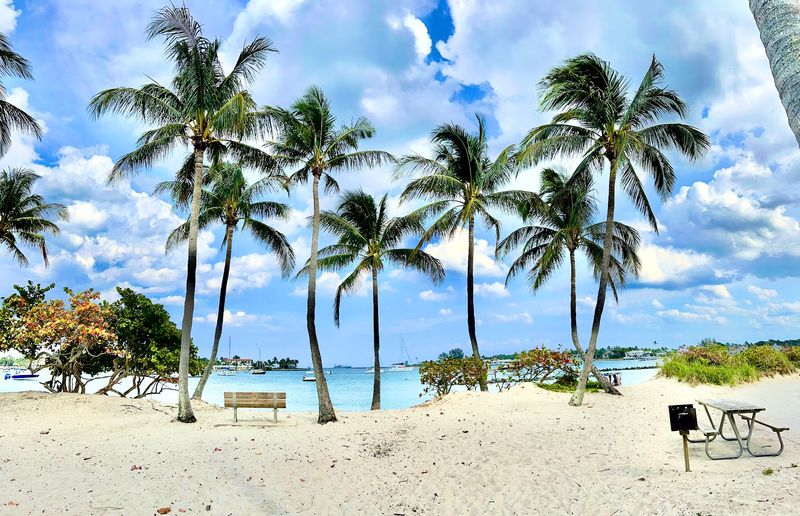
Spending the night on Peanut Island is a completely different experience from a day trip. The campground is small and well-maintained, with designated sites, clean restroom facilities, and hot water showers available exclusively for campers.
There is no electricity at the campsites, which means no noisy generators and no glowing screens competing with the night sky. Water faucets are available near the camping area, and there is a communal fire pit where campers can gather in the evening.
Bringing ingredients for s’mores is a tradition worth honoring.
Reservations are required and fill up quickly, especially on weekends and during the cooler months between October and April. Check-out time is 2 p.m., and the water taxi accommodates campers with gear.
The experience of waking up on a quiet island surrounded by that turquoise water, with no traffic noise and no crowds, is something that is genuinely hard to find this close to a major metropolitan area.
The Best Time to Visit for a Peaceful Experience
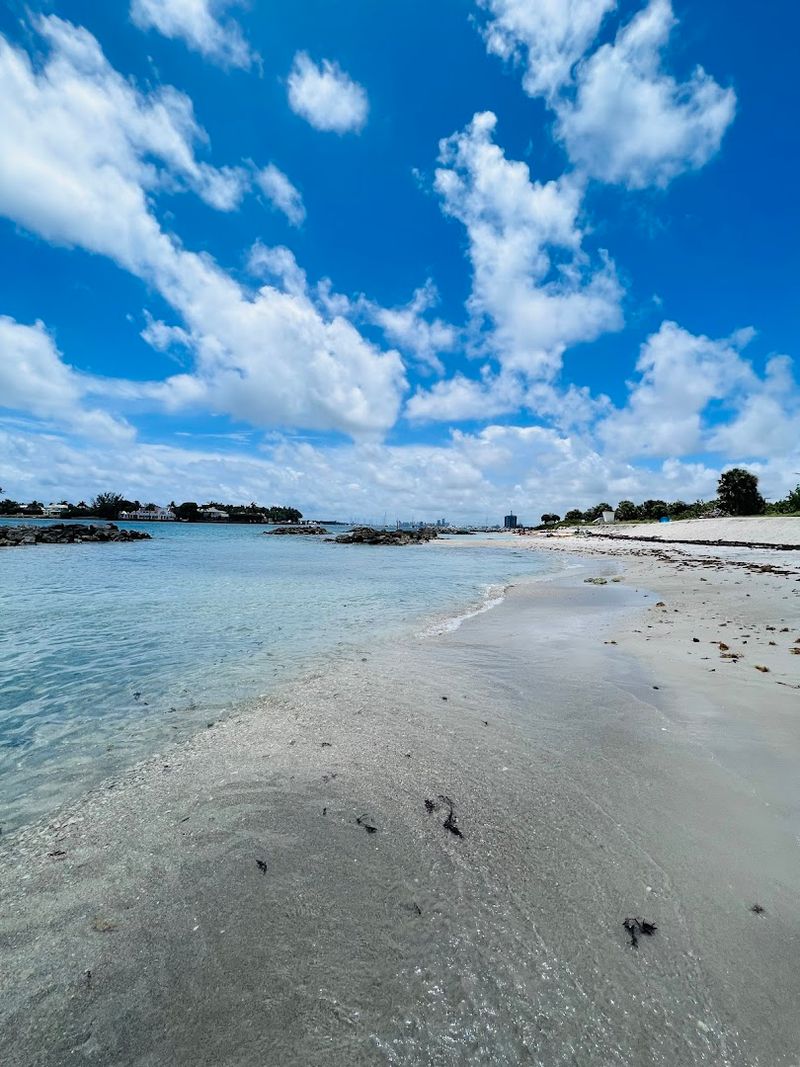
Timing your visit makes a real difference at Peanut Island. Weekends and holidays can get crowded, with boats anchored offshore, music playing from multiple directions, and the island’s limited space feeling a lot smaller than its 80 acres.
Weekday mornings are the sweet spot. Arriving early, ideally on the first or second ferry of the day, gives you a chance to enjoy the snorkeling reef before the water gets churned up and the fish scatter.
The walking trail is quieter, the beaches feel more spacious, and the whole atmosphere shifts from party scene to peaceful nature park.
The months from November through April offer the most comfortable temperatures for outdoor activity, with lower humidity and a reduced chance of afternoon thunderstorms. Summer visits are still worthwhile, but the heat is intense by midday.
Packing shade in the form of an umbrella or a pop-up canopy is one of the most practical things you can bring to this wide-open island.
What to Pack for a Full Day on the Island
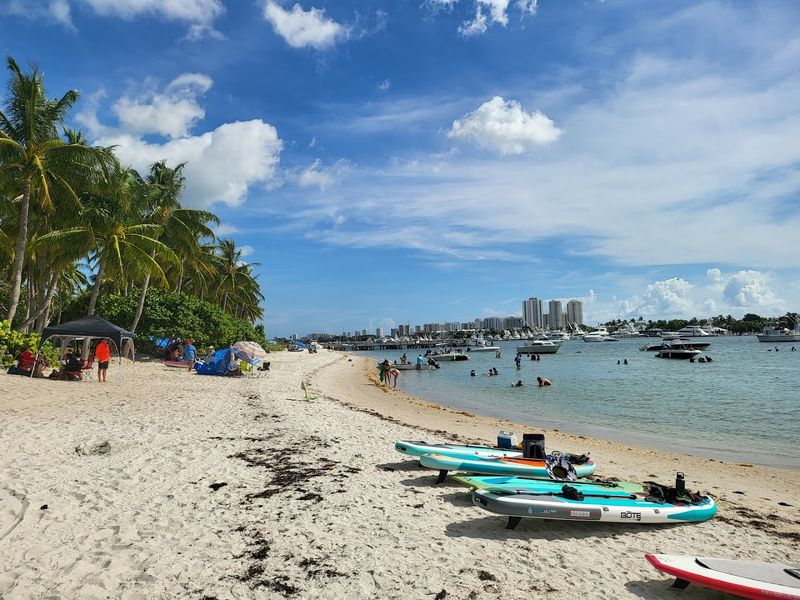
There are no shops or restaurants on Peanut Island, so arriving prepared is not optional. Every bit of food, water, and gear you need for the day has to come with you on the ferry.
A well-packed cooler with snacks, sandwiches, and cold drinks is essential. Sun protection is equally important, since the island is open and exposed, and the combination of Florida sun and reflective water is intense.
Sunscreen, a hat, and a portable shade umbrella are all worth the effort of carrying them over.
For the water, bring your own snorkel mask and fins if you have them. A reusable water bottle, a dry bag for electronics, and a small first aid kit round out the basics.
There are grills and picnic tables available on the island, so packing food that can be cooked adds a fun dimension to the day. Leaving the island cleaner than you found it is something every visitor can contribute to.
Kayaking and Paddleboarding in Calm Waters
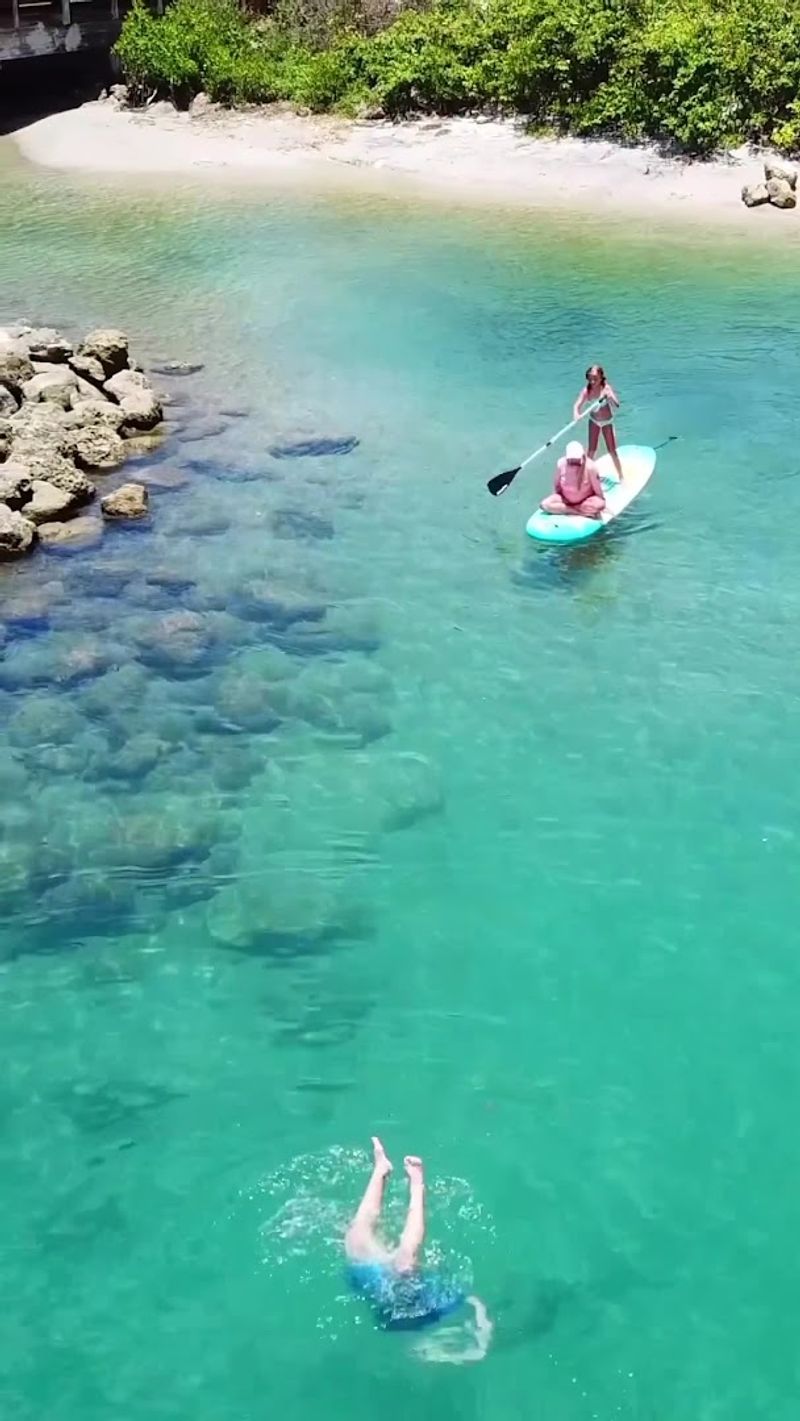
The calm, protected waters around Peanut Island make it one of the better spots in Palm Beach County for paddleboarding and kayaking. The inlet stays relatively sheltered from ocean swells, and the shallow areas near the island are forgiving for beginners.
Paddleboarders regularly make the crossing from Phil Foster Park on their own boards, and the ten-minute paddle rewards you with direct access to the snorkeling area on the north side of the island. The sandbar on the north side is a particularly popular destination for paddlers who want to anchor up and spend a lazy afternoon in ankle-deep water.
Kayaking is also a great way to explore the island’s perimeter from the water, offering a different perspective than the walking trail provides. There is something satisfying about paddling slowly around a tiny island and watching the waterline change from sandy shallows to slightly deeper reef zones.
The whole experience moves at exactly the right speed.
Why This Small Island Leaves a Lasting Impression
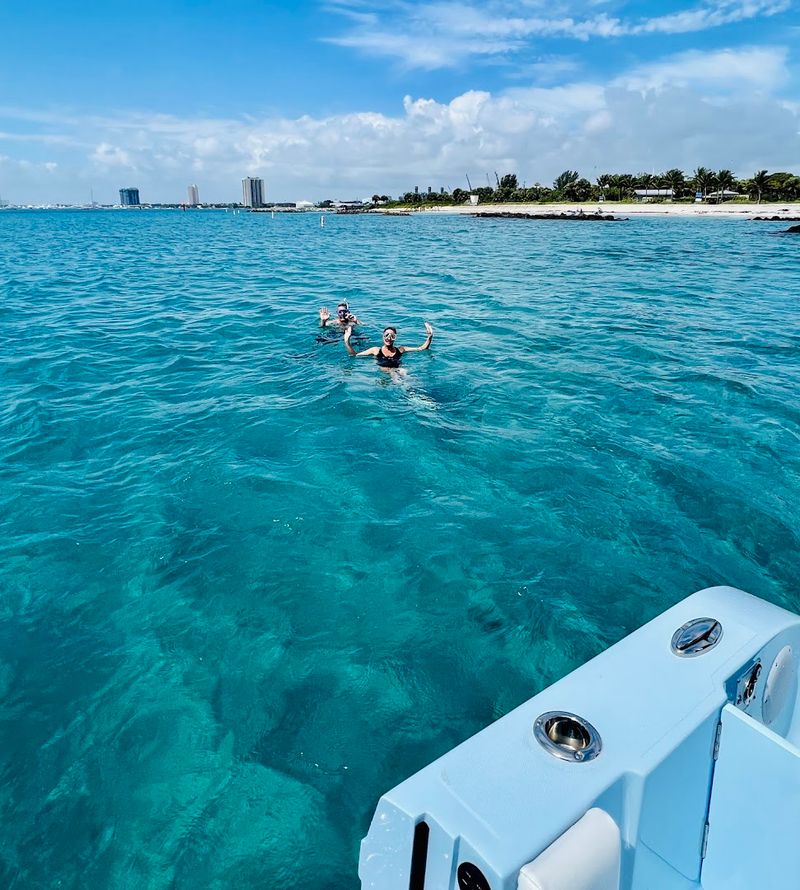
Most places that get compared to the Bahamas or the Caribbean do not actually hold up under scrutiny. Peanut Island is a rare exception.
The water color, the visibility, the sea life, and the general sense of being somewhere far removed from the surrounding city all combine to create an experience that feels genuinely out of the ordinary.
What keeps people coming back is the simplicity of it. No overpriced resort fees, no complicated logistics, no need for a passport.
A short ferry ride, a packed cooler, and a snorkel mask are all it takes to spend a day that people talk about for months afterward.
The history layer, that Cold War bunker sitting quietly beneath the sand, adds a dimension that most beaches simply cannot offer. Peanut Island is the kind of place that rewards curiosity at every turn, whether you are looking up at iguanas on the trail or looking down through crystal water at a reef full of fish.
Share this story