There is a small park tucked into a quiet neighborhood in Richmond, Indiana, where the ground holds secrets that are nearly half a billion years old. The rocks here are not just rocks.
They are pieces of an ancient sea floor, packed with the remains of creatures that lived long before dinosaurs ever walked the earth. What makes this place truly special is that you are allowed to take those fossils home, completely free of charge.
Whether you are a curious kid, a geology enthusiast, or just someone looking for an unusual afternoon activity, this little park delivers something genuinely rare. A visit here does not require a museum ticket or a guided tour.
All it takes is a willingness to get your hands dirty and maybe a pair of shoes you do not mind getting wet. The story of this place is worth knowing before you go.
The 445-Million-Year-Old Story Behind This Place
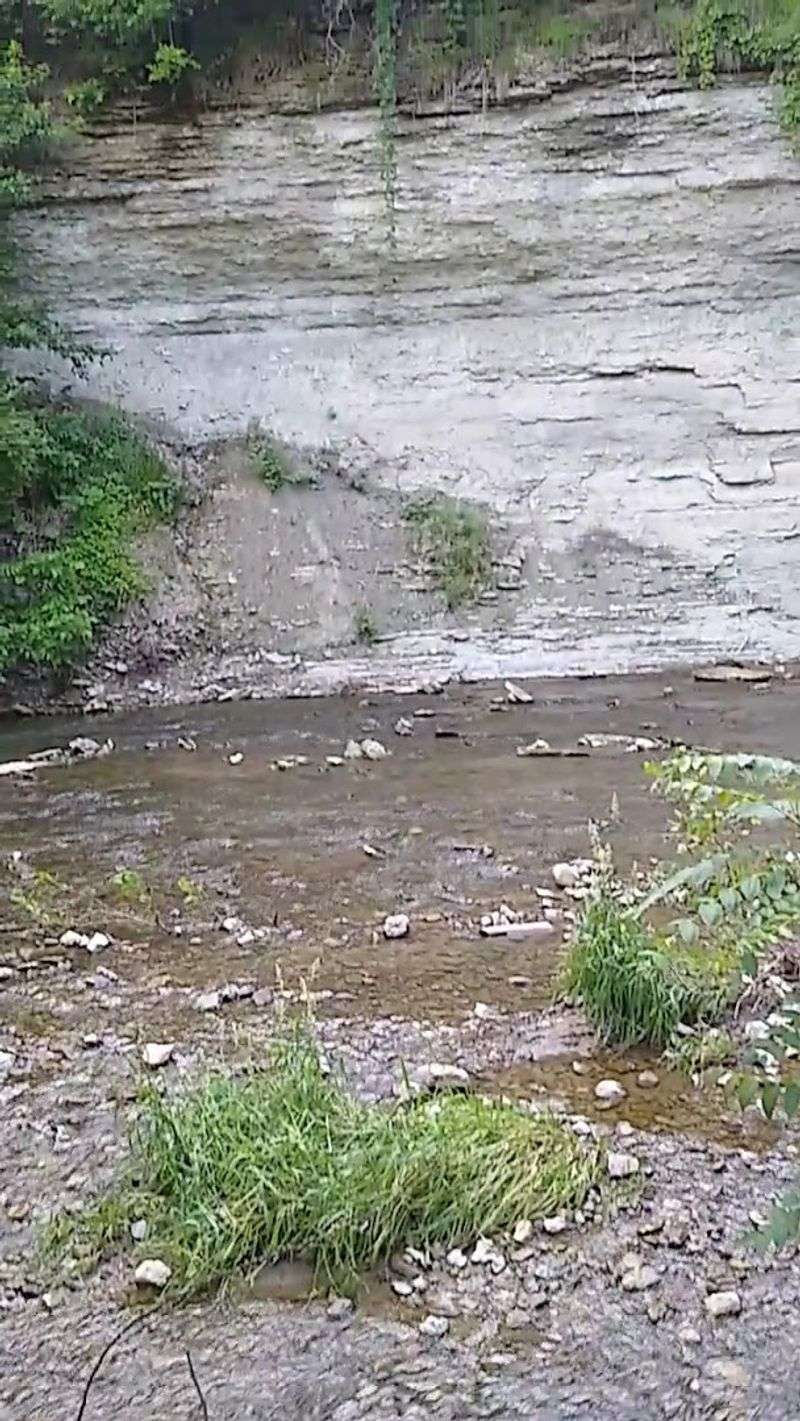
Long before Indiana existed as a state, or even as land, the area that is now Richmond sat beneath a warm, shallow sea during the Ordovician period, roughly 445 million years ago. That ancient ocean teemed with life: brachiopods, crinoids, horn corals, cephalopods, and bryozoa all made their homes there.
Over millions of years, those creatures were buried under layers of sediment, compressed, and transformed into the limestone and shale formations that now make up the gorge walls and creek beds around Richmond.
Erosion has slowly done the work of a museum curator, stripping away the surface layers and exposing fossils that have not seen daylight in hundreds of millions of years. The Whitewater Gorge area is considered one of the most fossil-rich zones in the entire state of Indiana.
That geological history is what gives this tiny park its outsized significance, turning an ordinary afternoon walk into a hands-on encounter with deep time.
What You Can Actually Find Here
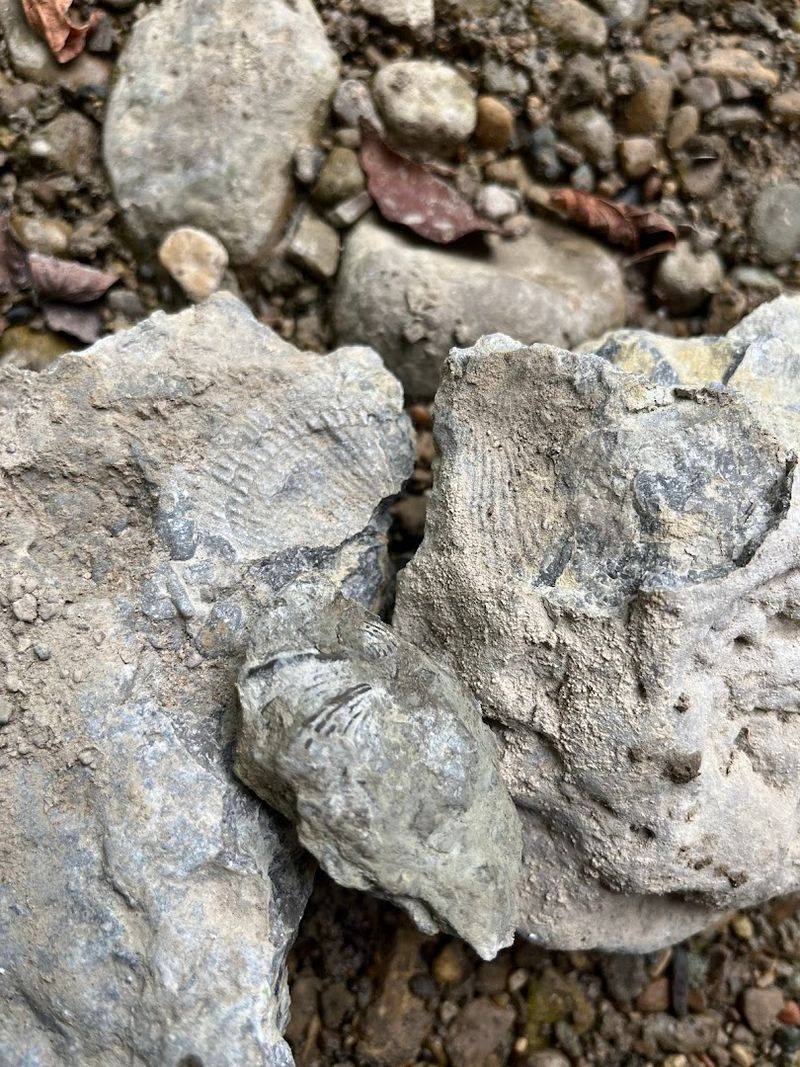
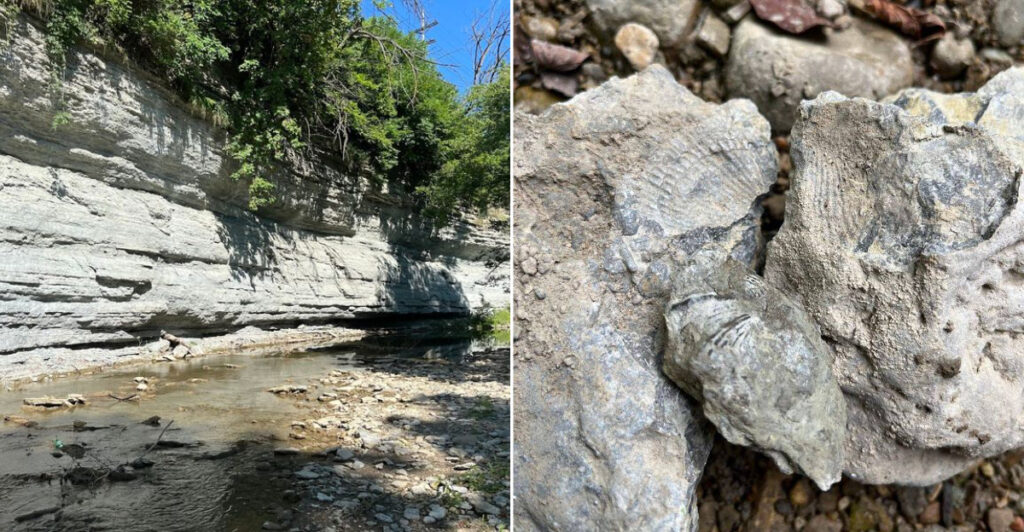
The variety of fossils available at Richmond Fossil Park is genuinely impressive for such a compact site. Brachiopods are among the most common finds, their distinctive ribbed shells preserved in remarkable detail inside chunks of gray limestone.
Horn corals are another frequent discovery, and their conical shape makes them easy to identify even for first-time fossil hunters. Crinoids, bryozoa, bivalves, and cephalopods also turn up regularly, along with what some describe as conglomerate fossils, large sections of what used to be the ancient sea floor.
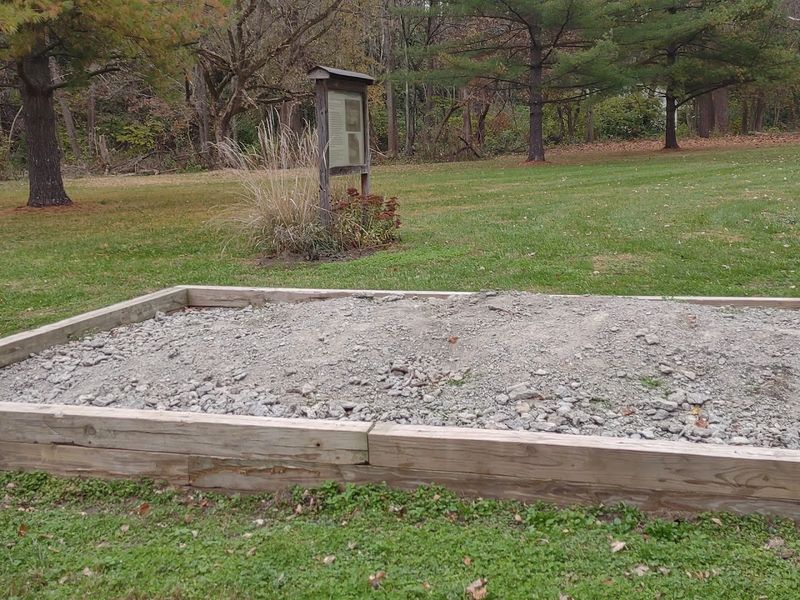
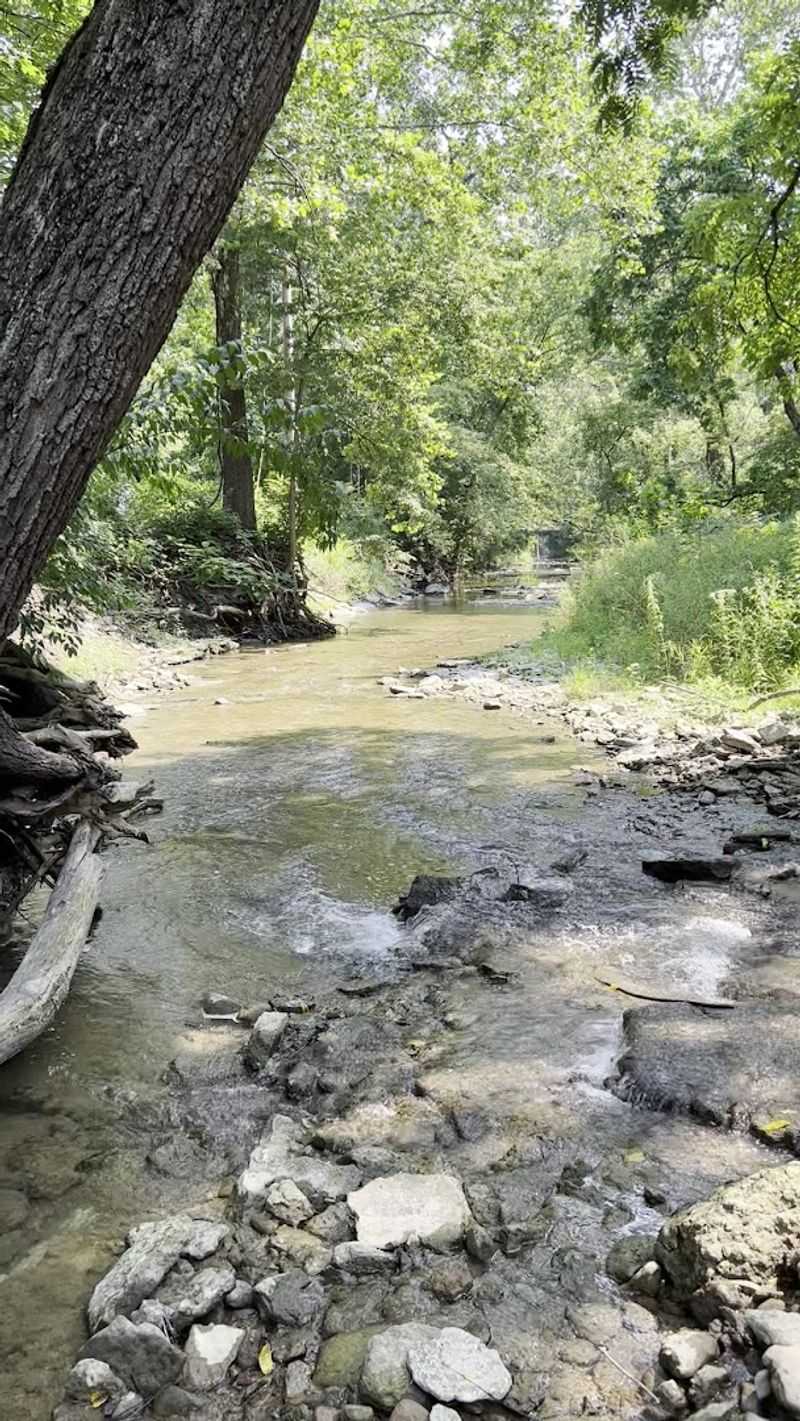
The park features a large sandbox-style structure filled with locally sourced rock chunks that contain fossils, making it accessible even for young children who are not ready to wade into the creek. The creek bed itself offers another layer of exploration, with fossils scattered across the banks and partially embedded in the streambed.
Most finds are pocket-sized, which makes them perfect conversation pieces to display at home or in a classroom.
The Rule That Makes This Park Truly Unique
Most places where you can find fossils come with a strict rule: look but do not touch, and absolutely do not take anything home. Richmond Fossil Park flips that script entirely.
Everything you find here is yours to keep, no permit required, no fee to pay.
That policy transforms the experience from passive observation into active participation. There is a real difference between reading about a 445-million-year-old brachiopod in a textbook and holding one in your hand, knowing you pulled it from the ground yourself.
The park is free and open to the public, which removes the financial barrier that keeps many families away from educational experiences. A family of four can spend a full afternoon here without spending a single dollar.
For casual collectors, beginners, and curious kids, the ability to legally collect fossils without trespassing or seeking special permission is the single biggest draw this park has over any other fossil site in the region.
The Dramatic Limestone Wall That Stops People in Their Tracks
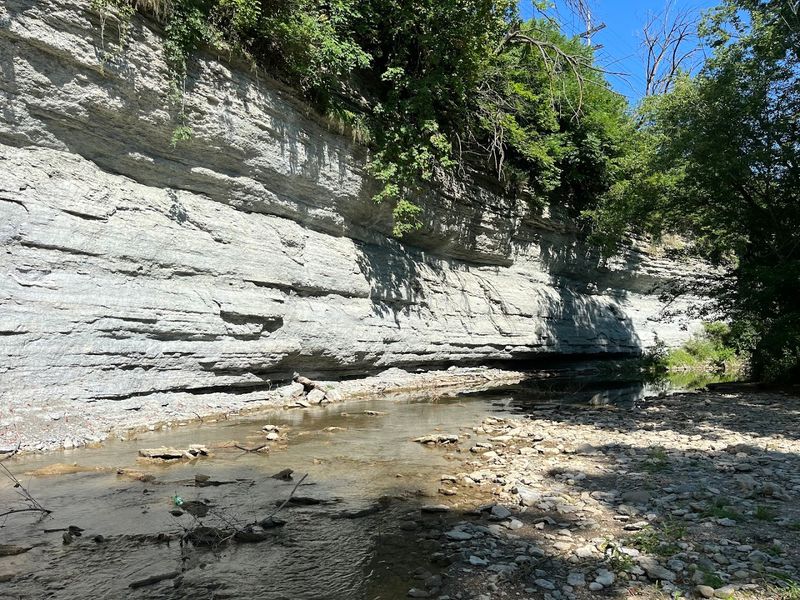
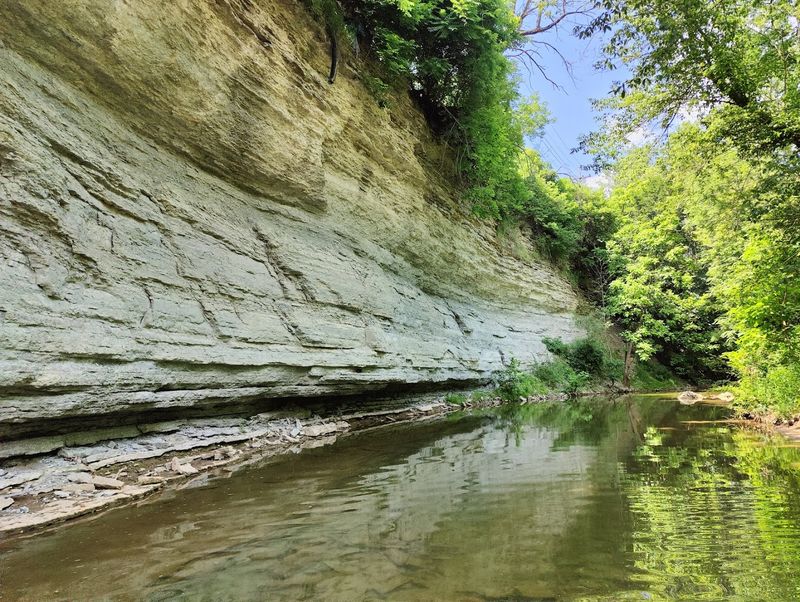
One of the most striking features of the Richmond Fossil Park area is the towering limestone cliff that runs along the gorge. The wall rises roughly 50 feet straight up, its sheer face exposing layer upon layer of ancient rock that reads almost like a timeline of geological history.
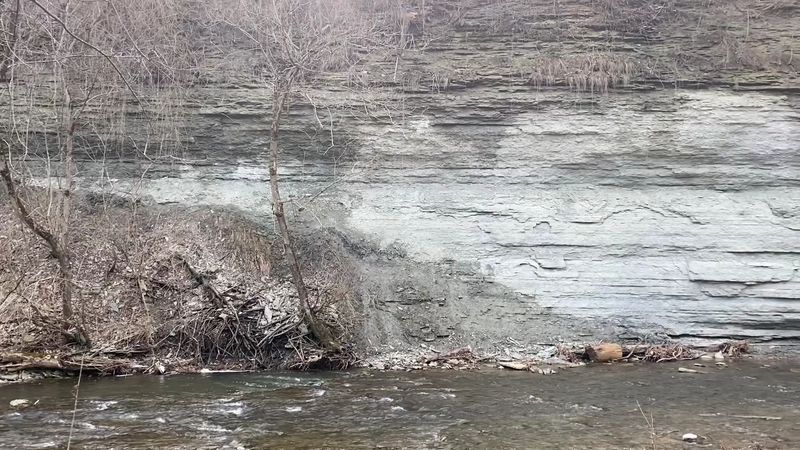
The cliff is a visual reminder of just how deep time actually goes. Each horizontal band in the rock represents a different era of deposition, and fossils are embedded throughout those layers at various heights.
Because of its height and the ongoing process of natural erosion, the cliff does present real safety considerations. Rocks and even small pebbles falling from that height carry enough force to cause serious injury, so keeping a safe distance from the base of the wall is strongly recommended.
Despite the caution required, the wall itself is a genuinely arresting geological feature that gives the park a dramatic backdrop unlike anything else in the immediate area of Richmond.
How to Prepare for Your First Visit
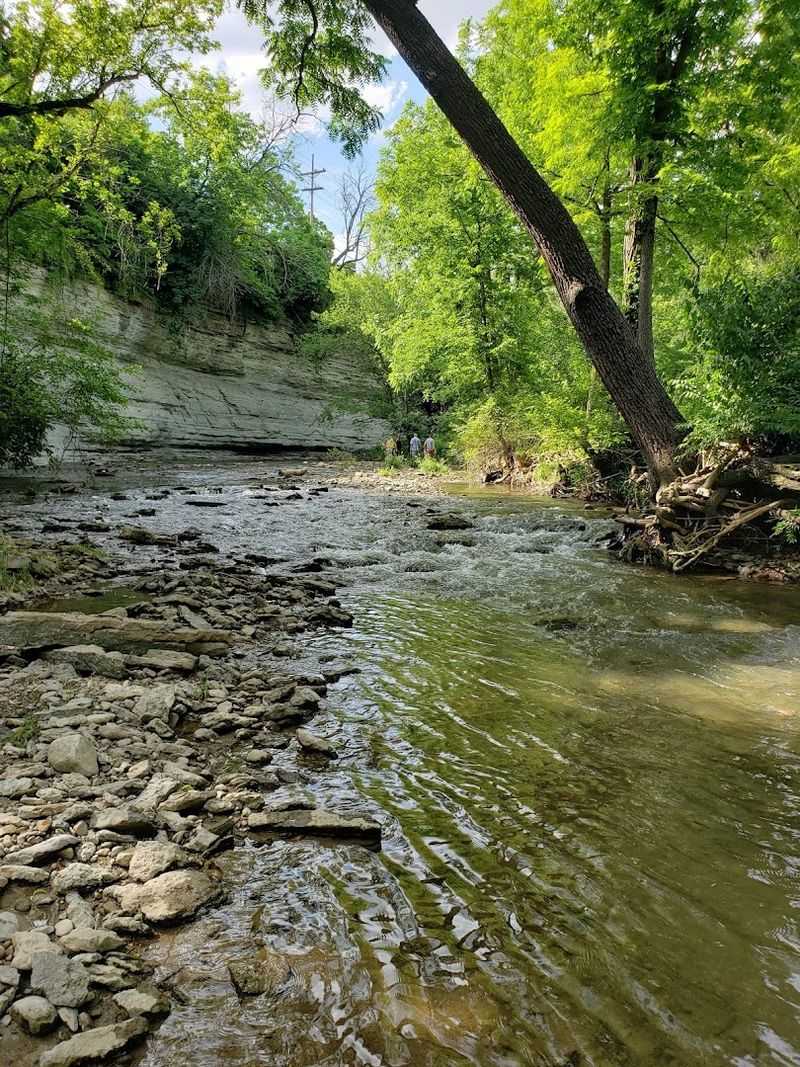
Preparation makes a significant difference at Richmond Fossil Park. The terrain involves uneven ground, grassy areas that can hide ankle-rolling hazards, and a creek that requires wading to fully explore.
Water shoes or boots are strongly recommended, and bringing a spare pair of dry shoes for the drive home is a practical idea.
A small shovel or garden trowel helps when digging through the rock pile, and a bucket or bag is useful for collecting finds. Gloves keep hands protected when handling rough limestone chunks.
There are no restrooms at the park, so planning accordingly before arrival saves a lot of inconvenience. Bringing water is essential, especially during warmer months when the sun hits the open gorge directly.
Bug spray is worth packing if visiting in spring or early summer, as the creek environment tends to attract insects. Wearing clothes that can get dirty and wet removes the hesitation that sometimes holds people back from fully exploring the creek bed.
The Best Time of Year to Visit
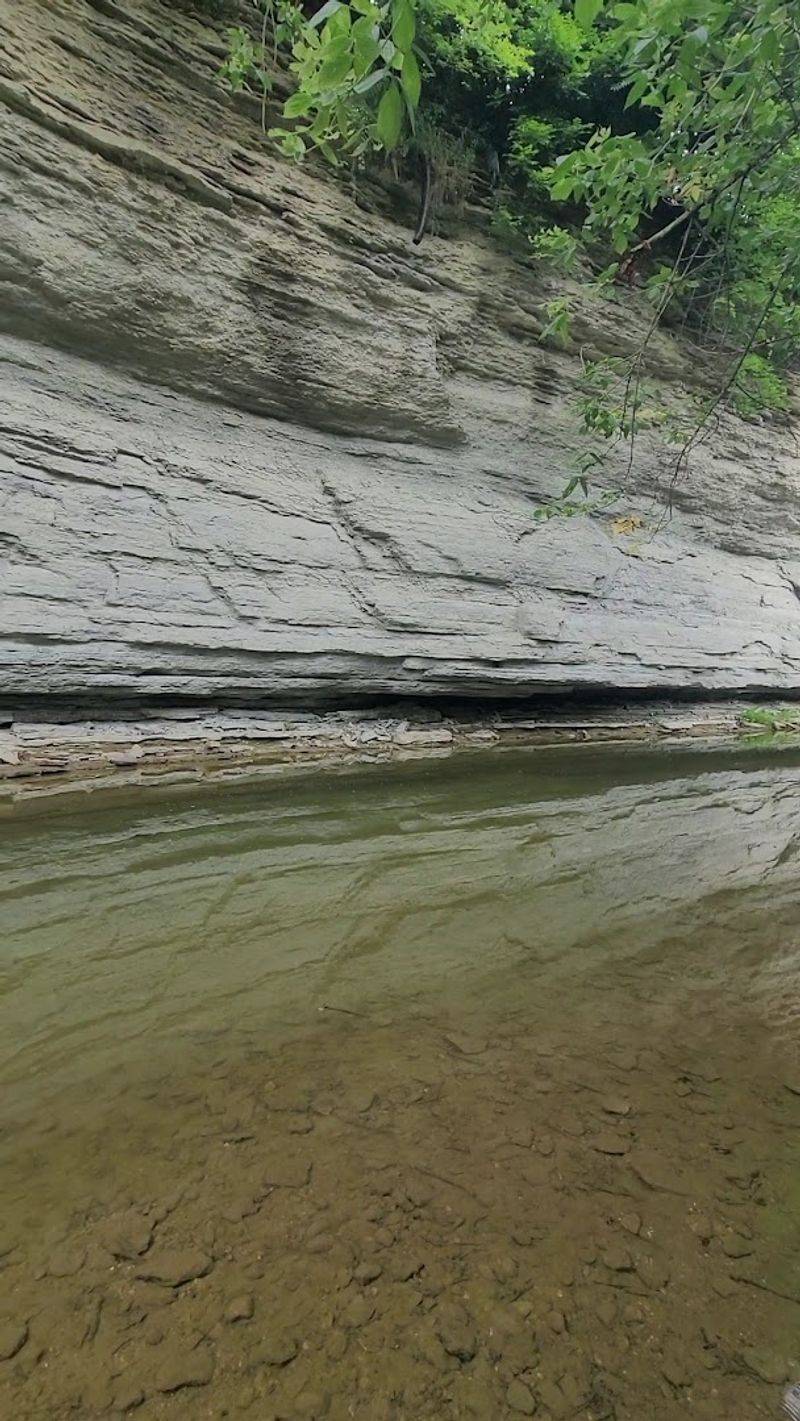
Richmond Fossil Park is open year-round, but the experience varies considerably depending on the season. Summer is the most popular time to visit, and for good reason.
The creek water is warm enough for wading, the days are long, and kids are out of school with time to spare for adventure.
Spring visits can be rewarding because water levels in the creek shift the rock and expose fresh fossil surfaces, but the ground tends to be muddy and insects are active. Packing bug spray and waterproof footwear matters even more in May and June.
Fall offers cooler temperatures and fewer bugs, making it a comfortable option for adults and older kids who are serious about fossil hunting rather than creek splashing. The lower tourist traffic in autumn also means the rock pile tends to be less picked over.
Winter visits are possible given the park’s open hours, but the creek conditions make wading impractical, and the fossil hunting experience is significantly reduced without access to the streambed.
Why Kids Respond So Well to This Place
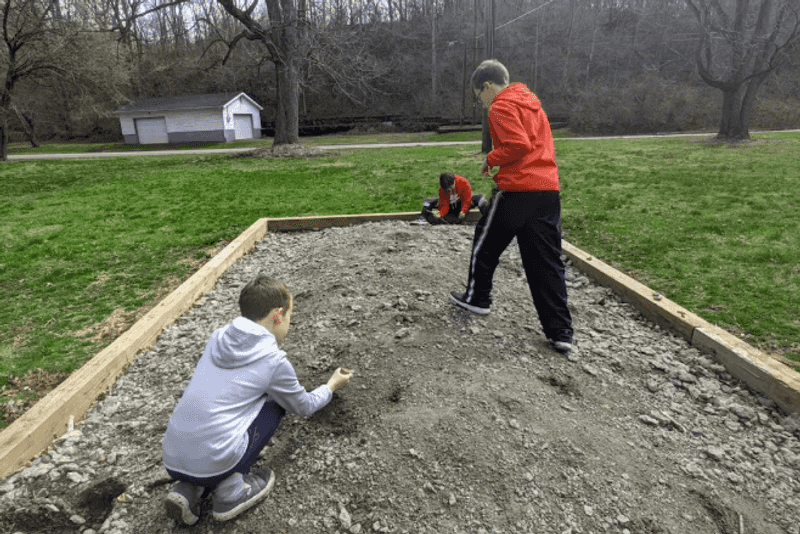
There is something about the act of finding a fossil that connects with children in a way that classroom geology lessons rarely do. At Richmond Fossil Park, kids are not passive observers.
They are the ones doing the digging, the sorting, and the discovering.
The sandbox-style rock pile near the park entrance is especially well-suited to younger children. It requires no wading and no steep terrain, just a willingness to pick up rocks and look closely at what is inside them.
The payoff, spotting the ribbed outline of a brachiopod or the cylindrical shape of a horn coral, arrives quickly enough to hold a child’s attention.
Paleontology and geology are subjects that benefit enormously from hands-on exposure. A child who holds a 445-million-year-old fossil and understands what it is will carry that knowledge differently than one who simply reads about it.
The park offers no formal programming, but the environment itself does the teaching, and that turns out to be more than enough.
The Honest Limitations Worth Knowing About
Richmond Fossil Park is a genuinely rewarding place to visit, but it works best for people who arrive with accurate expectations. The park is small.
There is no formal infrastructure beyond a few informational boards, the rock pile structure, and the natural creek and gorge access.
Parking is limited to roughly three or four vehicles, which can create friction on busy weekend days. There are no restrooms, no picnic tables, no playground equipment, and no dedicated garbage receptacles on site.
Visitors who come expecting a developed recreational park will find the reality more rugged than anticipated.
The informational signage provides some geological context, but it is limited in scope. Those who want deeper background on the fossils they are finding will benefit from doing a bit of reading before arriving.
None of these limitations undercut the core experience of finding real, ancient fossils and taking them home. They simply mean that the park rewards visitors who come prepared and curious rather than those expecting polished amenities.
Safety Considerations No One Should Skip
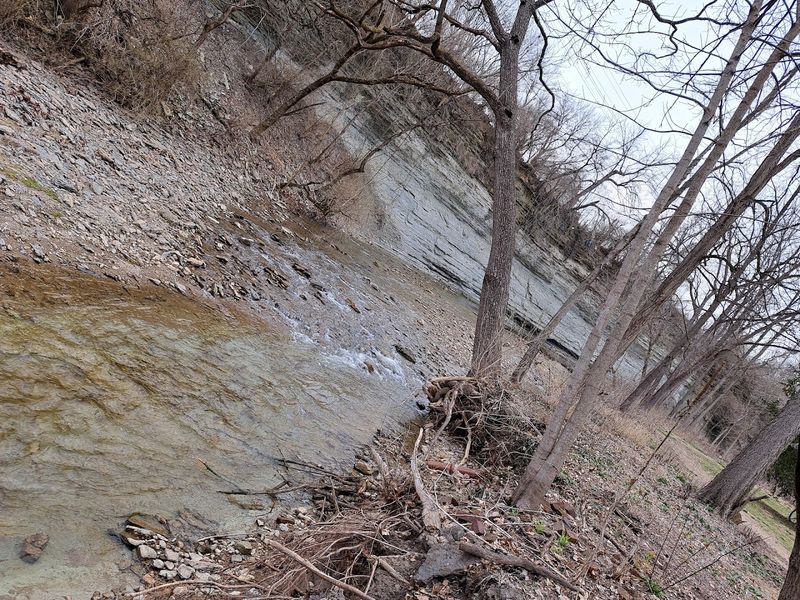
The natural setting that makes Richmond Fossil Park so appealing also comes with real physical risks that deserve straightforward attention. The cliff face along the gorge is subject to active erosion, meaning rocks can and do fall from the upper ledges without warning.
Staying away from the base of the cliff wall is not optional caution; it is basic common sense.
The terrain between the parking area and the creek involves uneven ground, and the grass can conceal dips and hollows that cause ankle injuries. Walking carefully and wearing supportive footwear significantly reduces that risk.
The creek itself requires wading in places, and the rocks underfoot can be slippery. Going with at least one other person is strongly advisable, both for safety and for practical help if someone loses footing.
The park is not well-suited for unsupervised children. Adult presence and attention throughout the visit ensures the experience stays enjoyable rather than turning into an emergency.
Awareness of the surroundings matters more here than at a typical developed park.
What Makes Richmond Worth the Drive
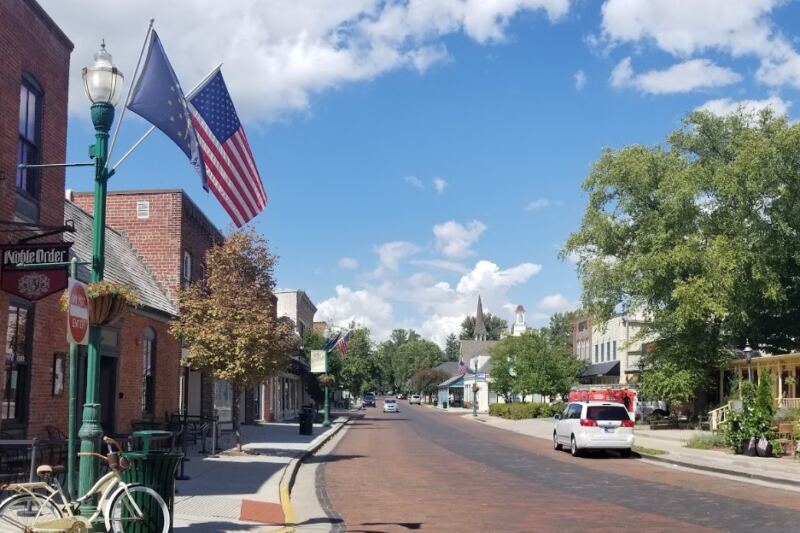
Richmond, Indiana sits in the eastern part of the state near the Ohio border, roughly 70 miles east of Indianapolis. It is not a city that typically tops travel lists, but it holds a surprising concentration of natural and historical interest for a place of its size.
The fossil park is one piece of a broader picture that includes the Whitewater Gorge, Centennial Park, and the old train trestle that crosses the gorge nearby. Together, these spots create a self-guided outdoor itinerary that takes the better part of a day to complete properly.
Richmond also sits within reasonable driving distance for visitors coming from Ohio, making it a viable day trip from cities like Dayton or Cincinnati. The fossil park alone might not justify a long drive, but combined with the other natural attractions in the area, the case for a full day visit becomes much stronger.
A place where you can hold something 445 million years old and walk away with it in your pocket is rare enough to earn a spot on any curious traveler’s map.
Where This Hidden Gem Actually Sits
Richmond Fossil Park sits at 30 Bridge Ave, Richmond, Indiana 47374, tucked into a residential neighborhood that most people drive through without a second glance. The park is easy to miss, and that is part of what makes finding it feel like a reward in itself.
The area around the park is modest and unassuming. There is limited parking, with space for only about three or four cars at a time, so arriving early on busy days is a smart move.
The park is open every day of the week from 6 AM to 11 PM, giving visitors a wide window of time to explore. It sits near the Whitewater Gorge and is not far from Centennial Park, making it a natural stop on a broader day trip through the Richmond area.
The surrounding neighborhood gives no hint of what lies just a short walk away: a dramatic limestone wall and a creek bed full of ancient fossils waiting to be found.
Share this story