Most people drive through northwestern Indiana without stopping, assuming there is nothing worth pulling over for. That assumption is wrong.
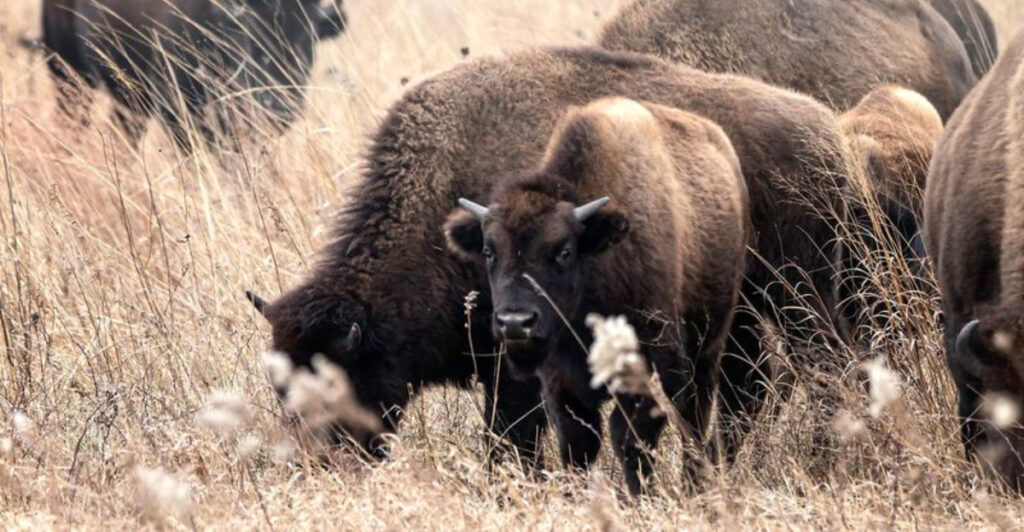
Tucked away near the small town of Morocco, Indiana, there is a sprawling 1,000-acre restored prairie where a real herd of American bison roams freely across open grassland. This is not a zoo, not a theme park, and not a roadside gimmick.
This preserve has quietly become one of the most unexpected wildlife destinations in the entire Midwest. The bison herd can number in the dozens, sometimes spotted grazing just feet from the viewing platform.
Whether a person stumbles upon it by accident or makes a dedicated trip, the experience tends to leave a strong impression. Keep reading to find out everything worth knowing before making the drive to this one-of-a-kind Indiana prairie.
The Story Behind the Bison Herd
Before European settlement, tens of millions of bison roamed across North America, and the tallgrass prairies of the Midwest were central to that story. By the late 1800s, the population had collapsed to near extinction due to overhunting and habitat loss.
The Nature Conservancy began restoring Kankakee Sands in the 1990s, working to bring back the native prairie ecosystem that once dominated this part of Indiana. Reintroducing bison was a key part of that effort, since the animals play a critical ecological role in maintaining grassland health through grazing patterns that no machine can replicate.
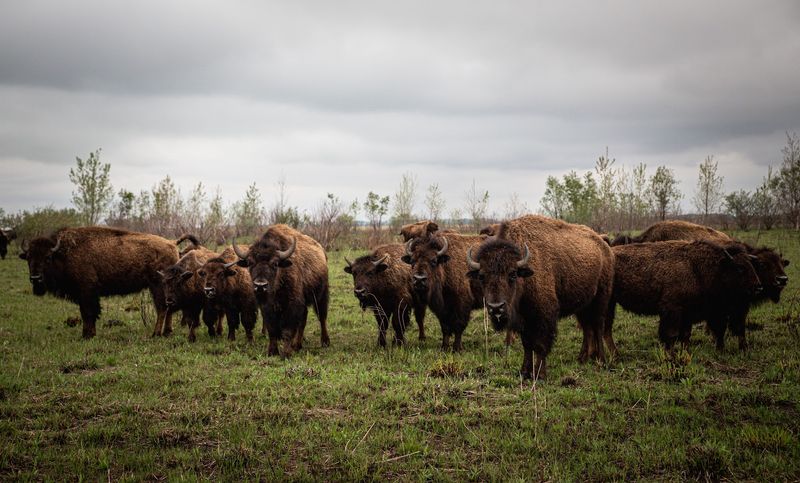
Today, the herd at Kankakee Sands typically numbers around 60 to 90 animals, depending on the season. Their presence is not just a tourist attraction but an active conservation tool.
Every time the herd moves across the land, they are helping rebuild the prairie that existed here long before Indiana was a state.
What the Viewing Platform Offers
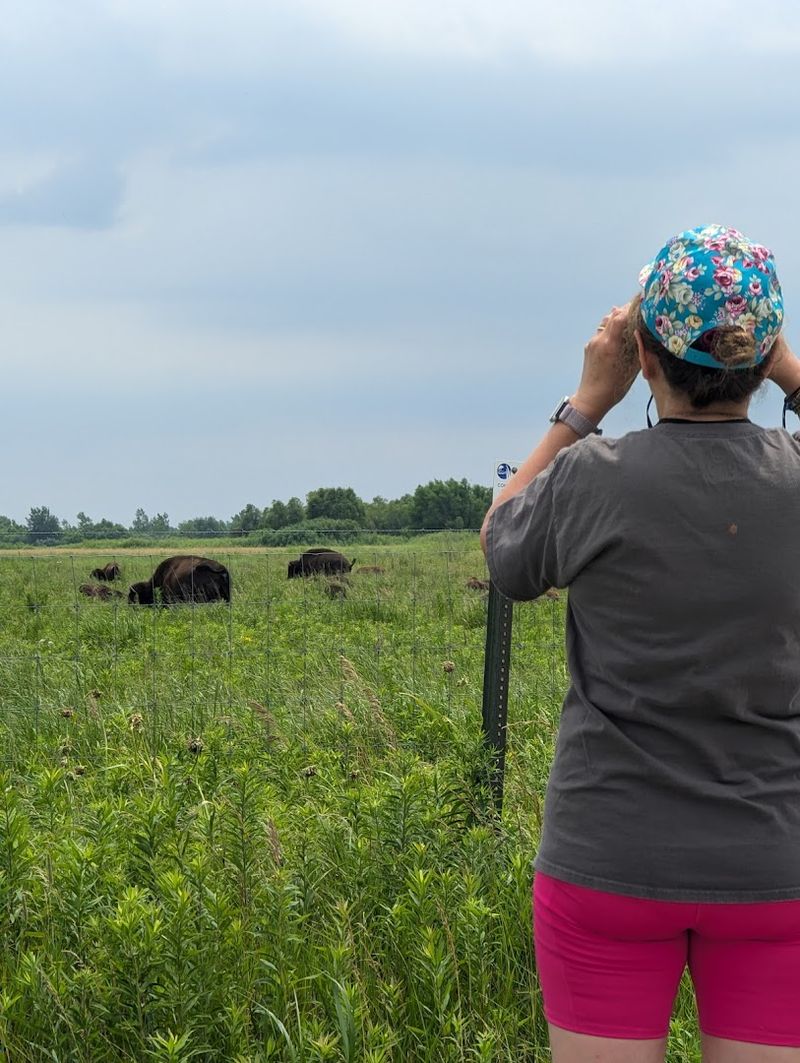
The viewing platform at Kankakee Sands received a significant upgrade in recent years, and the difference is noticeable. There is now a proper raised observation deck that gives visitors an elevated sightline over the prairie, making it much easier to spot the herd even when the bison are grazing at a distance.
Mounted binoculars are available right on the platform, which is a thoughtful touch for anyone who did not bring their own optics. A large picnic table area with benches sits nearby, making it a comfortable spot to settle in and spend time watching the landscape.
Clean restroom facilities are also on-site, which is a genuine convenience given the rural location. Photographers are advised to bring telephoto lenses, since the prairie is vast and the bison can sometimes be quite far from the platform.
The new facilities make the whole experience feel organized and genuinely welcoming for all kinds of visitors.
How Big Is 1,000 Acres, Really
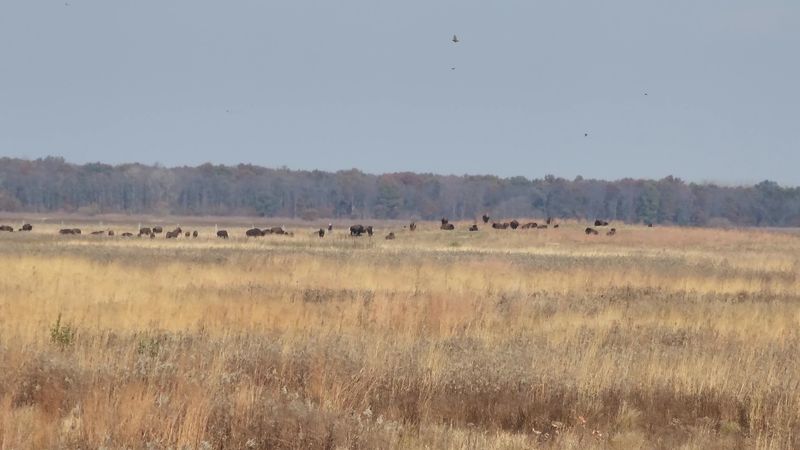
A thousand acres is a number that sounds large but can be hard to visualize. To put it in perspective, that is roughly 1.5 square miles of open grassland, enough space for a herd of bison to roam, graze, and behave much as their ancestors did centuries ago.
The sheer scale of the preserve is one reason why sighting the bison is not always guaranteed from a single fixed point. The animals move freely across the land, and on any given day they might be clustered near the viewing platform or spread out far across the pasture.
One practical tip that works well is driving slowly along the southern border of the property, where a watering hole tends to draw the herd on warm days. The vastness of the land is actually part of the appeal, since it reinforces just how wild and unmanaged this place genuinely feels compared to a typical wildlife exhibit.
Walking the Trails at Kankakee Sands
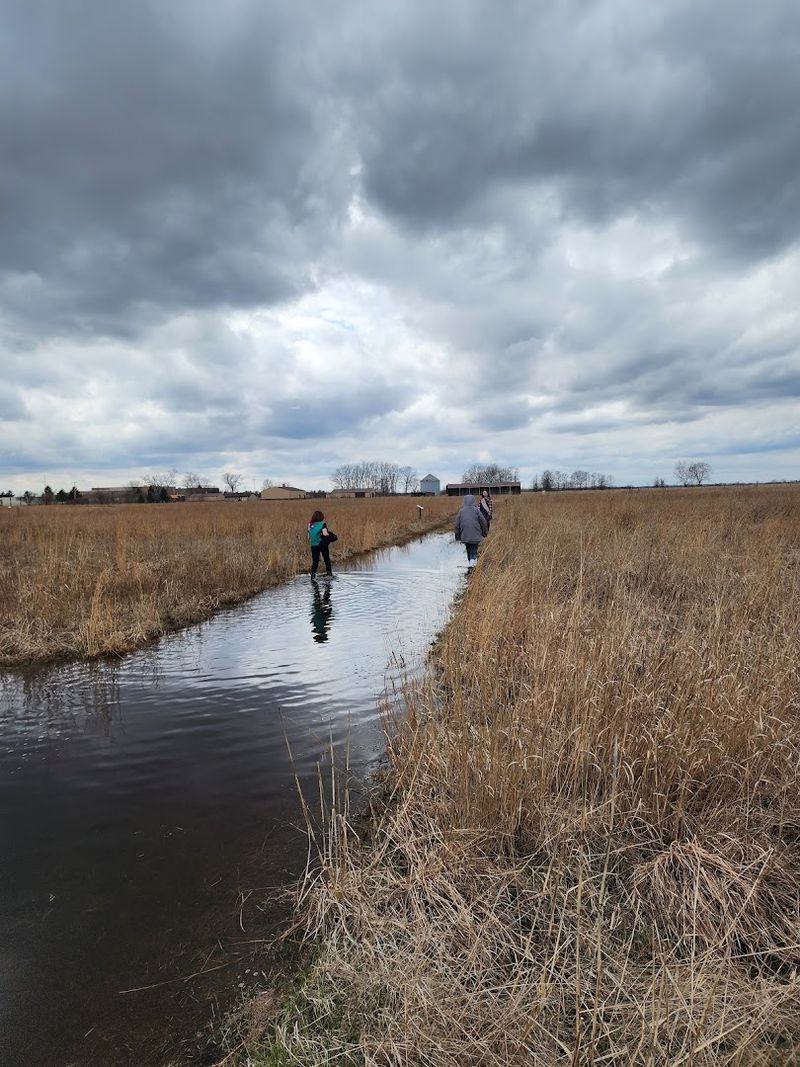
There are walking trails at the bison viewing area, and they add a completely different dimension to the visit beyond just watching from the platform. The trails are relatively short, with the main loop covering about a mile, but that mile can feel genuinely rugged depending on the conditions underfoot.
Mud, wind, and uneven terrain are all real factors to consider, especially in early spring or late fall. Trail closures sometimes happen when the bison herd is actively moving through a particular section of the preserve, which is a reasonable safety measure but worth checking on before planning a long hike.
Information boards are posted throughout the site, covering topics like prairie ecology, bison behavior, and native plant species. Reading through them before heading out on a trail is a solid way to make the walk feel more purposeful.
The trails are self-guided, which gives visitors the freedom to move at their own pace.
The Best Time of Year to Visit
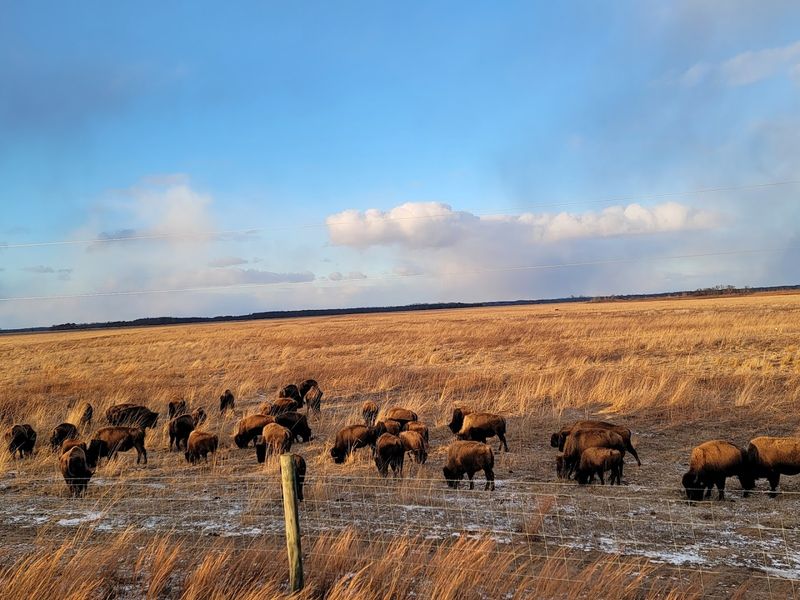
Kankakee Sands is open Monday through Friday from 9 AM to 5 PM, and it is closed on weekends. That schedule is worth double-checking before making the drive, since showing up on a Saturday means the main facilities will not be accessible.
Winter visits have produced some of the most memorable bison encounters reported from this location. The herd tends to be more visible against the open, dormant prairie during colder months, and there are far fewer people around, which creates a quieter, more personal experience.
Spring and summer bring wildflowers and active bird life, adding extra layers of interest for nature enthusiasts beyond the bison. Migratory birds and native prairie plants come into their own during warmer months, turning the preserve into a multi-species destination.
No matter the season, bringing binoculars is always a smart move, and packing water and a snack is a practical necessity given the remote location.
It Is Completely Free to Visit
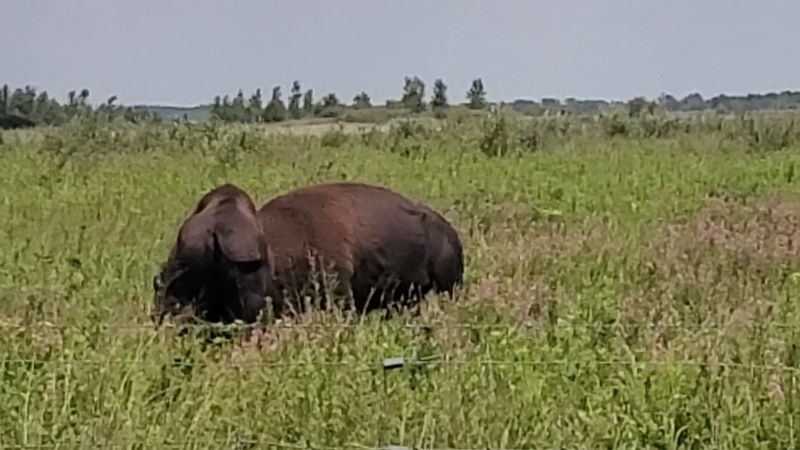
There is no admission fee to visit the bison viewing area at Kankakee Sands. That fact alone sets it apart from most wildlife experiences of comparable quality, where entrance fees, parking charges, or guided tour costs can add up quickly.
The recently upgraded facilities, including the observation platform, mounted binoculars, picnic areas, and clean restrooms, are all available at no cost. The Nature Conservancy maintains the site as part of its broader conservation mission, which means the public benefits directly from that investment without paying at the gate.
For families, solo travelers, or anyone looking for a meaningful outdoor experience without a big budget, this is a genuinely rare find. The accessibility upgrades also mean the site is more welcoming to people with mobility considerations than it used to be.
Free does not mean low quality here; it means a well-maintained, thoughtfully designed nature destination that happens to cost nothing to experience.
Prairie Plants and Native Wildflowers
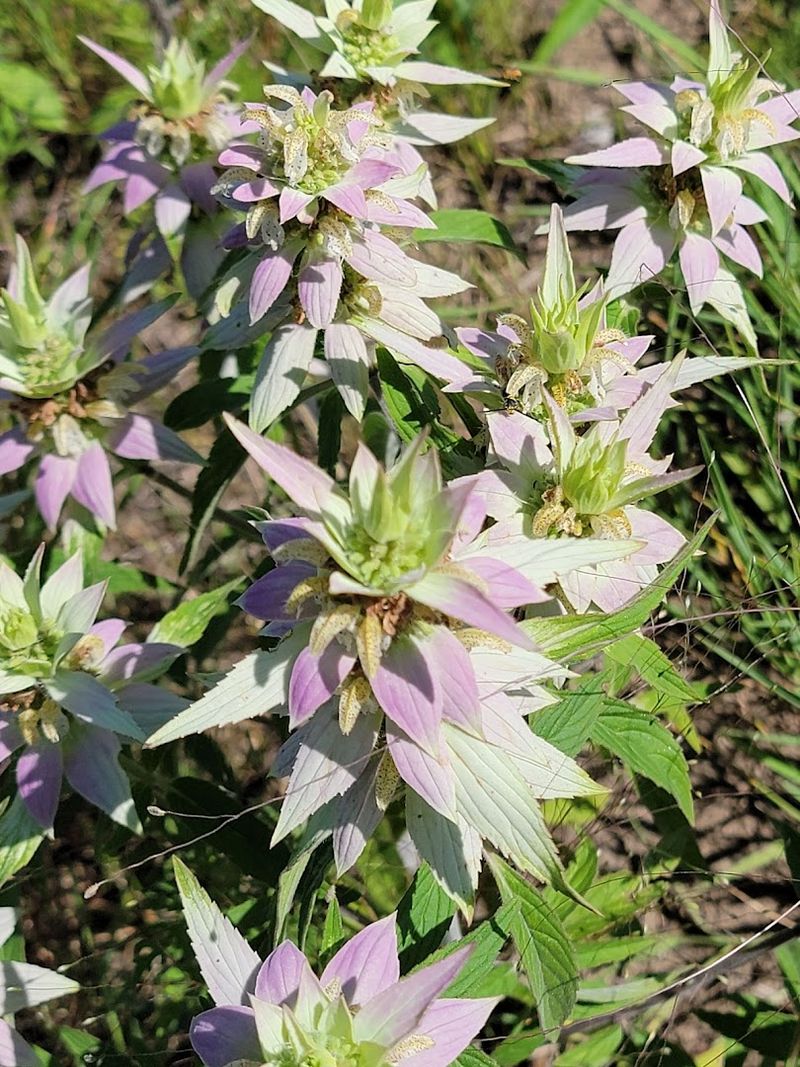
The bison are the headline attraction, but the plant life at Kankakee Sands deserves its own recognition. The preserve is a restored tallgrass prairie, which means the grasses and wildflowers growing here are native species that were carefully reintroduced as part of the restoration effort.
Milkweed is one of the notable plants on the property, and the Milkweed Trail is a designated walking route that highlights its importance as habitat for monarch butterflies and other pollinators. The Nature Conservancy even runs a greenhouse on-site where volunteers can participate in planting prairie species, which is an active, hands-on way to contribute to the restoration work.
In spring and summer, the blooming wildflowers add real visual interest to the landscape. Species like purple coneflower, black-eyed Susan, and various native grasses fill out the prairie in ways that make the whole property feel alive and dynamic.
The plant diversity is part of what makes the ecosystem function as a whole.
Birds and Wildlife Beyond the Bison
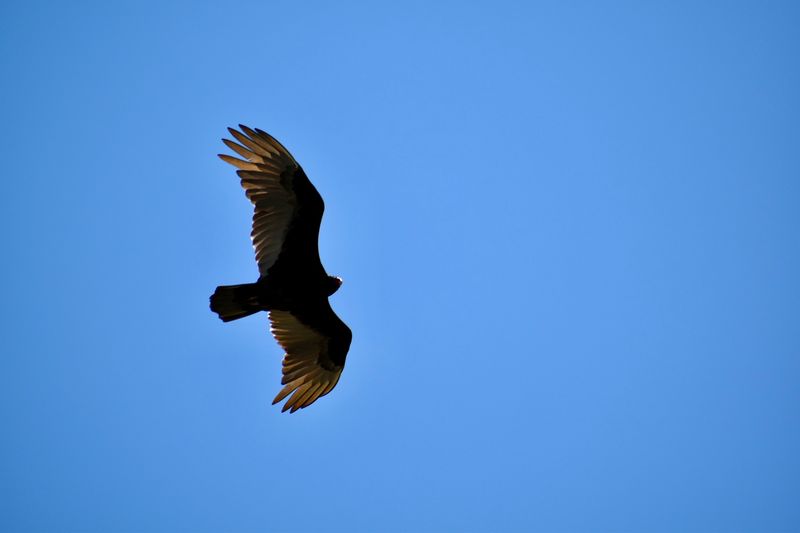
Some visitors arrive specifically for the bison and leave surprised by how much other wildlife they encountered along the way. The restored prairie at Kankakee Sands supports a wide range of bird species, and birdwatchers have reported strong sightings throughout the year.
Owls have been spotted in the area, along with various raptors and migratory songbirds that use the prairie as a stopover or nesting ground. On days when the bison are grazing far from the platform, the bird activity can easily fill the gap and keep a patient observer occupied for hours.
The bones and remnants of animals found along the trails are also a reminder that this is a working natural ecosystem, not a curated exhibit. Bison fur, animal bones, and other natural evidence of the food web can occasionally be spotted along the mile-long trail.
It is the kind of raw, unfiltered nature experience that is increasingly hard to find close to home.
Tips for Spotting the Herd
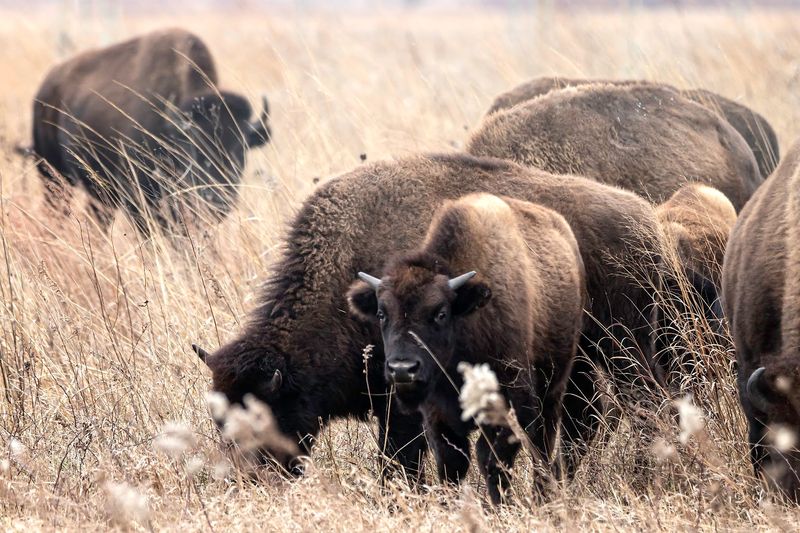
Bison sightings at Kankakee Sands are not guaranteed, and that is part of what makes a successful visit feel rewarding. The herd moves freely across a large area, so having a strategy improves the odds considerably.
Driving slowly along the perimeter roads rather than staying fixed at the main viewing platform is one of the most effective approaches. The southern border near the watering hole is a particularly productive spot on hot days, since the animals tend to gather there for hydration.
Early morning visits during weekdays, when the preserve is open, tend to offer calmer conditions with fewer people around.
Bringing a pair of binoculars is strongly recommended, and a camera with a long zoom lens will produce far better photos than a smartphone at distance. Patience is probably the most important tool of all.
The herd can shift position quickly, and visitors who spend extra time on-site consistently report better encounters than those who stop for just a few minutes.
A Prairie Restoration Two Decades in the Making
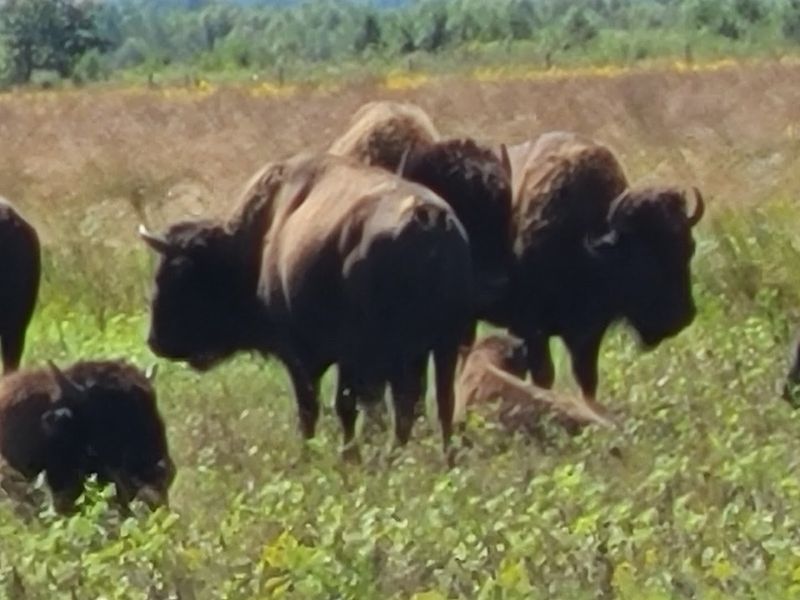
The landscape at Kankakee Sands did not look like this a few decades ago. Much of northwestern Indiana was converted to farmland over the course of the 19th and 20th centuries, and the native prairie that once stretched across the region was largely eliminated in that process.
The Nature Conservancy began acquiring land in this area in the 1990s and has spent years removing invasive species, reseeding with native plants, and managing the land to encourage prairie recovery. The bison herd was introduced as a living restoration tool, since their grazing behavior naturally promotes the kind of plant diversity that other methods struggle to replicate.
The result is a landscape that now functions much closer to a genuine prairie ecosystem than anything else in Indiana. It is a long-term project that requires ongoing management, and the public access component means that people can witness that recovery process directly.
Watching the land and its animals together tells the whole story.
Getting There and Navigating the Site
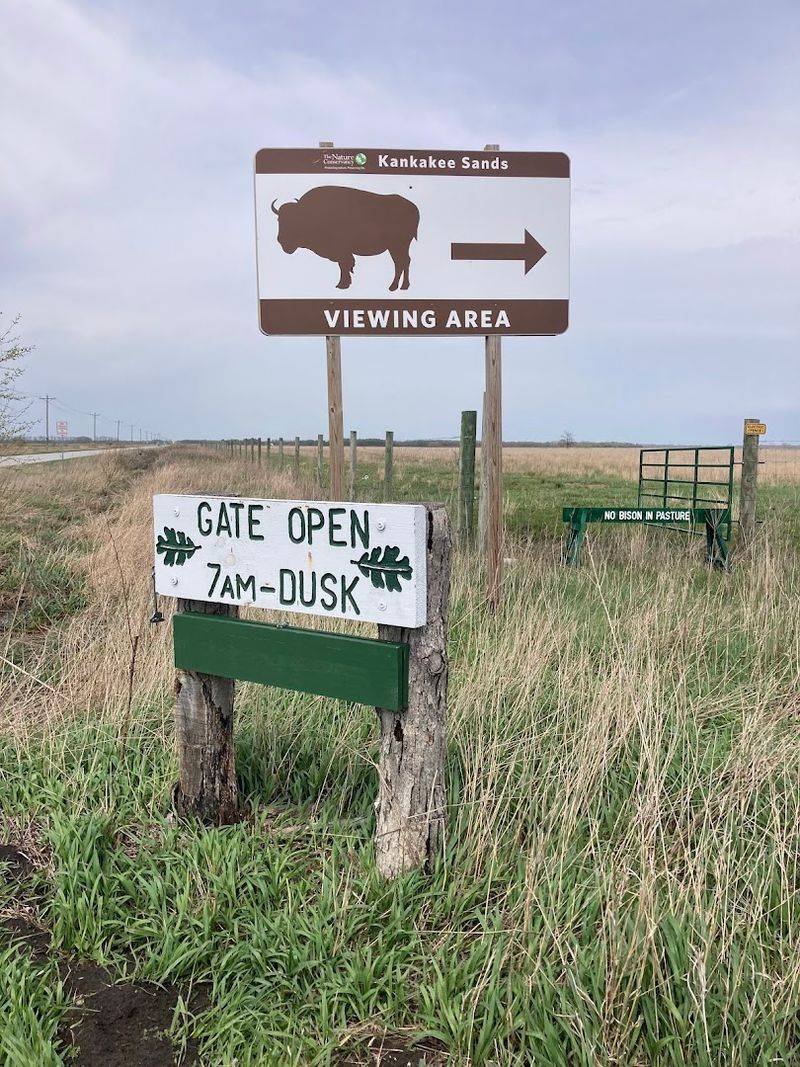
Navigation to the bison viewing area requires a bit of attention, since GPS does not always direct drivers to the most useful entrance point. The main Nature Conservancy office building is one location in the area, but the bison viewing platform is reached by heading north and following the posted signage specifically for the viewing area.
The roads leading into the site are narrow and mostly gravel, so driving slowly and carefully is the right approach. A small parking lot near the viewing platform provides space for a modest number of vehicles, and the layout is straightforward once a visitor arrives at the right spot.
Stopping at the Nature Conservancy office first, if it is open, is a recommended first step. Staff there can provide current information about where the herd has been spotted recently and whether any trails are temporarily closed.
That five-minute stop can save a lot of wandering and significantly improve the overall visit.
Why This Place Matters for Indiana Conservation
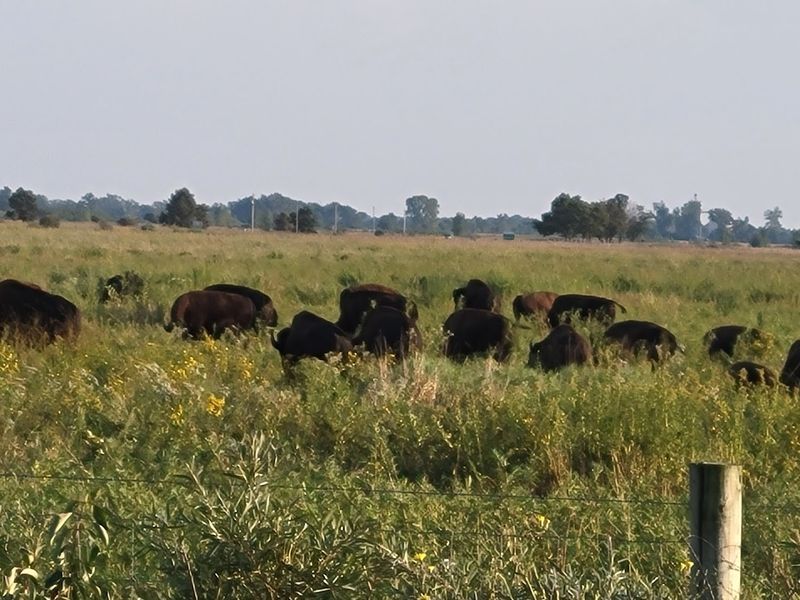
Kankakee Sands is one of the largest tallgrass prairie restorations in Indiana, and its significance goes well beyond the bison. The preserve protects native plant communities, provides habitat for pollinators and migratory birds, and serves as a living example of what the Midwest looked like before widespread agricultural conversion.
The work happening here contributes to a broader network of prairie conservation efforts across the Great Plains and Midwest, connecting local restoration to national ecological goals. The Nature Conservancy uses Kankakee Sands as both a conservation site and an educational resource, hosting volunteer planting days and offering interpretive materials for the public.
For Indiana specifically, having a functioning bison herd on native prairie is historically significant in a state where such landscapes were almost entirely erased. The fact that residents and travelers can visit for free and witness this recovery firsthand makes the conservation work tangible and accessible in a way that a report or documentary simply cannot match.
Why the Drive to Morocco Is Worth It
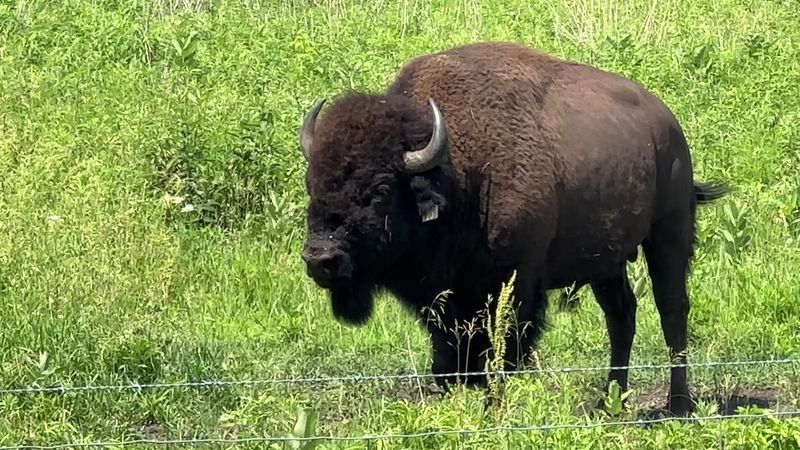
Morocco, Indiana is not a destination most travelers put on their list unprompted, and that is precisely what makes it worth visiting. The town is small, the roads are quiet, and the landscape is flat in a way that feels genuinely open rather than boring.
The bison viewing area at Kankakee Sands has a way of exceeding expectations, partly because those expectations tend to start low. People who stop out of curiosity, having spotted it on a map while passing through, often end up staying much longer than planned.
The combination of free admission, real wildlife, restored prairie, and knowledgeable volunteers creates an experience that feels both educational and surprisingly moving.
There are not many places in the Midwest where a person can stand at a viewing platform and watch a herd of bison cross an open prairie without traveling to the Great Plains. Morocco, Indiana turns out to be one of them, and that is a genuinely remarkable thing.
Where to Find This Hidden Prairie
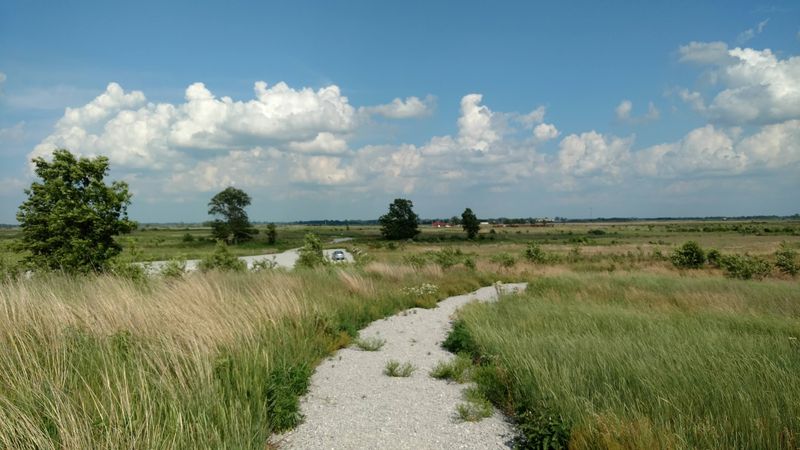
Not every remarkable place announces itself with fanfare, and Kankakee Sands is proof of that. The bison viewing area is located at S 400 W, Morocco, IN 47963, in Newton County in the far northwestern corner of Indiana.
Morocco is a small, quiet town, and the preserve sits along a rural gravel road that can feel easy to miss if a visitor is not paying attention. Following the signage for the bison viewing area rather than relying solely on GPS navigation tends to produce better results, since the road leads north toward the dedicated viewing facilities.
The surrounding landscape is flat and wide open, which is exactly what makes the prairie restoration so striking. There are no towering hills or dramatic cliffs here, just a broad, honest stretch of grassland that stretches toward the horizon.
The simplicity of the setting is a big part of what makes arriving here feel like a genuine discovery.
Share this story