There is a small town on the North Shore of Lake Superior where the water stretches so far you start to wonder if it ends at all. The harbor sits calm and glassy most mornings, framed by birch trees and rocky shoreline, and the whole place feels like it belongs on the cover of a travel magazine nobody has discovered yet.
With a population of just over 1,300 people, this little city punches way above its weight when it comes to scenery, outdoor adventure, and local charm. From the moment you arrive, you get the sense that something genuinely special is happening here, and once you read on, you will understand exactly why so many people make the long drive up the shore just to see it for themselves.
A Harbor Town Like No Other
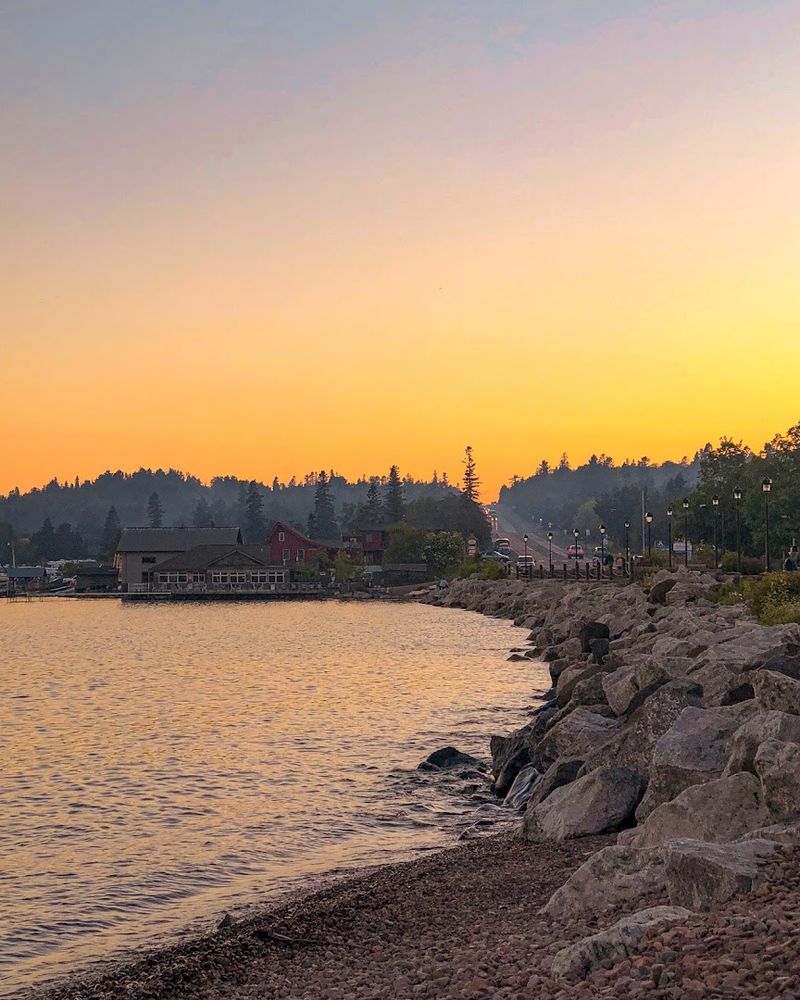
Grand Marais sits on the North Shore of Lake Superior in West Cook, MN 55604, and it carries itself with a quiet confidence that is hard to explain until you actually stand at the water’s edge.
The harbor here is one of the most photographed spots in all of Minnesota, and for good reason. A natural bay curls around the town like a protective arm, creating calm water that reflects the sky in shades of blue and silver depending on the time of day.
The surrounding landscape features rocky bluffs, boreal forest, and the kind of big-sky horizon that makes you forget your phone exists. Grand Marais is the county seat of Cook County and the only municipality in the county, which means it carries the full personality of this remote, rugged region all by itself.
The View That Stops You Cold
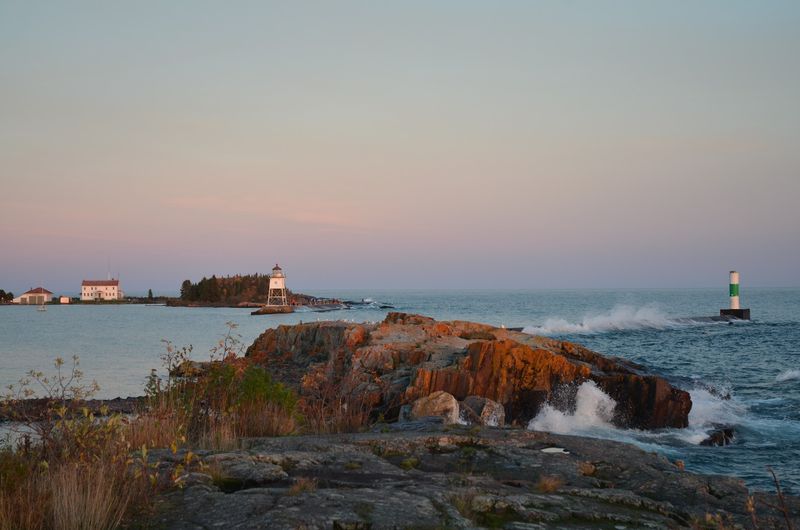
Few views in the Midwest compare to what you see when you stand at the Grand Marais harbor lookout and take in the full stretch of Lake Superior spreading out before you.
The lake is so vast that it behaves more like an ocean than anything you might call a lake. On a clear day, the horizon disappears into a thin blue line, and the water changes color as clouds pass overhead, shifting from deep navy to turquoise to a kind of molten silver at sunset.
What makes this view particularly striking is the contrast between the wild, untamed shoreline and the cozy little town sitting right beside it. The rocky breakwater, the bobbing boats, and the distant tree-covered hills all frame the scene perfectly.
This is the kind of view that makes people stop mid-sentence and just stare.
The Story Behind the Town
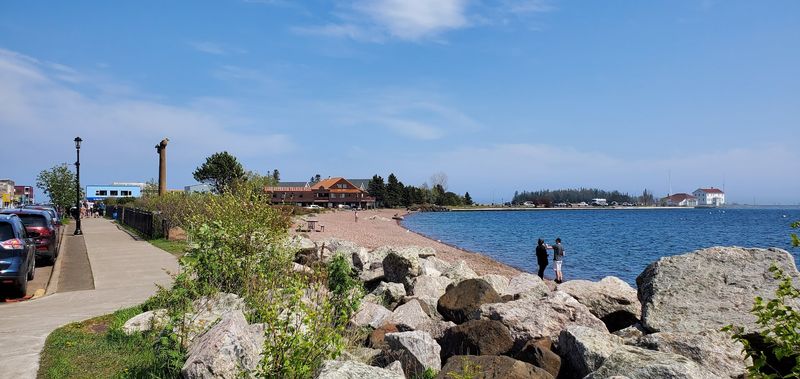
Grand Marais has been a gathering place for a very long time. Long before it became a tourist destination, the area was home to the Ojibwe people, who named the region and used the protected bay as a stopping point during travels along the lake.
French fur traders later arrived and gave the town its name, which translates roughly to “great marsh” or “big harbor” in French, a nod to the sheltered cove that made it such a useful landing spot.
By the late 1800s, the town had grown into a small commercial hub, with fishing, logging, and trading keeping things lively. The commercial fishing industry shaped much of the early character of Grand Marais, and you can still feel echoes of that working-waterfront culture when you walk along the harbor today.
History has a way of staying visible in a town this small.
Where the Wilderness Begins
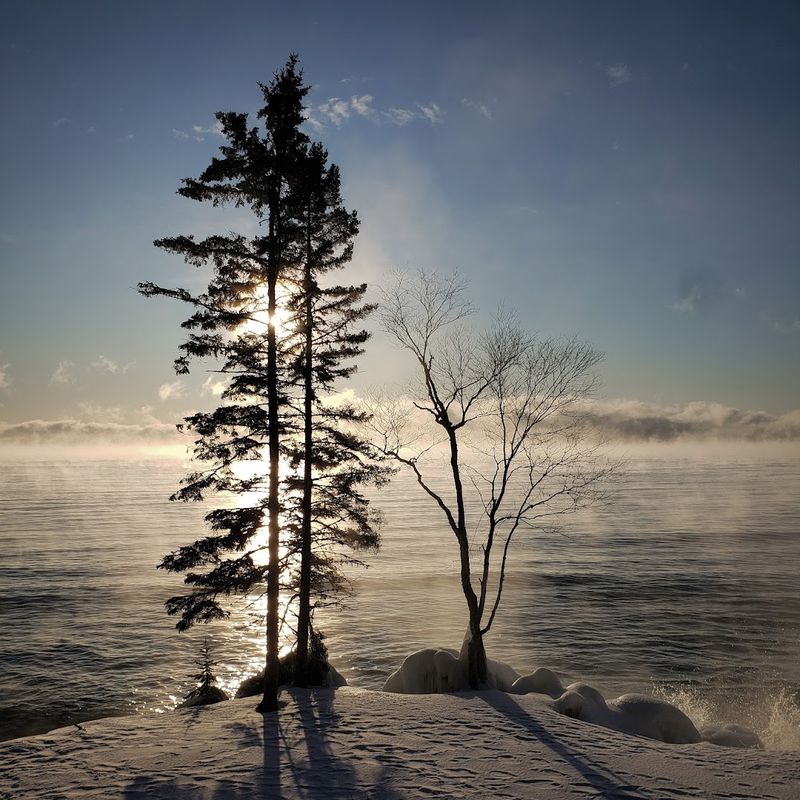
Grand Marais serves as one of the main gateways to the Boundary Waters Canoe Area Wilderness, one of the most visited wilderness areas in the entire United States.
The BWCA covers over one million acres of pristine lakes, rivers, and boreal forest, and many of the entry points are just a short drive from town. Paddlers, campers, and hikers come from across the country to access this remarkable landscape, and Grand Marais is where most of them stock up on supplies, rent canoes, and grab a good meal before heading into the wild.
Even if you have zero interest in camping, just knowing that a million acres of untouched wilderness begins practically at the edge of town gives the place a certain electric feeling. The air smells different here, cleaner and sharper, and that is not your imagination.
It is the forest announcing itself.
The Lighthouse and the Breakwater Walk
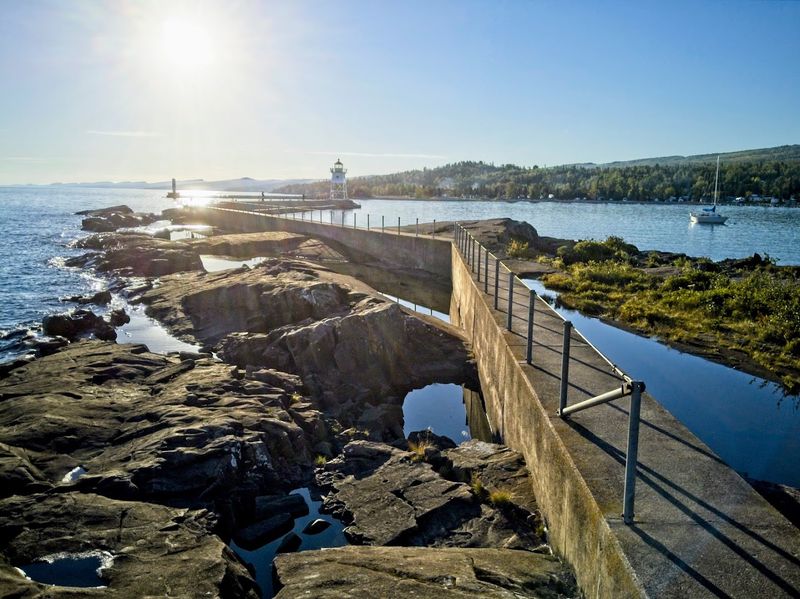
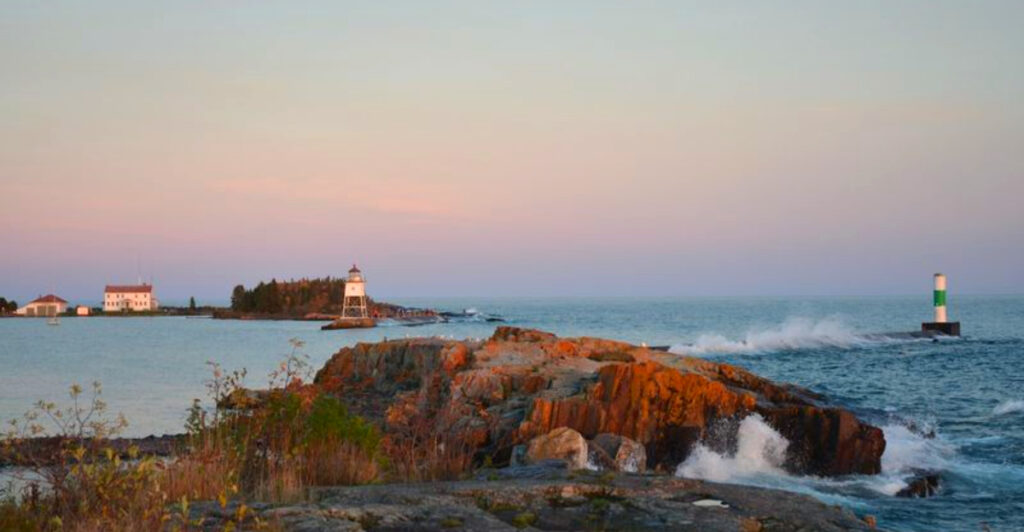
One of the most satisfying short walks in Grand Marais takes you along the breakwater out to the lighthouse at the tip of the harbor point.
The walk itself is only about a quarter mile, but it feels like a journey because the water surrounds you on both sides and the wind picks up the further out you go. The lighthouse is a classic red-roofed structure that has been guiding boats into the harbor for well over a century, and it photographs beautifully at nearly every hour of the day.
Early morning is especially rewarding, when the mist still sits low on the water and the town behind you is just waking up. Sunset walks out here are equally popular, with the sky turning shades of orange and pink that reflect off the lake’s surface.
Bring a jacket no matter what month you visit, because Lake Superior creates its own weather.
Artist Colony Roots and Creative Energy
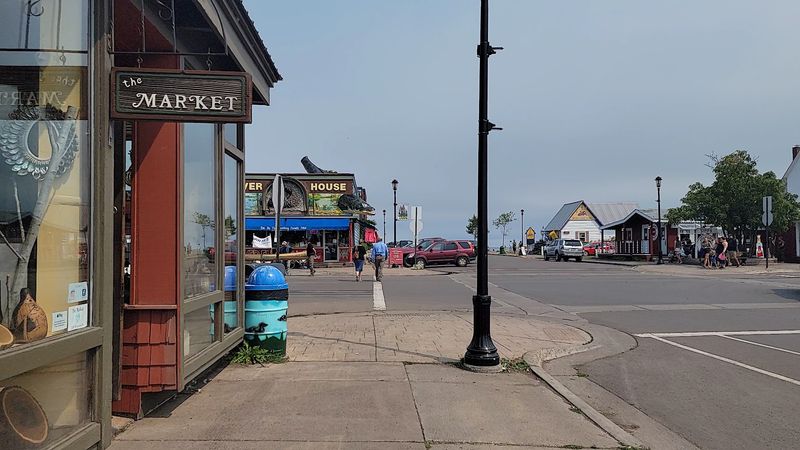
Grand Marais has been drawing artists for over a century, and that creative tradition is woven into everything about the town today.
The Grand Marais Art Colony, founded in 1947, is one of the oldest art schools in the Midwest and continues to offer workshops and classes in painting, printmaking, ceramics, and more. The surrounding landscape practically teaches you to see differently, with its dramatic light, bold colors, and ever-changing moods.
Walking through downtown, you will find galleries tucked between coffee shops and outfitters, showing work by local and regional artists who clearly draw their inspiration directly from what surrounds them. There is a particular quality to the light on Lake Superior that painters have chased for generations, and once you experience it yourself, you will understand why they keep coming back.
Art and nature feel inseparable here in a way that is genuinely refreshing.
The Gunflint Trail Adventure Corridor
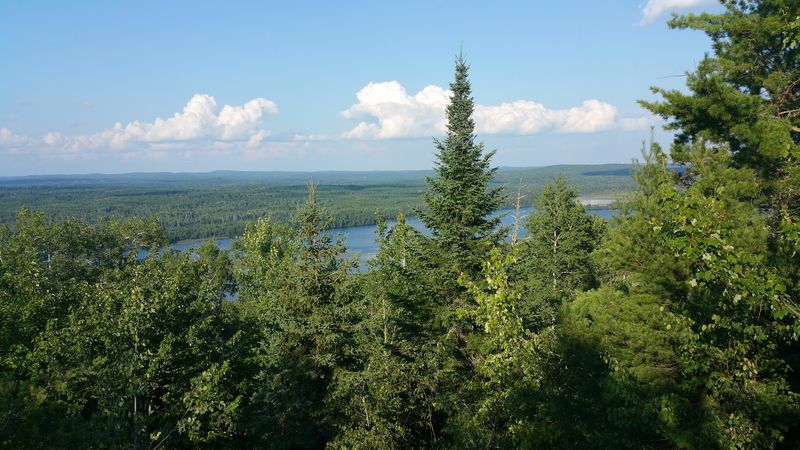
Just north of town, the Gunflint Trail stretches 57 miles into the heart of the Northwoods, connecting Grand Marais to dozens of lakes, resorts, hiking trails, and wilderness entry points.
This road is legendary among outdoor enthusiasts. In summer, it leads to fishing, paddling, and wildlife watching.
In winter, it transforms into a cross-country skiing and snowshoeing corridor that draws visitors from across the Midwest. The boreal forest on either side of the road is dense and ancient-feeling, with towering spruce and birch trees that block out most of the sky.
Moose sightings along the Gunflint are common enough that locals treat them almost casually, though visitors tend to pull over and take approximately 400 photographs every single time. The trail is a living reminder that Grand Marais is not just a pretty harbor town but a serious jumping-off point for genuine backcountry adventure.
Hiking With a View on the Superior Hiking Trail
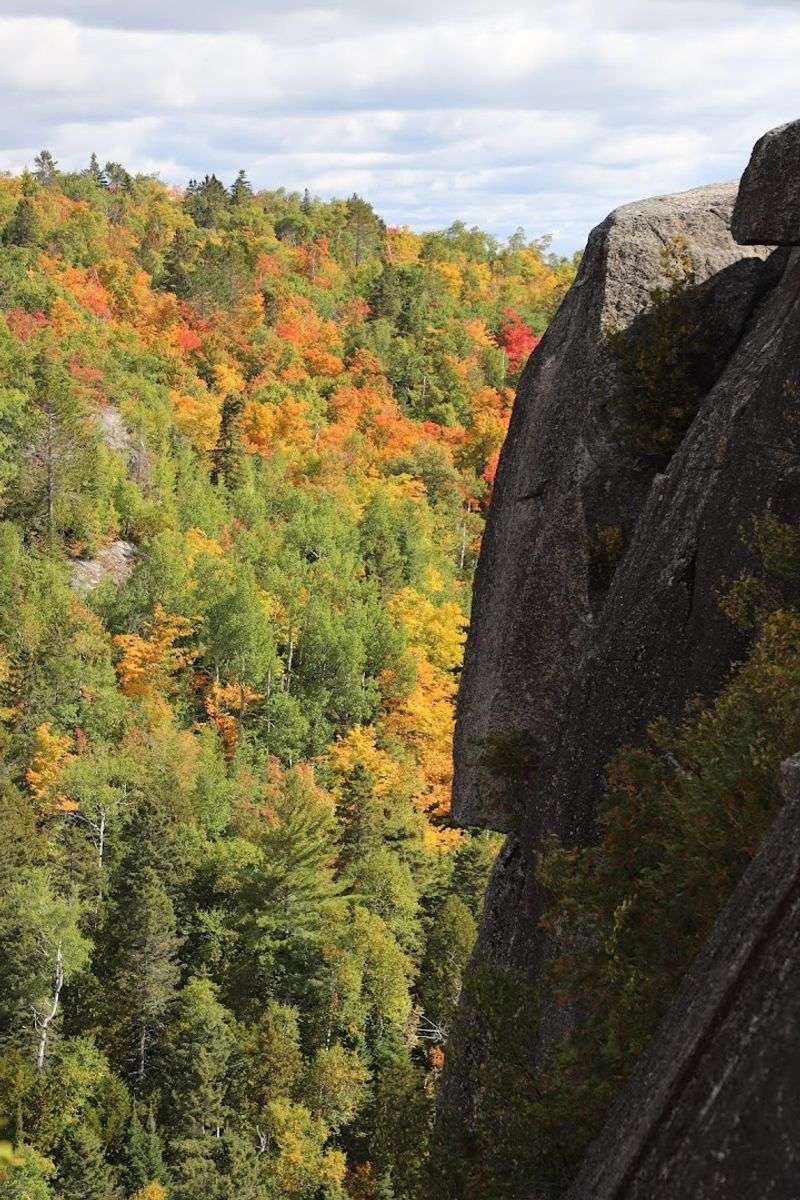
The Superior Hiking Trail runs for nearly 310 miles along the North Shore of Lake Superior, and some of its most dramatic sections pass right through or near Grand Marais.
Day hikers can access several trailheads from town and be rewarded with views of the lake from high bluffs within just a couple of miles of walking. The trail winds through old-growth forest, crosses clear streams, and occasionally opens up to overlooks where the lake fills your entire field of vision.
The section near Pincushion Mountain is a local favorite, offering sweeping views over the town, the harbor, and the lake beyond. The elevation change is manageable for most fitness levels, and the payoff at the top is genuinely worth every step.
Hikers with more ambition can connect to longer sections of the trail and spend multiple days exploring the ridge above the shore.
Kayaking and Paddling the North Shore
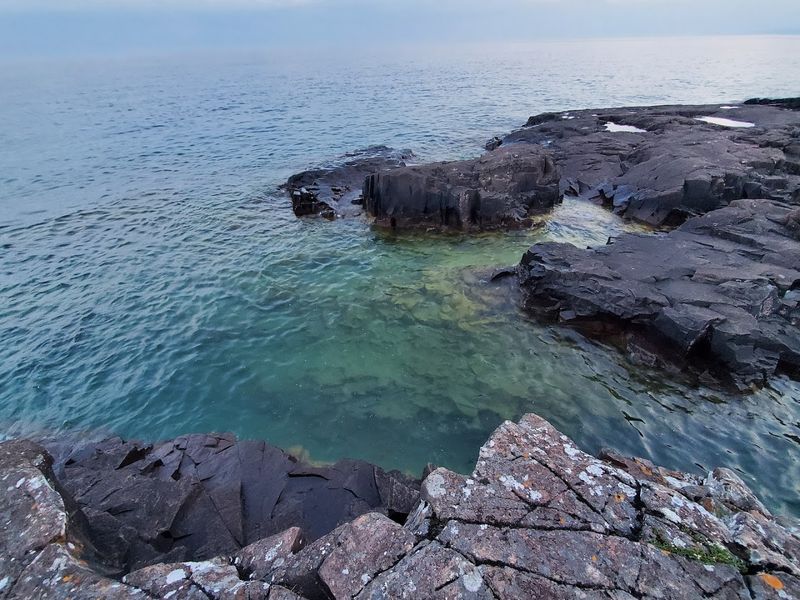
Paddling on Lake Superior is not something to approach casually, but with the right conditions and the right gear, it is one of the most thrilling outdoor experiences the North Shore has to offer.
The waters around Grand Marais are popular with sea kayakers who want to explore the rocky coastline, sea caves, and hidden coves that are only accessible by water. Several local outfitters offer guided tours and rentals, making it accessible even for people who have never sat in a kayak before.
Calm mornings are ideal, when the lake lies flat and the clarity of the water lets you see straight down to the rocky bottom. The shoreline from the water looks completely different than it does from land, more dramatic and more private, like you have discovered a version of Grand Marais that most visitors never get to see.
That feeling alone is worth the paddle.
Winter on the North Shore
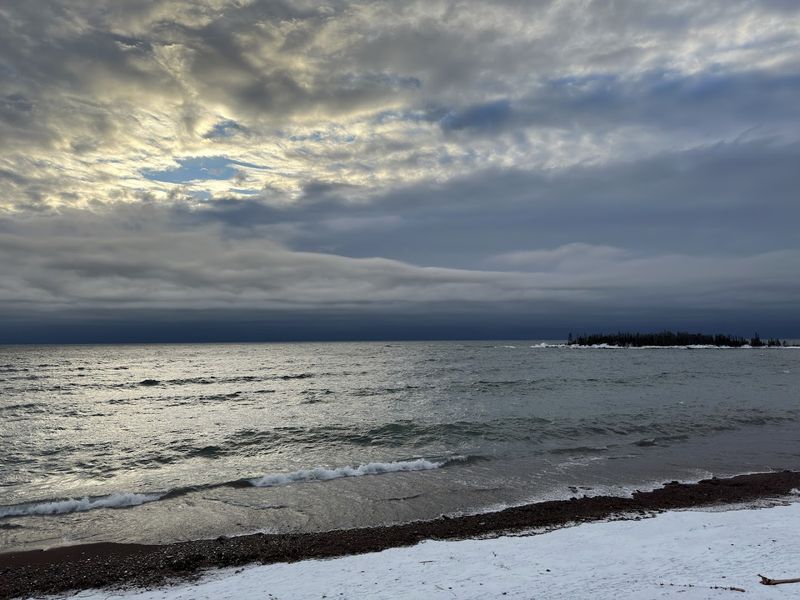
Most people assume that a lakeside town in northern Minnesota shuts down in winter, but Grand Marais does the opposite and leans hard into the cold season.
The harbor takes on a completely different personality when temperatures drop and ice begins to form along the shoreline. Lake Superior rarely freezes completely, but the edges develop dramatic ice formations that stack up in ridges and catch the low winter light in spectacular ways.
Cross-country skiing, snowshoeing, and fat biking are all popular activities in and around town during winter months. The Pincushion Mountain trail system grooms trails regularly and attracts skiers from across the region.
Downtown stays lively with warm restaurants, cozy shops, and a general sense of community that feels especially strong when the temperature outside is doing its worst. Grand Marais in winter is a completely different experience from summer, and both versions are worth the trip.
Local Food Worth the Drive
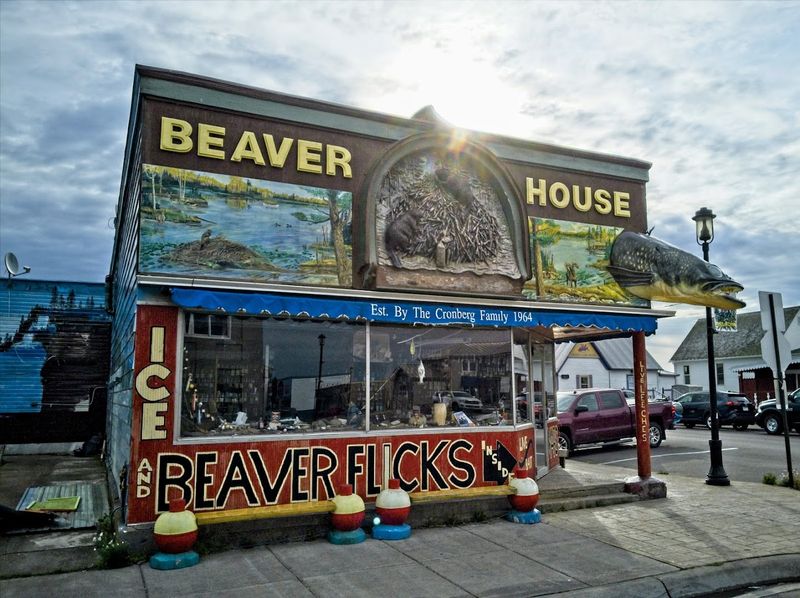
For a town of just over 1,300 people, Grand Marais punches remarkably high when it comes to food.
The local dining scene leans heavily on fresh, regional ingredients, and you will find everything from wood-fired pizza to freshly caught lake fish prepared simply and well. The fishing heritage of the town shows up on menus regularly, with smoked fish and fish tacos appearing in several spots around town.
Breakfast culture is particularly strong here, with locals and visitors alike lining up for morning meals before heading out on the water or into the woods. Bakeries and coffee shops do brisk business year-round.
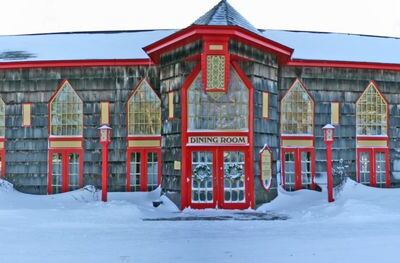
There is something about eating a hot meal in a small room while the lake sits right outside the window that makes everything taste better than it probably should. The food in Grand Marais is honest, satisfying, and deeply tied to where it comes from.
Shopping and Local Crafts Downtown
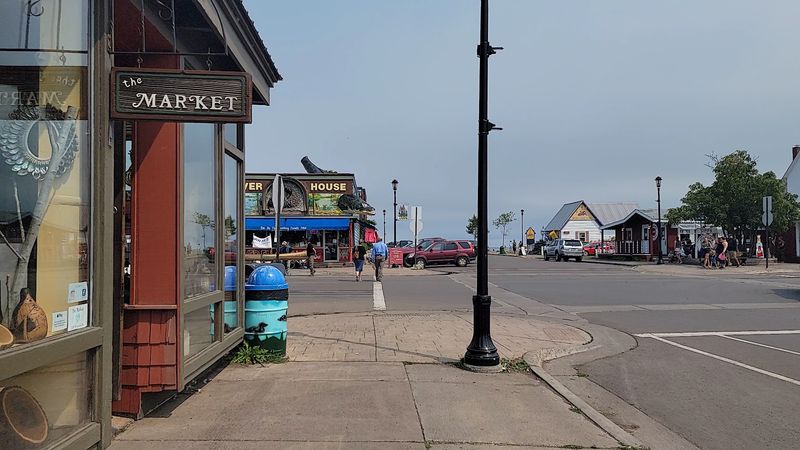
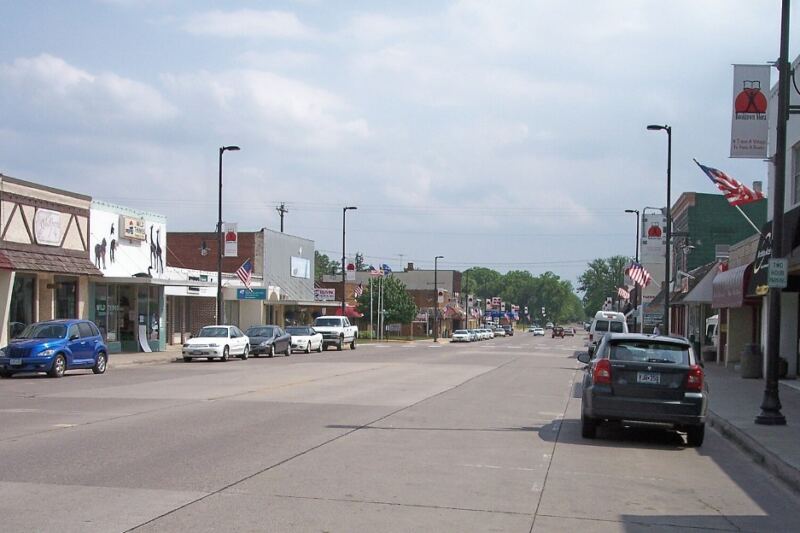
Downtown Grand Marais is compact enough to walk completely in about twenty minutes, but interesting enough that you will probably spend half a day exploring it.
The main street runs parallel to the harbor and is lined with independently owned shops selling everything from handmade pottery and local art to outdoor gear and smoked fish packed for the road. There are no chain stores to speak of, which gives the whole commercial district a personality that feels genuinely local rather than manufactured.
Bookshops, craft studios, and outfitters share the same few blocks, creating an eclectic mix that reflects the town’s dual identity as both an outdoor adventure base and an arts community. Shopping here feels more like browsing through someone’s creative life than running errands.
Chances are good you will leave with something you did not plan to buy but are very glad you found.
Stargazing Far From City Lights
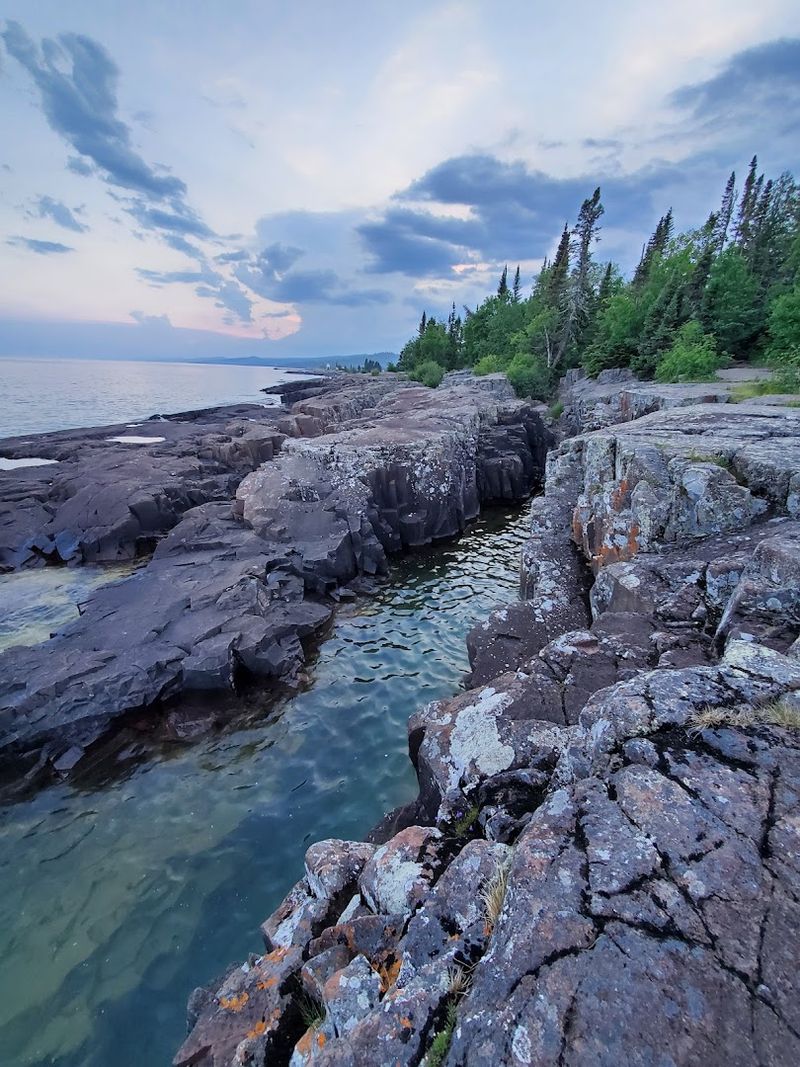
Grand Marais sits far enough from any major city that light pollution is almost nonexistent, which makes the night sky here genuinely extraordinary.
On a clear night, the Milky Way stretches across the sky in a thick, bright band that you can see with your naked eye, something that is increasingly rare in most of the country. The lake adds to the experience by reflecting the stars back at you from below, creating a disorienting and magical sense of being surrounded by the cosmos.
The Cook County area has been recognized for its exceptional dark skies, and astronomy enthusiasts make special trips just to observe from this region. Even if you have no interest in telescopes or constellations, standing at the edge of Lake Superior on a clear night and looking straight up is one of those experiences that tends to rearrange your perspective just a little.
The universe looks bigger from here.
Fall Colors That Demand Attention
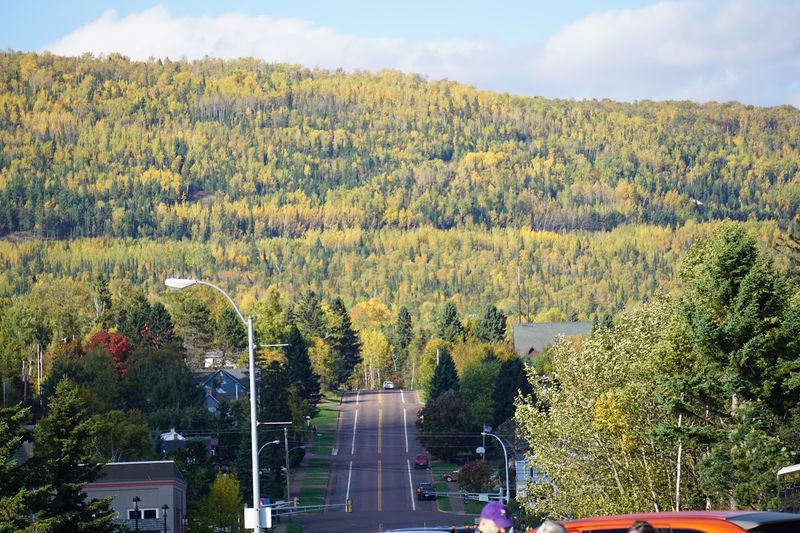
September and October transform the North Shore into one of the most visually intense fall color destinations in the entire country, and Grand Marais sits right in the middle of the action.
The combination of birch, maple, and aspen trees creates a palette that shifts from bright yellow to deep orange to crimson over the course of a few weeks. The contrast between the colorful forest and the steel-blue lake below is the kind of thing that makes photographers genuinely emotional.
The town itself gets busier during peak color season, with visitors arriving from across the Midwest to drive the North Shore Scenic Byway and hike the trails above the lake. Booking accommodations early is strongly advised if you plan a fall visit.
The colors peak at slightly different times each year depending on temperatures, so checking local reports before you go helps you catch the show at its absolute best.
Why People Keep Coming Back
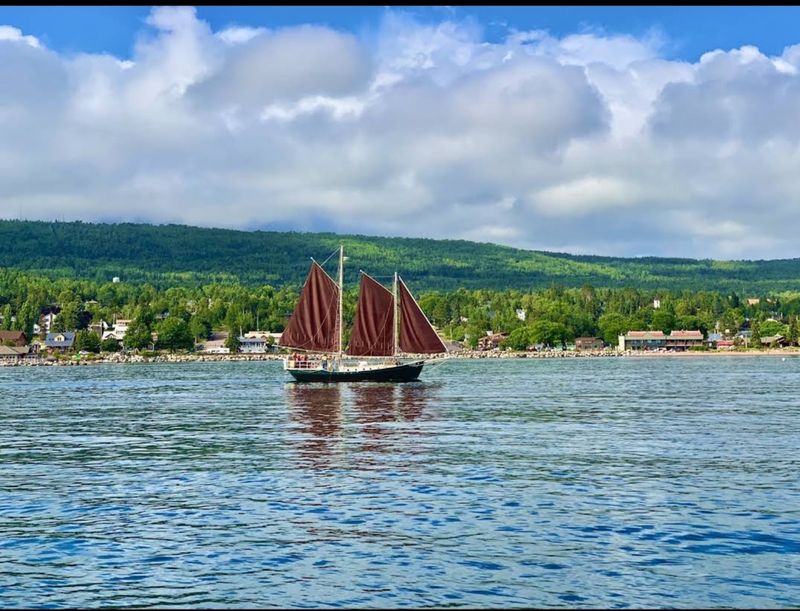
There is a particular kind of town that gets under your skin in a way you do not fully notice until you are back home and already thinking about returning, and Grand Marais is exactly that kind of town.
It is small enough to feel personal but interesting enough to keep you busy for days. The combination of extraordinary natural scenery, genuine outdoor adventure, creative energy, and honest local food creates something that is hard to replicate anywhere else in the Midwest.
People who visit once tend to come back the following year, and then the year after that, often at the same time of year, drawn by the same view they saw the first time but knowing it will somehow look different and feel even better. Grand Marais does not need to oversell itself.
The lake does the talking, and it has been saying something worth hearing for a very long time.
Share this story