Tucked into the high desert of western Nevada, there is a small town that most people have never heard of, yet it plays a surprisingly critical role in the defense of the entire United States. With a population of just over 3,000 people, this remote community sits surrounded by mountains, dry lakebeds, and thousands of earth-covered bunkers stretching as far as the eye can see.
The sheer scale of what is stored here would genuinely shock most Americans. I visited this fascinating place and came away with a whole new appreciation for small towns that carry enormous responsibilities, and I want to take you on a tour of everything that makes this spot so unexpectedly compelling.
A Small Town With A Massive Secret
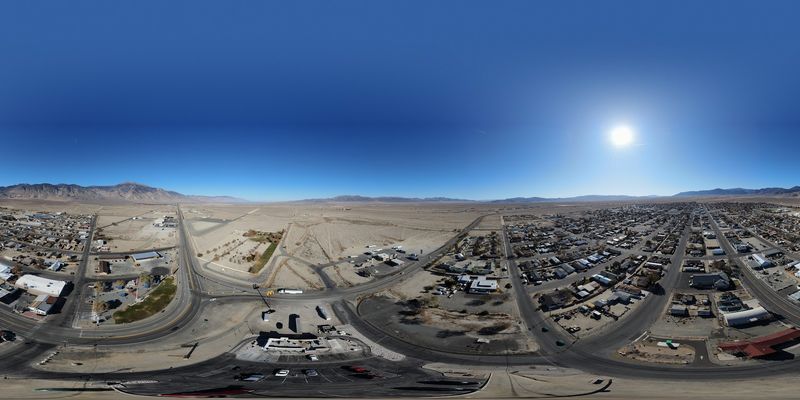
Most people drive through Hawthorne, Nevada on U.S. Route 95 without giving it a second thought.
The town sits at an elevation of about 4,300 feet in Mineral County, roughly 140 miles southeast of Reno, and its official address is Nevada 89415.
At first glance, it looks like any other quiet desert community, with a main street, a handful of local businesses, and a laid-back pace that feels worlds away from Las Vegas or Carson City.
But once you start noticing the rows upon rows of dome-shaped bunkers spreading across the valley floor in every direction, you quickly realize that Hawthorne is anything but ordinary. The town serves as the county seat of Mineral County and has built its entire identity around one of the most extraordinary military installations in the world, making it a genuinely one-of-a-kind destination.
The Hawthorne Army Depot And Its Record-Breaking Scale
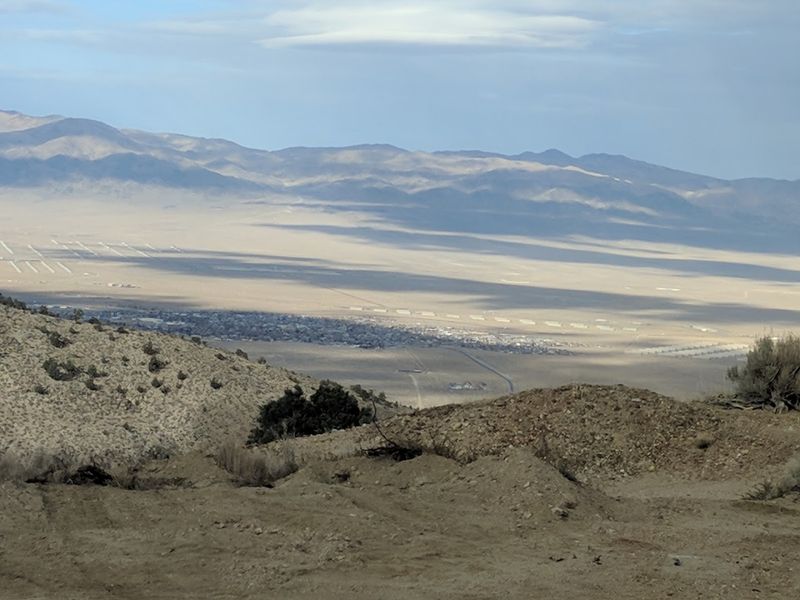
The Hawthorne Army Depot is not just large by American standards. It is officially recognized as the largest ammunition storage facility in the entire world, covering approximately 147,000 acres of Nevada desert.
To put that in perspective, the depot is bigger than many U.S. cities. More than 2,400 individual igloo-shaped bunkers, also called magazines, are scattered across the property in carefully spaced rows designed to prevent chain reactions if one were ever to ignite.
The depot was established in 1930, and its remote location was chosen deliberately, since the surrounding mountains and vast open space provided natural containment and isolation from populated areas. Seeing those endless bunkers from the highway is genuinely one of the most surreal experiences I have had in Nevada, and the sheer engineering logic behind the layout becomes more impressive the longer you study it.
Why This Location Was Chosen
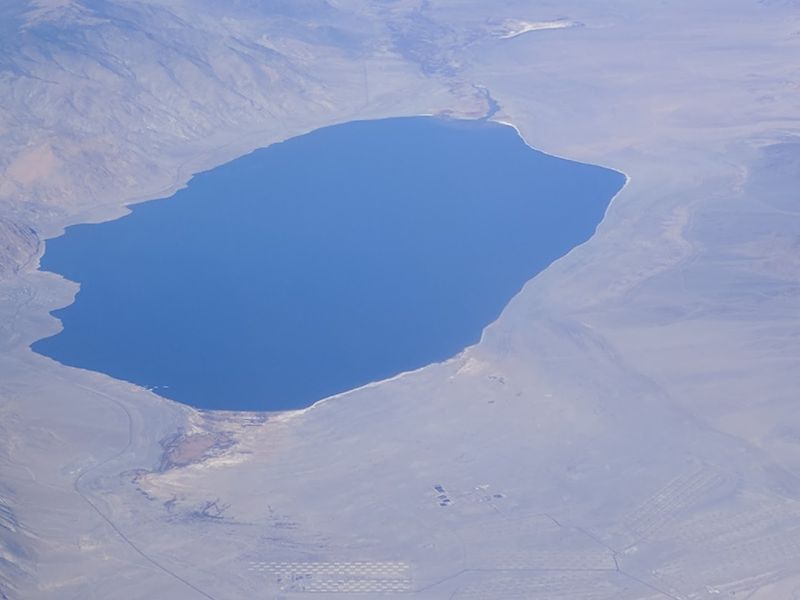
The decision to build a massive ammunition depot in this particular corner of Nevada was not accidental. Military planners in the late 1920s needed a site that was geographically isolated, had access to a railroad line, and offered natural barriers to contain any accidental explosions.
The Walker Lake valley checked every single box. Mountains ring the valley on multiple sides, the Southern Pacific Railroad already passed through the area, and the sparse population meant minimal risk to civilians.
The dry desert climate also plays a huge role in preserving ammunition over long periods, since low humidity slows the degradation of explosive materials significantly. I found it fascinating to learn that the geography itself essentially acts as a built-in safety system.
Nature and military engineering working together in the middle of the Nevada desert is a combination that makes Hawthorne unlike any other town I have ever visited.
Walker Lake And The Natural Beauty Next Door
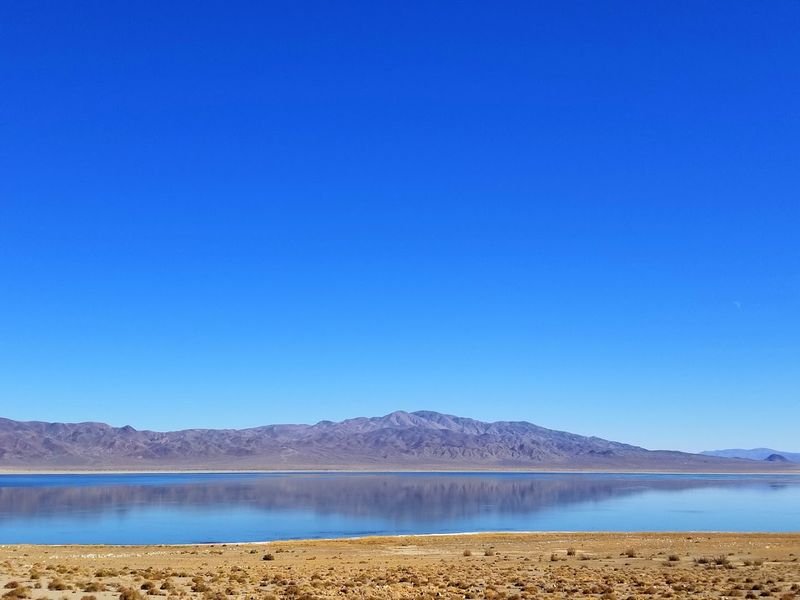
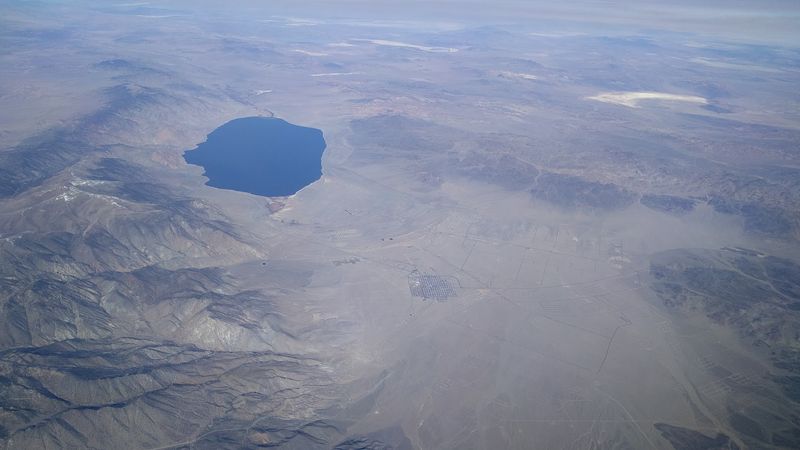
Just a few miles north of downtown Hawthorne sits Walker Lake, a stunning terminal lake that stretches for about 38 miles and offers a dramatic contrast to the dusty desert surrounding it. The lake is fed by the Walker River and has no outlet, which means its water levels are sensitive to upstream usage.
On the day I visited, the water had a deep teal color that seemed almost too vivid to be real against the pale desert backdrop. Fishing is a popular activity here, particularly for cutthroat trout, and the shoreline provides a peaceful spot to sit and take in the mountain views.
Walker Lake also holds deep cultural significance for the Paiute people, who have lived in this region for centuries. Spending time at the lake gives you a sense of the natural world that existed here long before any military installation ever arrived.
The Mineral County Museum And Local History
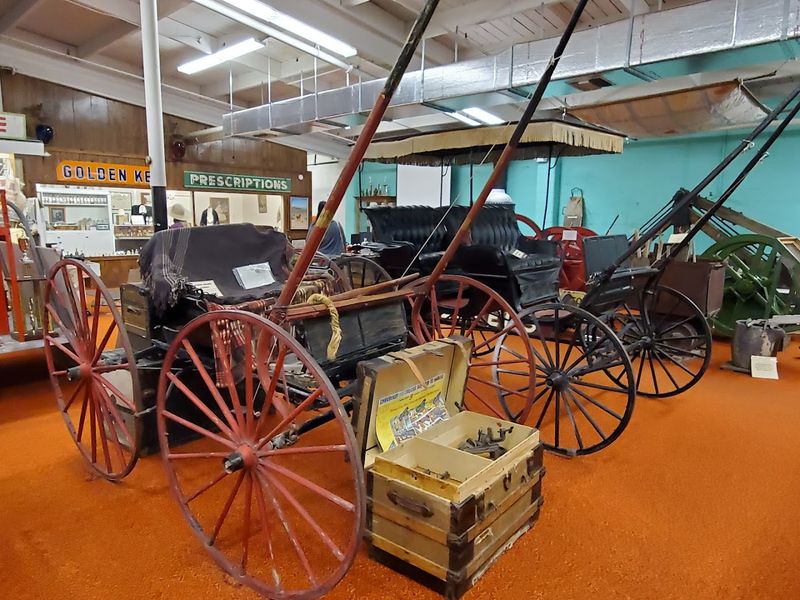
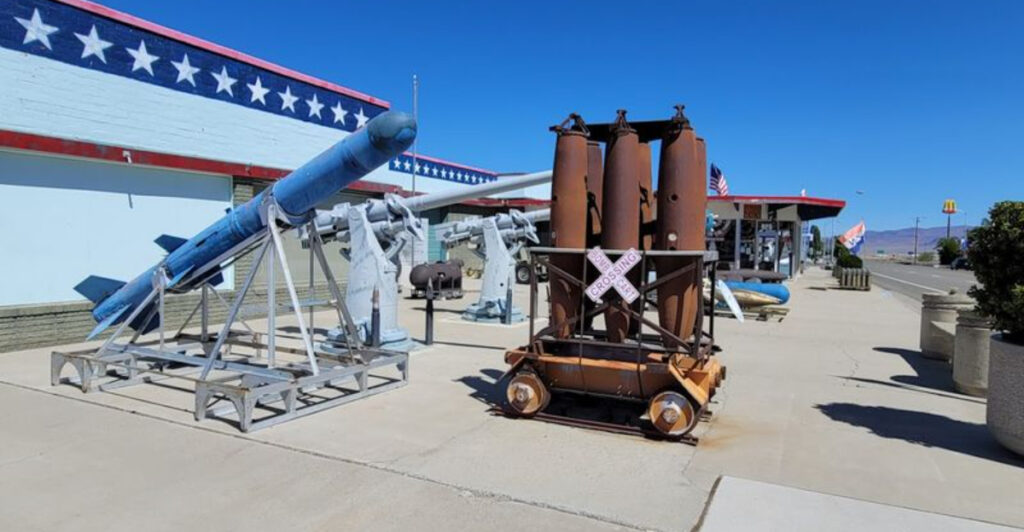
History runs deep in Hawthorne, and the Mineral County Museum is the best place to start unpacking it. The museum covers everything from the area’s silver and gold mining heritage to the establishment of the Army Depot and its role in every major American military conflict since World War II.
I spent a solid hour wandering through the exhibits and came away genuinely surprised by how much happened in this quiet corner of Nevada. There are photographs, military artifacts, Native American cultural items, and displays about the region’s geological history that paint a vivid picture of life in the high desert over the past century.
The museum is small by big-city standards, but what it lacks in size it makes up for in authenticity. Local volunteers clearly care deeply about preserving these stories, and that passion comes through in every carefully labeled display case and handwritten caption throughout the building.
The Economic Heartbeat Of A Desert Community
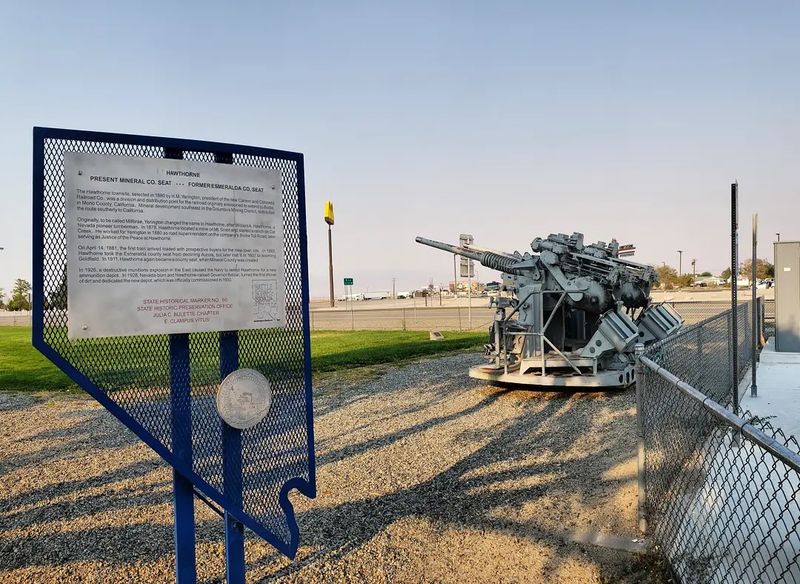
Without the Hawthorne Army Depot, it is hard to know whether this town would exist at all in its current form. The depot is by far the largest employer in Mineral County, providing jobs to a significant portion of the local workforce and supporting the businesses, schools, and services that keep the community running.
The relationship between the town and the depot is deeply intertwined. Many families in Hawthorne have had multiple generations work at the facility, creating a sense of shared identity and pride that you can feel in conversations with longtime residents.
That economic dependence also makes the town particularly sensitive to any federal budget decisions that might affect depot operations, a reality that keeps local leaders closely engaged with congressional representatives and military officials. Hawthorne is a living example of how a single federal installation can become the entire foundation of a small American community’s survival and identity.
Hawthorne’s Role In American Military History
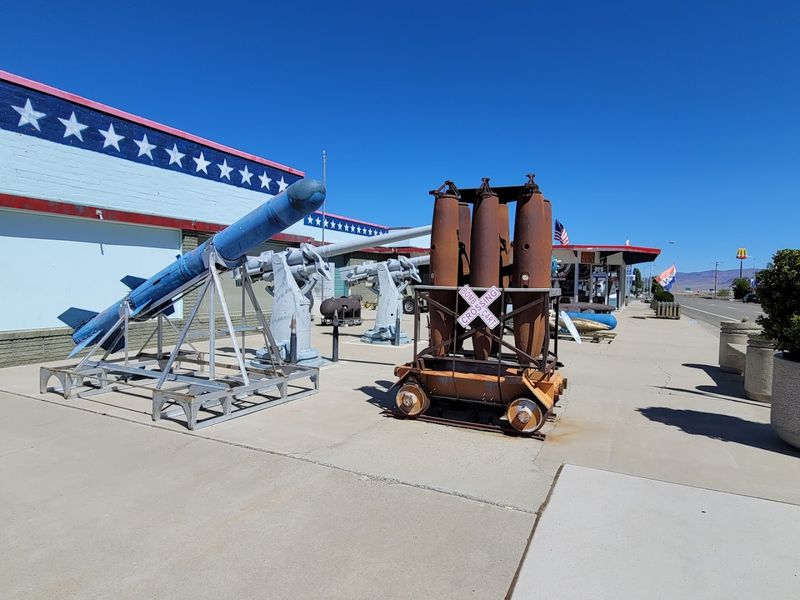
The depot’s story is deeply tied to the broader arc of American military history. It was established in 1930 after a catastrophic explosion at a naval ammunition depot in New Jersey convinced the government to move its stockpiles far from populated coastal areas.
During World War II, the Hawthorne depot operated around the clock to supply ammunition to both the Pacific and European theaters, and its remote desert location proved to be exactly the right choice. The facility continued to serve a critical role through the Korean War, the Vietnam War, and every major conflict that followed.
Today, the depot still stores, maintains, and demilitarizes conventional ammunition for the U.S. Army, making it an active and essential part of national defense rather than just a historical relic.
That continuity across nearly a century of American military history is something I found genuinely humbling to think about.
Things To Do In And Around Hawthorne
Hawthorne may be small, but there is more to do here than you might expect. Besides the museum and Walker Lake, the surrounding desert offers excellent opportunities for off-road exploration, bird watching, and photography, particularly during the golden hour when the light turns the mountains shades of amber and rose.
The town itself has a few local diners and shops worth checking out, and the friendly atmosphere makes it easy to strike up a conversation with someone who has lived here for decades. Annual events like the Hawthorne Armed Forces Day celebration draw visitors from across the region and offer a chance to see the community come together with genuine pride.
The nearby Excelsior Mountains and Gabbs Valley Range also attract hikers and rockhounds looking for minerals and fossils in the rugged terrain. For a town of 3,000 people, Hawthorne keeps you surprisingly busy if you know where to look.
Why Hawthorne Deserves A Spot On Your Nevada Road Trip
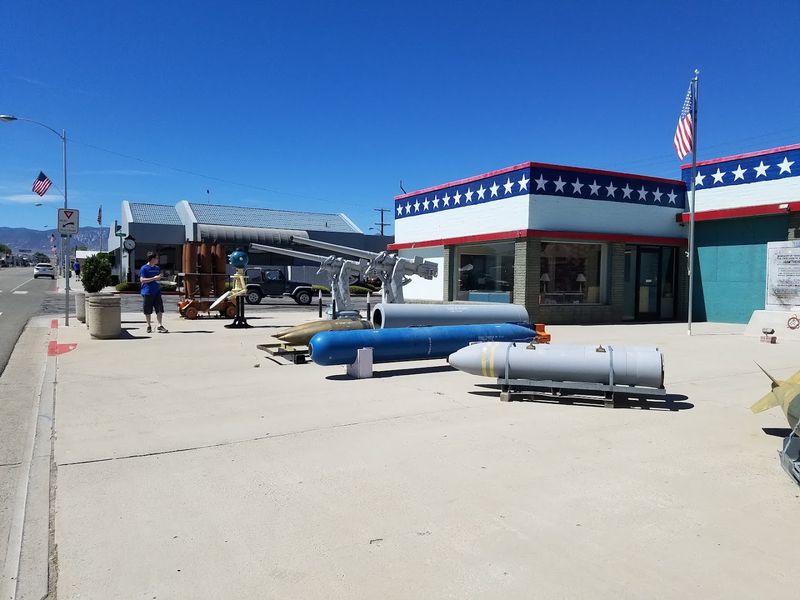
Most Nevada road trips follow a predictable path between Las Vegas and Reno, skipping over the vast middle of the state where the most interesting stories are often hiding. Hawthorne is a perfect argument for taking the road less traveled on your next trip through the Silver State.
The combination of world-record military history, stunning desert scenery, a genuine lake, and a tight-knit community that is proud of its unusual identity makes Hawthorne a stop that rewards curious travelers. You will not find a theme park or a luxury resort here, and that is exactly the point.
What you will find is a real American town doing a real and important job, surrounded by some of the most dramatic and underappreciated landscape in the entire western United States. Sometimes the most memorable travel experiences come from the places that never made it onto anyone else’s list.
Share this story