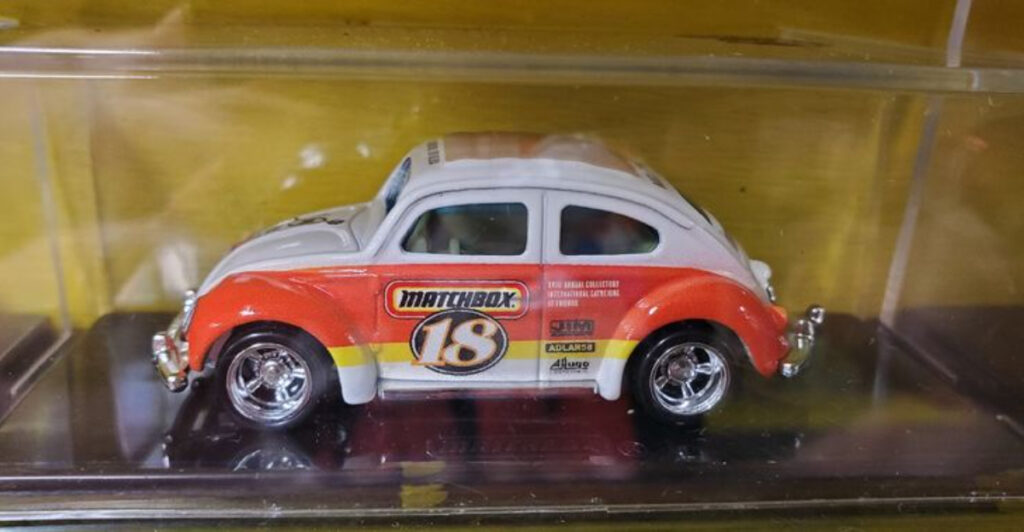
Tucked away in a small South Jersey town, there is a place that holds more than 50,000 Matchbox cars under one roof, and no, that is not a typo. This museum in Newfield, New Jersey, is the kind of attraction that makes you do a double take when you first hear about it.
It is a privately run collection that has grown into what many consider the largest and most impressive Matchbox display in the world. From ultra-rare prototypes to international models that most collectors have never laid eyes on, this little museum packs an extraordinary amount of history into a modest building on Pearl Street.
Whether you grew up racing these tiny cars across the kitchen floor or you are a serious diecast collector, this place has a way of pulling you in and not letting go. Keep reading, because this one is worth every word.
The Story Behind the Collection
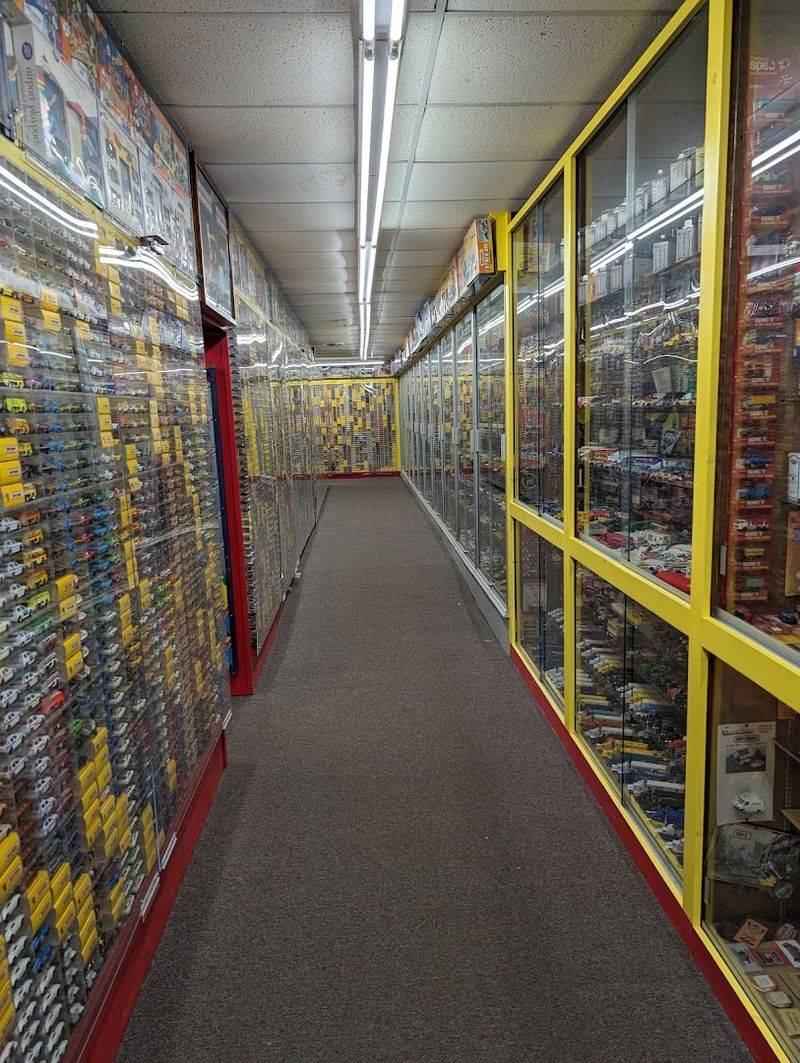
The Matchbox Road Museum was built around the passion of its founder, Everett, who spent decades assembling what has become one of the most jaw-dropping private collections of Matchbox diecast vehicles anywhere on the planet. The collection started the way most great ones do, with a few childhood favorites and a refusal to stop hunting for more.
Over time, Everett’s collection grew far beyond what any shelf in a living room could hold, eventually requiring its own dedicated space. The museum became the natural answer to that problem, giving the public a chance to see what a lifetime of focused collecting looks like when it reaches its full potential.
Even Mattel, the company that owns the Matchbox brand, does not have copies of some of the models that Everett has tracked down and preserved. That detail alone tells you everything you need to know about the depth and rarity of what is housed inside this small South Jersey building.
50,000 Cars and Counting
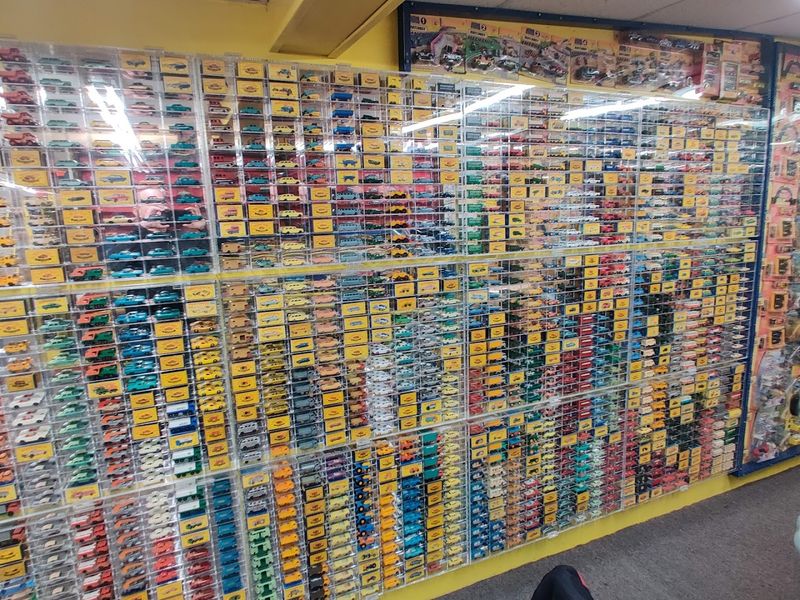
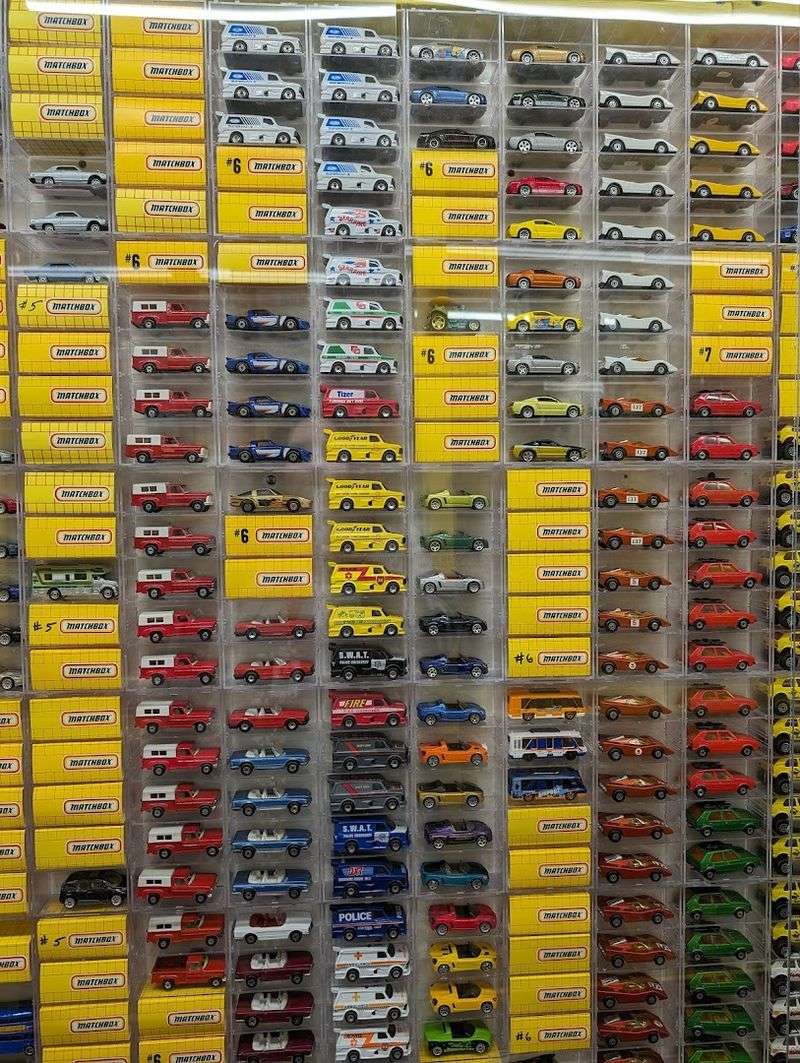
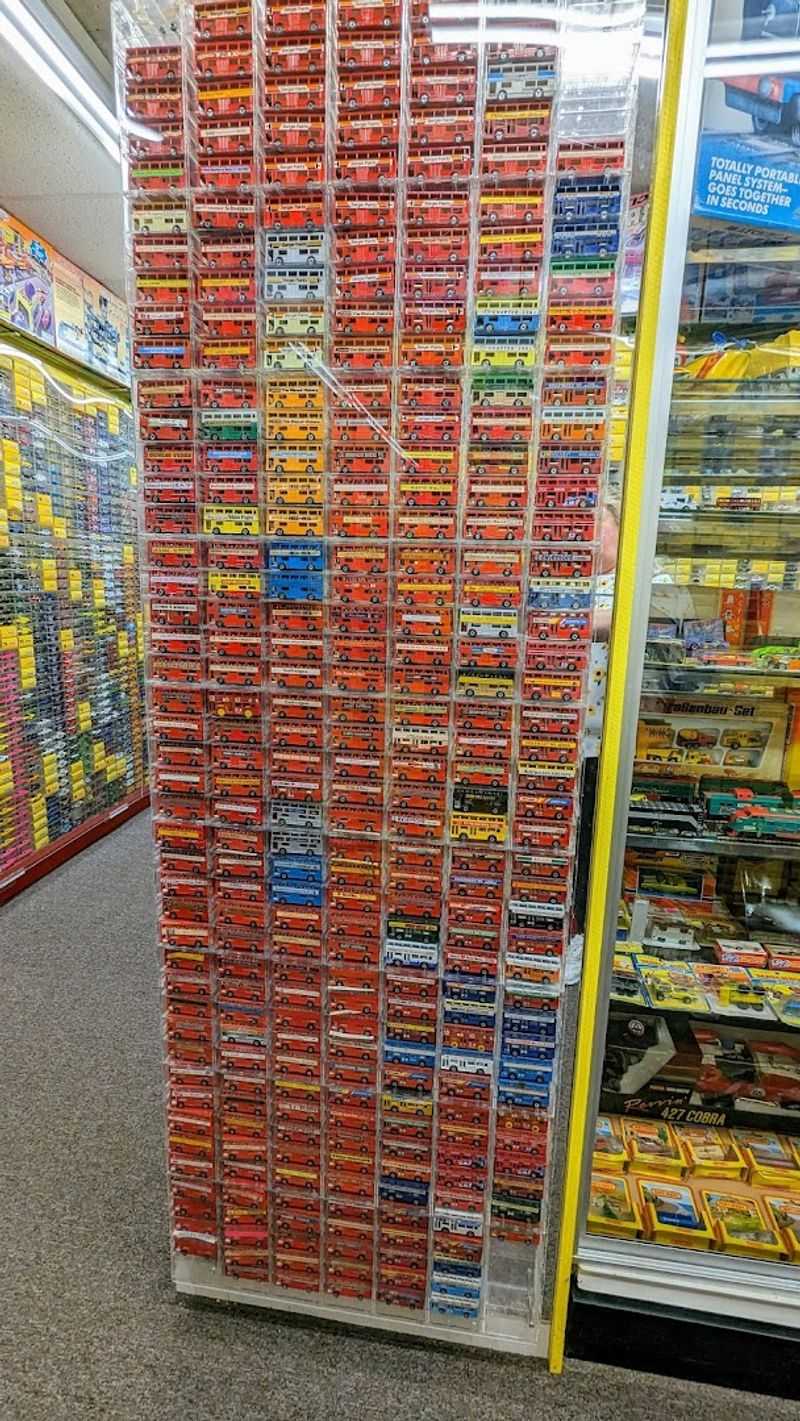
The number that stops most people in their tracks is 50,000, and that figure is not an exaggeration. The Matchbox Road Museum holds more than 50,000 individual Matchbox and related diecast vehicles, with the collection continuing to grow as new pieces are acquired regularly.
Some reports from those who have toured the museum put the number even higher, with one account citing over 65,000 cars. The sheer volume means that even after spending an hour walking through the space, there are still corners and shelves that have not been fully explored.
The collection spans decades of Matchbox production, covering models from the earliest Lesney-era releases all the way through modern editions. Each car has its own place in the timeline of the brand, and seeing them all together in one location gives a perspective on the history of toy manufacturing that no catalog or website could replicate.
Rare Prototypes and International Models
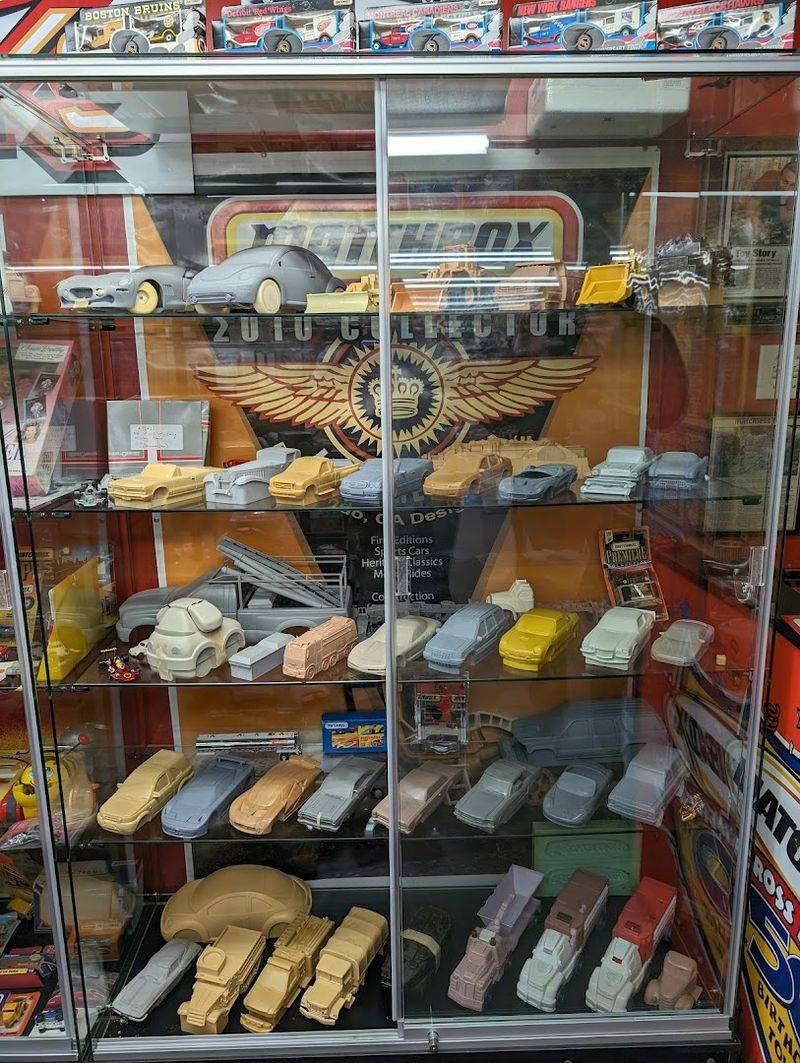
One of the most compelling parts of the Matchbox Road Museum is its collection of rare prototypes and models that were produced exclusively for international markets. These are the cars that even serious collectors rarely encounter, the kind that show up in auction catalogs with eye-watering price tags attached.
Prototype models are particularly significant because they represent vehicles that were designed and built but never made it to full production. Owning one is the equivalent of having a piece of automotive and toy history that only a handful of people in the world can claim.
The international models add another layer of depth to the collection, reflecting how Matchbox adapted its lineup for different countries and markets over the years. Some of these variations differ from their domestic counterparts in ways that only a trained eye would catch, which makes them especially fascinating for collectors who study the brand’s global reach and production history.
How Appointments Work and Why You Need One
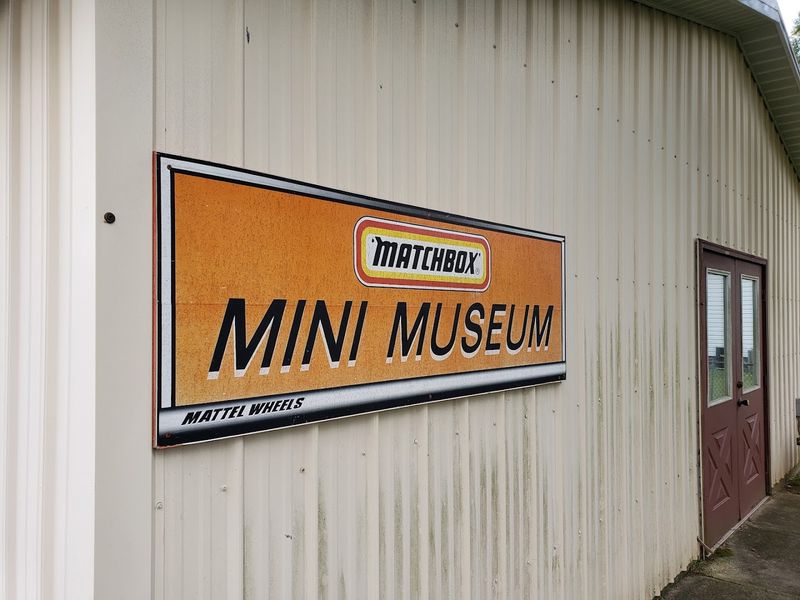
The Matchbox Road Museum does not operate like a typical attraction with posted hours and a ticket booth. Getting inside requires a phone call to schedule an appointment, and that step is non-negotiable if you want to guarantee access.
Showing up without calling ahead is a gamble that many have lost.
Online information about the museum’s hours has caused confusion in the past, with some listings showing inaccurate schedules that led people to make the drive only to find the doors closed. The safest approach is always to call directly and confirm before making the trip.
The appointment-based format actually works in the visitor’s favor in some ways. Tours tend to be personal and unhurried, with knowledgeable guides walking guests through the collection at a comfortable pace.
There is no crowd to push through, no timer counting down your visit, and plenty of room to ask questions. That kind of access is rare in any museum setting, regardless of size.
The Annual Open House Weekend
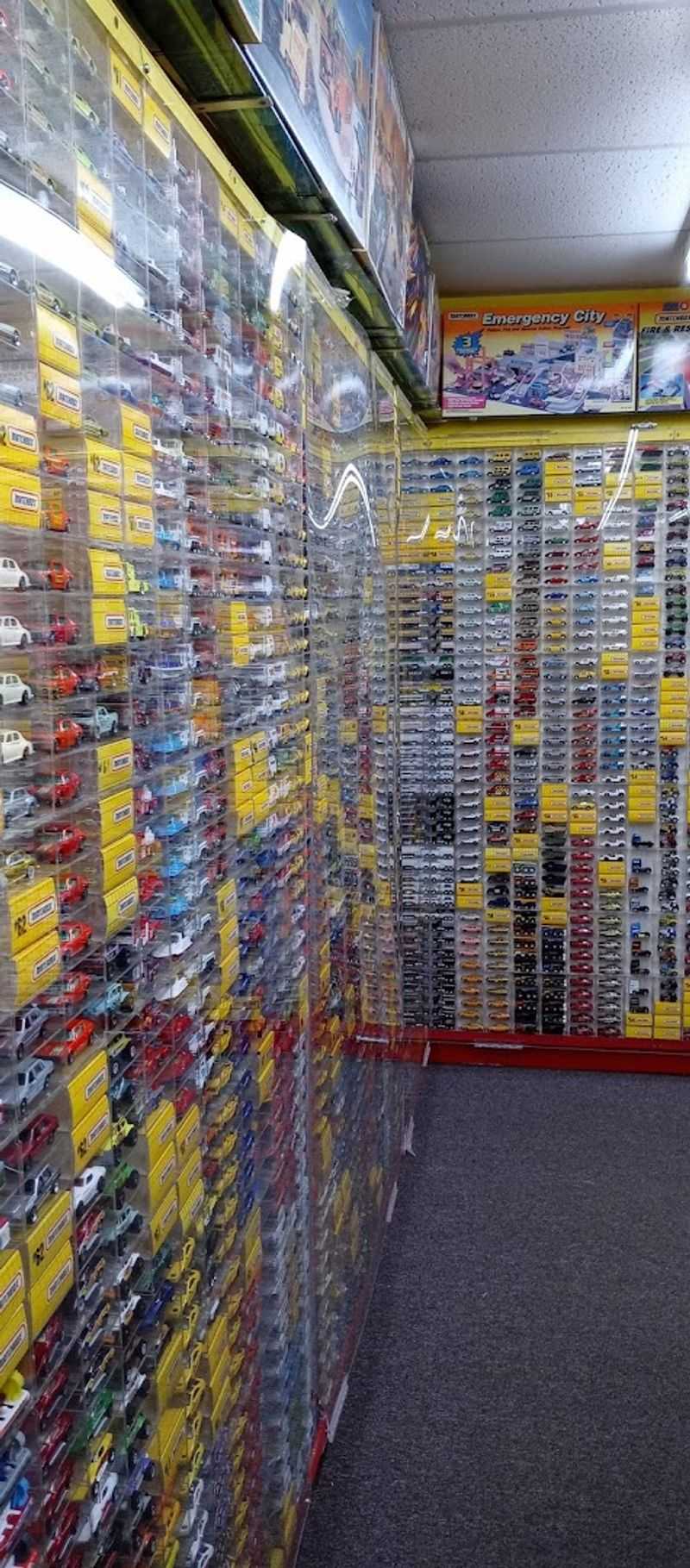
For those who prefer a more open and social experience, the Matchbox Road Museum holds an annual open house that typically takes place on the first weekend of August. This event draws collectors, families, and curious newcomers from across the region, turning what is normally a quiet appointment-only experience into a full community gathering.
The open house is the one time of year when the museum throws its doors wide and welcomes everyone without the need for a scheduled call. It is a popular event among Matchbox enthusiasts who return year after year, treating it as a kind of annual pilgrimage to one of the hobby’s most celebrated private collections.
The atmosphere during open house weekends leans toward relaxed and celebratory, with plenty of opportunity to browse the collection, talk shop with fellow collectors, and browse items that are available for purchase. It is the kind of event that puts a small town on the map for all the right reasons.
Buying and Selling at the Museum
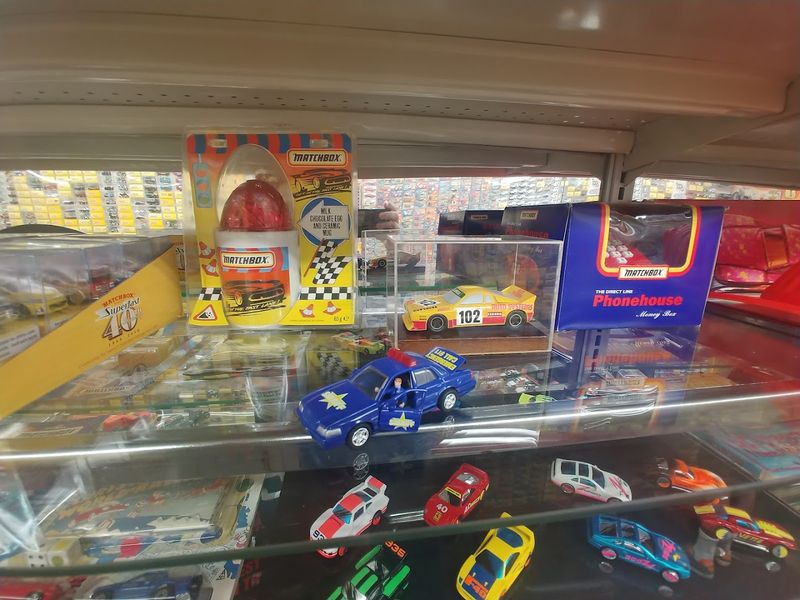
The Matchbox Road Museum is not purely a display space. The museum also functions as a place where collectors can buy and sell, with a rotating selection of both vintage and newer Matchbox models available for purchase at various times throughout the year.
Everett regularly acquires entire collections from other collectors, which means the inventory of available items shifts frequently. A car that was not there on your last visit might be sitting on a shelf the next time you stop in, making repeat visits worthwhile for anyone actively building their own collection.
Contributions are encouraged to help keep the museum running, and purchasing items from the available stock is one of the most direct ways to support the operation. For collectors who have been hunting a specific model for years, the museum’s ever-changing inventory represents a genuine opportunity to find something that has been missing from their lineup for a long time.
What the Guides Bring to the Tour
A big part of what makes a visit to the Matchbox Road Museum memorable is the quality of the people who walk guests through it. The guides, including Charlie, who is frequently mentioned by those who have toured the collection, bring a level of enthusiasm and knowledge that transforms a walk through shelves of toy cars into a genuinely educational experience.
Charlie has been described as someone who strikes the right balance between being deeply informative and keeping the tour engaging without getting lost in unnecessary detail. That kind of hosting is harder to pull off than it sounds, and it reflects a genuine love for the subject matter rather than a scripted presentation.
The guides are familiar with the history of the Matchbox brand, the stories behind specific models, and the context that makes certain cars more significant than others. Walking through the collection with that kind of narration adds layers of meaning to what would otherwise just be a very large and impressive display.
The History of Matchbox Itself
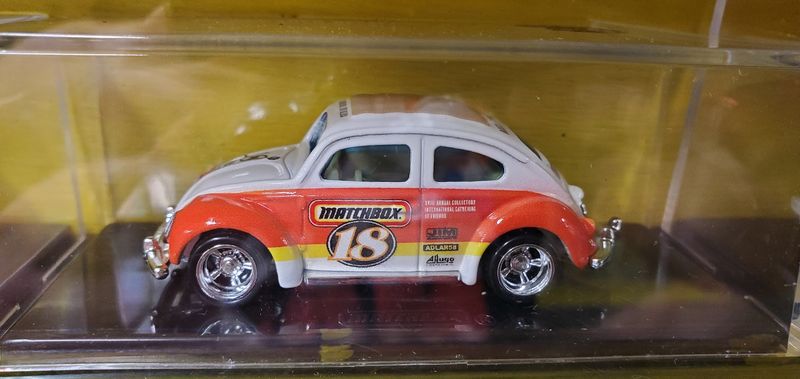
Part of what makes the Matchbox Road Museum more than just a storage space for a big collection is the way it tells the story of the Matchbox brand itself. Lesney Products, the British company that created the Matchbox line, launched its first small-scale diecast vehicles in the early 1950s, and the brand became a global phenomenon within a decade.
The name Matchbox came from the fact that the early models were sold in boxes designed to look like matchboxes, a clever bit of packaging that became instantly iconic. Over the decades, the brand changed hands multiple times, eventually landing with Mattel, which continues to produce Matchbox vehicles today.
The museum’s collection spans all of these eras, giving visitors a front-row seat to how the brand evolved in terms of design, materials, and market focus. Seeing that progression laid out across decades of production is a history lesson that happens to be presented entirely in miniature metal vehicles.
Tips for Planning Your Visit
Getting the most out of a trip to the Matchbox Road Museum starts with one simple step: call ahead. The museum does not maintain standard public hours, and relying on online listings for accurate schedule information has led more than a few people to make a wasted drive.
A direct phone call is the only reliable way to confirm availability.
Weekday visits tend to work out better for scheduling, and the museum is generally willing to accommodate groups that reach out in advance. For those who prefer a guaranteed open-door experience, planning around the annual August open house is the most straightforward option.
Donations are welcomed and encouraged as a way to support the museum’s ongoing operation, and purchasing items from the available inventory is another way to contribute. Comfortable shoes are useful since the collection takes real time to explore properly.
Budget more time than you think you will need, because most people who walk in for a quick look end up staying far longer than planned.
Why This Small Museum Deserves a Spot on Your List
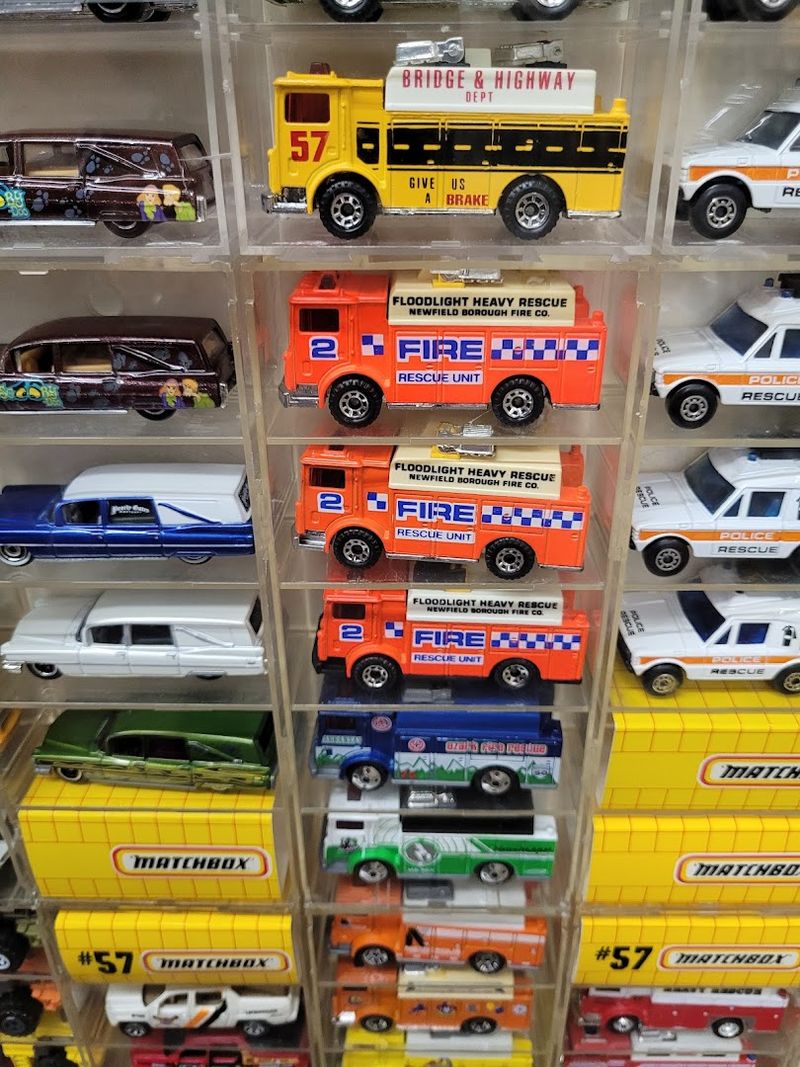
The Matchbox Road Museum is the kind of place that does not need a marketing budget or a celebrity endorsement to prove its worth. The collection speaks for itself, and the people who have made the trip to Newfield tend to come back, sometimes annually, because the experience holds up on repeat visits.
There are larger museums in New Jersey, and there are certainly more famous ones. But there are very few places in the entire country where a single person’s dedication to one subject has produced something this comprehensive, this rare, and this openly shared with the public.
For collectors, it is practically mandatory. For families looking for something genuinely different, it delivers.
For anyone who has ever owned a Matchbox car, even just one, the museum has a way of making that small metal object feel like part of something much bigger. That is not something most attractions can claim, regardless of their size or budget.
Where Exactly This Museum Calls Home
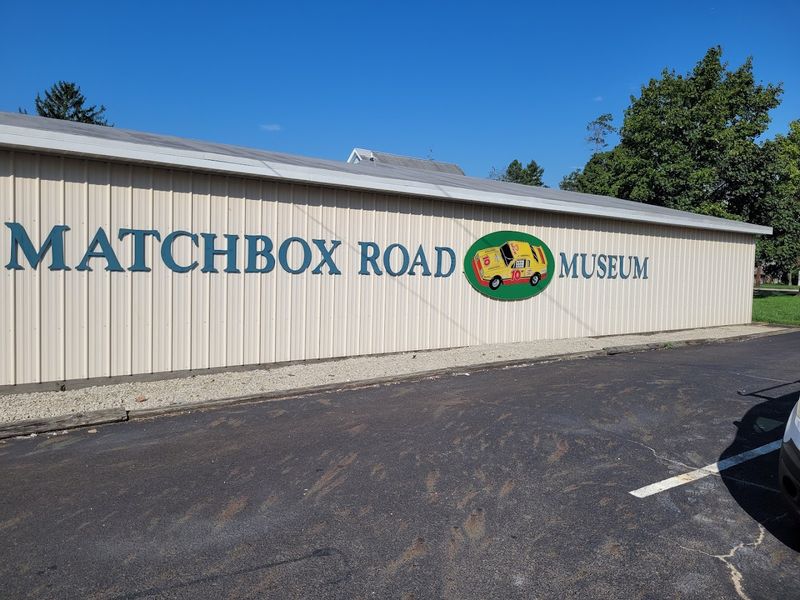
The Matchbox Road Museum is located at 15 Pearl St, Newfield, NJ 08344, a small borough in Gloucester County in southern New Jersey. Newfield is a quiet, tight-knit community that most people drive through without a second thought, which makes stumbling upon this museum feel like finding a shortcut to something extraordinary.
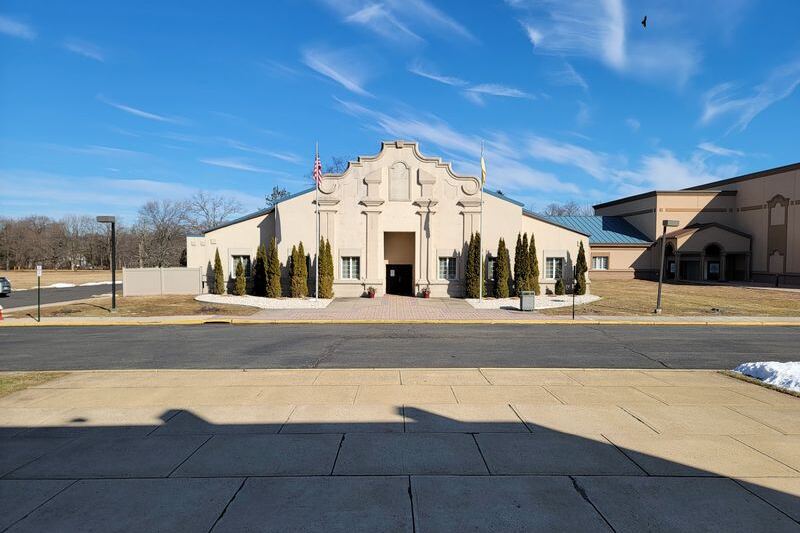
The building itself is unassuming from the outside, blending into the neighborhood without any flashy signs or neon lights demanding your attention. That low-key exterior is part of what makes the first step inside so striking.
Newfield sits roughly between Atlantic City and Philadelphia, making it a reasonable day trip from either direction. It is the kind of town where locals know each other by name, and the museum fits right into that community spirit.
The address is easy to find, but calling ahead before you go is strongly recommended, as the museum does not follow standard open hours.
Share this story