 Unearth The Voyage
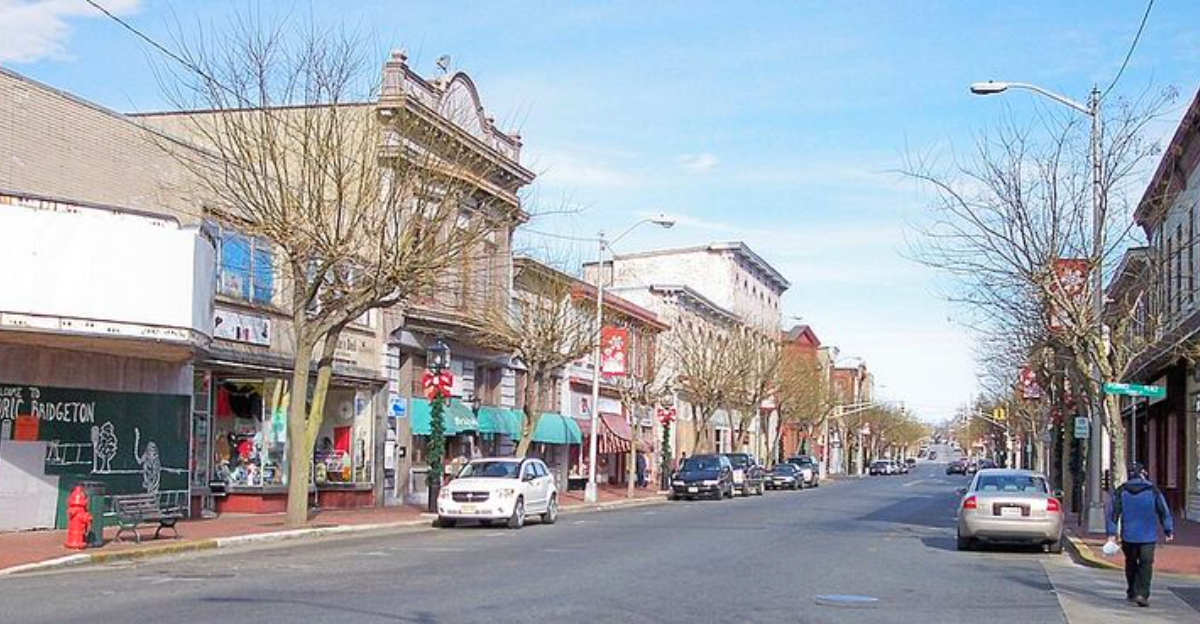
There is a quiet corner of South Jersey where the cost of living stays low, the pace of life stays easy, and neighbors actually know each other by name. Tucked along the banks of the Cohansey River in Cumberland County, this small city has been quietly earning a reputation as one of the most affordable and welcoming places to retire in the entire state.
Property taxes are manageable, housing prices are well below the state average, and the community has a genuine, unhurried character that is hard to find anywhere close to the Philadelphia or New York metro areas. I spent time exploring this town and came away genuinely impressed by what it offers retirees on a fixed income.
From historic architecture to riverside parks and a tight-knit local culture, this place packs a lot of value into a small footprint. Keep reading to find out why more and more people are choosing to plant roots here.
Where Exactly Bridgeton Sits On The Map
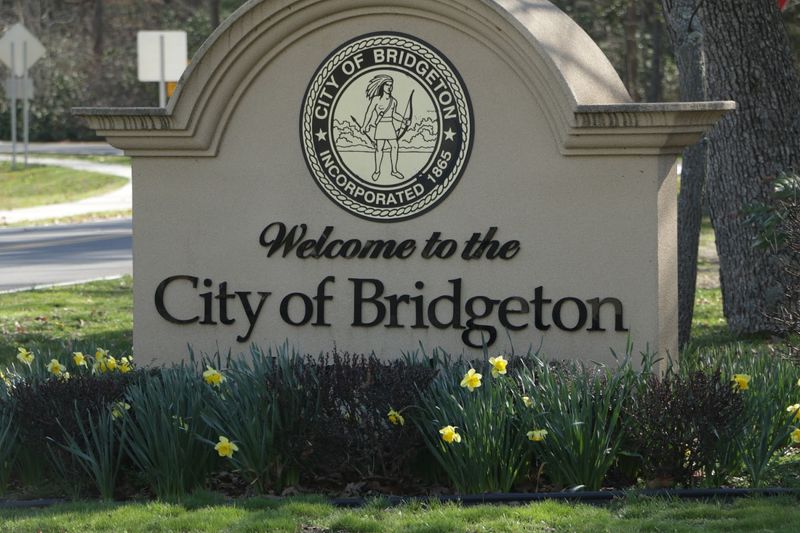
Bridgeton is the county seat of Cumberland County, New Jersey, and it sits along the Cohansey River near Delaware Bay in the South Jersey region of the state. The official address is Bridgeton, New Jersey 08302, and the city can be reached via Route 49 and Route 77, making it reasonably accessible without being overwhelmed by highway traffic.
The city is roughly 45 miles south of Philadelphia, which puts it close enough to a major metro area for occasional day trips while still feeling genuinely removed from urban noise and congestion. That middle-ground location is actually one of its biggest selling points for retirees who want convenience without chaos.
Cumberland County as a whole is one of the most rural counties in New Jersey, and Bridgeton reflects that character. The landscape around the city includes farmland, wetlands, and the river corridor, which creates a natural buffer that keeps the area from feeling crowded.
For anyone who has spent decades in a busy suburb, arriving here feels like a genuine reset. The city covers about 6.5 square miles, making it compact and easy to get around without needing to drive long distances.
Housing Costs That Actually Make Sense For Retirees
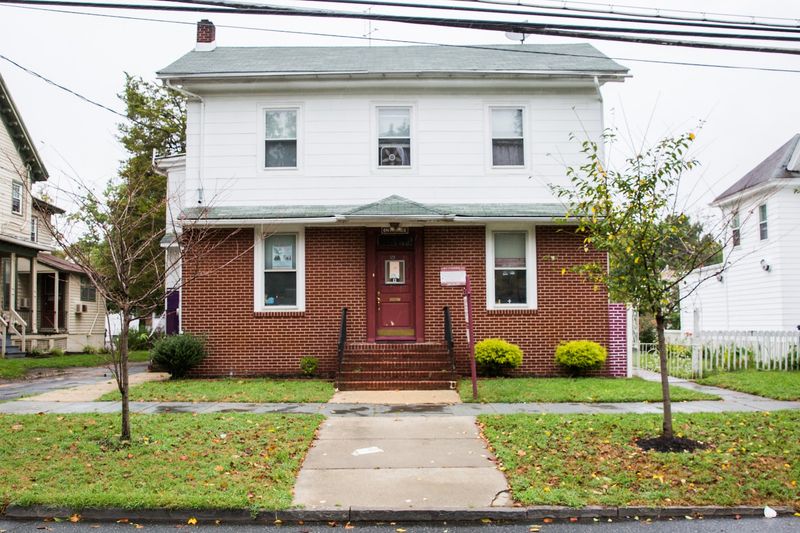
One of the first things that stands out about Bridgeton is how far a retirement dollar goes here. The median home price in Bridgeton hovers well below $150,000, which is a striking contrast to the statewide New Jersey median that regularly exceeds $400,000.
For retirees working with a fixed income or a modest nest egg, that gap is life-changing.
Rental options are also available at rates that feel almost old-fashioned by New Jersey standards. One-bedroom apartments can often be found for under $900 per month, and larger units with two bedrooms are frequently available for under $1,200.
Those numbers allow retirees to maintain financial breathing room that most New Jersey communities simply do not offer.
The housing stock itself is a mix of Victorian-era homes, mid-century bungalows, and more modern construction. Many of the older homes have been well-maintained and carry real architectural character.
Buying a home here means getting genuine square footage, a yard, and a real neighborhood rather than a tiny condo squeezed into a crowded development. For anyone who has been priced out of other parts of New Jersey, Bridgeton offers a realistic path to homeownership in retirement.
The Historic Downtown And Its Preserved Architecture
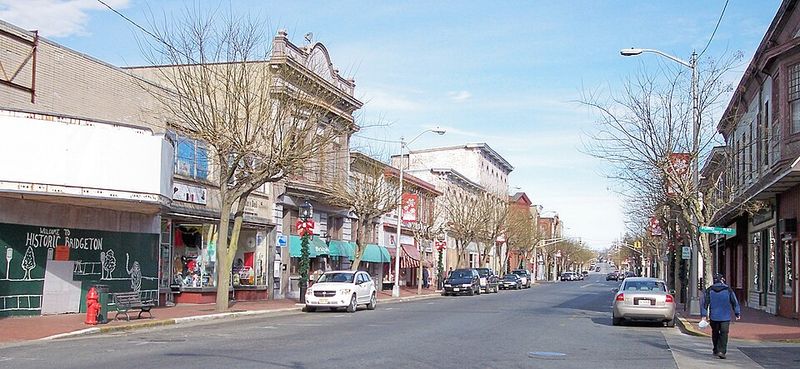
Bridgeton holds a notable distinction that most people do not know about until they visit. The city contains the largest historic district in New Jersey, with over 2,200 buildings listed on the National Register of Historic Places.
That number is not a typo, and walking through downtown makes it easy to believe.
The streets are lined with well-preserved Victorian and Federal-style architecture that tells the story of a city that was once a thriving commercial hub. Brick facades, ornate cornices, and original storefronts give the downtown a character that newer developments simply cannot replicate.
For retirees who appreciate history and craftsmanship, this is a neighborhood worth exploring slowly.
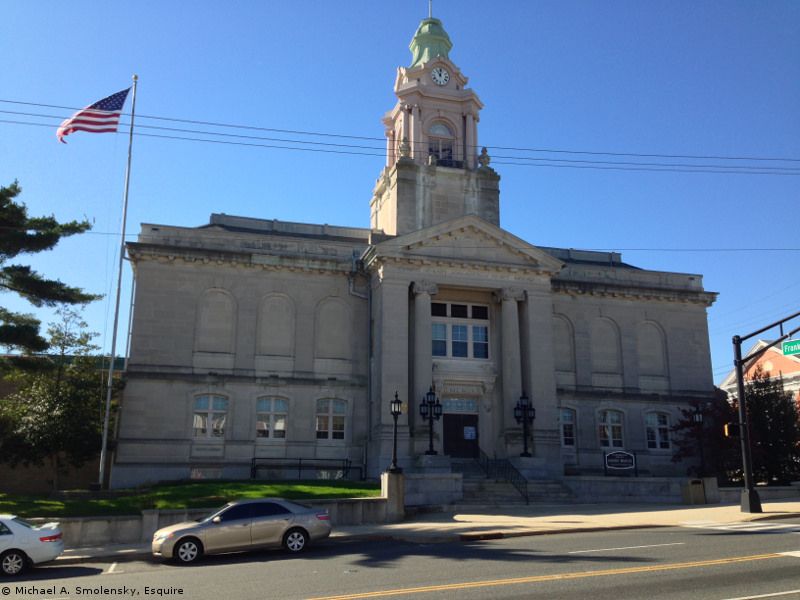
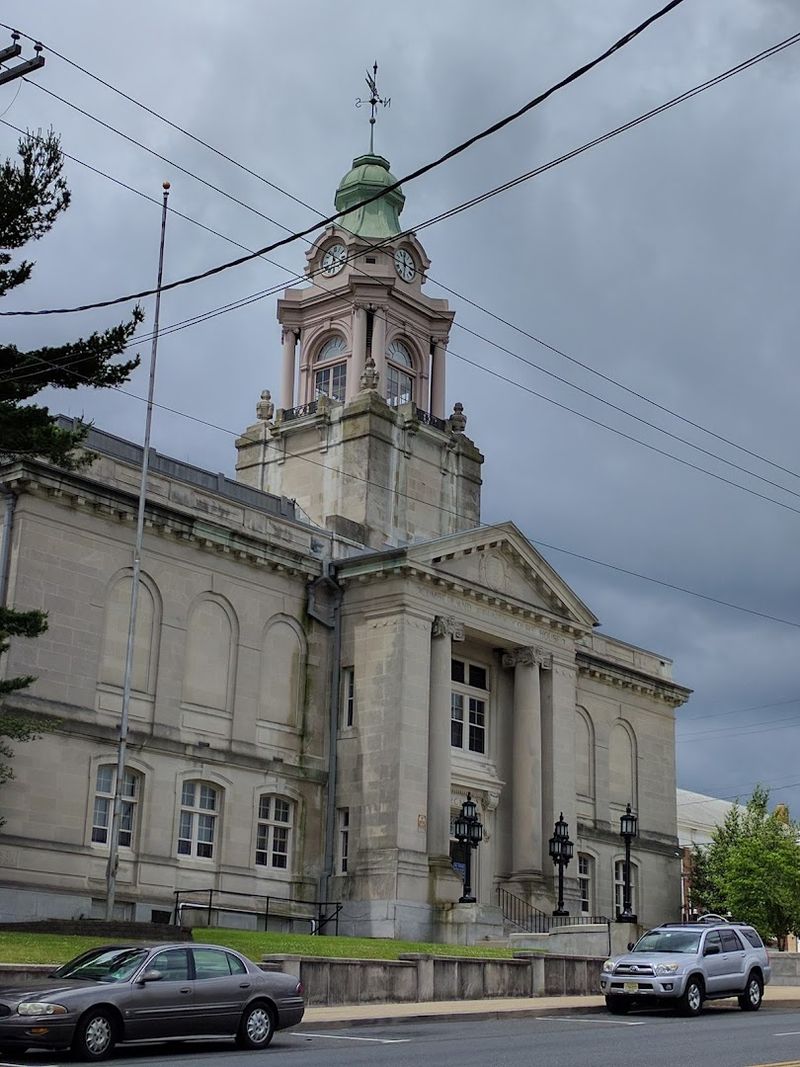
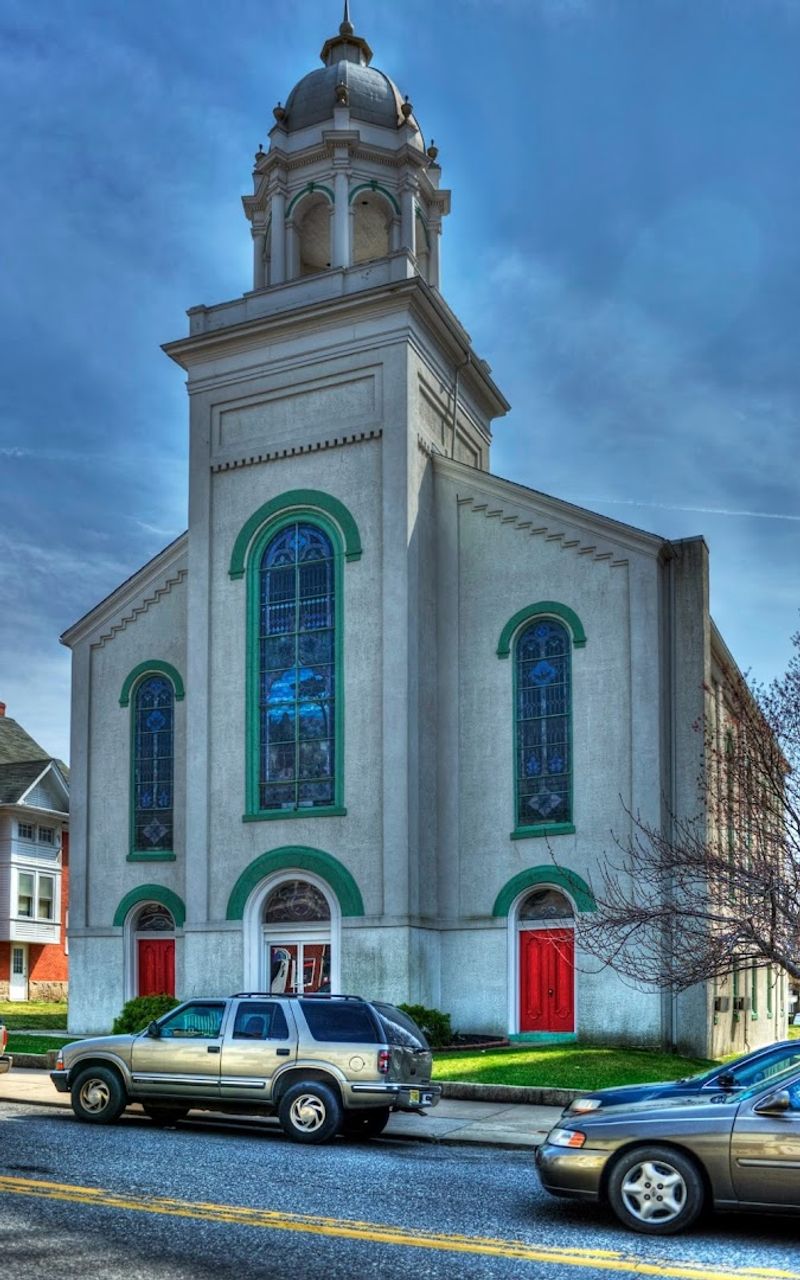
City Hall, local churches, and several civic buildings all contribute to the architectural tapestry that makes Bridgeton feel like a living museum. The historic district covers a large portion of the city, so you do not have to wander far from the center to find buildings with genuine stories behind them.
Local preservation efforts have kept much of this heritage intact, and community pride in the district is evident. Retirees who enjoy architecture, history, and the art of a well-built older building will find plenty to appreciate here.
Bridgeton City Park And Outdoor Recreation Options
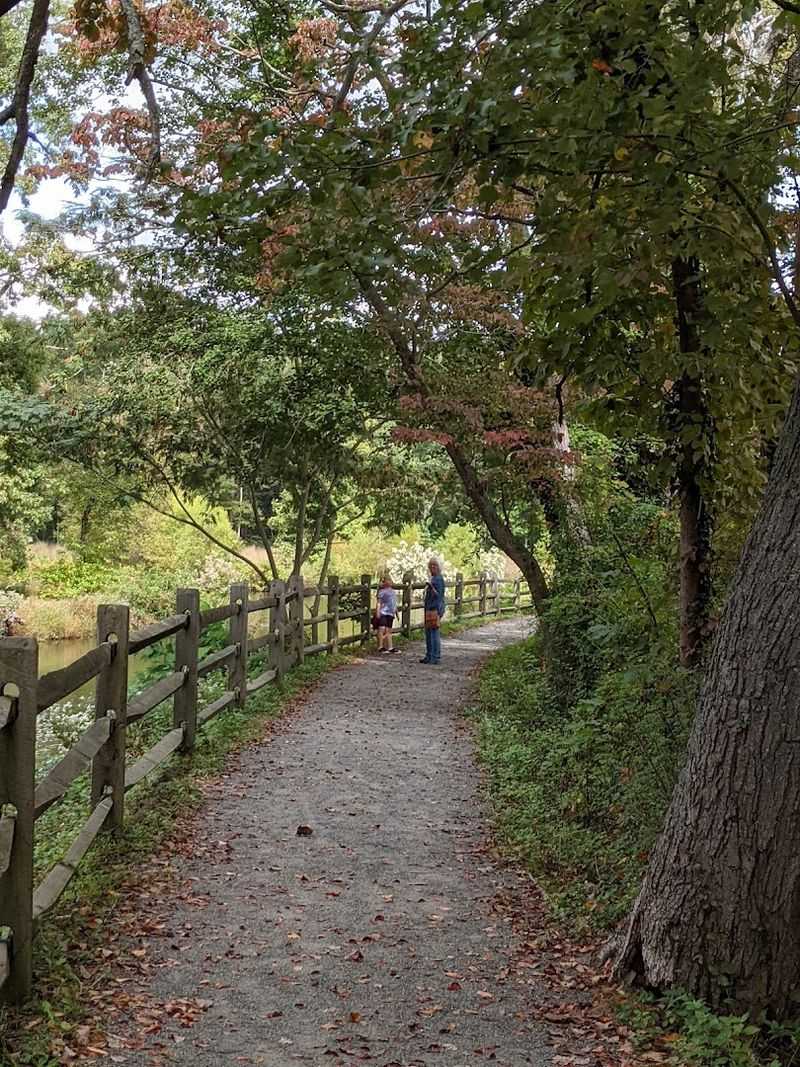
Bridgeton City Park is one of the genuine highlights of living in this community, and it is the kind of public space that retirees can take full advantage of throughout the year. The park covers over 1,100 acres, making it one of the largest municipal parks in the state of New Jersey.
That scale gives it a range of features that go well beyond a typical neighborhood green.
Within the park, there is a zoo, a lake, sports facilities, picnic areas, and walking trails. The Cohanzick Zoo, which is located inside the park, is the oldest zoo in New Jersey and offers free admission, which is a detail that retirement-minded visitors tend to appreciate quite a bit.
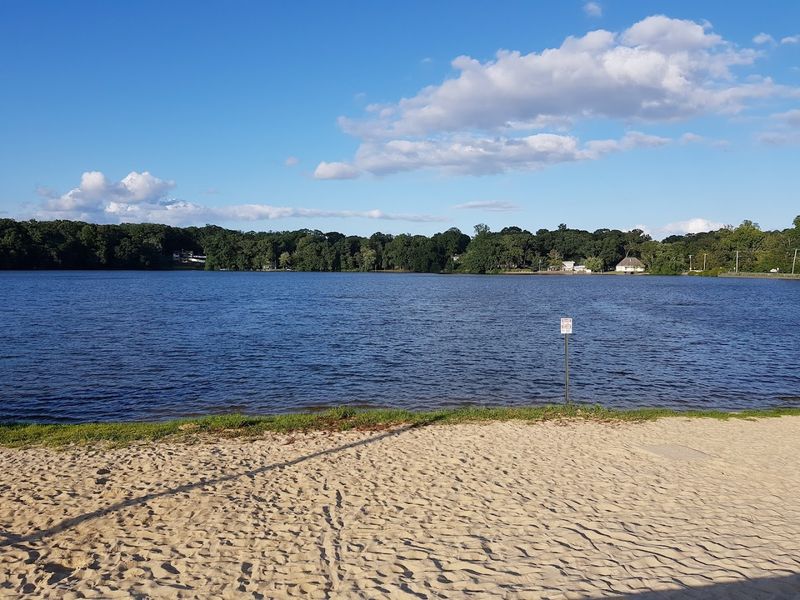
The lake allows for fishing, and the surrounding trails provide a low-impact way to stay active without needing a gym membership.
The park also hosts community events throughout the year, which creates natural opportunities for social connection. For retirees who want to stay physically active, meet neighbors, and enjoy green space without paying for it, Bridgeton City Park delivers consistently.
The combination of scale, variety, and free access makes it one of the best arguments for choosing this city as a retirement base.
The Cohanzick Zoo And Its Free Admission Policy
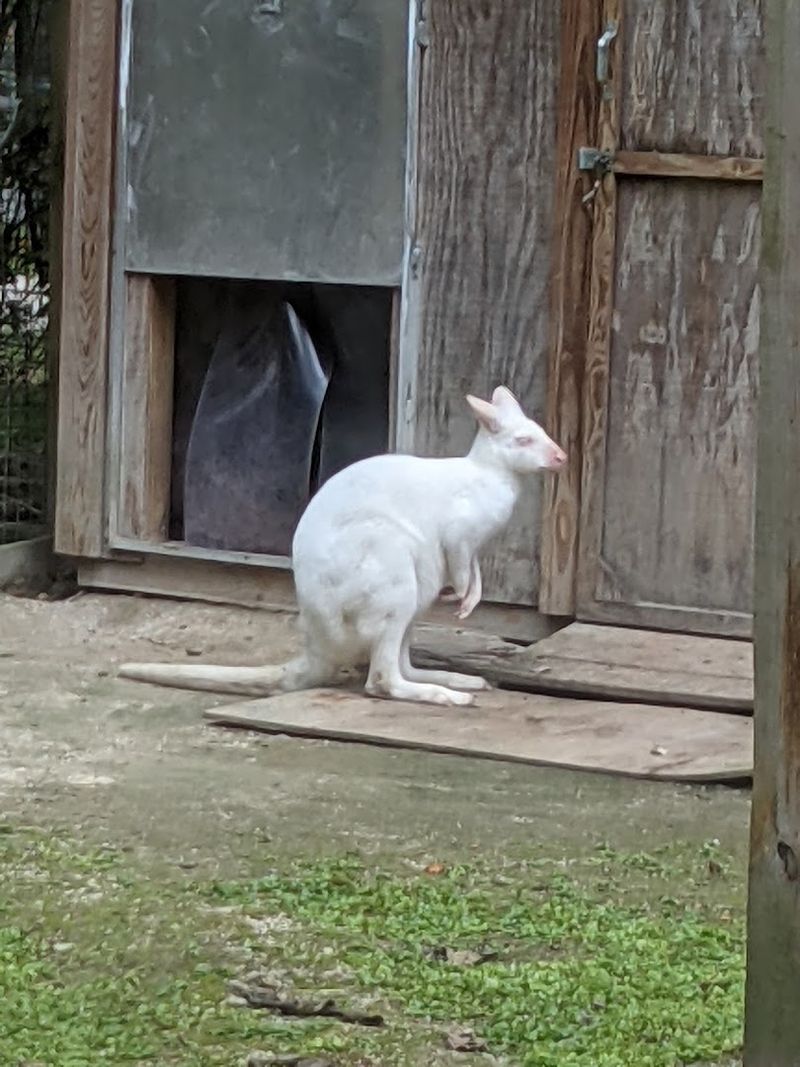
The Cohanzick Zoo deserves its own spotlight because it is genuinely one of the more surprising things about living in Bridgeton. Established in 1934, it holds the title of the oldest zoo in New Jersey, and it operates entirely free of charge to visitors.
That policy has been in place for decades and reflects the community-minded spirit that defines much of what Bridgeton offers.
The zoo is not enormous, but it is well-maintained and houses a solid variety of animals including deer, birds of prey, reptiles, and small mammals. For retirees who enjoy nature and wildlife, it provides a relaxing and accessible outing without any financial barrier.
It is also a wonderful reason to have grandchildren visit, since few kids can resist a free zoo.
The zoo sits within the larger Bridgeton City Park, so a trip there can easily be combined with a walk around the lake or a picnic in the green space. The combination of free admission and a pleasant natural setting makes it a go-to destination for residents who want a low-key activity that never gets old.
After visiting several times, I found it easy to see why locals treat it like a community treasure.
The Cohansey River And Waterfront Appeal
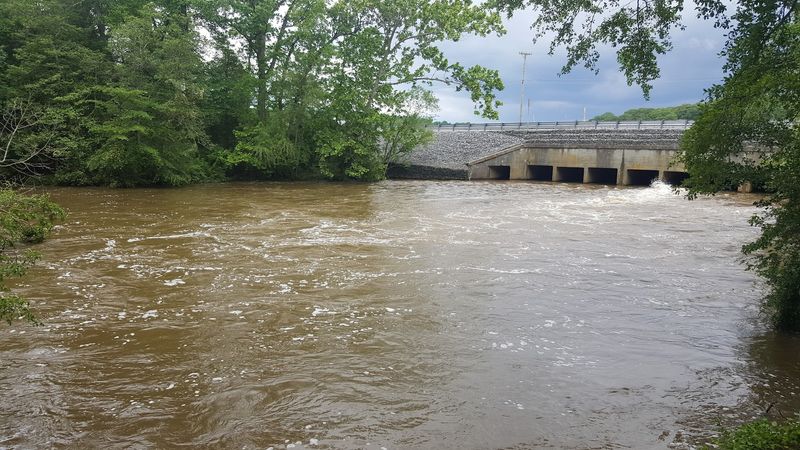
The Cohansey River runs directly through Bridgeton, and its presence gives the city a natural focal point that shapes both the landscape and the lifestyle of its residents. The river is a tributary of Delaware Bay, and it has played a central role in the region’s history since the colonial era when it served as a commercial waterway for trade and transportation.
Today, the river offers recreational opportunities that retirees with an interest in the outdoors will find genuinely appealing. Fishing is popular along the banks and from small boats, with species like bass and catfish drawing anglers throughout the warmer months.
Kayaking and canoeing are also options for those who want a more active way to enjoy the water.
The riverfront areas within and near the city park provide pleasant spots to sit, watch the water, and enjoy the natural setting without any special equipment or planning. There is something grounding about a river that runs through the heart of a small city, and the Cohansey delivers that quality consistently.
For retirees who have spent years in landlocked suburbs, having this kind of natural waterway nearby adds a meaningful dimension to everyday life in Bridgeton.
Local Community Events And Social Life
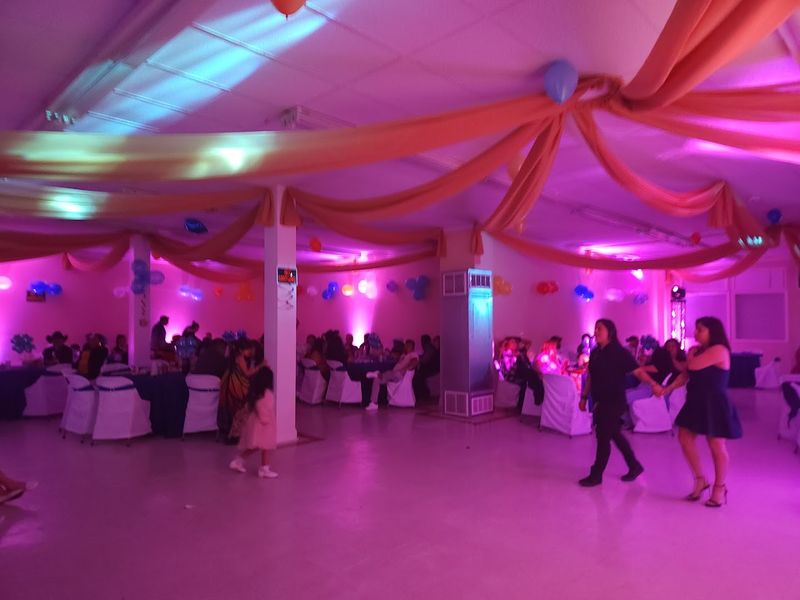
One of the quiet advantages of a small city like Bridgeton is that community events actually feel like community events. They are not massive productions with corporate sponsors and long lines.
They are gatherings where you run into the same people you saw at the grocery store and the park, and that familiarity builds genuine connection over time.
Bridgeton hosts a range of seasonal events throughout the year, including festivals, farmers markets, holiday celebrations, and cultural events that reflect the diverse population of Cumberland County. The city has a significant Latino community that contributes vibrant cultural traditions to the local calendar, and those events add color and variety to the social scene.
For retirees, social engagement is not just enjoyable but genuinely important for long-term well-being. A city that offers regular, accessible community events makes it easier to build a social network after relocating.
Bridgeton’s scale works in its favor here because the community is small enough that new residents can become known faces relatively quickly. That sense of belonging is something that larger, faster-moving cities rarely offer, and it is one of the most underrated aspects of choosing a smaller city for retirement.
Healthcare Access In And Around Bridgeton
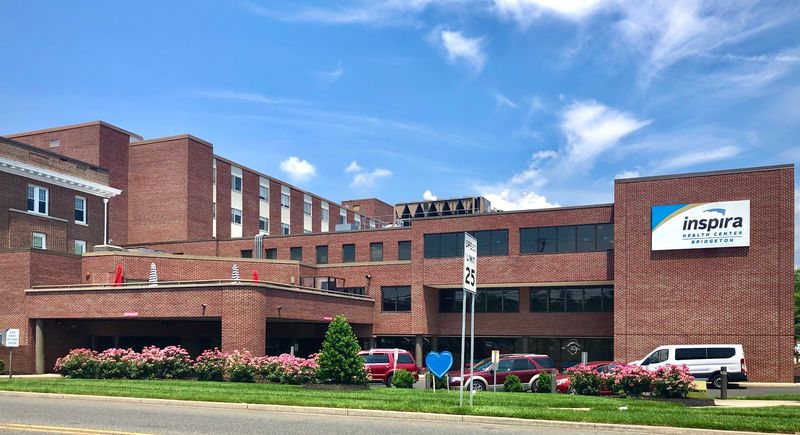
Healthcare access is a top priority for most retirees, and Bridgeton holds up reasonably well on this front. Inspira Medical Center Bridgeton is the primary hospital serving the area, located directly within the city and offering a range of services including emergency care, surgery, and specialty departments.
Having a full-service hospital within the city limits is a significant practical advantage.
Beyond the hospital, there are primary care physicians, specialists, and outpatient clinics in and around Bridgeton that serve the Cumberland County population. The city is also within reasonable driving distance of larger medical centers in the Philadelphia metro area for cases that require more specialized treatment.
Retirees who rely on Medicare will find that most providers in the area accept it, which reduces the administrative friction that can make managing healthcare in retirement unnecessarily complicated. The presence of Inspira Health as a regional network also means that care coordination across different facilities is more streamlined than it might be in a more fragmented healthcare market.
While Bridgeton is not a major medical hub, the combination of local access and regional proximity gives retirees a solid foundation for managing their health needs without constant long-distance travel.
Property Taxes And The Cost Of Living Reality
New Jersey has a well-earned reputation for high property taxes, and that reputation is not entirely unfair. However, Bridgeton and Cumberland County as a whole represent one of the more affordable corners of the state when it comes to the actual tax burden on homeowners.
The effective property tax rate in Bridgeton is lower than many other New Jersey municipalities, particularly those in the northern and central parts of the state.
When you combine lower home values with a relatively moderate tax rate, the annual property tax bill in Bridgeton can be a fraction of what homeowners pay in wealthier New Jersey towns. That difference adds up meaningfully over a retirement that might span two or three decades.
New Jersey also offers several property tax relief programs specifically designed for seniors, including the Senior Freeze program, which locks in property tax assessments for qualifying older homeowners. Retirees who meet the income requirements can benefit substantially from these programs, further reducing the financial pressure of homeownership.
The overall cost of living in Bridgeton, including groceries, utilities, and local services, also trends below the state average, which gives retirees more flexibility in how they allocate their monthly budget. That financial breathing room is the foundation of a comfortable retirement.
Shopping, Dining, And Everyday Conveniences
Daily conveniences in Bridgeton are solid without being overwhelming. The city has grocery stores, pharmacies, dollar stores, and basic retail options that cover everyday needs without requiring a long drive.
For larger shopping trips, the Millville area and the Route 47 corridor offer additional options within a short distance.
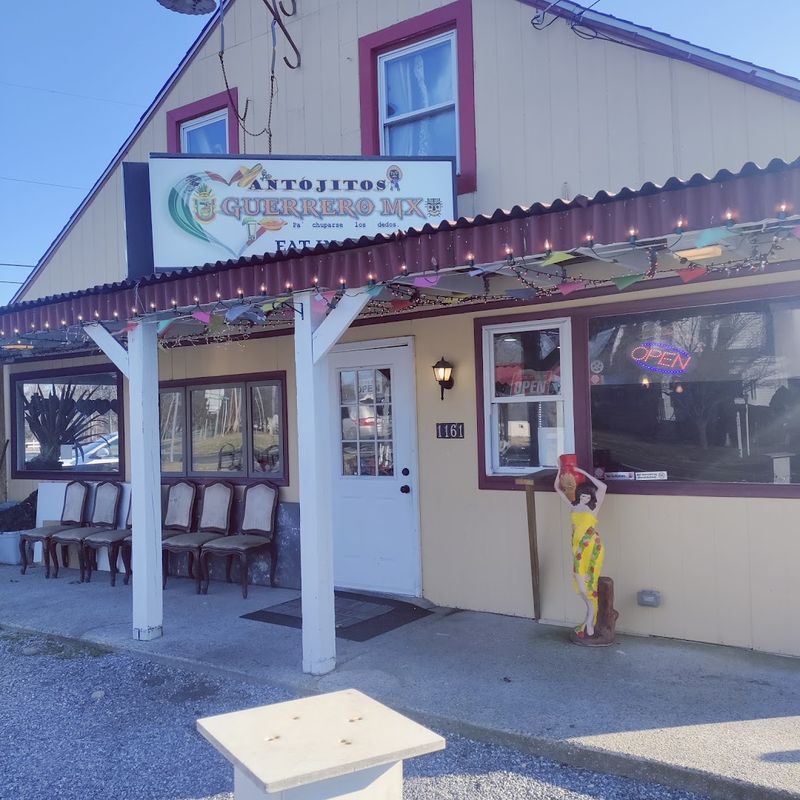
The local dining scene reflects the character of the community, with a mix of family-owned restaurants, casual diners, and Latin food establishments that bring real variety to the table. Bridgeton is not a foodie destination in the way that a larger city might be, but it has enough options to keep daily eating interesting and affordable.
The prices at local restaurants tend to be noticeably lower than what you would pay in more affluent New Jersey towns.
For retirees who do not need a Whole Foods or a luxury mall to feel comfortable, Bridgeton delivers everything that matters for day-to-day living. The scale of the city also means that most errands can be completed without getting stuck in traffic or navigating a crowded parking structure.
That simplicity is genuinely appealing after years of dealing with the logistical friction that comes with living in a busier place. Everyday life here has a straightforward quality that many retirees actively seek out.
The Rich History That Gives Bridgeton Its Identity
Bridgeton was settled in the 1680s and has one of the longer documented histories of any community in South Jersey. The city was formally incorporated in 1865, and its development as a commercial and manufacturing center throughout the 18th and 19th centuries left behind a physical and cultural legacy that is still visible today.
The George Woodruff Indian Museum, located within Bridgeton City Park, houses one of the largest collections of Lenape artifacts in the region. The Lenape people inhabited this area long before European settlement, and the museum provides a meaningful window into that history.
For retirees with an interest in local and indigenous history, it is a genuinely worthwhile visit.
The city also has strong ties to the American Revolution era, with several historic sites and markers that document its role in the colonial period. Bridgeton was known as a hub of activity during that time, and the historic district preserves much of that physical evidence.
Living in a place with this kind of layered history gives daily life a context and depth that newer communities simply cannot manufacture. For history-minded retirees, Bridgeton offers a permanent and accessible connection to the American past right outside the front door.
Transportation And Getting Around Without A Car
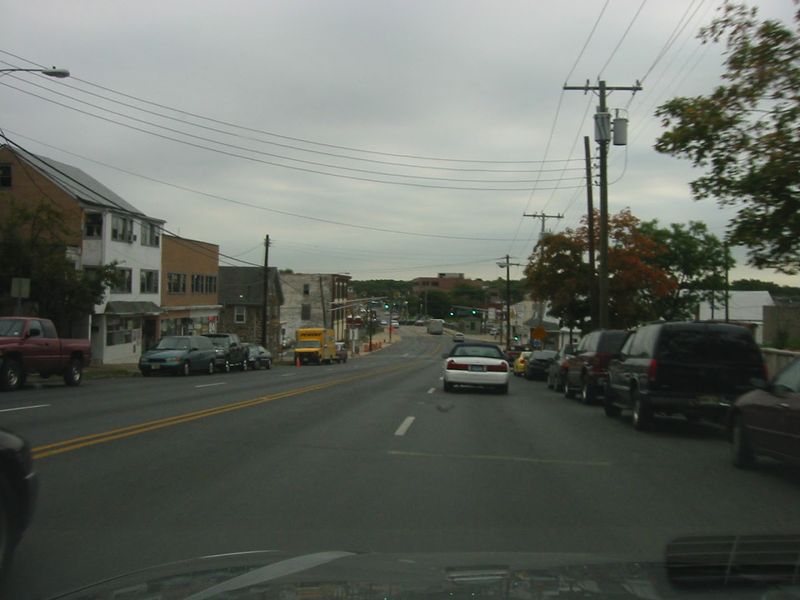
Bridgeton is primarily a driving city, and owning a car makes getting around significantly easier. That said, public transportation options do exist for residents who prefer not to drive or who want to reduce their dependence on a vehicle.
NJ Transit provides bus service connecting Bridgeton to other Cumberland County communities and to regional transit hubs.
For retirees who are still comfortable driving, the roads in and around Bridgeton are generally low-traffic and straightforward to navigate. There are no major highway interchanges running directly through the city center, which keeps local traffic manageable.
Parking is also rarely a problem, which is a small but real quality-of-life detail that anyone who has parked in a bigger New Jersey city will immediately appreciate.
The compact size of the city means that many destinations within Bridgeton itself are reachable on foot or by bicycle for those who are physically able. The park, downtown, and several residential areas are all within reasonable proximity of each other.
For retirees who are in the early stages of retirement and still active, the walkability of the city center is a genuine asset. As mobility needs change over time, the availability of local services and transit options provides a reasonable safety net.
Natural Beauty And The South Jersey Landscape
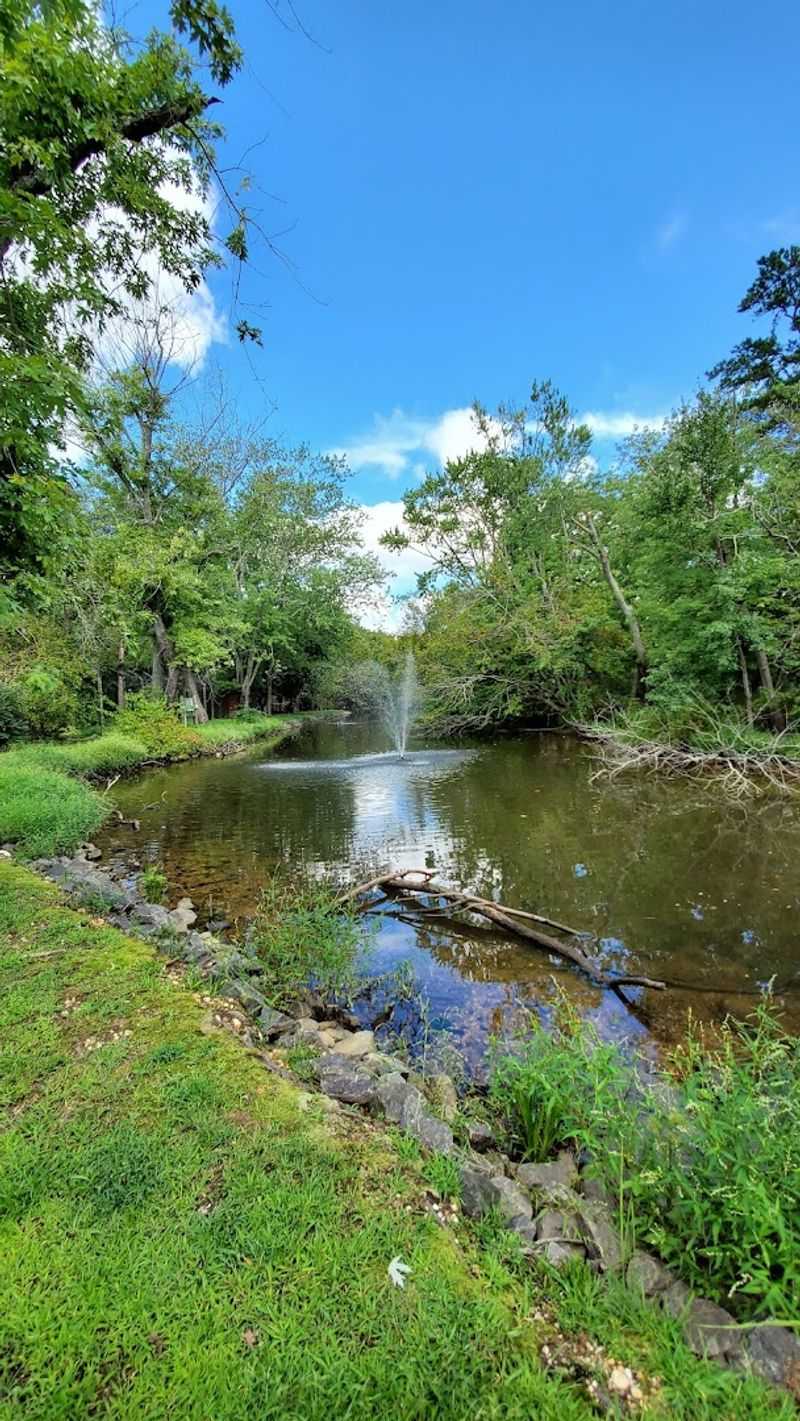
Cumberland County is one of the most rural and naturally preserved counties in New Jersey, and the landscape surrounding Bridgeton reflects that character fully. Within a short drive of the city, there are farms, wetlands, wildlife management areas, and stretches of open land that give the region a genuinely rural character that is rare this close to the Eastern Seaboard.
The Cohansey River and its tributaries wind through much of the surrounding countryside, creating habitat for a wide variety of bird species that make the area popular with birdwatchers. The proximity to Delaware Bay also means that migratory shorebirds pass through the region in significant numbers during spring and fall, which is a notable draw for retirees who enjoy wildlife observation.
Nearby natural areas like the Maurice River corridor and the Cumberland County Improvement Authority lands offer additional opportunities for hiking, fishing, and nature appreciation without any admission fees. The agricultural character of the region also means that farm stands and local produce are accessible throughout the growing season, which adds a pleasant and practical dimension to life in the area.
For retirees who prioritize open space and natural surroundings over urban amenities, the South Jersey landscape around Bridgeton is one of its most compelling and underappreciated qualities.
Community Character And What Makes Bridgeton Welcoming
Bridgeton has a diverse population that reflects the broader demographic mix of South Jersey, with significant African American and Latino communities alongside longer-established families of various backgrounds. That diversity gives the city a cultural richness that is not always present in smaller communities, and it contributes to a social environment that is more varied and dynamic than the population size might suggest.
The people of Bridgeton tend to have a practical, unpretentious quality that makes the city feel genuinely approachable. There is no pressure to keep up with expensive trends or maintain a certain lifestyle image.
Neighbors talk to each other, local businesses know their regular customers, and the pace of daily interaction is relaxed in a way that feels increasingly rare.
For retirees relocating from busier or more expensive parts of New Jersey, the adjustment to Bridgeton’s pace and culture is usually a positive one. The city has its challenges, as all small cities do, but the community spirit and the willingness of residents to invest in their neighborhood are qualities that stand out consistently.
Retirement is partly about finding a place where you feel comfortable and accepted, and Bridgeton offers that kind of straightforward, no-fuss welcome to people who are ready to slow down and settle in.
Why Bridgeton Keeps Showing Up On Retirement Radar Screens
Bridgeton is not a name that appears on glossy retirement magazine covers, and that is actually part of its appeal. The city has not been packaged and marketed to the retirement crowd, which means it has not been priced accordingly.
The affordability is real, the community is genuine, and the quality of life is solid in the ways that matter most to people in retirement.
The combination of low housing costs, manageable property taxes, free recreational amenities like the zoo and the park, accessible healthcare, and a historic and culturally rich environment adds up to a retirement value proposition that is hard to match within New Jersey. Most comparable New Jersey towns with this level of charm and history come with price tags that put them out of reach for average retirees.
I came away from my time in Bridgeton with a clear sense of why it keeps appearing in conversations about affordable retirement destinations in the Northeast. It is not perfect, and it does not try to be.
What it offers instead is something more durable: a real place with real character, real history, and real affordability. For retirees who are tired of being priced out and overlooked, Bridgeton, New Jersey 08302 is worth a serious look and possibly a permanent address.



