Tucked into the hills of Iredell County, North Carolina, there is a town so unusual that most people assume it must be a theme park or a movie set. It is not.
This is a real, incorporated town where horses are the preferred mode of transportation, wooden storefronts line the main road, and cowboy boots are considered everyday footwear. With a population of just 154 people according to the 2020 census, this place operates by its own rules and its own rhythm.
There are no paved roads for cars inside the town proper, which means horses genuinely have the right of way. Whether you grew up watching Western films or just need a break from the ordinary, Love Valley offers something that almost no other place in the United States can claim: an entire town built around the cowboy way of life.
Where Horses Have the Right of Way
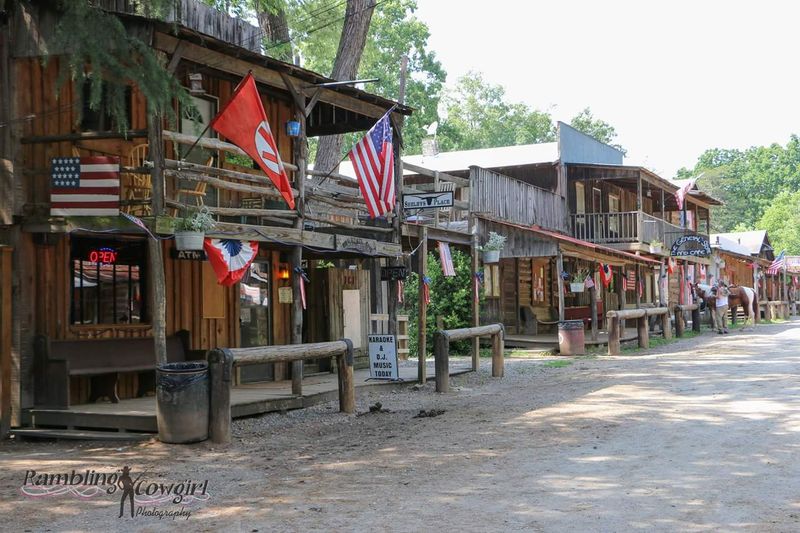
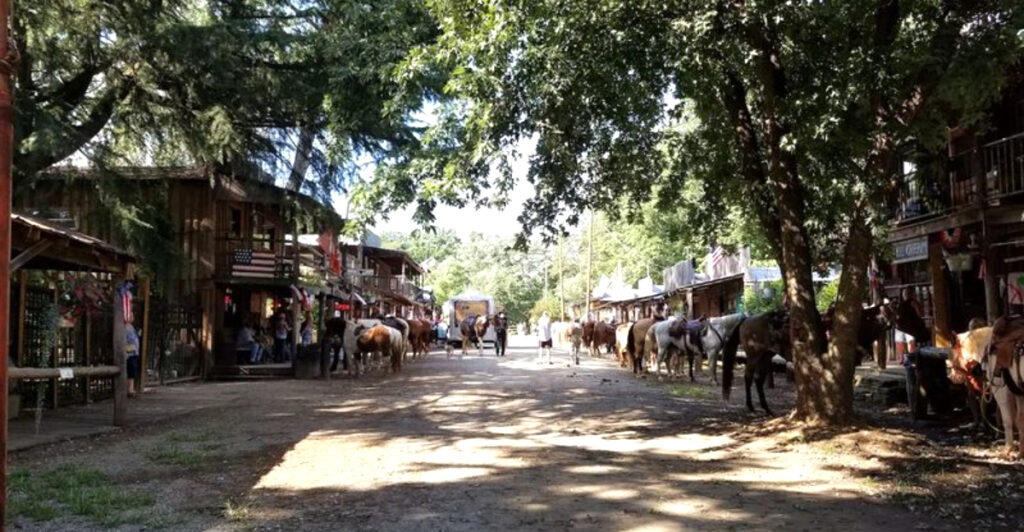
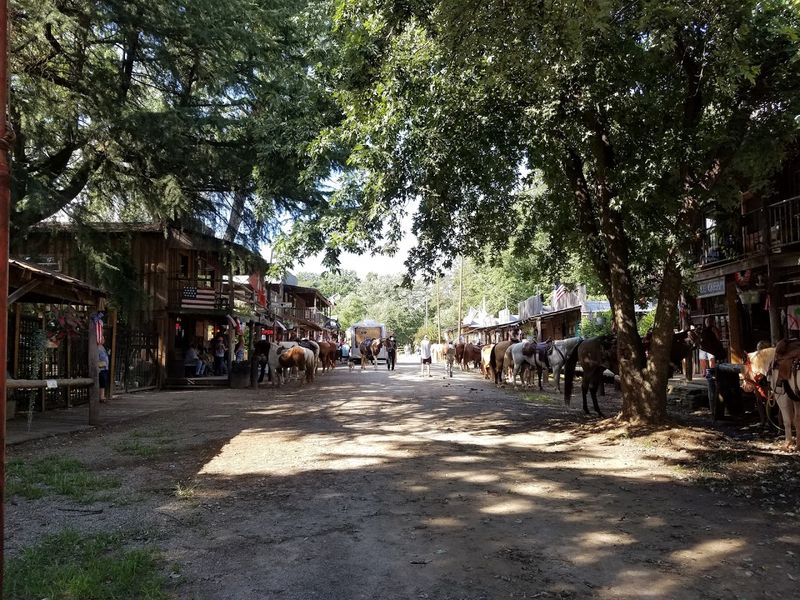
The single most striking thing about Love Valley is that horses are not just allowed on the streets, they are the expected form of transportation within the town. There are no paved roads inside the main area, and personal vehicles are kept to the outskirts.
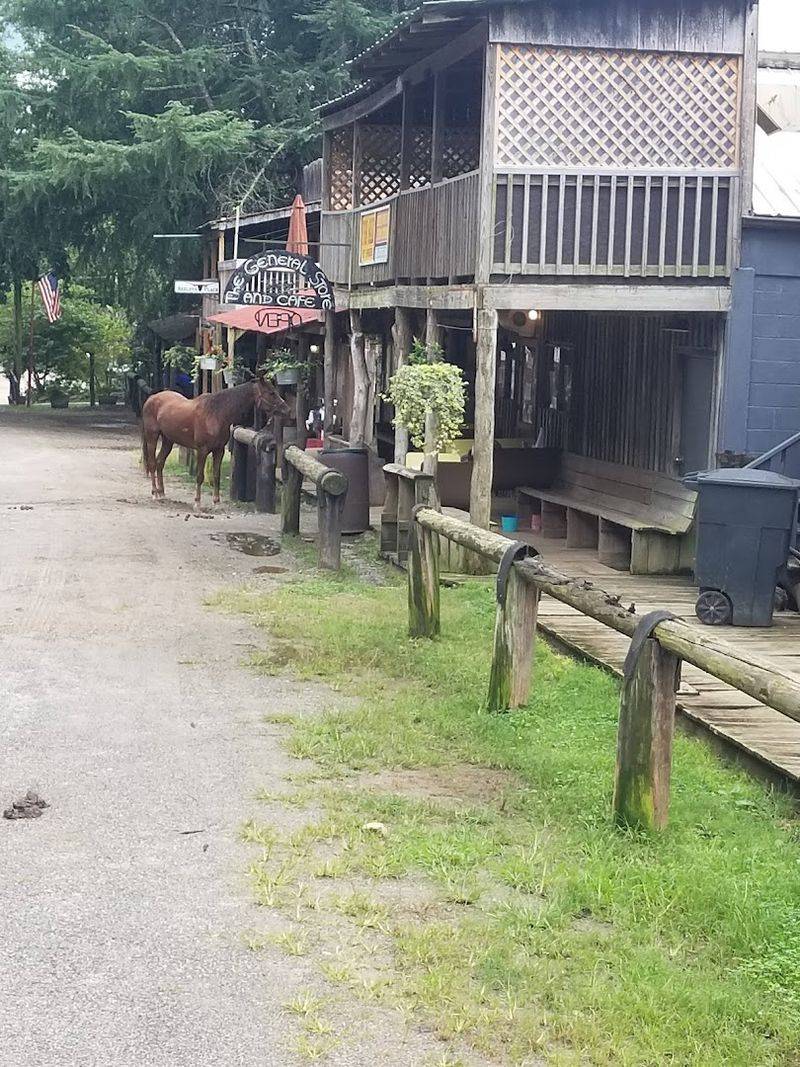
Hitching posts line the main street, and on any given weekend, you can find horses tied up outside the general store or the saloon the same way cars park outside a shopping mall in any other town. Riders of all ages move through the streets at a relaxed pace, which sets the tone for everything about this place.
The equestrian culture here is not performative. Residents actually use horses as part of their daily routines, and that authenticity is what draws so many curious travelers from across the state and beyond.
There are few places left in America where the horse is still genuinely central to daily life rather than just a weekend hobby.
The Founder Who Dreamed of Cowboys
Every unusual place has an origin story, and Love Valley’s is genuinely fascinating. Andy Barker, a North Carolina native with a deep love for Western culture, founded the town in the 1950s with the goal of creating a community built entirely around cowboy values and the equestrian lifestyle.
Barker purchased the land and began developing it with wooden storefronts, a saloon-style gathering space, and wide dirt roads designed specifically for horses rather than automobiles. His vision was not just about aesthetics; he wanted a functioning community where people could live, work, and raise families in a Western environment.
He served as mayor of Love Valley for decades, and his influence shaped every aspect of the town’s identity. The community that formed around his vision attracted like-minded people who genuinely preferred horses over horsepower.
That founding spirit has never really faded, and the town continues to operate much the way Barker originally envisioned it all those years ago.
The Western Storefronts That Set the Scene
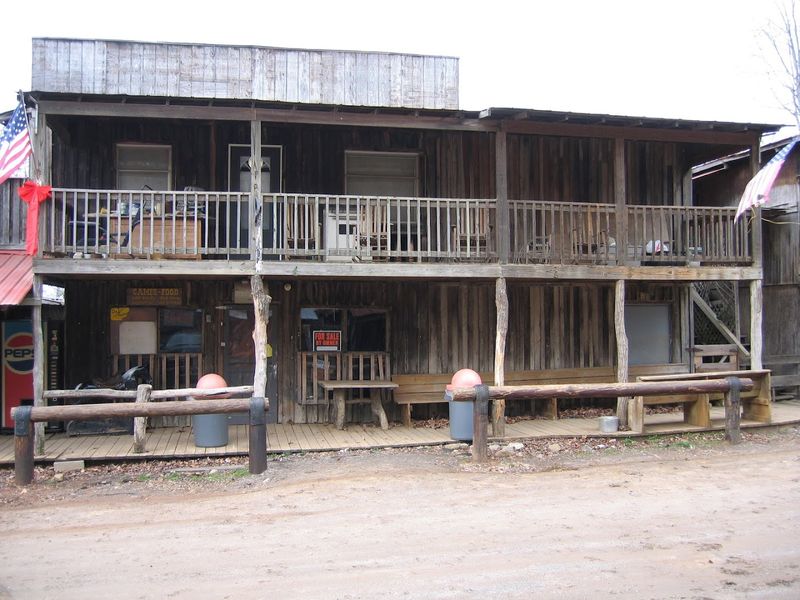
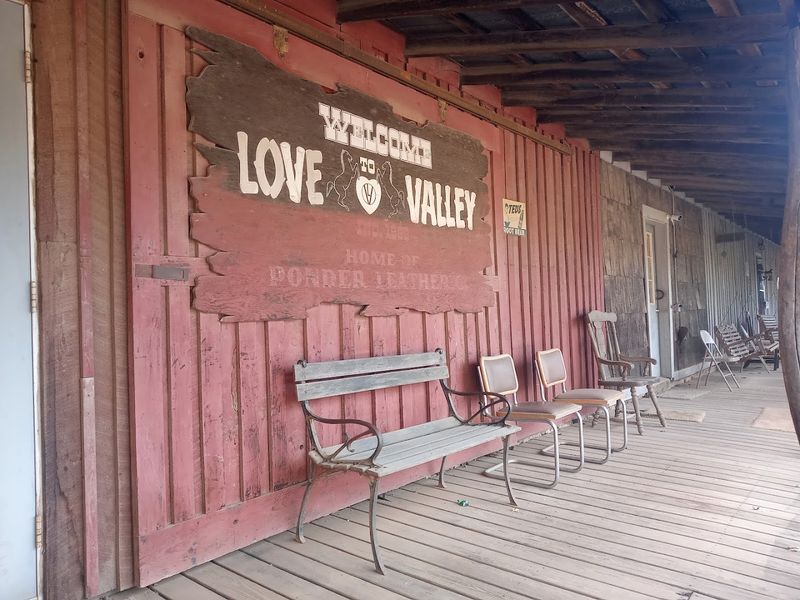
The architecture of Love Valley is part of what makes it so visually striking. The storefronts along the main road are built in a classic Western style, with wooden facades, covered porches, and hand-painted signs that look like they belong in a 19th-century frontier settlement.
These are not decorative props. The buildings serve actual functions for the community, including a general store, a chapel, and gathering spaces that locals use regularly.
The design choices were intentional from the very beginning, reinforcing the Western identity that the town was founded upon.
The overall effect is that of a living, breathing piece of Americana, one where the aesthetic is not manufactured for tourism but is genuinely part of how residents choose to live. Visitors often do a double-take when they first arrive, unsure whether they have stumbled onto a film location or an actual community.
The answer, of course, is both, depending on how you look at it.
A Population of 154 With a Personality Far Bigger
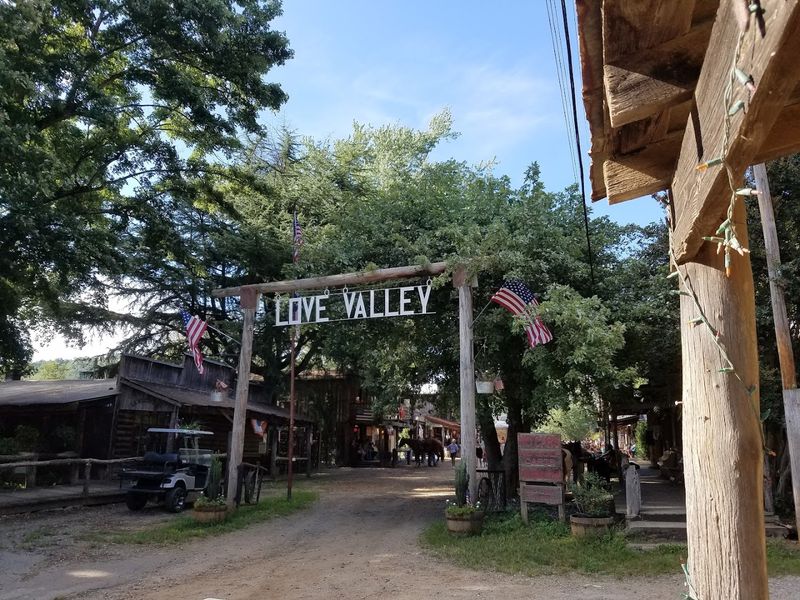
With only 154 residents recorded in the 2020 census, Love Valley is one of the smallest incorporated towns in North Carolina. That number might make it sound like a quiet footnote, but the town punches well above its weight in terms of cultural identity and regional reputation.
Because the community is so small, there is a tight-knit quality to life here that is hard to replicate in larger towns. Residents know each other, share responsibilities, and take genuine pride in maintaining the Western character that defines their home.
That pride shows up in the way the streets are maintained, the way events are organized, and the way newcomers are welcomed into the fold. Small-town hospitality is not a cliche here; it is a practical reality born out of necessity and genuine community spirit.
The population may be modest, but the sense of identity is anything but small. This is a town that knows exactly what it is and holds onto that with both hands.
The Annual Rodeo That Draws a Crowd
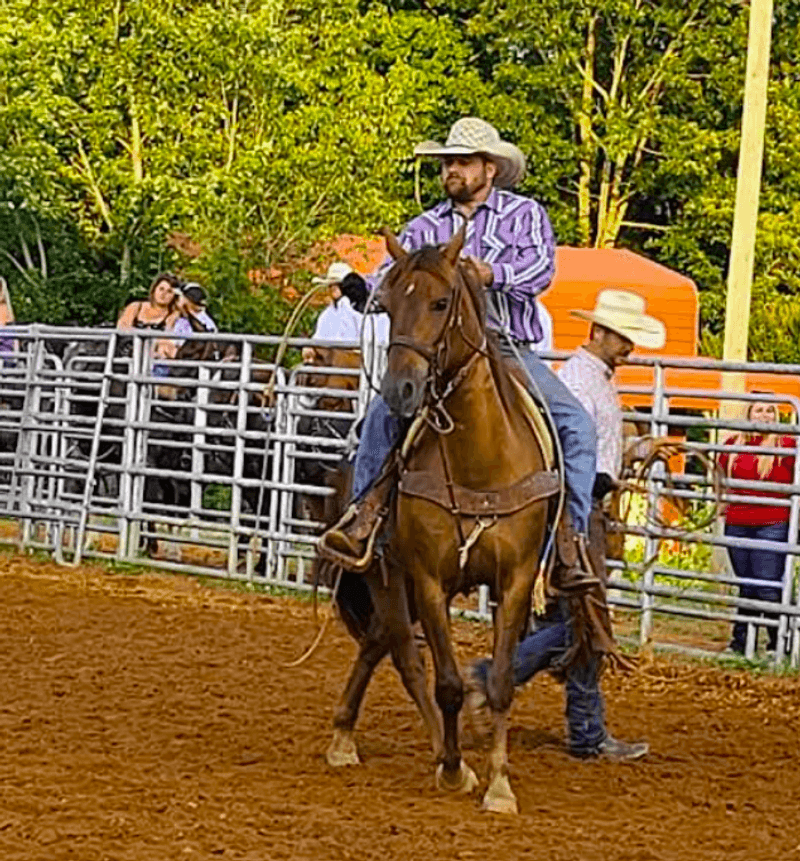
Love Valley hosts an annual rodeo that brings in riders and spectators from across the Southeast. The event is one of the town’s biggest draws, transforming the already lively atmosphere into something even more charged with energy and competition.
The rodeo features traditional events including barrel racing, roping, and other equestrian competitions that showcase real riding skill. Participants range from seasoned competitors to younger riders getting their first taste of organized competition, which gives the event a broad, inclusive appeal.
For the town, the rodeo is not just entertainment; it is a celebration of the values and lifestyle that Love Valley was built around. Horsemanship, community, and tradition are all on full display during the event, and the crowd reflects that spirit with enthusiasm.
The rodeo also brings economic activity to the small community, with vendors, food stalls, and visitors filling the streets in a way that feels festive without losing the town’s authentic character.
Music Festivals and an Unexpected Rock and Roll History
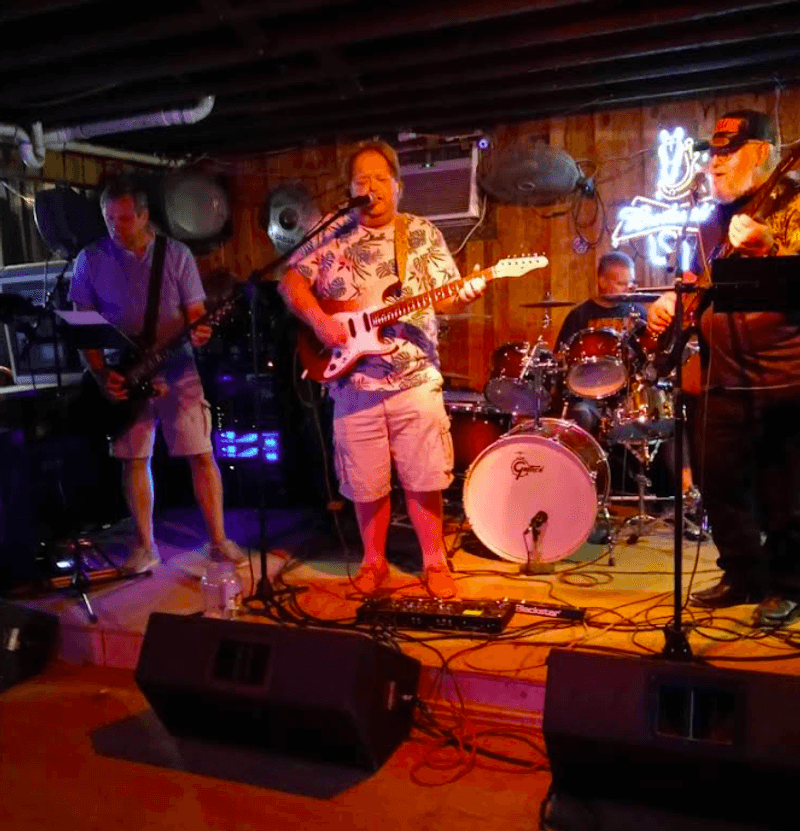
Here is a detail that surprises almost everyone who learns about it. In 1970, Love Valley hosted a massive rock music festival that drew an estimated 75,000 people to this tiny Western town.
The event featured major acts of the era and became one of the most talked-about gatherings in North Carolina music history.
The contrast between the cowboy aesthetic of the town and the rock festival atmosphere was striking, but Andy Barker welcomed the event as a way to open the town to a wider audience. It became a defining moment in Love Valley’s cultural timeline, one that locals still reference decades later.
The festival demonstrated that Love Valley was never just a rigid, single-note place. It has always had room for different kinds of people and different kinds of events, as long as the core identity of the town remained intact.
That combination of Western tradition and unexpected openness is part of what makes Love Valley genuinely unlike anywhere else.
Trail Riding Through the Surrounding Hills
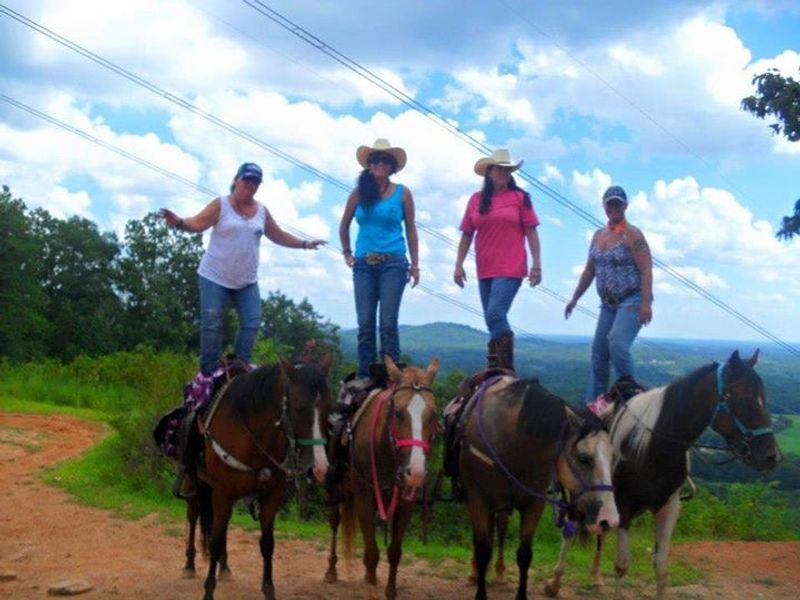
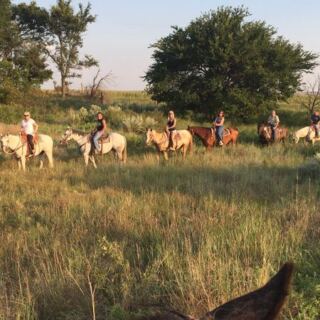
Beyond the main street, Love Valley is surrounded by terrain that is well-suited for trail riding. The hills and woodlands of the Brushy Mountains region provide a natural backdrop for extended equestrian outings, and the town has long been a base camp for riders who want to explore the area on horseback.
Trails of varying difficulty wind through the surrounding landscape, making the area accessible to both experienced riders and those who are newer to the activity. The combination of accessible trails and the town’s equestrian infrastructure makes it a practical destination for anyone who travels with their horse.
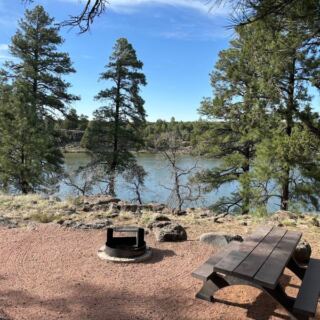
Camping facilities in and around the area allow riders to make a weekend of it, tying in trail rides with time spent in the town itself. The natural setting adds a layer of appeal that goes beyond the novelty of the Western-style streets.
For riders, this is not just a photo opportunity; it is a genuinely functional destination built around the activity they love most.
The Chapel on the Hill
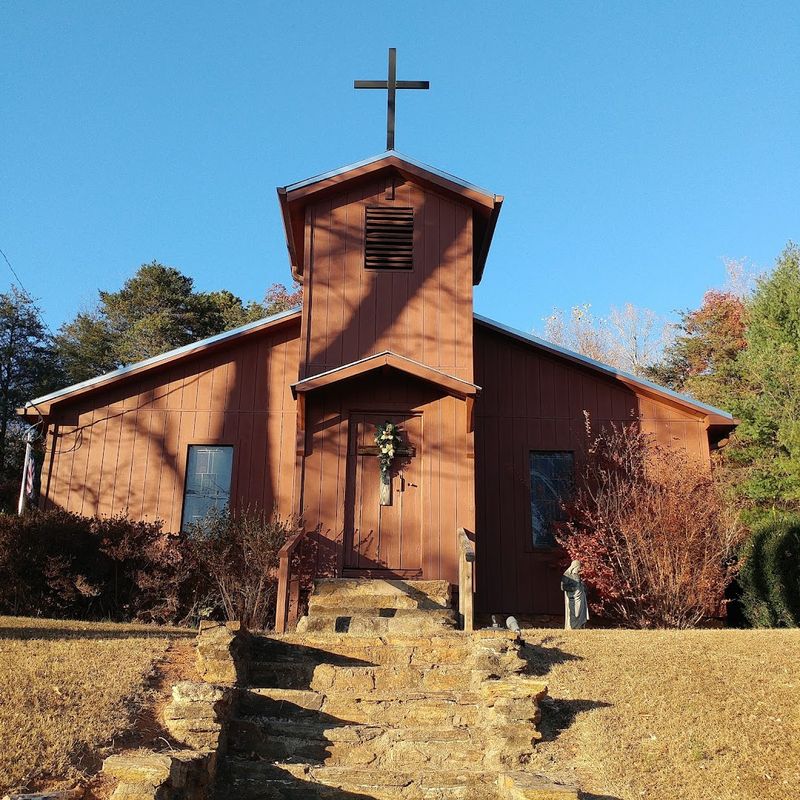
One of the quieter landmarks in Love Valley is its small chapel, which sits within the town and reflects the community’s values as much as its Western architecture does. Andy Barker, who founded the town, was deeply influenced by his faith, and that influence shaped the town’s character from the beginning.
The chapel is a modest structure that fits naturally into the overall aesthetic of the town, built with the same wooden, frontier-style construction that defines the rest of the main area. It has served as a gathering place for the community over the decades, used for services, ceremonies, and community events.
For visitors, the chapel adds a layer of depth to what might otherwise seem like a purely novelty destination. It is a reminder that Love Valley is a real community with real values, not just a tourist attraction designed to look like the Old West.
The spiritual dimension of the town’s founding story is woven into its physical landscape in ways that are easy to appreciate.
What to Know Before You Visit
Planning a trip to Love Valley requires a little preparation, mostly because it operates so differently from a typical destination. The town is located in Iredell County, and the drive from nearby cities like Statesville or Taylorsville takes about 30 to 40 minutes depending on your starting point.
Parking is available on the outskirts of the town, and from there, visitors explore the main area on foot. The dirt roads and open layout make it easy to navigate, and the entire main street can be covered in a short walk.
Weekends tend to be more active, with more horses on the street and more residents going about their routines. If you want to see the town at its most lively, a Saturday visit during warmer months is a good bet.
There is no admission fee to visit the town, and the atmosphere is relaxed and welcoming. Bringing a camera is highly recommended, because almost every angle offers something worth capturing.
The Saloon That Keeps the Spirit Alive
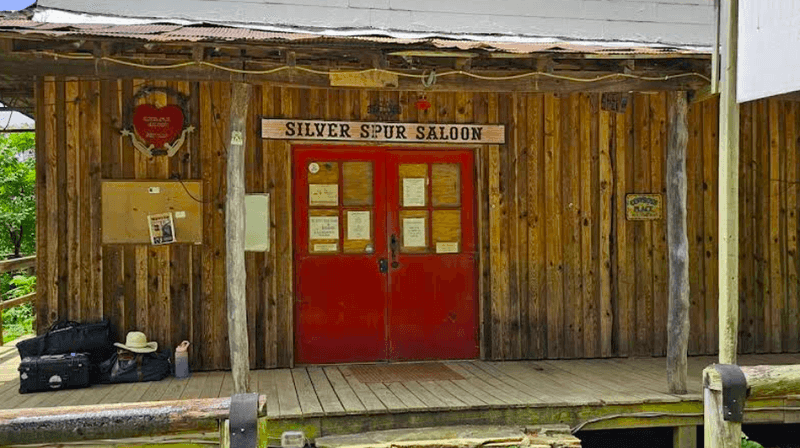
No Western town would be complete without a saloon, and Love Valley delivers on that front with a gathering space that fits right into the overall aesthetic. The saloon-style building on the main street serves as a social hub for both residents and visitors, offering a place to sit, relax, and take in the surroundings.
The interior matches the exterior in terms of design, with wooden decor and a layout that leans fully into the frontier theme. It is the kind of place where conversations happen easily between strangers, partly because the setting itself invites a certain openness and informality.
For visitors, it is often the first stop after arriving, a place to get oriented and start absorbing what makes Love Valley tick. The social energy of the space reflects the community’s broader character: unpretentious, welcoming, and genuinely rooted in a shared identity.
The saloon is not a gimmick; it is a functional piece of the town’s social fabric, and it has been since the early days of the community.
Cowboy Culture That Goes Beyond the Costume
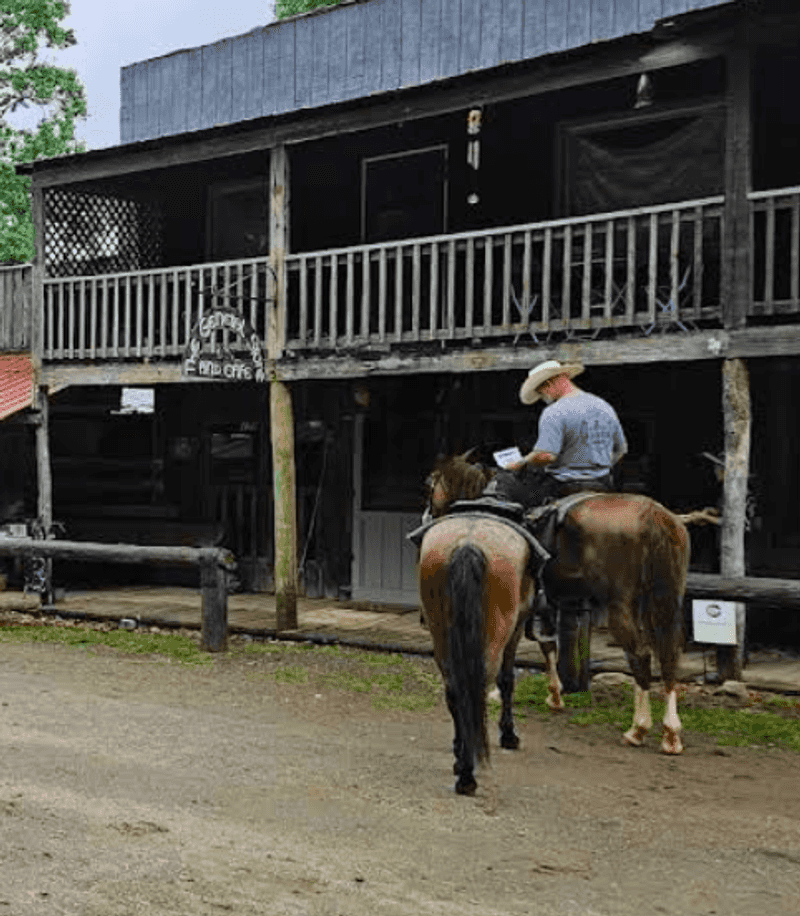
A lot of places borrow Western imagery for marketing purposes, but Love Valley actually lives it. The cowboy culture here is not a dress-up exercise; it is a genuine set of values and practices that residents carry through their daily lives.
That culture includes a respect for animals, particularly horses, as well as an emphasis on self-reliance, community responsibility, and outdoor living. These are not abstract ideals; they show up in concrete ways, from how residents maintain their properties to how they interact with one another and with visitors.
The cowboy identity also connects to a broader American tradition that Love Valley takes seriously. Horsemanship, land stewardship, and a preference for simplicity over convenience are all part of the town’s operating philosophy.
Visitors who come expecting a novelty quickly realize that there is something more substantive going on here. The authenticity of the culture is what keeps people coming back, and it is what makes Love Valley genuinely worth the drive.
Events and Gatherings That Fill the Calendar
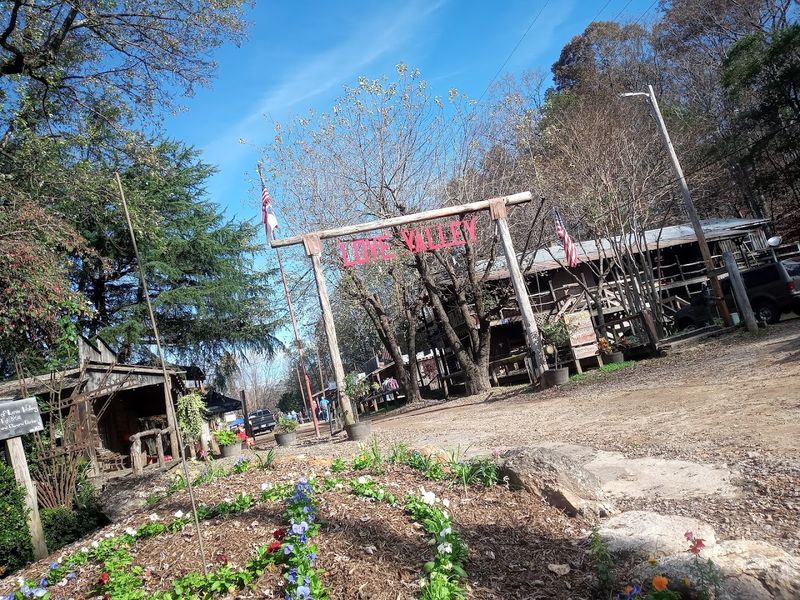
Throughout the year, Love Valley hosts a variety of events that draw people from across the region. Beyond the annual rodeo, the town organizes trail rides, community gatherings, and seasonal celebrations that keep the calendar active and the streets busy.
These events are designed to reinforce the town’s identity and give residents and visitors a reason to come together around shared interests. The equestrian focus runs through most of them, but the social dimension is just as important as the riding itself.
For families, the events offer a chance to introduce younger generations to a way of life that is increasingly rare in modern America. Watching a real rodeo, learning about horse care, or simply spending a day in a town where horses are central to daily life can be a genuinely educational experience.
The event schedule changes from year to year, so checking the town’s official website at lovevalley.com before planning a visit is the most reliable way to stay current on what is happening.
Why This Place Matters in the Bigger Picture
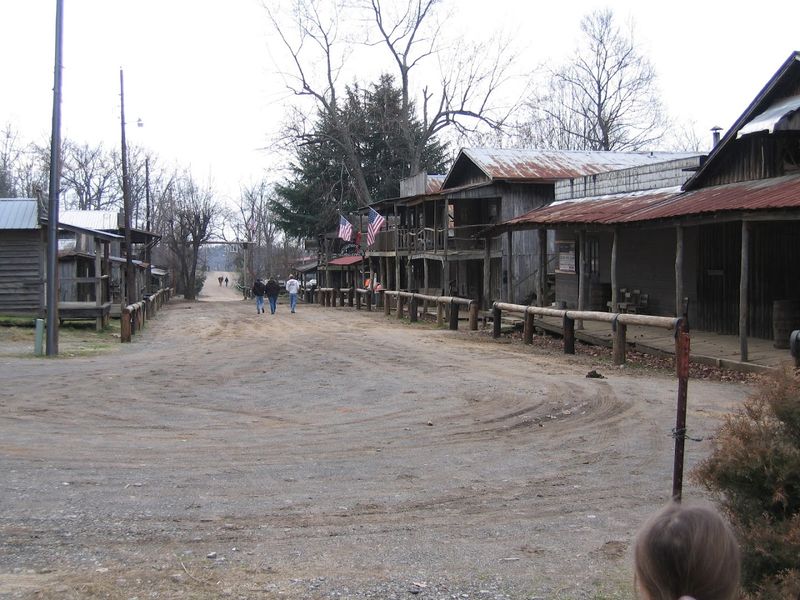
Love Valley exists at an interesting intersection of history, culture, and community. In an era when most small towns struggle to define their identity against the pull of suburban sprawl and digital distraction, this one has held its ground with remarkable consistency.
The town is a living example of what happens when a community commits fully to a shared vision. It is not perfect, and it is not trying to be.
It is simply trying to preserve a way of life that its founders and residents believe has genuine value.
That commitment has made Love Valley a point of reference for people interested in alternative community models, equestrian culture, and American heritage. Researchers, journalists, and curious travelers have all found their way here for different reasons, and most leave with a clearer sense of what makes the place tick.
In a country full of towns that look and feel the same, Love Valley stands out by doing the opposite of blending in, and that is a rare thing worth acknowledging.
A Closing Ride Into the Horizon
Love Valley is not for everyone, and it does not try to be. The dirt roads, the absence of car traffic, and the unapologetically Western identity make it a specific kind of destination that appeals to a specific kind of traveler.
But for those who connect with what it represents, a community built on a clear set of values, maintained by people who genuinely believe in them, it is one of the most compelling places in North Carolina. The town proves that a population of 154 can leave a much larger footprint on the cultural landscape than the numbers suggest.
Whether you visit for the rodeo, the trail rides, the architecture, or simply the curiosity of seeing horses tied up outside a general store in the 21st century, Love Valley delivers something that is hard to put into words but easy to remember.
Some places just have a character that sticks with you long after the drive home, and this tiny Iredell County town is absolutely one of them.
A Town Unlike Anything Else in North Carolina
Most towns in North Carolina are known for their universities, their coastlines, or their mountain trails. Love Valley, located in Iredell County, North Carolina 28625, is known for something entirely different: being the only incorporated Western-style town in the eastern United States.
The town sits on a patch of land in the Brushy Mountains area, surrounded by rolling hills and woodland. Its official address places it within Iredell County, and it is accessible by car from the surrounding area, but once you cross into town, the rules change fast.
Cars are not permitted on the main streets. Horses, however, are welcome everywhere.
The dirt roads, wooden buildings, and hitching posts make it look like a set from an old cowboy film, except this is real life for the people who live here.
Love Valley was founded in the 1950s with a clear vision: build a town where the Western lifestyle could thrive for generations to come.
Share this story