 Unearth The Voyage
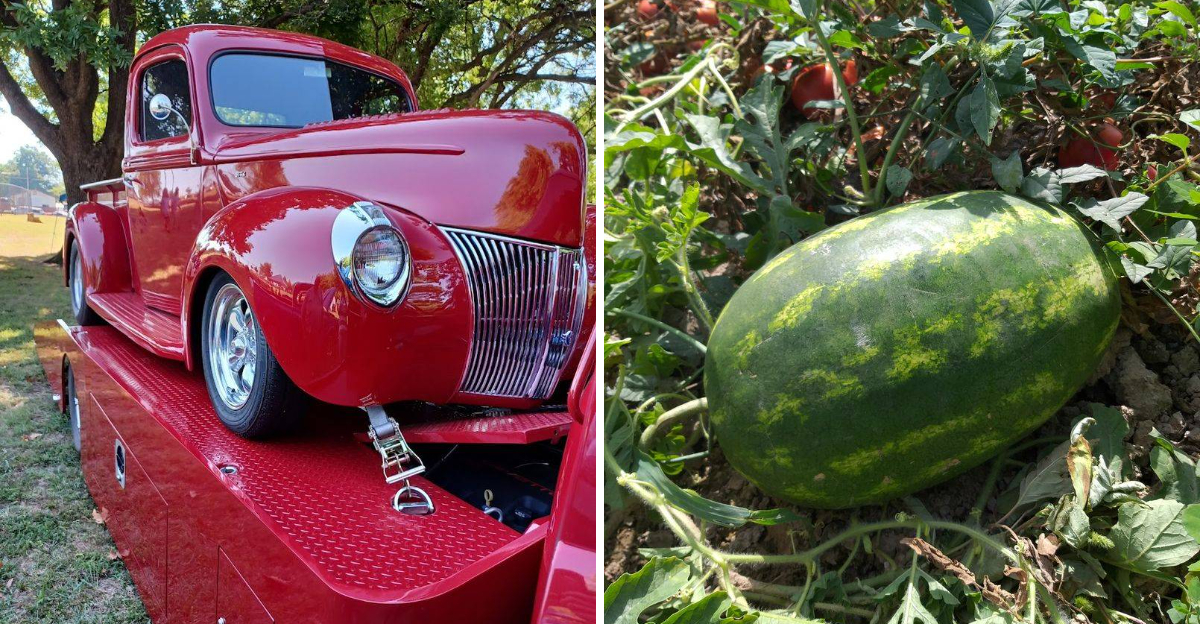
Every August, a small town of fewer than a thousand people somehow convinces thousands of visitors to drive from across the state and beyond, all for watermelons and vintage cars. That combination sounds a little random until you actually show up and feel the energy crackling through the streets.
Rush Springs, tucked into Grady County in central Oklahoma, has been throwing its annual Watermelon Festival for decades, and the tradition only keeps growing. Between rows of gleaming classic cars, slices of cold watermelon handed out like candy, and a crowd that genuinely seems happy to be exactly where it is, this little town delivers something that bigger cities rarely manage to pull off with this much heart.
Rush Springs: The Town That Puts Itself on the Map Every Summer
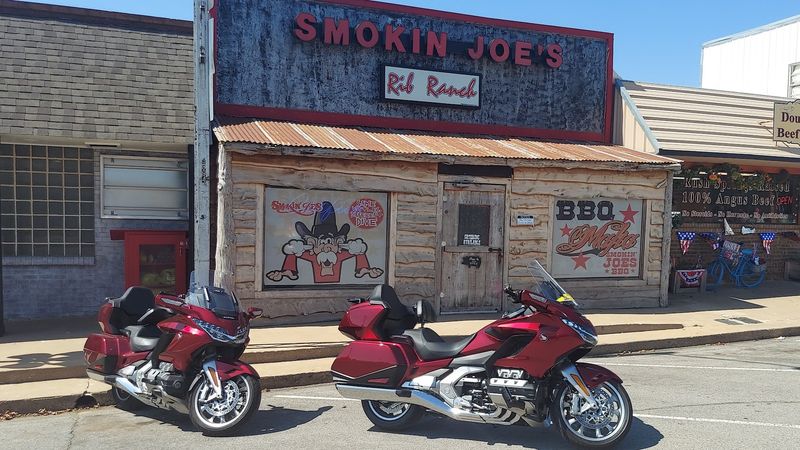
The address is simple enough: Rush Springs, Oklahoma 73082, a small dot in Grady County sitting along U.S. Route 76, roughly 70 miles south of Oklahoma City.
On most days, the town moves at a pace that matches its population of just under a thousand people.
But every August, something shifts. The streets fill up, the parking lots overflow, and the scent of fresh watermelon drifts through the warm air like a welcome announcement.
Rush Springs has carried the self-proclaimed title of “Watermelon Capital of the World” for years, and the town leans into that identity with real conviction.
The sandy, loamy soil in this part of Oklahoma turns out to be almost perfect for growing watermelons, and local farmers have known that for generations. The annual festival started as a way to celebrate that agricultural heritage, and it has grown into one of the most beloved summer traditions in the entire state.
Visitors who expect a sleepy small-town gathering usually leave a little surprised by how much energy the place generates once the festival kicks off.
The Watermelon Festival: A Tradition Decades in the Making
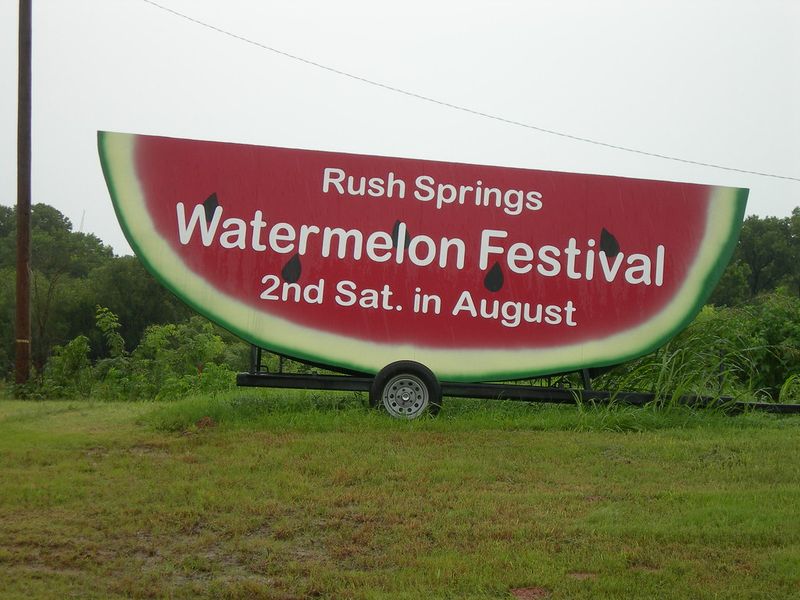
The Rush Springs Watermelon Festival has been running for over 70 years, which puts it firmly in the category of “serious Oklahoma tradition” rather than just a seasonal market. The festival typically takes place in mid-August, timed to coincide with peak watermelon harvest season in the area.
Free watermelon is handed out to attendees, and that alone draws a loyal crowd year after year. There is something genuinely satisfying about biting into a cold slice of watermelon on a hot Oklahoma afternoon, especially when it costs you nothing and tastes like it was picked that morning.
The festival grounds host vendors, food stalls, live music, and activities for kids, creating a full-day experience rather than just a quick stop. Local organizations and community groups use the event as a fundraising opportunity, so spending money there actually feeds back into the town itself.
Generations of families have made the trip to Rush Springs in August as a summer ritual, and many of them bring their kids for the first time and then watch those kids eventually bring their own children. That kind of continuity is rare and worth celebrating.
The Classic Car Show: Chrome, History, and a Whole Lot of Pride

Somewhere between the watermelon booths and the live music stage, a car show breaks out, and it is absolutely worth your full attention. The annual classic car show at the Rush Springs Watermelon Festival draws entries from across Oklahoma and neighboring states, filling the streets with decades of automotive history.
Muscle cars from the 1960s sit beside lovingly restored pickup trucks from the 1950s, and the variety keeps the experience fresh no matter how many times you walk the line. Owners spend months preparing their vehicles for this event, and that dedication shows in every polished hood and spotless interior.
The car show has a friendly, community-driven atmosphere rather than a competitive or exclusive one. Owners are generally happy to talk about their vehicles, share restoration stories, and answer questions from curious kids who have never seen a real carburetor up close.
Combining a car show with a watermelon festival might seem like an unusual pairing on paper, but in practice it creates a layered event that gives visitors multiple reasons to stay longer than they originally planned. The two attractions complement each other in a way that feels completely natural once you are there.
Watermelon Growing in Grady County: Why the Soil Makes All the Difference
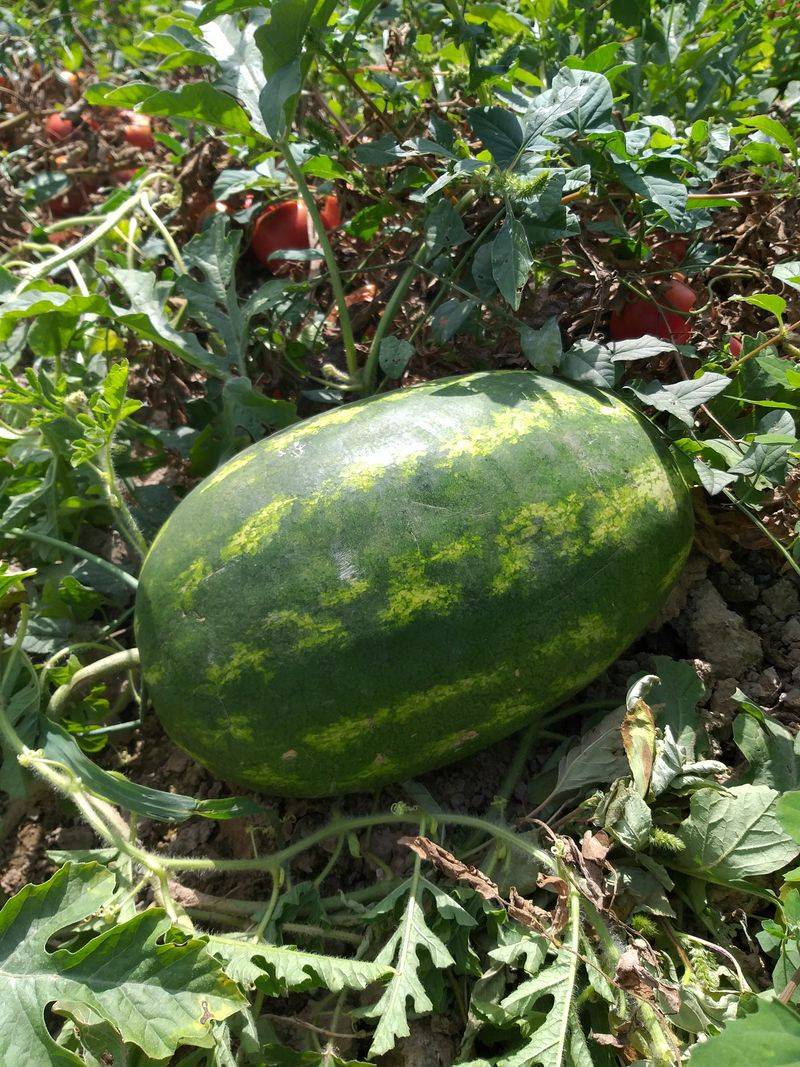
Not every town can credibly call itself the Watermelon Capital of the World, but Rush Springs has actual agricultural science on its side. The soil in this part of Grady County is sandy and well-draining, which creates conditions that watermelon plants genuinely thrive in.
Watermelons need warm temperatures, plenty of sunlight, and soil that does not hold too much moisture around the roots. Central Oklahoma delivers all three in abundance during the summer months, giving local farmers a natural advantage that has supported watermelon agriculture in the region for well over a century.
The melons grown near Rush Springs are known for being sweet and firm, with a flavor that reflects both the soil quality and the experience of farmers who have been refining their growing practices across multiple generations. These are not mass-produced grocery store melons shipped from across the country.
When you eat a slice of watermelon at the festival, there is a good chance it was grown within a few miles of where you are standing, which adds a layer of authenticity that is harder to find in modern food culture. That farm-to-festival freshness is part of what keeps people coming back.
Festival Activities Beyond the Food and Cars

The Rush Springs Watermelon Festival is not a one-trick event, and the schedule of activities keeps visitors engaged well beyond the initial excitement of free watermelon and shiny cars. Seed-spitting contests are a festival staple, and they draw surprisingly competitive crowds of all ages.
Kids line up for the chance to see who can launch a watermelon seed the farthest, and the results are always entertaining. Adults who think they are too grown-up for such things tend to change their minds once they see how much fun it looks from the sidelines.
Live music runs throughout the day, with local and regional performers filling the air with everything from country to gospel. The stage area becomes a natural gathering spot where people settle in with their watermelon slices and let the afternoon drift by at a comfortable pace.
Carnival rides, craft vendors, and food booths round out the experience, giving families enough variety to fill a full day without running out of things to do. The festival has a well-organized flow that makes it easy to navigate even for first-time visitors who show up without a plan and simply follow the crowd.
The Community Behind the Celebration

A festival this consistent does not happen by accident. The Rush Springs Watermelon Festival is driven by a community that genuinely invests in the event, from local organizations that volunteer their time to businesses that sponsor activities and farmers who donate watermelons by the truckload.
For a town of fewer than a thousand residents, the organizational effort required to host tens of thousands of visitors is remarkable. The fact that the festival has continued for over seven decades speaks to a level of community commitment that most larger towns would struggle to match.
Local churches, civic groups, and school organizations use the festival as a fundraising platform, which means attendance directly supports the institutions that keep the town running. Buying a meal from a booth or purchasing a raffle ticket is a small act with a tangible local impact.
There is a sense of collective pride that runs through the event, visible in the way volunteers greet visitors, the care taken with decorations and signage, and the general warmth of the crowd. Rush Springs treats its festival like a gift to visitors, and visitors tend to respond in kind by coming back year after year.
What to Eat When Watermelon Is Just the Beginning

Free watermelon is the headline act, but the food scene at the Rush Springs Watermelon Festival extends well beyond fruit. Vendor booths line the festival grounds with a range of offerings that cover the full spectrum of summer fair food, from grilled meats to homemade baked goods.
Local organizations often run their own food stalls, which means the recipes behind the dishes tend to reflect genuine home cooking rather than mass-produced festival fare. A plate of barbecue from a church booth or a slice of pie from a community group carries a different kind of flavor than anything you would find at a corporate food truck.
Watermelon-themed treats show up in creative forms throughout the festival, from watermelon-flavored desserts to novelty foods that lean into the theme with varying degrees of seriousness. Some of them are genuinely delicious, and some of them are fun mainly because of the novelty factor.
The combination of free watermelon plus a full range of food vendors means you can arrive hungry and leave completely satisfied without spending very much money. That kind of accessible, low-cost enjoyment is part of what makes the festival feel genuinely welcoming rather than commercially driven.
Planning Your Visit: Timing, Parking, and Practical Tips
The Rush Springs Watermelon Festival typically takes place on the second Saturday of August, which means planning ahead is worth the effort. August in central Oklahoma is reliably hot, so arriving early in the morning gives you cooler temperatures and first access to the free watermelon distribution before the crowds thicken.
Parking in a town this small fills up quickly once the festival is in full swing. Many visitors park along side streets and walk a few blocks to the main festival area, which is manageable and gives you a chance to see more of the town on the way in.
Wearing comfortable shoes and bringing sun protection is genuinely important, not just standard advice. The festival grounds involve a lot of walking on pavement and gravel under direct Oklahoma sunlight, and the heat can catch people off guard if they are not prepared.
Bringing cash helps, since many of the smaller vendors and community booths do not accept cards. A small cooler in the car for the drive home is also a smart move, especially if you plan to buy whole watermelons from local farmers, which is an option worth taking advantage of before you leave.
Rush Springs Beyond the Festival: A Town Worth a Slower Look

Most visitors arrive for the festival and leave when it wraps up, but Rush Springs has a quiet character that rewards a slower pace. The town sits in a part of central Oklahoma where the landscape opens up into rolling plains and scattered tree lines, and the drive in from any direction has its own low-key appeal.
The streets of Rush Springs have the feel of a place that has not tried too hard to modernize itself, which is actually a compliment. Small-town architecture, local businesses, and the general rhythm of life in a community where people know their neighbors gives the place a texture that larger towns have largely lost.
The surrounding Grady County area offers additional stops for visitors who want to extend the trip, with the county seat of Chickasha just a short drive away and various natural areas within reasonable distance. Rush Springs itself is compact enough to explore on foot in an afternoon.
Returning outside of festival season gives you a completely different experience, one that is quieter and more personal, where the town reveals itself as a working agricultural community rather than a festival destination. Both versions of Rush Springs are worth knowing.
Why This Festival Keeps Drawing People Back Year After Year

There are plenty of summer festivals across Oklahoma, but the Rush Springs Watermelon Festival has maintained its reputation as one of the most genuinely fun ones for a reason that is hard to fake: it feels real. The combination of a deep agricultural tradition, a tight-knit community, free food, and a classic car show creates an event that delivers on its promise without overcomplicating things.
Nostalgia plays a role for many attendees, who have been coming since childhood and now bring their own families. But first-timers respond just as warmly, because the welcome is not performative.
The town is simply doing what it has always done, and visitors get to be part of that for a day.
The festival also taps into something that a lot of people are quietly looking for: a reason to slow down, eat something good, admire something beautiful, and spend time with people who are in a genuinely good mood. That formula does not require a big budget or a famous headliner.
Rush Springs proves every August that a small Oklahoma town with a big agricultural identity and a well-loved tradition can create an experience that sticks with you long after the last watermelon slice is gone.



