There is a stretch of Oregon coastline so quiet that you can walk its entire length without passing another soul. Only about 250 people call it home year-round, and the shoreline runs for a full 2.5 miles of raw, untouched Pacific beauty.
Most visitors speed right past it on Highway 101, completely unaware that one of the coast’s most peaceful hideaways sits just off the road. This article walks you through everything that makes this tiny community worth slowing down for, from its dramatic rock formations and forested trails to its laid-back local culture and the kind of sunsets that make you want to cancel your return trip.
Where Exactly Arch Cape Is and How to Get There
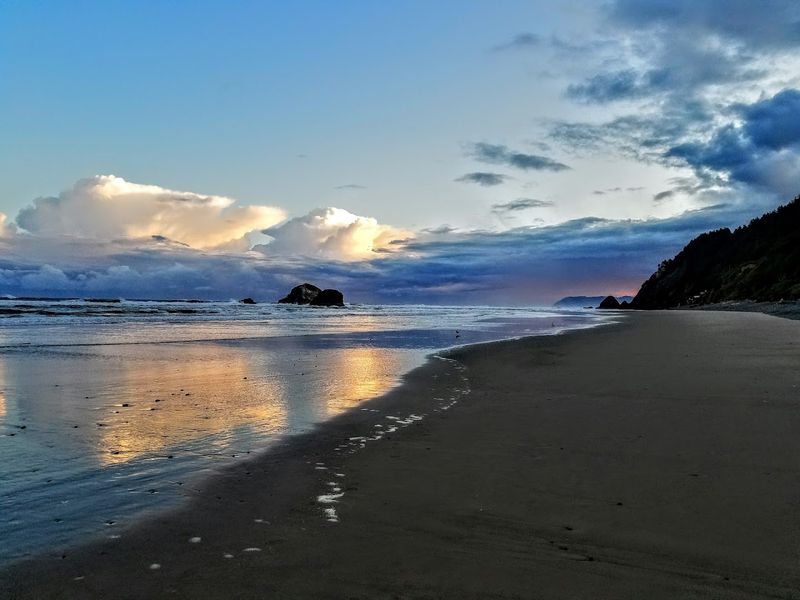
Tucked between Cannon Beach to the north and Manzanita to the south, Arch Cape sits along the northern Oregon coast in Clatsop County. The official address for the community falls under Oregon 97102, and you can reach it by heading south on U.S.
Highway 101 from Cannon Beach for roughly four miles.
The town is unincorporated, meaning it has no city hall, no mayor, and no official downtown. What it does have is a narrow tunnel carved right through Arch Cape headland, which serves as a dramatic gateway into the community.
Most people blow through that tunnel without a second thought, never realizing there is an actual neighborhood on the other side. The drive itself is part of the charm, with old-growth Sitka spruce pressing close to the road and the ocean flickering through the trees.
If you are coming from Portland, the trip runs about 90 miles and takes roughly an hour and forty minutes, making it a very doable day trip or a perfect weekend escape.
The Natural Arch That Gave the Town Its Name
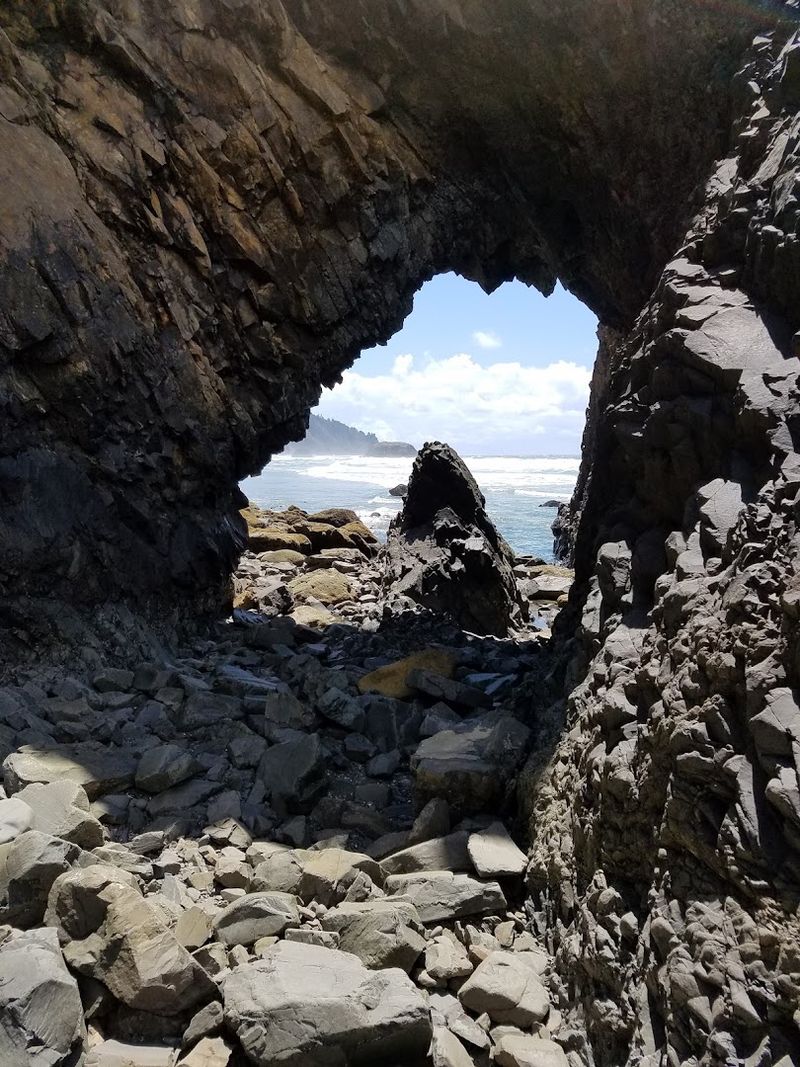
Not every small town can say it was named after an actual geological feature still standing in its backyard. The natural rock arch embedded in the coastal headland here is the real deal, a wave-carved opening in basalt cliffs that frames the Pacific in a way that stops you mid-stride.
The arch itself sits at the base of Arch Cape headland, visible from the beach at low tide when the rock shelf becomes more accessible. Timing your visit around a minus tide gives you the best view and allows you to get close enough to hear the surge of water moving through the opening.
Basalt columns and sea stacks dot the surrounding shoreline, remnants of ancient volcanic activity that shaped much of the Oregon coast millions of years ago. The rock formations here feel more dramatic than anything you would find at a typical Oregon beach, partly because so few people visit and the area retains a genuinely wild character.
Bring waterproof shoes and check tide charts before you head out, because the rocks can be slippery and conditions change fast.
5 Miles of Shoreline With Almost No Crowds
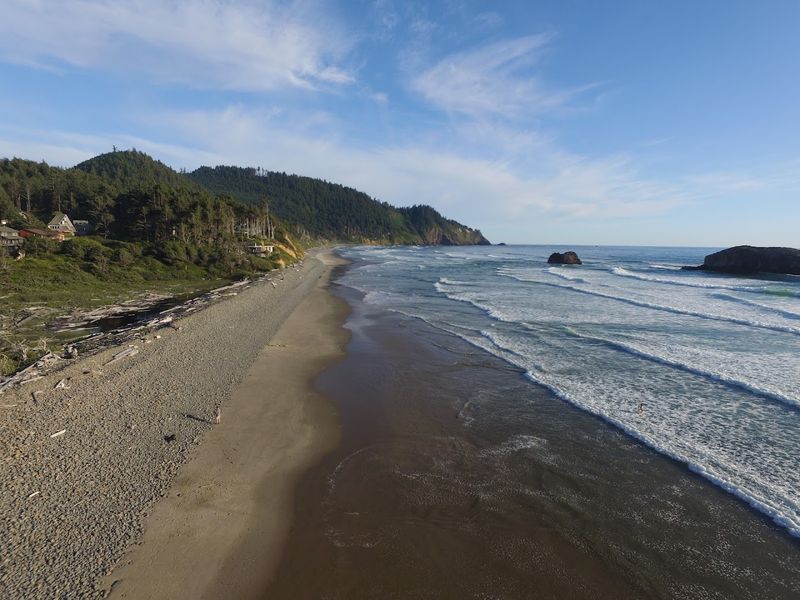
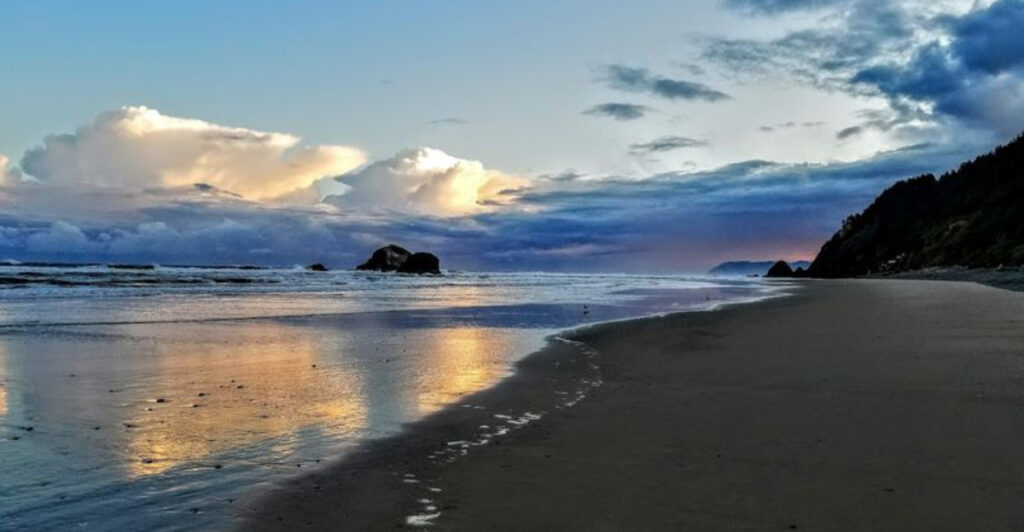
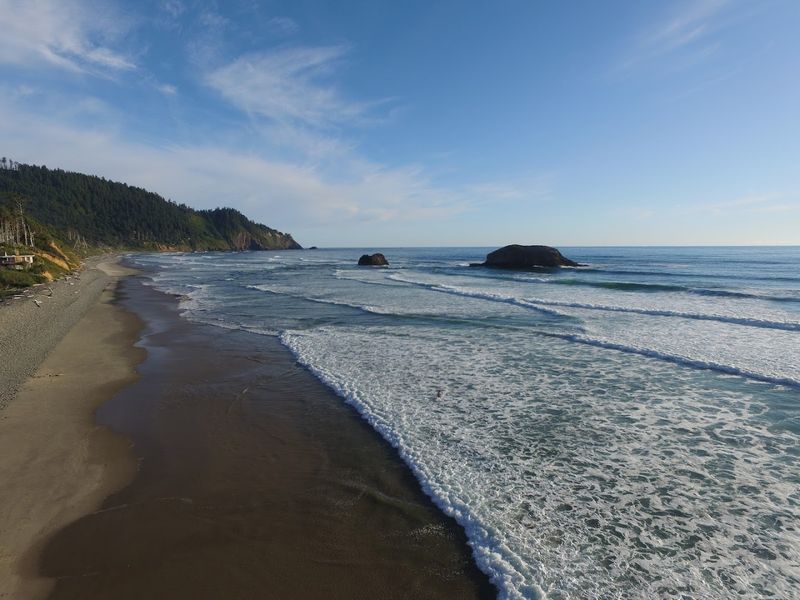
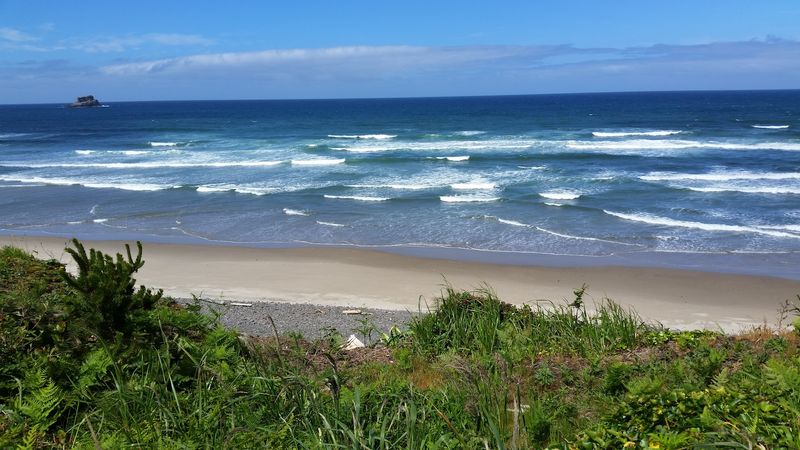
The beach here runs a full 2.5 miles, and on most days you can walk the entire stretch without bumping into more than a handful of people. That kind of solitude is genuinely rare on the Oregon coast, especially during summer months when Cannon Beach and Seaside fill up fast.
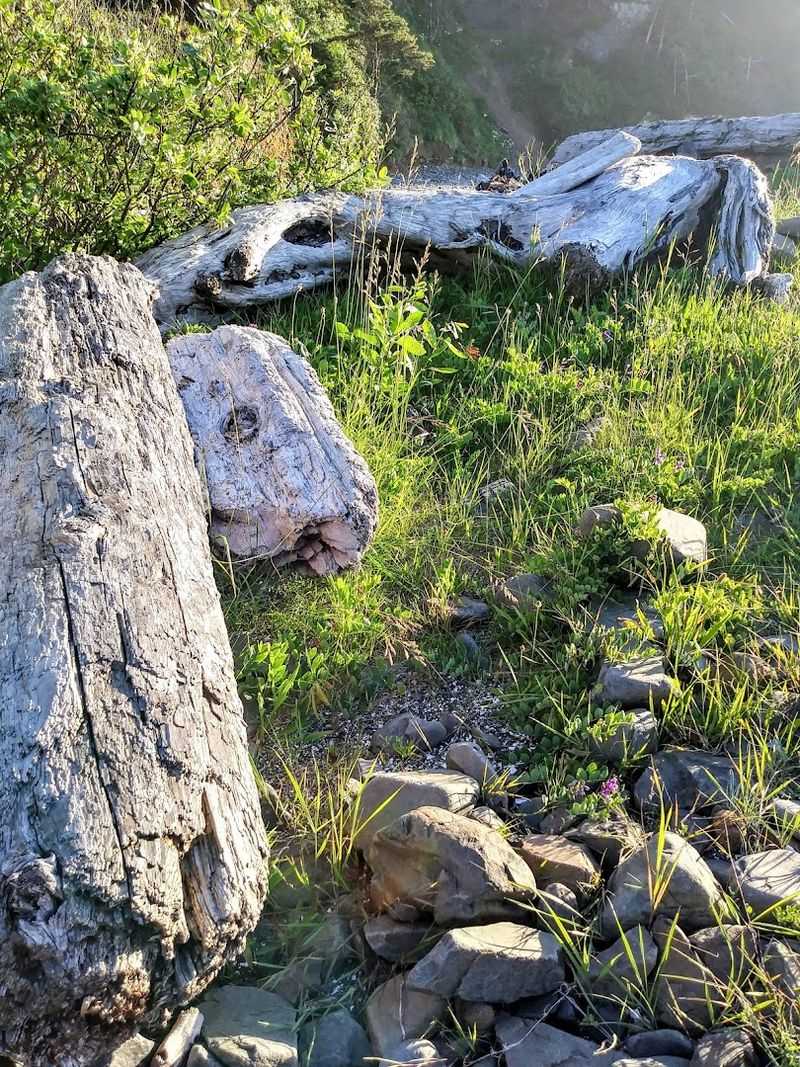
The sand at Arch Cape is coarser and darker than what you find at more polished tourist beaches, which somehow makes it feel more honest. Driftwood logs the size of small cars pile up along the tide line, creating natural windbreaks that locals use for picnics and afternoon reading sessions.
The beach is accessible from several informal pull-offs along Arch Cape Creek Road and from the main beach access point near the tunnel. No lifeguards patrol this stretch, and the Pacific here runs cold and strong year-round, so swimming is not really the draw.
The draw is the sheer quiet of it, the sound of waves without background noise, the sight of a horizon unbroken by parasails or jet skis. It is the kind of beach that reminds you what coastlines looked like before tourism infrastructure arrived.
Arch Cape Creek and the Forest That Feeds It
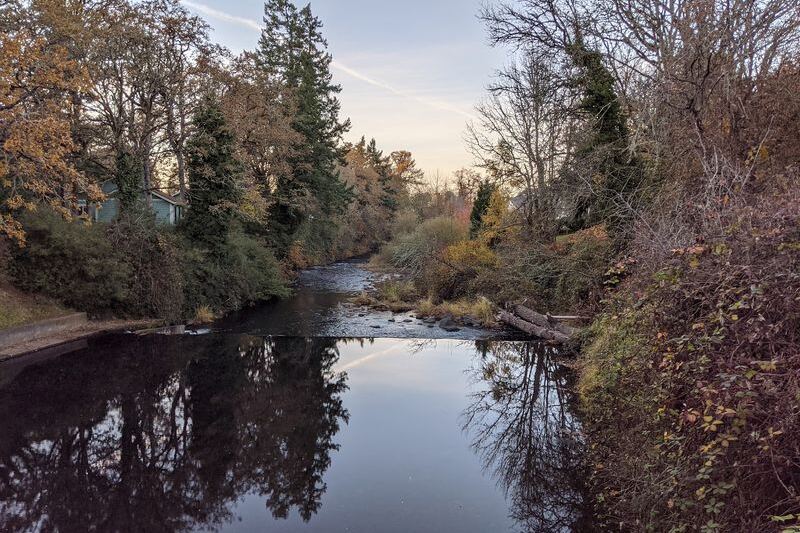
Arch Cape Creek winds through the community before emptying into the Pacific, and the riparian corridor it creates is one of the most underappreciated natural features in the area. The creek runs clear and cold through a dense canopy of Sitka spruce, red alder, and western red cedar that blocks out most of the sky overhead.
Coho salmon and steelhead use the creek for spawning during fall and winter months, which means the waterway supports a small but functional ecosystem right in the middle of a residential neighborhood. You can spot herons standing motionless in the shallows and dippers bobbing along the rocks on a regular basis.
A rough trail follows portions of the creek corridor and connects to the Tillamook Head and Clatsop Loop trail systems further inland. The forest along this stretch feels genuinely old, with nurse logs covered in moss and sword ferns growing in thick clusters along the banks.
Hikers who skip this area in favor of more publicized trails are missing one of the quietest and most atmospheric forest walks on the northern Oregon coast. Bring layers, because the tree canopy holds moisture even on dry days.
The Tunnel: A One-of-a-Kind Entrance to a Hidden Community
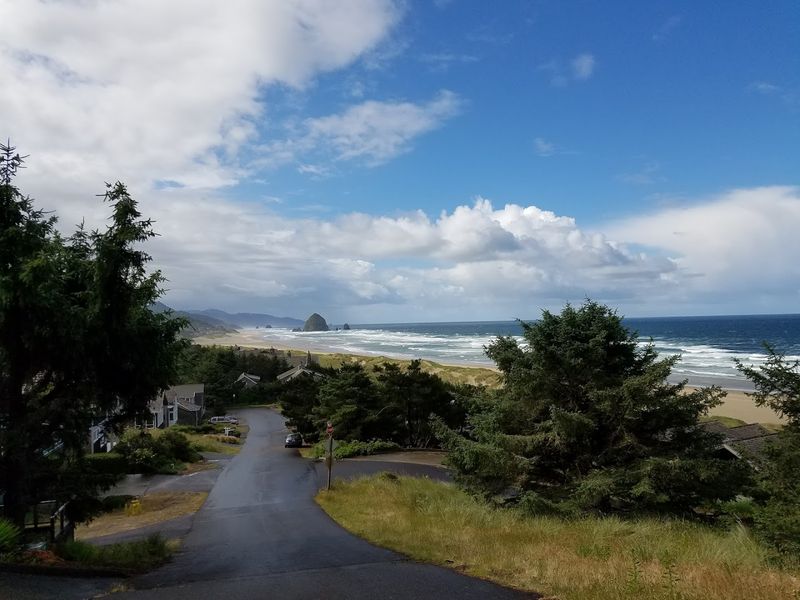
Few communities in the United States announce themselves the way Arch Cape does. The tunnel bored through the headland on Highway 101 is one of the most distinctive road features on the entire Oregon coast, and driving through it feels like crossing a threshold into a different world.
Built in 1940, the tunnel is single-lane and controlled by a traffic signal, which means you occasionally wait a minute or two before getting the green light to proceed. That brief pause is actually a good thing, because it gives you a moment to notice the dark basalt walls pressing in on both sides and appreciate the sheer audacity of carving a road through solid rock.
On the south side of the tunnel, the highway opens up to a sweeping view of the coastline stretching toward Neahkahnie Mountain, and the contrast with the tunnel’s darkness makes the view feel earned. Locals treat the tunnel as a kind of informal town marker, the point where the outside world ends and the quieter rhythms of Arch Cape begin.
It is one of those small infrastructure details that ends up becoming a genuine part of a place’s identity.
Wildlife You Can Actually See Without Trying Hard
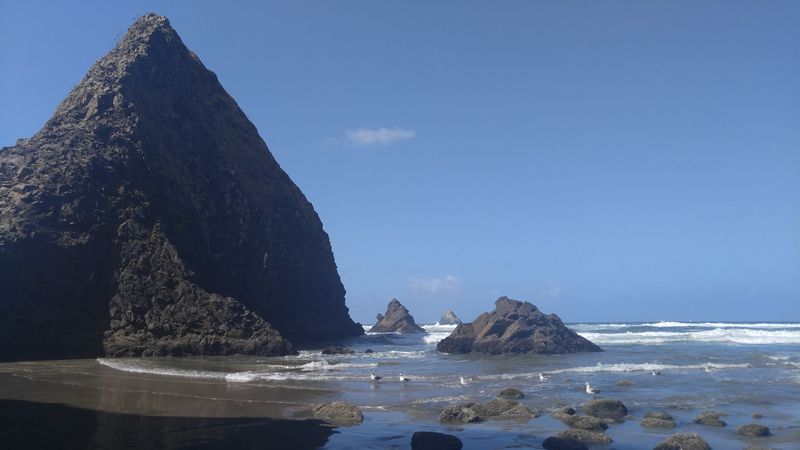
The wildlife situation at Arch Cape is quietly impressive. Brown pelicans cruise the shoreline in low V-formations just above the wave tops, and harbor seals haul out on the offshore rocks with complete indifference to any human audience on the beach below.
Steller sea lions occasionally make appearances near the headland, and gray whale migration routes pass close enough to shore that you can sometimes spot spouts from the beach without binoculars. The migration peaks in March and again in late fall, making those shoulder-season visits particularly rewarding for wildlife watchers.
Inland from the beach, the forest edges host black-tailed deer, Roosevelt elk, and a rotating cast of shorebirds that use the creek mouth as a stopover during migration. Bald eagles are common enough here that spotting one barely causes a stir among year-round residents.
The combination of intact forest, a functioning creek, rocky intertidal zones, and open ocean creates layered habitat that supports more species diversity than most people expect from such a small stretch of coastline. A decent pair of binoculars and a little patience go a long way here.
What 250 Residents Actually Do: Local Life in Arch Cape
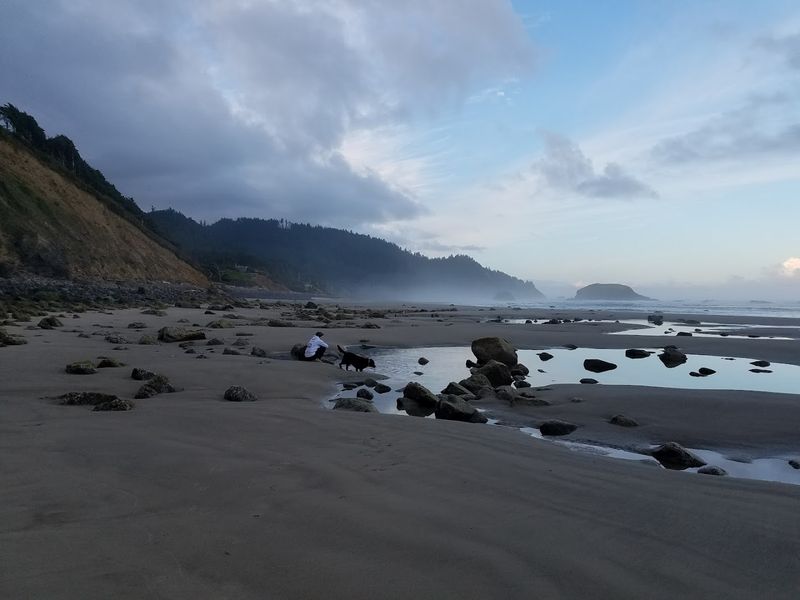
With a population hovering around 250 people, Arch Cape operates on a scale that most Americans have never actually experienced. There are no traffic lights, no grocery stores, no coffee shops, and no hotels within the community itself.
Life here is quiet by design and by geography.
Most residents are either retirees who made a deliberate choice to leave larger cities behind or remote workers who decided that a two-lane highway and a reliable internet connection were all the infrastructure they needed. A small number of families with children round out the population, and those kids attend school in nearby Cannon Beach or Seaside.
Community events tend to be informal and small-scale, the kind of neighborhood gathering where everyone already knows everyone else and newcomers get noticed immediately. The Arch Cape Community Club serves as the closest thing to a civic institution, organizing occasional events and maintaining a modest community space.
Property values have climbed sharply in recent years as remote work made coastal living more accessible, which has introduced some of the same tensions about affordability and character that affect small beach towns across the country.
Hiking the Oswald West State Park Trails Nearby
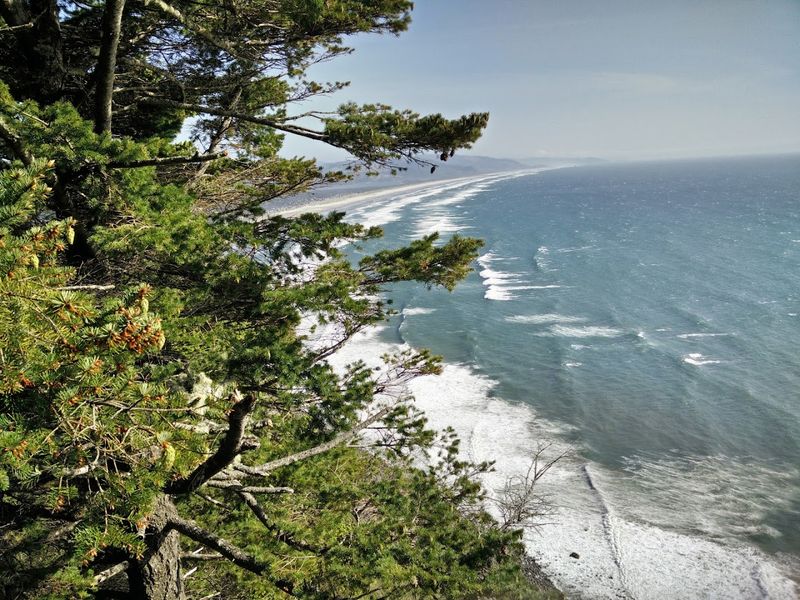
Oswald West State Park sits immediately south of Arch Cape and offers some of the most rewarding hiking on the northern Oregon coast. The park protects a significant stretch of coastal old-growth forest and includes Short Sand Beach, a sheltered cove popular with surfers even in winter months.
The Cape Falcon Trail runs about 2.5 miles one way from the main trailhead to a dramatic headland viewpoint overlooking the Pacific, with elevation gain that earns you genuinely panoramic views of the coastline in both directions. The Neahkahnie Mountain Trail pushes further south and tops out at just over 1,600 feet, offering clear-day views that stretch for dozens of miles.
Arch Cape sits right at the northern edge of the park, which means you can access the trail system directly from the community without driving anywhere. That proximity is one of the underrated perks of staying in or near Arch Cape, since you can walk into serious backcountry forest within minutes of leaving your rental.
Trail conditions here run wet for most of the year, so waterproof boots are not optional so much as mandatory for a comfortable experience.
Best Times to Visit and What to Expect From the Weather
The Oregon coast runs on its own weather logic, and Arch Cape is no exception. Summer months from late June through September bring the most reliable dry weather, with daytime temperatures typically ranging from the low 60s to the mid-70s Fahrenheit.
That might sound cool compared to inland destinations, but the lack of humidity makes it feel comfortable and the light during those months is extraordinary.
Spring and fall are genuinely beautiful here, with dramatic storm light, migrating wildlife, and a near-total absence of visitors. Storms roll in from the Pacific with impressive speed and force during winter, and watching them from a protected vantage point on the beach is one of those experiences that people describe as unexpectedly moving.
Fog is common in the mornings year-round, often burning off by midday to reveal clear skies and sharp coastal light. The key to enjoying any visit is packing layers regardless of the season, because temperatures can drop 15 degrees in an hour when the marine layer rolls in.
Checking the National Weather Service forecast for the northern Oregon coast before heading out gives you a realistic picture of what to expect each day.
Practical Tips for Planning Your Trip to Arch Cape
Since Arch Cape has no hotels, vacation rental platforms are your only real option for staying in the community itself. Rentals here range from small one-bedroom cottages to larger homes that sleep eight or ten, and booking well in advance is essential for summer weekends since inventory is limited and demand has grown steadily.
Cannon Beach sits about four miles north and offers a full range of restaurants, cafes, and shops if you need amenities. Manzanita, about ten miles south, has a smaller but equally charming commercial area with good food options and a similarly low-key atmosphere.
Cell service in Arch Cape can be spotty depending on your carrier, so downloading offline maps before you arrive is a smart move. The beach access points are not always well-marked, and a little pre-trip research goes a long way toward making sure you find the right spots.
Parking along the road is informal and space is limited, so arriving early in the morning or later in the afternoon on busy days helps you avoid the occasional crunch that happens when multiple visitor groups show up at the same time.
Share this story