There is a small patch of land in Tampa, Florida, where you can technically step off American soil without ever boarding a plane. No passport required, no customs line, and no jet lag.
This little park carries a story so layered with revolution, friendship, and immigrant pride that it punches way above its weight class. By the time you finish reading, you will want to add it to your Tampa itinerary immediately.
A Park That Sits on Cuban Soil in the Heart of Tampa
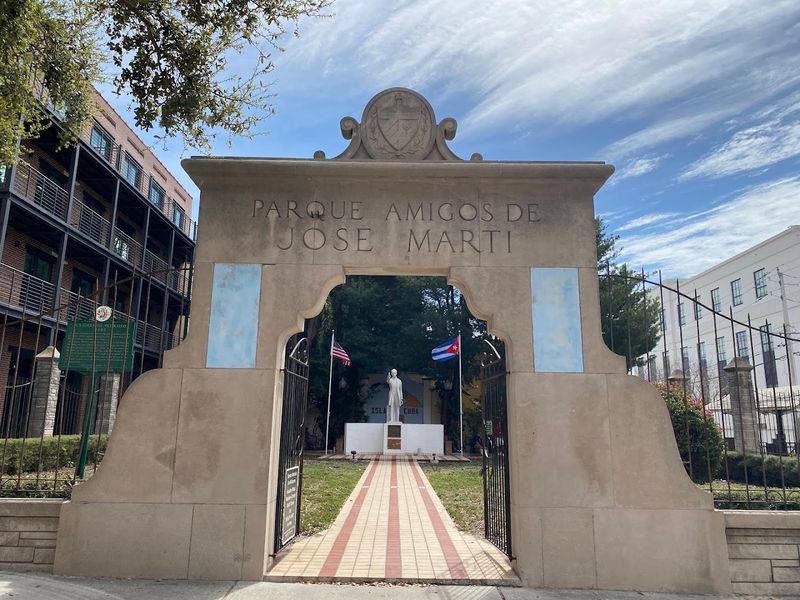
Few places in the United States can claim to literally be foreign soil, but this one can. Parque Amigos de José Martí, located at 1303 E 8th Ave, Tampa, in the historic Ybor City neighborhood, sits on land that was officially gifted to Cuba by the city of Tampa.
That means the moment you cross into the park boundary, you are standing on Cuban territory inside the United States. The Cuban government holds symbolic ownership of this small but deeply meaningful plot of land.
It is a rare and remarkable arrangement that exists nowhere else quite like this in the country. The park is open Monday through Friday from 8 AM to 1:30 PM, so plan your visit accordingly.
Coming here feels less like a quick stop and more like a quiet, meaningful crossing between two worlds.
The Man Behind the Name: Who Was José Martí
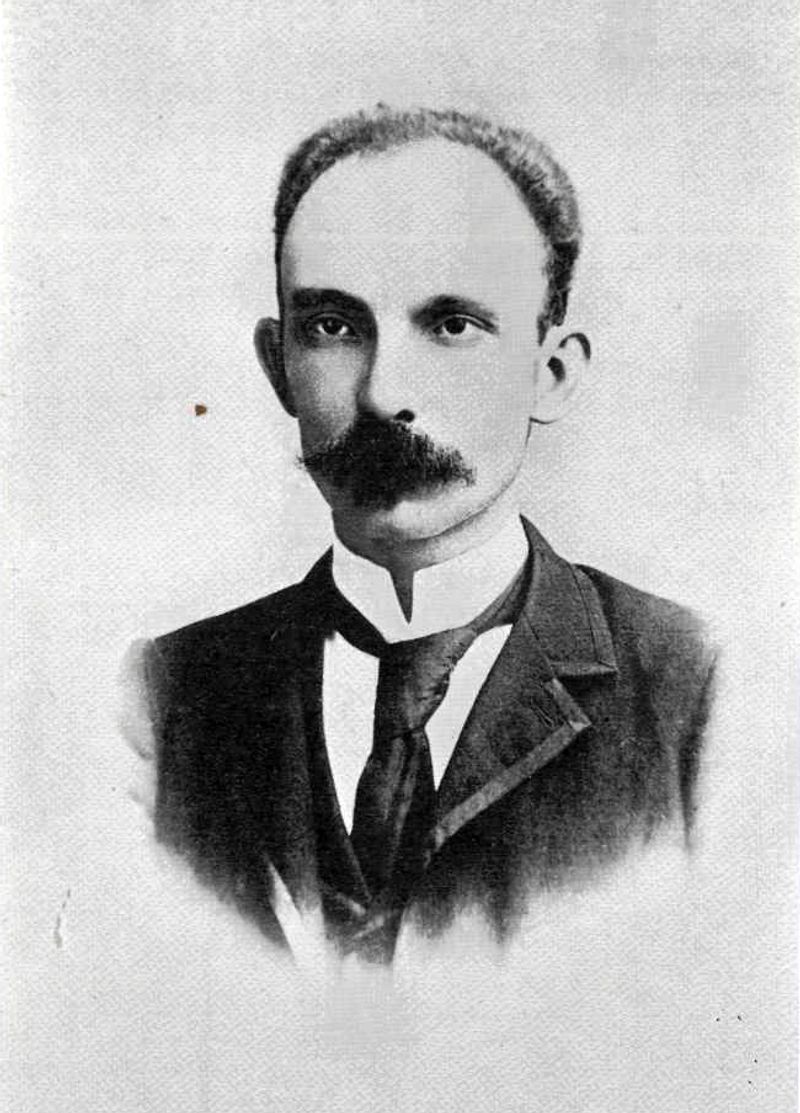
José Martí was one of the most important figures in Cuban history, and his connection to Tampa runs deeper than most people expect. Born in Havana in 1853, he became a poet, journalist, and fierce advocate for Cuban independence from Spanish colonial rule.
Martí traveled to Tampa multiple times during the 1890s and used the city as a base for organizing the Cuban independence movement. He gave powerful speeches in Ybor City that rallied Cuban cigar workers and immigrants to support the cause of a free Cuba.
His words carried enough weight to inspire real action, and the funds raised in Tampa helped finance revolutionary efforts back home. Martí is often called the “Apostle of Cuba” and remains a national hero to this day.
His presence in Tampa was not a footnote; it was a turning point in Cuban history.
The Remarkable Woman Who Sheltered a Revolutionary
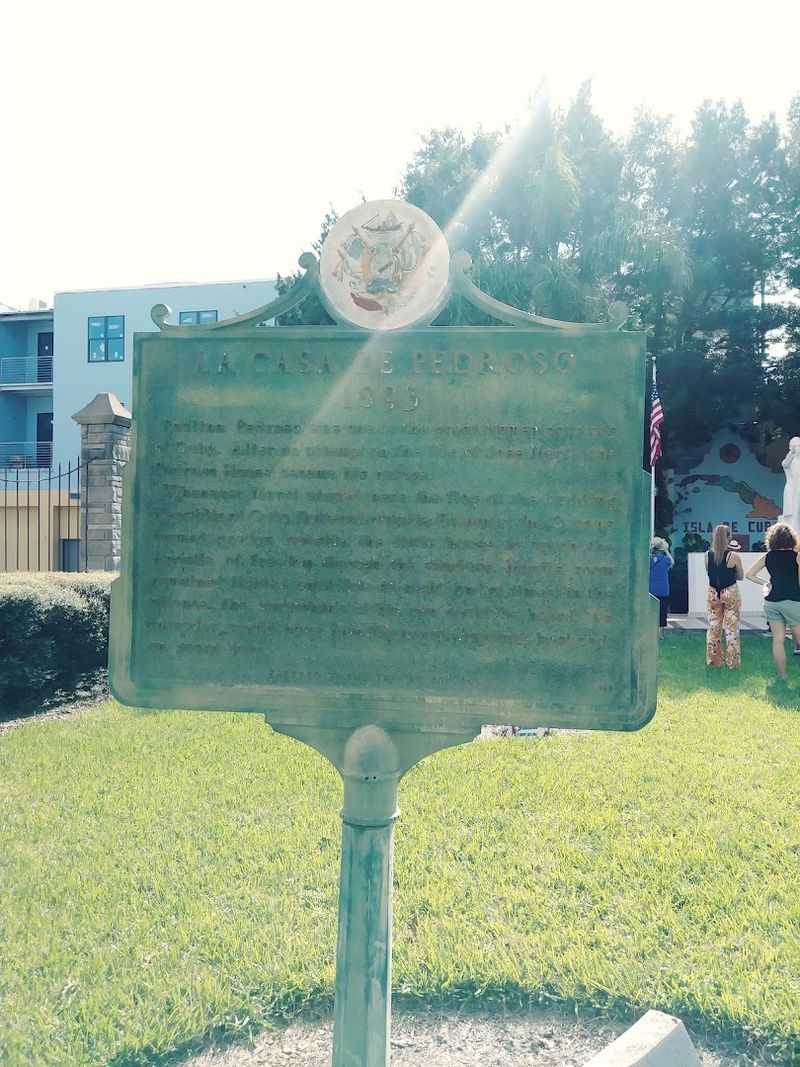
One of the most compelling parts of this park’s story involves a woman named Paulina Pedroso, an Afro-Cuban activist who lived in Ybor City and provided shelter to José Martí during his visits to Tampa.
At a time when Martí’s safety was genuinely at risk from those who opposed Cuban independence, Pedroso and her husband Ruperto opened their home to him. Her courage and loyalty to the cause were extraordinary, especially given the social and racial barriers she faced in both Cuba and the United States.
The park stands on the site where her home once existed, making it a tribute not just to Martí but to the unsung heroes who protected him. Pedroso’s story deserves far more recognition than it typically receives in mainstream history books.
This park quietly honors her without letting her name fade into the background.
Ybor City: The Neighborhood That Built This Story
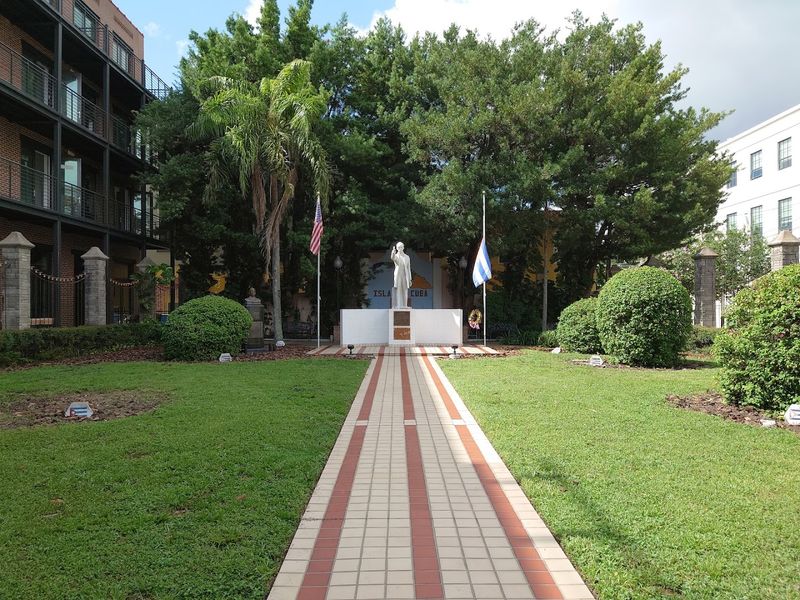
You cannot fully appreciate this park without understanding the neighborhood surrounding it. Ybor City, the district where the park sits, was once one of the most culturally vibrant immigrant communities in the entire United States.
In the late 1800s and early 1900s, it was home to waves of Cuban, Spanish, and Italian immigrants who came to Tampa to work in the booming cigar industry. At its peak, Ybor City produced more hand-rolled cigars than anywhere else in the world.
The neighborhood had its own newspapers, mutual aid societies, theaters, and political clubs. Cuban workers in particular brought their revolutionary spirit with them, making Ybor City a genuine hub of activism.
Walking through the area today, you can still feel echoes of that layered, passionate history in the architecture, the food, and the stories carved into every corner.
The Cigar Workers Who Funded a Revolution
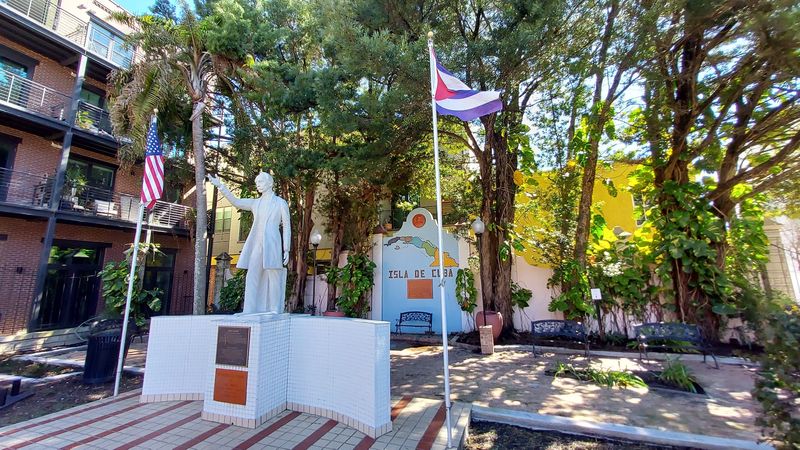
Here is a fact that tends to stop people mid-sentence: the Cuban independence movement was significantly funded by immigrant cigar workers in Tampa. These were everyday laborers, many of them earning modest wages, who donated portions of their income to support José Martí’s cause.
Martí visited Ybor City multiple times specifically to speak to these workers and inspire them to contribute. His speeches were electric, and the response was generous.
The money raised here helped equip and sustain revolutionary efforts in Cuba.
The cigar factories also had a tradition of hiring readers, called “lectores,” who would read aloud to workers during their shifts. These readings often included political texts and revolutionary literature, keeping the workers informed and motivated.
The combination of financial sacrifice and intellectual engagement made Tampa’s cigar community one of the most politically active working-class groups in American history.
What the Park Actually Looks Like Up Close
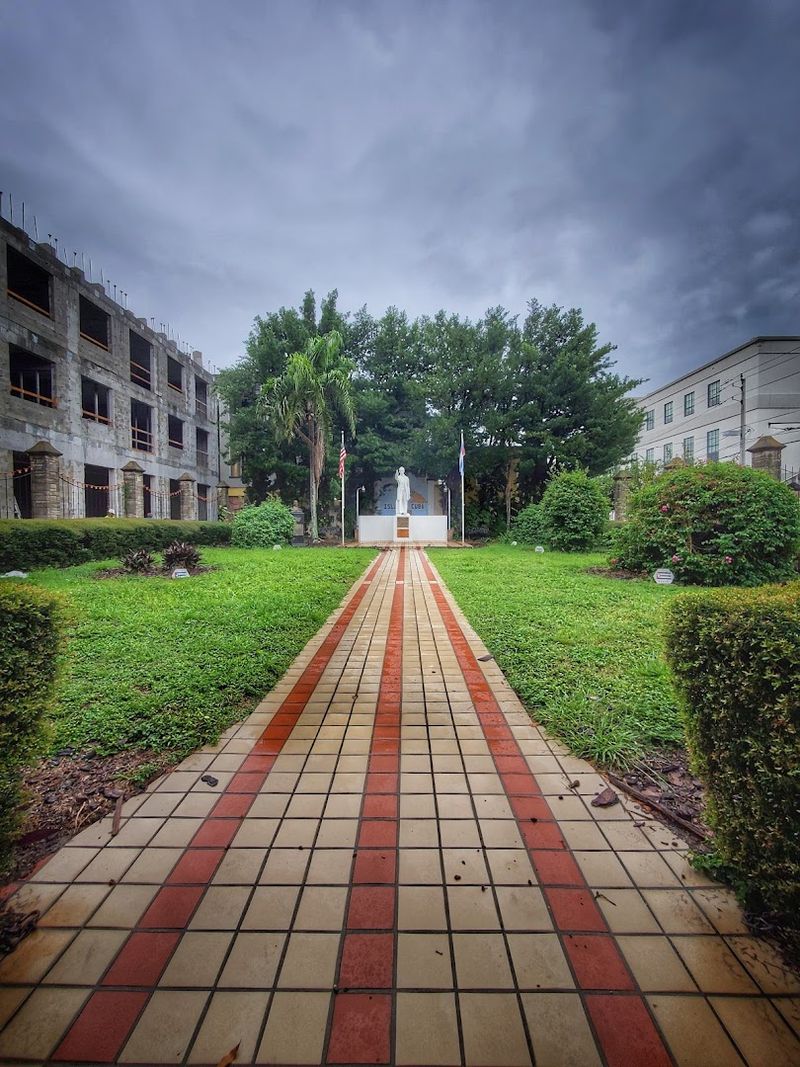
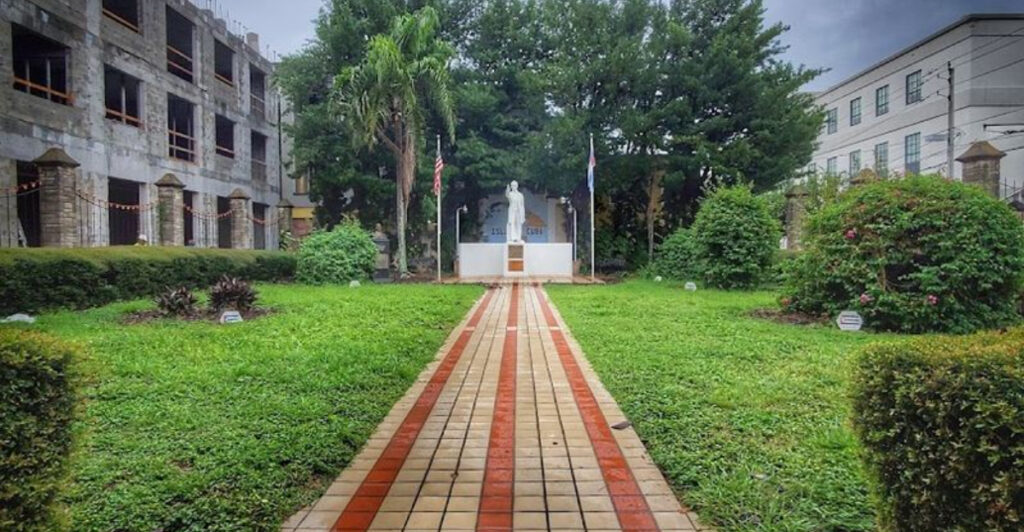
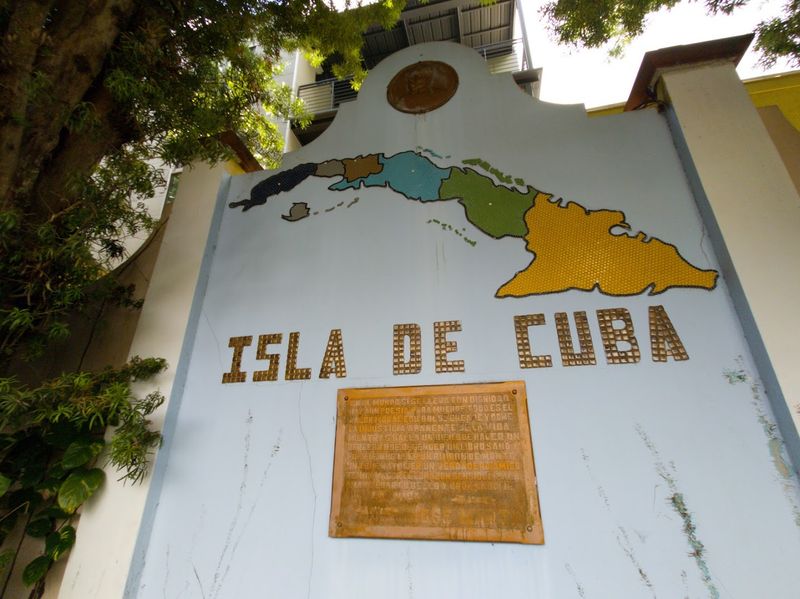
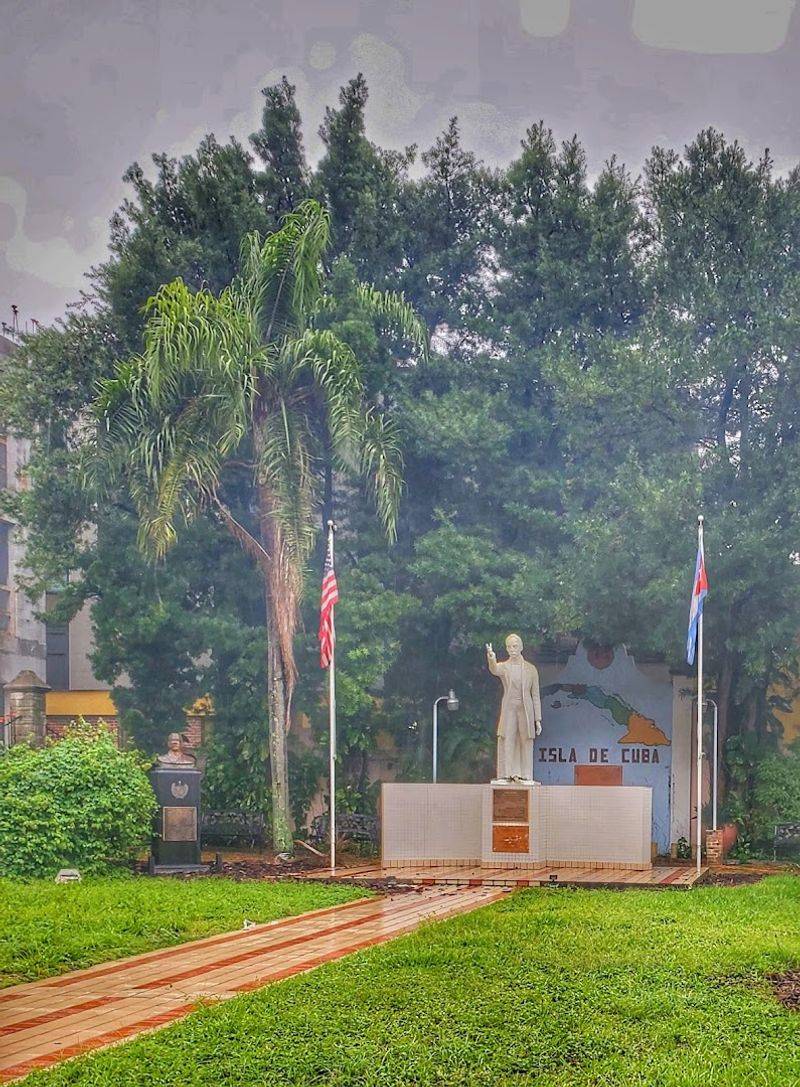
The park is genuinely small, and that is part of what makes it so striking. When you arrive, you are greeted by a well-maintained green space with a central bronze bust of José Martí himself, standing proudly as the focal point of the entire site.
Cuban flags are displayed within the park, reinforcing its unique status as Cuban-owned land. Benches and shaded areas make it a quiet spot for reflection, and the surrounding trees give it a peaceful, almost contemplative atmosphere.
The space is modest by design, which somehow makes the weight of its history feel even more concentrated. There is no flashy visitor center or loud signage competing for your attention.
What you get instead is a clean, respectful space that trusts its story to speak for itself. And honestly, that story is loud enough without any extra help.
The Unexpected Residents: Street Chickens of the Park
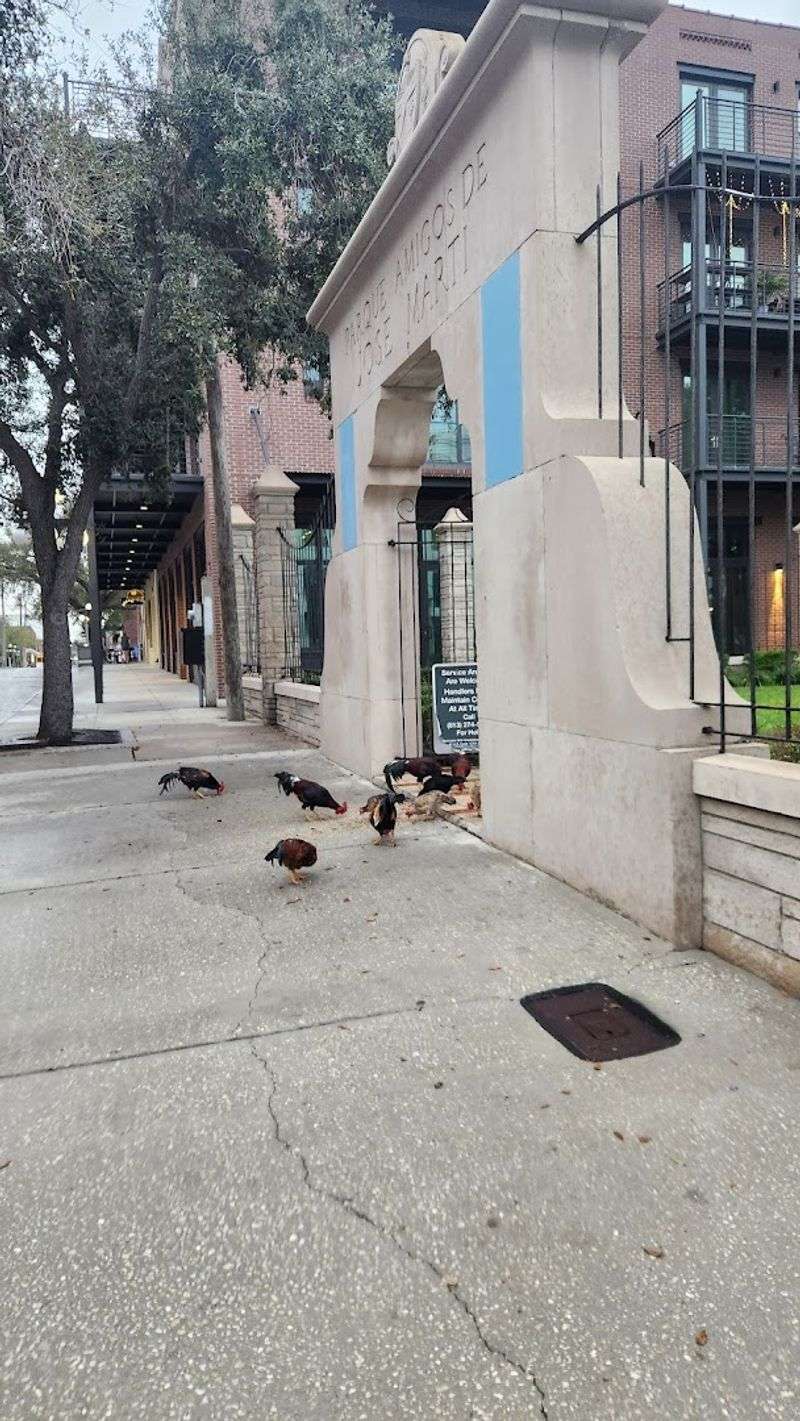
Nobody tells you about the chickens, and that is a real oversight. Ybor City has a well-known population of free-roaming chickens that wander the streets, and the park is no exception to this wonderfully odd local tradition.
These birds strut around the grass with complete confidence, unbothered by visitors, traffic, or the weight of revolutionary history beneath their feet. They have become something of an unofficial mascot for the neighborhood, and locals take a certain pride in their presence.
Spotting a rooster perched near the José Martí bust is the kind of only-in-Tampa moment that you will not find in any guidebook. The chickens are protected by local ordinance, so they live their best lives entirely undisturbed.
If the park’s history gives you a lot to think about, the chickens give you something to smile about while you process it all.
A Symbol of Cuban-American Friendship Across Generations
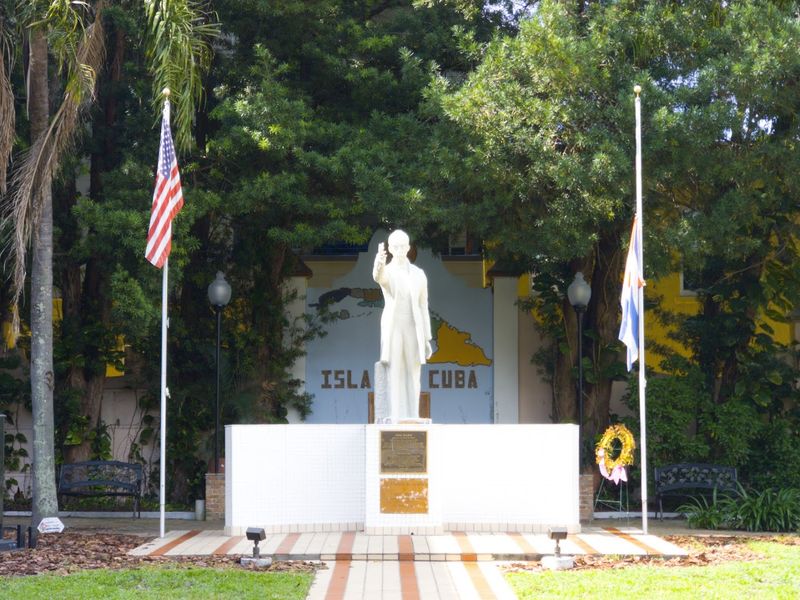
The park’s full name, Parque Amigos de José Martí, translates to Friends of José Martí Park, and that word “friends” carries real meaning here. The site represents a long and complicated friendship between two nations that have not always seen eye to eye.
Tampa’s Cuban community maintained strong cultural and political ties to their homeland for generations, and this park is one of the most tangible expressions of that bond. The fact that Tampa gifted this land to Cuba, and that Cuba accepted it, speaks to a moment of genuine goodwill that transcended politics.
For Cuban-Americans living in Florida today, the park is more than a historic site. It is a place that validates their community’s role in shaping both American and Cuban history.
That dual identity, belonging to two nations at once, is something this small patch of grass captures better than any museum exhibit could.
How to Get There and When to Visit
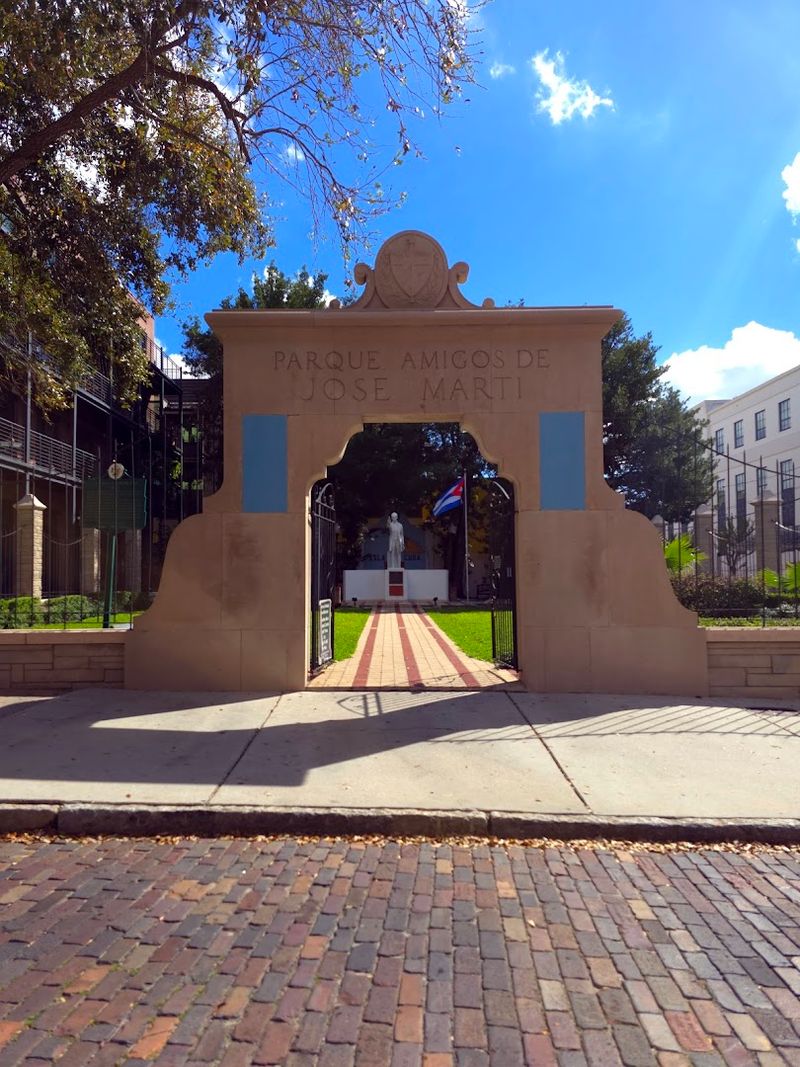
Getting to the park is straightforward, and the surrounding area makes it easy to build a full day around the visit. The address is 1303 E 8th Ave, Tampa, right in the heart of Ybor City, which is just a short drive or rideshare from downtown Tampa.
Street parking is generally available nearby, and the neighborhood is very walkable, so arriving a little early to explore the surrounding blocks is a smart move. The park is open Monday through Friday from 8 AM to 1:30 PM and is closed on weekends, so timing matters.
Weekday mornings tend to be calm and unhurried, which makes for a more personal experience. The neighborhood around it is packed with history, food, and culture, so pairing this stop with a walk through Ybor City turns a quick visit into a genuinely rewarding half-day outing.
Walking Tours That Bring the History to Life
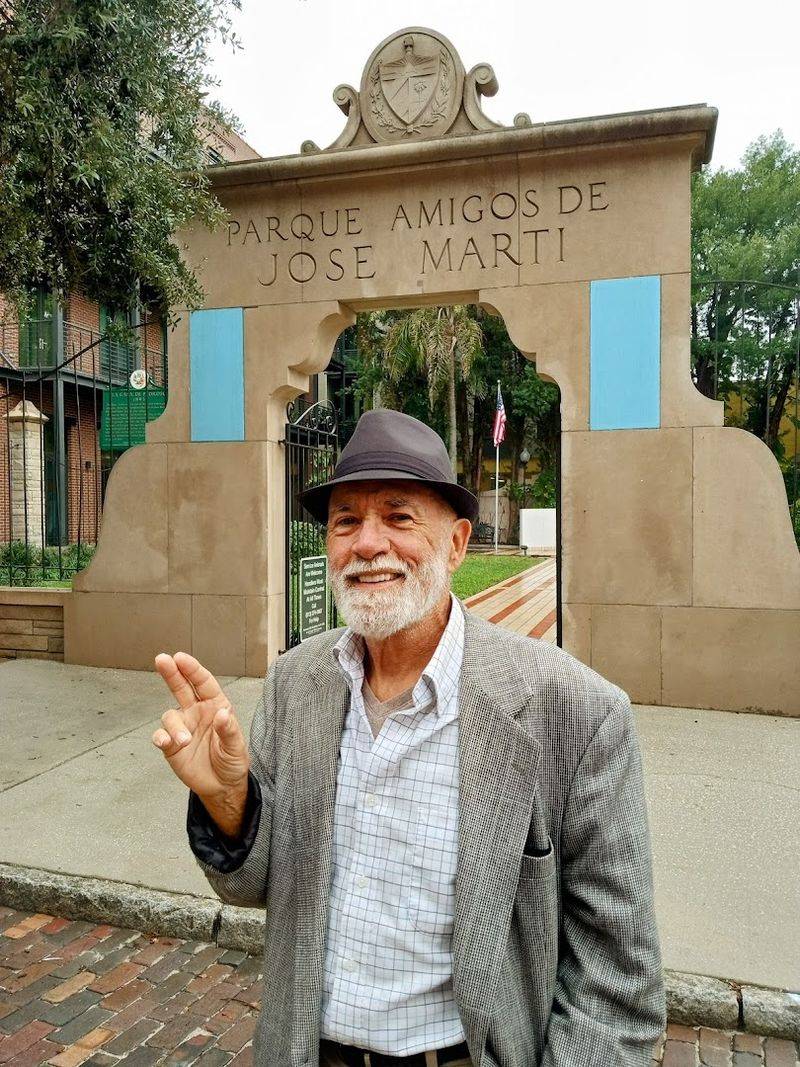
One of the best ways to experience this park and the neighborhood around it is through a guided walking tour of Old Ybor City. Several local tour operators offer these, and the quality of storytelling can genuinely transform a casual stroll into something that stays with you.
Knowledgeable local guides bring the history of José Martí, the cigar workers, and the immigrant communities to life in a way that reading a plaque simply cannot replicate. They know the side stories, the forgotten details, and the human moments that make history feel real rather than distant.
Tours typically cover multiple landmarks in the neighborhood, with the park serving as one of the emotional high points of the route. If you are visiting Tampa for the first time or returning after years away, booking a walking tour is one of the smartest decisions you can make for this particular neighborhood.
What Makes This Place Feel Different From Other Historic Sites
Most historic sites keep you at arm’s length, behind velvet ropes or glass cases. This park does the opposite.
The experience is intimate and unmediated, just you, the open air, and a story that stretches across two countries and more than a century.
There are no ticket booths, no audio guides, and no gift shops. The park relies entirely on its own presence to communicate its significance, and somehow that stripped-back approach works beautifully.
You feel the history rather than being told how to feel it.
The combination of Cuban soil, a bronze bust, free-roaming chickens, and quiet benches creates an atmosphere that is genuinely unlike anything else in Tampa. It occupies a rare space between the solemn and the everyday, serious enough to move you and casual enough to feel approachable.
That balance is harder to achieve than it looks, and this park pulls it off effortlessly.
Why Tampa Does Not Talk About This Place Enough
For a place this historically significant, the park flies remarkably under the radar. Ask most Tampa residents about it and you will get a mix of enthusiastic locals and puzzled shrugs from people who have never heard of it.
That is a shame, because the story of José Martí’s time in Tampa, and the role this city played in Cuban independence, is one of the most fascinating chapters in Florida’s history. It deserves to be taught in schools, featured in travel guides, and celebrated with the same energy as the state’s more commercially prominent landmarks.
The park’s quiet existence is part of its charm, but more awareness would serve both the site and the community it represents. If you visit and feel moved by what you find, telling someone about it is the simplest and most effective form of preservation.
History stays alive when people keep sharing it.
A Final Thought on Small Places With Big Stories
The best travel experiences are not always the biggest ones. Sometimes a tiny park on a side street in Tampa, Florida, carries more weight than a sprawling national monument simply because its story is so specific, so human, and so easy to connect with on a personal level.
Parque Amigos de José Martí earns its place on any thoughtful Tampa itinerary not because of its size but because of what it represents: the courage of a revolutionary, the loyalty of an extraordinary woman, the sacrifice of working-class immigrants, and the enduring bond between two nations.
When you leave, you carry a piece of that story with you. And the next time someone asks you about Tampa, you will find yourself mentioning this park before almost anything else.
That is the mark of a place that truly matters, no matter how small it appears on a map.
Share this story