There is a place in Portland, Oregon, where towering trees filter the afternoon light and the noise of the city simply disappears. A carved rock grotto, a serene chapel, and winding garden paths create an atmosphere that feels genuinely set apart from everyday life.
The grounds stretch across 62 breathtaking acres, and whether you come for prayer, reflection, or just a quiet walk among blooming flowers, you will leave feeling refreshed. I visited on a crisp Pacific Northwest morning, and I can honestly say this sanctuary left a deeper impression on me than almost any other place I have explored in the United States.
Finding the Address and Getting There
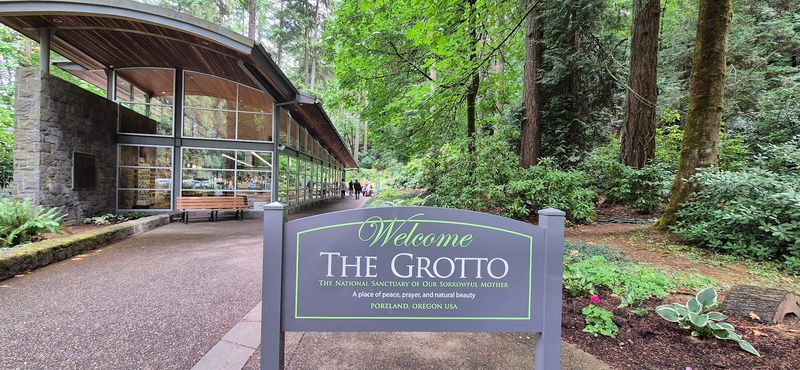
My GPS guided me straight to 8706-8838 NE Skidmore St, Portland, OR 97220, and I will admit the neighborhood surrounding the entrance did not prepare me for what waited inside.
The Grotto sits in northeast Portland, tucked between residential streets and a busy commercial corridor, yet the moment you pass through the entrance, that urban context vanishes completely.
Parking is available on site, which is a genuine relief in a city where street parking can be a puzzle. The grounds are open every day from 9 AM to 8 PM, giving you a solid window of time to explore without feeling rushed.
A small admission fee applies for the upper level elevator access, but the lower level grotto area is free to enter, which I found to be a very generous arrangement for visitors of all budgets.
The phone number on file is +1 503-254-7371, and the official website at thegrotto.org offers event schedules, Mass times, and seasonal program details worth checking before your visit. Arriving early on a weekday gives you the quietest experience by far.
The Story Behind This Sacred Place
Back in 1924, the Servite Order of Catholic priests established this sanctuary with a clear and heartfelt mission: to create a place of Marian devotion open to people of every background and faith tradition.
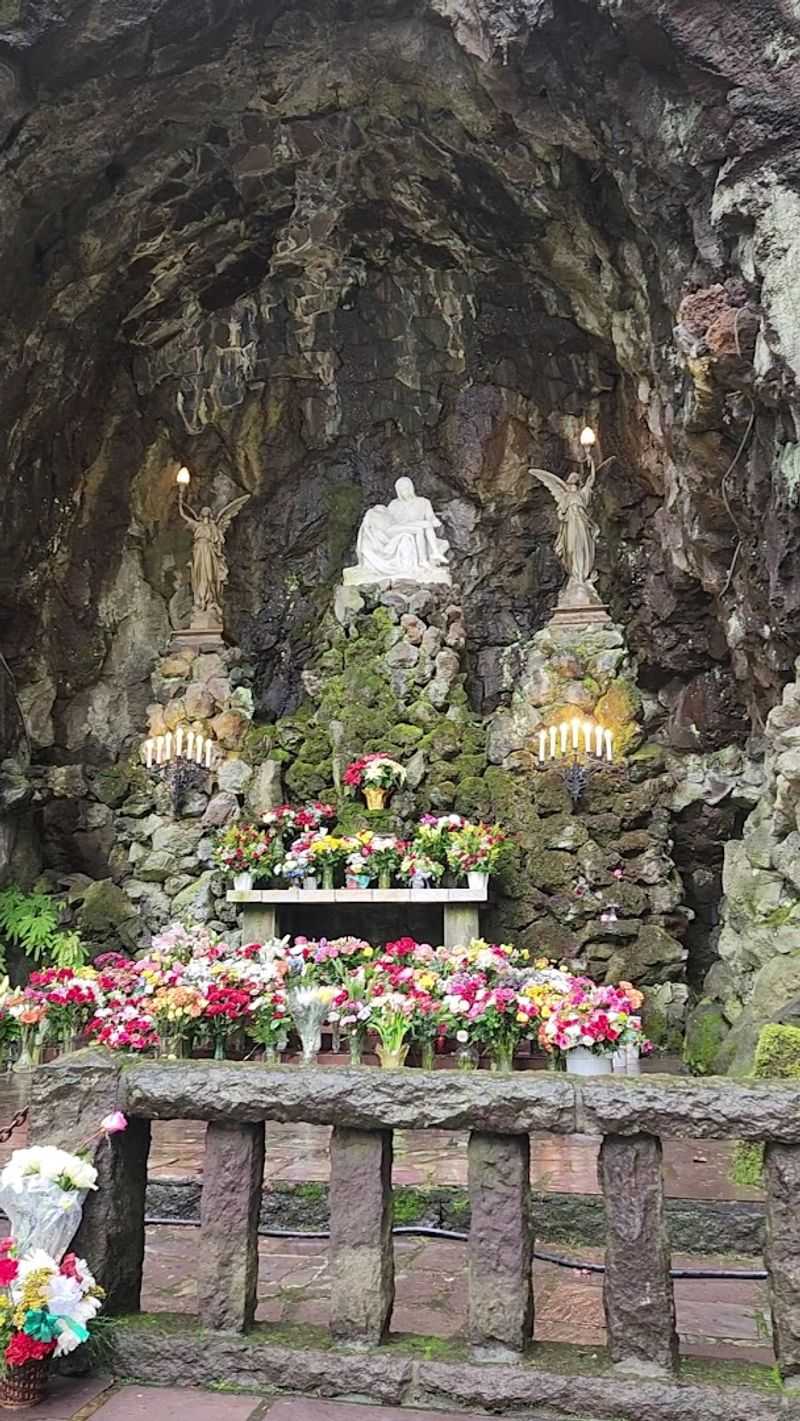
The centerpiece of the lower level is a cave-like grotto carved directly into the base of a 110-foot basalt cliff, and inside rests a marble replica of Michelangelo’s Pieta that commands quiet attention the moment you see it.
That original vision has held firm for a full century now, and the sanctuary has grown from a modest prayer site into one of the most visited Catholic shrines in the Pacific Northwest.
Visitors travel from across the country to spend time here, and I personally noticed license plates from states as far away as Texas and Florida in the parking area.
The Servite priests and Brothers continue to maintain the grounds and lead the spiritual programming today, carrying forward a tradition that has outlasted generations of change in the surrounding city. That kind of institutional continuity gives the whole place a grounded, rooted feeling that is hard to manufacture.
The Chapel of Mary Up Close
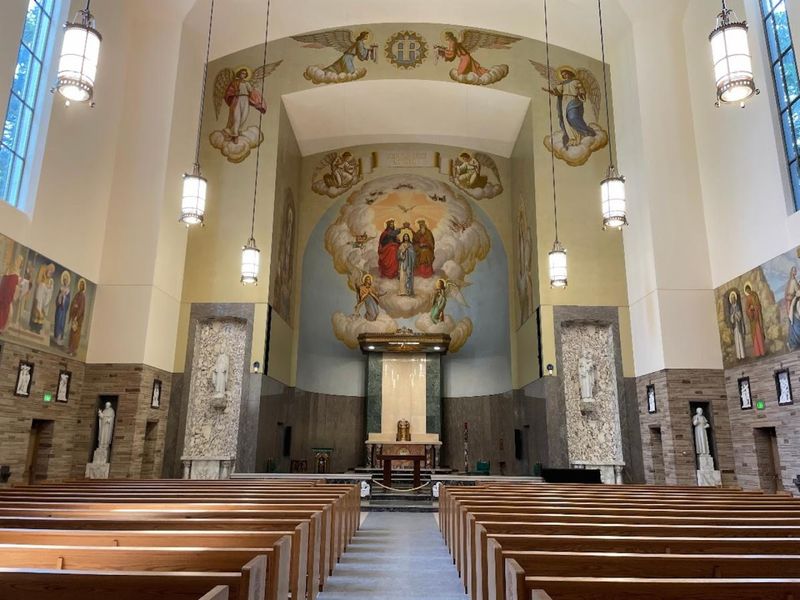
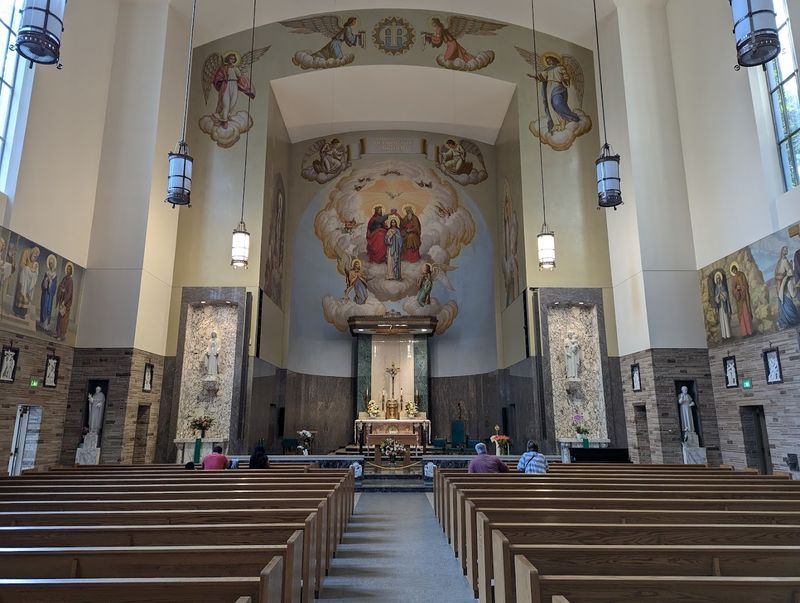
The Chapel of Mary sits at the heart of the lower sanctuary level, and its architecture strikes a balance between rustic simplicity and quiet reverence that I did not expect to find so affecting.
Stone walls, warm wooden pews, and carefully placed lighting give the interior a contemplative mood that works whether you are attending Mass or simply sitting in silence for a few minutes.
Mass is celebrated regularly throughout the week, and the congregation that gathers here tends to be a genuinely diverse mix of locals, tourists, and pilgrims passing through Portland on longer journeys.
The acoustics inside the chapel are worth noting: the sound carries in ways that can feel slightly muffled depending on where you sit, so choosing a spot closer to the front improves the experience noticeably during services.
What moved me most was the chapel’s accessibility. There is no dress code enforced at the door, no pressure to participate in any particular way, and a genuine sense that anyone who walks in is welcome to stay as long as they need.
That openness is rarer than it sounds.
The Grotto Cave and Pieta Marble Sculpture
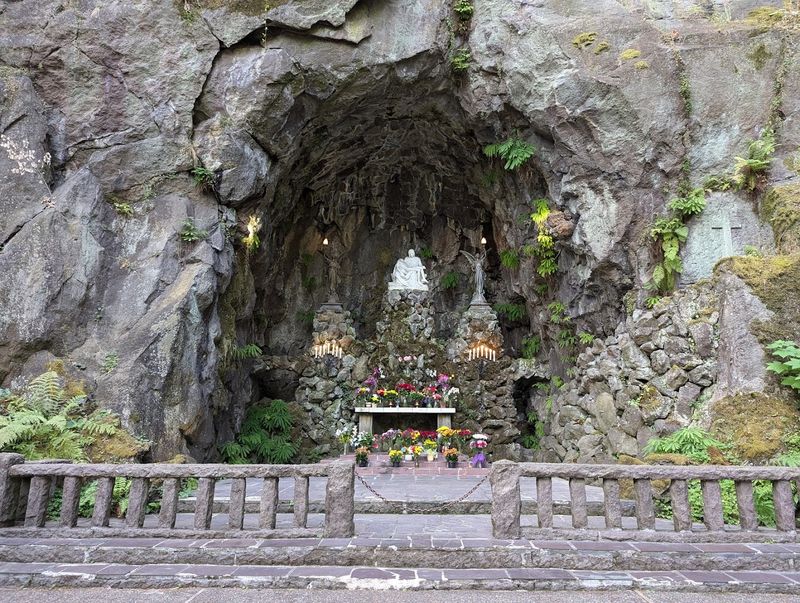
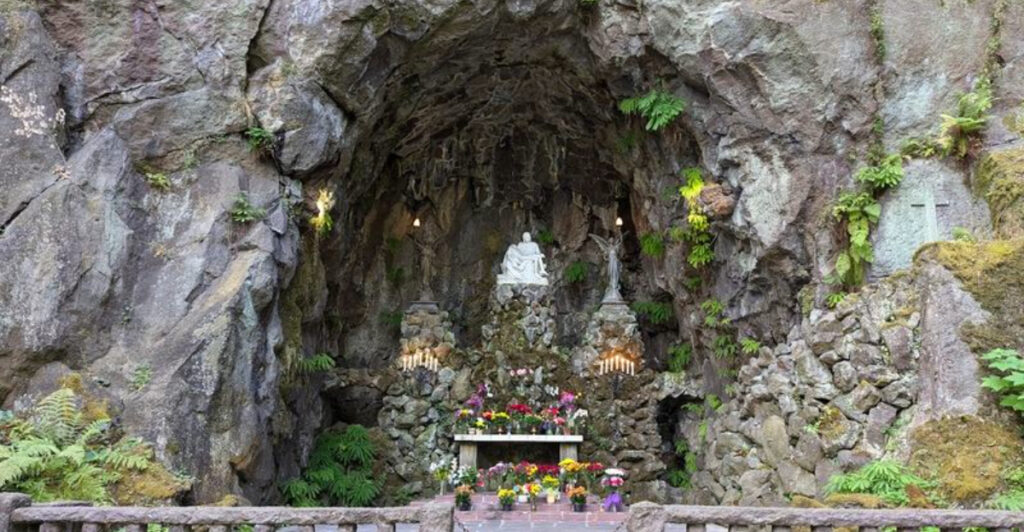
Few things in my travels have stopped me mid-step the way the grotto cave did on my first visit. Carved into a sheer basalt cliff face, the cave shelters a full-scale marble replica of Michelangelo’s Pieta, and the contrast between rough volcanic rock and smooth white marble is genuinely striking.
Candles flicker at the base of the sculpture, and fresh flower arrangements are placed there regularly by devoted visitors who make special trips just to leave an offering.
The cave stays noticeably cooler than the surrounding garden, which makes it a welcome retreat on warm summer afternoons. That physical coolness adds to the sense of stepping into a different kind of space altogether.
People of many faith backgrounds and no particular religious affiliation come here simply to sit and absorb the atmosphere, and I watched a family with young children spend nearly twenty minutes in quiet contemplation without anyone saying a word.
The grotto is free to access and sits just steps from the main entrance, so even a short visit to Portland can include this experience without requiring a full afternoon commitment. It earns every bit of its reputation.
62 Acres of Garden Beauty on the Upper Level
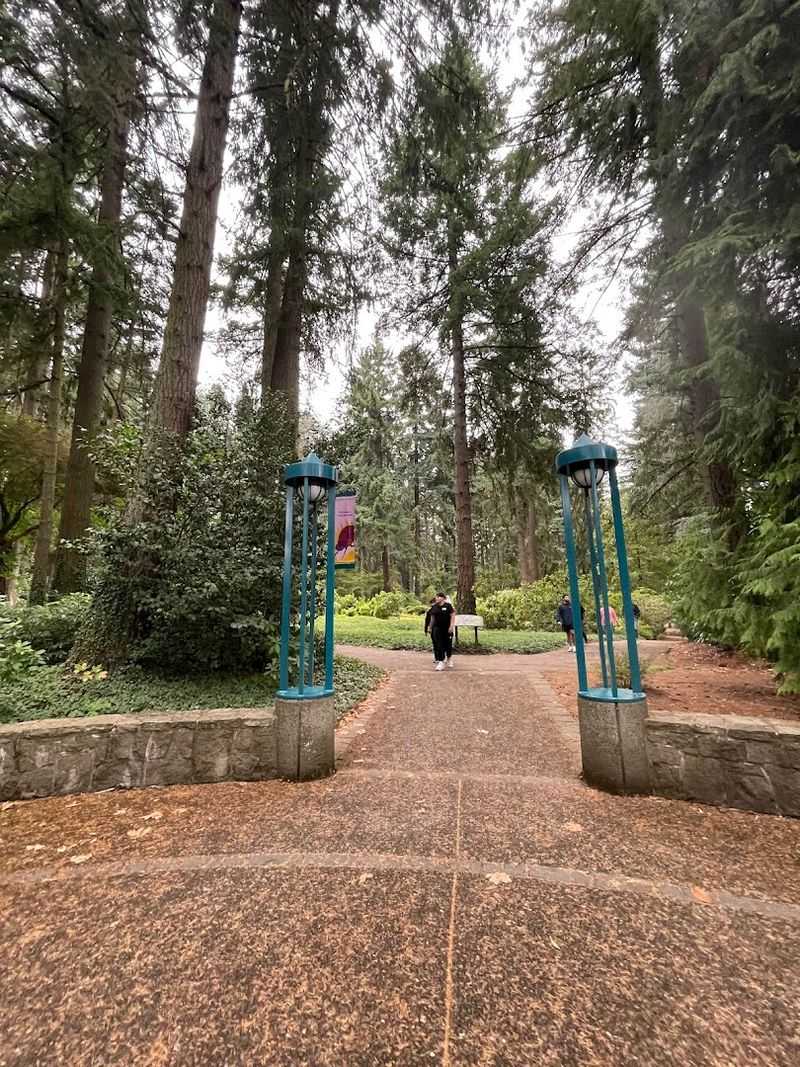
The upper level of The Grotto is reached by a scenic elevator ride that costs a small fee, and once you arrive, the scale of the garden sanctuary genuinely surprises you.
Sixty-two acres of manicured grounds spread out in every direction, featuring themed gardens, outdoor chapels, sculptures, and native Pacific Northwest plantings that shift in color and texture with every season.
Douglas fir trees tower overhead, and their presence gives the upper level a cathedral-like quality that the architects of actual cathedrals might envy. The canopy filters the light in ways that make every photograph look professionally composed.
Winding paths connect the various garden sections, and I spent a full two hours wandering without covering everything. There is always another statue around a bend or another quiet seating area tucked beneath a tree.
The grounds are immaculately maintained, which reflects the dedication of the staff and volunteers who treat this place with obvious care and pride. Seasonal blooms mean that repeat visits in spring, summer, and autumn each offer a noticeably different visual experience, making a return trip genuinely worthwhile rather than just habitual.
Panoramic Views of the Columbia River Valley
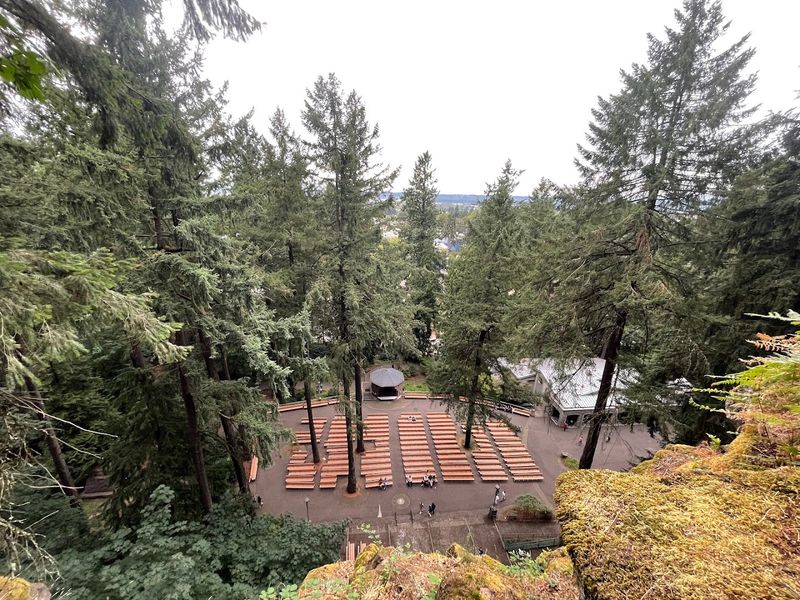
One of the most unexpected rewards of paying for the upper level elevator access is the view that greets you at the top. On a clear day, the Columbia River Valley stretches out below in a sweeping panorama that includes Mount St. Helens, Mount Adams, and Mount Hood all visible from the same vantage point.
Portland sits at a remarkable geographic intersection, and The Grotto’s elevated position on the basalt cliff gives visitors a front-row seat to that volcanic landscape without requiring a hike or a special permit.
I visited on a morning when the mist was still lifting off the valley floor, and the layered effect of fog, river, and distant snow-capped peaks was the kind of scene that makes you put your phone down and just look.
The observation area near the cliff edge is well-maintained with appropriate barriers, and benches are positioned to let you sit and absorb the view at leisure rather than standing awkwardly at a railing.
This combination of spiritual sanctuary and natural spectacle is part of what sets The Grotto apart from other garden destinations I have visited across the country, including several well-regarded sites far beyond the Pacific Northwest.
Seasonal Events and the Famous Christmas Festival
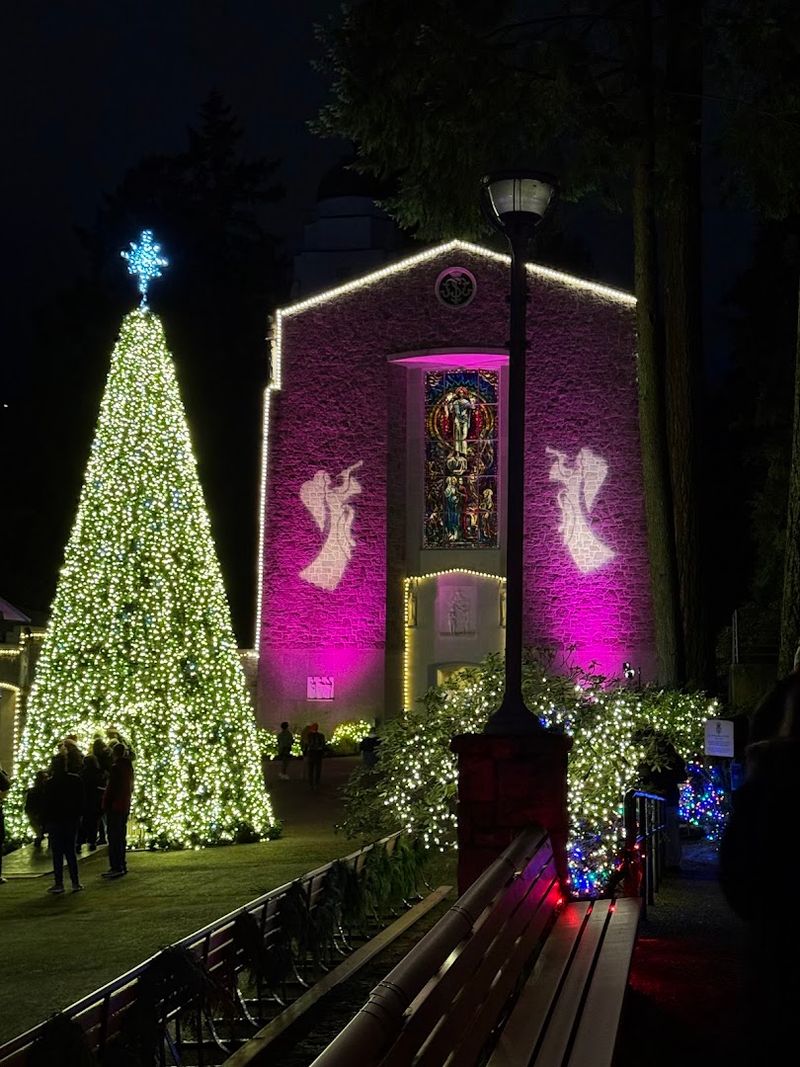
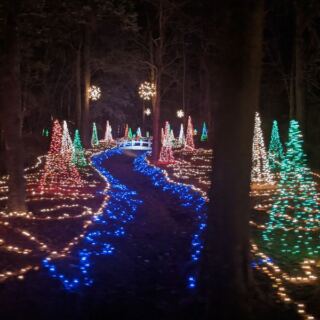
The Grotto hosts events throughout the year, but the Christmas Festival of Lights has built a reputation that extends well beyond Portland and draws visitors from across the Pacific Northwest and beyond.
During the holiday season, hundreds of thousands of lights transform the 62-acre grounds into a glowing winter landscape that operates every evening from late November through Christmas Eve.
Live musical performances, choral concerts, and nativity displays are woven throughout the festival program, and the combination of sacred art and seasonal celebration creates an atmosphere that families return to year after year as a deliberate tradition.
I have spoken with travelers who flew in from out of state specifically for the Christmas festival, treating it as a bucket-list experience rather than a casual outing. That level of devotion says something meaningful about what the event delivers.
Beyond Christmas, the sanctuary hosts outdoor Masses, meditation retreats, and seasonal garden tours that keep the calendar active across all twelve months. Checking the events page at thegrotto.org before planning your trip ensures you do not accidentally miss something special that happens to align with your visit dates.
A Quiet Sanctuary for Reflection and Meditation
There is a particular quality of silence at The Grotto that I have not encountered in many other public spaces. Even on busier weekend afternoons, the sheer size of the grounds absorbs the visitor traffic in a way that preserves pockets of genuine quiet throughout the property.
Dedicated meditation areas are scattered across both levels, each one thoughtfully positioned to minimize visual and auditory distractions from nearby paths. Stone benches, carefully planted hedges, and subtle water features create defined spaces that signal to your nervous system that slowing down is the appropriate response here.
The lower grotto area in particular carries a stillness that feels almost physical, as if the basalt cliff itself absorbs ambient noise. I sat there for thirty minutes on my last visit and left feeling measurably calmer than when I arrived.
Visitors from all faith traditions and none at all use The Grotto as a regular retreat from the pressures of daily life, and the staff actively supports that broad welcome through their programming and visitor services approach.
For anyone navigating a stressful period, a midday visit here functions as a genuine reset rather than just a pleasant distraction. The grounds do quiet work on a person.
Art, Sculptures, and Spiritual Installations Throughout the Grounds
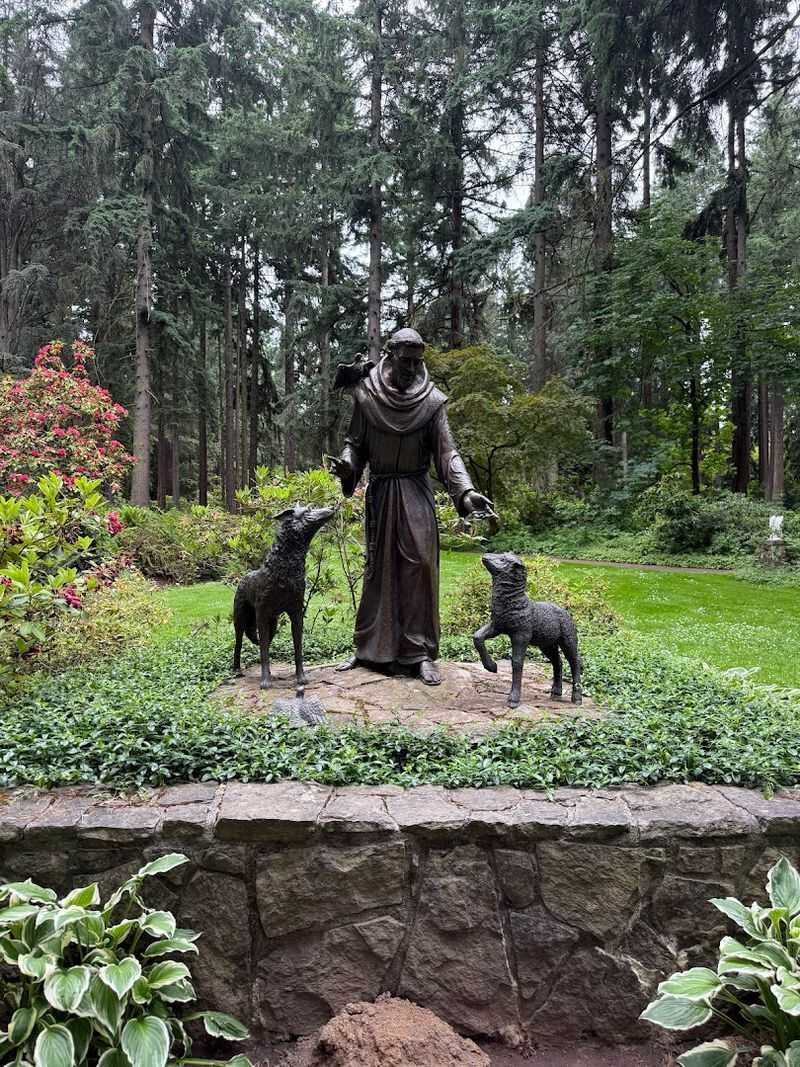
Art is woven into every corner of The Grotto’s grounds, and the collection ranges from traditional devotional sculpture to more contemporary spiritual installations that reward close attention.
Bronze figures, carved stone reliefs, and painted ceramic tiles appear along the garden paths in a way that feels organic rather than curated, as if the art grew alongside the plants over the decades.
The Stations of the Cross pathway on the upper level is one of the most visually cohesive artistic sequences on the property, with each station rendered in a style that is detailed enough to hold your attention but not so ornate that it becomes distracting from the contemplative purpose of the walk.
I spent considerable time at a large bronze Mary figure near the cliff overlook, not for any particular religious reason but because the craftsmanship and the setting combined to make it genuinely beautiful to look at from multiple angles.
The artistic program at The Grotto reflects a long institutional commitment to pairing spiritual meaning with aesthetic quality, and that pairing elevates the experience for visitors who might not share the Catholic faith tradition but still respond to beauty and craft. Art here does not decorate the space; it completes it.
Practical Tips for Planning Your Visit
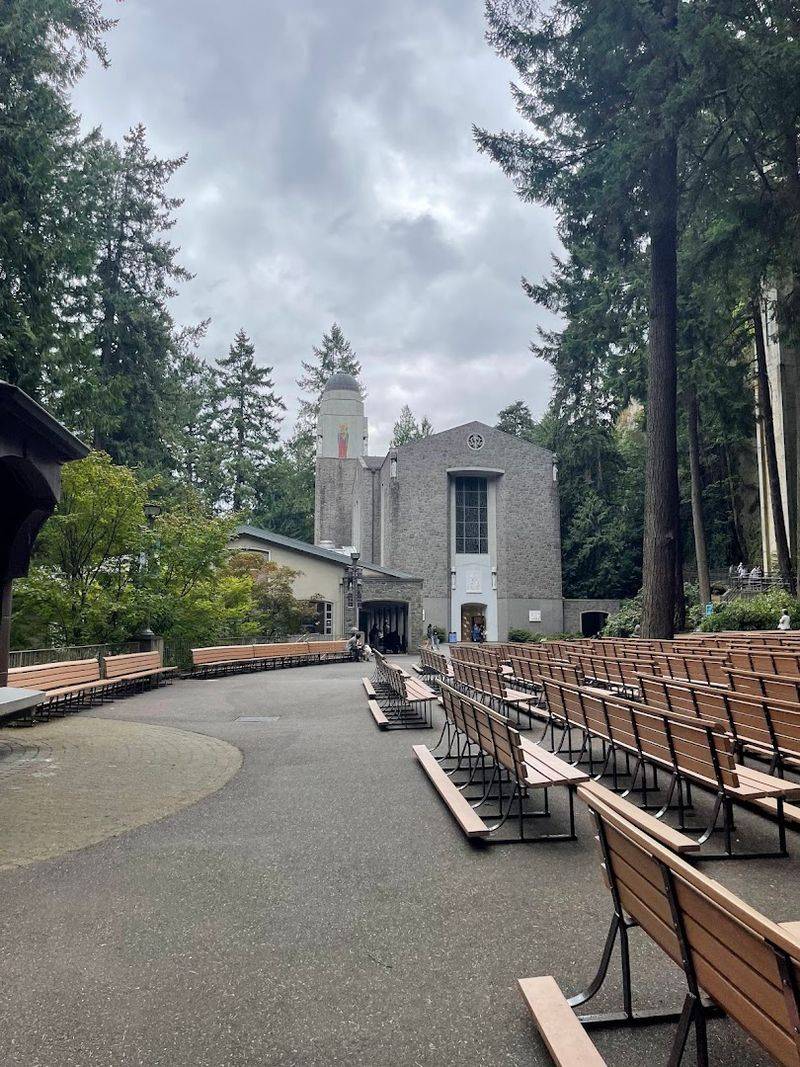
A few practical details can make the difference between a good visit and a great one at The Grotto, and they are worth knowing before you set out.
The grounds are open every day from 9 AM to 8 PM, which means a late afternoon visit in summer still gives you several hours of daylight to explore. The upper level elevator closes earlier than the grounds themselves on some days, so arriving by mid-afternoon is a safe strategy.
Comfortable walking shoes are a genuine necessity rather than a suggestion, because the upper level paths cover significant ground and include gentle slopes and uneven stone surfaces in several areas.
Bringing a light jacket is smart even in summer, since the Pacific Northwest weather can shift quickly and the shaded garden paths stay cooler than the surrounding city streets.
The Grotto welcomes visitors from across the country, and I have crossed paths there with travelers from as far as the East Coast and the South, including folks from Oklahoma who mentioned it was a completely unplanned stop on a Pacific Coast road trip.
That spontaneous discovery story is common here, and it speaks to how well this place rewards the unexpected detour. Call ahead at +1 503-254-7371 for current event details.
Share this story