There is a place in Arkansas where regular people walk across an open field and occasionally find real diamonds just lying in the dirt. No special equipment required, no mining experience needed, and yes, whatever you find is yours to keep.
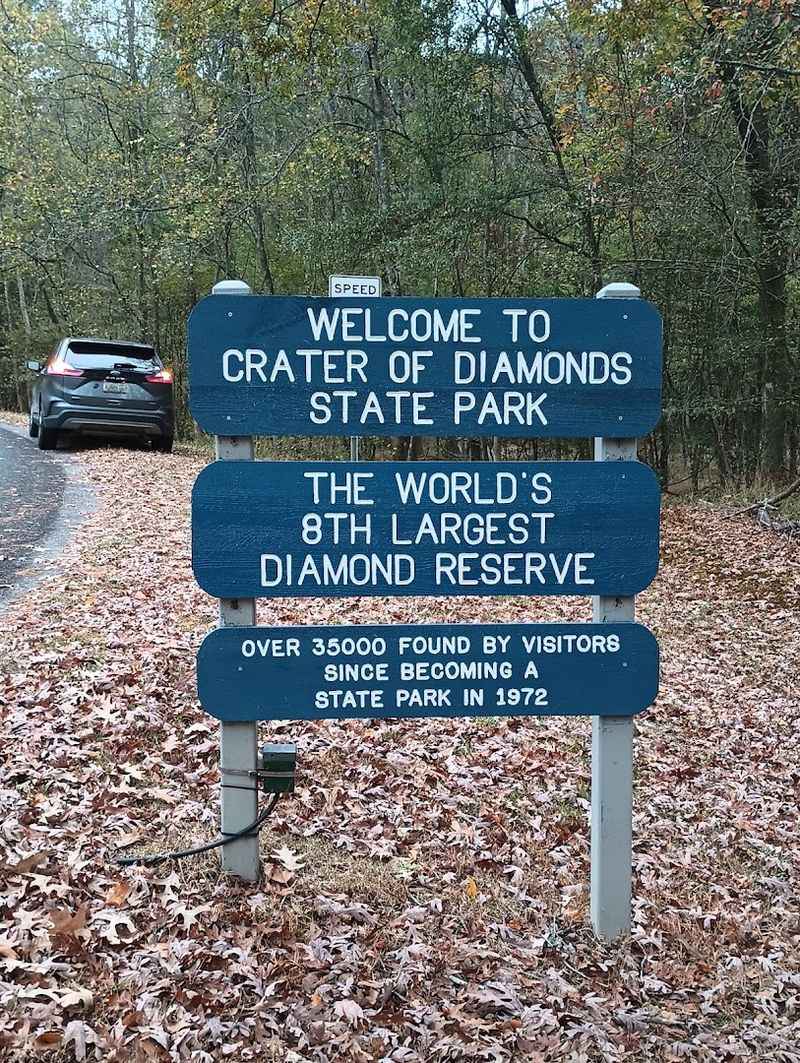
This is not a carnival game or a tourist gimmick. Crater of Diamonds State Park in Murfreesboro, Arkansas, sits on top of an ancient volcanic crater, and it is the only public diamond-producing site of its kind in the world.
Families drive in from neighboring states like Oklahoma, dig through the soil for hours, and leave with stories they will tell for years. Whether you find a sparkling stone or just a pocket full of pretty jasper, this park delivers a one-of-a-kind experience that is hard to forget.
The Only Place on Earth Where You Can Keep What You Find
Most parks have strict rules about taking anything home. Crater of Diamonds State Park flips that rule completely on its head.
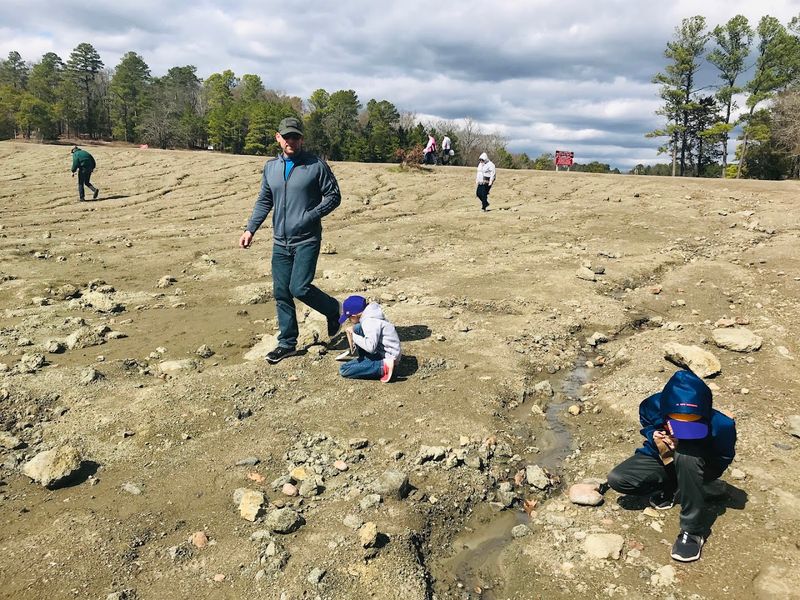
The 37-acre diamond search area is a real geological wonder, and any diamond or mineral you uncover during your visit is yours to keep, free and clear.
The park sits at 209 State Park Rd, Murfreesboro, AR 71958, tucked into the southwestern corner of Arkansas, not too far from the Oklahoma border. This is not a staged experience where gems are planted ahead of time.
The diamonds here are completely natural, pushed up to the surface through ancient volcanic activity millions of years ago.
Visitors have found diamonds of every size and color, including white, brown, and even rare yellow stones. The park charges a $15 per person entry fee to access the search field, which is honestly a bargain when you consider the possibility of walking away with a genuine gemstone.
Groups from Oklahoma and beyond make the trip regularly, and it is easy to see why this spot has earned over 7,900 five-star reviews from real visitors.
The Volcanic History Behind the Diamond Field
Long before Arkansas was a state, a massive volcanic eruption forced a pipe of magma up through the earth’s crust, carrying with it diamonds that had formed deep underground under extreme heat and pressure. That eruption created what geologists call a lamproite volcanic pipe, and it is the same geological structure responsible for diamond deposits found in parts of Africa and Australia.
What makes this spot so rare is that the erosion over millions of years has left the diamonds scattered near the surface rather than buried deep underground. Rain, wind, and time have done a lot of the work for you.
The park staff offers a fascinating Mining 101 presentation each morning that walks visitors through the geology and history of the site, and it is well worth attending before you head out to the field.
The visitor center is loaded with informational displays, historical fact boards, and even videos that explain how the diamonds ended up here in the first place. Understanding the backstory makes the whole digging experience feel more meaningful, almost like being part of something much bigger than a simple afternoon outing.
Science and treasure hunting rarely combine this well.
What a Typical Day at the Diamond Field Looks Like
The park opens at 8 AM every day of the week and closes at 4 PM, so there are a solid eight hours to work with. Most seasoned visitors recommend arriving right when the gates open, before the crowds build up and before the Arkansas sun gets serious about baking everything in sight.
The process is straightforward. You pay the entry fee, attend the morning orientation if you are new, grab your tools, and head out to the field.
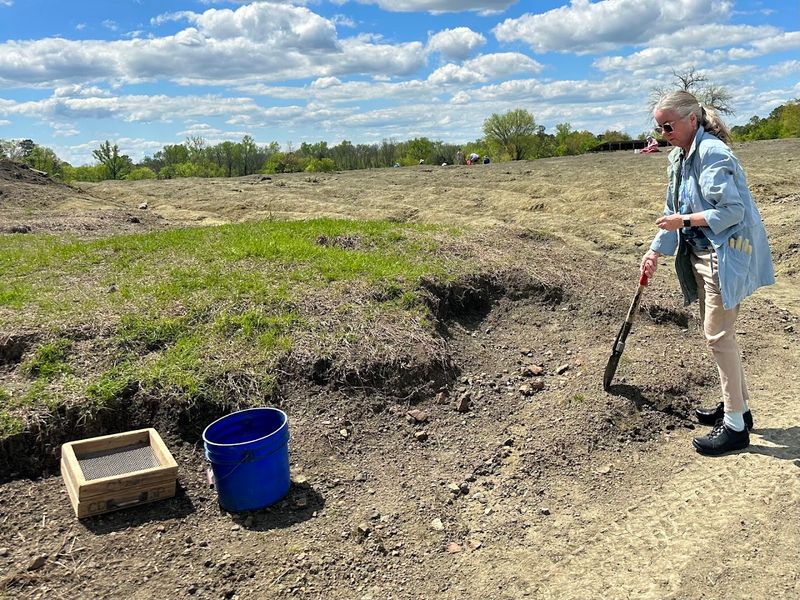
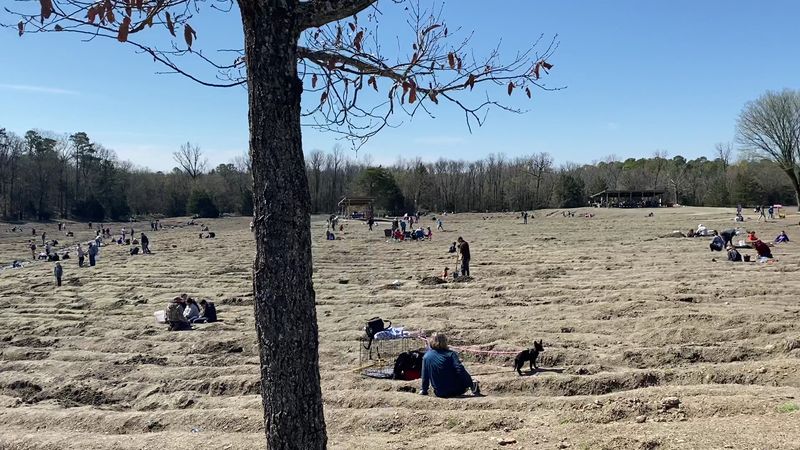
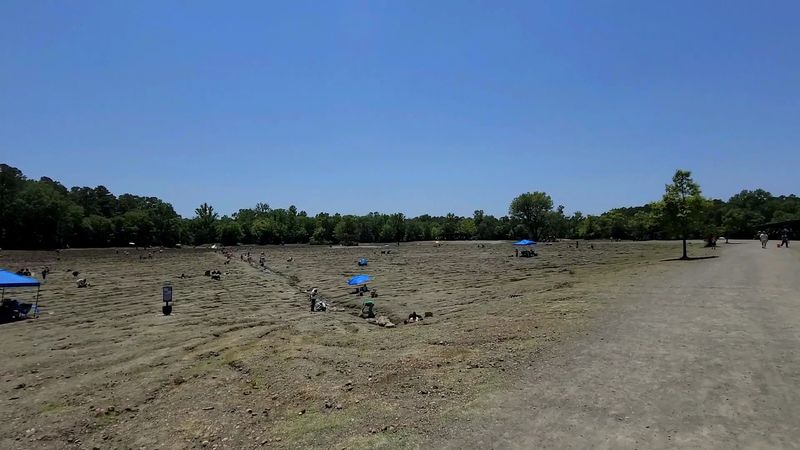
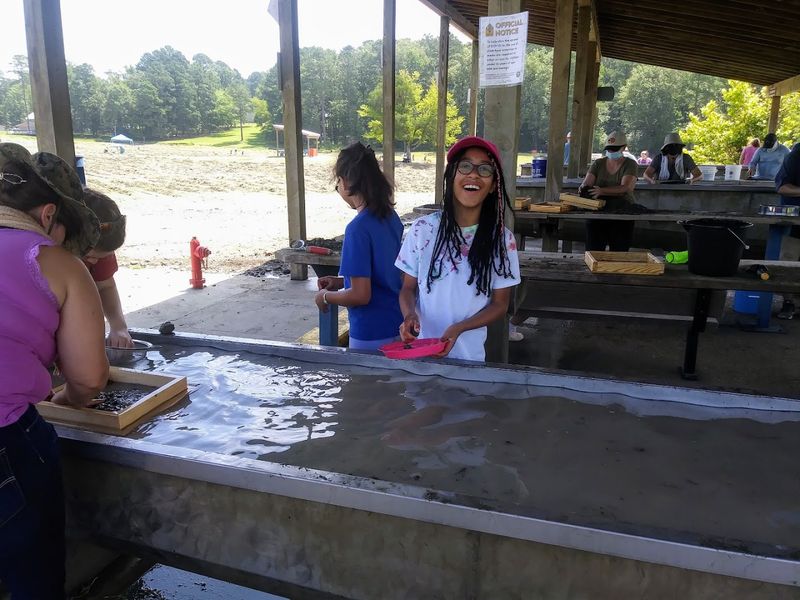
The search area is a plowed expanse of reddish-brown earth that looks a bit like a giant garden plot. You dig, fill your bucket, carry it to the washing stations, sift the soil through screens, and scan what is left for anything shiny or unusual.
It sounds simple, but it is genuinely hard work. There is very little shade on the field itself, so sunscreen, a hat, and plenty of water are not optional extras.
Visitors who come prepared with a folding chair, a wagon for hauling buckets, and rubber boots for muddy days tend to have a much better time than those who show up in flip-flops. The reward is worth the effort, even if your biggest find turns out to be a beautiful piece of jasper.
Tools, Rentals, and What to Bring From Home
You do not need to show up with a full mining kit to enjoy this park, but having the right gear makes a real difference. The park rents out sifting screens, buckets, and digging tools at reasonable prices, though deposits are required for the larger equipment sets.
A sturdy screen rental runs about $28 with deposit, which is fair for a full day of use.
That said, bringing your own gear is the smarter move if you plan to visit more than once or spend multiple days searching. A foldable utility wagon is one of the most useful things you can pack, since hauling buckets of wet soil across a large field gets old fast.
Trowels, small spades, and gardening gloves are all worth tossing in the car before you leave home.
Rubber gardening boots are a genuinely underrated item on the packing list. After rain, the field turns muddy in patches, and regular sneakers become a liability pretty quickly.
Sunscreen and a wide-brimmed hat are non-negotiable given the lack of shade on the field. A cooler with cold drinks and snacks is the kind of addition that will make your companions very happy around hour three.
Smart preparation turns a good visit into a great one.
Famous Finds That Prove the Diamonds Are Real
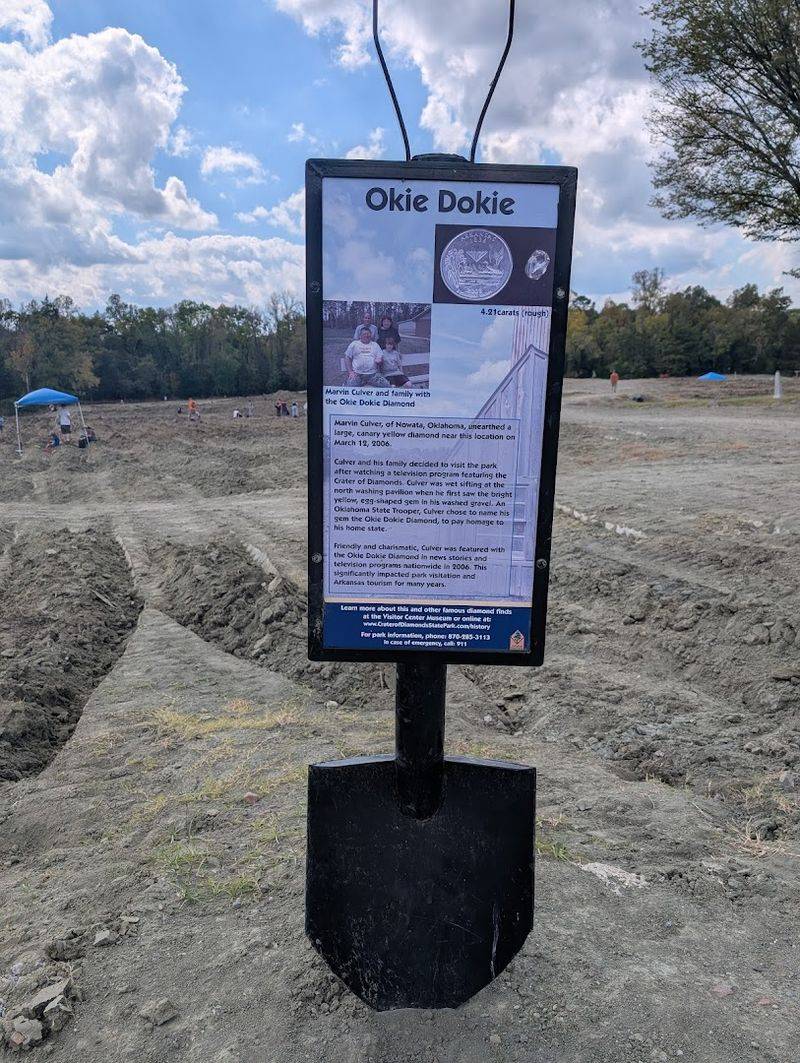
Skeptics sometimes wonder if real diamonds are actually found here, and the answer is a very clear yes. The park keeps detailed records of significant finds, and the history is genuinely impressive.
The largest diamond ever found in the United States, a 40.23-carat white gem called the Uncle Sam Diamond, came out of this very field back in 1924.
More recently, visitors continue to turn up stones worth celebrating. A 9.07-carat white diamond called the Esperanza was found by a visitor in 2015, and a 4.49-carat yellow diamond known as Kinship was discovered in 2020.
These are not professional miners or geologists. They are regular tourists who paid the entry fee and got lucky with a good eye and some persistence.
The park displays information about many of its most notable finds throughout the visitor center, and reading through those stories is both inspiring and a little addictive. You start doing the math in your head about what a 3-carat diamond might be worth and suddenly that plowed field looks a lot more interesting.
Visitors from Oklahoma and across the country keep coming back partly because the proof of what is possible is right there on the wall in black and white.
The Campground That Makes a Weekend of It
One of the most pleasant surprises about this park is that the campground is genuinely excellent. It is not just a place to sleep between digging sessions.
The facilities include full hookup RV sites with electricity and water, well-maintained tent sites, private showers with warm water, Wi-Fi, water fountains with bottle fill-up stations, and outlets for charging devices.
Tent campers have access to shared water and trash bins at walk-in sites, and the layout is thoughtful enough that even those spots feel comfortable rather than like an afterthought. Groups can request to be placed near each other, and the staff works hard to accommodate those requests.
One Cub Scout pack of 15 families was placed together on a single weekend, which speaks to how organized and accommodating the team is.
Checkout time is 4 PM, which conveniently lines up with the park closing time. That means you can spend the morning digging, pack up camp at a relaxed pace, and still have time for one last pass through the field before heading home.
Watching a deer wander through the wooded edges of the campground at dusk is the kind of unexpected bonus that makes the whole trip feel like a proper escape. Oklahoma neighbors especially love the short drive here for a full weekend stay.
The Park Staff and Morning Orientation Program
The staff at this park consistently earns high praise, and it is not hard to see why. Rangers and interpreters take the time to explain the geology, the search techniques, and the history of the site in ways that are genuinely engaging rather than dry and rehearsed.
The morning Mining 101 orientation is one of the best things a first-time visitor can do.
During the program, an interpreter walks the group through what diamonds actually look like in the rough, how to distinguish them from common minerals, and which search techniques tend to produce results. The presentation is tailored to make sense for kids and adults alike, using clear language and hands-on examples that stick with you once you are out on the field.
Skipping the orientation because you think you have done enough research online is a mistake many first-timers regret. The field is large and the minerals all start to look similar after a while, so having a trained eye from the start saves a lot of confusion.
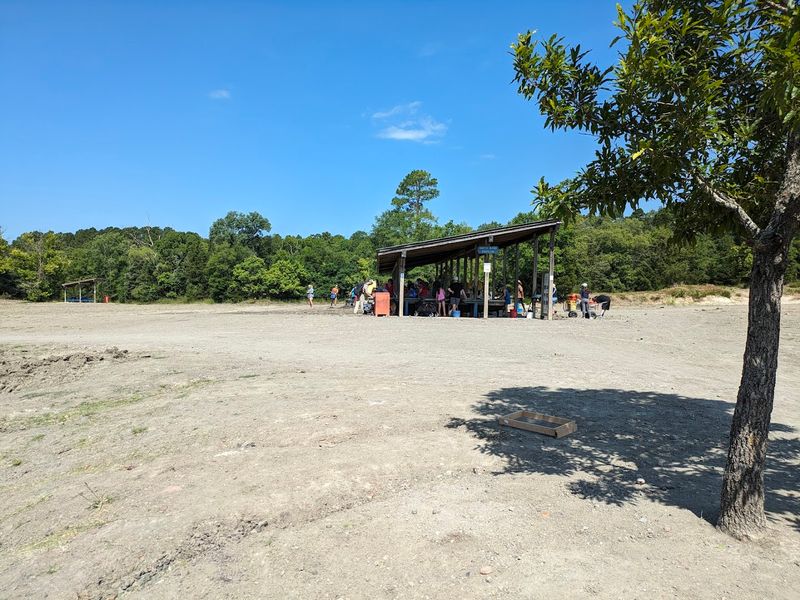
The identification desk near the rental area is another underused resource, where staff will look at your finds and tell you exactly what you have. That kind of expert access, included in a $15 entry fee, is genuinely hard to find anywhere else.
Other Minerals and Rocks Worth Finding
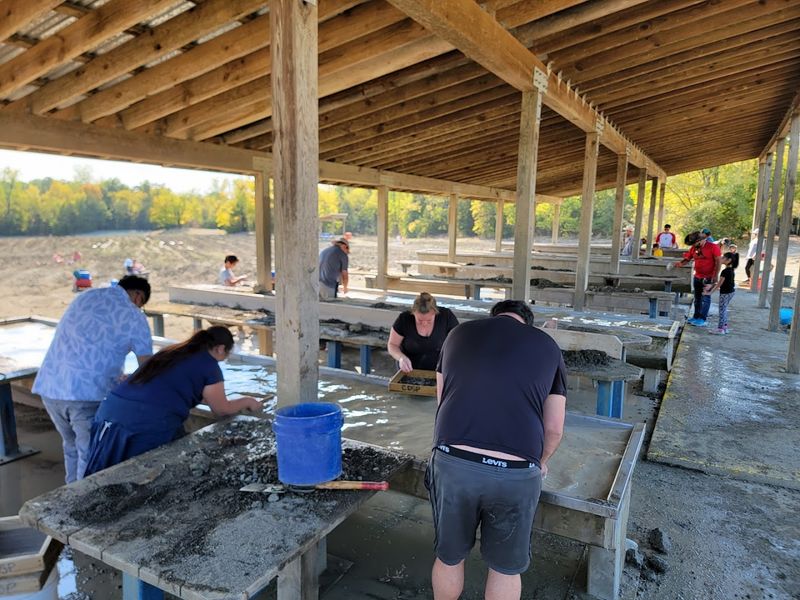
Diamonds get all the attention here, but the field is full of other minerals that are beautiful in their own right. Jasper is one of the most commonly found stones, and it comes in rich shades of red, yellow, and brown that make it worth keeping even if you were hoping for something sparklier.
Quartz crystals, amethyst, black onyx, and various volcanic rocks also turn up regularly.
The park sits on a volcanic pipe, which means the soil is geologically diverse and full of interesting material. Experienced rockhounds sometimes visit specifically for the variety of minerals rather than the diamonds alone.
Filling a bag with colorful jasper pieces and interesting crystals is a very satisfying afternoon even without a diamond to show for it.
Near the rental area, displays show examples of the different rocks and minerals commonly found in the field. Spending a few minutes studying those samples before you head out gives you a mental reference point that makes sorting through your sifted soil much easier.
Many visitors end up starting a personal rock collection after their trip, discovering a hobby they did not know they had. The field has a way of turning casual tourists into enthusiastic mineral collectors by the end of the day.
Tips for Families Visiting With Kids
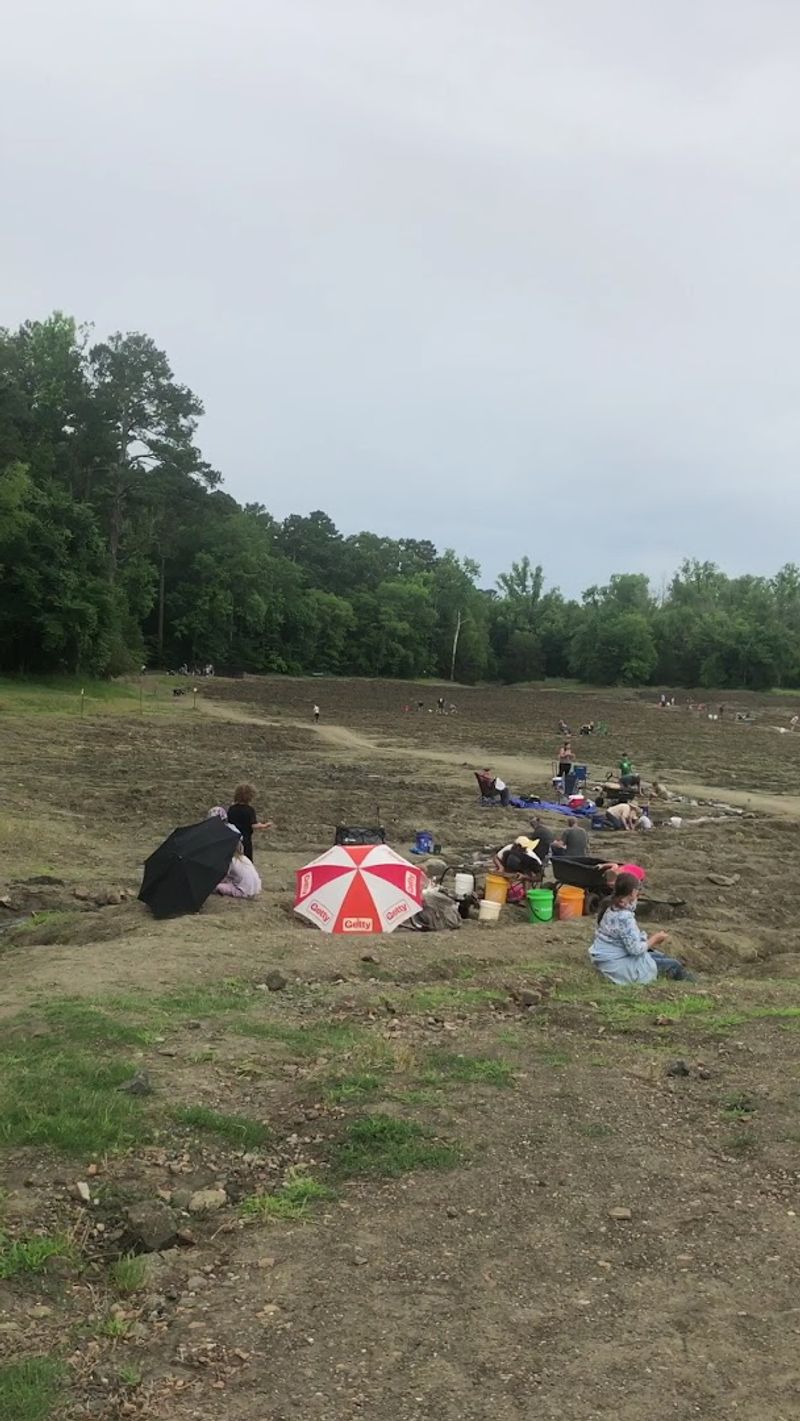
Bringing kids to this park is one of the better family activity decisions you can make in the region. Children take to the treasure-hunting concept instantly, and the combination of digging in the dirt with a real purpose keeps them focused and entertained for hours.
The field is large enough that families can spread out and claim their own section without feeling crowded.
The park even has a swimming pool available for younger visitors while parents continue working the field, which is a smart feature that keeps everyone happy. Younger children tend to have shorter attention spans for the digging itself, so having the pool as an option prevents the classic mid-afternoon meltdown.
The campground and hiking trail add even more variety to a multi-day visit.
A few practical tips make the family experience smoother. Bring a wagon to pull younger kids and gear across the field.
Pack extra socks and a change of shoes, because muddy conditions are common and wet feet make everyone miserable. Apply sunscreen before entering the field, not after you are already standing in the sun.
Visitors who come from Oklahoma and nearby states often turn this into an annual tradition, and the kids tend to look forward to it more each year.
Visiting the Trails, Visitor Center, and Gift Shop
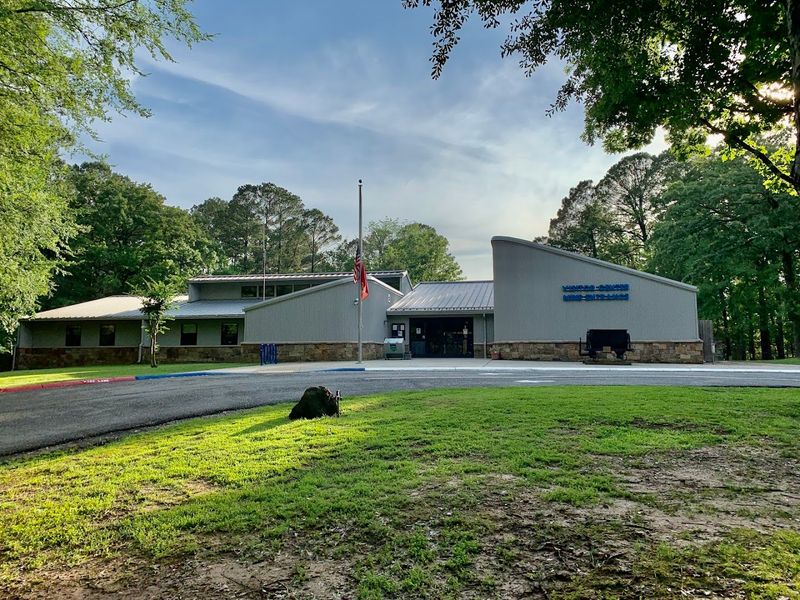
The diamond field is the main attraction, but the rest of the park has plenty to offer on its own. The hiking trail is well-maintained and winds through a peaceful wooded area that feels completely different from the open expanse of the search field.
Wildlife sightings, including deer, are common along the trail, especially in the early morning and late afternoon hours.
The visitor center is worth a slow walk-through before or after your time in the field. Informational boards about the park’s history, notable diamond finds, and geological background are placed throughout the space, and the exhibits are engaging enough to hold adult attention without feeling like a school lesson.
Videos play continuously and offer a good overview of how the site was discovered and developed into a public park.
The gift shop has earned its own loyal following among visitors. Prices are described by many as genuinely reasonable, and the selection of souvenirs, minerals, and Arkansas-themed items is solid.
Many visitors pick up most of their trip souvenirs right here rather than hunting through shops in town. The nearby town of Murfreesboro also has dining options and accommodations for those not camping, making the whole area a comfortable base for exploring this corner of Arkansas, well within reach of Oklahoma travelers heading east.
Best Time to Visit and What to Expect From the Weather
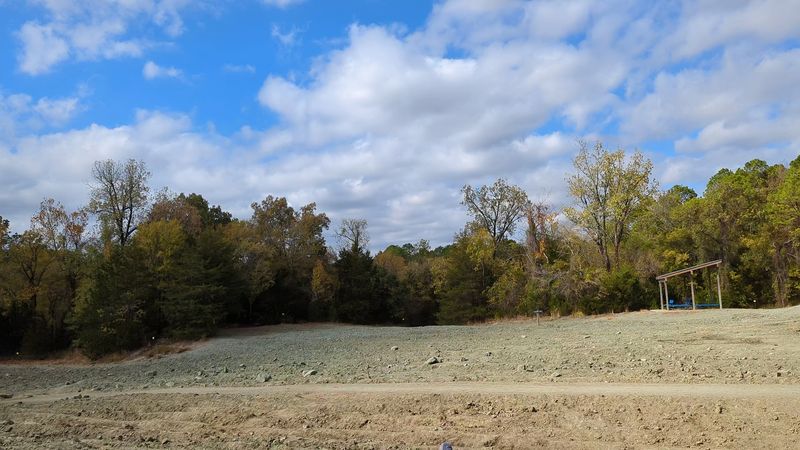
Arkansas summers are hot, and the diamond field has very little natural shade to soften that reality. Mid-summer visits are absolutely doable, but they require serious preparation in the form of sun protection, hydration, and breaks in the shade.
Early morning arrival makes a significant difference, both for comfort and for securing a good spot before the crowds arrive.
Early fall, particularly September and October, tends to be the sweet spot for visiting. The temperatures are more forgiving, the crowds thin out noticeably, and the field conditions after seasonal rains can actually improve diamond visibility on the surface.
Rain brings fresh material up and washes away the dusty coating that makes everything look the same color.
Spring visits have their own appeal, with milder temperatures and active field conditions after winter rains. Winter visits are quieter still, and while the cold is not extreme in this part of Arkansas, a jacket is necessary and the shorter daylight hours reduce your digging time.
Year-round, the park maintains its hours from 8 AM to 4 PM every day of the week. Visitors making the drive from Oklahoma or other neighboring states often find that planning around weather forecasts, specifically aiming for a day or two after rainfall, dramatically improves their chances of finding something interesting.
Why This Park Deserves a Spot on Your Travel List
There are plenty of state parks across the country that offer beautiful scenery, good trails, and pleasant camping. Very few of them give you a legitimate shot at finding a real diamond and taking it home in your pocket.
That combination of natural beauty, geological rarity, and genuine treasure-hunting possibility is what makes this place so hard to categorize and so easy to love.
The park holds a 4.4-star rating across nearly 8,000 reviews, which is a remarkably consistent score for any attraction, let alone one that requires physical effort and offers no guarantee of a sparkling reward. The reviews come from families, solo travelers, couples celebrating anniversaries, scout groups, and retirees checking items off their bucket lists.
The range of people who find something meaningful here is genuinely wide.
Visitors from Oklahoma, Texas, Tennessee, and beyond make the drive to Murfreesboro specifically for this experience and regularly describe it as one of the most memorable trips they have taken. The $15 entry fee, the knowledgeable staff, the well-kept facilities, and the simple thrill of possibility all add up to something that feels rare in modern travel.
Some destinations promise adventure and deliver a postcard. This one hands you a shovel and lets the earth surprise you.
Share this story