There is a place in Charleston, South Carolina, where deer wander freely through ancient trees, a full-scale replica of a 17th-century trading vessel sits docked along a tidal river, and the story of America’s earliest colonial roots comes alive at every turn of the trail. Most visitors to Charleston head straight for the Rainbow Row houses or the Battery, and that is completely understandable.
But those who skip this state historic site are missing something genuinely different from anything else in the city. For just $12 per person, you get a museum, a working replica ship, a small animal forest with red wolves and otters, sweeping marsh views along the Ashley River, and miles of well-kept trails that feel more like a nature escape than a history lesson.
This article walks you through everything worth knowing before your visit.
The Birthplace of the Carolina Colony
Few places in the American South carry the kind of historical weight that Charles Towne Landing does, and yet most people drive right past it on Highway 171 without a second thought.
This site marks the exact location where English settlers first established the Carolina colony in 1670, making it one of the oldest permanent English settlements on the continent.
Charles Towne Landing State Historic Site is at 1500 Old Towne Rd, Charleston, SC 29407, and it preserves that founding moment with impressive care. The grounds tell the story of how those early colonists built shelters, traded with the Kiawah people, and carved out a foothold in an unfamiliar land.
Everything here, from the earthwork fortifications to the interpretive signs along the trail, is designed to help you feel the scale of what happened on this very soil over 350 years ago.
The Visitor Center and Museum Experience
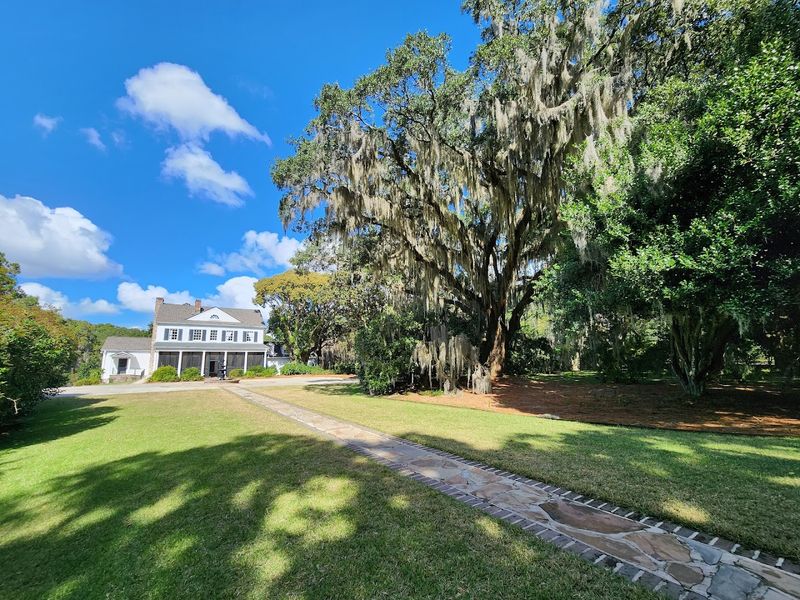
Before heading out to the trails, the visitor center is the right place to start, and it genuinely earns your time rather than just checking a box.
The museum inside is thoughtfully put together, with interactive exhibits that explain the founding of the Carolina colony, the lives of the Kiawah people who were already here, and the complicated relationship between the two groups.
There are artifacts, timeline displays, and enough context to make the rest of your walk through the grounds feel meaningful rather than random. A self-guided audio tour is also available, which lets you move at your own pace while still getting the full story.
Families with young children especially appreciate how the exhibits are designed to engage kids without talking down to them. Starting here sets the tone for everything else you will experience once you step outside into the open air.
The Adventure, the Replica Ship on the Ashley River
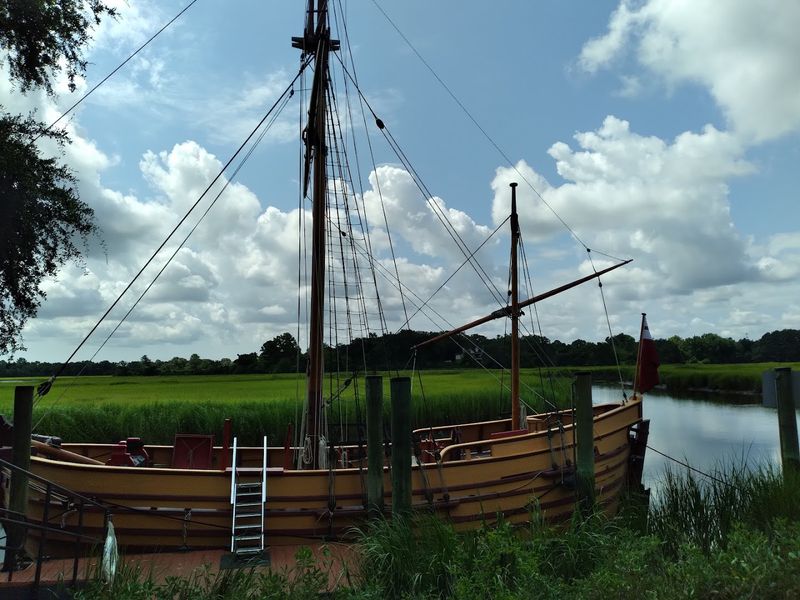
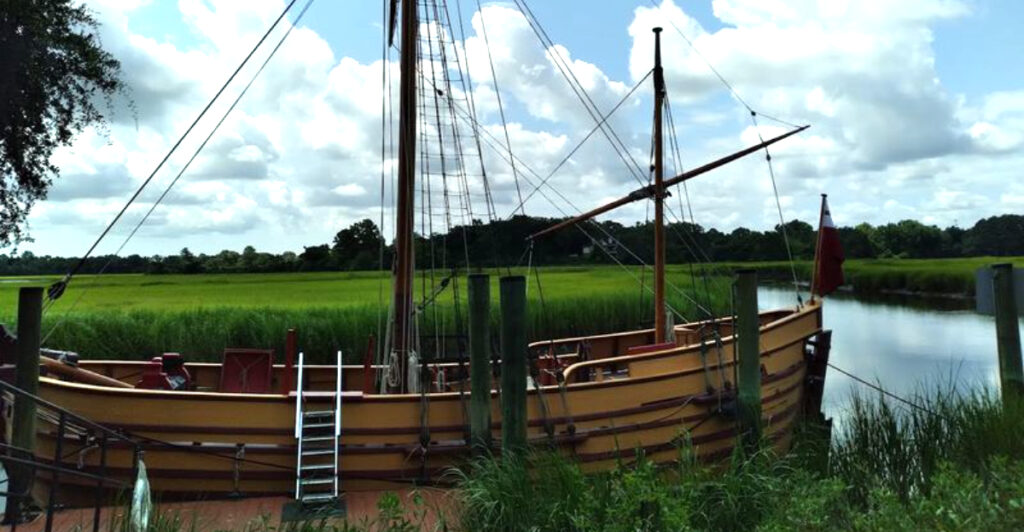
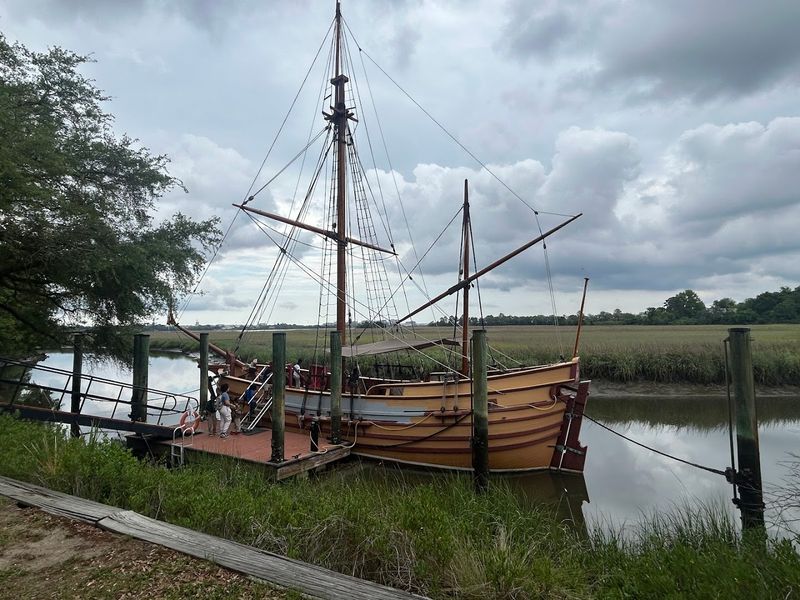
Midway along the main trail, the Adventure appears around a bend, and it stops most visitors in their tracks.
This full-scale wooden replica of a 17th-century trading ketch is docked along the Ashley River and is open for boarding during park hours. Climbing aboard puts you at deck level with the same kind of vessel that early Carolina settlers used to transport goods, and the craftsmanship involved in building it is genuinely impressive.
Kids tend to go full pirate mode the moment they step on deck, which honestly makes for great photos. Adults find themselves drawn to the rigging, the cargo hold, and the sheer size of the hull.
The river views from the ship are some of the best in the entire park, with marsh grasses stretching out in both directions and the water reflecting the tree canopy above. It is one of those rare spots where history and scenery overlap perfectly.
Roaming Deer and the Natural Landscape
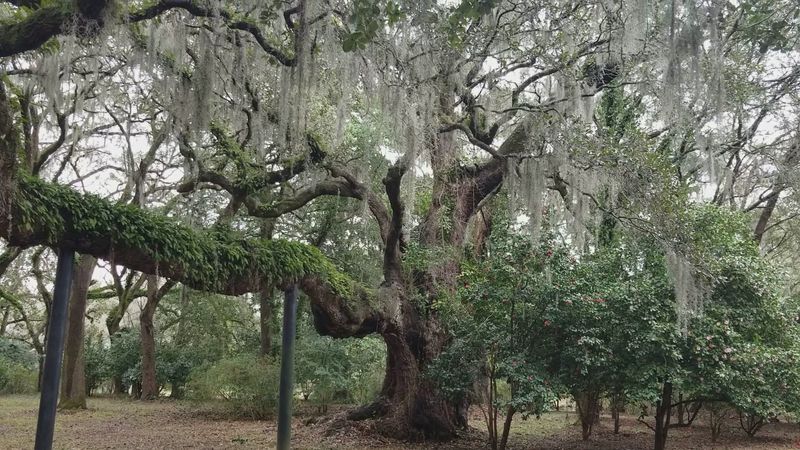
White-tailed deer move through the grounds at Charles Towne Landing with a calm confidence that suggests they know exactly who owns this place, and it is not the visitors.
Spotting one on the trail is not unusual, and on quieter weekdays, you might see several grazing near the tree line or crossing the path ahead of you without any urgency.
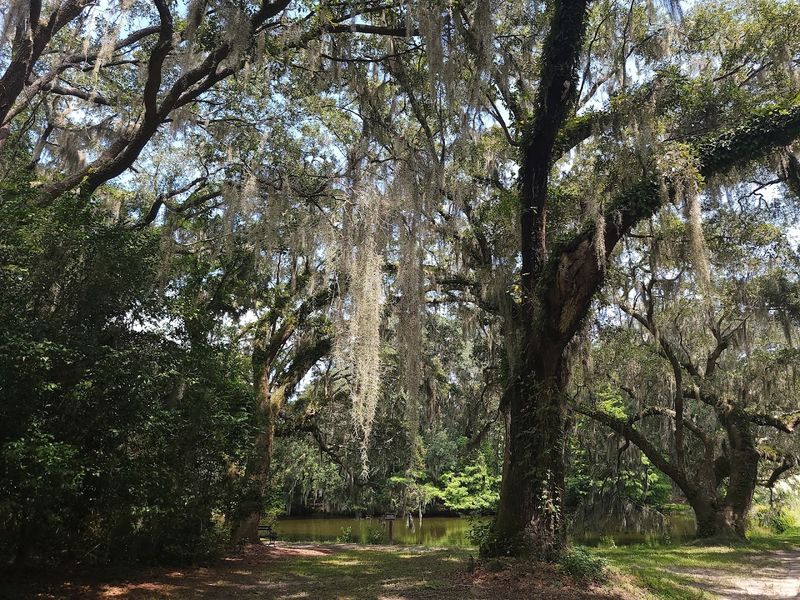
The landscape they move through is stunning on its own terms. Ancient live oaks draped in Spanish moss line the trails, and the low-country light filtering through the canopy creates a soft, almost dreamlike atmosphere that is hard to find anywhere else in an urban area.
Birdwatchers will also find plenty to observe here, from herons wading in the marsh shallows to songbirds calling from the understory. The natural setting is so well-preserved that it is easy to forget you are just minutes from downtown Charleston.
The Animal Forest: Wolves, Otters, and a Bald Eagle
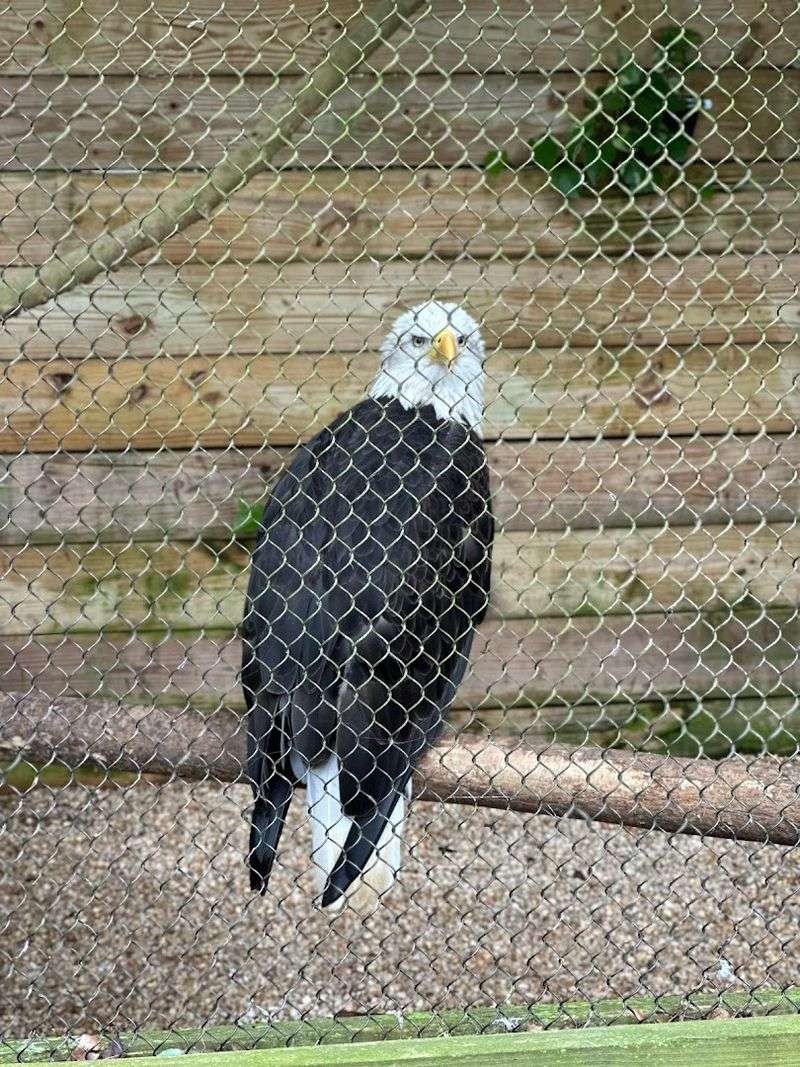
The animal forest section of the park features native South Carolina wildlife in large, naturalistic enclosures that are deliberately kept a bit wild and overgrown.
Red wolves pace through the underbrush, river otters splash and tumble in their pool, and a bald eagle perches in a way that makes you feel like you are interrupting something important. There is also a black bear, a puma, and a bison that rounds out a lineup of animals most people have never seen this close without the backdrop of a major zoo.
The enclosures prioritize the animals’ comfort over maximum visibility, which means you sometimes have to be patient and quiet to catch a good sighting. That actually makes it more exciting.
Dogs are not permitted in this section, so plan accordingly if you are bringing a four-legged companion along for the rest of the park’s dog-friendly trails.
The Main Trail and What to Expect on Foot
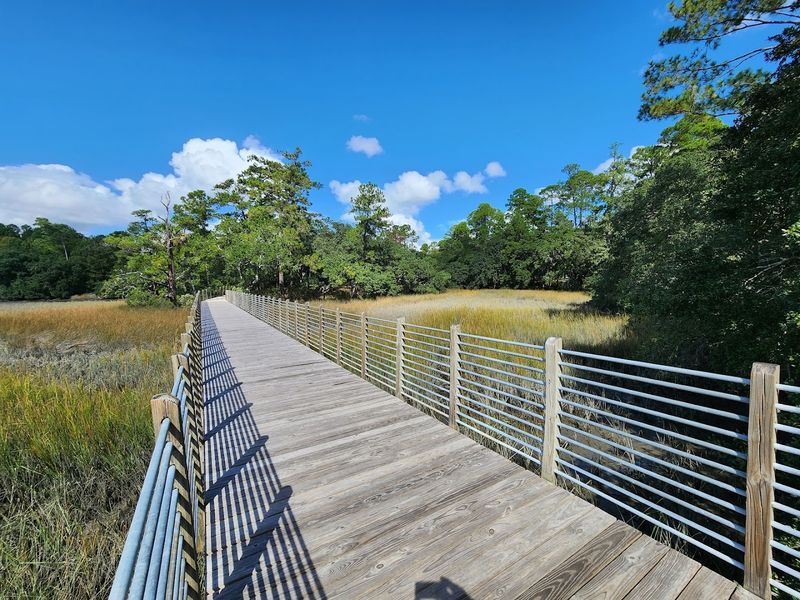
The main loop trail at Charles Towne Landing runs about a mile and a half, and it covers a surprising amount of ground without ever feeling repetitive.
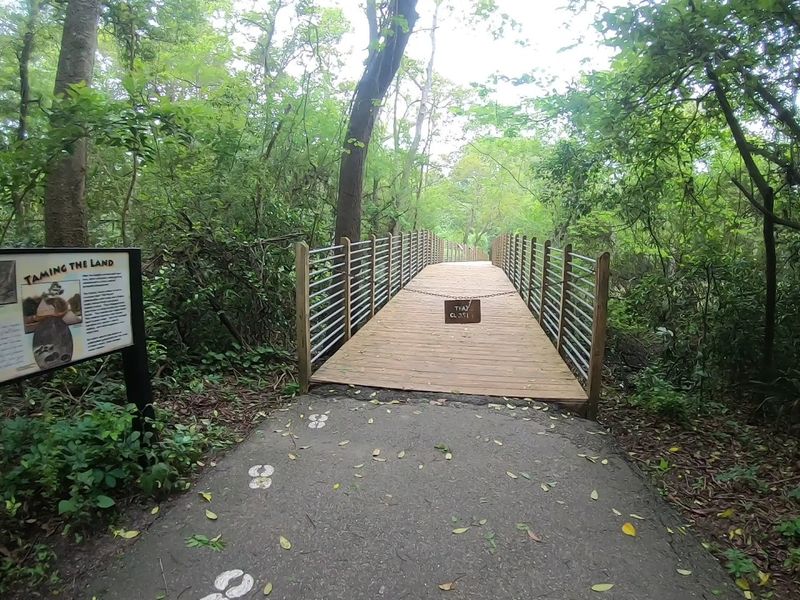
Most of the path is paved, which makes it accessible for strollers and wheelchairs, a detail that matters more than people realize when you are planning a family outing. The trail winds through wooded sections, past the animal forest, along the river, and through the colonial exhibit area, so every stretch offers something different.
Wear comfortable shoes and bring water, especially if you are visiting during the warmer months, because the South Carolina heat and humidity are not subtle. A tram service runs approximately every 20 minutes for those who need a break from walking.
Bikes are also welcome on the trails, and the visitor center has a few available. The overall pace here is relaxed, and there is no pressure to rush through anything.
The Stunning Marsh Views Along the Ashley River
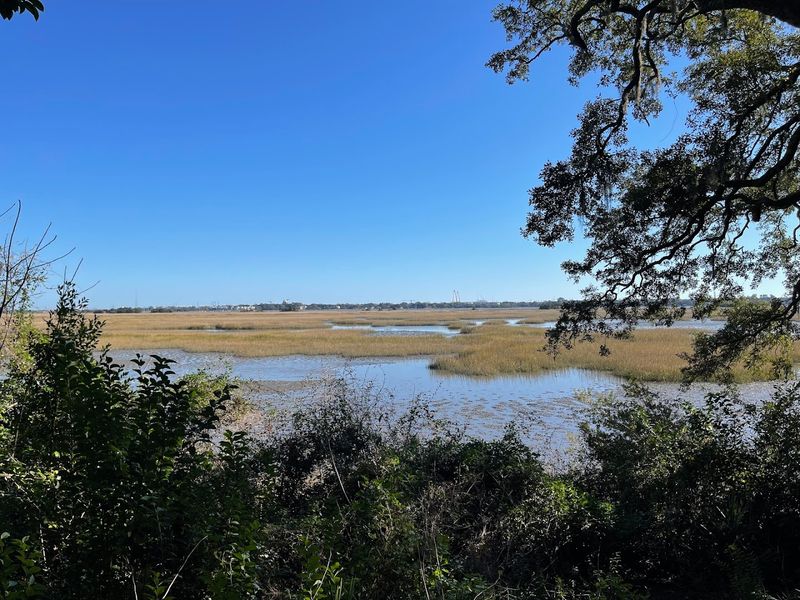
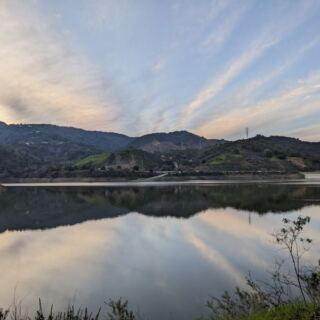
The Ashley River borders the western edge of Charles Towne Landing, and the views it offers are the kind that make you stop walking and just stand there for a moment.
Tidal marshes stretch out from the bank in shades of green and gold depending on the season, and the water reflects the sky in a way that photographers absolutely love. This is classic South Carolina lowcountry scenery, the type that gets printed on postcards and painted on canvases in every gallery on King Street.
The marsh also serves as a living ecosystem that the park takes seriously. Egrets, herons, and various shorebirds are regular visitors, and if you are quiet near the water’s edge, you might spot a loggerhead turtle or a dolphin working the tidal currents.
Arriving in the early morning, when the mist is still sitting on the water, turns the whole scene into something you will genuinely want to photograph and remember.
The Gardens: Willows, Camellias, and Colonial Plantings
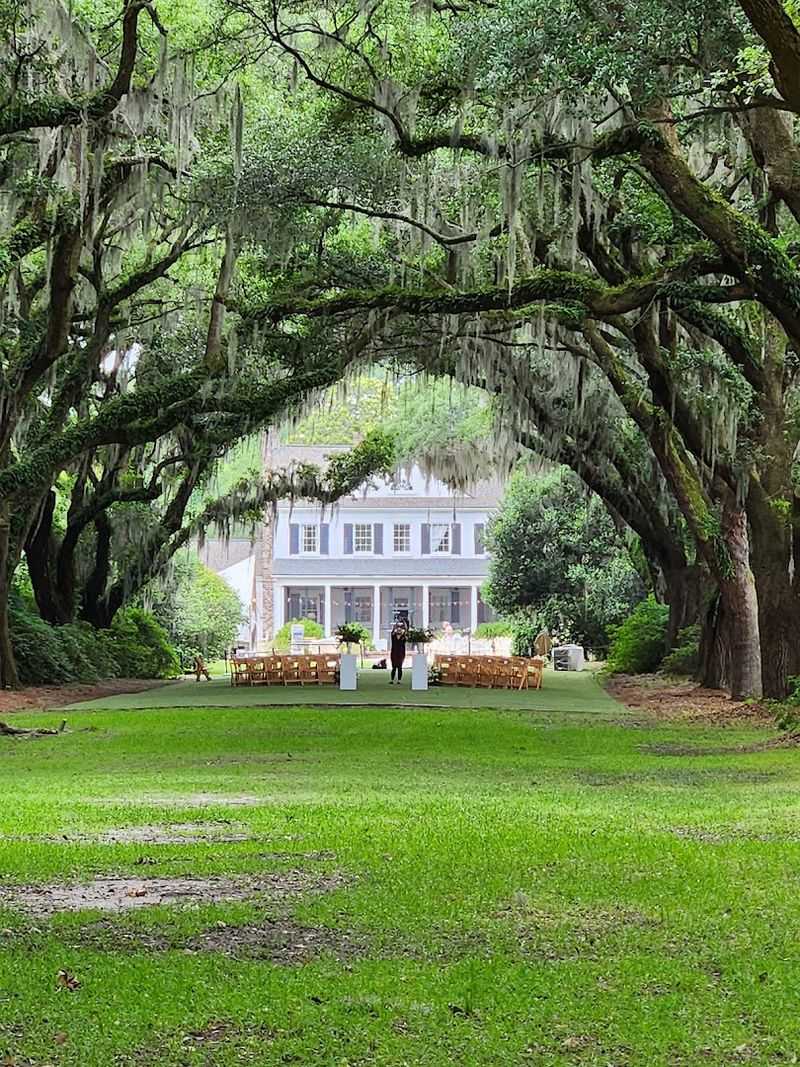
Tucked into the grounds is a garden area that catches a lot of visitors off guard, mostly because no one expects something this beautiful to be part of a history park.
Weeping willow trees hang over the paths in dramatic curtains of green, and camellia bushes burst into color during the cooler months, typically from late fall through early spring. The colonial garden section features plantings that reflect what early settlers would have grown here, including herbs, vegetables, and medicinal plants that were essential to survival in the 1670s.
Walking through here feels quieter than the rest of the park, which makes it a good spot to slow down and take your time. The garden is also a popular choice for wedding ceremonies and formal photos, and it is easy to see why.
Even visitors who have no particular interest in plants tend to linger here longer than they planned.
Earthworks and the Original Settlement Exhibit
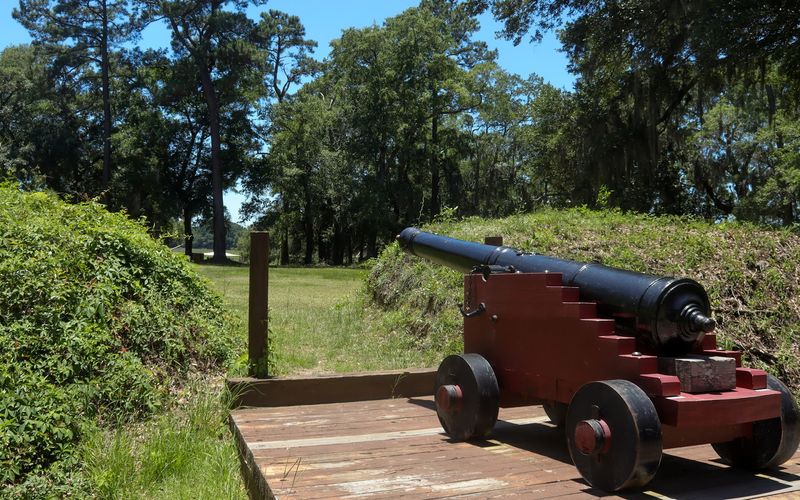
One of the most historically significant features of the park is the reconstructed earthwork fortification that protected the original 1670 settlement.
The earthworks are the kind of thing that history books describe but rarely bring to life, and standing next to them gives you a concrete sense of how vulnerable and determined those first colonists must have been. Interpretive panels along this section of the trail explain the defensive strategy behind the fort’s design and what daily life looked like inside its walls.
There are also reconstructed colonial-era structures nearby that give context to the tools, materials, and methods settlers used to build their first homes in the Carolina wilderness. Kids who visited on school field trips have been known to return years later with their own families.
The exhibit is self-guided, so you can spend as much or as little time here as you like, and the information boards are genuinely worth reading.
Practical Tips: Admission, Hours, and What to Bring
Admission to Charles Towne Landing is $12 per adult, which puts it in the category of one of the better-value outings in the Charleston area when you factor in everything included.
The park is open seven days a week from 9 AM to 4 PM, so an early arrival is worth considering if you want to beat the midday heat and have the trails mostly to yourself. Parking is easy and free, which is a small but genuine relief compared to downtown Charleston’s parking situation.
Bring sunscreen, a water bottle, and snacks, since there is no restaurant on site. A small gift shop is available near the entrance if you want to pick up a souvenir.
Dogs are welcome on most of the trails but not in the animal forest section. Strollers and wheelchairs move easily on the paved paths, and the tram service is a solid backup plan for anyone who needs it.
Best Times to Visit and Who Will Love It Most
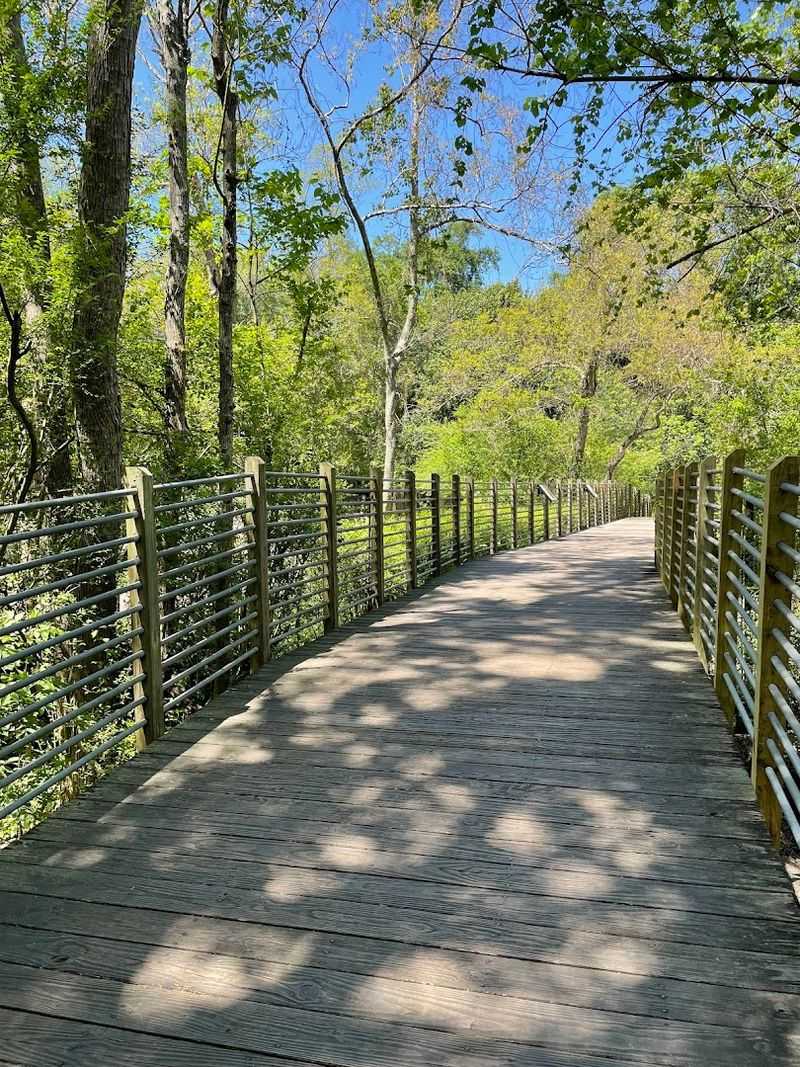
Spring and fall are the sweet spots for visiting Charles Towne Landing, when the temperatures are comfortable and the natural scenery is at its most photogenic.
Weekday visits, especially on Tuesdays and Wednesdays, tend to be noticeably quieter, which means more peaceful wildlife sightings and less competition for the best spots along the river. Summer visits are absolutely doable but require preparation for heat and humidity that can feel intense by late morning.
The park works well for a wide range of visitors. Families with young children get the animal forest, the ship, and plenty of open space to run around.
History enthusiasts get the exhibits, earthworks, and colonial context. Nature lovers get the marsh views, birdwatching opportunities, and the canopy trails.
Solo visitors who want a few hours of quiet walking with genuine historical depth will find this park surprisingly satisfying, especially on a calm weekday morning.
Why This Place Deserves More Attention
For a site that marks one of the most significant moments in American colonial history, Charles Towne Landing flies remarkably under the radar compared to other Charleston attractions.
The combination of genuine history, accessible trails, native wildlife, and river scenery in one $12 admission is hard to beat anywhere in South Carolina. Most visitors who come once end up returning, sometimes bringing the same trail loop a second time just because the pace of it feels restorative.
The park has clearly benefited from ongoing investment and care, with well-maintained restrooms, clear signage, and thoughtfully designed exhibits that have been updated over the years.
If you are planning a Charleston trip and your itinerary is already full of restaurants and shopping, carving out a single afternoon for this place is the kind of decision you will look back on as one of the best calls of the whole trip.
Share this story