 Unearth The Voyage
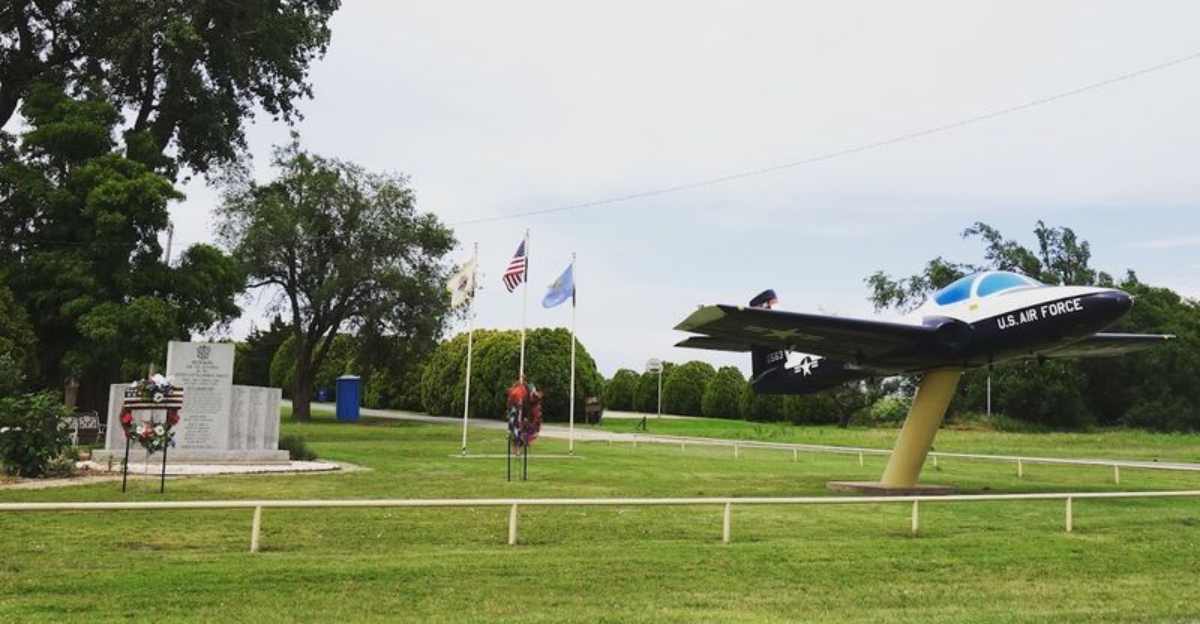
There is a tiny town in northwest Oklahoma where the sky stretches so wide it feels like the whole world opens up around you. With fewer than 200 residents, it sits quietly in Alfalfa County, far from the noise of city life, yet it holds something genuinely special.
The landscape here is flat and wide, the kind that makes clouds look like moving paintings overhead. Salt plains, red-dirt roads, and a community that still waves at strangers define this place in a way that no tourist brochure ever could.
If you have ever wanted to visit somewhere that feels completely unhurried and surprisingly full of natural wonder, this little town deserves your attention more than most people realize.
A Town Called Jet: Location and First Impressions
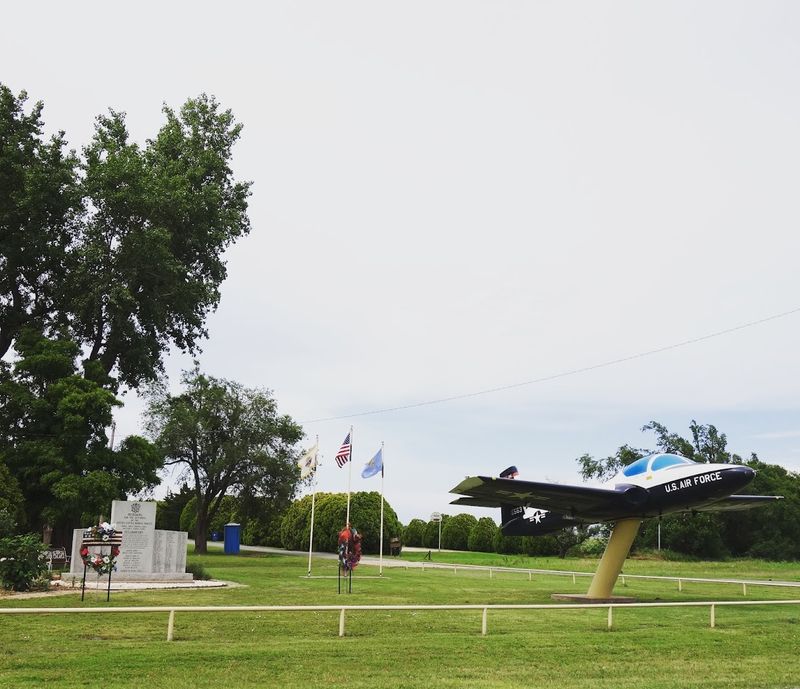
Jet is a small town tucked into the southeast corner of Alfalfa County, Oklahoma, with the zip code 73749 and a population of just 197 people as of the 2020 Census. The nearest larger town is Cherokee, about 10 miles to the north, while Enid sits roughly 40 miles to the southeast.
The town sits on gently rolling plains where the horizon seems almost impossibly far away. Roads run straight and unhurried through the landscape, and the fields around town shift color with the seasons, from pale winter wheat to deep summer green.
First impressions here are quiet and honest. There are no flashy storefronts or busy intersections, just a compact community that has held its ground for well over a century.
The air carries a clean, open quality that you notice immediately after arriving from any city.
Jet may be small, but it carries the kind of character that larger towns often spend years trying to manufacture. The pace here is slow by design, and that slowness turns out to be one of its greatest charms for any visitor who takes the time to stop.
The Big-Sky Magic That Defines This Corner of Oklahoma
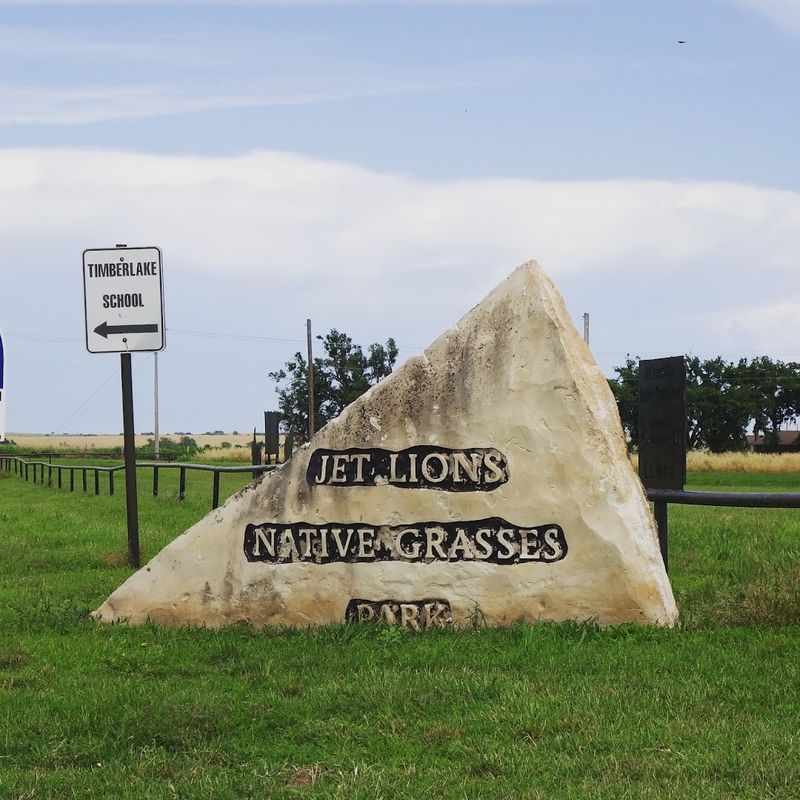
The sky above this part of Oklahoma is genuinely something else. On a clear day, the blue overhead is so deep and uninterrupted that it almost feels like you are standing under a painted ceiling rather than the actual atmosphere.
Because the terrain is so flat and open, there are no hills or tall buildings to cut the view short. You can watch a storm system build from 50 miles away, which sounds dramatic until you actually see it happen and realize it is one of the most spectacular natural shows you will ever witness for free.
Sunsets here deserve a special mention. The colors spread across the whole western sky in long horizontal bands of orange, pink, and deep purple that linger for a surprisingly long time after the sun drops below the plains.
Photographers and nature lovers who make the trip out here often say the sky alone was worth the drive. The light changes constantly, and every hour of the day offers a completely different mood.
Jet sits right in the middle of this natural theater, which makes it a surprisingly rewarding destination for anyone who appreciates wide-open beauty.
The Great Salt Plains: A Natural Wonder Just Minutes Away
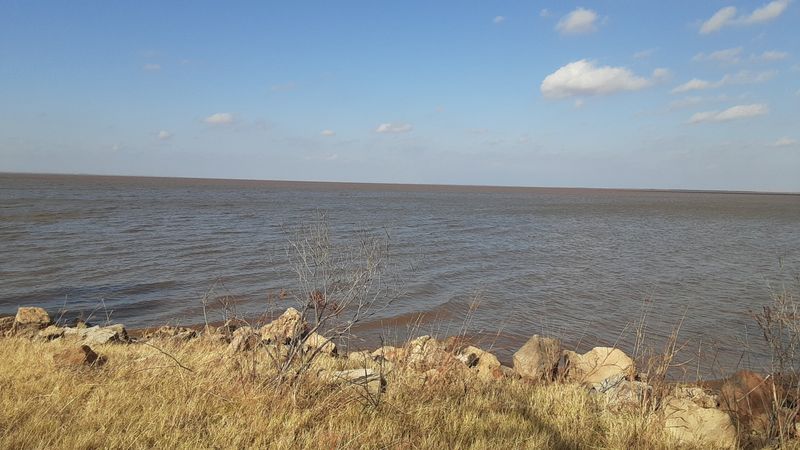
One of the biggest reasons to visit this area is the Great Salt Plains State Park, which sits just a short drive from Jet. This park is one of the most unusual natural landscapes in the entire state of Oklahoma, and most people outside the region have never even heard of it.
The salt flats here are a remnant of an ancient inland sea that covered this part of North America millions of years ago. The ground in certain areas is white and crusty with salt deposits, and shallow water sometimes pools across the surface, creating reflections that make the whole scene look almost otherworldly.
One of the park’s most popular activities is digging for hourglass selenite crystals, which form naturally just below the surface of the salt flats. Visitors are allowed to dig and keep a small amount, making it one of the few places in the country where you can legally collect your own crystals from the earth.
Birdwatching is also exceptional here, especially during migration season when thousands of shorebirds and waterfowl pass through. The combination of crystal digging and incredible wildlife makes this park a must-visit destination for anyone near Jet.
Digging for Selenite Crystals: A One-of-a-Kind Experience
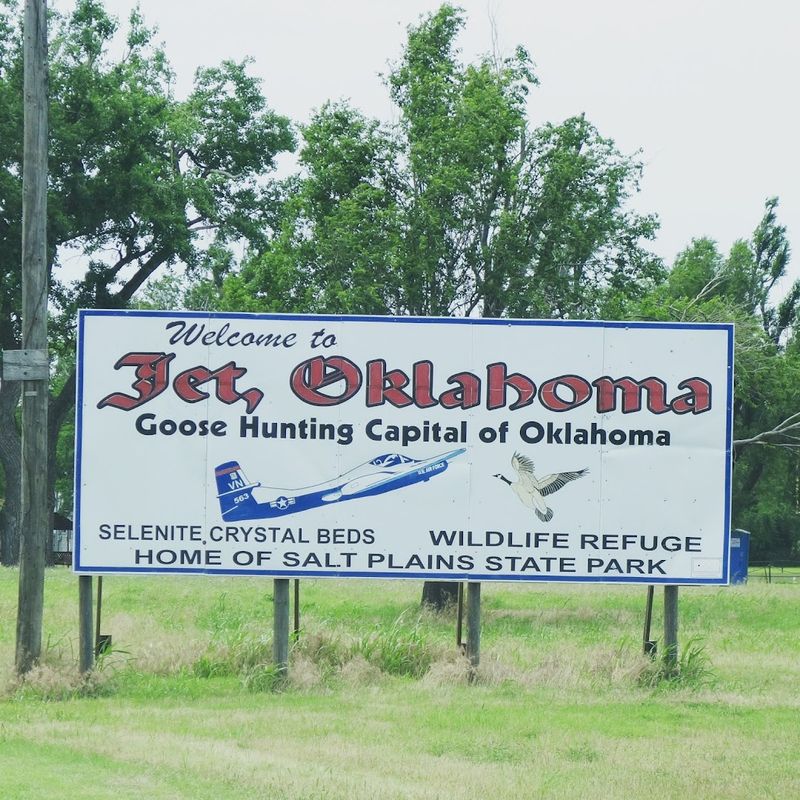
Not many places in the world let you get on your knees in the dirt and pull out actual crystals with your bare hands, but the salt flats near Jet offer exactly that. The hourglass selenite crystals found here are named for the distinctive hourglass-shaped inclusion of reddish-brown sediment trapped inside the clear crystal structure.
Each crystal is unique, and finding one feels like a small personal victory even for adults who thought they were too old to get excited about digging in the ground. Kids absolutely love it, and families tend to spend hours out on the flats without realizing how much time has passed.
The designated digging area is open to the public, and the rules are straightforward. Each person can keep up to two pounds of crystals per visit, which is more than enough to fill a small bag with genuinely beautiful specimens.
Bring a small hand trowel, wear old clothes you do not mind getting salty, and pack some water because the flats can get warm quickly in spring and summer. The crystals make wonderful natural souvenirs that cost nothing except a little effort and a willingness to get your hands dirty.
Birdwatching at the Salt Plains: A Migration Hotspot
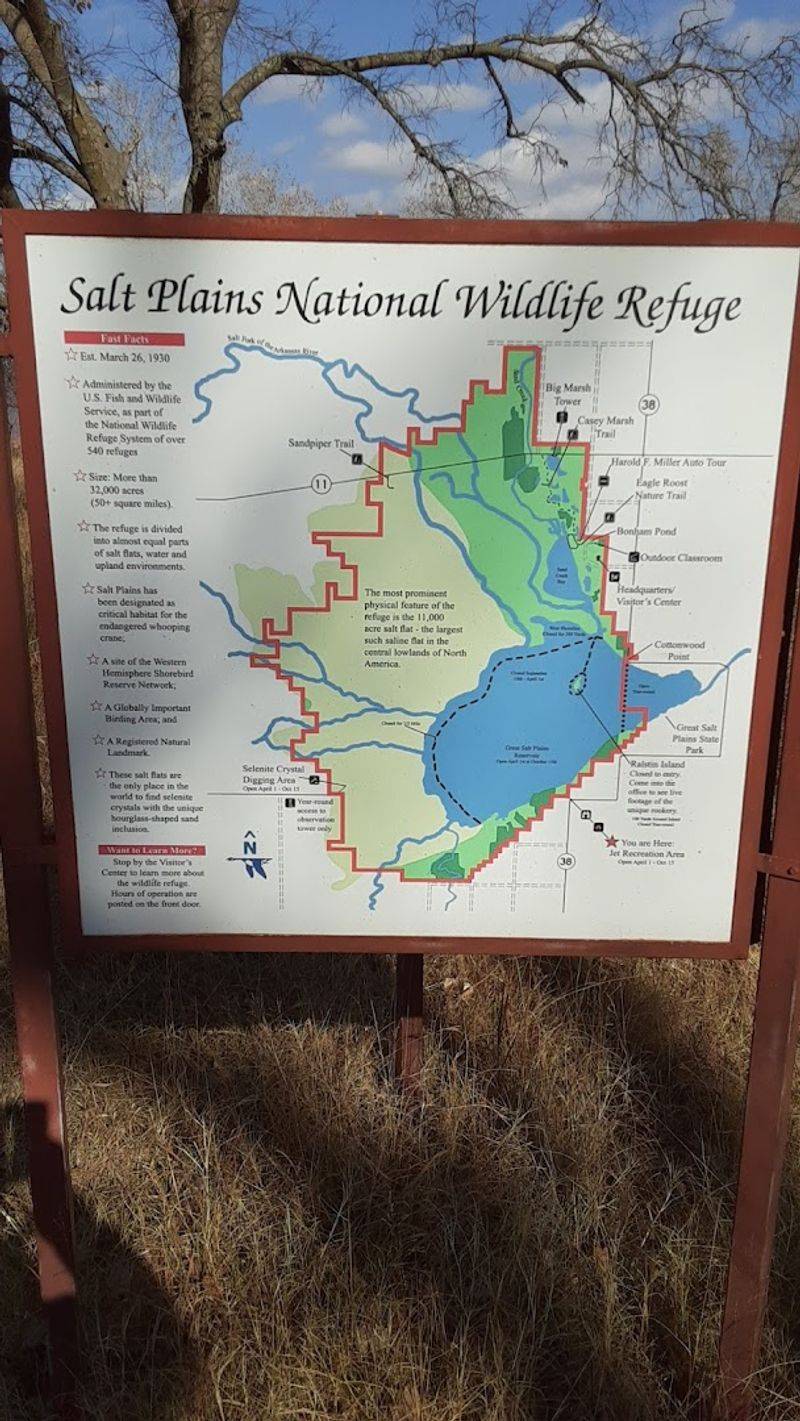
The area around Jet sits along a significant migratory corridor, and the Salt Plains National Wildlife Refuge draws an impressive variety of birds throughout the year. The refuge covers about 32,000 acres and provides critical habitat for both resident and migratory species.
Whooping cranes, which are among the rarest birds in North America, pass through this region during their annual migration between Texas and Canada. Spotting one of these tall white birds against the flat Oklahoma landscape is the kind of moment that birdwatchers travel hundreds of miles to experience.
American white pelicans, sandpipers, avocets, and dozens of shorebird species gather here in impressive numbers during spring and fall migration. Even casual visitors who do not consider themselves birdwatchers tend to stop and stare when a large flock lifts off the water all at once.
The refuge has observation areas and walking trails that put you close to the action without disturbing the wildlife. Early morning visits tend to offer the most activity, especially in cooler months when the light is soft and the birds are most active along the shallow water edges.
The History Behind the Name: Jet’s Storied Past
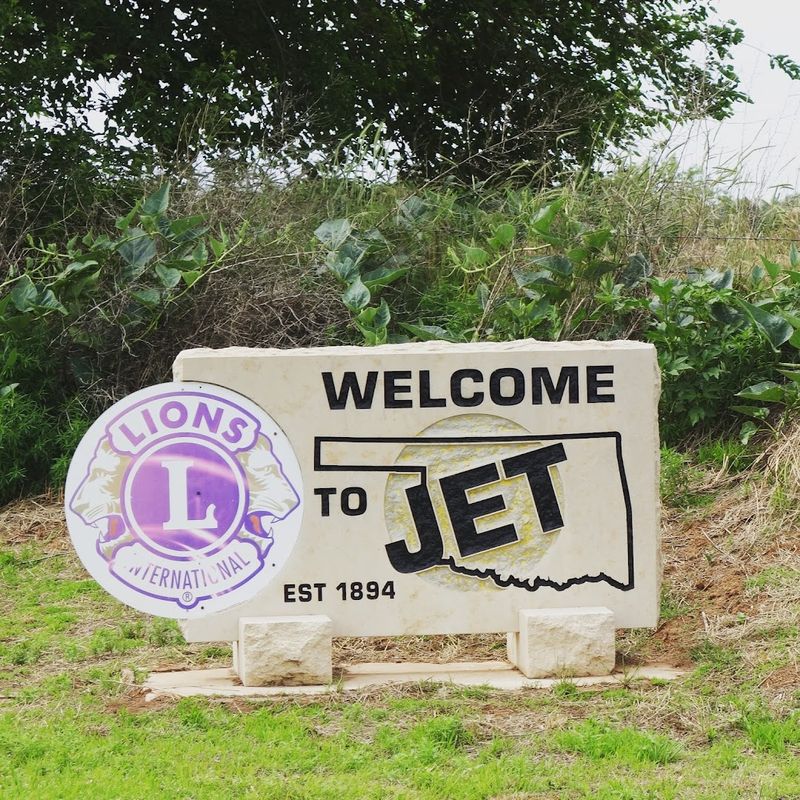
Jet was established in the early 1900s during Oklahoma’s territorial period, when towns were springing up across the plains as settlers moved in to farm the rich wheat-growing land of Alfalfa County. The town grew around agricultural commerce, with grain and farming supplies driving the local economy for generations.
The name Jet is believed to have come from the jet-black soil found in parts of the surrounding area, though local history notes that the exact origin of the name carries some debate among longtime residents. That kind of friendly historical uncertainty is common in small Oklahoma towns where oral tradition has always played a big role.
At its peak, Jet supported a full range of small-town services including a post office, general stores, a school, and community gathering spaces. Like many rural towns across the Great Plains, the population gradually declined through the mid-20th century as farming became more mechanized and younger generations moved to cities.
What remains today is a community that holds its history quietly but with clear pride. Old buildings still dot the landscape, and the people who stayed carry the stories of the town’s earlier, livelier days with genuine affection.
Small-Town Atmosphere: What Life Actually Feels Like Here
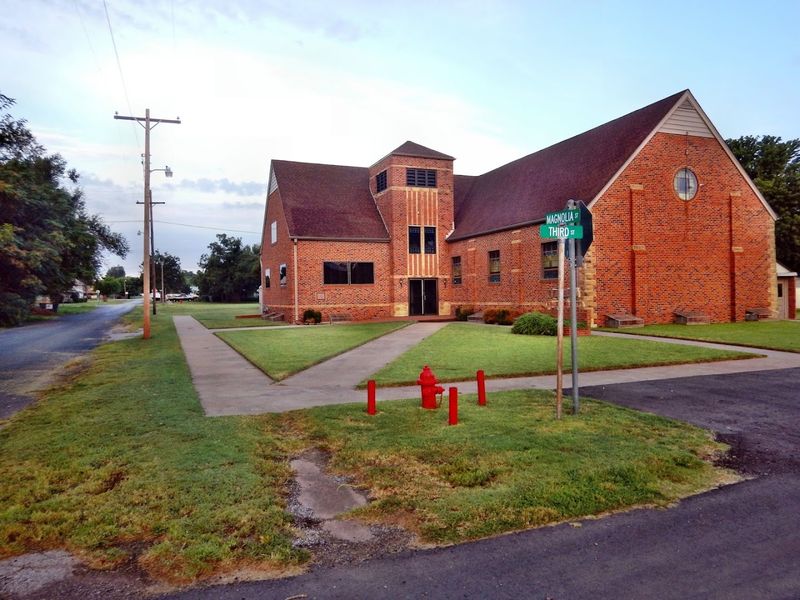
There is a particular quality to life in a town of fewer than 200 people that is genuinely hard to describe until you have spent a few hours in one. Jet has that quality in abundance.
The pace is unhurried in a way that feels intentional rather than sleepy.
People here tend to know each other by name, by family, and often by the sound of their truck engine. Community events, church gatherings, and local school activities form the backbone of social life in a way that feels refreshingly uncomplicated compared to city living.
The town sits surrounded by working farms and ranches, so the rhythms of agricultural life shape the daily schedule. Planting season and harvest time bring their own kind of energy to the community, and the smell of freshly turned soil in spring is something you notice right away.
For visitors, the atmosphere here offers a genuine contrast to the connected, fast-moving pace most people live with every day. There is no signal pressure, no traffic noise, and no lineup for anything.
Jet moves at its own speed, and spending even a half-day here has a way of resetting your internal clock in the most satisfying way.
Wheat Fields and Red Dirt Roads: The Landscape Up Close
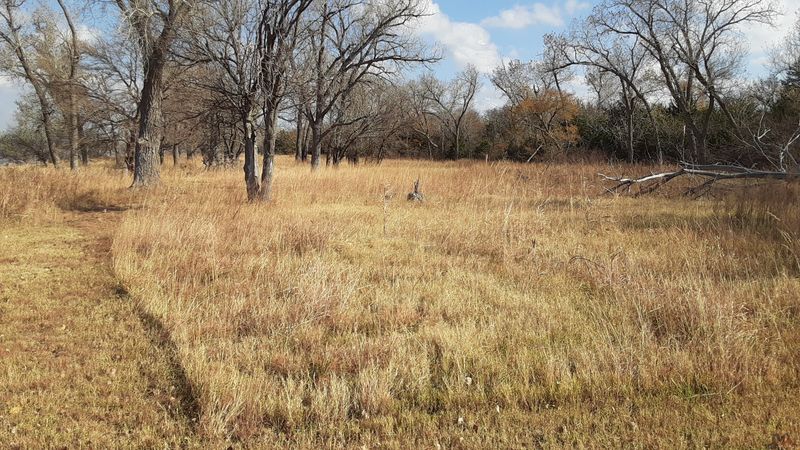
Driving through the countryside around Jet is one of the most visually satisfying things you can do in northwest Oklahoma, and it costs nothing more than a tank of gas and a willingness to slow down. The roads here cut straight lines through fields that change color and texture with every season.
In late spring, winter wheat turns the landscape a deep golden yellow that catches afternoon light in a way that looks almost unreal. By summer, the fields are harvested and the earth shows its characteristic reddish-brown color, a signature of Oklahoma’s iron-rich soil.
Red dirt roads branch off the main routes and lead through the farmland, offering a more intimate look at the landscape than you get from the highway. These roads are generally passable in dry weather, but a good rain can turn them slippery, so checking conditions before heading off the main road is always worth doing.
The combination of flat land, big sky, and seasonal color changes gives the area around Jet a visual personality that feels genuinely photogenic in all four seasons. You do not need dramatic mountains or coastlines to find beautiful scenery; sometimes a wheat field at golden hour is more than enough.
Cherokee Lake: A Quiet Spot for Fishing and Relaxation
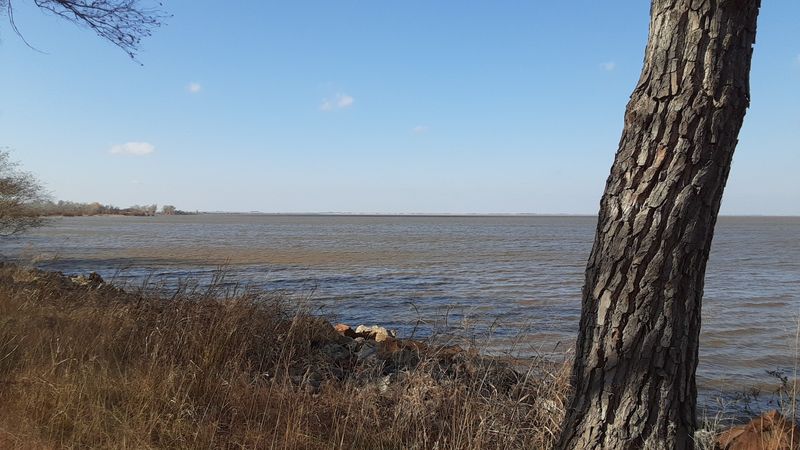
Just a short drive north of Jet, the town of Cherokee offers access to Cherokee Lake, a small reservoir that serves as a popular local fishing and recreation spot. The lake is modest in size but well-suited for a relaxed afternoon on the water without the crowds you find at more heavily promoted destinations.
Catfish and bass are the primary targets for anglers who make the trip, and the fishing tends to be productive in the early morning and late evening hours when the fish are most active near the surface. Local knowledge goes a long way here, and chatting with other anglers at the water’s edge often leads to useful tips.
The setting around the lake is classic northwest Oklahoma, wide and open with a sky that doubles itself in the water’s reflection on calm days. There are no elaborate resort facilities here, just a straightforward place to sit, cast a line, and enjoy the quiet.
For families visiting the Jet area, the lake adds a recreational option that pairs well with a morning at the salt plains. Pack a lunch, bring your fishing gear, and plan to spend the better part of a day moving between these two very different but equally relaxing outdoor experiences.
Planning Your Visit: Practical Tips for Getting the Most Out of Jet
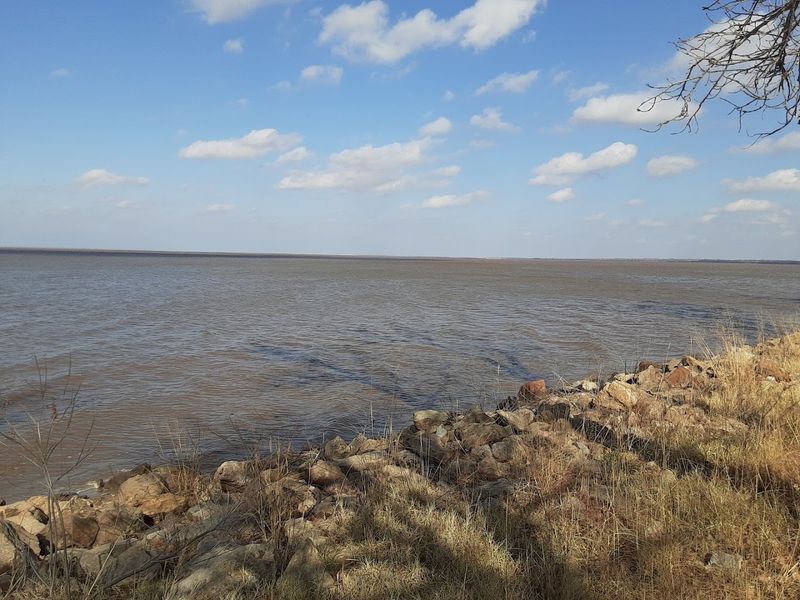
A visit to Jet and its surrounding area works best as a day trip or a weekend getaway, ideally paired with time at the Great Salt Plains State Park and the Salt Plains National Wildlife Refuge. The town itself is small, so most of your time will be spent in the surrounding natural landscape rather than within Jet proper.
The best seasons to visit are spring and fall, when temperatures are comfortable and wildlife activity is at its peak. Summer can be quite hot on the open plains, so early morning starts are strongly recommended if you are visiting between June and August.
The nearest accommodations are in Cherokee or Enid, both of which offer basic lodging options for overnight stays. Bringing your own snacks and water is a smart move since dining options in the immediate area are very limited.
Cell service can be spotty in this part of Oklahoma, so downloading offline maps before you leave is a practical step worth taking. Dress in layers in cooler months, wear sturdy shoes for the salt flats, and bring a small bag for any crystals you find.
A little preparation goes a long way toward making the trip genuinely enjoyable from start to finish.



