 Unearth The Voyage
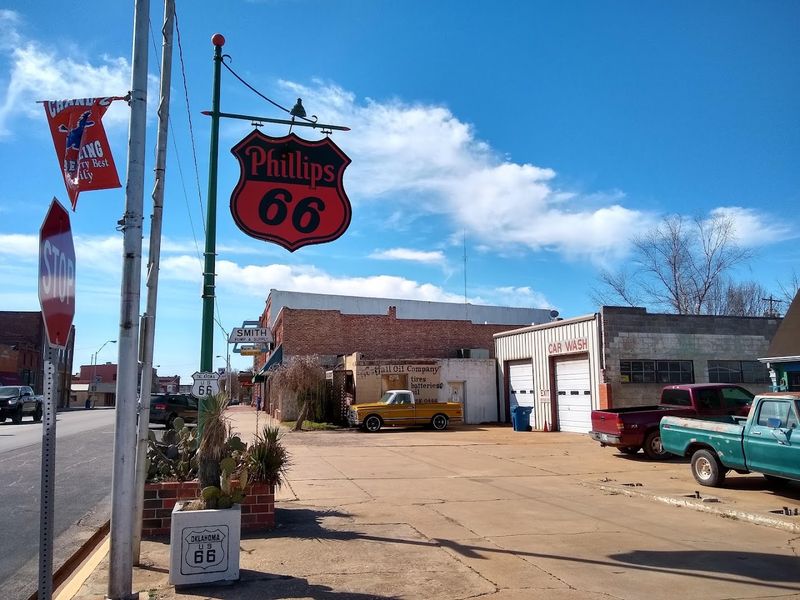
There is a small Oklahoma town where the neon still glows, the diners still serve homemade pie, and the main street looks like someone hit pause on the 1950s and forgot to press play again. Most people blow right past it on their way to somewhere else, which is honestly their loss and your gain.
Chandler sits quietly along the legendary Route 66 corridor, holding onto its history with both hands while the rest of the world rushes by. Old motels, murals, classic car culture, and a genuinely welcoming community make this place worth more than a quick glance through a windshield.
Stick around, because every section of this article is going to give you a reason to add Chandler to your road trip list.
Where It All Begins: Chandler’s Address on the Mother Road
Chandler, Oklahoma sits at the heart of Lincoln County, serving as the county seat and a proud member of the Oklahoma City Metropolitan Area. The official address is Chandler, Oklahoma 74834, and you can reach it easily via SH-66 and I-44, northeast of Oklahoma City.
This town is not hiding, exactly, but it does have a way of staying off the radar for people who stick to interstates and skip the old highway. SH-66 is the original alignment of Route 66 through this stretch of Oklahoma, and driving it feels completely different from a modern freeway.
The town sits north of Shawnee on SH-18, making it accessible from multiple directions. With a population of just under 3,000 people according to the 2020 census, Chandler has the kind of scale where you can actually get to know a place in a single afternoon.
The streets are wide, the pace is relaxed, and the locals are the kind who wave at strangers without thinking twice about it. Coming here feels less like a tourist destination and more like a genuine slice of small-town American life that somehow survived intact.
A Town Built by the Railroad and Shaped by the Road
Chandler was founded in 1897 during the land run era that defined so much of Oklahoma’s early history. It grew quickly thanks to the railroad, which brought settlers, commerce, and ambition to what had been open territory just years before.
When Route 66 was officially established in 1926, Chandler found itself right in the middle of one of America’s most famous highways. That placement transformed the town from a quiet county seat into a busy stop for travelers heading west during the Dust Bowl era and beyond.
The economic energy of the Mother Road shaped the local architecture, the business culture, and the community identity in ways that are still visible today. Motels, gas stations, and roadside attractions popped up to serve a steady stream of travelers who needed food, fuel, and a place to rest.
Even after Interstate 44 drew traffic away from the old highway, Chandler refused to let go of its Route 66 roots. Local preservation efforts kept the historic character of the town alive, and that stubbornness turned out to be one of the best decisions the community ever made.
The Route 66 Interpretive Center: A Museum Worth Slowing Down For
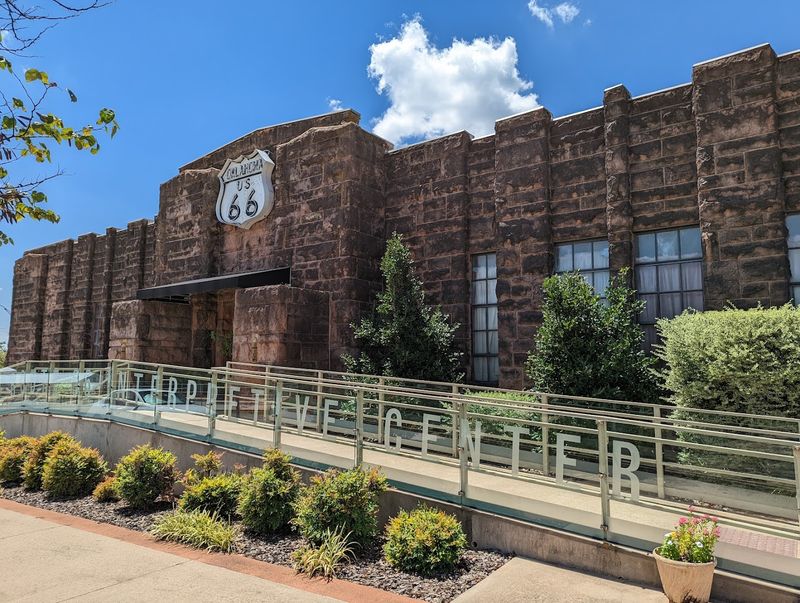
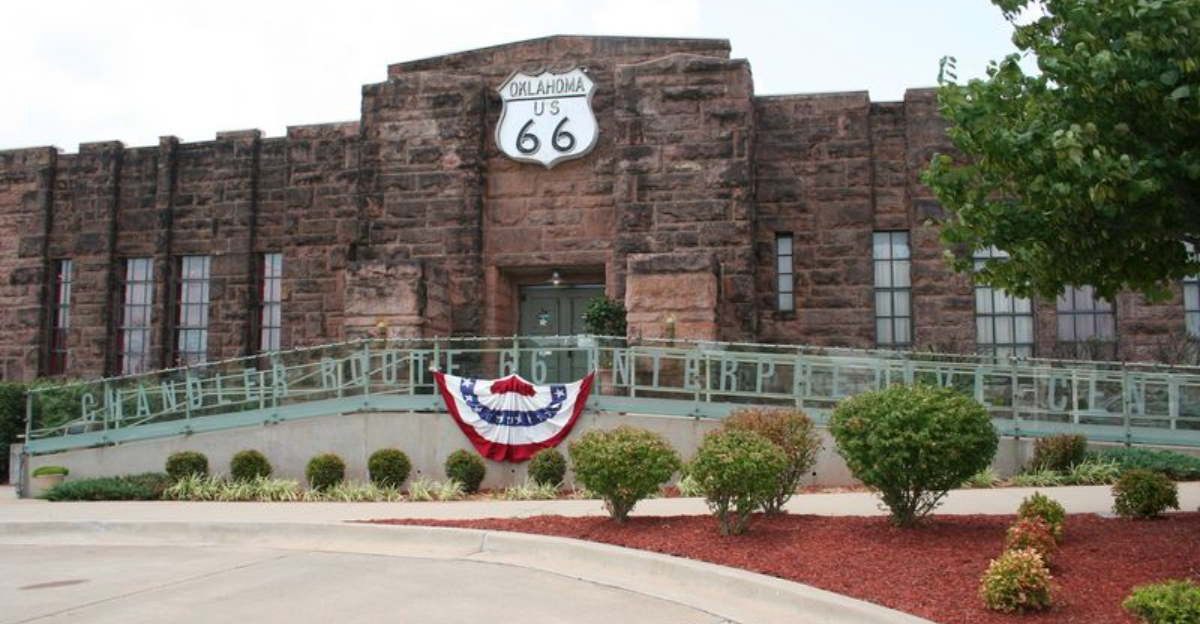
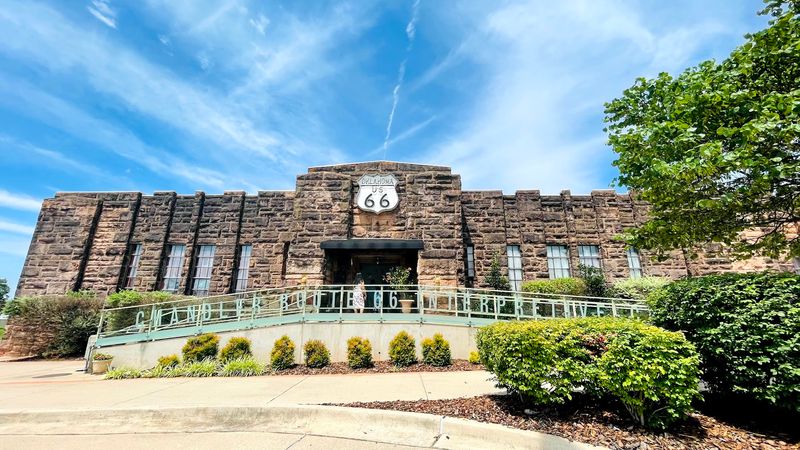
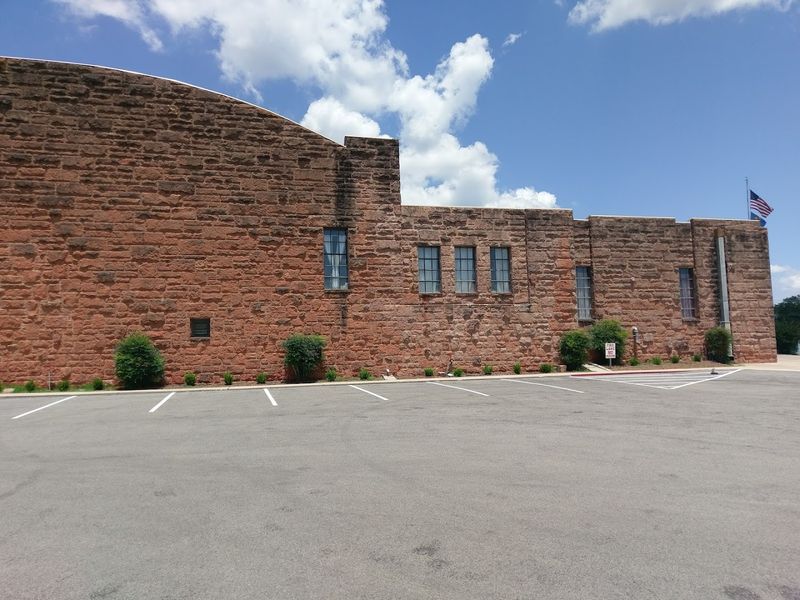
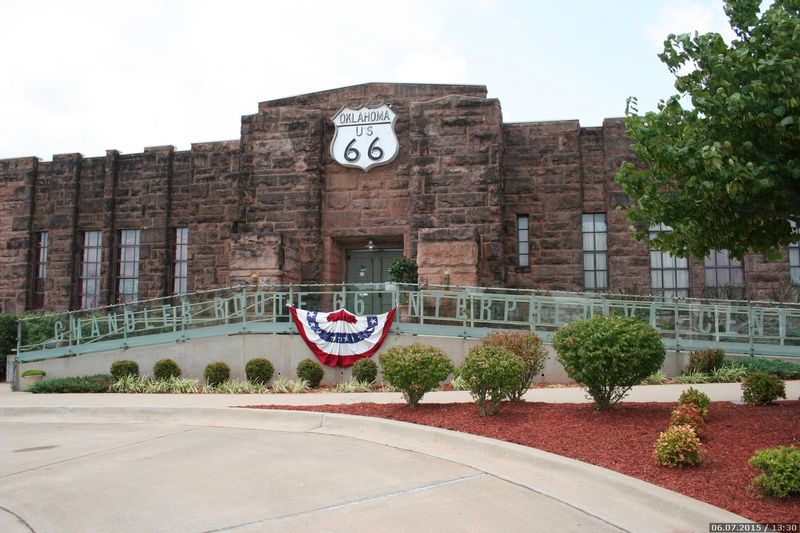
One of the crown jewels of Chandler is the Route 66 Interpretive Center, a museum dedicated entirely to the history and culture of the Mother Road. It is housed in a beautifully restored 1930s National Guard Armory building, which is a piece of history all on its own.
The armory’s thick stone walls and Art Deco design make the building feel like it belongs in a movie set, except everything inside is completely real. Exhibits walk visitors through the full story of Route 66, from its 1926 designation to its official decertification in 1985 and its ongoing revival as a cultural icon.
Photographs, maps, artifacts, and interactive displays bring the era of road travel to life in a way that is genuinely engaging rather than dry or academic. You get a real sense of what it meant to pack up a car and drive west when the highway was still the main way Americans moved across the country.
The staff is knowledgeable and enthusiastic, which makes a big difference when you are trying to understand a subject with as many layers as Route 66 history. Plan to spend at least an hour here, and you will probably stay longer.
Main Street Architecture That Stopped the Clock
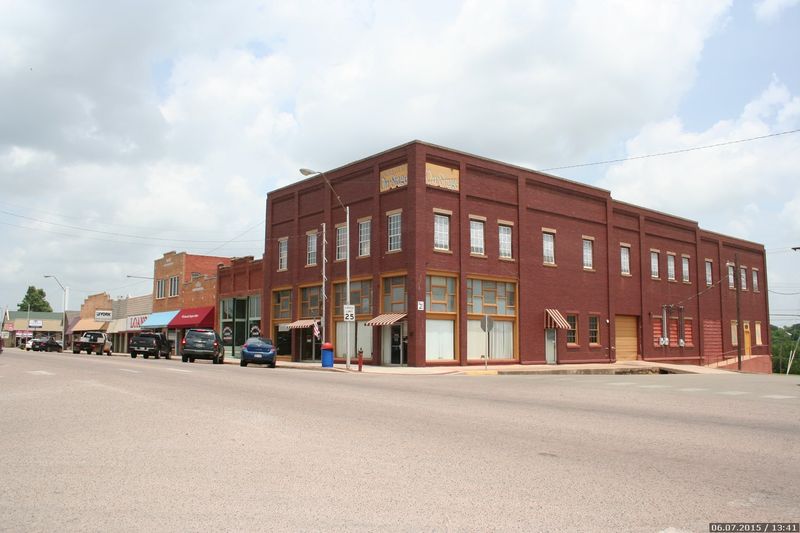
The moment you turn onto Chandler’s main commercial strip, the architecture does most of the talking. Brick storefronts from the early twentieth century line the street with the kind of craftsmanship that modern construction rarely bothers to replicate.
Many of the buildings date back to the 1910s and 1930s, and their facades have been maintained or restored rather than covered up with modern siding. That choice alone gives downtown Chandler a visual identity that feels genuinely historic rather than artificially nostalgic.
Ornate cornices, arched windows, and hand-laid brick patterns give the streetscape a texture that rewards slow walking. You notice things at foot speed that you would completely miss from a car, like the carved details above doorways or the faded painted advertisements still visible on side walls.
Several buildings along the main corridor are listed on the National Register of Historic Places, which gives you a sense of how seriously the town takes its architectural heritage. The overall effect is less like a preserved museum and more like a living neighborhood that simply never got around to tearing things down, and that is a genuine compliment.
The Lincoln County Courthouse: A Local Landmark with Real Presence
Right at the center of Chandler sits the Lincoln County Courthouse, a building that commands attention without trying too hard. The structure has served as the county’s civic anchor for generations, and its placement in the middle of town gives the whole downtown area a sense of order and permanence.
Courthouses in small Oklahoma towns often tell you everything you need to know about how seriously a community takes its civic identity. Chandler’s courthouse fits that pattern, with a solid and dignified design that reflects the era when it was built.
The surrounding lawn and grounds are well kept, and the area around the courthouse tends to be a natural gathering point for locals going about their daily business. There is something quietly satisfying about a town that still centers its daily life around a public building rather than a shopping center.
Visiting the courthouse square gives you a grounded sense of what Chandler actually is beneath the Route 66 nostalgia: a functioning county seat where real people live, work, and raise families. That combination of history and everyday life is part of what makes the town feel authentic rather than performed.
Classic Car Culture That Runs Deep in Chandler
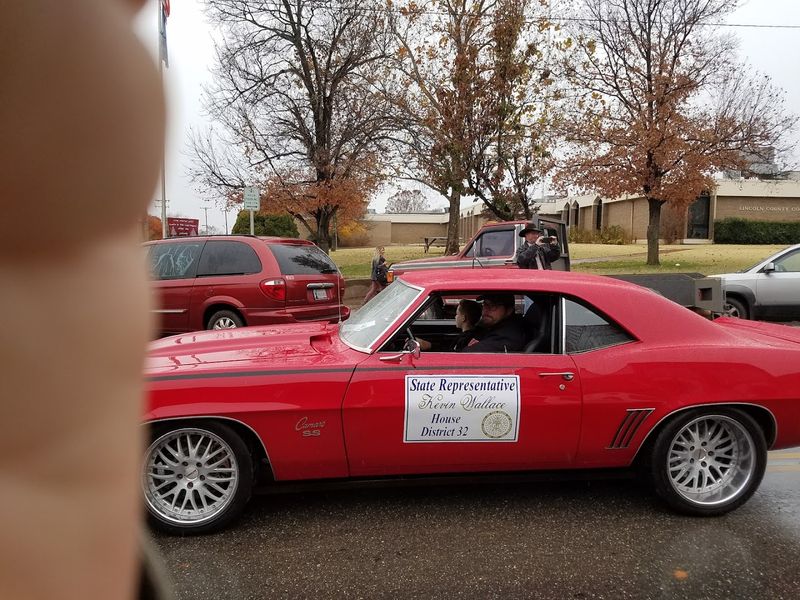
Route 66 towns and classic cars go together the way biscuits go with gravy, and Chandler is no exception to that rule. The town has a deep connection to the golden age of American road travel, and that connection shows up regularly in the form of car shows, cruises, and enthusiast gatherings throughout the year.
Seeing a perfectly restored 1950s or 1960s vehicle parked along the old highway in Chandler feels completely natural, like the car belongs there in a way that a modern SUV simply does not. The visual match between vintage automobiles and historic Route 66 storefronts is almost unfairly photogenic.
Local car clubs and regional enthusiasts use Chandler as a gathering point, especially during the warmer months when the weather makes a drive along the old highway genuinely enjoyable. Events draw visitors from across Oklahoma and neighboring states, bringing energy and foot traffic to the downtown area.
Even on a quiet weekday, you have a reasonable chance of spotting at least one classic vehicle rolling slowly down the main drag, its owner clearly enjoying both the drive and the setting. That kind of spontaneous spectacle is one of the things that makes Chandler so easy to love.
Roadside Murals and Public Art That Tell the Town’s Story
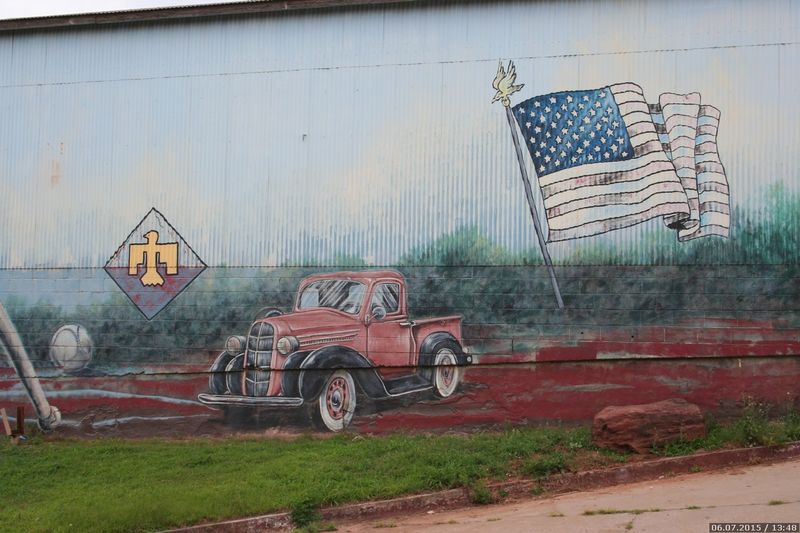
Chandler has embraced public art as a way of telling its story to visitors who might only have a few hours to spend in town. Murals painted on brick walls throughout the downtown area capture scenes from Route 66 history, local landmarks, and the broader Oklahoma experience.
These are not generic decorations. Each piece reflects specific stories connected to the town and the highway, giving them a narrative weight that transforms a simple walk down the street into something closer to an outdoor gallery experience.
The murals work particularly well as photography backdrops, which has made them popular with road trippers documenting their Route 66 journeys on social media. A well-composed photo in front of one of Chandler’s murals has a way of capturing the entire spirit of the Mother Road in a single frame.
Beyond their visual appeal, the murals represent a community investment in how Chandler presents itself to the world. The town is saying, clearly and colorfully, that it knows exactly who it is and where it comes from.
That kind of confident self-expression is refreshing in an era when so many small towns seem uncertain about their own identities.
Local Diners and Home-Cooked Food Worth the Detour
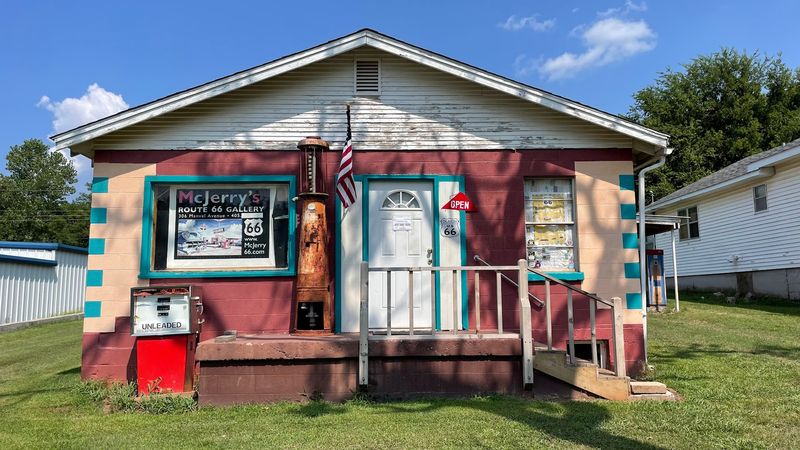
Any road trip worth taking eventually comes down to food, and Chandler delivers on that front with the kind of no-fuss, home-cooked cooking that chain restaurants have been failing to replicate for decades. The local diners here operate on the principle that good ingredients and honest preparation beat elaborate menus every time.
Breakfast is a particular strength, with thick-cut bacon, eggs cooked exactly how you ask, and biscuits that arrive warm from the oven rather than a warmer. The coffee is strong and the refills are automatic, which is the universal sign that a diner truly understands its mission.
Lunch and dinner options lean into Oklahoma comfort food traditions, with chicken fried steak, hearty soups, and desserts that make portion control feel like a distant and irrelevant concept. The pie, in particular, is the kind that makes you reconsider your life choices in the best possible way.
Eating at a local diner in Chandler is not just about the food. It is about sitting at a counter or a booth while locals catch up with each other around you, creating an atmosphere of unhurried community that feels like a genuinely rare thing in contemporary American life.
The Surrounding Oklahoma Landscape: Quiet and Underappreciated
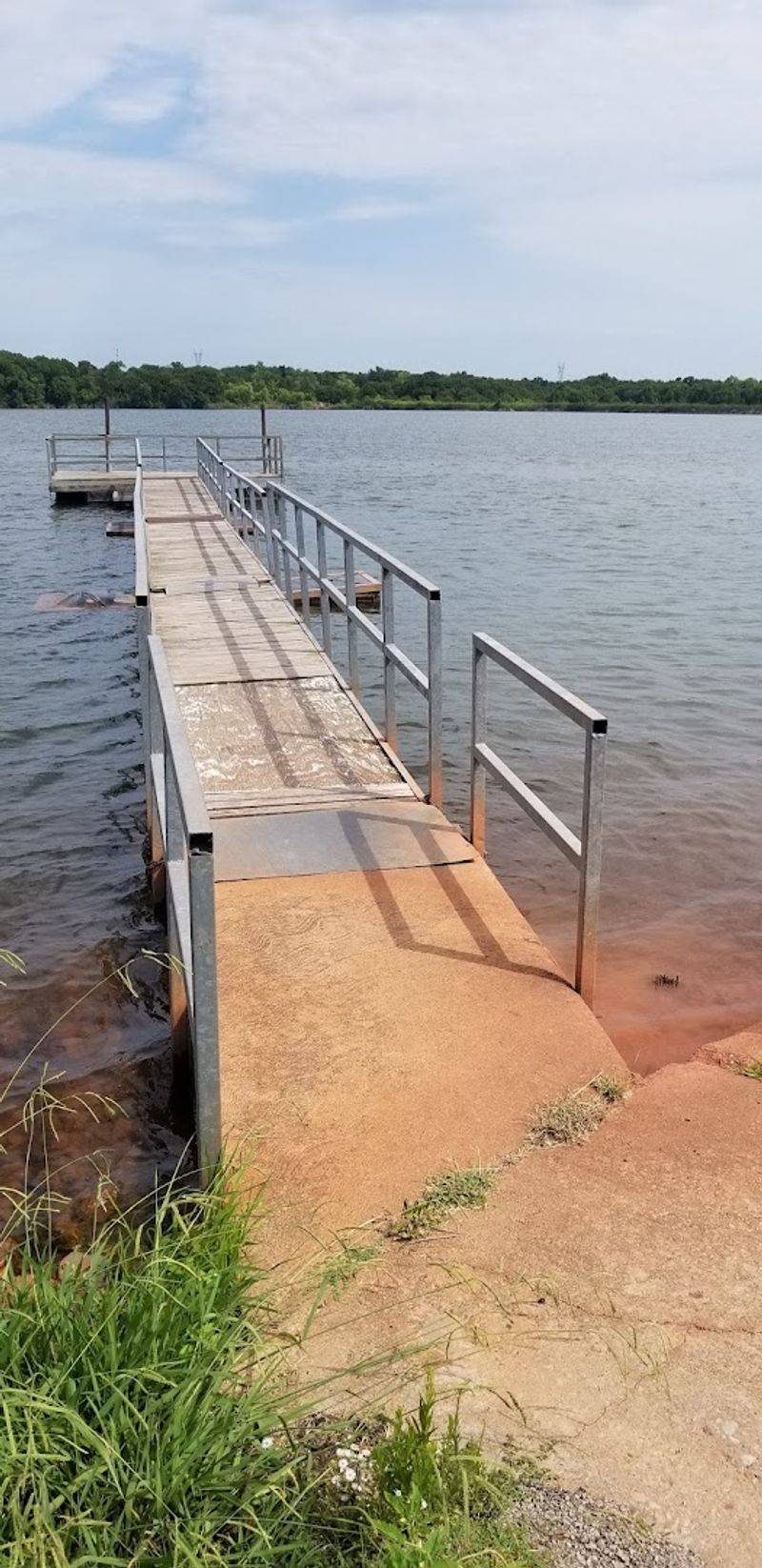
Lincoln County has a landscape that does not shout for attention but rewards anyone who takes the time to actually look at it. The terrain around Chandler is a mix of rolling plains, red dirt roads, scattered post oak trees, and wide-open sky that stretches in every direction without interruption.
This part of Oklahoma sits in a transitional zone between the eastern woodlands and the western plains, which gives the area a visual variety that surprises people expecting flat emptiness. The light here, especially in the late afternoon, turns everything a warm amber color that makes even a simple field look worth photographing.
Driving the back roads around Chandler is a low-key pleasure that most visitors overlook in favor of staying on the main highway. Those side roads pass farms, creek crossings, and small rural communities that give you a more complete picture of what Lincoln County actually looks and feels like.
The natural setting also provides a meaningful contrast to the Route 66 nostalgia inside town. Out here, the land predates the highway by geological ages, and spending a little time in it resets your perspective in a way that is hard to explain but easy to feel.
Annual Events and Festivals That Bring the Town to Life
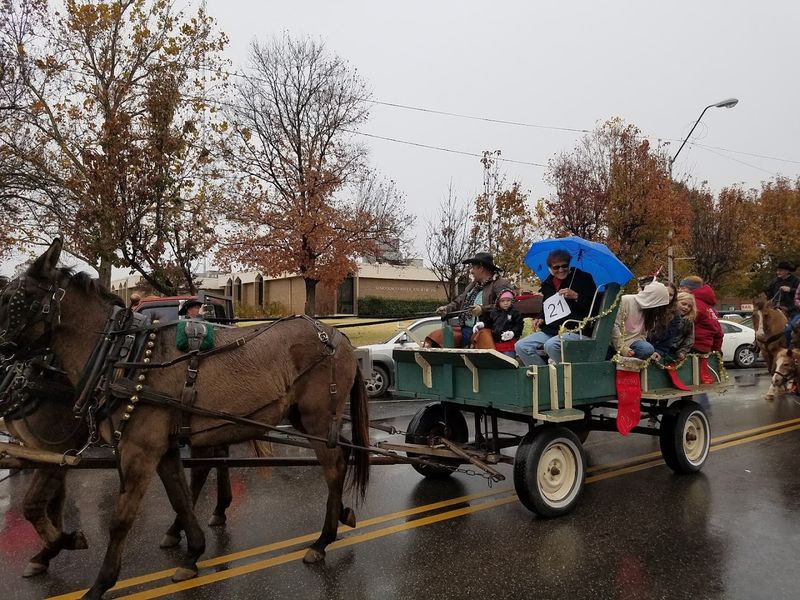
Chandler knows how to throw a party, and the town calendar reflects a genuine enthusiasm for community gatherings that draw visitors from well beyond Lincoln County. Route 66-themed events are a natural fit, and they tend to attract the kind of crowd that is already predisposed to love everything about the town.
The Chandler Route 66 Festival is one of the highlights, bringing together classic car displays, live music, local vendors, and a festive atmosphere that transforms the downtown streets into something between a block party and a living history exhibit. It is the kind of event where you plan to stay two hours and end up closing the place down.
Other events throughout the year celebrate Oklahoma culture more broadly, including agricultural traditions, local arts, and community milestones that reflect the town’s identity as a working county seat rather than just a tourist stop. That dual identity is part of what keeps Chandler’s events feeling genuine.
Checking the town’s event calendar before you visit is a smart move, because arriving during a festival turns a good trip into a great one. The website at chandlerok.com keeps current information on upcoming gatherings and activities worth planning around.
Vintage Motels and the Spirit of American Road Travel
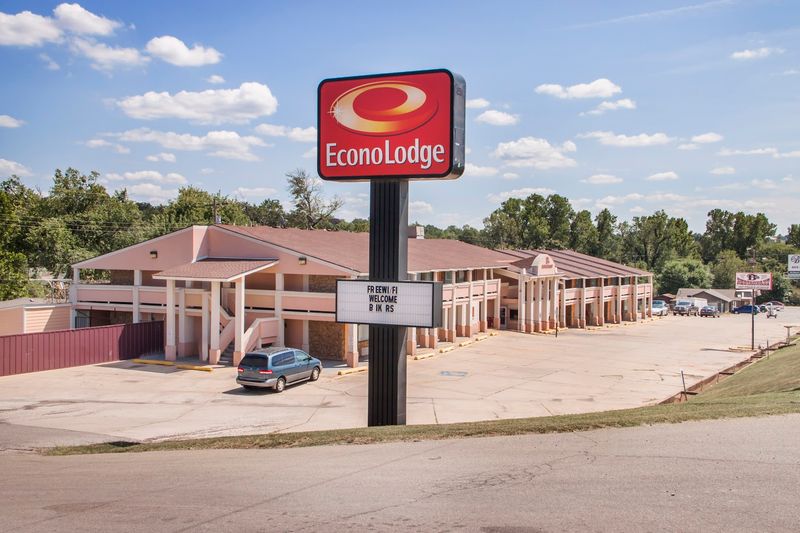
Few things capture the spirit of Route 66 travel more completely than the classic roadside motel, and Chandler has its share of properties that connect directly to that tradition. These are not luxury resorts or boutique hotels; they are honest, functional places that exist specifically to give road travelers a clean bed and a good night’s rest.
The architecture of the older motel properties in town tells its own story about mid-century American travel culture. Single-story layouts with exterior room doors, small parking lots right outside each unit, and signage designed to be readable at highway speed are all design choices that made perfect sense when the Mother Road was in its prime.
Staying in one of these properties rather than a chain hotel off the interstate is a choice that changes your relationship to the road trip itself. You wake up the next morning and you are already on Route 66, with nowhere to be except the next interesting stop.
That unhurried quality is one of the things that old-school road travel does better than any modern travel format. Chandler understands this instinctively, and the town’s accommodation options reflect a genuine respect for the tradition that built it.
Why Chandler Deserves a Spot on Your Route 66 Itinerary
After spending time in Chandler, it becomes genuinely difficult to understand why more people do not stop here. The town has everything a Route 66 enthusiast could want: authentic architecture, real history, good food, public art, and a community that actually lives the culture rather than just performing it for visitors.
The scale of the place works in its favor as well. At under 3,000 residents, Chandler is small enough to feel personal but large enough to offer a full afternoon of things to do and see without rushing.
You can cover the highlights comfortably and still have time to sit on a bench and watch the town go about its day.
Oklahoma has no shortage of Route 66 towns, but Chandler holds its own against better-known stops because it has not been over-commercialized or turned into a theme park version of itself. The authenticity here is the real thing, not a reconstruction of it.
Every road trip needs a few stops where the destination itself becomes the point, rather than just a pause between bigger places. Chandler, Oklahoma is exactly that kind of stop, and the travelers who find it tend to talk about it long after the road trip is over.



