There is a small town tucked along the Columbia River in northern Oregon that most road-trippers blow past without a second glance. It sits between the wind-whipped gorge and golden hillsides, so quiet you can actually hear the river moving.
With fewer than 500 residents, it punches well above its weight in scenery, trails, history, and character. I visited on a whim during a Pacific Northwest road trip, and honestly, it stopped me in my tracks.
By the time I left, I had filled a notebook, worn out my hiking boots, and eaten the best cherry pie of my life at a roadside stand. This place deserves its own chapter, and I am here to write it.
Where Mosier Actually Is and Why That Matters
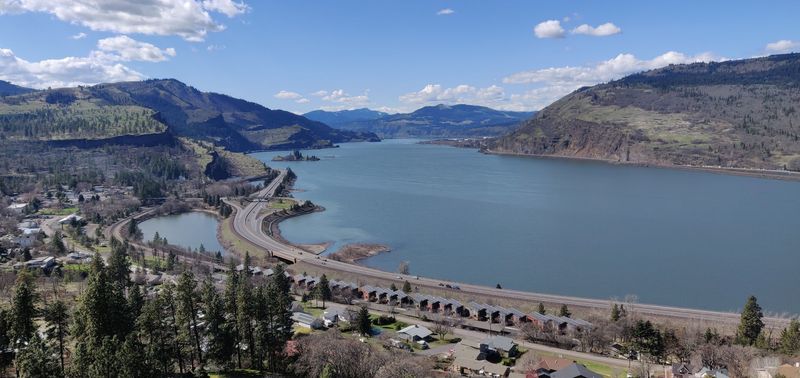
Most people have never heard of Mosier, Oregon, and that is honestly part of its charm. The town sits at approximately 45.6834528, -121.397295, right along the Columbia River in Wasco County, Oregon 97040, with a website at community.gorge.net/mosier that gives you a taste of how community-focused this place really is.
The Columbia River Gorge frames the town on one side, and rolling basalt hills frame it on the other. The geography alone makes this a destination worth circling on a map.
Unlike bigger gorge towns such as Hood River just a few miles west, Mosier does not have a packed main street or a long line at every coffee shop. What it does have is an authenticity that feels increasingly rare.
The population hovered around 468 as of the 2020 census, which means you are not fighting crowds for a parking spot or waiting an hour for a table. Small-town Oregon does not get more honest than this.
The Columbia River Gorge as Your Backyard
The gorge is not just a backdrop here. It is the whole personality of the place.
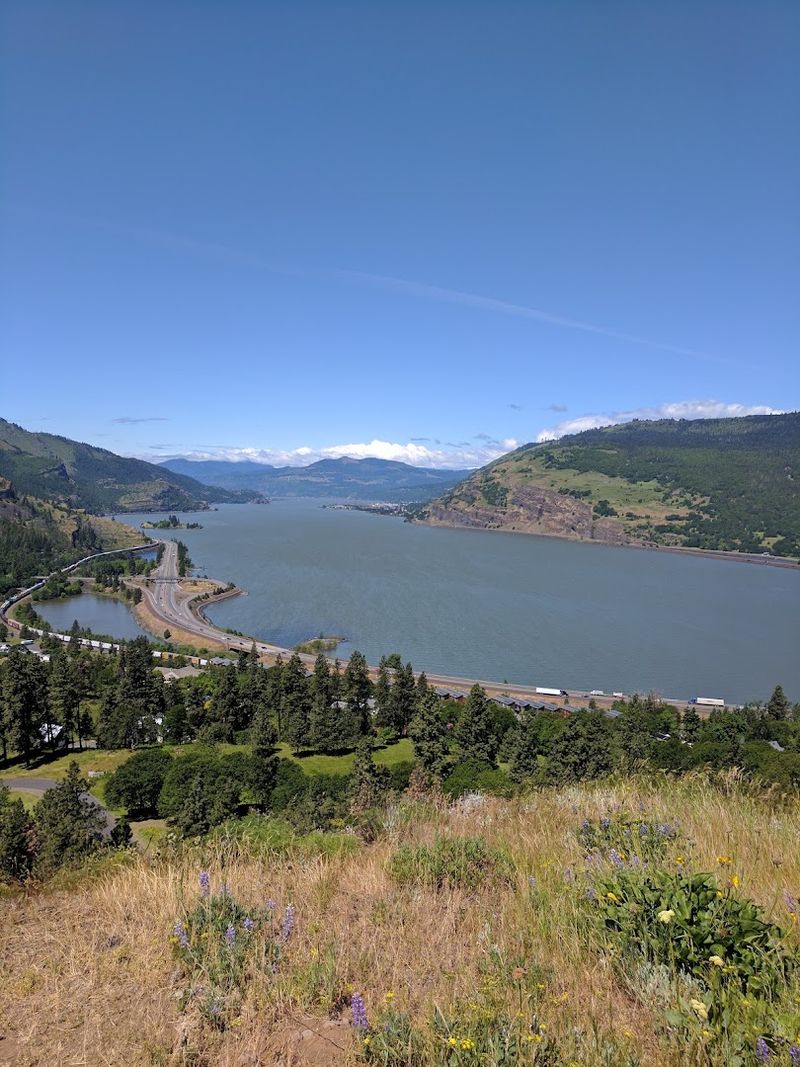
The Columbia River moves with a kind of steady confidence just below town, and on windy afternoons the whitecaps remind you that this is one of the most powerful river corridors in the entire country.
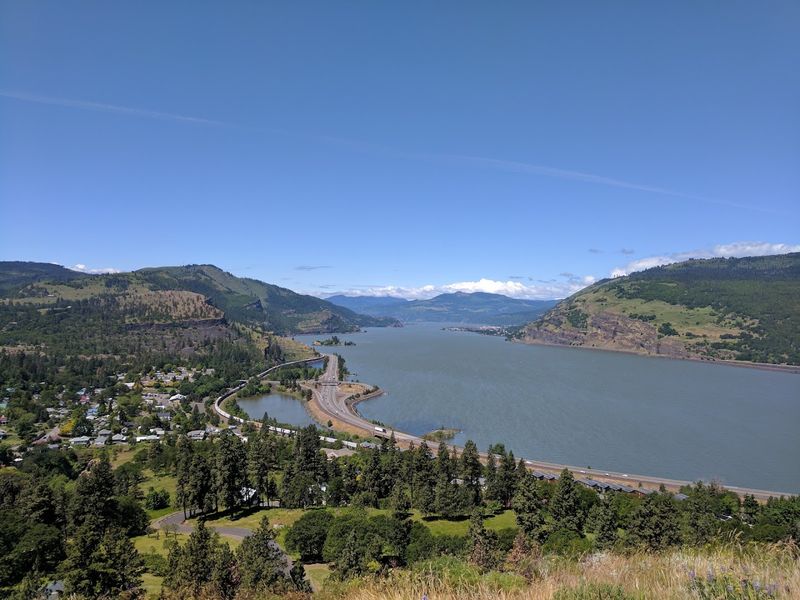
From the right vantage points around Mosier, you can see Washington state across the water, with its own ridgelines and open skies. The scale of it is genuinely humbling without being overwhelming.
I stood at a pullout just east of town one morning and watched a barge push slowly upriver while a hawk circled overhead. No traffic noise, no crowd, just the river doing what it has done for thousands of years.
The gorge also acts as a natural wind tunnel, which is why the area is beloved by windsurfers and kiteboarding fans who flock to nearby spots. Mosier gets the view without all the gear-hauling chaos, which suits me just fine.
The Twin Tunnels Trail and Its Surprisingly Rich History
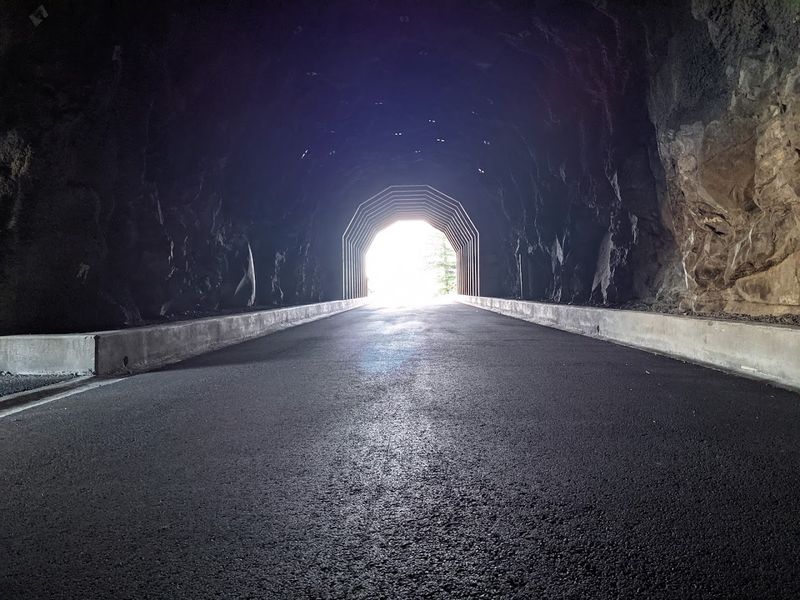
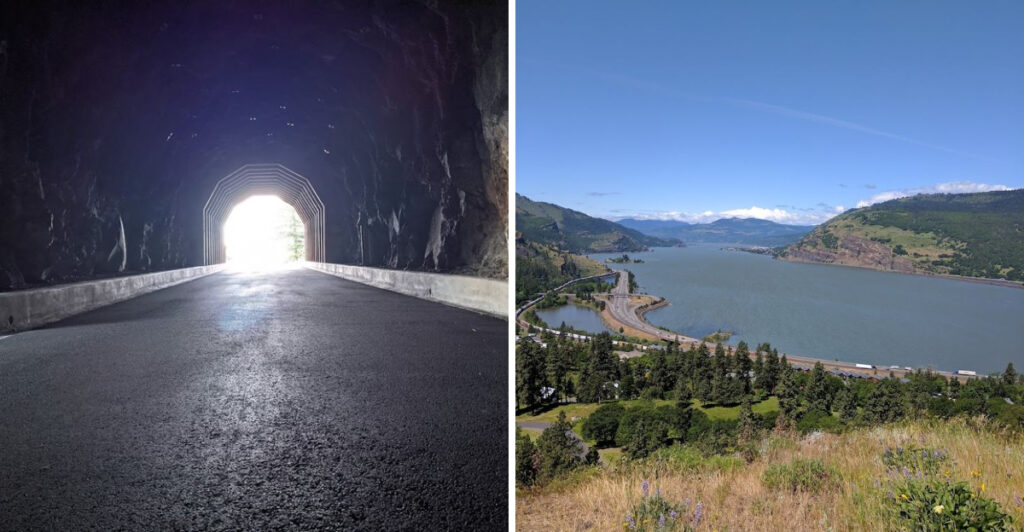
Few trails in Oregon pack as much history into a few miles as the Historic Columbia River Highway State Trail between Hood River and Mosier. The centerpiece of the whole route is a pair of hand-carved tunnels that were blasted through solid basalt in the early 1920s.
These Twin Tunnels were part of the original Columbia River Highway, which was the first paved road in the Pacific Northwest. After years of closure, they were restored and reopened for non-motorized use, meaning you can walk or bike through them today and feel the cool stone walls close around you like a scene from another era.
The trail offers sweeping views of the gorge the entire way, and the engineering of the original highway, with its careful curves and stonework, is something worth paying attention to. I did the route on a rented bike from Hood River and rolled into Mosier feeling like I had just completed something genuinely memorable.
The tunnels have a way of making you slow down and actually look at where you are.
Cherry Orchards and the Agricultural Soul of the Town
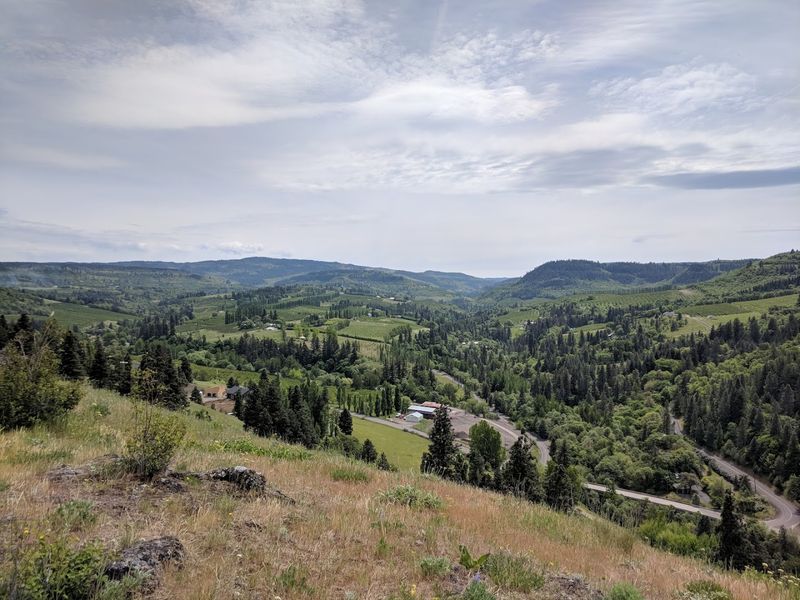
One thing that surprised me about Mosier was how deeply agricultural it still is. The hills above town are dotted with cherry and pear orchards that have been producing fruit for well over a century.
In late spring, the blossoms turn the hillsides a soft white and pink that is almost too pretty to be real.
By early summer, roadside stands start popping up with fresh cherries sold by the pound. I grabbed a bag of Bing cherries from one of them and ate most of it before I even got back to my car.
The flavor of a cherry grown in volcanic soil along the gorge is something you genuinely cannot replicate from a grocery store bag.
The farming culture here gives Mosier a grounded, unhurried quality that contrasts nicely with the outdoor recreation buzz happening just down the road. Families have been working this land for generations, and you can feel that continuity in the way the town carries itself.
Agriculture is not a side note here. It is the heartbeat.
Mosier Plateau Trail and the Views That Earn Their Payoff
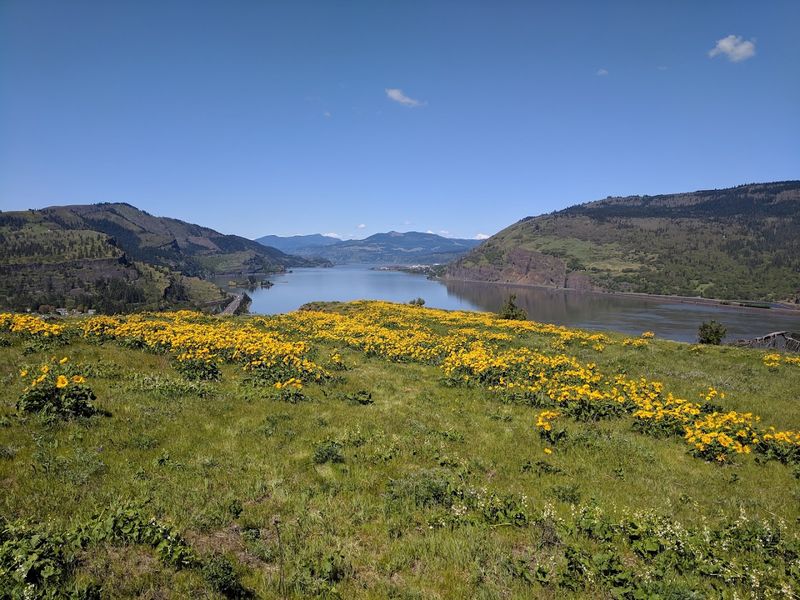
Not every great hike in the gorge requires a long drive or a crowded trailhead. The Mosier Plateau Trail starts practically in town and climbs through oak woodland and open grassland before delivering views that make the effort feel well worth it.
The trail winds through land managed by the Columbia Land Trust, which has worked hard to protect the native habitats here. In spring, the plateau blooms with balsamroot sunflowers and lupine, turning the hillside into a carpet of yellow and purple that stops hikers mid-stride.
I went up on a weekday morning and had most of the trail to myself, which felt like a small luxury. The top of the plateau gives you a full panoramic look at the gorge, the river, and the Washington hills beyond.
It is the kind of view that reminds you why people move to Oregon and then refuse to leave. The descent back into town takes you through shaded oak groves that feel genuinely ancient and calm.
The Old Mosier School and the Community That Built It
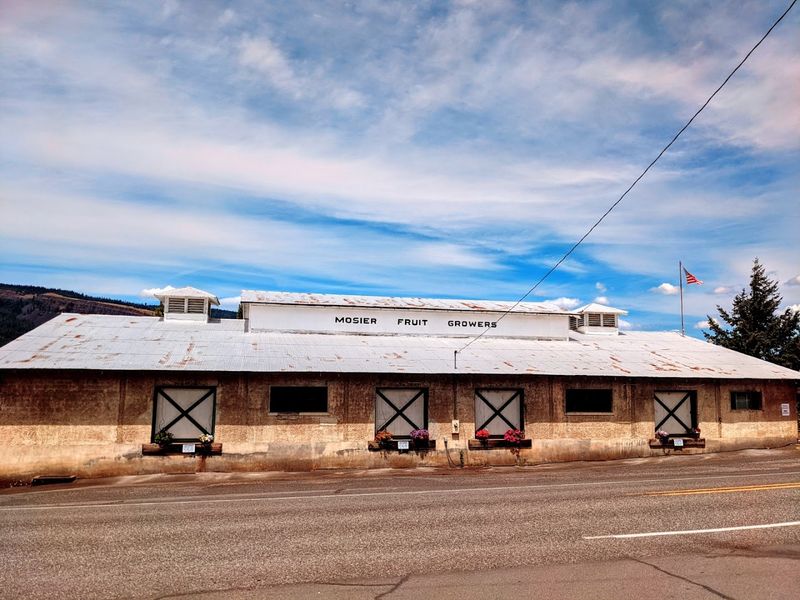
Small towns reveal themselves through their public buildings, and Mosier is no exception. The old Mosier School is a community anchor that has been repurposed over the years to serve the town in different ways, reflecting the kind of adaptive spirit that keeps small communities alive.
The building itself carries that early 20th century Pacific Northwest architecture that feels sturdy and purposeful, built to last by people who expected to stay. Walking past it gives you a sense of the generations of kids who grew up here, went to school with the same thirty classmates every year, and knew every neighbor by name.
Community events, local gatherings, and civic meetings have all found a home in spaces like this one over the decades. Mosier may be small, but it has always taken its community life seriously.
That same energy shows up in the town’s efforts to preserve its historic highway, protect its open lands, and welcome visitors without losing what makes it worth visiting in the first place. That balance is harder to pull off than it looks.
Wind, Weather, and the Best Time to Show Up
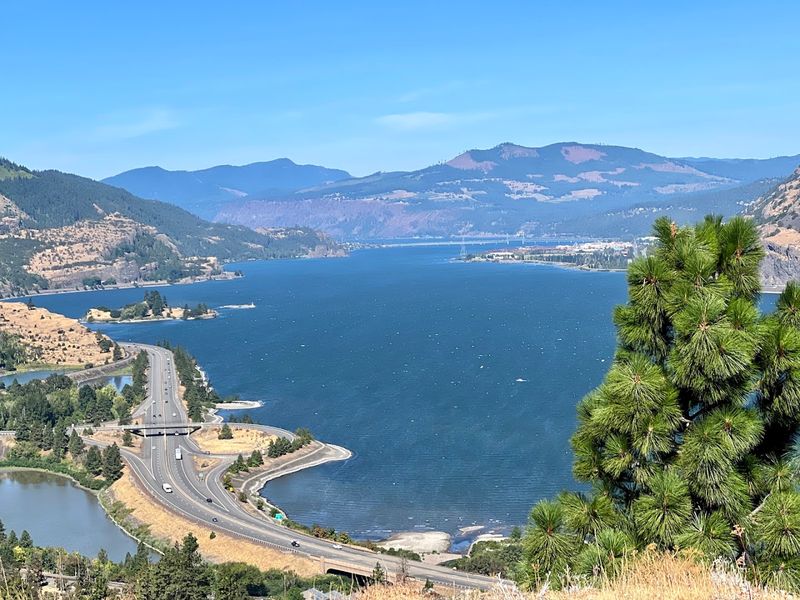
The Columbia River Gorge has its own weather system, and Mosier sits right in the middle of it. The gorge acts as a natural corridor between the wet west side of the Cascades and the dry high desert to the east, which means conditions can shift fast and dramatically.
Summer afternoons bring strong west winds that cool things down considerably, even when it is blazing hot just a few miles inland. This makes Mosier a surprisingly comfortable place to visit in July and August, when much of inland Oregon is baking.
Spring is my personal favorite season here, when the orchards are blooming, the wildflowers are out, and the trails are not yet dusty.
Fall brings a different kind of beauty, with golden oak leaves and quieter roads as the summer crowd thins out. Winter is mild compared to higher elevations, though the gorge can get dramatic with wind and occasional ice.
Whatever season you choose, pack layers and expect the unexpected. The gorge does not follow anyone else’s weather rules, and that unpredictability is part of its appeal.
Getting There, Getting Around, and What to Bring
Mosier is not hard to reach, but it does reward people who plan a little. The town sits just off Interstate 84 in northern Oregon, about 70 miles east of Portland and roughly 6 miles east of Hood River.
You can exit the freeway and be in the center of town within two minutes.
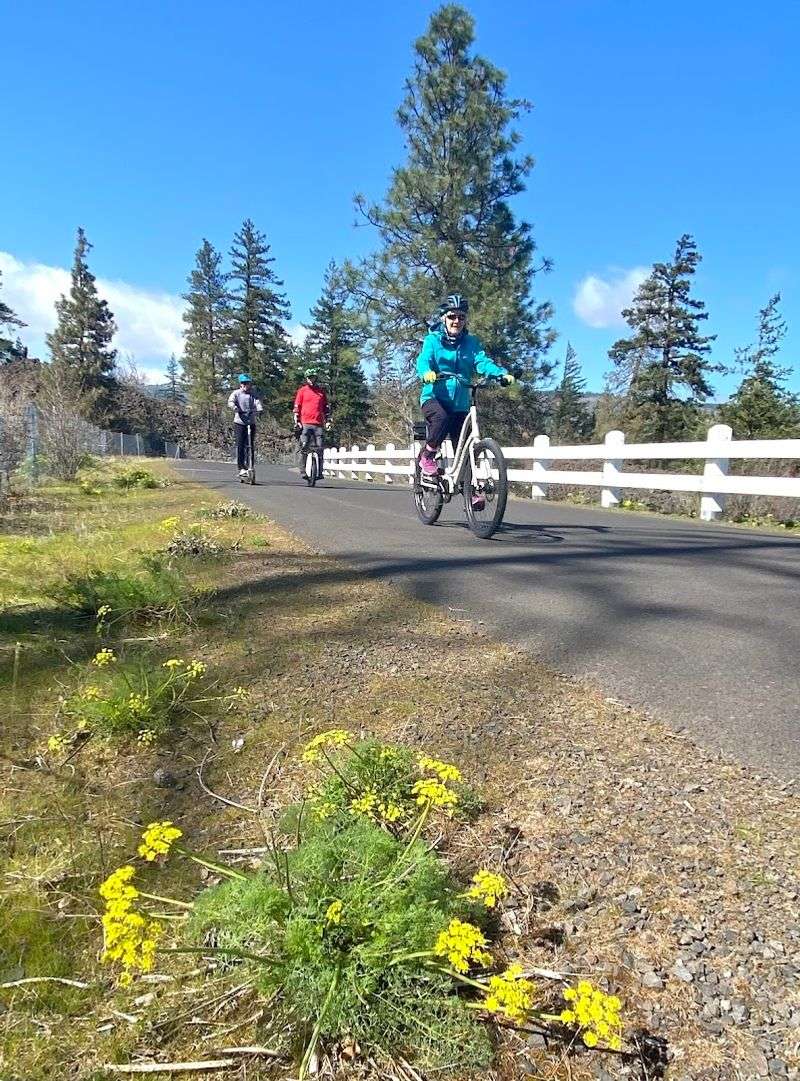
Most visitors use Hood River as a base and make Mosier a day trip or a bike destination via the Historic Columbia River Highway trail. That trail connection makes it genuinely possible to arrive by bike and spend a full day without ever needing a car once you are there.
I would recommend bringing plenty of water, especially in summer, because the sun in the gorge is stronger than it looks.
Good walking shoes are essential if you plan to hit the plateau trail or explore the old highway route. A light jacket is smart no matter the season, since the wind off the river can catch you off guard.
Cell service is decent but not always reliable in the hills, so download your maps before you leave Hood River. Preparation here is minimal but meaningful.
Why Mosier Stays With You Long After You Leave
Some places are fun to visit and easy to forget. Mosier is not one of them.
There is something about its particular combination of scale, scenery, and stillness that settles into your memory and stays there.
I have visited plenty of well-known gorge destinations over the years, places that get written up in travel magazines and tagged constantly on social media. Mosier rarely shows up in those lists, which is exactly why it still feels like something you discovered yourself.
That feeling of discovery is increasingly hard to find.
The town reminds me a little of small communities I have passed through in other parts of the country, places where people actually know their neighbors and take pride in where they live without making a big production of it. Oklahoma has towns with that same quiet dignity, and so does rural Oregon.
Mosier fits that spirit perfectly. If you are the kind of traveler who slows down to notice things, this town will give you plenty to notice, and you will leave feeling like you actually went somewhere rather than just passed through.
Share this story