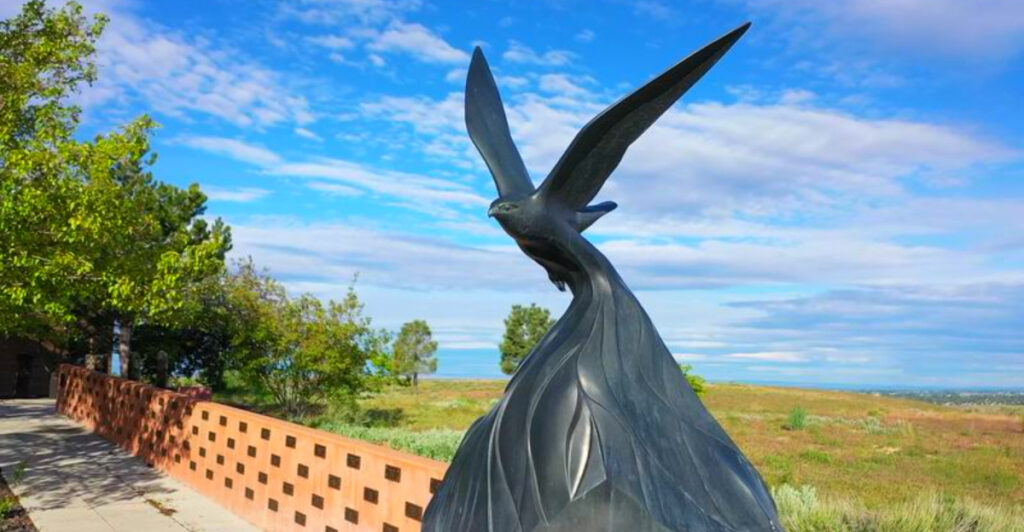
There is only one museum in the world devoted entirely to the history of falconry, and it is in Boise, Idaho. The World Center for Birds of Prey is home to an extraordinary collection of artifacts, rare books, and exhibits that trace a tradition stretching back more than 4,000 years across Asia, Europe, and the Middle East.
One of the biggest surprises is that this is far more than a museum about birds. Visitors can step inside a full-scale Bedouin tent, explore one of the world’s largest collections of falconry materials, and discover how this ancient practice shaped cultures across continents. It is an unexpected stop that reveals a side of human history most people never knew existed.
Where to Find This One-of-a-Kind Museum
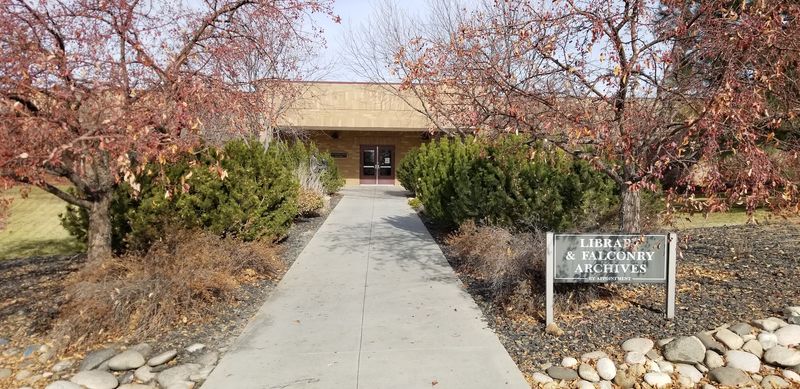
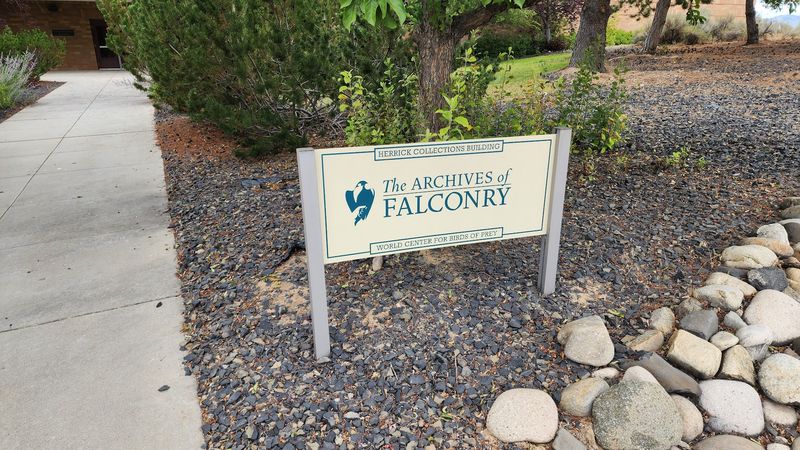
The Archives of Falconry sits at the World Center for Birds of Prey in Boise, Idaho, with a mailing address of Boise, ID 83709. You can reach the museum by phone at +1 208-362-8256, or explore more at falconry.org before your visit.
The museum is open Tuesday through Saturday from 11 AM to 4 PM, and also on Sundays during those same hours. Monday is the one day it stays closed, so plan your trip accordingly to avoid a wasted drive.
The location itself is worth noting because it places the Archives right next to The Peregrine Fund’s World Center for Birds of Prey, which means you are essentially surrounded by raptor conservation history the moment you arrive. Parking is easy, the campus is well-maintained, and the whole area has a quiet, purposeful atmosphere that sets the tone perfectly before you even walk through the front door.
The Story Behind the World’s Only Falconry Archive
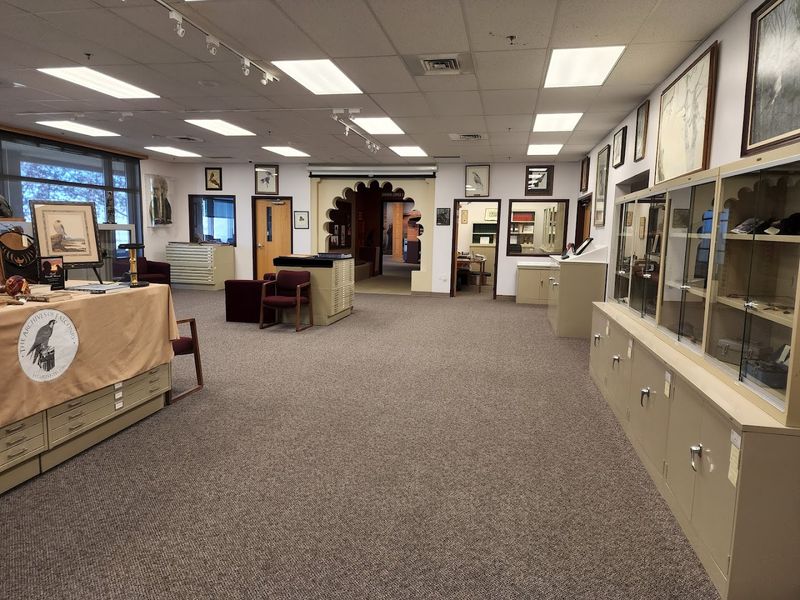
Most museums focus on a broad subject, but this one has the sharpest possible focus. The Archives of Falconry was established in 1986 by The Peregrine Fund with one clear mission: collect, preserve, and interpret the global history of falconry in all its forms.
Lt. Col. S. Kent Carnie was the driving force behind the institution from the very beginning.
He served as its long-time archivist and curator, spending decades building a collection that now stands as the most comprehensive of its kind anywhere in the world.
What makes this place genuinely remarkable is that no other institution on the planet has taken on this specific role. Books, manuscripts, equipment, artwork, field notes, and media recordings from falconry traditions across multiple continents all live here under one roof. The fact that this level of dedication exists in Boise, Idaho, of all places, makes the discovery feel even more unexpected and rewarding.
The Largest Falconry Library in the English-Speaking World
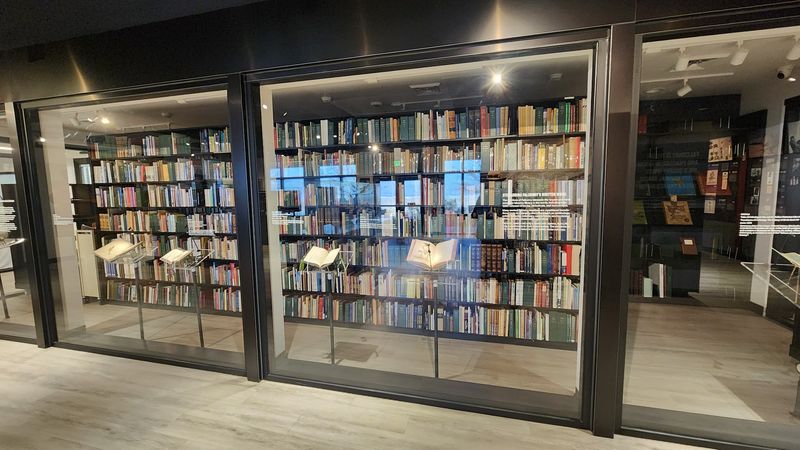
Book lovers, this section is going to make your heart race a little. The Archives of Falconry houses what is widely considered the most comprehensive English-language falconry library in the world, and recent expansions have pushed it to claim the title of the largest falconry collection globally in any language.
The shelves hold books, articles, essays, manuscripts, and field notes gathered from falconers and researchers across multiple centuries and continents. Some of these texts are rare volumes that simply cannot be found anywhere else.
After recent renovations, visitors can now view the library archive and a digitizing station through glass windows, which adds a behind-the-scenes feeling to the experience without risking damage to the materials. Watching the preservation process happen in real time gives the collection a living quality that a static display never could. If you have ever been curious about how history is actually saved for future generations, this window into the process is quietly fascinating.
Inside the Sheikh Zayed Arab Falconry Heritage Wing
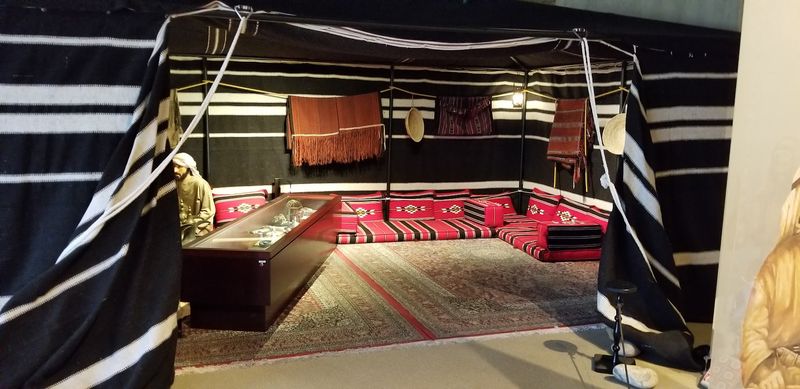
Nothing in the museum surprised me more than rounding a corner and finding myself face-to-face with a full traditional majlis tent set up inside the building. The Sheikh Zayed Arab Falconry Heritage Wing is a dedicated exhibit that immerses visitors in the world of traditional Arabian falconry as it was practiced from the 1930s onward.
The wing uses audiovisuals, authentic artifacts, and the tent itself to recreate the atmosphere of a traditional gathering space where falconers would meet, share knowledge, and care for their birds. It is an immersive cultural experience that goes well beyond reading a label on a wall.
Sheikh Zayed bin Sultan Al Nahyan, the founder of the United Arab Emirates, was one of the most famous falconers in modern history, and this wing honors that deep cultural connection between Arabian heritage and the sport. The attention to detail in this exhibit is striking, and it puts the global reach of falconry into perspective in a way that no photograph could replicate.
How Falconers Helped Save the Peregrine Falcon
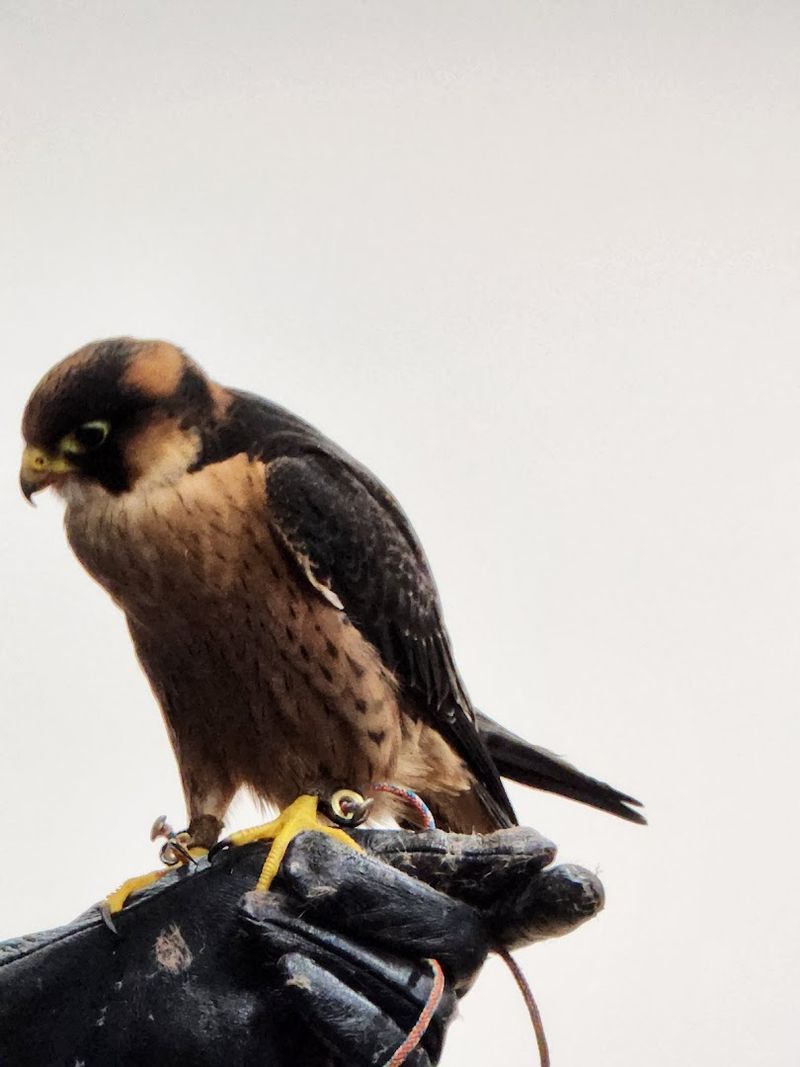
Falconry is not just a historical curiosity. It played a direct and measurable role in one of the most celebrated conservation success stories of the 20th century: the recovery of the Peregrine Falcon.
By the 1970s, Peregrine Falcons had nearly vanished from much of North America due to the widespread use of the pesticide DDT, which caused catastrophic reproductive failures in the birds. The Peregrine Fund, which operates this very museum, led a captive breeding and release program that brought the species back from the edge of local extinction.
Falconers contributed critical knowledge about raptor behavior, nutrition, and breeding that made that recovery possible. The Archives documents these contributions in detail, making a compelling case that the people who practiced this ancient sport were also its most passionate scientific advocates. The exhibit connecting falconry to modern conservation is one of the most emotionally resonant parts of the entire museum, and it reframes the whole tradition in a powerful light.
The Robert and Sarah Stabler Memorial Library
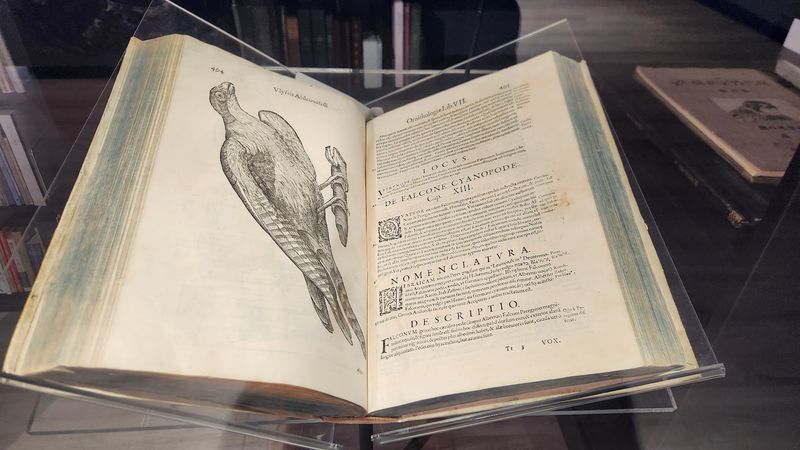
Within the larger collection, the Robert and Sarah Stabler Memorial Library stands out as a featured centerpiece. Named in honor of two individuals whose contributions to falconry and its documentation were significant, this portion of the archive carries a distinctly personal weight alongside its historical value.
The library includes books, periodicals, and materials that span decades of falconry literature, organized in a way that makes the breadth of the collection immediately apparent. It is the kind of space where a researcher could spend days and still not reach the end of what is available.
What strikes you most about this section is not just the volume of material but the care with which everything has been maintained. These are not dusty forgotten documents. They are actively preserved, catalogued, and in many cases being digitized so that future generations can access them without risk to the originals. That commitment to long-term preservation is what separates a true archive from a simple collection of old things.
What the New Introduction Wing Teaches First-Time Visitors
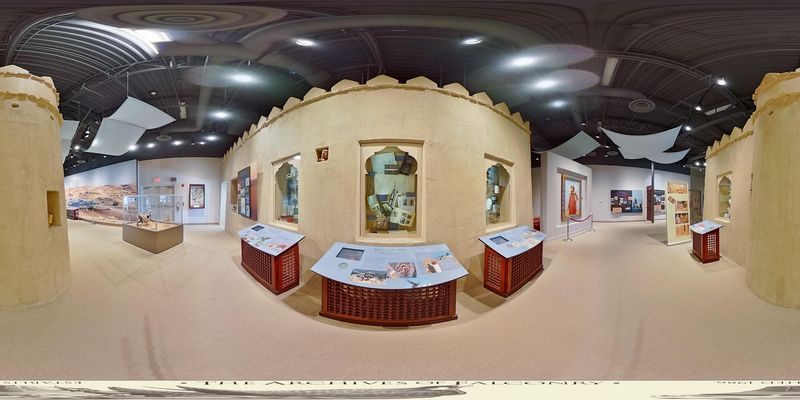
Not everyone who walks through the door knows the first thing about falconry, and the museum has clearly thought about that. A dedicated wing was added specifically to introduce newcomers to the practice, its history, and its cultural significance in an accessible and engaging way.
The introductory wing works as a natural starting point before moving deeper into the more specialized exhibits. It covers the basics of what falconry is, how it developed across different cultures, and why it has endured for thousands of years as both a practical hunting method and a refined art form.
First-time visitors consistently leave this section with a foundation that makes the rest of the museum far more meaningful. The displays use clear language, strong visuals, and well-chosen artifacts to build understanding quickly without oversimplifying the subject. It is a thoughtful approach that respects the intelligence of the visitor while also making the material genuinely approachable, regardless of your background or prior knowledge of birds of prey.
The Fall Flights Event at the Outdoor Amphitheater
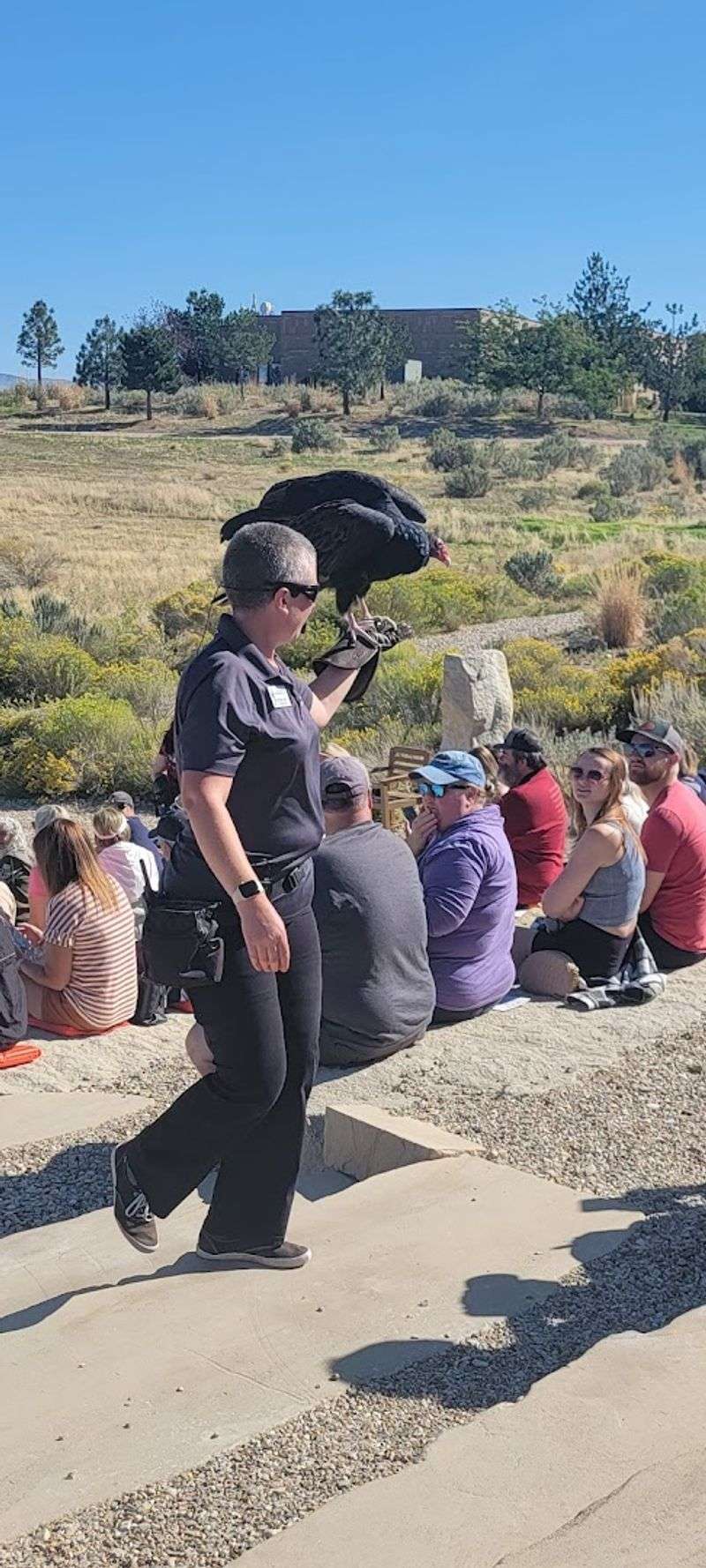
If your visit happens to line up with the right time of year, the Fall Flights event at the outdoor amphitheater is something that should not be skipped. The 30-minute live show combines education and entertainment in a format that works equally well for adults and younger visitors.
A trained raptor in flight over an open amphitheater is a genuinely breathtaking sight. The show is structured to explain what is happening in real time, so you come away understanding falconry techniques rather than just watching a bird perform tricks.
The outdoor setting adds a natural energy to the experience that no indoor exhibit can replicate. The birds move fast, the commentary is sharp, and the whole thing feels more like a window into the actual practice of falconry than a theatrical production. Visitors who have attended the event describe it as one of the highlights of the entire World Center for Birds of Prey campus, and based on the enthusiasm in those accounts, the description seems accurate.
Recent Renovations and What Changed in 2025
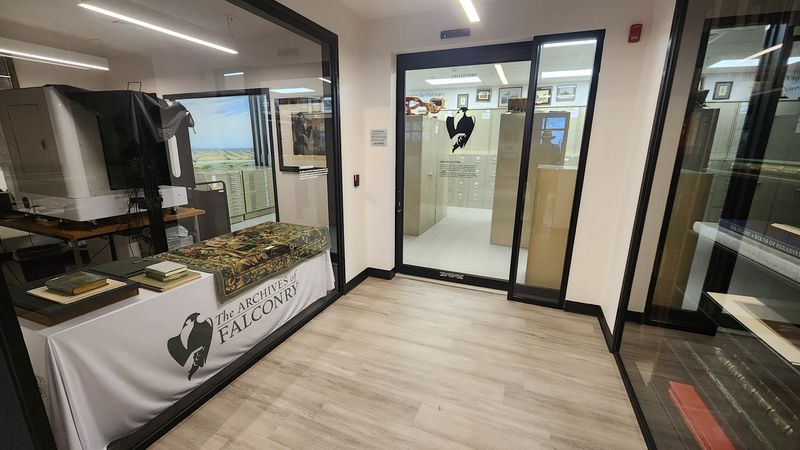
The Archives of Falconry does not stand still. The museum underwent a significant round of renovations and expansions leading up to its scheduled reopening to the public on Saturday, May 3rd, 2025, after the improvements were completed.
Among the upgrades was a new waterless fire suppression system, which is a critical addition for any institution holding irreplaceable paper documents and historical artifacts. Fire protection in an archive of this kind is not a small matter, and the investment reflects how seriously the organization takes its preservation mission.
Visitors can now also view the library archive and digitizing station through glass windows, turning what was previously a behind-the-scenes operation into a visible part of the museum experience. Watching staff and volunteers work to digitize rare materials adds an active, living dimension to the visit that reinforces the Archives’ role as a working institution rather than a static display. The renovations clearly represent a serious commitment to both protecting the past and welcoming the public more fully into it.
The Broader Campus and Its Connection to Raptor Conservation
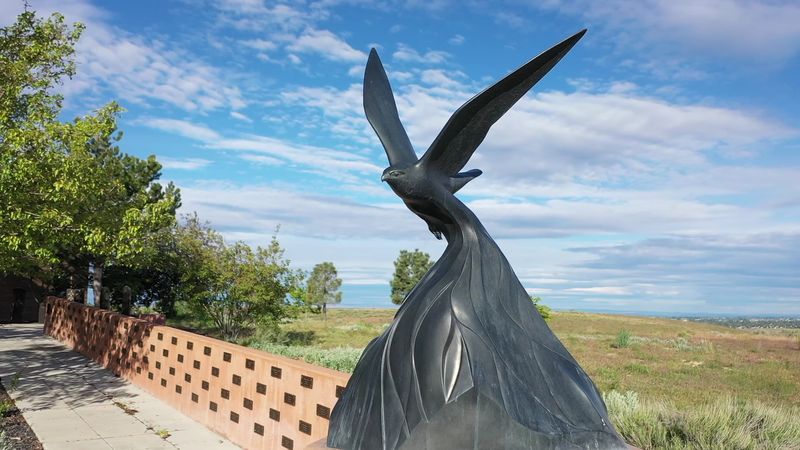
The Archives of Falconry does not exist in isolation. It shares the World Center for Birds of Prey campus with The Peregrine Fund’s broader conservation and research operations, which means a single visit can cover a remarkable amount of ground in terms of raptor science and history.
Next door, visitors can encounter live raptors housed at the center, including species that have been part of active conservation breeding programs. The campus as a whole tells a connected story about how humans and birds of prey have interacted across centuries, from ancient falconry traditions to modern scientific recovery efforts.
The proximity of the Archives to the rest of the center creates a natural narrative arc for a full day visit. Start with the historical and cultural exhibits inside the museum, then step outside to see living birds that represent the conservation legacy those exhibits describe. It is a rare case where the setting and the subject matter reinforce each other so directly, and the whole campus benefits from that relationship.
Tips for Getting the Most Out of Your Visit
A few practical notes can make a real difference when planning your trip. The museum is open Tuesday through Sunday from 11 AM to 4 PM and is closed on Mondays, so double-check your schedule before heading out to avoid arriving on the wrong day.
The staff at the Archives are notably knowledgeable and genuinely enthusiastic about the subject. Asking questions is encouraged, and the quality of information you can get from a conversation with someone who works there often goes well beyond what any exhibit panel can convey.
Restrooms are available on-site, which is a small but appreciated detail for families or visitors planning a longer stay. Combining a visit to the Archives with a stop at the adjacent World Center for Birds of Prey is the most efficient use of your time on the campus. The phone number is +1 208-362-8256 if you want to confirm hours or ask about any special programming before your visit, which is always a smart move for smaller museums.
Share this story