 Unearth The Voyage
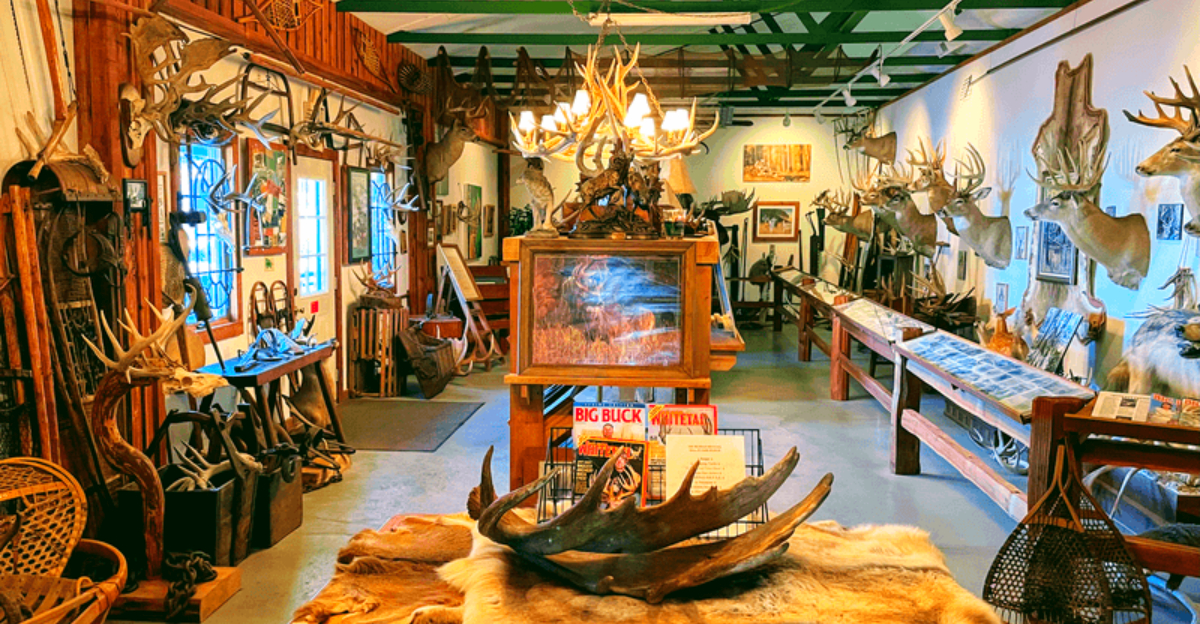
I have seen plenty of roadside attractions promise a quirky afternoon, but this one actually delivers with antlers, history, and live deer in one surprisingly memorable stop. The experience feels part museum, part country outing, and part conversation starter you will absolutely bring up later, because how often do you find a place devoted entirely to whitetail deer.
What kept me interested was not just the novelty, but the mix of hands-on animal encounters, regional hunting history, and a property that feels personal rather than polished into blandness. Keep reading and I will show you what the museum is really like, what stands out once you arrive, how much it costs, when to go, and why this unusual spot in southern Michigan works for curious travelers, families, and anyone who likes their day trips with a little character and a lot of antler-shaped personality.
First Look in Grass Lake
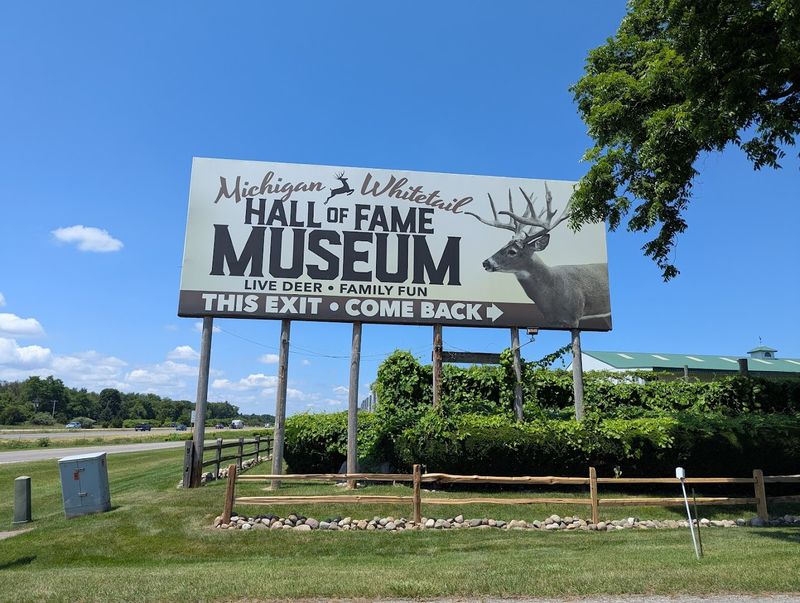
Curiosity got the better of me long before I arrived at the Michigan Whitetail Hall of Fame Museum, and the setting made the reveal even better. You will find it at 4220 Willis Rd, Grass Lake, MI 49240, in a quiet stretch of southern Michigan where the drive already feels like part of the outing.
The place does not come across like a giant polished attraction, and that is part of its charm. I liked that it felt personal, with museum buildings, open space, and deer areas that immediately told me this visit would be more hands-on than a typical hallway-and-display-case stop.
Nothing here tries too hard to impress you with flash, and that actually made me pay closer attention. By the time I got oriented and started looking around, I realized this was the kind of destination where curiosity leads the day, and every turn offers another antler-filled reason to keep wandering just a little longer.
A Museum With a Very Specific Mission
Some museums try to cover everything and end up feeling fuzzy around the edges, but this one commits fully to its subject. Founded in 1994 by Craig Calderone, the museum is dedicated entirely to whitetail deer, and that singular focus gives the place a clear personality from the start.
I appreciated how unapologetically specific it is. Instead of spreading attention across random themes, the museum leans into whitetail culture, history, and artifacts with enough confidence that even visitors who are not deeply invested in hunting can still find the experience genuinely interesting.
That sense of purpose changes the mood of the visit. You are not just browsing a few token displays about wildlife, but stepping into a place built around one animal and the traditions surrounding it, which makes the whole stop feel more distinctive, more memorable, and honestly a lot more fun than I expected from a museum with deer in every possible direction.
Inside the Antler-Filled Galleries
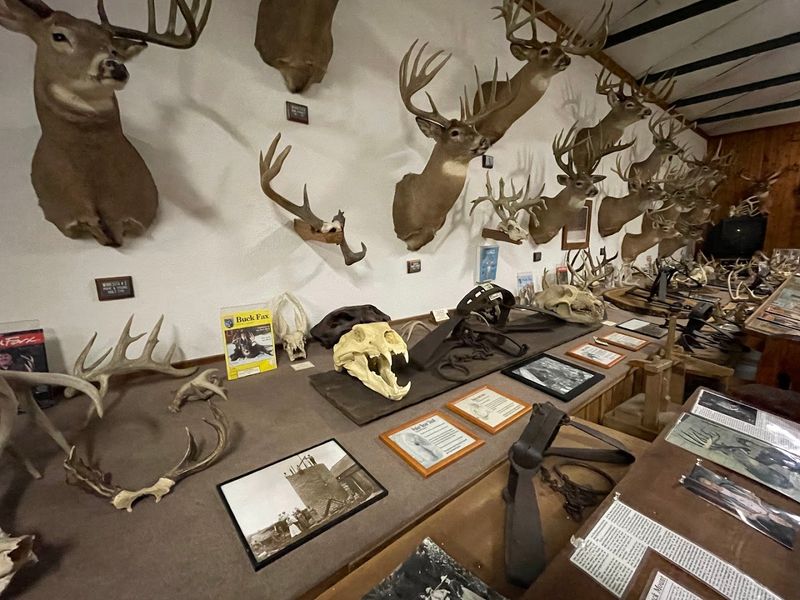
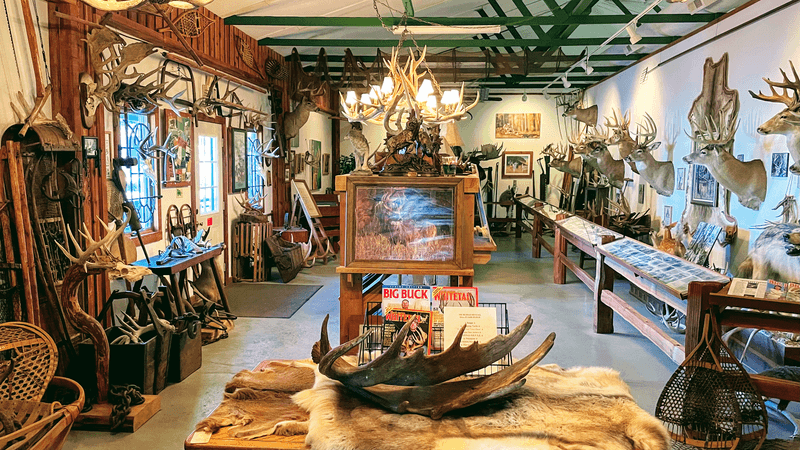
The indoor exhibits hit me with antlers almost immediately, and there is no easing into the theme here. The museum showcases more than 50 Boone and Crockett world record buck racks, including Michigan’s record holder, so the collection has serious visual impact even if you arrived with zero scorecard knowledge.
I found myself slowing down more than I expected because the sheer variety keeps your eyes moving. Shapes, sizes, and odd details turn the displays into something more than rows of racks, and the effect is part natural history lesson, part regional culture, and part pure wow factor.
What works best is how dense the experience feels without becoming formal or stiff. You can move at your own pace, notice whatever catches your attention, and let the collection sink in bit by bit, which is exactly how I ended up spending longer indoors than planned while the antlers quietly stole the whole show.
The Live Deer Experience
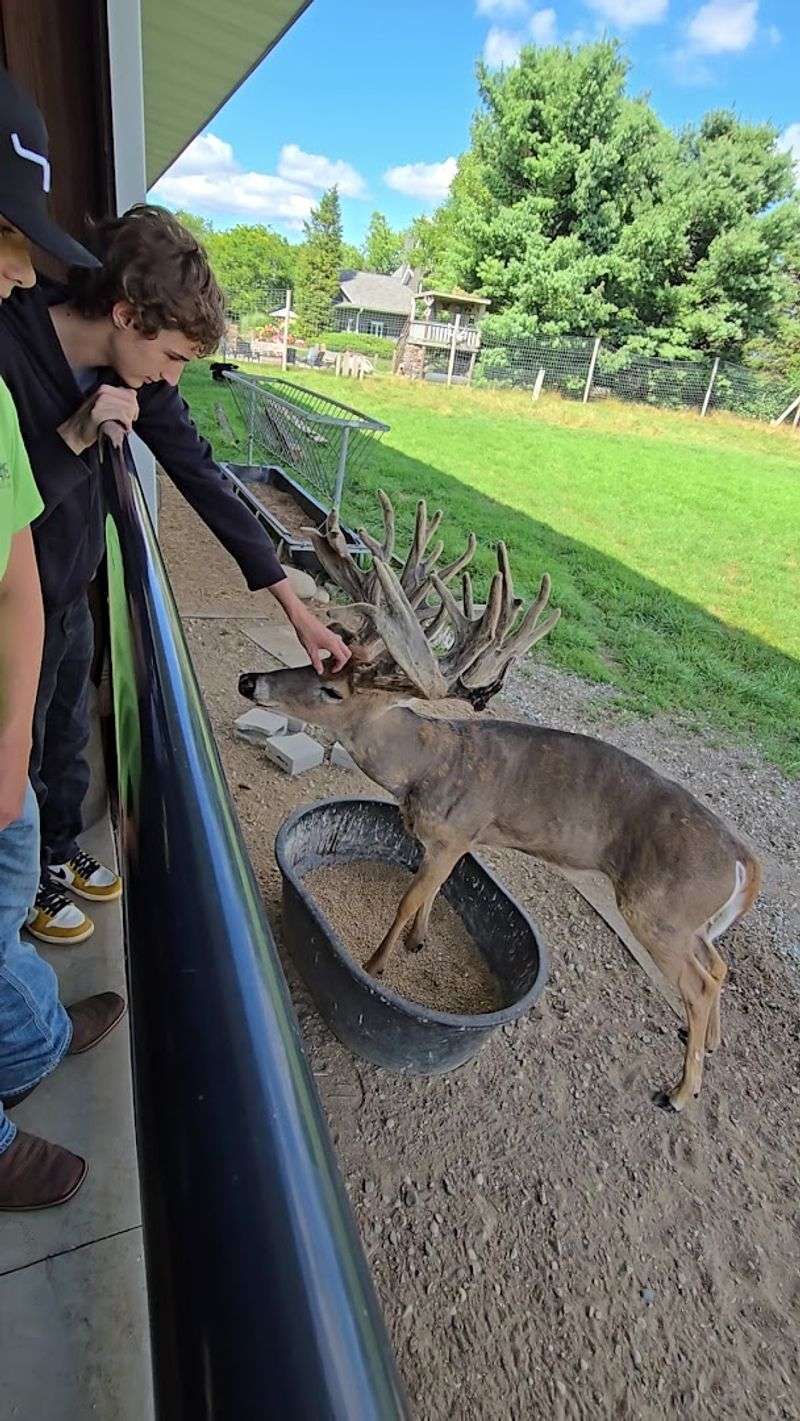
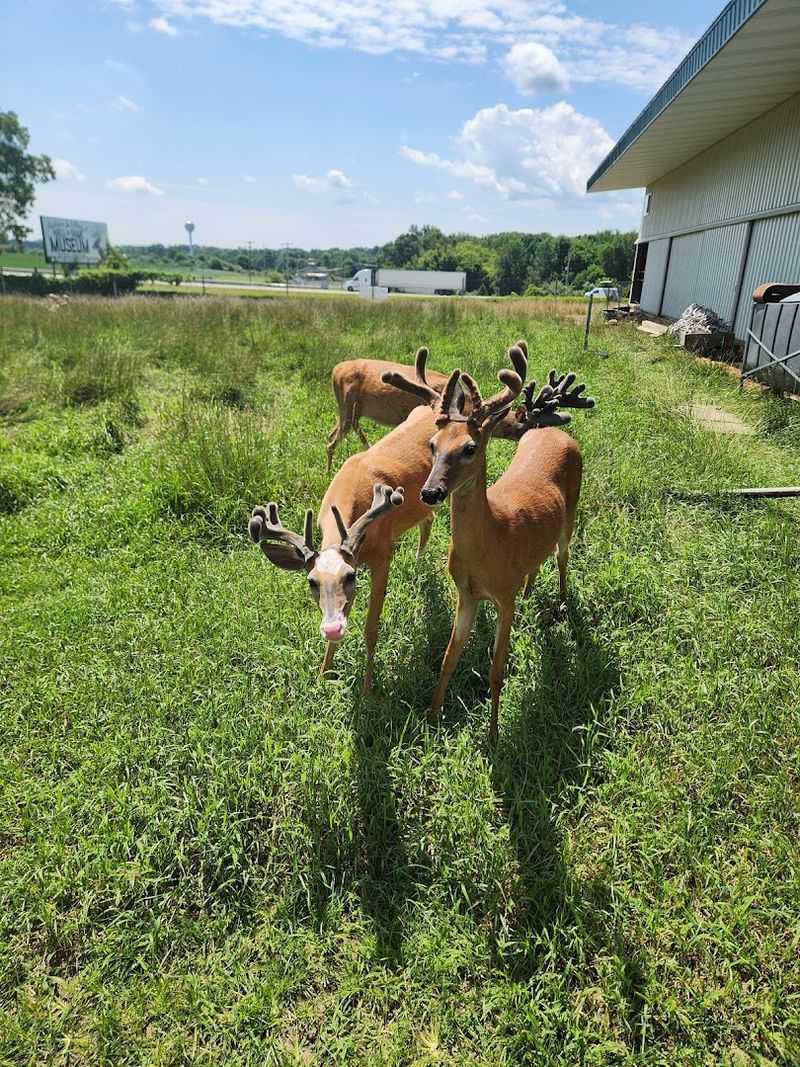
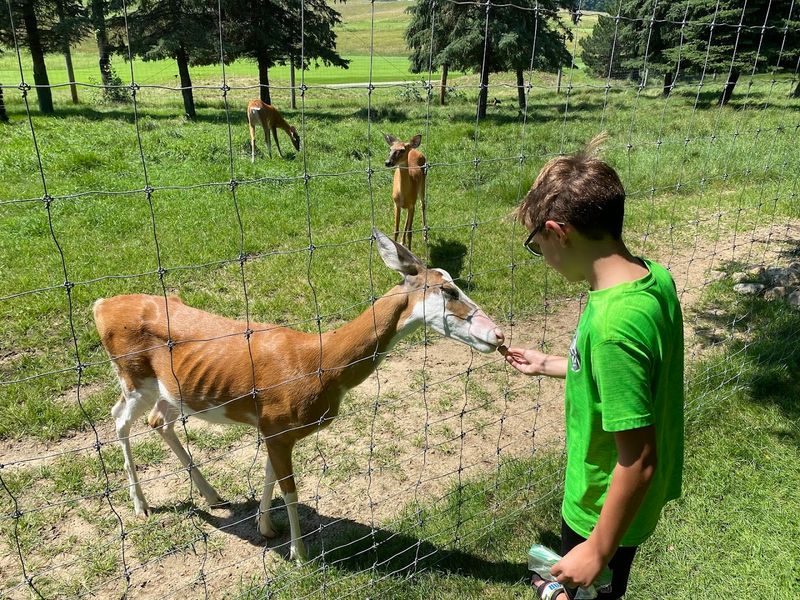
The moment that really sets this place apart happens outside, where live whitetail deer turn the visit from interesting to memorable. I can look at exhibits all day, but feeding deer by hand adds a direct, up-close experience that makes the museum feel alive in a way most specialty attractions simply cannot match.
Feed is available for a small extra cost, and the interaction is refreshingly simple. You stand near the deer area, hold out the treats, and wait for those cautious but curious faces to come near enough to make everyone around you suddenly start smiling like children who just found the best part of the day.
I liked that the deer encounter did not feel staged into a performance. It stayed relaxed, quiet, and personal, and that made each small moment count, from watching the animals approach to noticing their expressions and movements, which gave the entire museum visit a softer, warmer side that balanced all those impressive antlers beautifully.
Why Families Remember This Stop
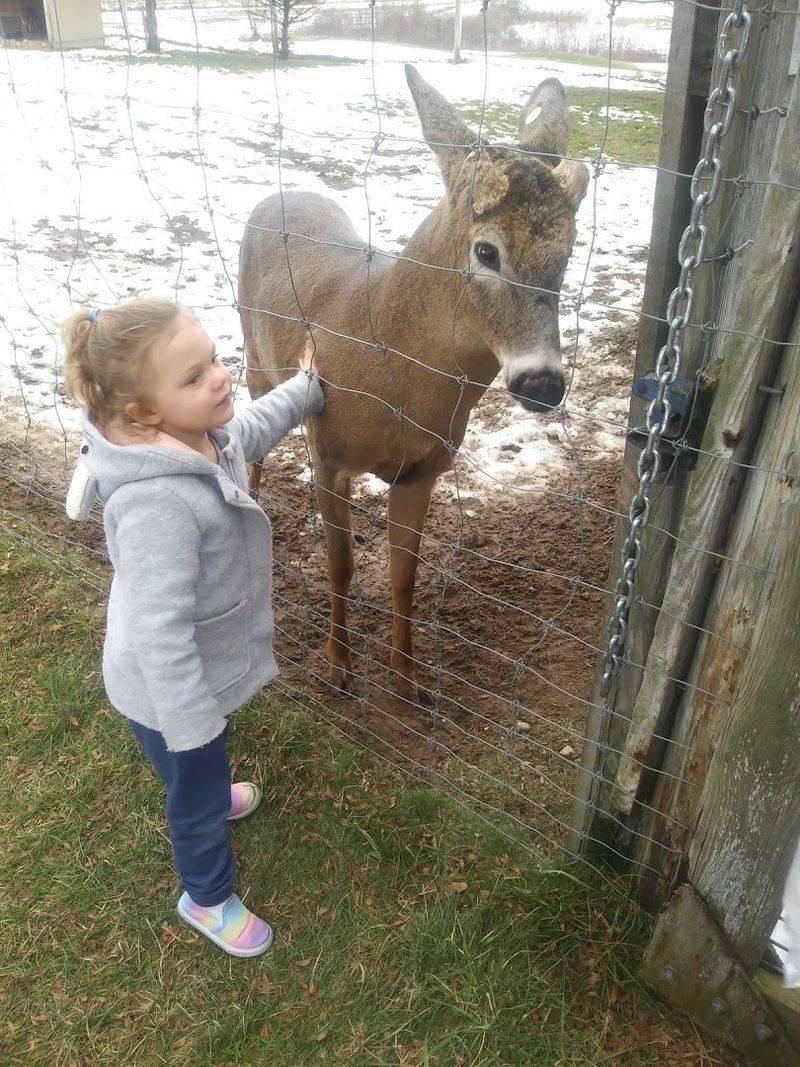
Plenty of attractions claim to work for all ages, yet many secretly cater to either adults or restless kids, not both. This museum struck me as one of the rare places where families can share the same experience without anyone looking trapped, because the live deer, open grounds, and unusual exhibits give everyone something to focus on.
Children have the obvious thrill of seeing and feeding deer up close, while adults get the historical collections and regional context. I noticed that the visit also works well because it is affordable, easy to understand, and small enough that nobody gets worn out before the fun part arrives.
The atmosphere helps too. It feels casual rather than overly programmed, so you can move at your own speed, take photos, linger with the animals, and let curiosity lead the visit, which makes the place especially good for a low-pressure outing where the conversation keeps going long after you leave the property.
A Rural Setting That Fits the Theme
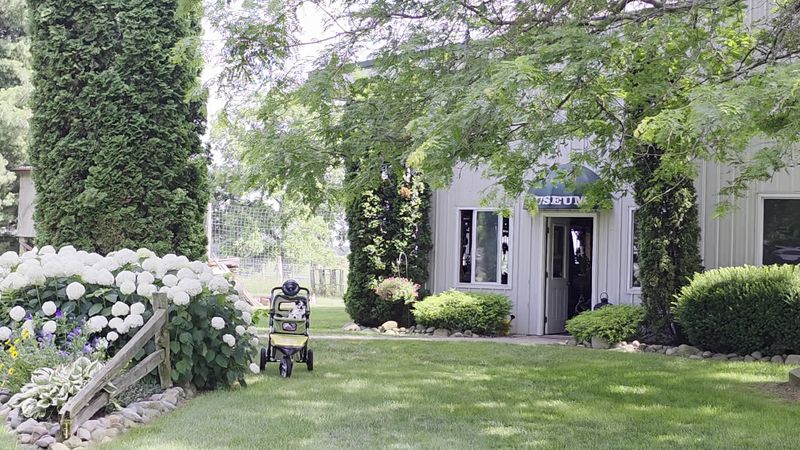
The setting deserves more credit than it gets, because this museum would not feel the same in a busy commercial strip. Out in Grass Lake, the property has a neat, rural character that supports the whole experience, giving the exhibits and deer areas a natural backdrop instead of a parking-lot personality.
I noticed how much the grounds contribute to the visit’s mood. There is room to breathe, room to look around, and enough quiet that even a short stop feels pleasantly removed from the usual rush of errands, chain stores, and screens begging for attention every five seconds.
That peacefulness also makes the live deer encounters more enjoyable. Rather than fighting noise and crowds, you can actually settle into the place, notice the landscaping, and appreciate how the museum sits within its surroundings, which turns the outing into more than a quick novelty stop and gives it the calm, country rhythm that suits whitetail deer perfectly.
More Than Deer Racks
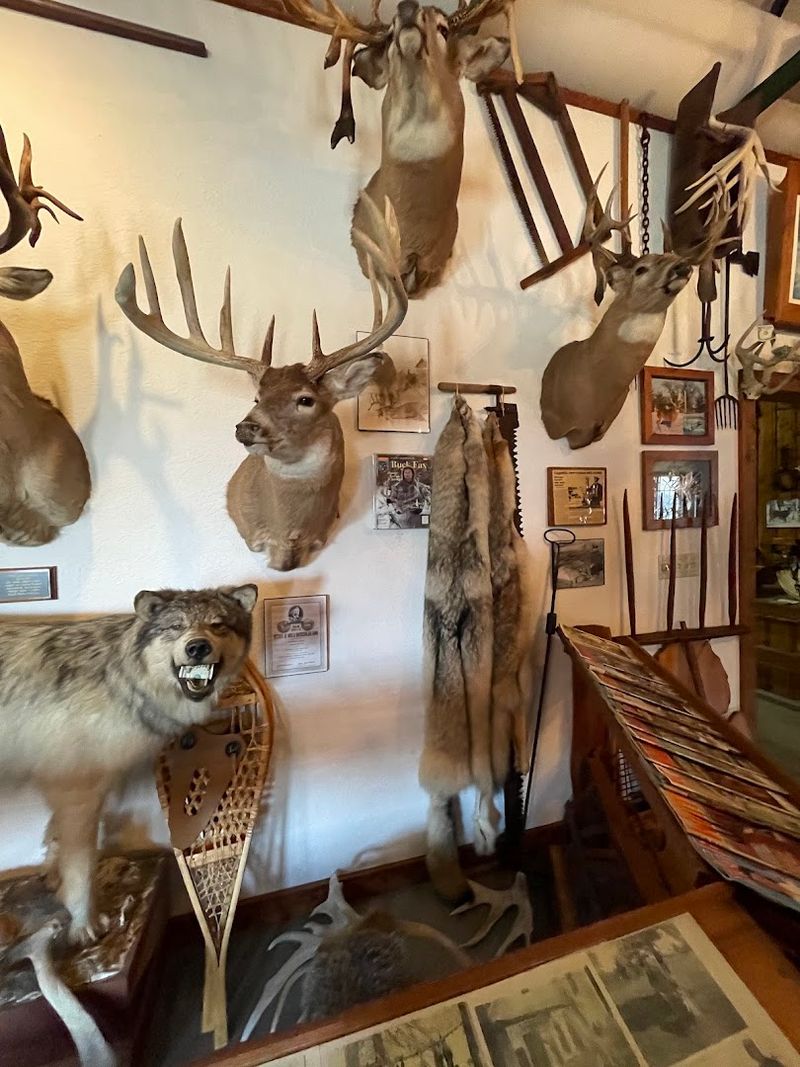
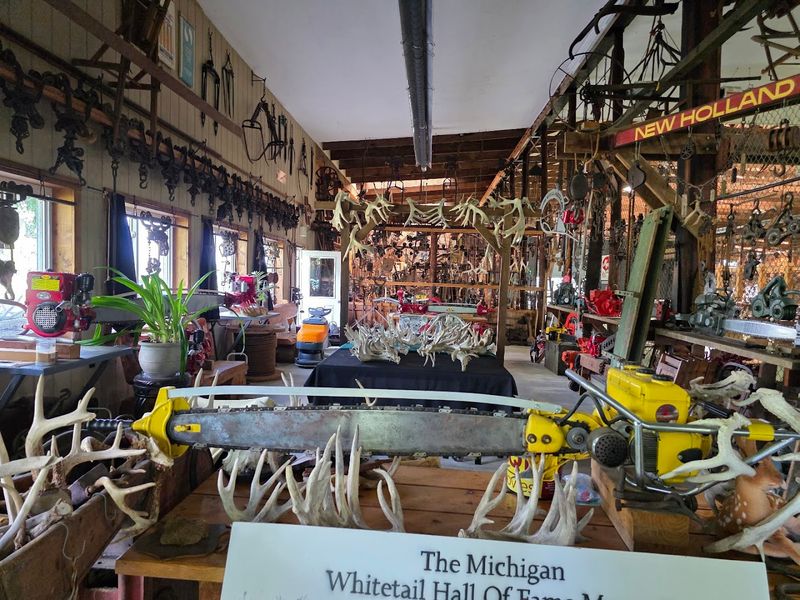
Just when I thought the visit would revolve entirely around antlers and animal encounters, the historical pieces added another layer. The museum also features a collection of 19th-century antiques, and those objects broaden the story by connecting deer culture to older rural life and everyday working history.
I liked that these displays gave the place some texture beyond trophy talk. Old tools, artifacts, and period details help you picture how people lived, worked, and interacted with the landscape, which quietly deepens the visit without turning it into a heavy lecture or draining the fun out of the experience.
That balance matters here. The museum stays accessible and visually engaging, but the antiques give you enough context to understand that whitetail history is tied to place, routine, and long-standing traditions, so by the time I finished this part of the visit, the museum felt less like a curiosity and more like a compact snapshot of regional heritage.
Practical Tips Before You Go
A little planning goes a long way here, and that is useful to know before you turn into the driveway. Admission has been listed at $6 for adults and $2 for children 18 and under, with deer feed available for $1 per bag, and cash is the important word to remember.
I would also call ahead at 517-937-0533 or check deermuseum.com, because seasonal hours can vary even though online listings may show broad daily times. This is not the kind of place where you should assume big-city predictability, and honestly, a quick check saves you from confusion and keeps the visit easy.
Once I knew the basics, the outing felt simple and relaxed. Bring cash, confirm current hours, allow time to browse indoors and visit the deer, and you will be set for a stop that is affordable, different, and pleasantly low-stress, which is my favorite kind of travel advice because it leaves more room for the fun part.
Best Times for the Full Experience
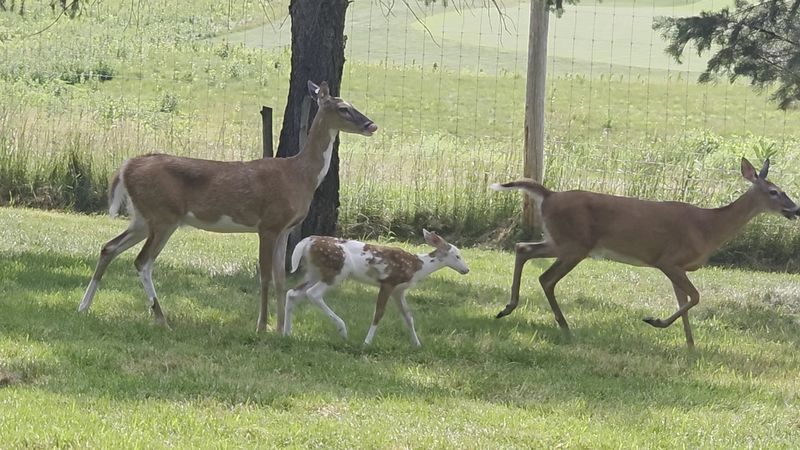
Timing can shape this visit more than you might expect, especially if seeing live deer is high on your list. I would pay attention to season and even time of day, because the museum is open year-round, but late spring and early summer are especially appealing when fawns may be around.
That seasonal detail gives the place extra charm without changing its essential appeal. I also found it helpful to remember that animals have their own rhythms, so choosing a time when the deer are more interested in feed can make the outdoor portion feel more interactive and rewarding.
Even outside peak cute-season, the museum still has plenty to offer indoors. Still, if you want the strongest mix of exhibits, fresh air, and memorable deer moments, I would lean toward a mild-weather visit and avoid rushing in at the sleepiest part of the day, because a little timing savvy can turn a good stop into a really delightful one.
Self-Guided and Refreshingly Unhurried
Some attractions over-direct every minute until the visit feels like homework with parking, but this place takes a looser approach. I actually enjoyed the self-guided feel, because it let me move between displays, outdoor spaces, and deer encounters without being rushed through somebody else’s preferred order.
That freedom suits the museum’s personality. You can spend extra time studying unusual racks, snap photos when something catches your eye, or head back outside if the deer suddenly become the stars of the afternoon, all without feeling like you are slowing down a group tour or missing a scripted speech.
The result is a visit that feels pleasantly personal. I could make the experience fit my own interests, which meant I stayed engaged the whole time, and that flexibility is one reason the museum works for different types of travelers, from serious enthusiasts to road trippers who simply spotted a deer-themed detour and decided to follow the antlers.
Who Will Enjoy It Most
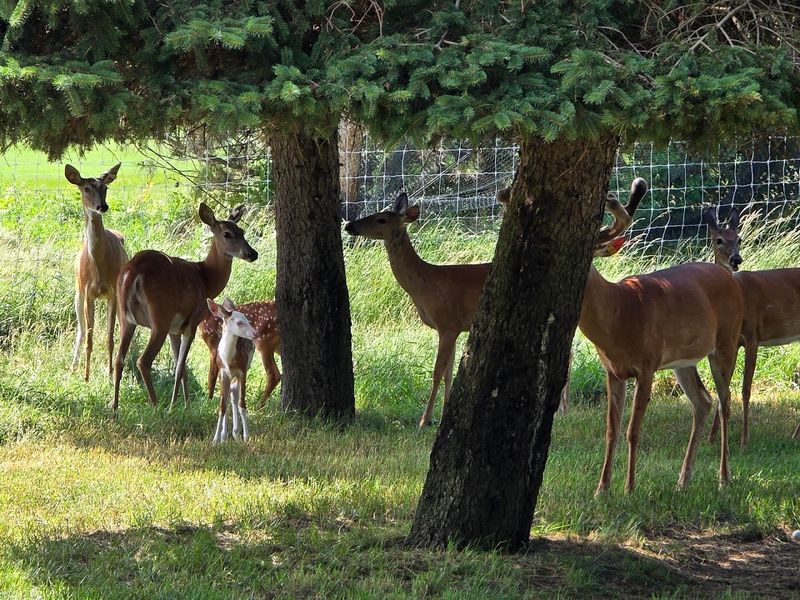
I think this stop works best for travelers who enjoy unusual places with a strong sense of identity. You do not need to be deeply invested in hunting culture to appreciate it, because the combination of live deer, regional history, and highly specific collections gives the museum enough range to hold different kinds of attention.
Families, road trippers, animal lovers, and people who like offbeat Americana will probably get the most from it. I would especially recommend it to anyone tired of interchangeable attractions, because there is nothing generic about a museum that has fully committed itself to the noble art of being extremely, almost comically, deer-focused.
That commitment is exactly why the place sticks with you. It is affordable, distinctive, and easy to pair with a drive through southern Michigan, so if you are the kind of traveler who enjoys finding character over polish, this museum earns a spot on the itinerary with quiet confidence and a whole forest’s worth of antler attitude.
A Short Closing Thought
By the time I left, I was smiling at how specific and sincere the whole experience felt. The Michigan Whitetail Hall of Fame Museum does not try to be everything, and that is exactly why it works so well as a travel stop with personality, local texture, and a few genuinely memorable moments.
I came away with more than snapshots of antlers and deer noses. The visit offered a mix of hands-on fun, regional history, and practical simplicity that made it feel grounded rather than gimmicky, which is harder to pull off than many larger attractions would like to admit.
Grass Lake is home to a place that knows its subject and leans into it without apology. If you enjoy destinations that feel personal, a little quirky, and pleasantly different from the usual museum routine, this one is worth the detour, and I suspect you will leave already planning who you want to bring back next time.



