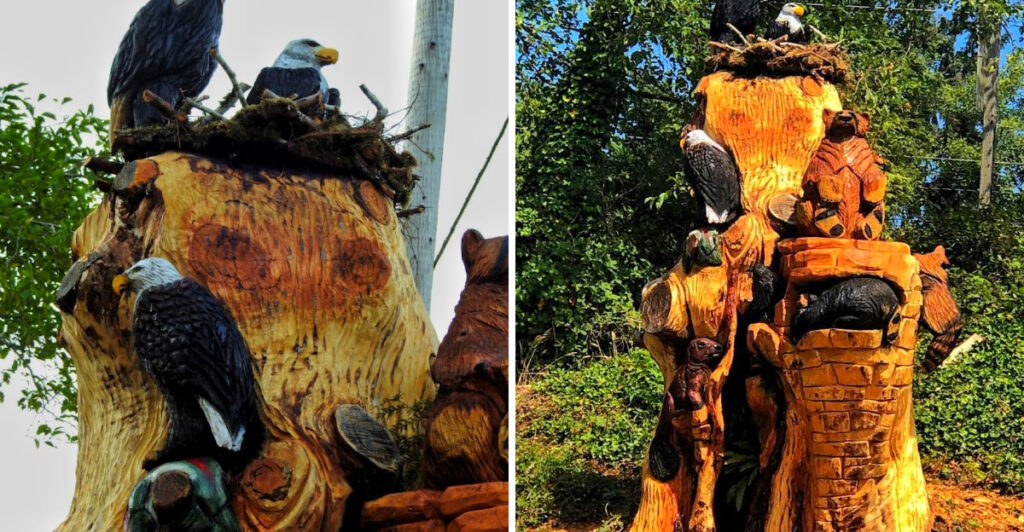
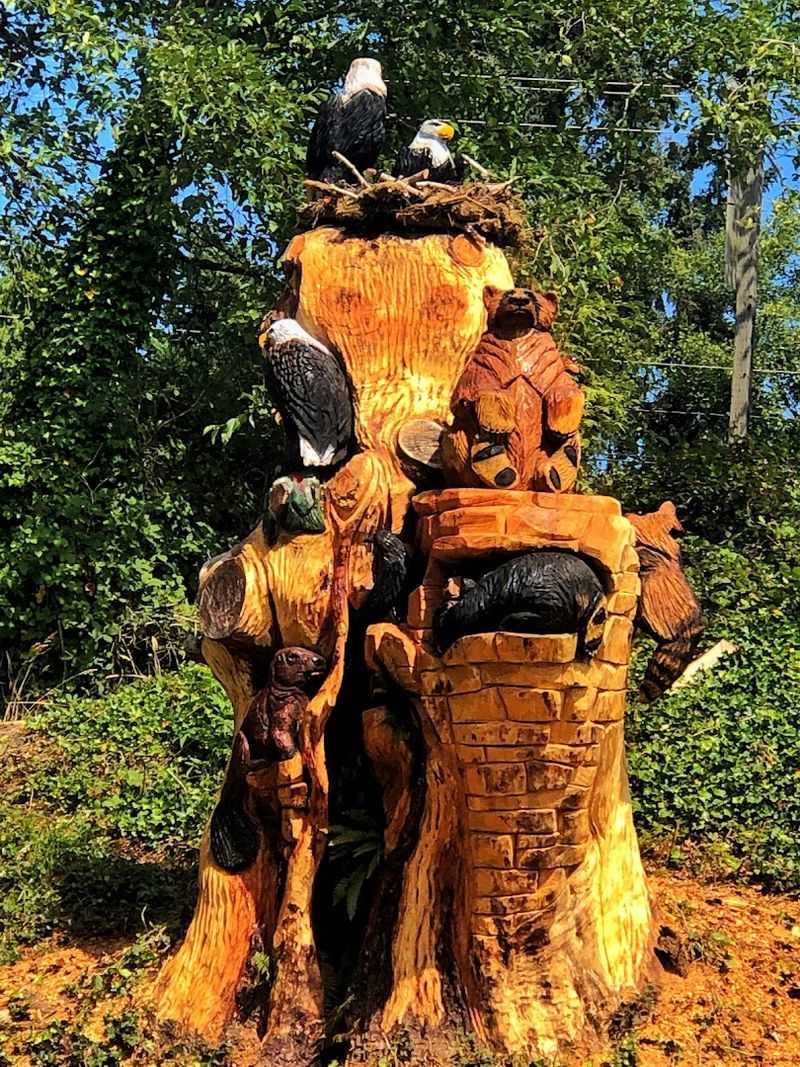
There is a small town in Oregon where the trees do not just grow, they tell stories. More than 100 hand-painted tree carvings line the streets and green spaces of Wood Carving, OR, turning an ordinary neighborhood stroll into something that feels genuinely magical.
Each carved trunk is a canvas, bursting with color, wildlife, and local history that locals and visitors alike stop to admire. This is the kind of place that makes you slow down, look twice, and pull out your phone for a photo every few steps.
The Town That Turned Its Trees Into Art
Most towns plant trees for shade, but Wood Carving, OR, took that relationship a whole lot further. Nestled in Oregon’s lush landscape, this community transformed dead and damaged tree trunks into a sprawling outdoor gallery that now draws visitors from across the Pacific Northwest and beyond.
The project began as a way to preserve the natural beauty of the town’s mature trees after disease and storms left many of them hollow or structurally unsound. Rather than remove them entirely, local artists and community leaders saw a creative opportunity hiding inside every stump.
Today, the collection spans well over 100 individual carvings, each one unique in subject, style, and color. The full address for the main gathering point is within the heart of Wood Carving, OR, a town that proudly wears its artistic identity on its bark.
Whether you are a first-time visitor or a returning fan, every walk through town reveals something new carved into the wood.
How the Painted Tree Project Got Its Start
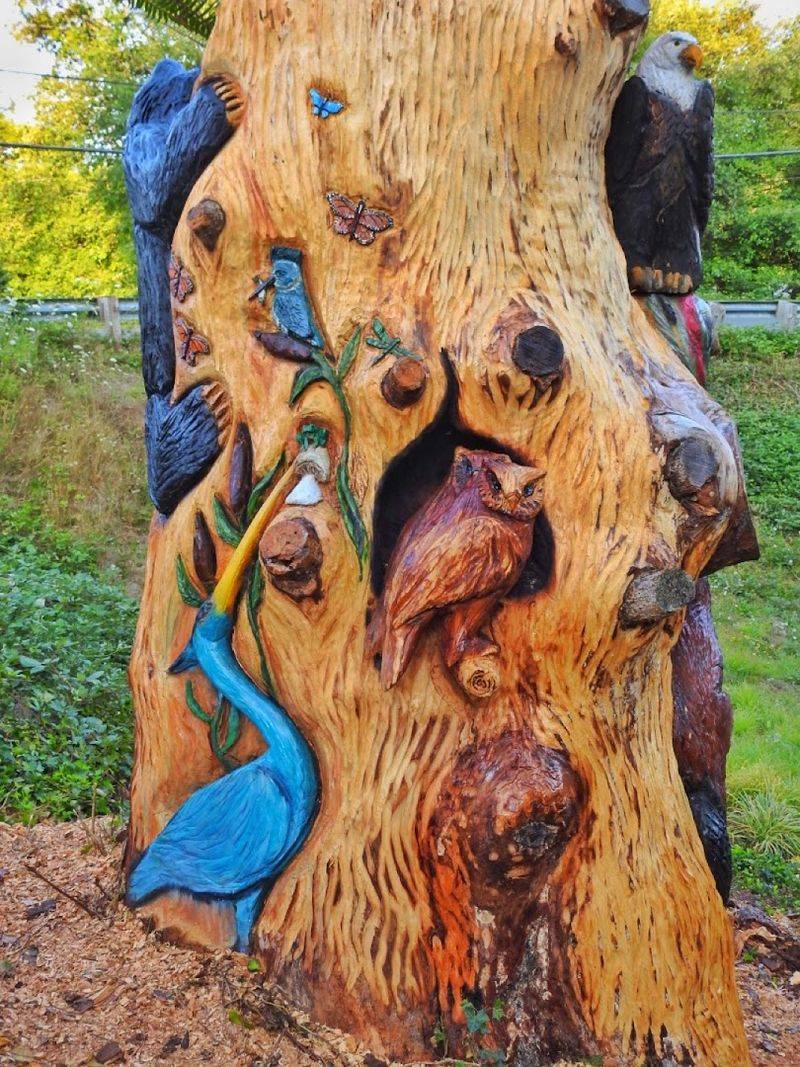
The story behind this remarkable collection is rooted in practicality as much as passion. When a series of harsh winters and a local tree blight swept through the region, the town faced the grim task of dealing with dozens of dying trees that lined its main corridors.
A local chainsaw artist proposed an idea that most people initially thought was a little far-fetched: carve the remaining trunks into sculptures, then paint them in vivid detail. The town council gave the green light, and what started as a pilot project with just a handful of carvings quickly snowballed into a beloved community institution.
Funding came from a mix of local business sponsorships, grants, and community fundraisers. Artists from Wood Carving, OR, and surrounding Oregon communities volunteered their time and talent, each bringing a personal style that kept the collection from feeling repetitive.
The project now has an annual event where new carvings are unveiled to the public, drawing crowds that celebrate the town’s creative spirit with genuine enthusiasm.
A Walk Through the Outdoor Gallery
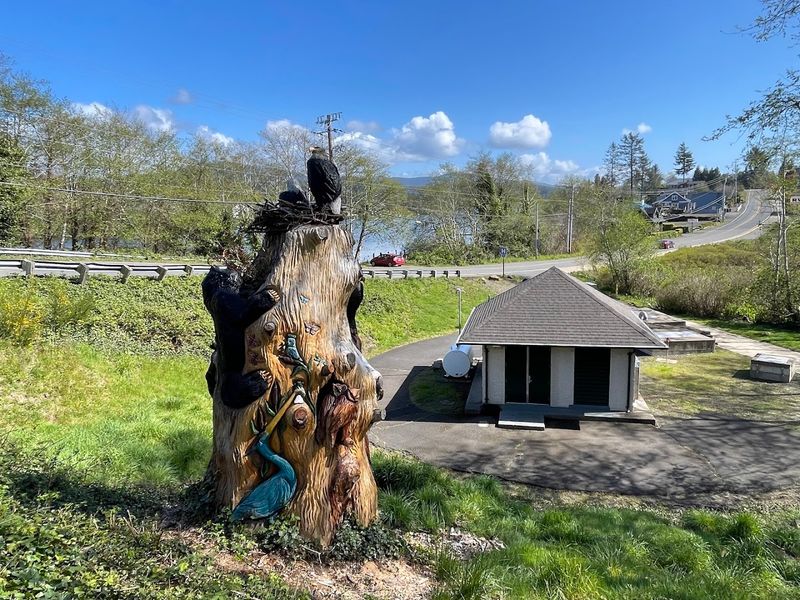
There is no ticket booth, no opening time, and no closing bell at this gallery. The entire collection is spread across public spaces throughout Wood Carving, OR, meaning you can explore at your own pace any time of day or year.
The self-guided walking tour is the most popular way to experience the carvings. A printed map is available at the local visitor center, and a digital version circulates on the town’s community social media pages.
Most visitors find that a leisurely two-hour walk covers the majority of the pieces without feeling rushed.
Along the route, you pass through residential streets, a small downtown area, and a riverside park where some of the most elaborate carvings are clustered. The variety keeps things interesting: one block might feature realistic wildlife scenes while the next surprises you with abstract geometric patterns or whimsical fantasy characters.
The carvings are spaced close enough together that you never lose momentum, yet spread out enough that each one gets its own moment in the spotlight.
The Artists Behind the Carvings
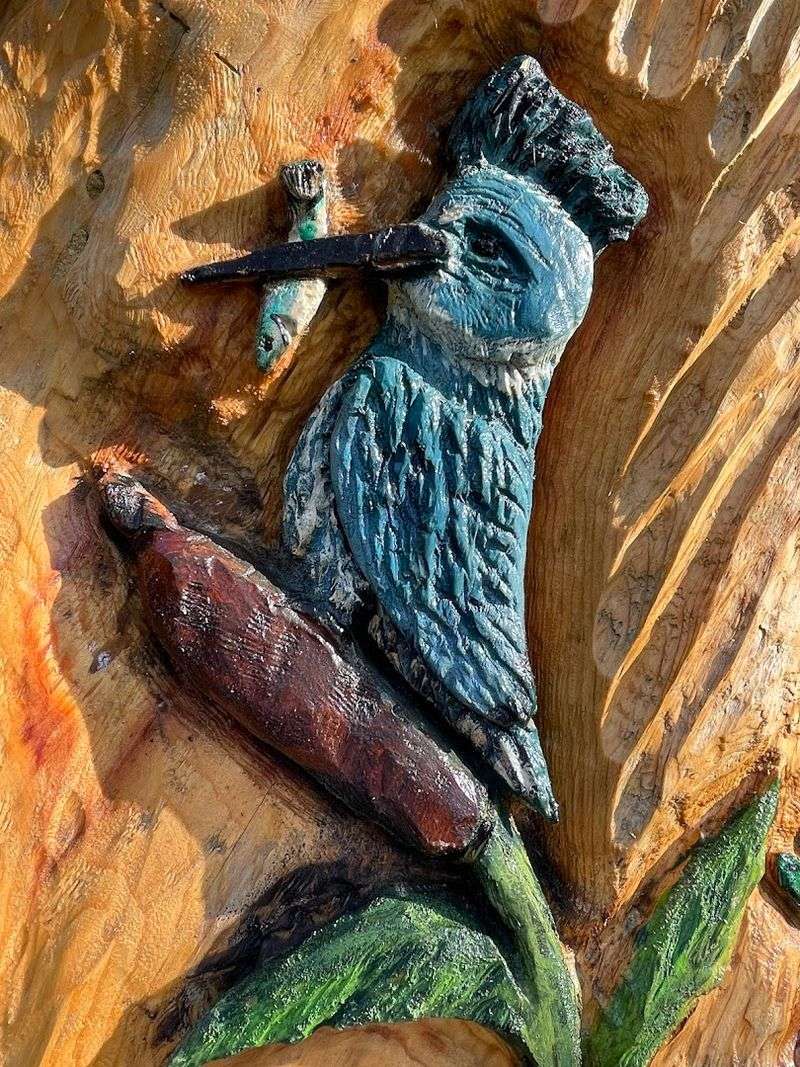
Behind every carved owl, leaping salmon, and painted wildflower is a real person with a story to tell. The artist roster for Wood Carving, OR, reads like a who’s who of Pacific Northwest folk and fine art, with contributors ranging from professional sculptors to self-taught hobbyists who picked up a chainsaw later in life.
Some pieces are signed at the base, giving visitors a chance to look up the artist and learn more about their background. A few local favorites have carved multiple pieces across town, and spotting their recurring style becomes a fun game for repeat visitors.
The community takes real pride in nurturing new talent. Each year, at least a few spots are reserved for emerging artists who apply through an open call process.
This keeps the collection fresh and ensures that younger voices from Wood Carving, OR, and the broader Oregon art community have a place in the gallery. Watching a new carving take shape during the annual event is one of the most memorable experiences the town has to offer.
Wildlife Carvings That Stop You in Your Tracks
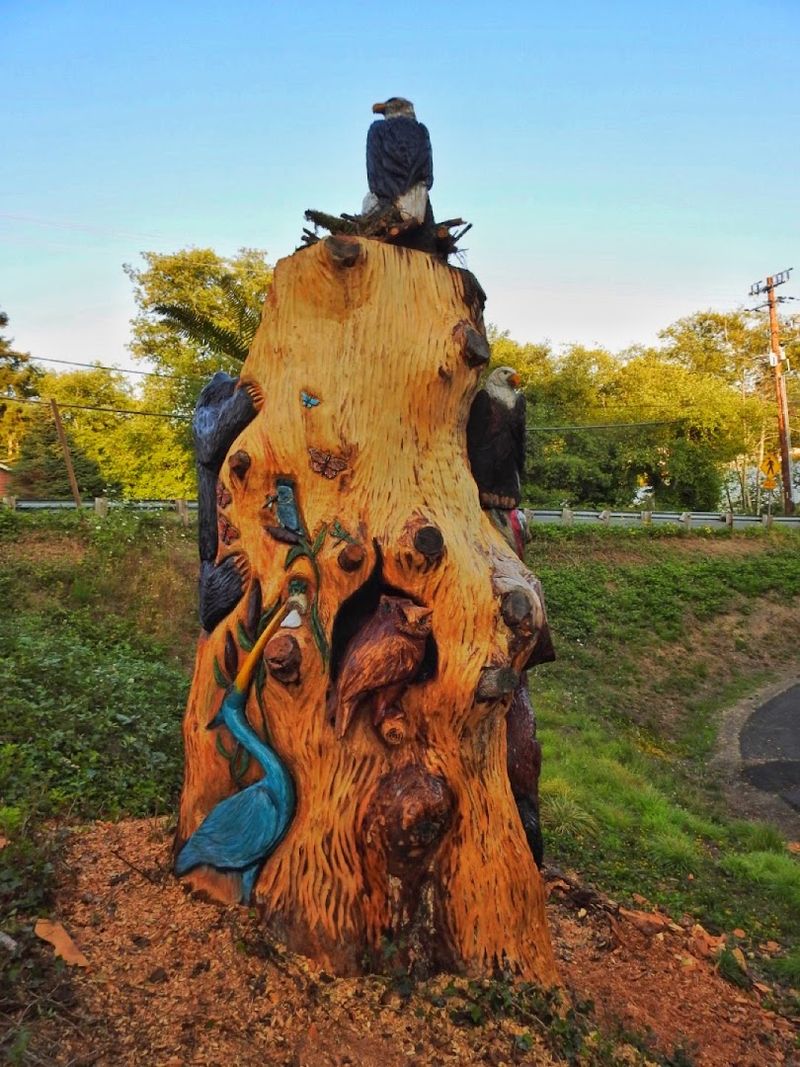
Oregon’s natural world is the single biggest source of inspiration for the carvings in Wood Carving, OR. Bears, eagles, otters, elk, and salmon appear again and again in forms so detailed and lifelike that first-time visitors sometimes do a genuine double take.
The wildlife carvings are not just decorative, they serve as gentle reminders of the ecosystems that surround the town. Several pieces are paired with small informational plaques that describe the species depicted, their role in the local environment, and conservation efforts underway in Oregon.
It gives the gallery an educational layer that parents especially appreciate when visiting with kids.
One of the most photographed pieces in the entire collection is a towering great blue heron carved into a trunk near the riverside park. The bird’s wingspan stretches across the full width of the trunk, and the painted blue-gray feathers catch the light differently depending on the time of day.
Standing next to it for a photo has become something of a rite of passage for anyone who visits Wood Carving, OR.
Carvings That Celebrate Local History

Not every carving in Wood Carving, OR, looks to the natural world for its subject matter. A significant portion of the collection is dedicated to the town’s own history, capturing moments, figures, and landmarks that shaped the community over generations.
One particularly striking piece depicts early Oregon settlers making their way along a forest trail, their figures carved in profile against a painted sunset sky. Another honors the logging industry that once dominated the local economy, showing a timber crew at work with tools that look almost too real to be wood.
These historical carvings serve as a living timeline, placed along streets in roughly chronological order so that walking the route feels a bit like flipping through a picture book of the town’s past. Local historians collaborated with artists to ensure accuracy in costume, setting, and detail.
The result is a collection of pieces that residents feel personally connected to, and that visitors find genuinely informative. History rarely looks this good standing at the side of a road.
The Role of Color in the Collection

Chainsaw carving alone would make this collection impressive, but the paint is what transforms it from interesting to unforgettable. The artists of Wood Carving, OR, use exterior-grade acrylic paints and sealants that are designed to withstand Oregon’s famously wet winters without fading or peeling.
Color choices are rarely accidental. Artists spend time researching the natural hues of their subjects, whether that means studying reference photos of a specific bird species or consulting with local botanists about wildflower pigments.
The result is a palette that feels both vivid and grounded in the real world.
Seasonal light in Oregon plays a fascinating role in how the colors read throughout the year. On a bright summer afternoon, the reds and yellows practically glow.
On a misty November morning, the deeper blues and greens seem to absorb the fog and become even more atmospheric. Regular visitors often say that returning to the same carvings in different seasons is like seeing entirely new works of art.
The town leans into this idea by scheduling its annual unveiling event in early autumn, when the surrounding foliage adds a natural backdrop that no gallery wall could replicate.
Best Times to Visit Wood Carving, OR
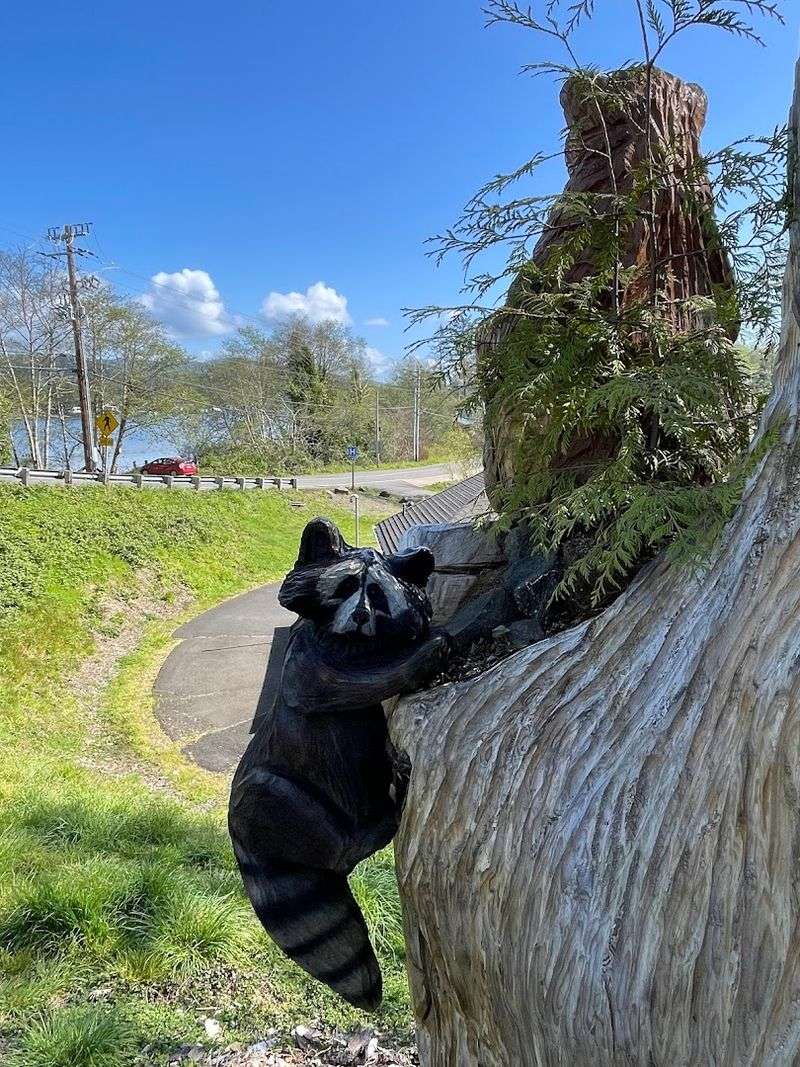
Oregon’s weather has a reputation for being unpredictable, and that reputation is mostly earned. That said, Wood Carving, OR, is genuinely worth visiting in any season, with each time of year offering its own particular kind of charm.
Late spring and early summer bring long daylight hours and dry conditions that make extended walking tours comfortable. The greenery is lush, and many of the wildlife carvings look especially striking against a backdrop of fresh foliage.
Summer weekends can draw larger crowds, so arriving early in the morning gives you the best chance of having the carvings mostly to yourself.
Autumn is the most visually dramatic season, hands down. The combination of painted trunks and turning leaves creates a color palette that feels almost too good to be real.
Winter visits have their own quiet appeal, with the mist and rain adding a moody, atmospheric quality to the carved figures. Spring is when the town starts gearing up for its annual carving event, and the energy in Wood Carving, OR, picks up noticeably as artists prepare new pieces for the upcoming season’s reveal.
Family-Friendly Fun Along the Carving Trail
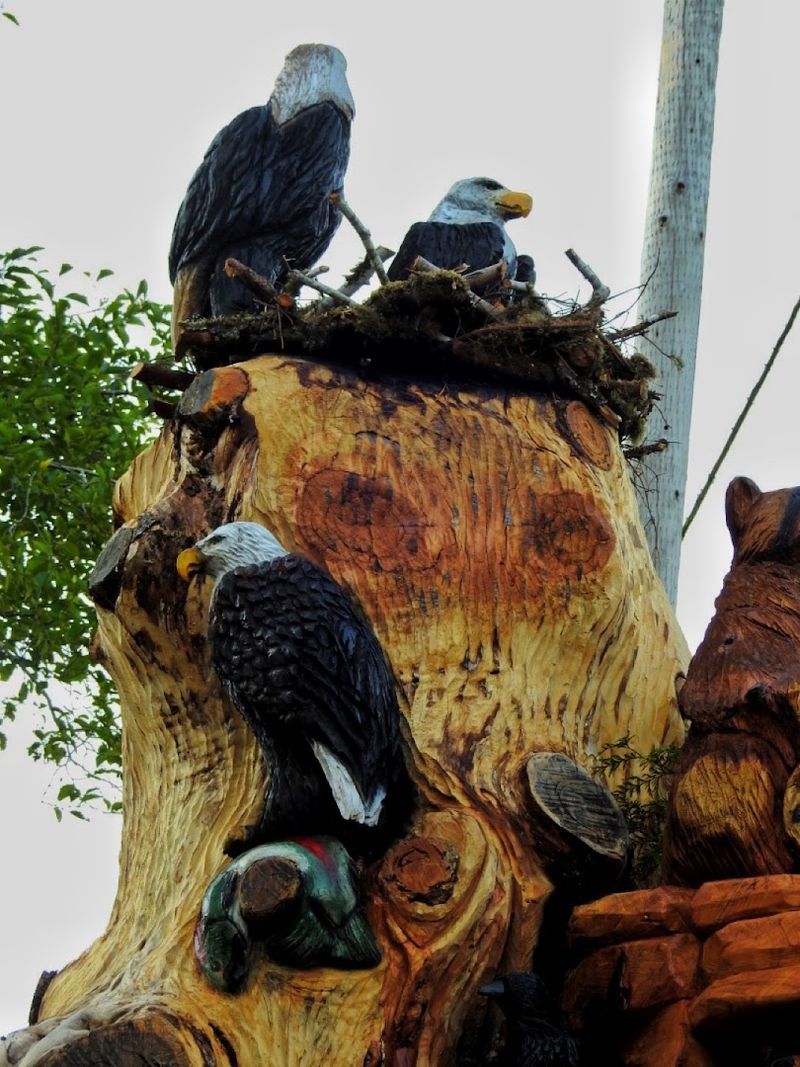
Few outdoor attractions manage to hold a child’s attention for two full hours, but the carving trail in Wood Carving, OR, consistently pulls it off. The sheer variety of subjects, from friendly cartoon-style animals to detailed historical scenes, gives kids something new to react to around every corner.
The town has developed a scavenger hunt map specifically for younger visitors. Kids are tasked with finding specific carvings, identifying animals, and counting recurring symbols hidden throughout the collection.
It turns the walk into a game, and the focused searching means children often spot details that adults walk right past.
Parents appreciate that the entire trail is free to access, stroller-friendly, and located along streets with plenty of benches and rest spots. A few local cafes and snack shops are positioned conveniently along the route, making it easy to fuel up mid-walk without straying far from the trail.
The combination of fresh air, visual stimulation, and interactive elements makes this one of the most genuinely kid-approved activities in the Oregon region, and parents tend to enjoy it just as much as their children do.
Share this story