 Unearth The Voyage
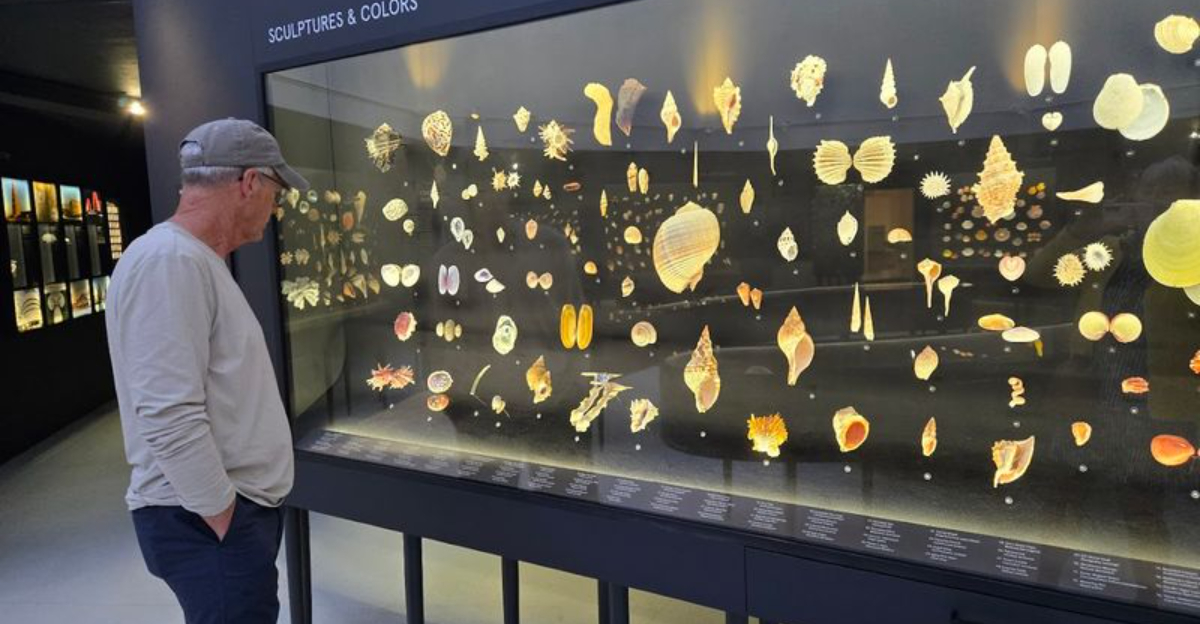
Sanibel Island is already famous for some of the best shelling beaches in the world, but there is one place on the island that takes that obsession to a whole new level. Tucked along the main road, this museum is the only one in the United States dedicated entirely to shells and the creatures that make them.
Two floors of exhibits, live aquariums, touch tanks, keeper talks, and yes, guided shelling walks led by actual marine biologists are all waiting for you here. Whether you have five minutes or five hours of curiosity about the ocean, this place will stretch it into something truly memorable.
Where It All Begins: Address and First Impressions
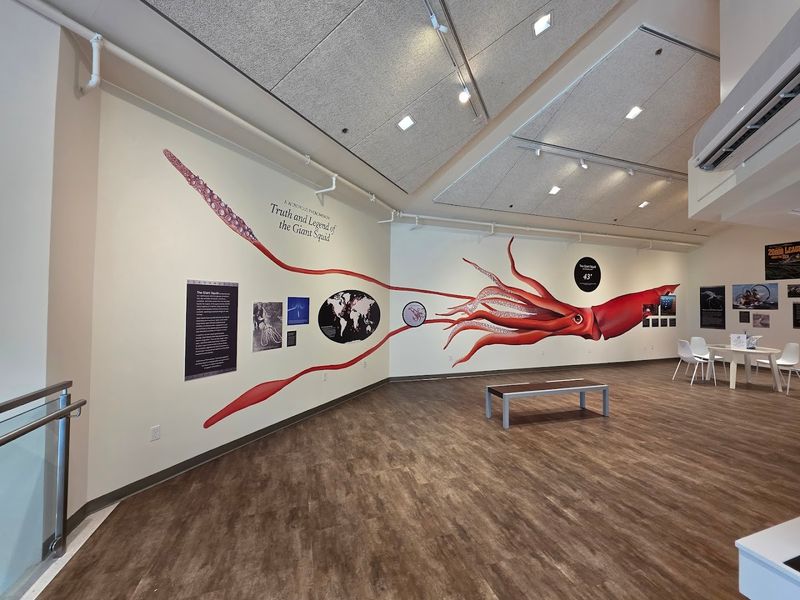
The moment you pull up to 3075 Sanibel Captiva Rd, Sanibel, the building itself hints at something special waiting inside. The exterior is clean and welcoming, framed by Florida greenery that already puts you in a coastal mindset before you even reach the front door.
The Bailey-Matthews National Shell Museum and Aquarium is the only museum in the entire United States dedicated exclusively to shells and the mollusks that create them. That single fact alone makes this stop unlike anything else on the island, or really anywhere in the country.
Open daily from 10 AM to 5 PM, with admission priced at $25 for adults and discounts available for children, teachers, students, and first responders, the museum is genuinely built for everyone.
The Great Hall of Shells: A Room That Stops You in Your Tracks
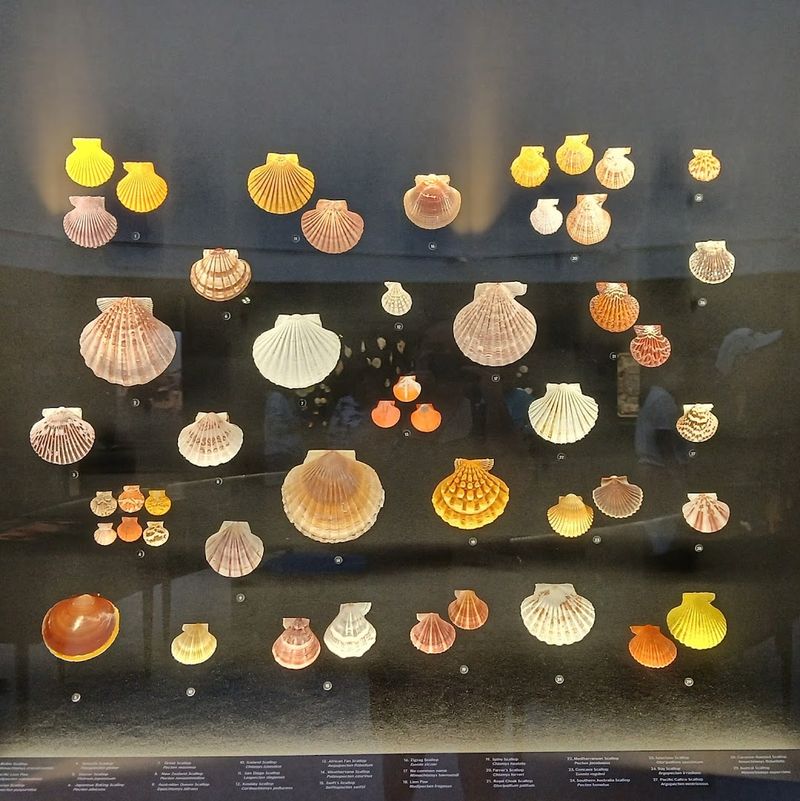
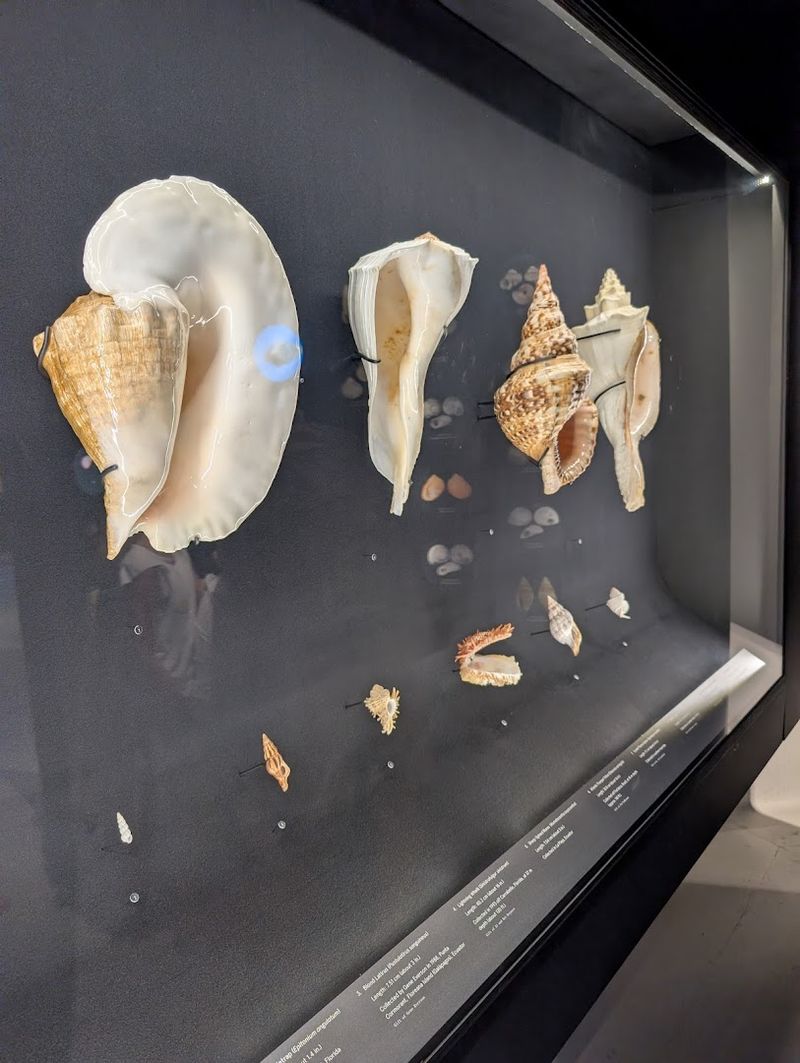
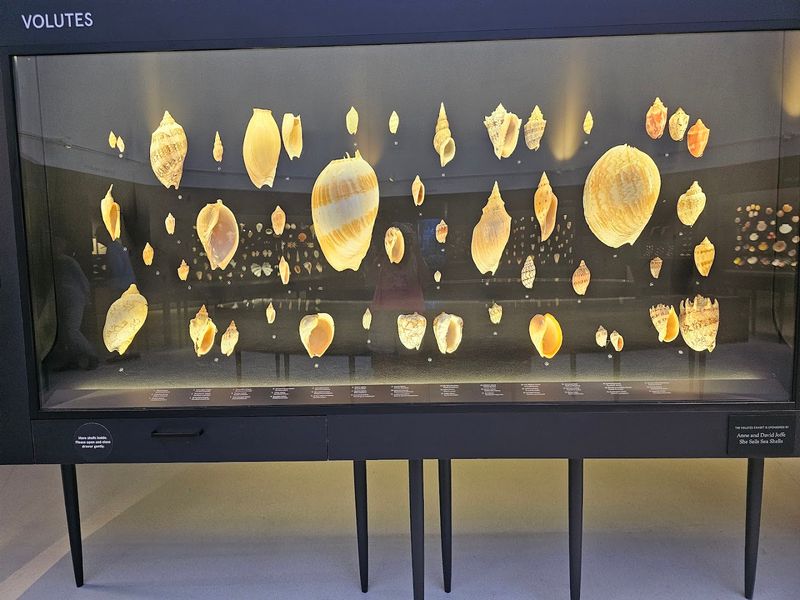
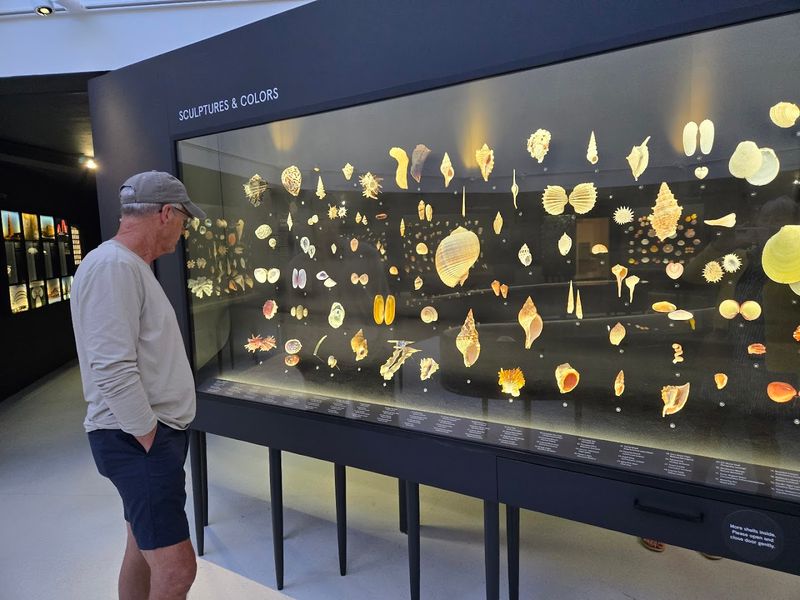
Nothing quite prepares you for the moment you walk into the Great Hall of Shells on the second floor. The circular room is lined with hundreds of specimens, and the sheer variety of shapes, colors, and sizes is genuinely jaw-dropping.
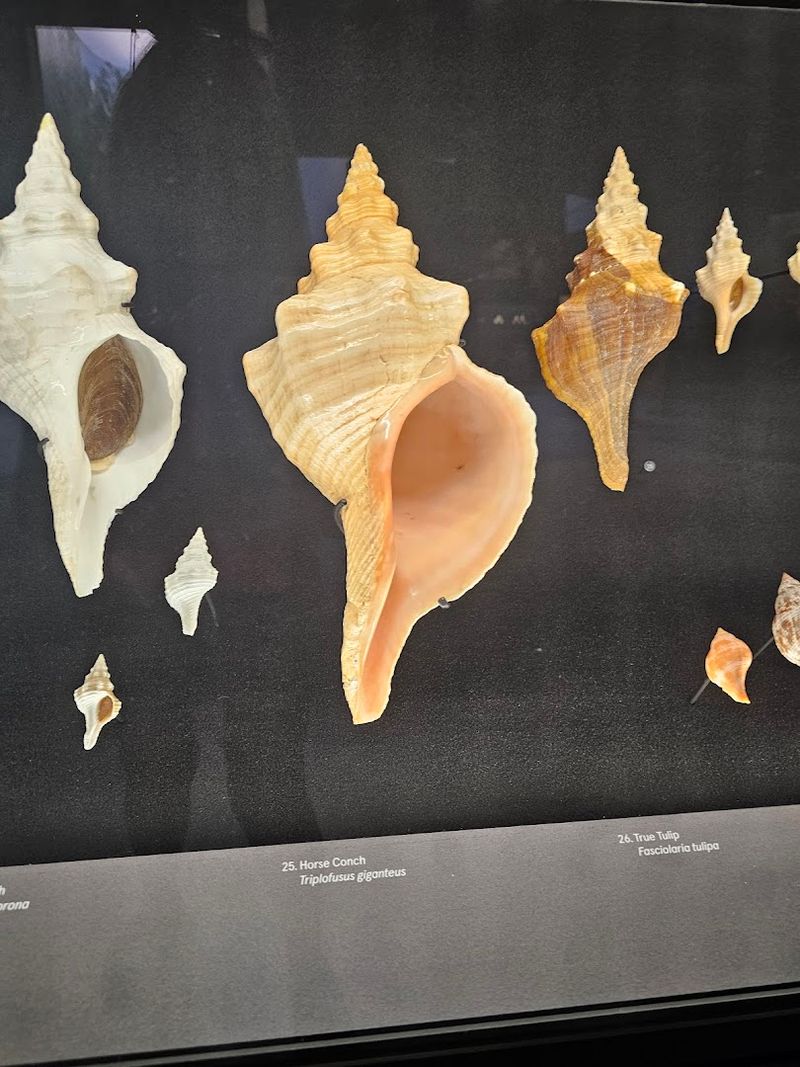
Shells from every corner of the world fill the cases, from delicate spirals smaller than a fingernail to massive conch shells that look like they belong in a fantasy novel. The displays are thoughtfully spaced, giving you room to linger and actually read the detailed signage that accompanies each specimen.
A particularly memorable highlight is the junonia display, which celebrates one of Sanibel’s most prized and rarely found shells. The hall is currently undergoing a Phase 2 expansion, meaning the collection is only going to grow.
Right now, it is already more than worth the trip upstairs.
The Aquarium Level: Where Living Ocean Creatures Steal the Show
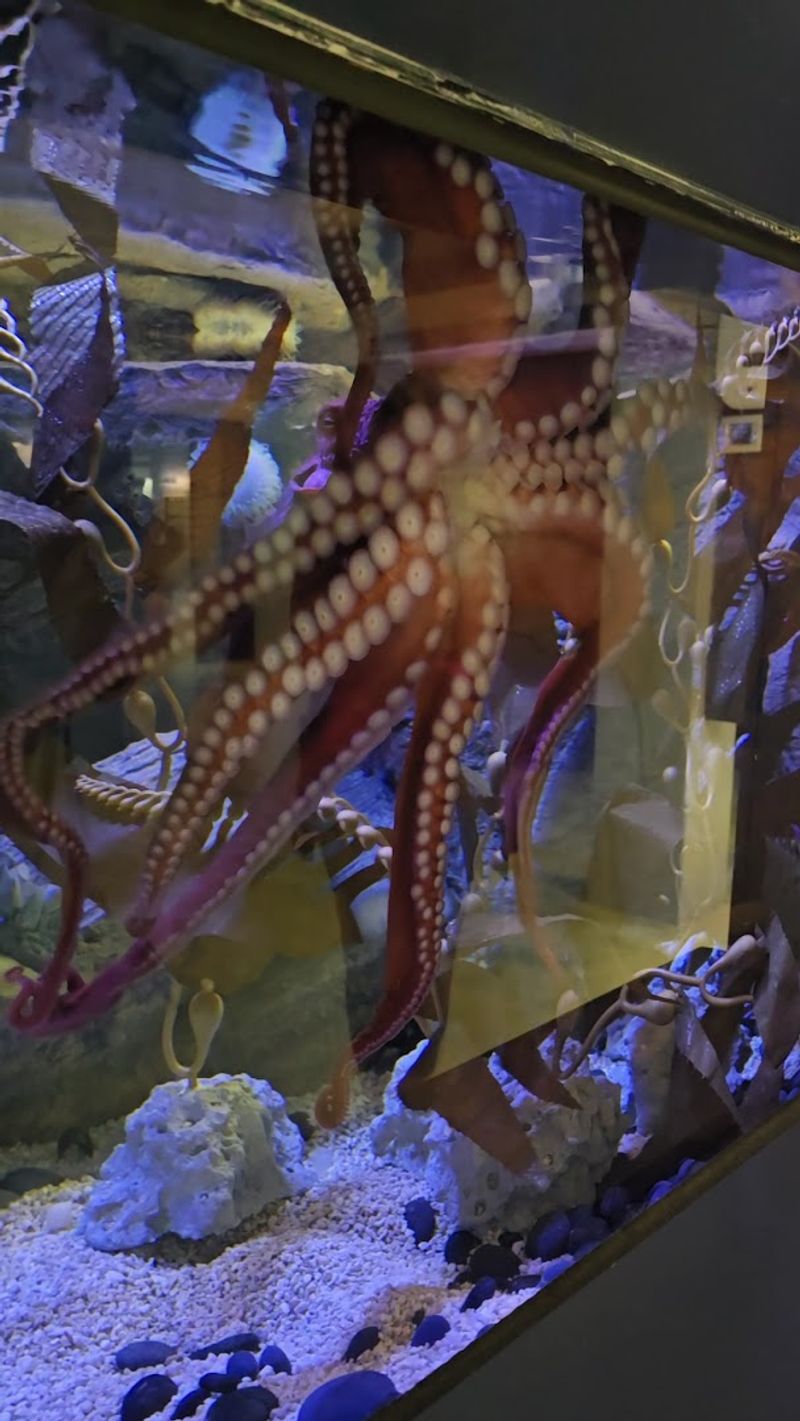
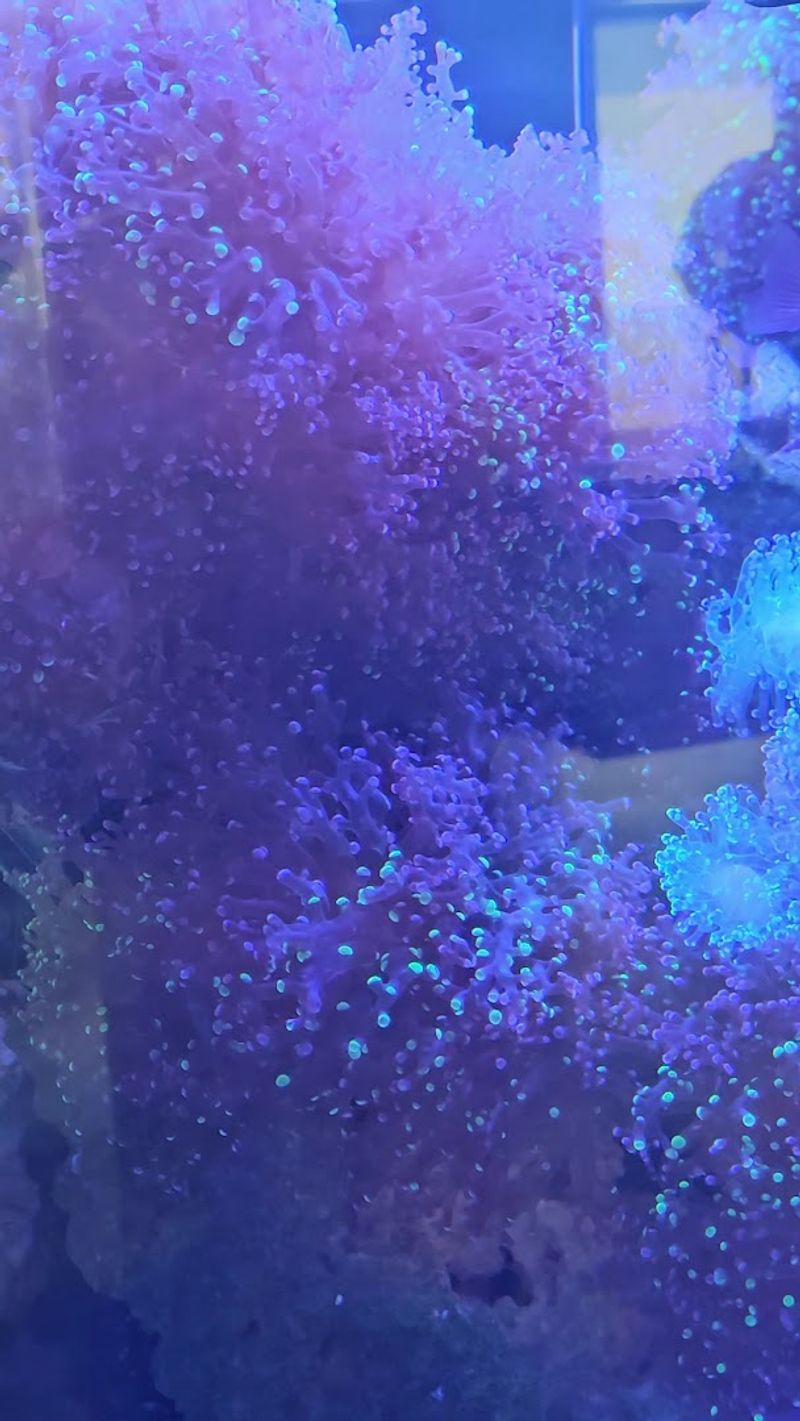
Head downstairs and the museum transforms into something closer to a compact aquarium experience. Several tanks line the lower level, each filled with living marine creatures that bring the science of shells to life in a very immediate way.
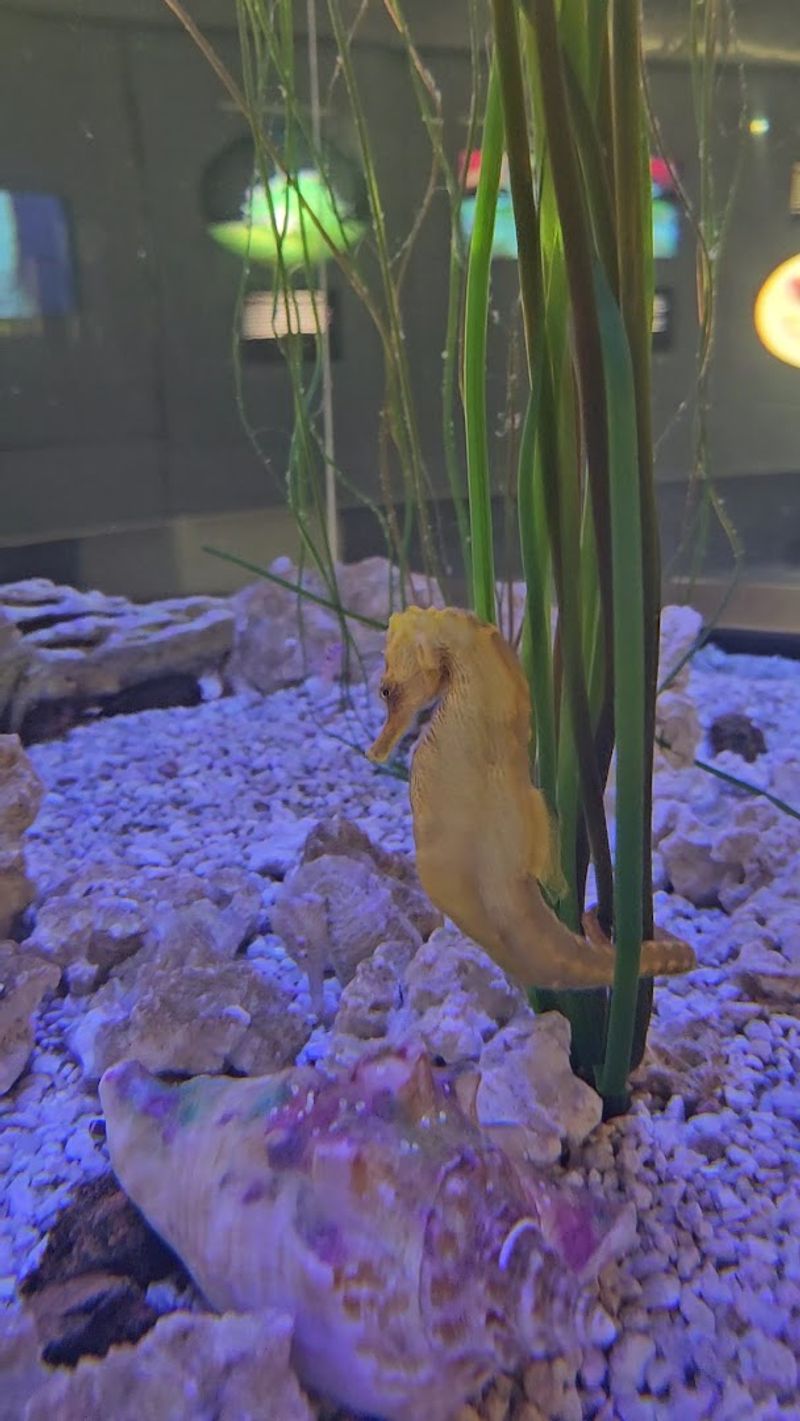
Clownfish and their look-alike companions from the Finding Nemo franchise draw instant recognition from kids, while the seahorse tank tends to stop adults in their tracks too. The seahorses are small, graceful, and endlessly fascinating to watch as they drift through the water.
The star of the lower floor, though, is the Giant Pacific Octopus display. Keeper talks are held regularly around this tank, and the aquarist leading the session clearly loves what they do.
Watching someone explain octopus behavior with genuine enthusiasm is one of those small travel moments that sticks with you long after you leave the island.
Touch Tanks: Hands-On Learning That Kids and Adults Both Love
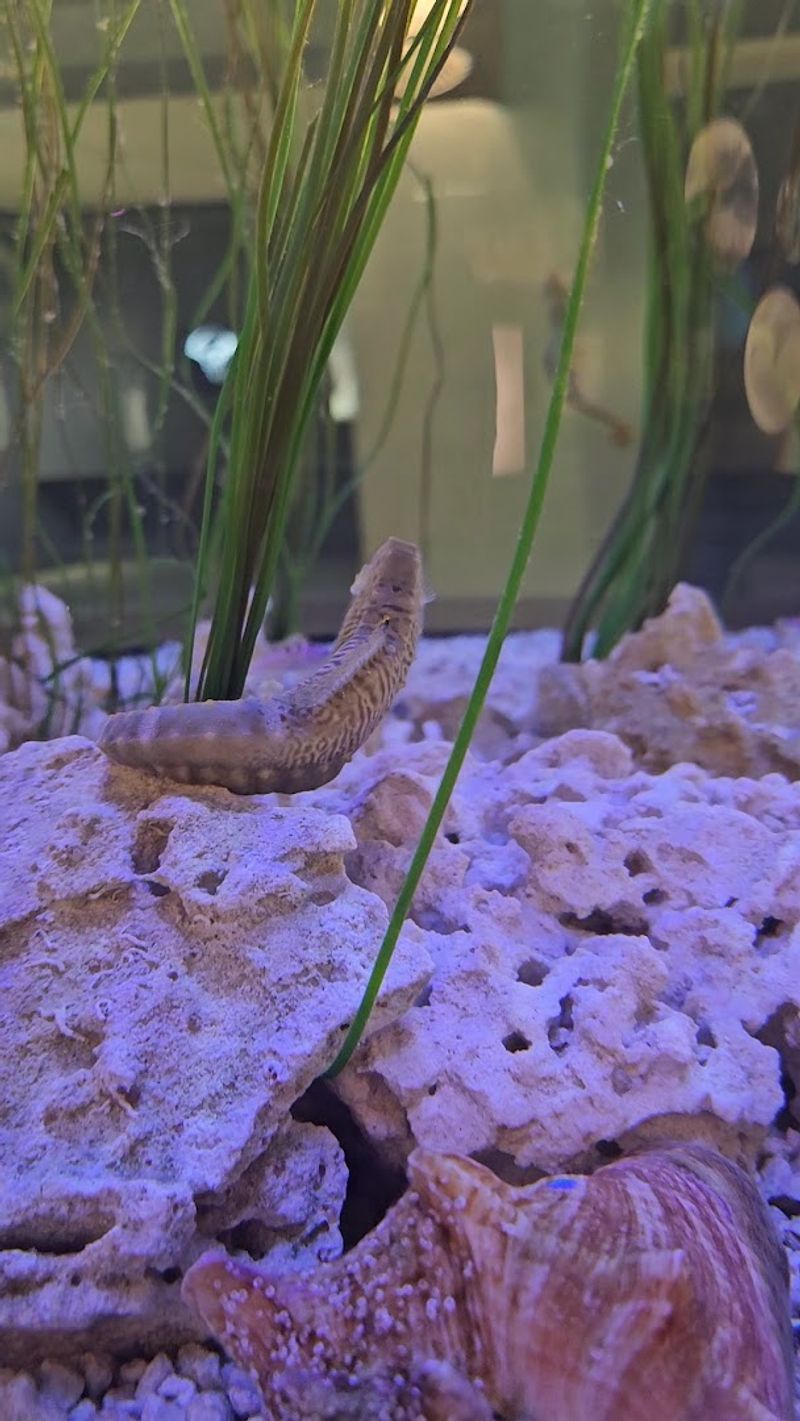
There is something almost magical about being allowed to touch the exhibits, and the museum leans into that fully with its dedicated touch tank area. Most museums keep everything behind glass, so the chance to actually feel a live moon snail or a sea hare is genuinely rare.
The museum runs two separate touch tanks, alternating the animals between them so the creatures get regular rest breaks. That small detail says a lot about how seriously the staff takes animal welfare alongside visitor education.
Docents stand nearby, ready to answer questions and guide curious hands in the right direction. The staff here are consistently enthusiastic and knowledgeable, happy to go deep on marine biology topics if you ask the right question.
For families with young children especially, this hands-on corner of the museum tends to become the most talked-about part of the whole visit.
Guided Shelling Walks with Marine Biologists: The Experience Worth Planning Around
Here is where this museum separates itself from every other stop on the island. The guided shelling walks led by real marine biologists are not just a fun add-on, they are a genuinely educational experience that reframes how you look at every shell on the beach.
Having a trained scientist walk beside you and explain what you are holding, which creature made it, how it lived, and why it washed up where it did transforms a casual beach stroll into something that feels like a private science class with the best possible classroom.
These walks are especially popular among adults who already love shelling but want to understand the biology behind what they find. Check the museum’s website at shellmuseum.org or call ahead to confirm walk schedules and availability, as spots can fill up quickly during the busy season on Sanibel.
The Cuban Polymita Display: A Small Exhibit with a Big Story
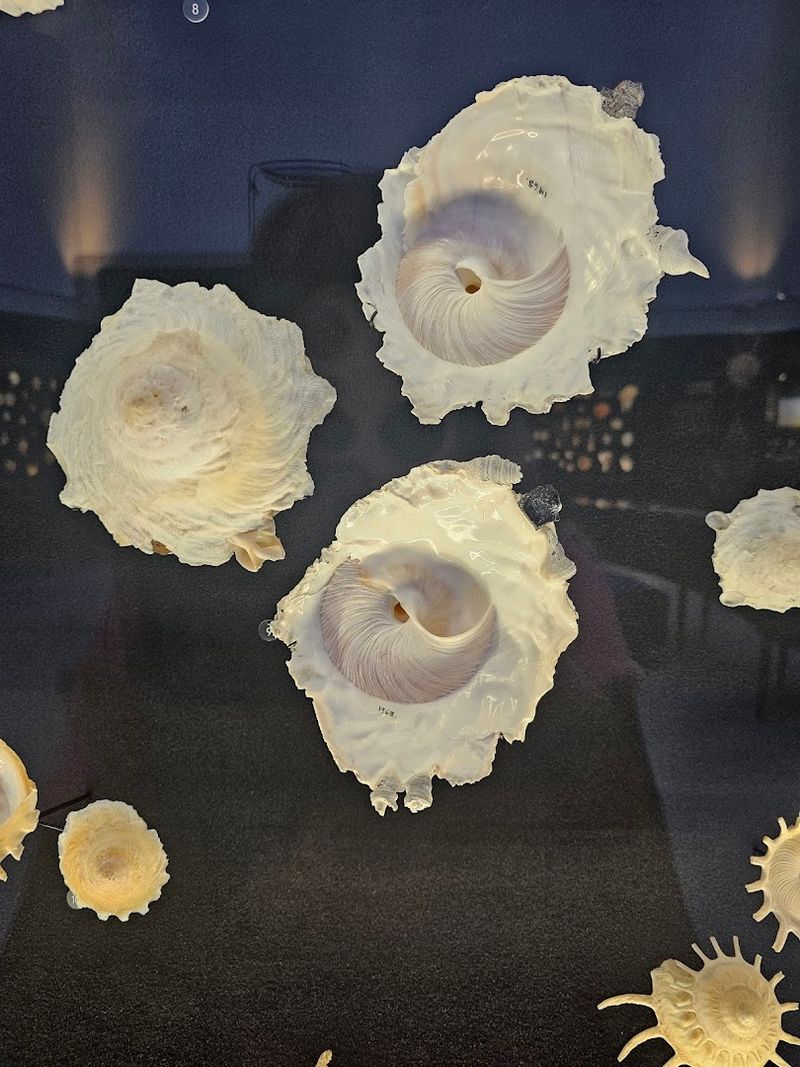
Tucked within the larger shell collection is one exhibit that tends to stop visitors mid-stride: the Cuban Polymita display. These are not ocean shells at all, but land snail shells from Cuba, and they are some of the most vividly colored natural objects you will ever see.
Swirling patterns of orange, yellow, green, and white cover each shell in combinations that look almost painted by hand. The Polymita picta is actually considered one of the most colorful land snails on earth, and seeing a curated collection of them together in one place is a visual experience unlike anything else in the museum.
The exhibit is thoughtfully presented with context about the snail’s habitat and conservation status, adding a layer of depth that goes beyond just admiring pretty objects. It is the kind of display that makes you want to learn more the moment you walk away from it.
The Shell and Fashion Exhibit: Where Nature Meets Human Creativity
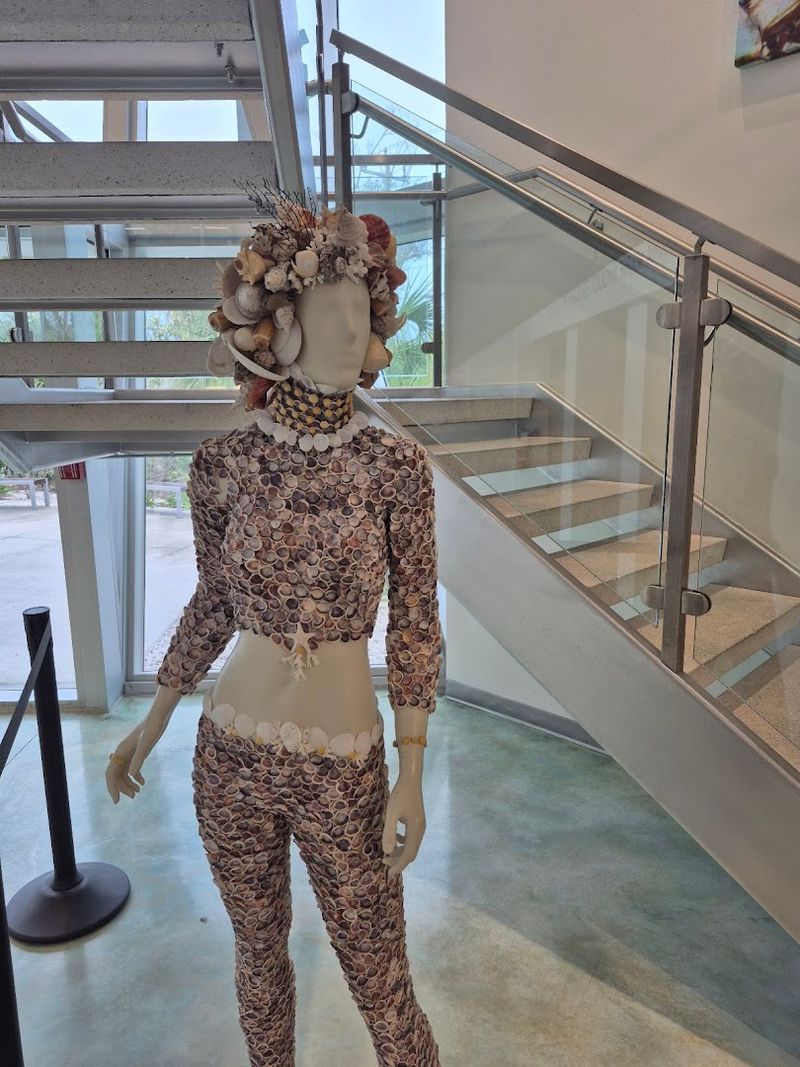
One of the more unexpected highlights on the second floor is the exhibit exploring how shells have been woven into human fashion and culture across centuries. It is a perspective shift that most visitors do not anticipate, and it lands with real impact.
From ancient jewelry to ceremonial garments to modern accessories, the display traces the long relationship between humans and the shells they have collected, traded, and transformed. Shells have functioned as currency, symbols of status, and artistic materials across dozens of cultures and time periods.
Seeing that history laid out with actual artifacts and clear, readable signage makes the exhibit feel less like a side note and more like a core part of the museum’s mission. It is a reminder that shells are not just beautiful objects on a beach but have shaped human civilization in ways most of us never stop to consider.
The Discovery Cart and Interactive Elements for Younger Visitors
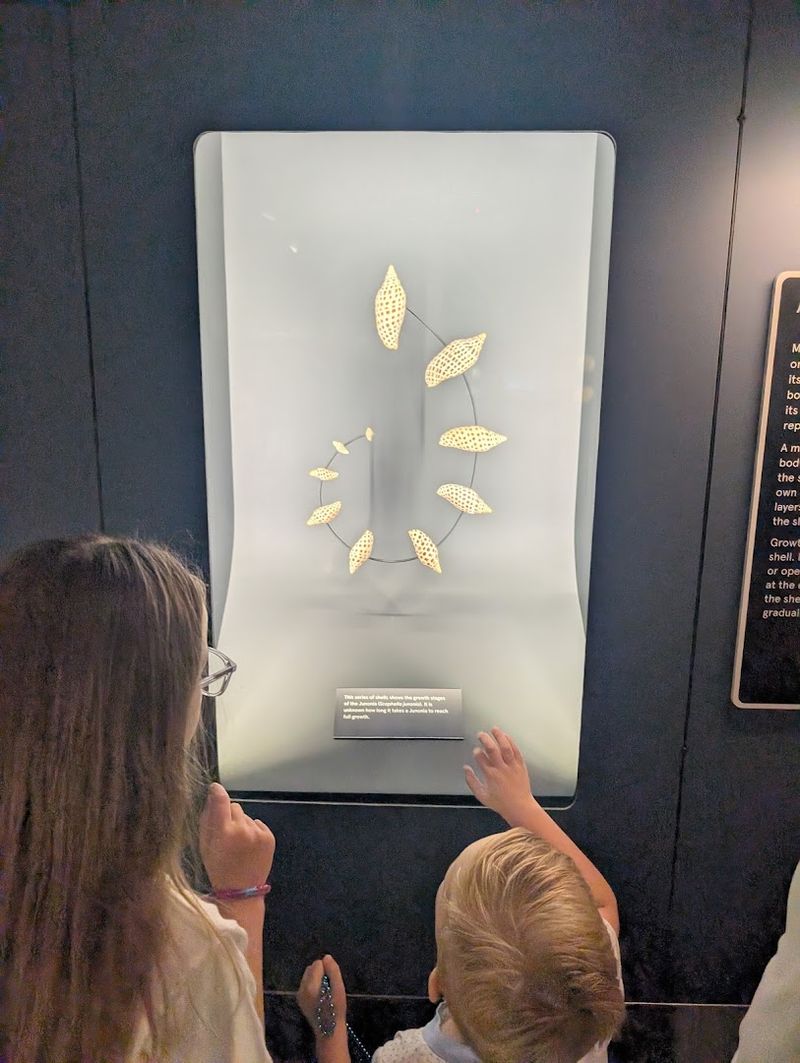
Bringing young children to a museum can feel like a gamble, but this one is genuinely set up to keep kids engaged from the moment they arrive. The discovery cart is a roving station where staff members bring shells and specimens directly to visitors, turning passive observation into active curiosity.
Kids are encouraged to pick things up, ask questions, and handle real specimens under guided supervision. That kind of tactile engagement holds attention in a way that reading labels simply cannot, especially for children under ten.
The museum also runs a scavenger hunt that gives younger visitors a structured way to explore the space at their own pace. Completing the hunt earns a free shell at the end, which is a small reward that feels surprisingly meaningful to a seven-year-old who just spent two hours learning where shells actually come from.
The Educational Film: Twenty Minutes That Reframe Everything
Before or after exploring the shell galleries, make time for the short film playing on a loop near the second-floor exhibits. At around twenty minutes long, it is easy to underestimate, but it turns out to be one of the most effective parts of the entire museum experience.
The film covers the museum’s conservation mission, the science of how shells form, and the ecological role that mollusks play in ocean health. It is produced with enough visual quality to hold adult attention while remaining clear enough for older kids to follow along.
Watching it after touring the exhibits rather than before tends to work well, since you arrive with specific questions already forming in your mind. The film answers many of them in a way that feels satisfying rather than academic.
It is a quiet twenty minutes that adds real substance to everything else you have already seen.
The Library and Art Gallery: A Quieter Corner Worth Exploring
Not everyone knows the museum includes a modest library and a small art gallery, and that is a shame because both spaces deserve more foot traffic than they typically get. The library holds a curated selection of books on marine biology, conchology, and ocean science, with comfortable seating that invites you to slow down.
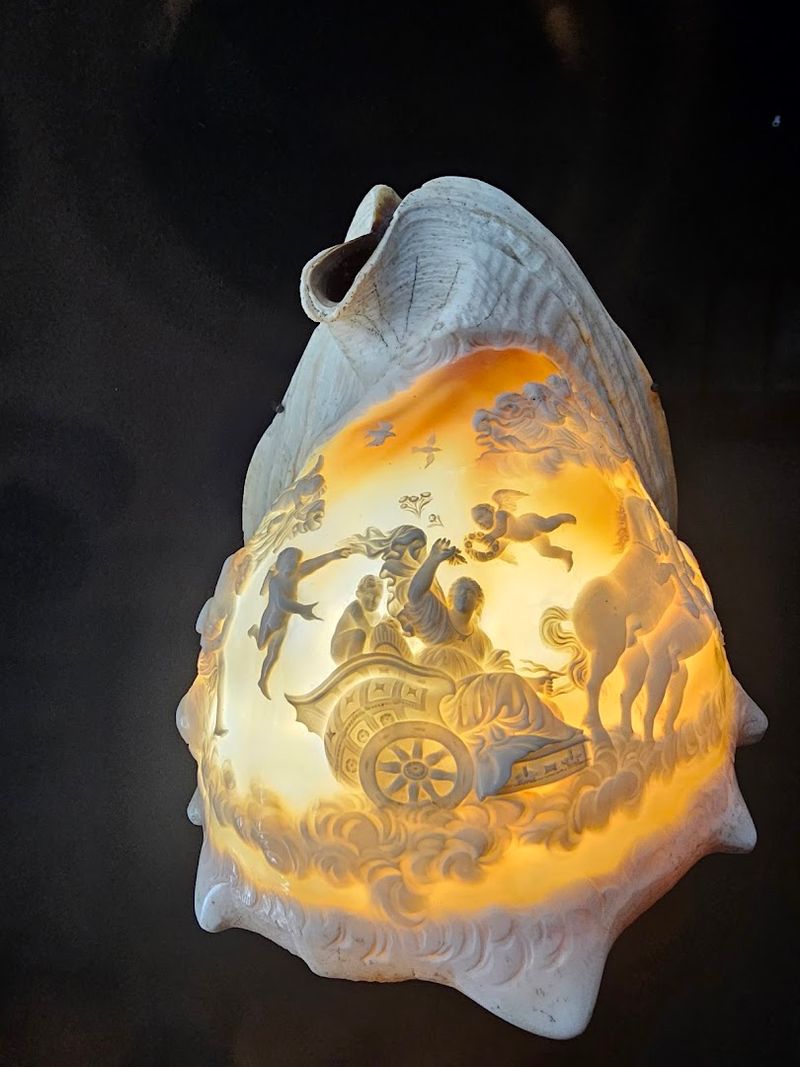
The art gallery features shell-inspired work that ranges from scientific illustration to more interpretive pieces. It is a nice change of pace after spending time absorbing facts and specimens, and it gives the creative side of the brain something to chew on.
For visitors who appreciate a quieter moment amid the bustle of a family-friendly museum, this corner of the second floor offers exactly that. It is also a good spot to find a gift shop book recommendation, since the library and the well-stocked shop share some of the same titles.
The Giant Pacific Octopus: One Animal That Commands the Whole Room
Few things in any museum generate the kind of collective reaction that a Giant Pacific Octopus does. The one housed at the shell museum is the kind of creature that makes you forget you were in the middle of a conversation.
The aquarist presentations around this tank are among the best informal science talks I have sat through anywhere. The educator covers octopus intelligence, camouflage, anatomy, and behavior in a way that is both accurate and genuinely entertaining.
You walk away with a new appreciation for how sophisticated these animals actually are.
The museum rotates its octopus residents periodically, which means the specific individual you see may differ from visit to visit. That unpredictability is part of the appeal.
Each animal has its own personality, and the staff is happy to tell you what the current resident has been up to if you ask them directly.
Staff and Docents: The People Who Make the Experience
A museum is only as good as the people working in it, and this one has clearly put serious thought into staffing. The docents are knowledgeable, approachable, and genuinely passionate about marine life in a way that comes through immediately when you engage them in conversation.
Several exhibit stations are staffed throughout the day, meaning you rarely have to search for someone to answer a question. The staff are also refreshingly willing to get specific, going beyond the basics on the signs if you show genuine curiosity about a topic.
One thing that stands out is the culture of permission the museum promotes. Signs throughout the building tell visitors which shells are okay to touch, which is unusual in a museum setting and signals a real commitment to hands-on engagement over passive display.
That philosophy runs through every interaction with the staff as well, making the whole visit feel welcoming rather than formal.
Practical Tips: What to Know Before You Go
A few logistical details can make your visit run much more smoothly. The museum is open daily from 10 AM to 5 PM, and arriving closer to opening time on weekdays tends to mean smaller crowds and easier access to the touch tanks without a wait.
Admission is $25 for adults, with reduced pricing for children, teachers, students, and first responders. A survey currently available at the museum can earn you a free return visit pass, which is worth asking about at the front desk.
Budget roughly two to three hours for a thorough visit, though an hour is enough for a lighter pass-through.
Be aware that there is a toll to cross the bridge onto Sanibel Island, so factor that into your travel plans. Parking at the museum is straightforward, and the address at 3075 Sanibel Captiva Rd plugs cleanly into any navigation app without confusion.
Why This Museum Belongs on Every Sanibel Itinerary
Sanibel has a lot competing for your time, from world-class beaches to wildlife refuges to excellent local dining. The shell museum earns its place on the itinerary not by competing with those things but by adding a layer of understanding that makes everything else on the island richer.
After spending two hours here, the shells you find on the beach the next morning mean something different. You know what made them, how they formed, and why Sanibel’s unique geography makes it such a productive shelling destination.
That context is genuinely hard to get anywhere else.
For rainy days, hot afternoons, or anyone traveling with a mix of ages from toddlers to grandparents, this museum works on every level. The combination of live animals, interactive exhibits, expert staff, and the guided shelling walks makes it one of the most complete educational experiences available anywhere on Florida’s Gulf Coast.



