 Unearth The Voyage
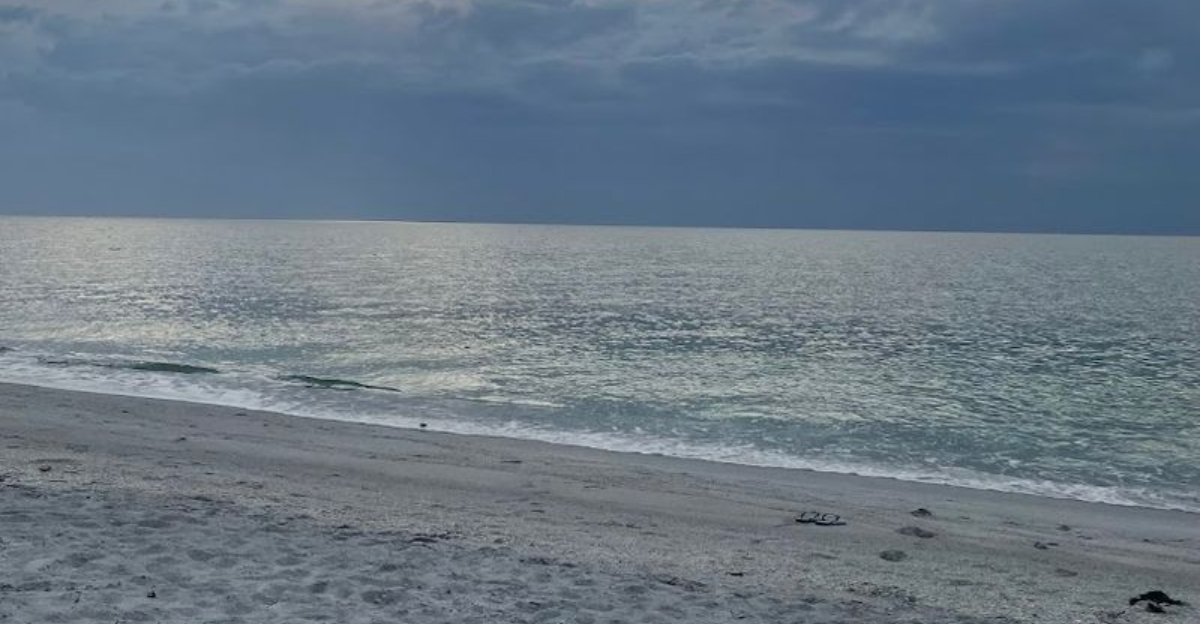
There is a barrier island off the southwest coast of Florida where the beaches are so quiet you can hear the waves breathing. No roads lead there, no bridges connect it to the mainland, and that is exactly the point.
You reach it only by private boat or charter, which means the crowds that pack nearby beaches simply never show up. What you get instead is nine miles of Gulf shoreline, forests of cabbage palms, trails that wind through untouched wilderness, and shelling that will make you wonder why you ever bothered with souvenir shops.
This is old Florida the way it existed before the condos and the traffic lights, and once you set foot on it, you will understand why people keep coming back season after season.
Getting There: The Boat Ride Is Part of the Adventure
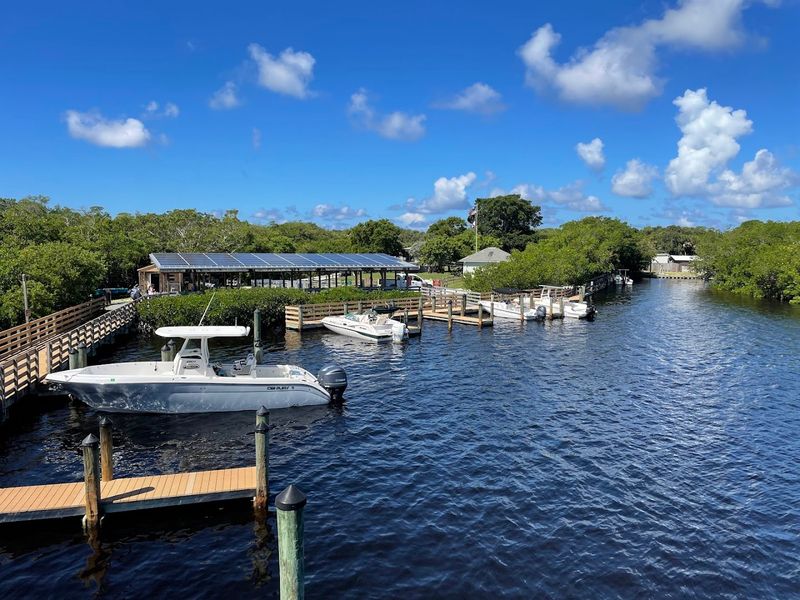
Reaching Cayo Costa State Park is not like pulling into a parking lot. The island sits off Captiva, accessible only by private boat or charter vessel, and that short trip across the Gulf changes your mindset before you even step ashore.
Charter companies run trips from Pine Island and Captiva, giving you options depending on where you are staying. The ride itself is worth paying attention to, with dolphins frequently spotted alongside the boat and pelicans gliding overhead like they own the airspace.
Plan to arrive early, especially during winter months when the park draws its biggest crowds. Dock space is limited, and the rangers will tell you the same thing every time: early birds get the best spots.
The park is open daily from 8 AM to 5 PM, and you can reach the office at 941-964-0375 for current access details.
Nine Miles of Gulf Beach With Almost No One On Them
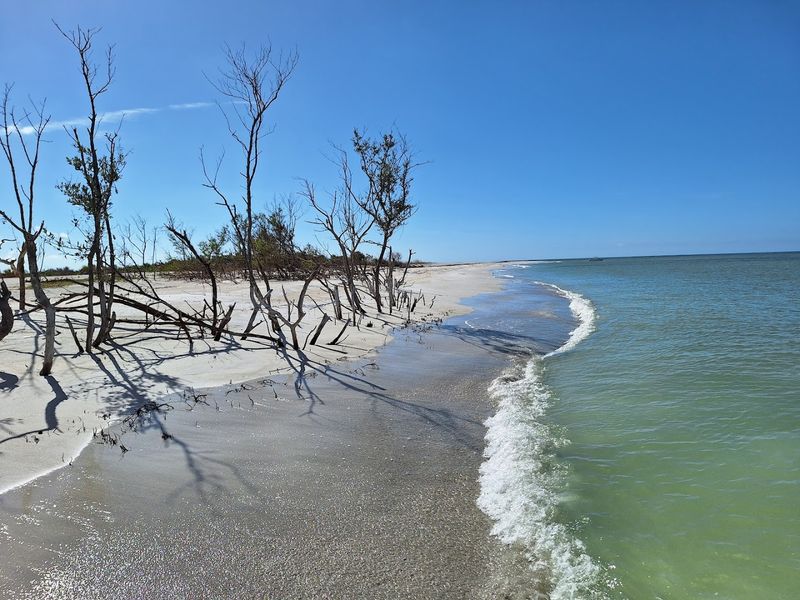
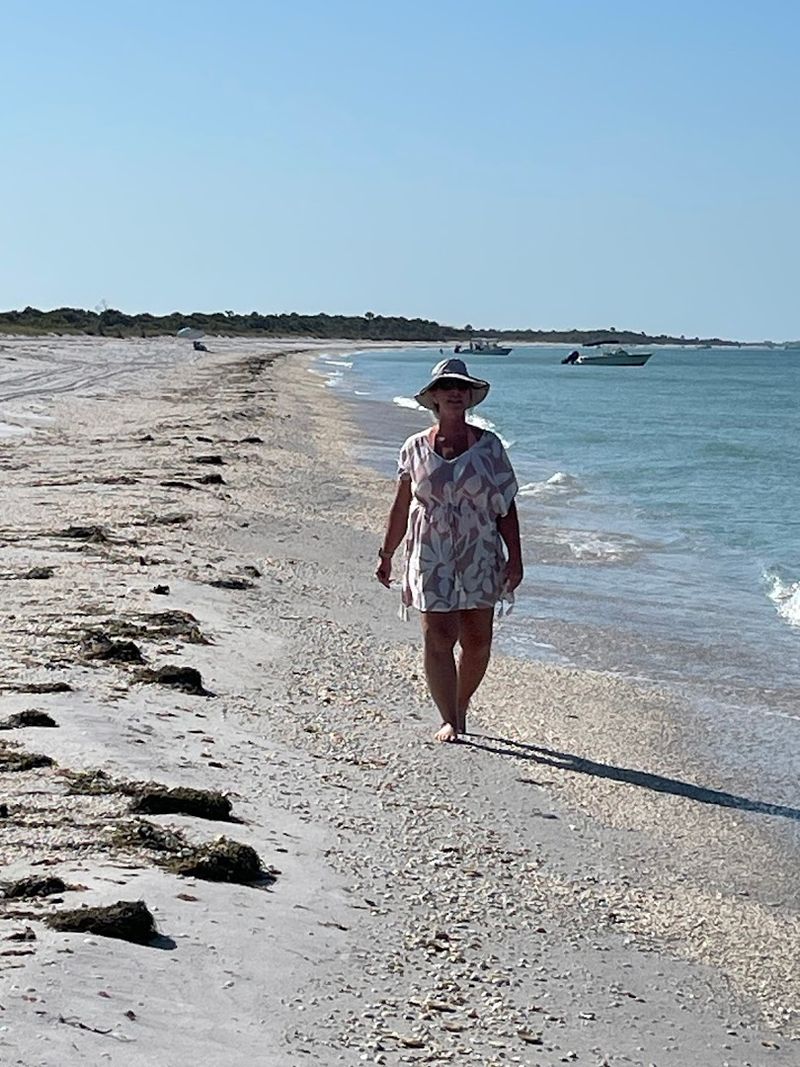
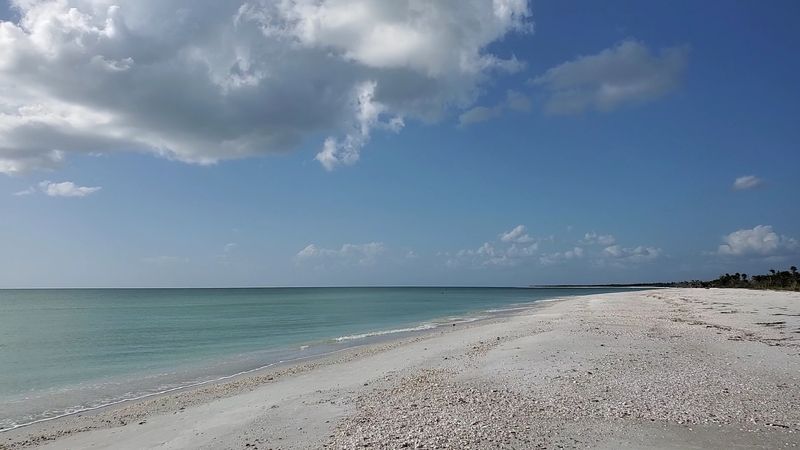
Few things in Florida still surprise people, but nine miles of uncrowded Gulf beach tends to do it. At Cayo Costa State Park, the shoreline stretches so far in both directions that even on a busy weekend day, you can walk a few minutes and feel completely alone.
The sand here is soft and pale, the water shifts from green to blue depending on the light, and the lack of development means no beach chairs for rent, no jet ski noise, and no umbrella vendors. You bring what you need and you take it back with you.
Weekday visits feel almost surreal in their quietness. The Gulf breeze keeps the temperature manageable, and the only soundtrack is water and birds.
For anyone who has spent time on overcrowded Florida beaches wondering where the real thing went, this stretch of coastline answers that question clearly.
Shelling That Collectors Travel Hours to Experience
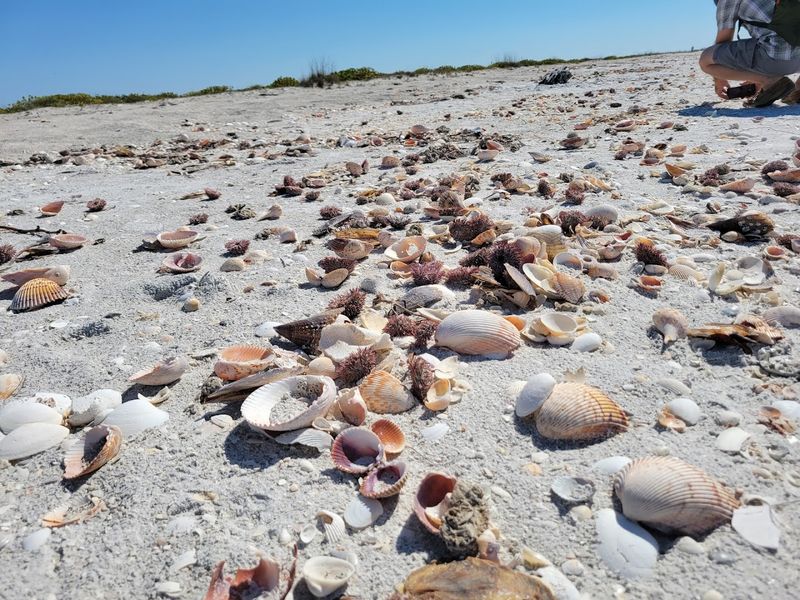
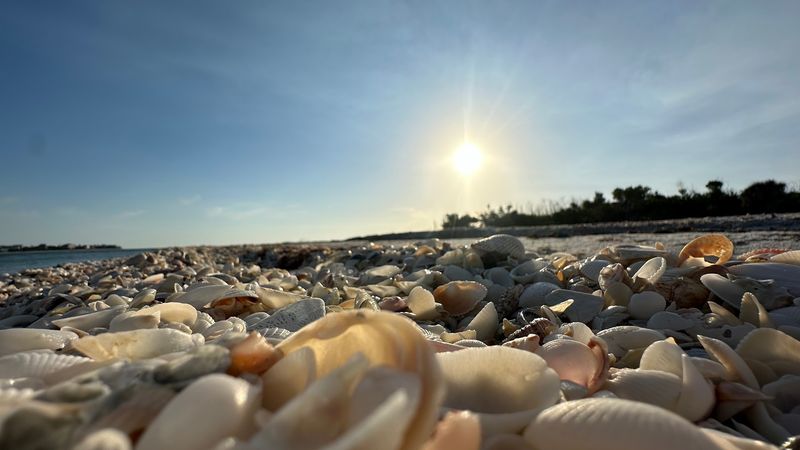
Shell collectors treat Cayo Costa the way serious hikers treat national parks: with reverence and a little obsession. The island sits at a geographic sweet spot where Gulf currents push shells onto the beach in remarkable quantities, and the low foot traffic means fewer people have already picked through what the tide left behind.
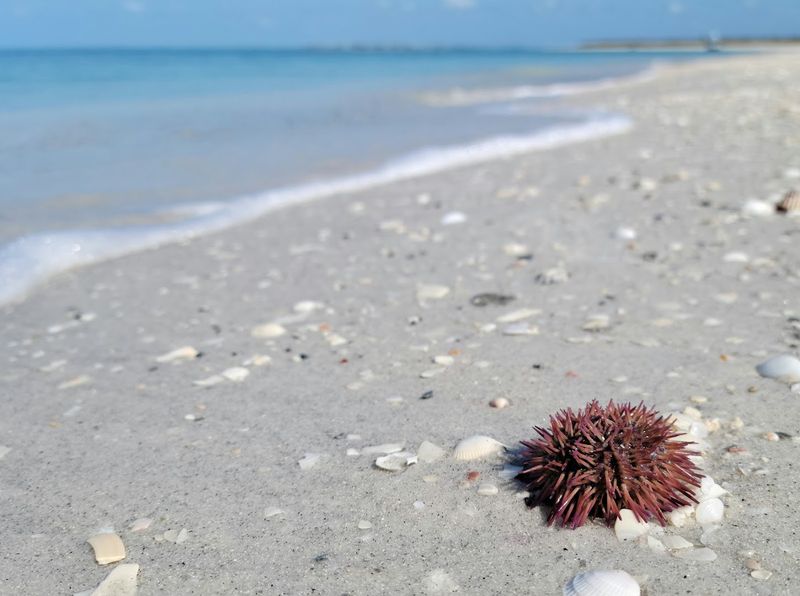
Lightning whelks, horse conchs, sand dollars, tulip shells, and the rare junonia all make appearances here. Early morning after a storm is considered prime time, when fresh deposits cover the waterline and the light is still low enough to catch the colors easily.
Bring a mesh bag and wear shoes you do not mind getting wet, because the best finds often sit just at the waterline or in shallow water. The shelling alone justifies the boat trip for many visitors, and it is hard to argue with them once you see what washes up.
The Trails That Show You the Other Side of the Island
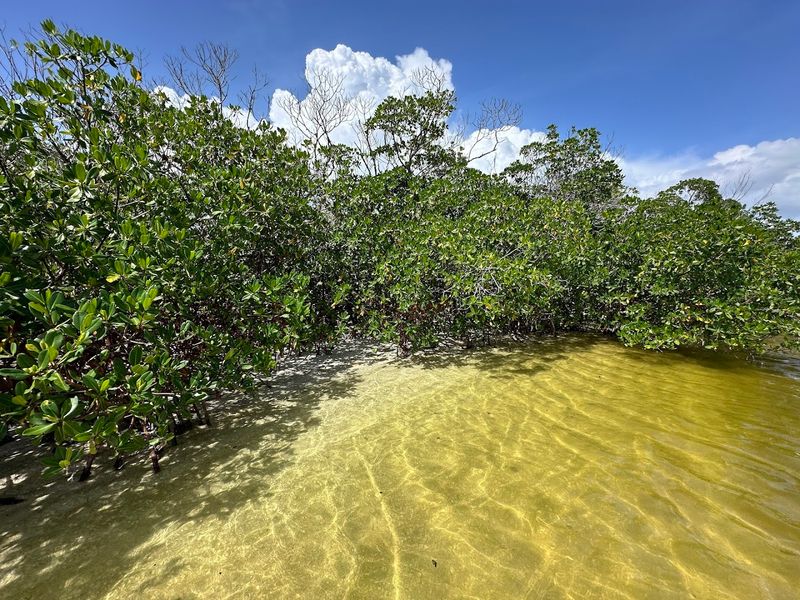
Most visitors head straight for the Gulf beach and never look back, which means the trail system at Cayo Costa stays pleasantly quiet. The park covers roughly 2,400 acres, and the trails cut through pine flatwoods, oak hammocks, and mangrove edges, giving you a completely different experience from the open beach.
The contrast between the two sides of the island is striking. The Gulf side offers wide open sand and big water views, while the bay side presents calmer, shallower water and dense coastal vegetation.
The trails connect these worlds, and wildlife sightings along the way are common.
Renting a bike from the park is the smartest move if you want to cover serious ground. The park is large enough that walking everywhere eats up your whole day before you see even half of it.
Rangers provide maps at the dock, and they are genuinely helpful when you ask for route suggestions.
Camping on a Remote Island With No Electricity
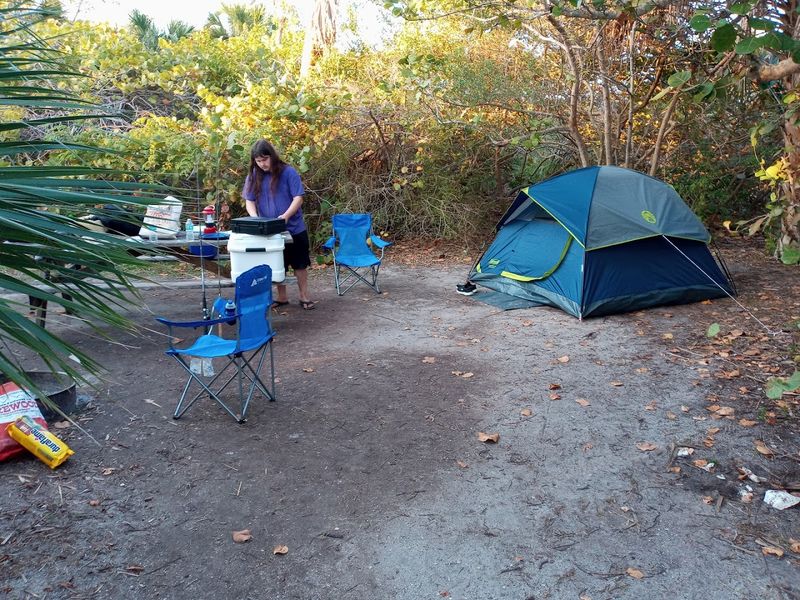
Camping at Cayo Costa is not for people who need their creature comforts lined up in a row. The primitive tent sites offer no electricity, limited shade in some spots, and a walk of about 20 minutes to the camp store.
What they do offer is complete immersion in a barrier island ecosystem that most people never experience.
The smell of saltwater drifts through the palms at night, and the darkness is genuine because there are no nearby city lights. Stargazing from a beach chair here is the kind of experience that makes you reconsider how you normally spend your evenings.
Pack everything you need before you arrive, because the small camp store carries basics but not much else. Ice and firewood are available on the island, which saves you one packing headache.
Reservations fill up fast, especially from November through April, so booking well in advance is not optional.
Cabin Rentals for a Rustic but Comfortable Stay
For visitors who want the island experience without sleeping on the ground, Cayo Costa offers a small number of rental cabins. These are not luxury accommodations by any definition, but they deliver something more valuable: a dry roof, a bed, and walls between you and the no-see-ums at night.
The cabins are simple and small, with minimal furnishings and limited power. Some have electricity; others do not.
Either way, the point is not the cabin itself but what surrounds it: palm trees, salt air, and the knowledge that you are on a remote island most people will never visit.
Guests who have stayed in the cabins consistently mention that the lack of electricity became a non-issue within a few hours. You read, you walk the beach, you watch the sunset, and suddenly the idea of staring at a screen feels a little absurd.
Bookings go fast, so plan months ahead.
Wildlife Encounters That Catch You Off Guard
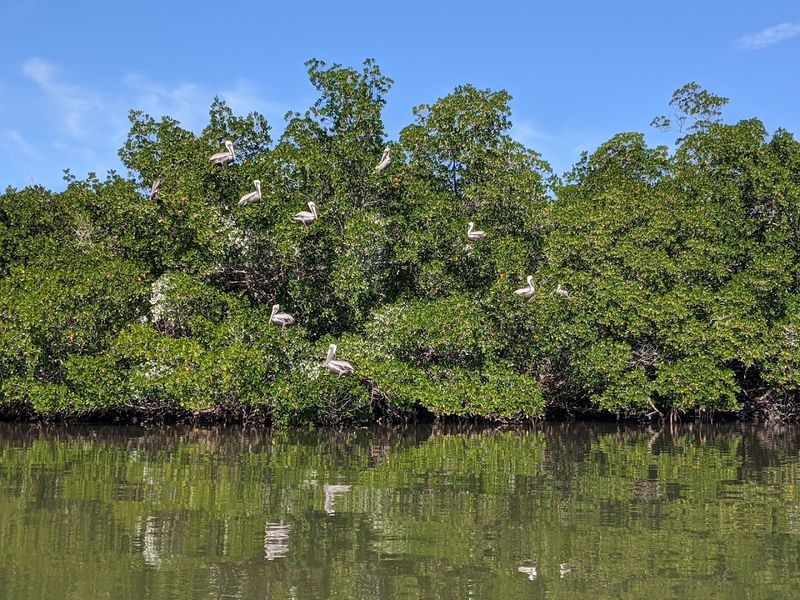
The wildlife at Cayo Costa operates on its own schedule, and it has no interest in performing for visitors. That unpredictability is exactly what makes it so rewarding.
Dolphins appear regularly in the waters around the island, sometimes coming close enough to swimmers that the encounter feels almost accidental.
Shorebirds are everywhere: roseate spoonbills, ospreys, great blue herons, and brown pelicans all use the island as a regular stop. Gopher tortoises dig their burrows along the trail edges, and if you move quietly, you can spot them going about their slow, deliberate business without spooking them.
The bay side of the island offers particularly good wildlife viewing during early morning hours. Manatees pass through the calmer waters seasonally, and the mangrove edges shelter juvenile fish, wading birds, and occasionally a river otter.
Bringing binoculars adds a whole layer of enjoyment that most first-time visitors wish they had thought of.
The Park Tram: Your Ride From Dock to Beach
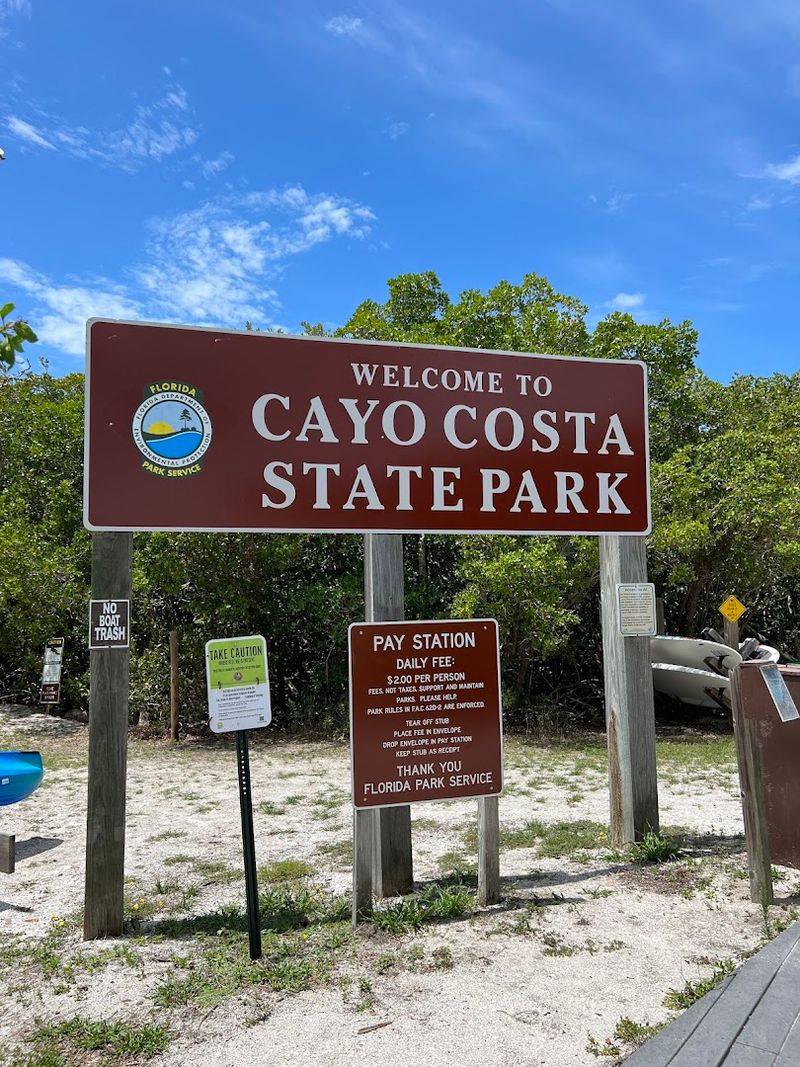
The walk from the dock to the Gulf beach takes roughly 15 to 20 minutes on well-maintained sandy paths, which is manageable for most people. For those who prefer not to make that trek multiple times a day, the park tram runs on a regular schedule and saves your legs for the beach itself.
The tram picks up and drops off at the dock, the campground, and the beach access area. Timing varies, so asking a ranger when you arrive about the current schedule is the smartest first move.
Missing the last tram back means a longer walk than expected with tired feet.
Some visitors have noted that the tram picks up for the ferry a bit earlier than necessary, leaving waiting time at the dock. Bringing a book or simply watching the bay while you wait turns that gap into a pleasant pause rather than a frustration.
The ride itself is short and scenic.
Dark Skies and Stargazing Far From City Lights
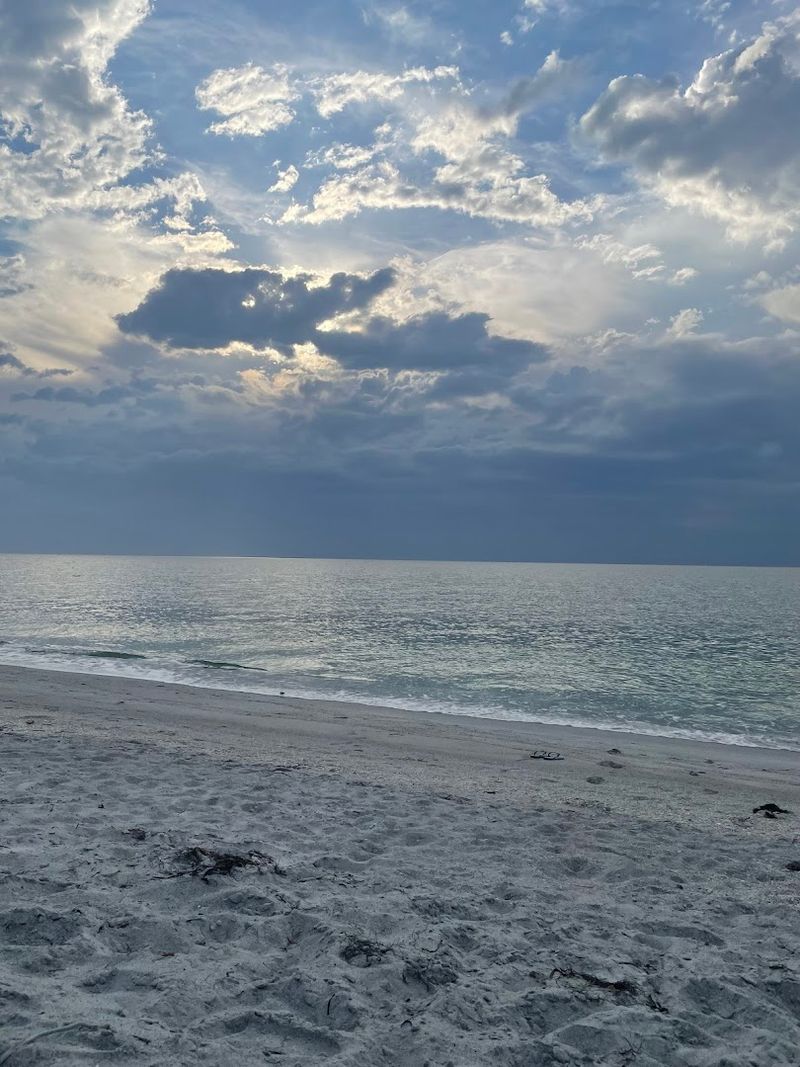
One of the quieter pleasures of staying overnight at Cayo Costa is what happens after the sun goes down. The island sits far enough from major population centers that light pollution is minimal, and on a clear night the sky opens up in a way that genuinely stops people mid-sentence.
The Milky Way is visible on moonless nights, and the sheer number of stars overhead can feel disorienting if you are used to suburban skies. Campers regularly mention stargazing as one of the highlights of their stay, often more memorable than they expected it to be.
A beach chair, a blanket for the cooler months, and patience are all you need. The sound of the Gulf in the background while you watch satellites drift across the sky is the kind of sensory combination that is hard to replicate anywhere else.
This is one of Florida’s most underrated nighttime experiences.
Bug Awareness: What Every Visitor Needs to Know
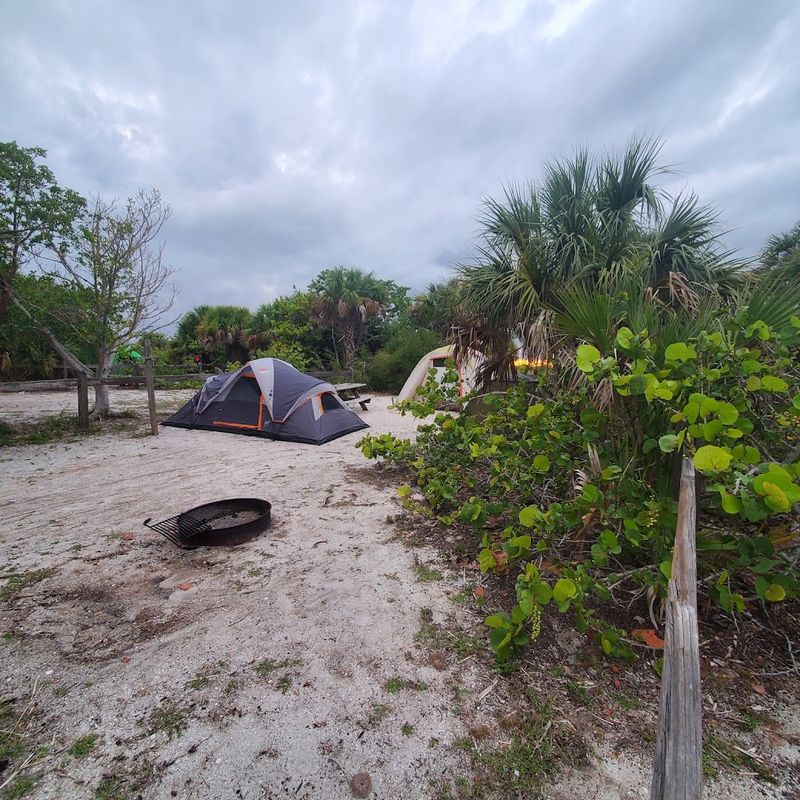
No honest account of Cayo Costa leaves out the bugs, and this one will not either. No-see-ums, also called sand flies or midges, are the main challenge on the island, particularly at dawn, dusk, and during summer months.
They are small enough to pass through standard tent screens and persistent enough to ruin an otherwise perfect evening.
High-DEET repellent helps but does not eliminate the problem entirely. Experienced campers bring battery-operated fans to keep air moving around their sleeping area, long pants for evenings, and fine-mesh netting designed specifically for no-see-ums.
Mosquitoes also appear, especially near the wooded trail areas.
The good news is that visitors who come prepared report the bugs as a manageable inconvenience rather than a trip-ending problem. Cooler months from November through March tend to be significantly better.
Knowing what to bring before you arrive makes the difference between a frustrating experience and a genuinely great one.
Kayaking and Fishing Around the Island’s Edges
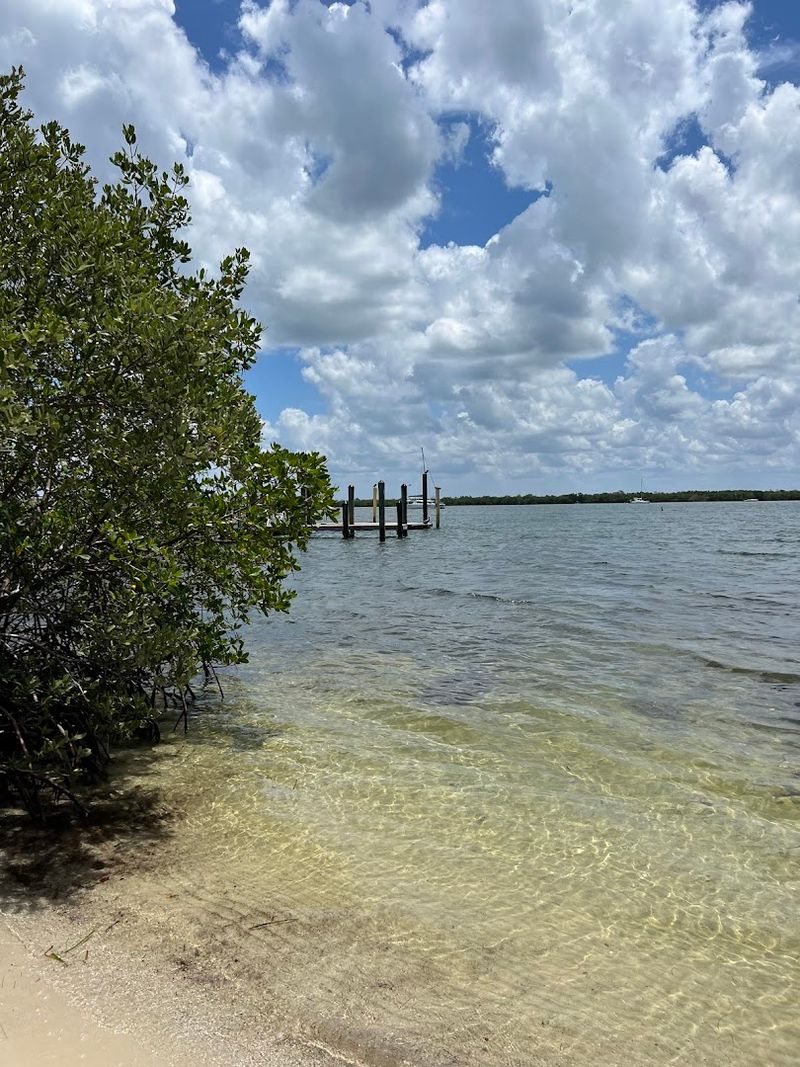
The bay side of Cayo Costa offers some of the most peaceful paddling in southwest Florida. Kayaks are available for rent at the park, and the calm, shallow water along the mangrove edges is well suited for both beginners and experienced paddlers who want to explore at a relaxed pace.
Fishing is another major draw, and the waters around the island produce redfish, snook, trout, and sheepshead depending on the season. Anglers who arrive by private boat often anchor just off the beach or work the mangrove shoreline on the bay side, where structure holds fish consistently.
Both activities give you a perspective on the island that the beach alone cannot. From a kayak, you see the mangroves up close, watch herons hunt in the shallows, and get a sense of just how large and varied the park really is.
Renting equipment on-site keeps the logistics simple.
What to Pack: A Practical Guide for First-Timers
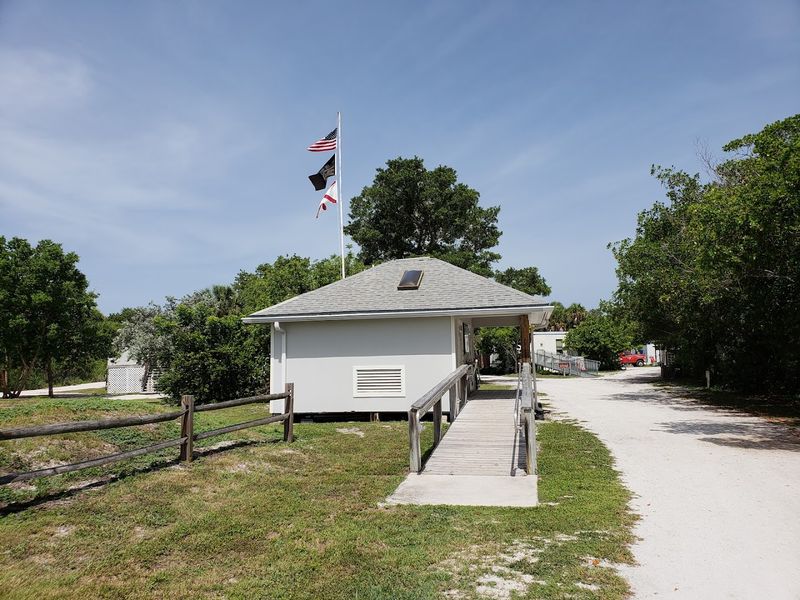
Because the island has only a small camp store with limited inventory, what you bring with you is what you have for the duration of your stay. Getting this right makes the difference between a smooth trip and a day spent wishing you had thought ahead.
Sunscreen in generous quantities is non-negotiable, and the same goes for fresh water. The store sells ice and basic supplies, but counting on it for meals or specific gear is a gamble.
A camp stove and simple, easy-to-prepare food work well for most overnight visitors.
Other essentials include a flashlight or headlamp, a reusable bag for shell collecting, a hat, and any medications you might need. If you are camping, bring food storage containers that seal completely, because the island has a population of rats that are skilled at locating anything edible left unsecured.
Preparation is the whole game here.
The Best Time of Year to Visit
Winter is the peak season at Cayo Costa, running roughly from November through April, and for good reason. Temperatures are comfortable, the bugs are far less aggressive, and the weather is reliably dry.
Shell hunters particularly love the cooler months because winter storms push fresh material onto the beach overnight.
Summer visits are entirely possible but come with trade-offs. The heat is intense, the humidity is real, and the no-see-ums and mosquitoes reach their annual peak.
Visitors who go in summer tend to spend the bulk of their day in the water, which handles the heat problem but does not help with the insects after dark.
Spring, particularly March and April, offers a solid middle ground with warm but not brutal temperatures and manageable bug levels. Whatever season you choose, arriving early in the day gives you the best dock access, the best shelling conditions, and the most time to explore before the park closes at 5 PM.
The History and Preservation Story Behind the Island
Cayo Costa has not always been a state park. The island was inhabited and used for fishing operations for generations before the state of Florida acquired it for preservation.
That history shows in small ways: old fish camp remnants, the names locals use for different parts of the island, and the general sense that people have been finding their way here for a long time.
The Florida Park Service manages the island today with a clear focus on keeping it as undeveloped as possible. No bridges, no resort development, and no commercial expansion are the guiding principles, and the result is one of the most intact barrier island ecosystems remaining on Florida’s Gulf Coast.
Hurricane Ian in 2022 significantly impacted access, ending ferry service that had previously made the park reachable without a private boat. Recovery has been ongoing, and the park continues to operate, though access details change periodically.
Checking the official site at floridastateparks.org before your trip is strongly advised.
Why This Island Stays With You Long After You Leave
Some places are easy to describe and easy to forget. Cayo Costa is neither.
The combination of genuine remoteness, unspoiled shoreline, and the effort required to get there creates a quality of experience that most Florida destinations simply cannot match.
People who have camped there talk about it the way others talk about trips that changed their perspective slightly: the quiet was different, the sky was bigger, the shells were better than expected, and the absence of the usual beach noise was almost disorienting at first and then deeply welcome.
The park earns its 4.7-star rating not because it is comfortable or convenient, but because it delivers something increasingly rare: a place that feels genuinely wild and unmanaged, even though it is carefully protected. Florida has a lot of beautiful coastline, but very little of it feels like this anymore, and that is exactly why Cayo Costa is worth the trip.



